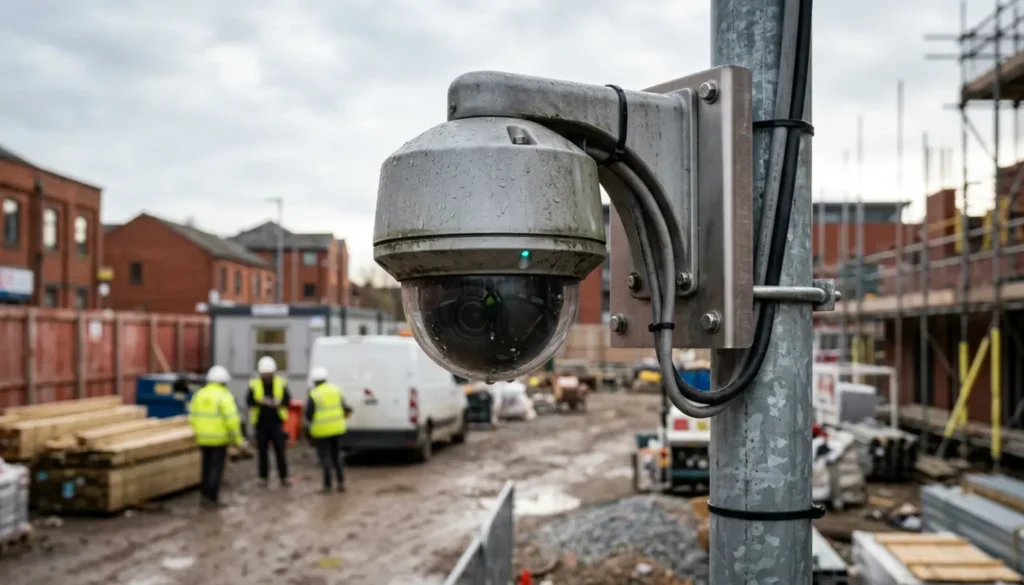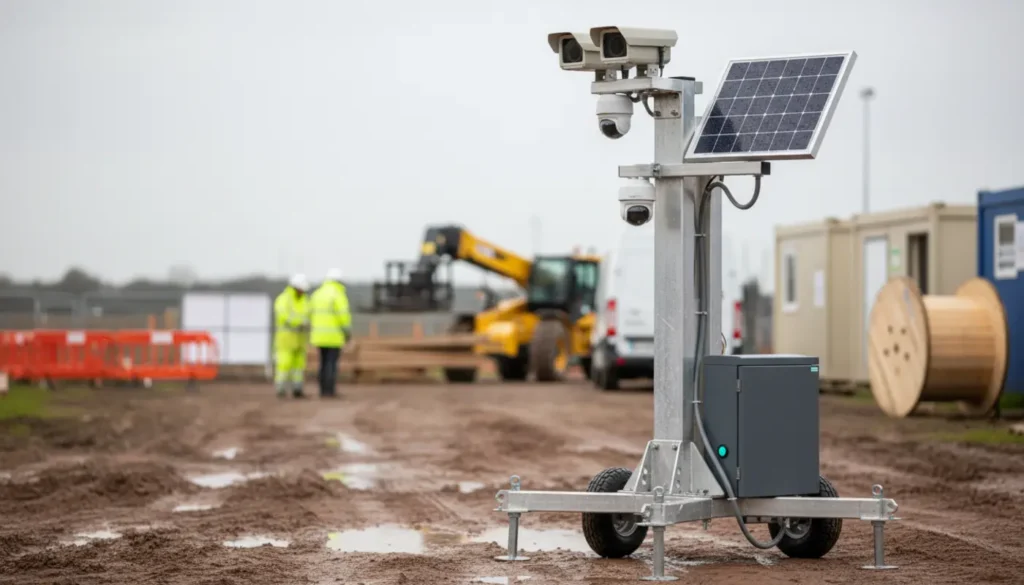
Why Construction Site Security Cameras Are Important?
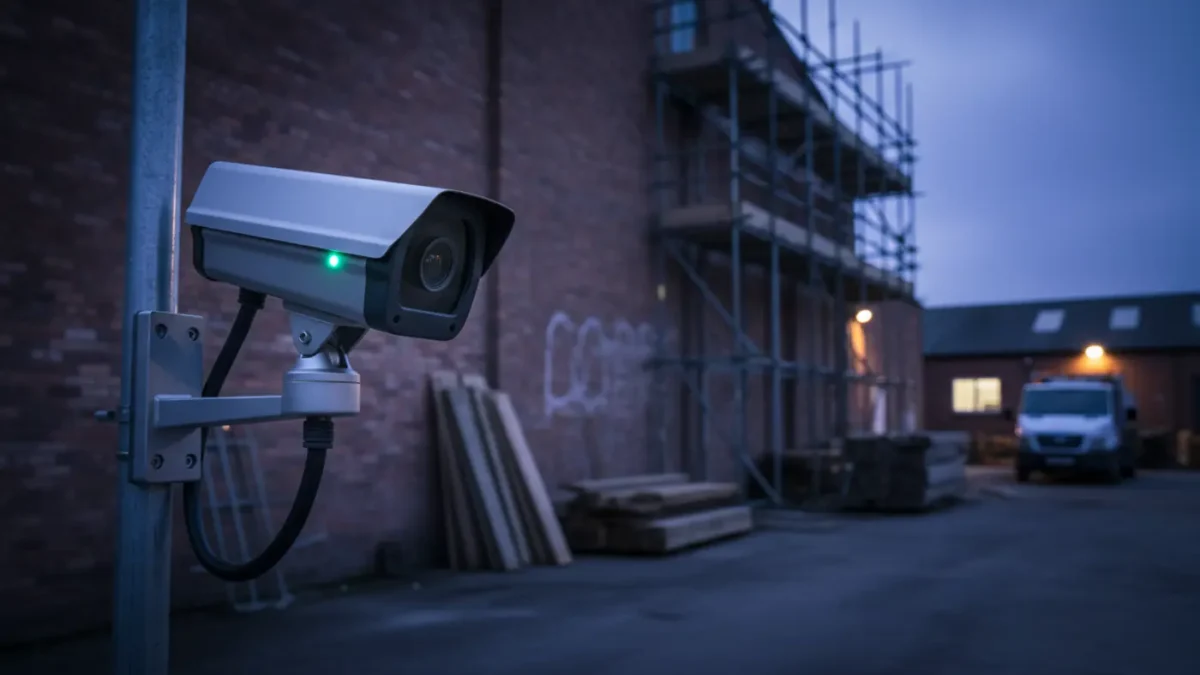
Construction Site Security Cameras
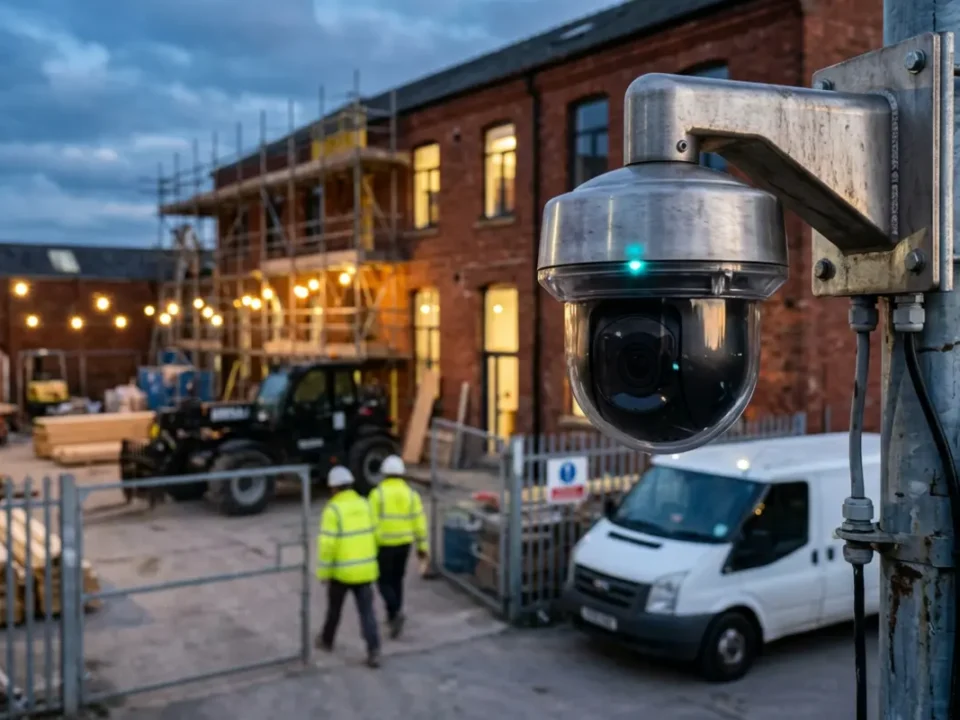
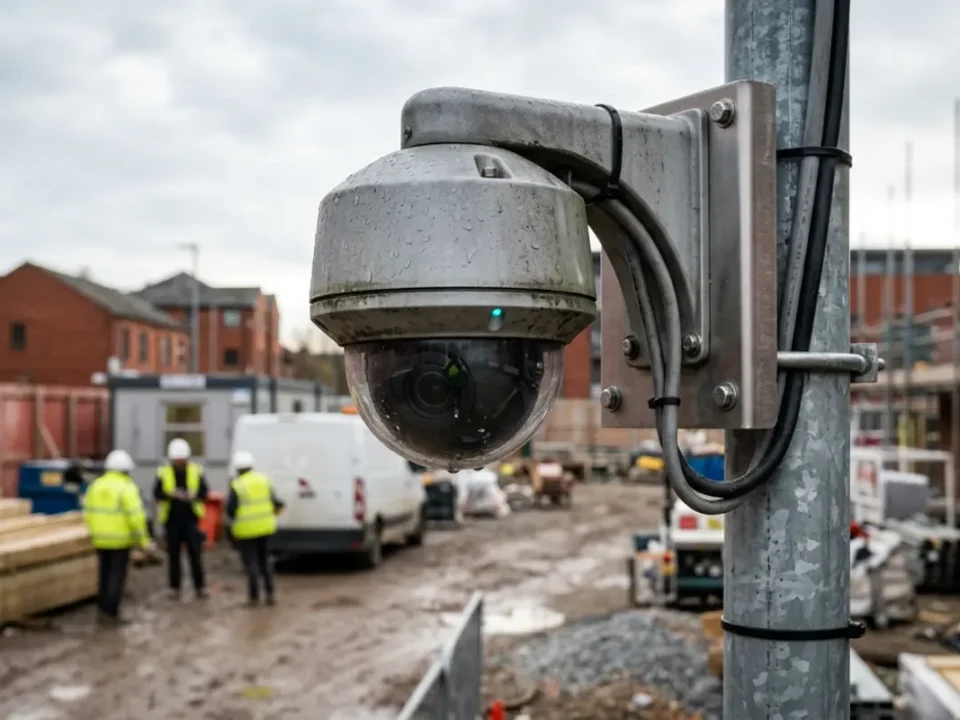
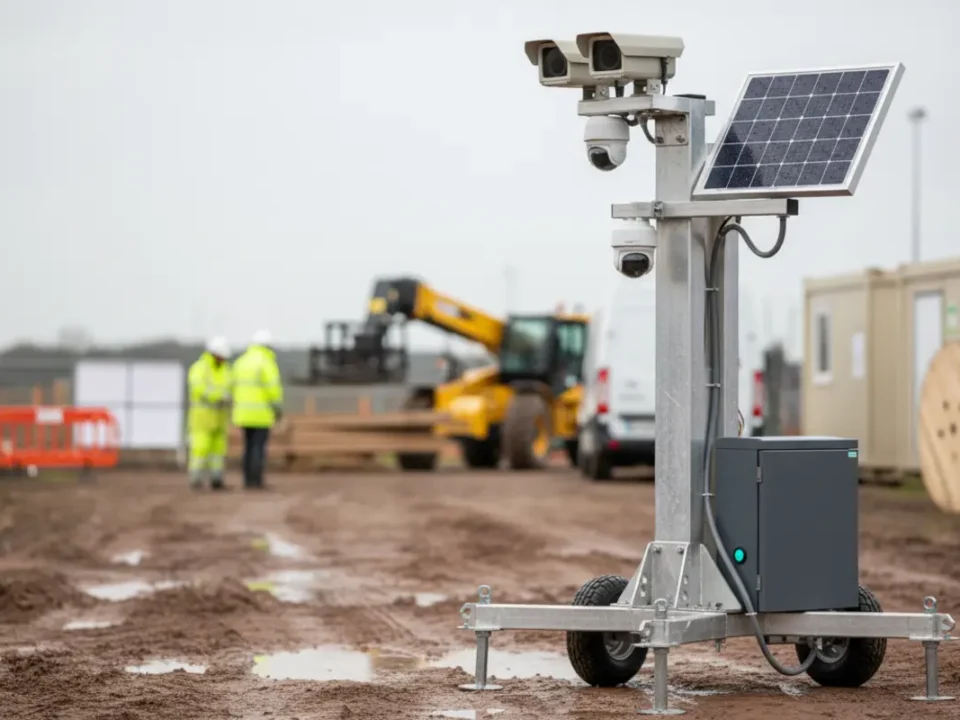
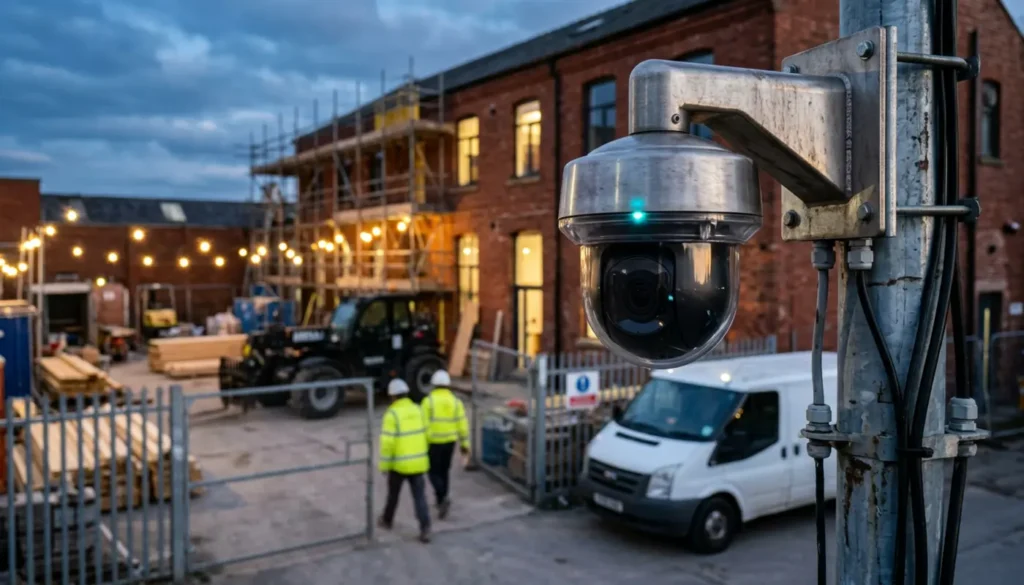
Construction site security cameras are important because they deter theft, protect workers and the public, support insurance claims, help with legal duties and give site managers clear visibility when no one is physically there. If you're managing a busy site, the last thing you need is missing plant, unsafe access or another unexpected bill before Monday morning. For UK contractors dealing with rising plant theft, vandalism, fly tipping and trespass, professionally monitored construction site security cameras are no longer a nice extra. They are a practical part of running a safe and secure site.
Have you ever arrived on site to find a gate open, tools missing or waste dumped overnight? Building sites are tempting targets because they often hold expensive machinery, tools, fuel, copper, timber and partly installed equipment in one place, often with limited activity at night or over the weekend. A visible camera system changes that picture quickly because it tells would be thieves that the site is not an easy win.
iSecurity Solutions is a trusted UK provider of commercial and domestic security systems, helping homes and businesses stay protected around the clock. For construction firms, our team provides tailored CCTV, remote monitoring, intruder detection, access control and responsive maintenance, so site teams can focus on building rather than chasing missing diggers on a Monday morning.
The Main Threats Construction Sites Face
Construction sites face crime, safety and liability risks, from organised machinery theft to unauthorised access by curious members of the public. A well designed camera system helps site managers spot these risks early, record clear evidence and build a stronger security plan around the most vulnerable parts of the site.
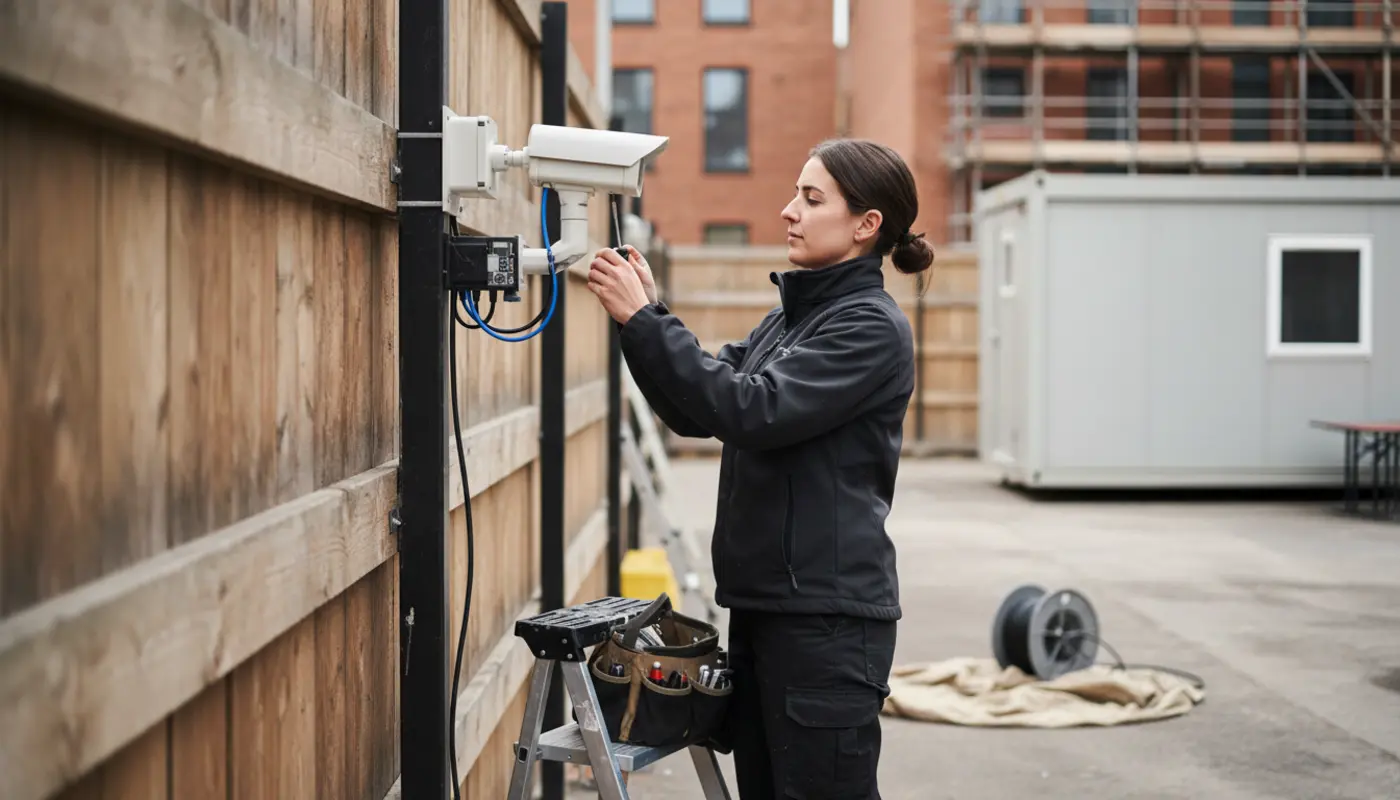
Theft Of Plant, Tools, Generators And Fuel
Theft is one of the biggest reasons contractors invest in CCTV systems for construction sites, especially when high value plant, generators, batteries, fuel and power tools are stored overnight. Organised gangs know that a stolen excavator or dumper can be moved quickly, so cameras need to cover gates, haul roads, compounds, storage areas and fuel points with enough detail to identify vehicles, people and times.
The financial damage is not limited to the cost of replacing equipment because stolen plant can stop work, delay subcontractors, increase hire charges and create extra costs across the project. If a site loses a generator on Friday night, the real bill by Monday morning can look rather unpleasant, and not in a funny way.
Vandalism, Arson And Criminal Damage
Construction sites are vulnerable to vandalism because partly completed buildings, temporary welfare units and exposed materials are easier to damage than occupied premises. Cameras with night vision, good lighting and remote alerts can help prevent graffiti, broken windows, damaged fencing and deliberate fires before the costs grow.
Arson is a serious concern on sites with timber frames, flammable materials, waste piles or incomplete fire separation. CCTV does not replace fire safety measures, but it can help detect suspicious behaviour, record how an incident began and support a faster response from keyholders or emergency services.
Trespass, Public Safety And Liability
Unauthorised visitors are a major concern, particularly on urban sites near schools, housing, retail areas or transport routes. Children, thrill seekers and opportunists may see scaffolding, excavations or machinery as something to explore, while site owners see a potential injury claim waiting to happen.
Security cameras help show that reasonable steps were taken to prevent access and monitor hazards, which can be important if an incident is investigated. They also help staff check whether fencing has been breached, gates have been left open or warning signs have been moved.
Fly Tipping On Unmonitored Sites
Fly tipping is a growing headache for UK construction sites, especially where land is partly fenced, quiet at night or close to roads used by waste carriers. Dumped waste can bring clean up costs, project delays and possible council attention, even when the site owner did not put the rubbish there.
Camera coverage at entrances, boundary gaps and delivery zones can help identify vehicles and times of dumping. This gives the site team a better chance of reporting the offence and avoiding the classic security mystery of finding a mattress, rubble bags and three tyres where yesterday there was only hardcore.
How Construction Site Security Cameras Help
Construction site security cameras help by providing deterrence, live detection, video evidence and operational oversight across the site. The strongest systems work as part of a layered approach, combining cameras with lighting, access control, alarms, good fencing and clear site procedures.
Visible Deterrence Changes Criminal Behaviour
Most criminals prefer quiet, dark and poorly controlled sites, so visible towers, warning signage and lighting can make them move on to an easier target. A camera system does not need to look like a fortress to work, but it does need to be obvious enough to make trespassers realise they are being recorded.
The National Business Crime Centre provides useful guidance shaped by police experience on construction site protection, including the value of layered security and CCTV coverage, which you can read through the construction site security guidance. It is a helpful reminder that cameras work best when they are planned properly rather than added as an afterthought.
Remote Monitoring Gives Faster Response
Remote CCTV monitoring allows trained operators to check alerts, view live images and contact keyholders or emergency services when a genuine incident is taking place. For larger contractors and developers, this is especially useful when managing several sites across different towns, because no one can be everywhere at once without developing superhero powers.
Where monitored CCTV is linked with alarms or perimeter detection, the system should be designed with insurance expectations in mind. That includes using a professional, SSAIB Certified and Insurance Approved installation where required.
For monitored alarms and eligible confirmed activations, the right certification is normally needed for a Police Response URN. Intruder detection should also be designed in line with EN 50131, commonly Grade 2 or Grade 3 depending on site risk.
If your site uses fence detection, PIR towers or vehicle recognition at the boundary, the comparison in perimeter detection options explains how different technologies can support CCTV without turning the whole site into a maze of gadgets.
Evidence Supports Police And Insurance Claims
Good footage can make a real difference after theft, vandalism, arson or fly tipping because it gives police and insurers something useful to work with. The key word here is good, because blurry footage of a white van somewhere near a gate is less helpful than clear images showing registration plates, faces, clothing, actions and times.
For insurance claims, cameras can help prove when an incident happened, what was taken, how access was gained and whether reasonable security measures were in place. That can reduce delays and make the claims process less painful, which is useful when the project programme is already under pressure.
Health And Safety Oversight Improves Site Control
CCTV can also support health and safety monitoring by helping managers review PPE compliance, vehicle movements, delivery activity, exclusion zones and unsafe behaviour. It should not replace proper supervision, toolbox talks or risk assessments, but it can provide useful evidence when reviewing incidents or preparing for HSE scrutiny.
Under CDM Regulations 2015, duty holders must plan, manage and monitor construction work so it is carried out safely, and they must take steps to prevent unauthorised access. Cameras can support that due diligence by showing how access points, pedestrian routes and high risk areas are monitored in everyday site conditions.
UK Compliance And Privacy Considerations
Construction CCTV must be used responsibly because cameras may capture workers, visitors, neighbours or members of the public. Site managers need clear reasons for recording, suitable signage, controlled access to footage and sensible retention periods.
Data Protection And CCTV Signage
The Information Commissioner's Office gives guidance on CCTV and video surveillance, including how organisations should handle personal data, signage and privacy. In simple terms, people should know they are being recorded, footage should only be used for legitimate purposes, and access should be limited to authorised people.
On construction sites, signs should usually be placed at entrances and other obvious points, explaining who operates the cameras and why. Footage should not be kept forever just because storage is cheap, because retention should match the reason for recording and any insurance or investigation needs.
Standards, Quality And Professional Installation
A construction site is a tough environment, so cameras need to handle dust, rain, vibration, temporary power issues and changing layouts. Professional design matters because today's blind spot can become tomorrow's access route once fencing, cabins or scaffolding move.
Where CCTV is part of a wider business security plan, business security systems can bring together cameras, alarms, access control and monitoring so everything works as one practical setup. That joined up approach is usually far better than having separate systems that do not talk to each other when something important happens.
Why CCTV Can Reduce Security Costs
CCTV can reduce construction site security costs by lowering the need for constant guarding, reducing losses and improving response times. It is not always a complete replacement for guards, but it can make guarding more targeted and more affordable.
Less Reliance On Manned Guarding
Manned guarding still has its place, especially on high risk sites, but full time cover can be expensive as labour costs continue to rise in the UK. Remote monitoring can watch key areas overnight and at weekends, escalating only when there is activity that needs attention.
For many sites, the best answer is a blend of cameras, alarms, access controls and occasional patrols. That gives a strong visible presence without paying for someone to stare at an empty compound for twelve hours while the most exciting event is a fox investigating a skip.
Potential Insurance Advantages
Many UK insurers look more favourably on sites with verified CCTV coverage, monitored alerts and clear evidence procedures. Premium reductions are never guaranteed, because insurers assess risk in their own way, but a well documented system can strengthen your case and may help reduce excesses or claim disputes.
If your security setup includes monitored alarms, it is worth understanding how Police Response URN requirements work, and police response alarm systems explains the process in plain English. For construction sites, this matters because insurers may ask who installed the system, how it is monitored and whether confirmed activations can be escalated correctly.
What Effective Construction Site CCTV Looks Like
Effective construction CCTV covers the right areas, records usable images, works at night and can be adapted as the site changes. The best system is not always the one with the most cameras, but the one that answers the right questions when something happens.
Camera Placement And Coverage
Priority areas normally include site entrances, delivery routes, plant storage, fuel tanks, tool stores, scaffolding access, welfare units, material compounds and weak points in the boundary. Cameras should be placed to capture faces, vehicle registrations and activity without being blocked by cabins, hoarding or stacked materials.
For higher risk sites, access control can strengthen CCTV by recording who entered, when they entered and which areas they were allowed to use. This is useful for subcontractor management, delivery logs and reducing casual access by unauthorised visitors.
Night Coverage, Lighting And Alerts
Most construction crime happens when the site is quiet, so night time performance is crucial. Cameras should be supported by suitable lighting, infrared capability or thermal detection where needed, and alert zones should be set carefully so rain, wildlife and moving trees do not trigger endless false alarms.
False alarms are more than annoying because they can cause people to stop trusting the system. A professional setup uses sensible detection areas, good camera angles and monitoring procedures so alerts are treated seriously rather than ignored like yet another group chat notification.
Maintenance And Site Changes
Construction sites change quickly, so the camera layout that worked in month one may not work in month four. Regular reviews help ensure new buildings, fencing, scaffolding or materials do not create blind spots.
Ongoing service contracts help keep cameras clean, aligned, connected and recording properly throughout the project. That matters because discovering a camera was offline only after a theft is the security version of shutting the gate after the telehandler has gone.
Final Thoughts On Construction Site Security Cameras
Construction site security cameras are important because they protect valuable assets, support safety duties, deter crime, reduce disruption and provide evidence when incidents occur. In 2026, with organised theft, fly tipping, trespass and rising operating costs all putting pressure on UK sites, reliable CCTV is a sensible business decision rather than an optional extra.
The strongest results come from a layered system that includes cameras, lighting, alarms, access control, clear signage, good site discipline and responsive monitoring. iSecurity Solutions designs reliable, tailored solutions backed by responsive service and modern remotely monitored technology, giving contractors practical protection that works when the site is busy, quiet, dark, wet and everything in between.
Frequently Asked Questions
Do Construction Site Cameras Stop Theft?
They can strongly reduce the risk because visible cameras, lighting and remote monitoring make sites less attractive to thieves. They also provide evidence if plant, tools, fuel or materials are stolen.
Are Construction Site Cameras Required For CDM Compliance?
Cameras are not named as a blanket legal requirement under CDM Regulations 2015, but they can help show due care by supporting site monitoring, access control and public safety management.
Can CCTV Lower Construction Site Insurance Premiums?
Many insurers may take verified CCTV and remote monitoring into account when assessing risk, although discounts depend on the insurer and site details. Clear coverage, retained footage and professional installation can all strengthen your insurance position.
What Should Cameras Cover On A Building Site?
They should cover entrances, exits, plant storage, fuel areas, tool stores, material compounds, welfare units, perimeter gaps and high risk working zones. The aim is to capture clear evidence of people, vehicles and activity.
Do I Need SSAIB For Monitored Construction Site CCTV?
If monitored CCTV is linked to alarms or confirmed response, an SSAIB Certified and Insurance Approved provider may be required by insurers, and SSAIB certification is usually needed before applying for a Police Response URN. Systems should also consider EN 50131 Grade 2 or Grade 3 where intruder detection forms part of the wider setup.