How to Prevent Theft on Construction Sites?
Prevent Theft On Construction Sites
To prevent theft on construction sites, use layered security that deters, delays, detects, responds, and helps recover stolen assets. In practical terms, that means strong fencing, controlled access, good lighting, monitored CCTV, secure storage, plant tracking, clear site rules, and fast reporting when something looks wrong.
If you've ever had tools, plant, fuel, or materials go missing, you'll know it is more than a frustrating setback. Theft can delay work, put pressure on tradespeople, create insurance stress, and add costs that nobody planned for.
Construction sites are tempting targets because valuable tools, plant, fuel, copper, and materials are often left in temporary spaces that change from week to week. If you want a practical security plan that fits your site rather than a box ticking exercise, iSecurity Solutions is a trusted UK provider of commercial and domestic security systems, helping homes and businesses stay protected around the clock with tailored CCTV, intruder alarms, fire safety, access control, construction site monitoring, and modern remotely monitored technology.
A good system does not rely on one camera and a hopeful wave at the gate. It combines people, procedures, and technology, so thieves find the site noisy, awkward, visible, and not worth the bother.
Why Construction Sites Are Vulnerable To Theft
Construction sites are busy, open, and constantly changing, which makes them harder to secure than a finished building. Temporary fencing may move as work progresses, several subcontractors come and go, deliveries arrive at different times, and expensive equipment can be left outside overnight because there is nowhere else to put it.
The most commonly targeted items include power tools, hand tools, generators, batteries, fuel, copper cable, metal, plant attachments, telehandlers, excavators, and small machinery. Tool theft is especially painful for tradespeople because it can stop them working the next day, while plant theft can delay an entire project and create extra hire costs, labour downtime, and insurance problems.
Industry estimates have placed the cost of construction theft in the UK at hundreds of millions of pounds each year, but the real damage is often bigger than the replacement value. A stolen excavator is bad enough, yet the knock on effect can include missed deadlines, rearranged labour, damaged client confidence, and higher future premiums.
Start With A Construction Site Theft Risk Assessment
The best way to reduce theft is to understand your site before buying equipment or booking guards. Walk the perimeter, look at nearby roads, footpaths, empty land, dark corners, climbable objects, and any places where someone could hide without being seen.
Not sure where your weakest point is? Stand outside the site after hours and ask one simple question. Could someone get in, move around, and leave with equipment without being challenged?
Then list your assets by value, portability, and importance to the programme. A small tool may be easy to steal, while a single piece of plant may be costly to replace and hard to hire at short notice, so both need attention for different reasons.
It helps to score each risk by looking at how likely it is and how much damage it would cause, then giving every control an owner and a review date. Site security should change as the job changes, especially when moving from groundworks to fit out, when copper, appliances, and portable tools often increase on site.
Secure The Site Perimeter First
The perimeter is your first chance to make theft difficult. Use continuous hoarding or well maintained Heras fencing, check for gaps, loose panels, weak bases, and missing couplers, and avoid leaving ladders, skips, pallets, or materials near the boundary where they become handy climbing aids.
Anti climb measures can include mesh toppings, protected joints, secure fixings, and careful removal of footholds. The aim is not to make a fortress for the sake of it. It is to increase the time and effort needed to get in because most thieves prefer quick and quiet access.
Gates need the same attention as fencing because a strong boundary is pointless if the entrance is casual. Keep entry points to a minimum, use lockable gates, separate pedestrians and vehicles where possible, and make out of hours closure part of the daily routine rather than something everyone assumes someone else has done.
Use CCTV And Remote Monitoring Properly
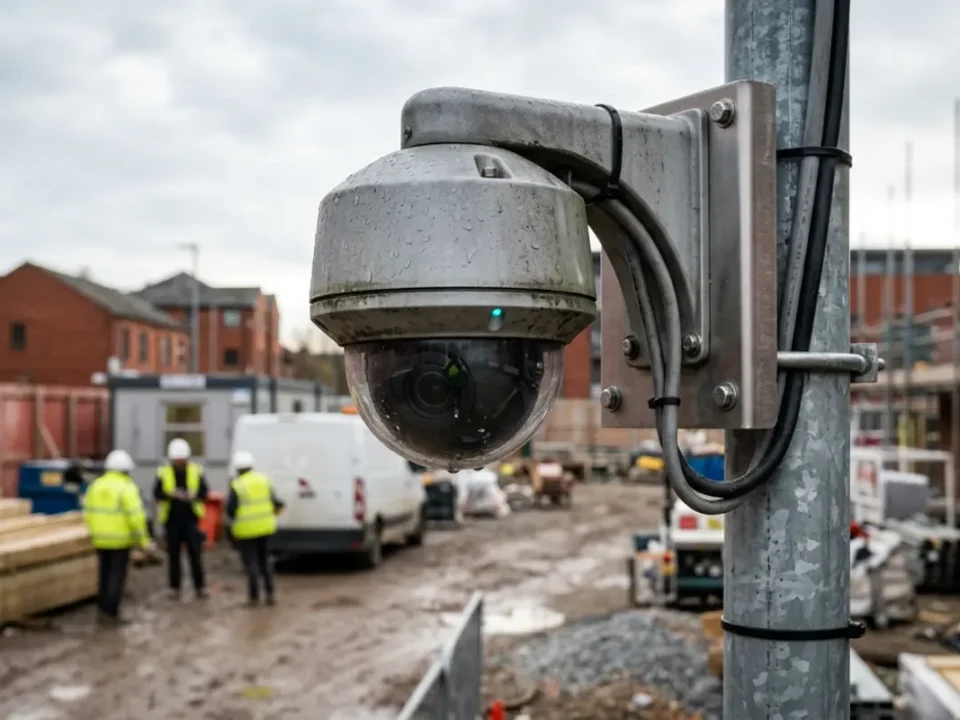
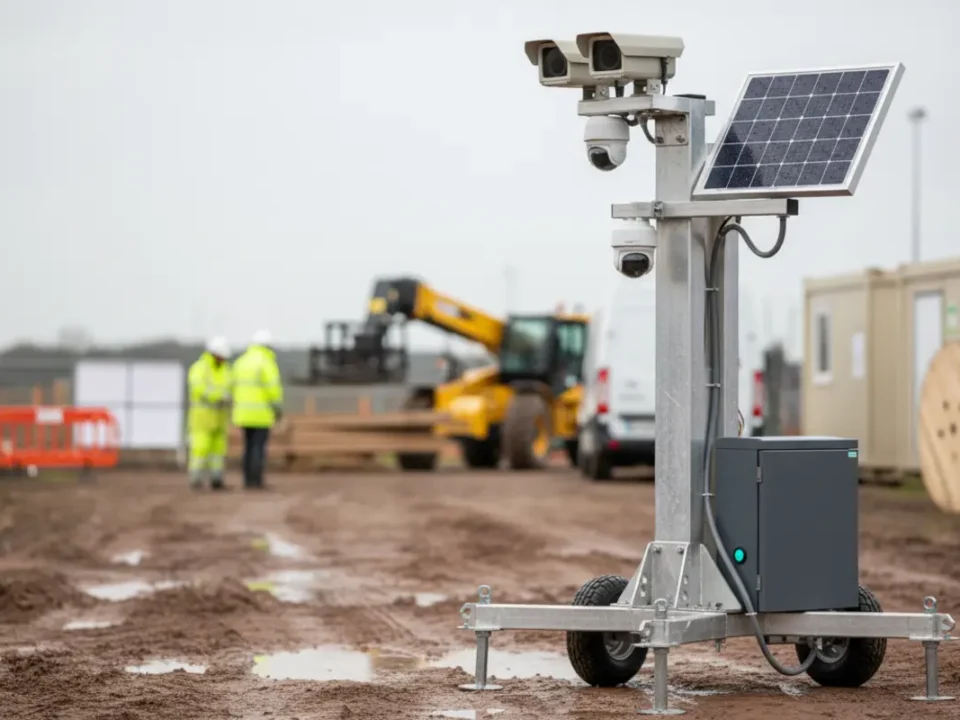
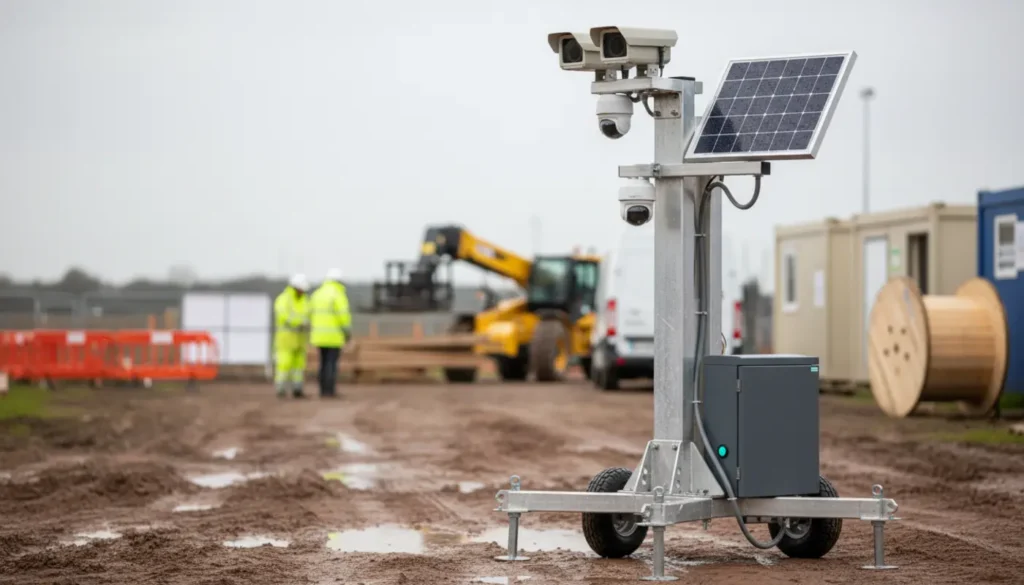
CCTV works best when it is designed around the way the site is used. Fixed cameras can cover gates, stores, compounds, and site offices, while mobile towers are useful on changing sites where power and data may be limited.
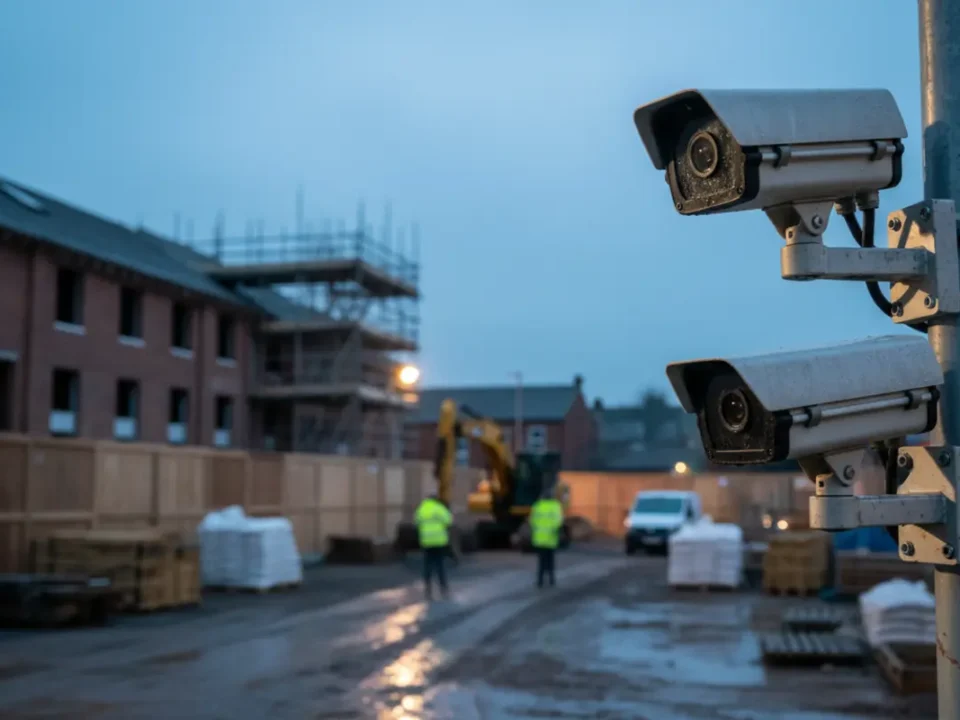
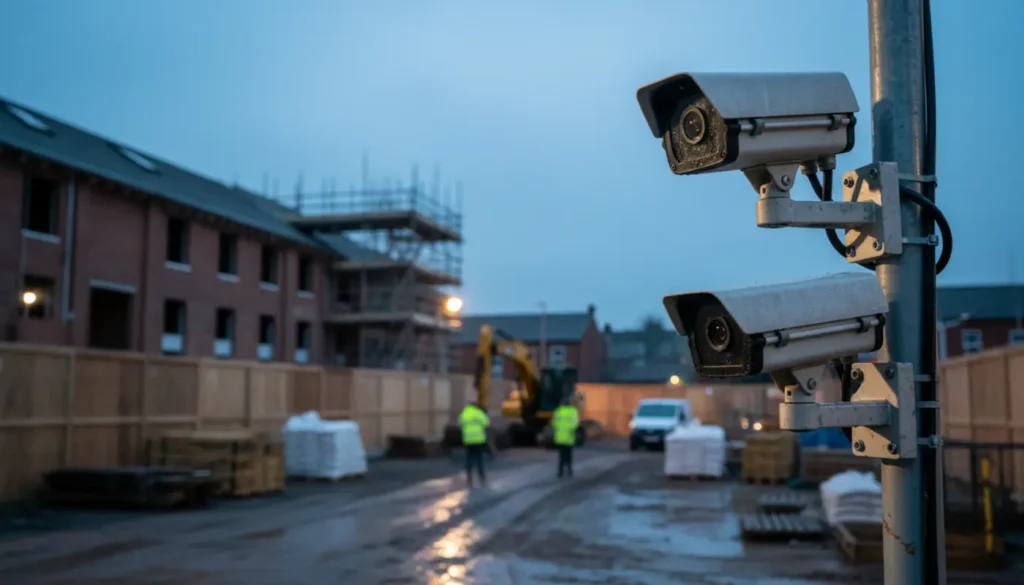
For temporary projects, professionally planned construction site security cameras can give early warning, live verification, and recorded evidence when they are positioned correctly. Good camera design should capture faces, vehicle details, entry routes, and activity around high value areas, not just a blurry view of a fence moving in the rain.
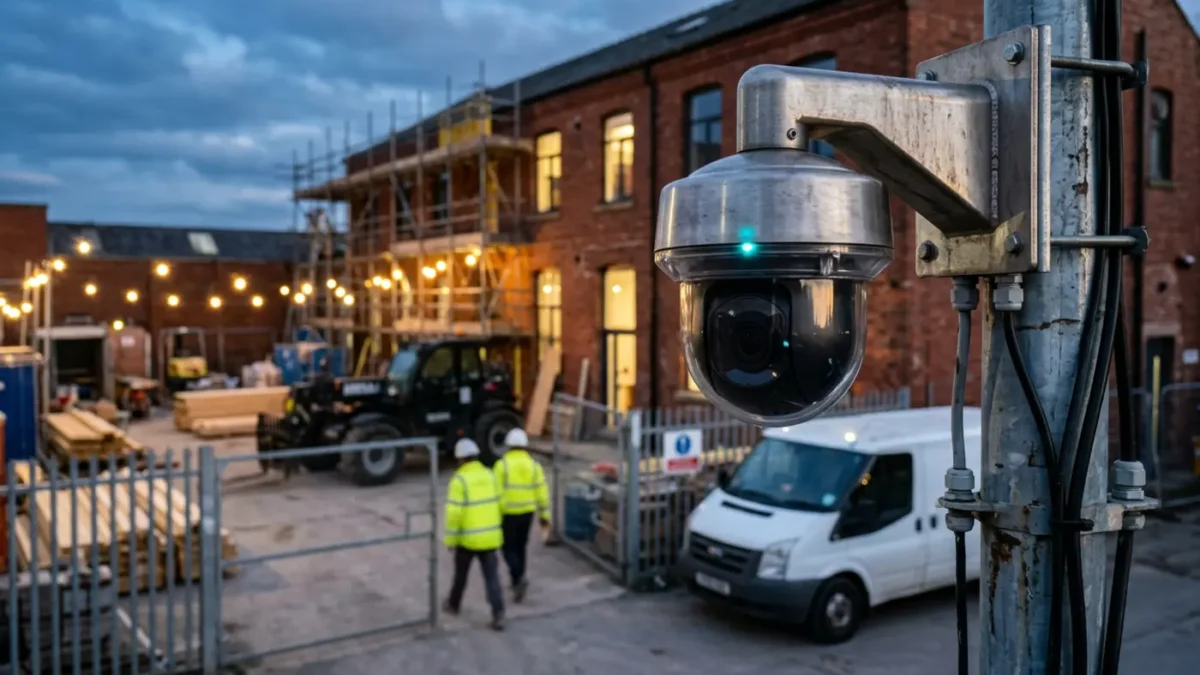
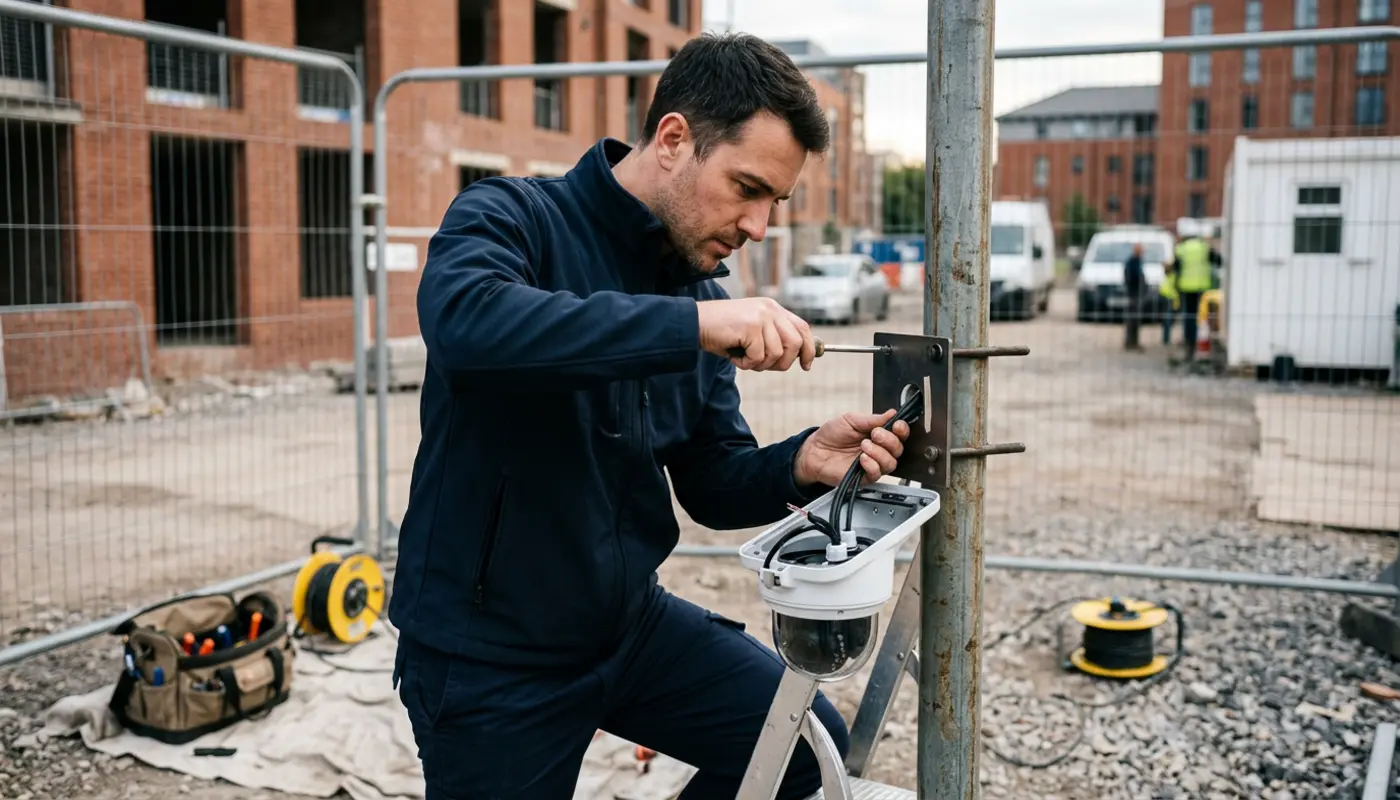
Remote monitoring adds value because trained operators can check alerts and act quickly if an intruder is seen. For sites using alarms, monitored CCTV, or perimeter detection, SSAIB certified and Insurance Approved installation is important, and it can be a prerequisite for a Police Response URN where police response is required under insurer or monitoring arrangements.
CCTV on construction sites must also respect UK GDPR and Data Protection Act rules when people can be identified. The ICO explains that organisations should have a clear purpose, use suitable signage, limit recording to what is necessary, control access to footage, set sensible retention periods, and consider privacy risks. You can read more in the ICO video surveillance guidance.
Where detection is linked to intruder alarm technology, BS EN 50131 Grade 2 or Grade 3 should be considered depending on the risk level, value of assets, and insurer expectations. In plain English, the grade shows how strong the system should be against different levels of intruder skill and attack.
For CCTV, BS EN 62676 is also relevant because it supports good design, performance, and operation of video surveillance systems. Where detector activated monitored CCTV is used, BS 8418 can help guide how systems are designed and monitored so alerts are handled properly, rather than left as unexplained notifications.
Improve Lighting And Access Control
Lighting is one of the simplest ways to make a site less attractive at night. Use PIR lighting around gates, compounds, fuel stores, walkways, and camera views, but test it after dark because badly aimed lights can cause glare, shadows, and poor CCTV images.
Access control is just as important during working hours because not every loss happens at midnight. ID badges, sign in records, visitor logs, delivery checks, vehicle details, and clear induction rules make it easier to know who is on site and who should not be there.
For larger or higher risk sites, electronic access control can support turnstiles, controlled doors, fobs, cards, or coded access points. The key is to remove guesswork, so access records can be reviewed if tools, materials, or fuel go missing.
Protect Plant And Machinery
Plant theft prevention starts with the basics, and the first rule is very simple. Remove the keys. Keys should never be left in cabs, site offices, drawers, lockers, or any predictable hiding place that half the site knows about.
Use a controlled key cabinet, sign out process, and end of shift key check so missing keys are spotted quickly. If a key is lost, act fast because waiting and hoping is not a security strategy.
Physical protection can include immobilisers, wheel clamps, hitch locks, ground anchors, chains, hydraulic locks, and secure compounds. Park machinery away from the perimeter, position heavy equipment to block easy removal routes, and avoid leaving trailers or attachments ready to tow.
GPS trackers, CESAR marking, and TER registration improve the chance of recovery and help police identify equipment. Keep records of VINs, PINs, chassis numbers, engine numbers, serial numbers, photographs, markings, and ownership documents because accurate information can make a real difference after a theft.
Secure Tools, Fuel And Materials
Tools should be kept in lockable site vaults, secure containers, or strong internal stores, ideally away from the perimeter and vehicle loading points. High value tools should be marked, photographed, and recorded with serial numbers, and tradespeople should keep receipts where possible for insurance and ownership evidence.
Van security matters too, especially for smaller contractors and sole traders. Remove portable tools overnight where practical, use internal lockable storage, park in well lit areas, and avoid advertising expensive kit with visible boxes, branded tool cases, or predictable parking habits.
Fuel theft can be surprisingly costly and disruptive. Keep tanks and bowsers in lit, camera covered areas, restrict access, consider tank alarms or level monitoring, compare deliveries with usage, and investigate unexplained drops before they become a pattern.
Copper, cable, and other high value materials should be ordered close to installation where possible. Just in time ordering is not always easy, especially when supply chains are under pressure, but storing less attractive stock on site usually reduces exposure.
Manage Deliveries And Stock Carefully
A lot of site security comes down to knowing what arrived, where it was stored, and who was responsible for it. Use agreed delivery windows, verify drivers and vehicles, check purchase orders, count quantities, and avoid leaving valuable materials outside the secure area.
Keep a live inventory for tools, plant, fuel, and high value materials. Spot checks may feel slightly dull, but they help catch small losses early, and small unexplained losses can be the warning sign before a larger theft.
For more detail on how cameras support site security as layouts change, see mobile CCTV for construction site security. Mobile systems are particularly useful when compounds move, temporary entrances change, or new blind spots appear during the build.
Use Guards, Patrols And Keyholding Where Risk Justifies It
Manned guarding can be the right choice where the site is large, remote, high value, or repeatedly targeted. Security officers should be SIA licensed, briefed properly, and given clear duties covering gate control, patrol routes, incident reporting, escalation, and handover.
Mobile patrols and keyholding can suit sites that do not need a constant presence but still need visible checks out of hours. Patrol times should not be too predictable, and reports should include evidence of attendance, perimeter checks, gate checks, and any issues found.
If security staff are used, BS 7858 can be relevant for screening people in security roles. It helps support proper background checks, which is useful when staff may have access to keys, sensitive areas, valuable assets, or incident information.
The main point is to match the control to the risk. A small refurbishment may need strong locks, lighting, tool storage, and records, while a remote infrastructure site with plant and fuel may need monitored CCTV, perimeter detection, patrols, and a formal response plan.
Build A Security Culture On Site
People make or break a security plan. Include theft prevention in site induction, explain how to report suspicious behaviour, encourage workers to challenge unknown visitors politely, and make sure subcontractors understand storage, key, and access rules.
Could someone walk onto site after hours or follow a delivery vehicle through the gate without anyone asking who they are? If the answer is yes, that is a useful place to tighten procedures.
Use proportionate staff and subcontractor checks, especially for people with access to stores, plant keys, fuel, or high value materials. Remove access promptly when someone leaves the project, and do not let old fobs, codes, or keys quietly stay active in the system.
Toolbox talks are a useful way to keep security fresh without making it feel like a lecture. Short reminders about locking containers, checking gates, marking tools, and reporting damage can prevent the slow drift that often happens on busy sites.
Report Theft And Preserve Evidence
If a crime is in progress, someone is at risk, or there is immediate danger, call 999. For non emergency theft, damage, or suspicious activity, report through 101 or online police reporting, then notify your insurer and any relevant plant registration database.
Preserve CCTV footage, access logs, alarm activations, photographs, and physical evidence before the scene is tidied up. Create a list of stolen items with make, model, colour, serial number, VIN or PIN, CESAR or TER details, last known location, time window, purchase records, and replacement value.
After the incident, review how entry was gained and whether the weak point was fencing, keys, storage, access control, lighting, monitoring, delivery process, or insider risk. Update the risk assessment quickly because thieves sometimes return when they think a site is still vulnerable.
Construction Site Theft Prevention Checklist
- Inspect fencing, hoarding, gates, and locks every day.
- Keep materials, skips, ladders, and plant away from the perimeter.
- Use lighting around entrances, compounds, stores, and fuel areas.
- Position CCTV to capture faces, vehicles, and movement routes.
- Use monitored systems where alerts need fast verification.
- Control site access with passes, logs, and vehicle checks.
- Remove plant keys and use a sign out process.
- Immobilise, mark, register, and track valuable machinery.
- Store tools in secure vaults or containers.
- Check fuel, deliveries, and high value stock regularly.
- Use SIA licensed guards or patrols where risk justifies it.
- Report incidents quickly and preserve evidence.
Final Thoughts
Preventing theft on construction sites is not about buying one product and hoping for the best. It is about making the site harder to enter, harder to move around, harder to steal from, and easier to investigate if something happens.
The strongest approach combines perimeter protection, monitored surveillance, lighting, access control, secure storage, plant protection, clear procedures, and a team that knows what good security looks like. When those layers work together, you protect assets, people, project timelines, and peace of mind, which is worth far more than a lock on a gate.