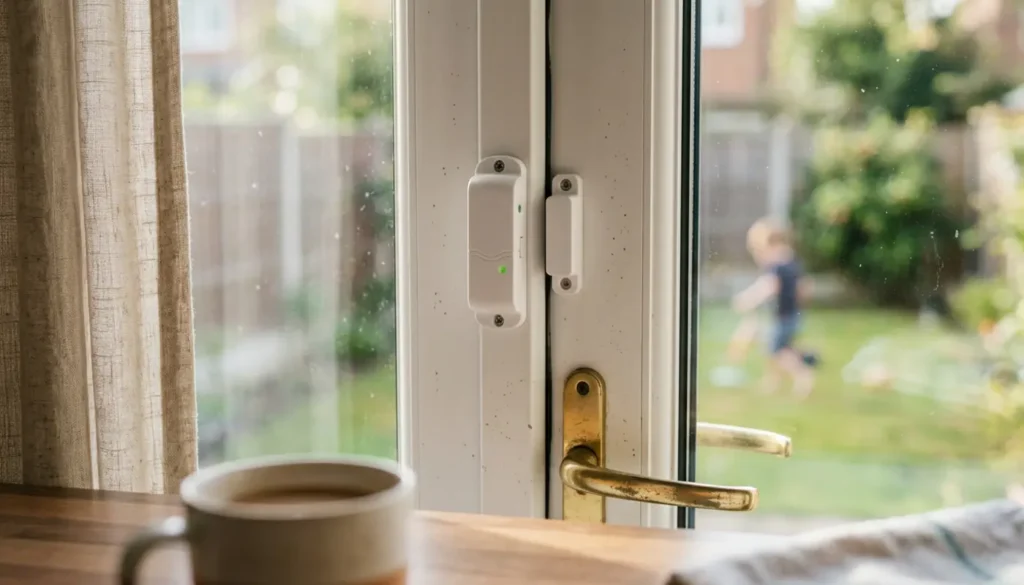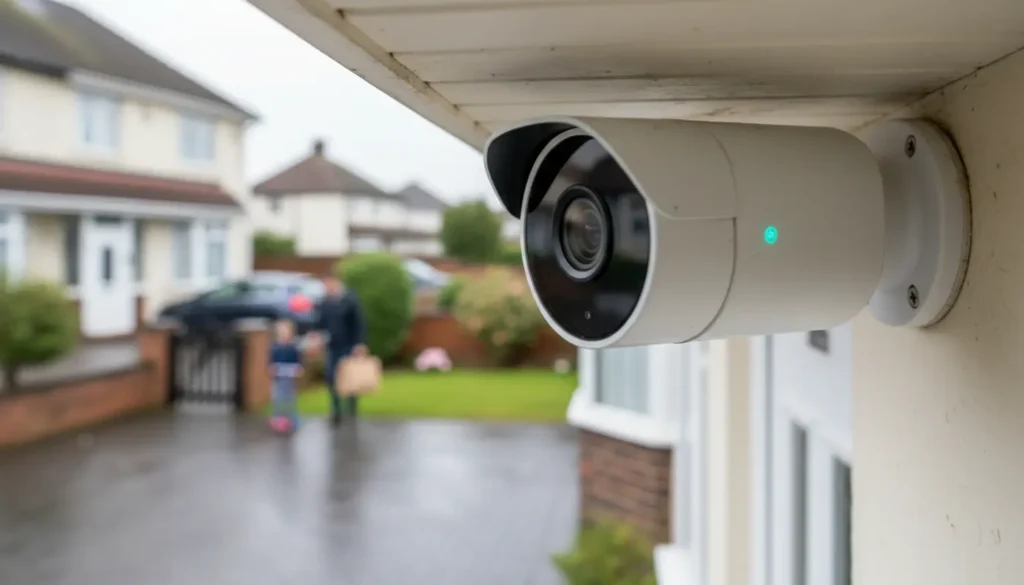
How to Get Police Response Alarm Systems in Manchester
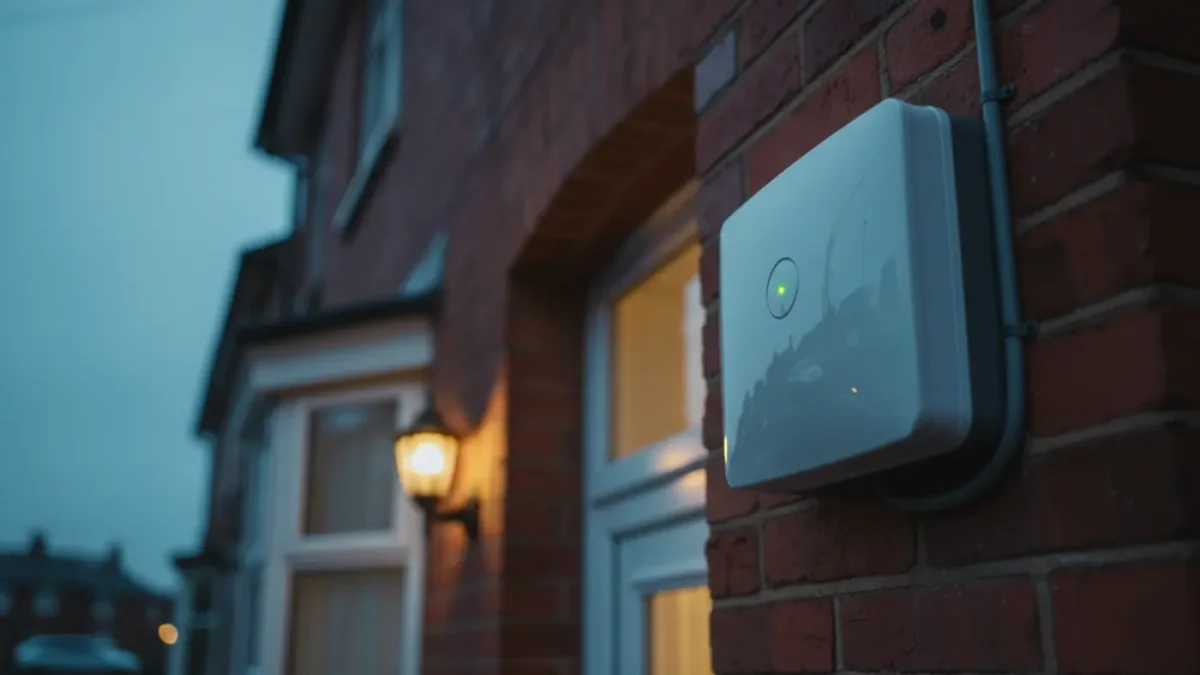
How do you get a police response alarm system in Manchester? You need a compliant monitored intruder alarm, installation by an SSAIB certified and Insurance Approved company, an eligible Alarm Receiving Centre, and a Police Response URN issued under police policy. In simple terms, the police do not respond to every alarm siren. They respond to systems that meet strict rules, are professionally monitored, and are set up to reduce false alarms.
If that sounds a bit formal, that is because the process does come with clear rules. The good news is that it is much easier to manage once you know the right order. Choose the right installer, make sure the alarm meets EN 50131 and related police requirements, arrange monitoring, and submit the URN application correctly.
For homes and businesses across Manchester, iSecurity Solutions helps make the process straightforward. We design, install, and maintain compliant intruder alarm systems that are built for ongoing police response eligibility.
Police Response Alarm Manchester
A police response alarm system in Manchester is a remotely monitored intruder alarm that can be linked to a Police Response URN, which means Unique Reference Number. That URN allows a recognised monitoring centre to pass confirmed alarm activations to the police in the correct way, instead of relying on someone nearby hearing a siren and making a call.
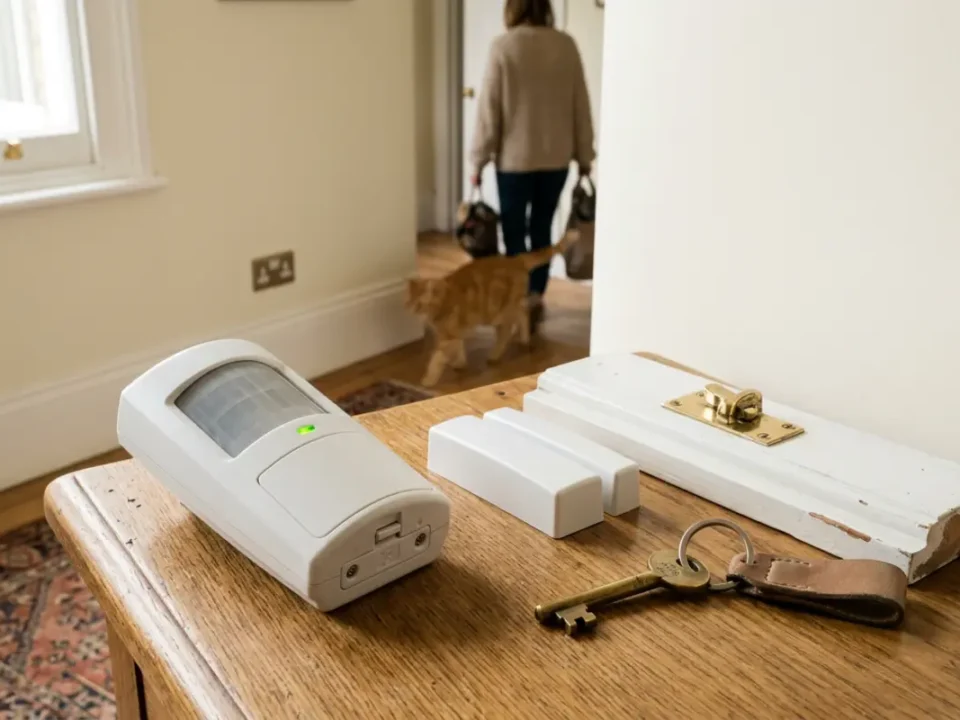
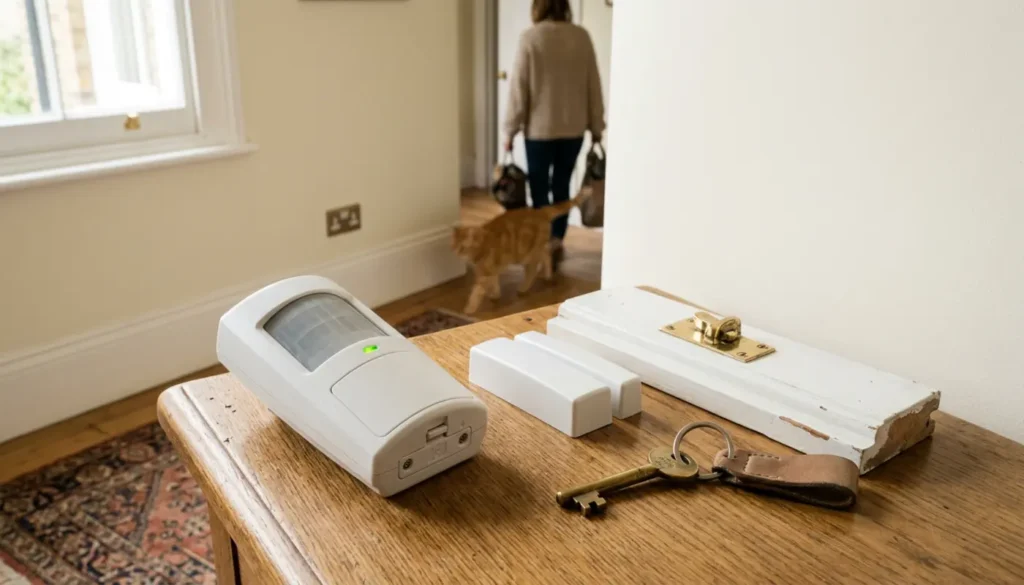
A standard audible burglar alarm is usually not enough. A bell only system may still put intruders off, but it will not normally qualify for planned police attendance. If you are comparing system types, it helps to look at specialist intruder alarms designed for monitoring, signalling, and compliance from the start.
How To Get Police Response Alarm Systems In Manchester
To get police response alarm systems in Manchester, your property must meet the right conditions. It is not only about whether the building is a home or a business. It is about whether the alarm system is compliant, professionally installed, properly monitored, and supported by the correct paperwork.
A shop, office, warehouse, school, pharmacy, or higher risk home can all qualify if the setup follows police and industry requirements. The installer matters just as much as the equipment. Police Response URN eligibility depends on using an SSAIB certified and Insurance Approved company that understands the standards, monitoring path, and application process. For more complex sites, tailored business security planning often makes the process much smoother.
Who Qualifies For Police Response Alarm Systems In Manchester
Properties in Manchester qualify when they have a professionally installed monitored intruder alarm, a recognised ARC handling signals, suitable keyholders, and a valid URN application submitted through the correct route. The property type matters less than the quality and compliance of the full setup.
Most qualifying properties need a few basics in place:
- A professionally installed monitored intruder alarm
- Compliance with EN 50131, usually Grade 2 or Grade 3 depending on risk
- A recognised ARC handling alarm signals
- At least two reliable keyholders who can usually attend promptly
- Accurate application details for the police URN process
If the site has a genuine security risk and the system is maintained properly, there is a strong chance it may qualify. If the setup uses non compliant parts or has no recognised monitoring, police response is very unlikely.
UK Police Response Alarm Requirements You Must Meet
The main requirement is a compliant monitored alarm system, not just a loud bell. Police policy is designed to reduce false calls and make sure emergency attendance is reserved for alarm activations that come through recognised channels with the correct identification.
For intruder alarms, the key technical standard is EN 50131. In many Manchester properties, Grade 2 suits lower to medium risk sites, while Grade 3 is often used for higher risk buildings such as pharmacies, warehouses, and some retail premises. If you want a simple breakdown of the difference, our guide to Grade 2 and Grade 3 alarms is a helpful place to start.
There is also a difference between Type A and Type B systems. Type A systems are the recognised route for Police Response URN applications. Type B systems are generally not compliant for planned police response, so a monitoring alert alone is unlikely to be treated in the same way.
Keyholders are another important part of the process. Police forces commonly expect at least two keyholders who can be reached by phone and who can attend when needed. If those details are out of date or the keyholders are not available, the application can be delayed.
Choosing An SSAIB Certified And Insurance Approved Alarm Installer
If police response is the goal, certification is not an extra. It is a core requirement. You should choose an installer approved through a recognised certification route, and in this case the key requirement is an SSAIB certified and Insurance Approved company.
Many Manchester customers choose an SSAIB certified and Insurance Approved installer because that route supports compliance and helps with the full process. NSI approved companies can also form part of the recognised route depending on the system and application. A skilled installer will assess the property, choose a suitable alarm grade, confirm signalling options, and handle the paperwork needed for Police Response URN submission.
It is also worth checking that the installer offers support after commissioning, which is the final setup and testing stage. A URN is not a one time box to tick. It depends on continued maintenance, sensible use, and low false alarm rates. That is why many customers choose formal service contracts rather than leaving things to chance.
Getting A Unique Reference Number From The Police
A Police Response URN is the number used by the police and the monitoring centre to identify your alarmed premises. Without it, even a monitored activation may not receive the planned level of response linked to compliant systems.
In most cases, the application is arranged by your installer on your behalf. The application includes property details, system information, keyholder details, and confirmation that the alarm and monitoring setup meet the required standards. If anything is missing or does not match, delays can happen.
Policy and fees can change, so it is sensible to check the latest guidance. The National Police Chiefs' Council publishes the framework behind these arrangements, and you can read more in the official NPCC security systems policy.
A URN does not guarantee police attendance every single time. It gives your system the recognised route for police response, but actual attendance can still depend on operational demand and what is happening at the time.
Selecting The Right Monitored Intruder Alarm System
Not every monitored alarm is suitable for police response eligibility. The system needs the right signalling path, confirmation method, and design standard. In simple terms, it must send the right alert in the right way when it matters most.
For many sites, dual path signalling is preferred because it gives a backup route if one communication path fails. That makes the system more reliable and helps reduce the chance of missed signals. The final design depends on your risk level, building layout, and insurer requirements.
Higher risk sites may also need Grade 3 protection rather than Grade 2. Manchester sectors such as retail, offices, and specialist storage often need different specifications. Practical examples like office alarm systems in Manchester can help when planning the right setup.
Signing Up For A UK Alarm Receiving Centre Monitoring Service
The ARC, or Alarm Receiving Centre, is the part of the chain that watches for alarm signals and reacts according to agreed procedures. If an activation meets the conditions for escalation, the ARC uses the Police Response URN to contact the police through the recognised route.
This is important because police response does not come from a self monitored app alert. It comes from a compliant chain that includes approved installation, recognised monitoring, and proper verification. If one part is missing, the whole process can fall apart.
If you want to understand how monitoring and servicing work together over time, our guide to security maintenance contracts in Manchester is a useful place to start.
Completing Installation And System Testing
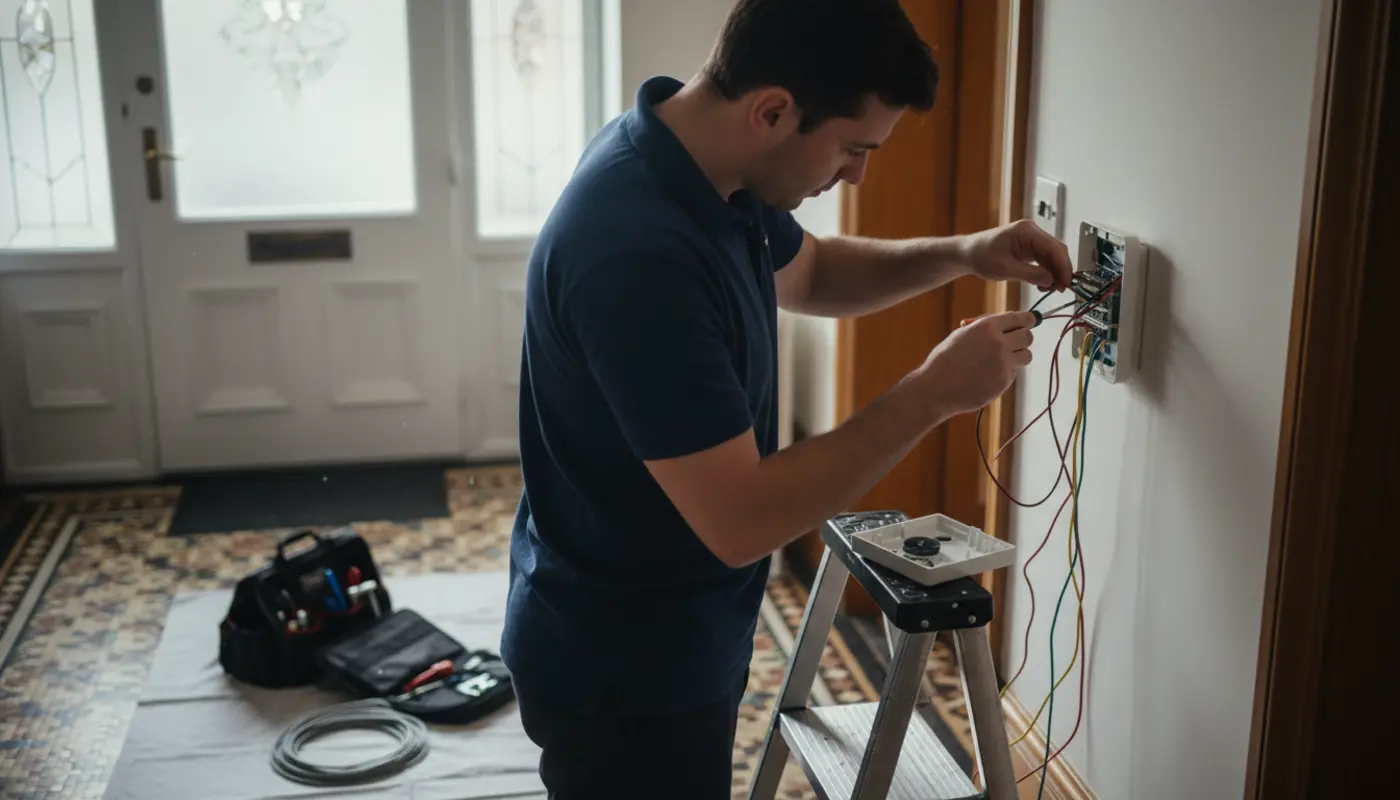
Once the design is agreed, the installer carries out the fit, programming, and commissioning. This stage is not only about fixing detectors to walls. It includes placing devices correctly, reducing false trigger risks, checking signalling paths, and confirming the ARC can receive and process signals properly.
System testing should be completed before you rely on the alarm for police response. That includes making sure zones operate correctly, user codes work as intended, setting and unsetting is clear, and the monitoring link performs as expected.
Businesses that need a wider security upgrade alongside alarms may also combine this with measures such as access control so entry points, staff movement, and alarm procedures all work together properly.
Ongoing Maintenance And Compliance Requirements
Police response eligibility does not end once the URN is issued. The system must stay compliant, be maintained properly, and be used correctly by staff or residents. If false alarms increase, police response can be downgraded or withdrawn.
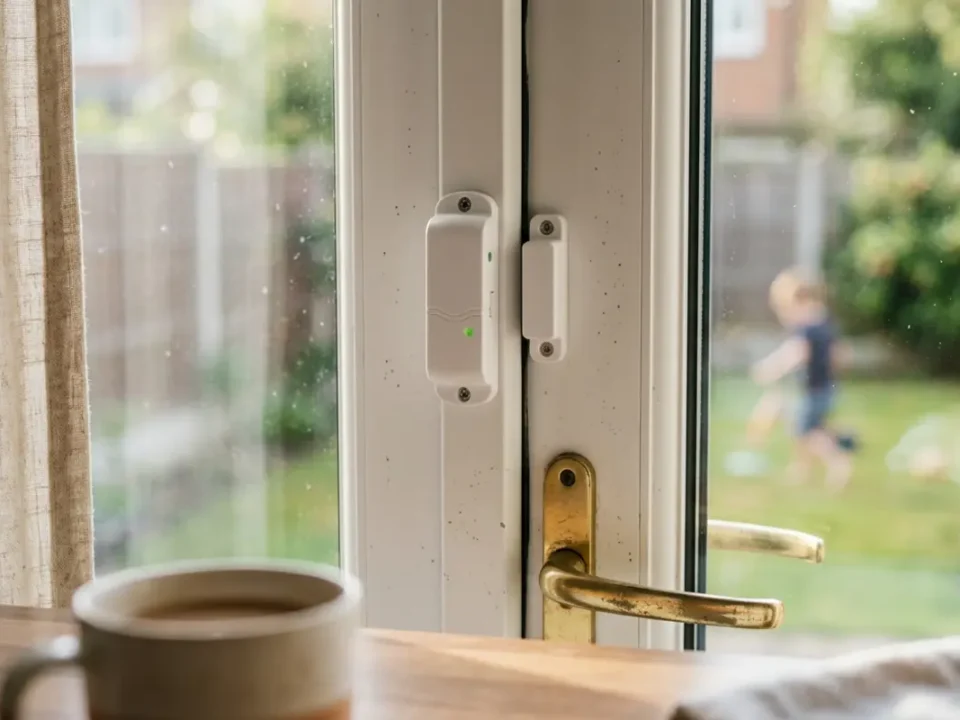
Common problems include doors not being secured properly, rushed setting procedures, pets entering the wrong area, blocked detectors, and out of date contact records. Regular maintenance visits help catch these issues early and keep the system working as it should.
It also helps to stay informed through practical resources. If you want a clearer picture of how approval, servicing, and monitoring fit together, our SSAIB certified and Insurance Approved intruder alarm advice is a good next step.
Common Reasons Applications Are Delayed Or Rejected
Most delays happen because of everyday issues. Incomplete paperwork, incorrect keyholder details, non compliant signalling, and trying to use an installer or monitoring route that does not meet police requirements are all common problems.
Another issue is choosing the wrong alarm grade for the level of risk. A system that is too basic may suit the budget, but it may not satisfy the insurer, the monitoring standard, or the Police Response URN criteria. That is why a proper survey matters before installation begins.
There can also be delays if the property has a poor false alarm history or if earlier arrangements were withdrawn and never put right. Sorting those points early saves time later.
How To Keep Your Police Response Alarm System Eligible
The best approach is simple. Maintain the system, train users properly, update keyholder details quickly, and investigate every unwanted activation. The fewer false alarms you have, the better your standing remains.
Annual servicing is especially important, and many sites benefit from extra checks as well depending on risk and usage. If your property changes, such as new access routes, partition walls, stock value, or staffing patterns, the alarm design may need to change too.
For larger sites or growing organisations, it can also help to review the alarm as part of the wider security setup, alongside business security system planning so compliance keeps pace with operational changes.
Final Thoughts
Getting police response alarm systems in Manchester is not about choosing the loudest siren or the most advanced keypad. It is about meeting the right standards, using an SSAIB certified and Insurance Approved installer, arranging proper monitoring, and securing a valid Police Response URN through the correct process.
When it is done properly, you get stronger protection, better insurer confidence, and a more reliable response route when a genuine intrusion happens. Whether you are protecting a home, office, retail unit, or higher risk premises, the best option is to plan for compliance from the start rather than trying to fix things later.
iSecurity Solutions is a trusted UK provider of commercial and domestic security systems, helping homes and businesses stay protected around the clock. From CCTV and intruder alarms to fire safety, access control and construction site monitoring, our expert team designs reliable, tailored solutions backed by responsive service and modern, remotely monitored technology. Whether you are securing a single property or managing multi site assets, we deliver the equipment, expertise and peace of mind to help keep what matters most safe.