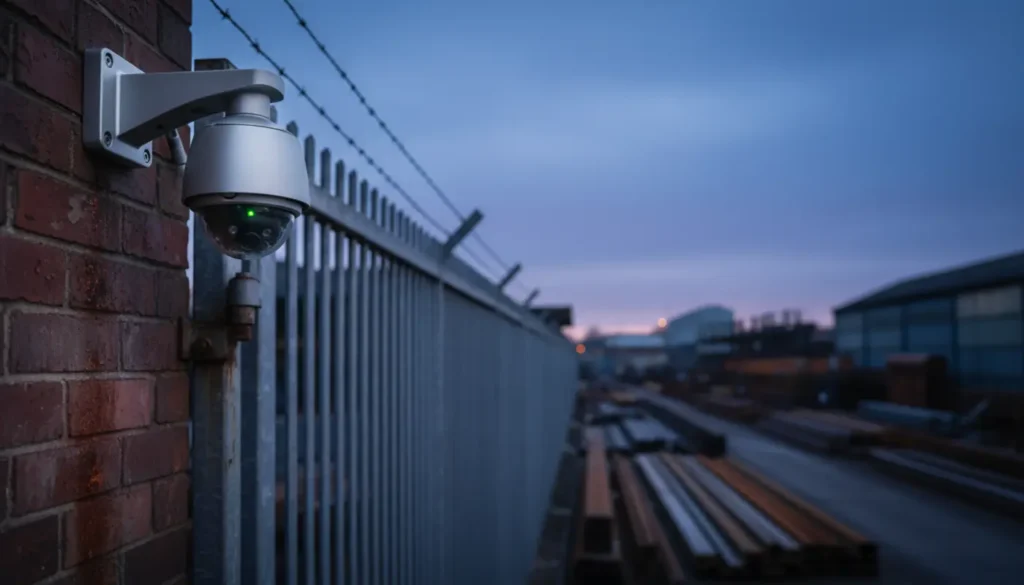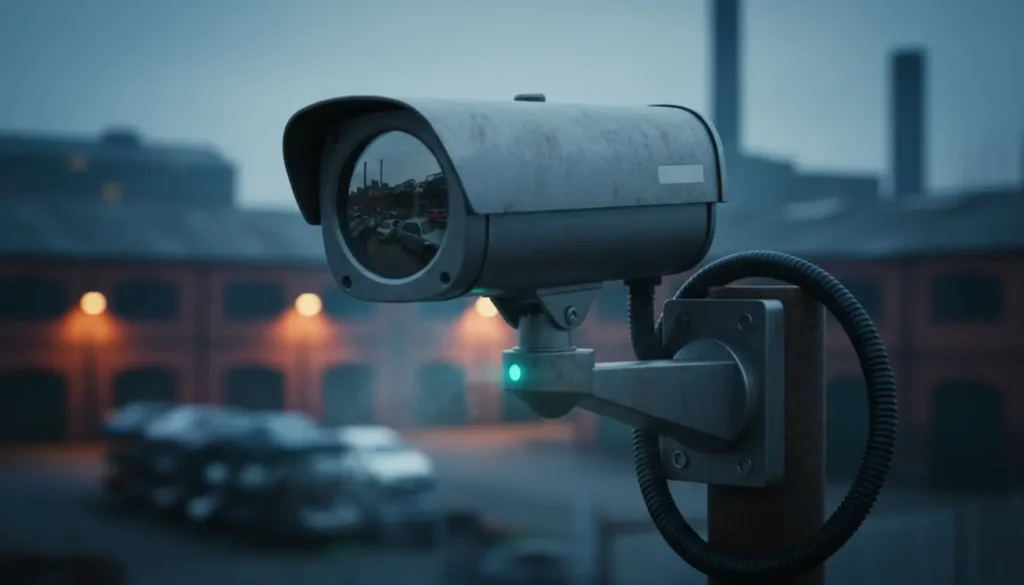
Fence Detection vs PIR Towers vs ANPR: Which Wins?

Fence Detection Vs PIR Towers Vs ANPR In The UK
If you are comparing fence detection, PIR towers or ANPR for your site, you probably want to know which one actually gives the strongest protection. On the surface, they look like completely different technologies. In reality, each one solves a different security problem. The right choice depends on your layout, your risk level and how quickly you need a response.
Across the UK, construction plant theft, cable theft and fuel theft continue to cost businesses millions each year. Industry bodies such as the Equipment Theft Register report that organised gangs often target poorly protected perimeters, usually at night or over weekends when sites are empty. Thieves do not wait for business hours.
That is where professional security systems make a real difference. At iSecurity Solutions, a trusted UK provider of commercial and domestic security systems, we design and integrate fence detection, PIR towers and ANPR into one Insurance Approved strategy. The aim is simple. Detect early, verify quickly and stop incidents before they turn into costly claims.
The Rising Cost Of UK Perimeter Breaches
Perimeter breaches are rarely small issues. On construction sites, the theft of a single excavator or generator can stop work for days and cause serious delays. Cable theft can leave developments without power and create major safety risks. Fuel theft is also rising, particularly on rural and infrastructure projects where tanks are often positioned near boundaries for convenience.
Basic CCTV alone is no longer enough. Recording an incident after it happens does not prevent loss. Where police response is required, systems must comply with BS 8418 for detector activated CCTV and be installed by an SSAIB certified and Insurance Approved provider. This is essential when applying for a Police Response URN linked to monitored alarms.
How Fence Detection Systems Work
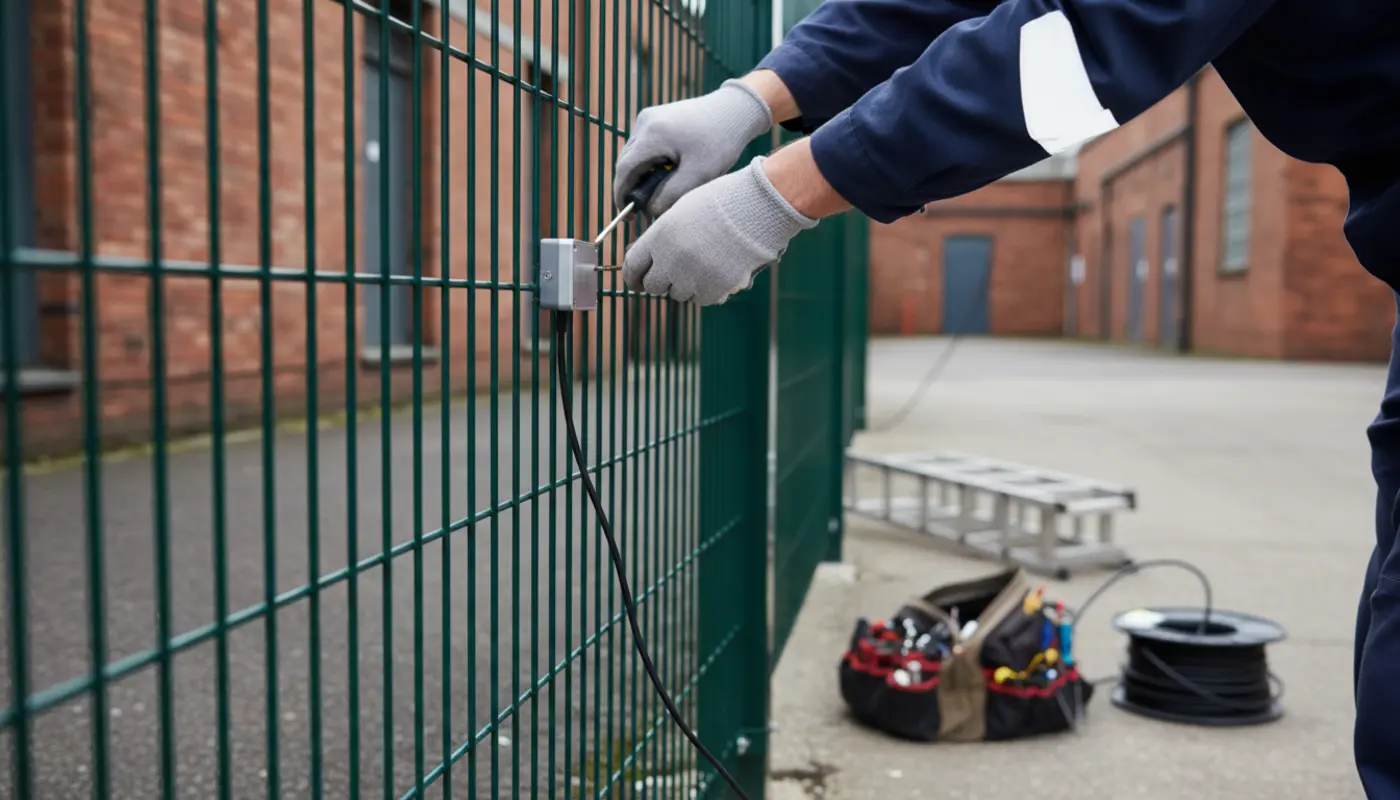
Fence detection systems identify intrusion attempts directly on the boundary line. Instead of waiting for someone to cross the yard, the system triggers the moment a fence is cut, climbed or lifted. This gives earlier warning compared to internal motion detection.
There are three main types used across UK sites. Vibration sensors attach to mesh or palisade fencing and analyse movement patterns. Fibre optic systems run along the fence and detect disturbance through changes in light transmission. Taut wire systems use tensioned wires that activate if displaced or cut. These solutions are widely used on industrial estates, utilities infrastructure, data centres and higher risk facilities.
For example, perimeter detection for industrial sites in Manchester often integrates fence sensors with EN 50131 Grade 3 intruder alarm panels. When combined with commercial CCTV systems, they can form part of a BS 8418 compliant setup. This allows video verification by a UK based Alarm Receiving Centre before police are contacted, supporting Police Response URN eligibility.
The main benefit is early and accurate detection across long boundaries. The main risk is nuisance alarms if fencing is loose or poorly installed. Correct commissioning and regular maintenance are essential to keep performance reliable.
What PIR Security Towers Do
PIR stands for Passive Infrared. These sensors detect changes in heat patterns caused by people or vehicles moving through a defined area. In simple terms, when a warm body enters the detection zone, the system responds.
PIR towers are popular on construction sites and vacant developments because they are quick to deploy and often powered by solar panels and batteries. They can operate as standalone units or form part of construction site security cameras connected to an ARC for live monitoring.
Under BS 8418, detector activated CCTV must meet strict design and response standards to qualify for police escalation. The British Security Industry Association outlines these requirements in its guide to BS 8418, emphasising verified alarms and controlled response procedures.
PIR towers are flexible and cost effective for temporary sites. Businesses can purchase the equipment or rent it monthly to reduce upfront spend. However, they detect movement within a zone rather than interference at the fence itself. Large sites may need several towers to avoid blind spots, and wildlife or poor positioning can affect performance if not set up properly.
ANPR For UK Commercial Sites
ANPR means Automatic Number Plate Recognition. These systems capture vehicle registration plates and convert them into readable data. They are ideal for monitoring entry and exit points, managing authorised access and providing strong evidence of vehicle movements.
ANPR is focused on vehicles. It will not detect pedestrians climbing fences or crossing open ground. For that reason, it is usually combined with other perimeter measures rather than used alone.
There is also a compliance aspect. The UK Government sets clear rules in its National ANPR standards for law enforcement access. Commercial systems must comply with UK GDPR and the Data Protection Act 2018, following ICO guidance on video surveillance. This means clear signage, defined retention periods and a lawful basis for processing vehicle data.
Fence Detection Vs PIR Towers Vs ANPR Compared
There is no single winner because each technology addresses a different threat. The right solution depends on what you are protecting and how your site is structured.
- Detection Type: Fence detection identifies physical interference at the boundary. PIR towers detect heat movement within a set zone. ANPR records vehicle registrations at gates or access roads.
- Coverage Area: Fence systems protect linear perimeter distances. PIR towers cover defined ground areas. ANPR focuses on specific lanes or entry points.
- False Alarm Risk: Fence systems may trigger if fencing is unstable in high winds. PIR systems can react to wildlife if poorly positioned. ANPR has low false alarms but may misread plates in poor lighting.
- Power Requirements: Fence detection is usually mains powered. PIR towers often rely on solar and battery systems. ANPR requires stable power and reliable network connectivity.
Understanding these differences helps you build a system that matches your real risk profile rather than relying on guesswork.
Costs And Return On Investment
Costs vary depending on size, layout and risk level. A permanent fence detection system usually requires upfront investment in hardware, cabling and integration. PIR towers are often available on a rental basis, spreading the cost monthly and reducing initial spend. ANPR pricing depends on the number of lanes, camera specification and software integration.
For many businesses, the return on investment becomes clear after preventing a single major theft. Insurers increasingly expect robust, Insurance Approved measures, especially where repeat claims have occurred. A properly designed system can also strengthen your position during policy renewal.
Regulation And Compliance Requirements
If your system includes intruder alarms, it must comply with EN 50131. Grade 2 is typical for standard commercial risk, while Grade 3 is used for higher risk sites. To obtain a Police Response URN, installation must be completed by an SSAIB certified and Insurance Approved company.
Where detector activated CCTV is used for remote monitoring and police escalation, BS 8418 applies. Planning permission may be required for taller poles or masts depending on local authority rules. All CCTV and ANPR data handling must align with UK GDPR and ICO expectations.
Choosing The Right UK Accredited Provider
Always check accreditation before committing. An SSAIB certified and Insurance Approved installer ensures your system meets insurer and police requirements. Confirm they can support Police Response URN applications and that monitoring is carried out by an accredited ARC.
It is also helpful to review sector examples such as perimeter security for waste management sites or perimeter security for car salvage yards to see how technologies are combined in real environments.
Which System Wins Overall
If early boundary detection on a fixed high risk site is your priority, fence detection often leads. If you need fast and flexible protection for a temporary or vacant site, PIR towers are highly effective. If vehicle control and clear evidence matter most, ANPR is extremely valuable.
In practice, the strongest setups use a layered approach. One system supports another so there is no single point of failure. A carefully designed, SSAIB certified and Insurance Approved solution that complies with BS 8418 and EN 50131 provides dependable protection and genuine peace of mind for UK businesses.