How a Nursery Access Control System Protects Children and Staff
Nursery Access Control
A nursery access control system protects children and staff by making sure only approved people can enter, by keeping a clear record of who has been on site, and by reducing the risk of mistakes during busy parts of the day. In a nursery, where drop off, pick up, and handovers can get hectic very quickly, controlled entry helps create a safer and calmer environment for children, staff, and parents.
Keeping children safe starts with knowing exactly who can enter your nursery and when. In a busy setting, not everyone should be able to walk straight in. Controlled entry helps stop unauthorised access, supports safeguarding, and gives your team a clear record of who is on site and when. For nurseries in Manchester, that matters every day at drop off, pick up, and those hectic handovers when the front door can feel like a revolving door.
If you run a nursery, you already have a lot to juggle. The last thing you need is to worry about who might be walking through the front door while your staff are focused on children, parents, and the usual morning rush. Good site security is not just about locking a door and hoping for the best. A properly designed access control system helps you control entry, protect staff only areas, and support a calm routine for children who thrive on consistency. It also helps show Ofsted and insurers that security has been properly considered rather than added as an afterthought.
Nurseries have a duty to keep children safe, and that means knowing exactly who can enter the building, where they can go, and whether they should be there at all. UK safeguarding expectations under the Children Act 1989 and 2004, along with Working Together to Safeguard Children guidance, all point in the same direction. Access must be managed, risk must be reduced, and records must be clear.
That is one reason many nursery owners now look beyond a basic lock and choose a full business security setup. If you run a nursery, you need a system that supports safeguarding in real life, not just on paper, especially when several adults arrive at once and your staff are focused on children rather than the entrance.
Ofsted does not prescribe one single brand or model, but inspectors do expect a nursery to have practical arrangements in place to prevent unauthorised access and protect children from harm. That includes secure entrances, clear visitor procedures, and staff awareness. Would your current front door process stand up to an Ofsted inspection? If a manager cannot show how entry is controlled, that gap can raise questions very quickly.
iSecurity Solutions is a trusted UK provider of commercial and domestic security systems, helping homes and businesses stay protected around the clock. From CCTV and intruder alarms to fire safety, access control and construction site monitoring, the team designs reliable, tailored solutions backed by responsive service and modern, remotely monitored technology. Whether you are securing a single property or managing multi site assets, iSecurity Solutions delivers the equipment, expertise and peace of mind to keep what matters most safe. For nurseries, that means practical protection that works for children, staff, inspectors, and worried parents alike.
How A Nursery Access Control System Protects Children And Staff
A nursery access control system protects children and staff by limiting entry to approved people, recording activity, and reducing the chance of human error. It creates a safer front door, helps your team manage authorised collection, and restricts sensitive rooms so only the right people can get in. In simple terms, it turns security from guesswork into a clear daily process.
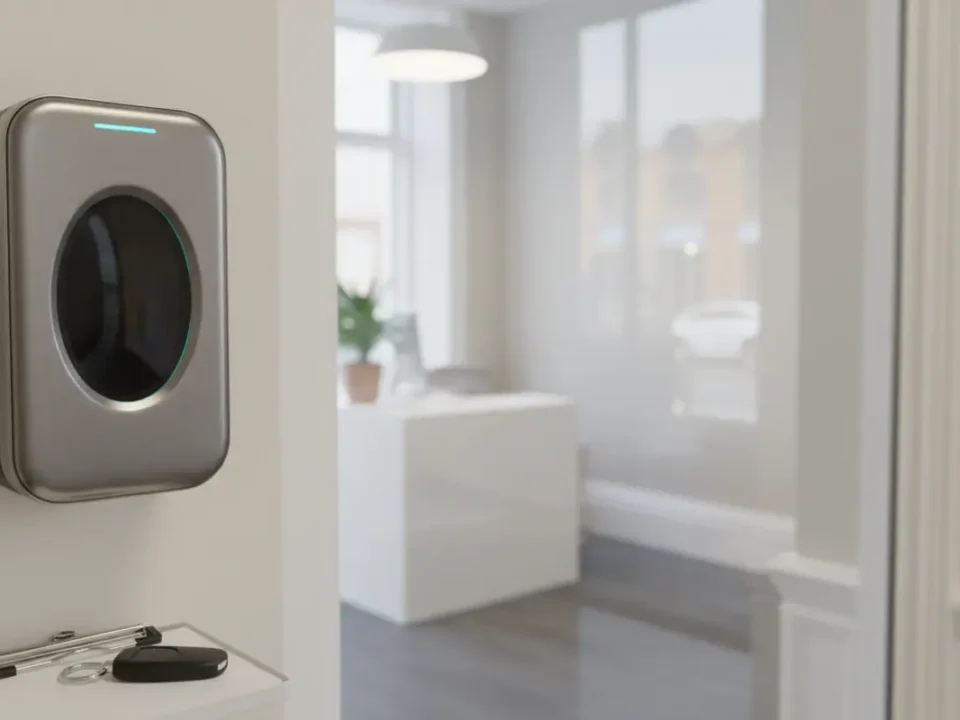
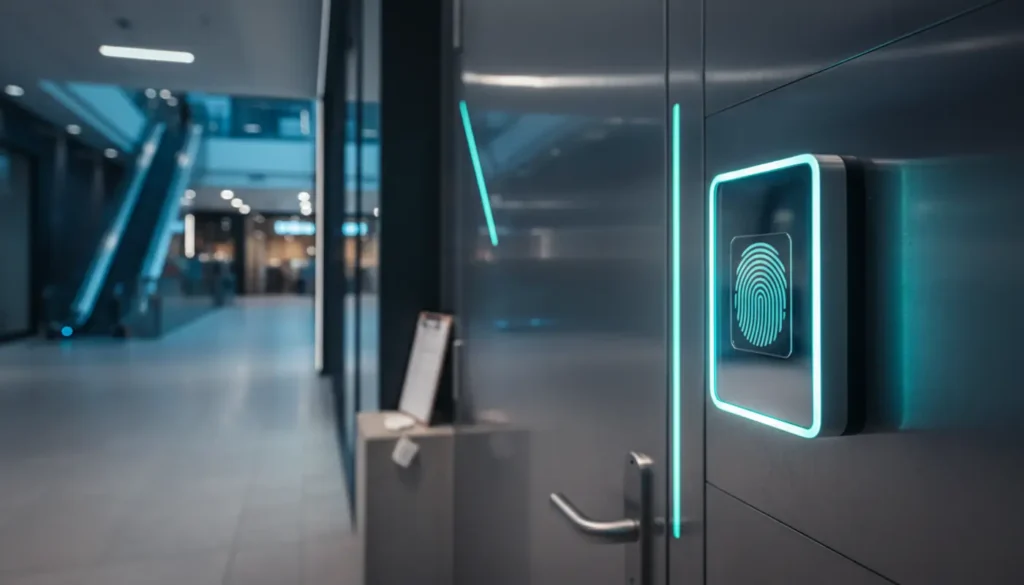
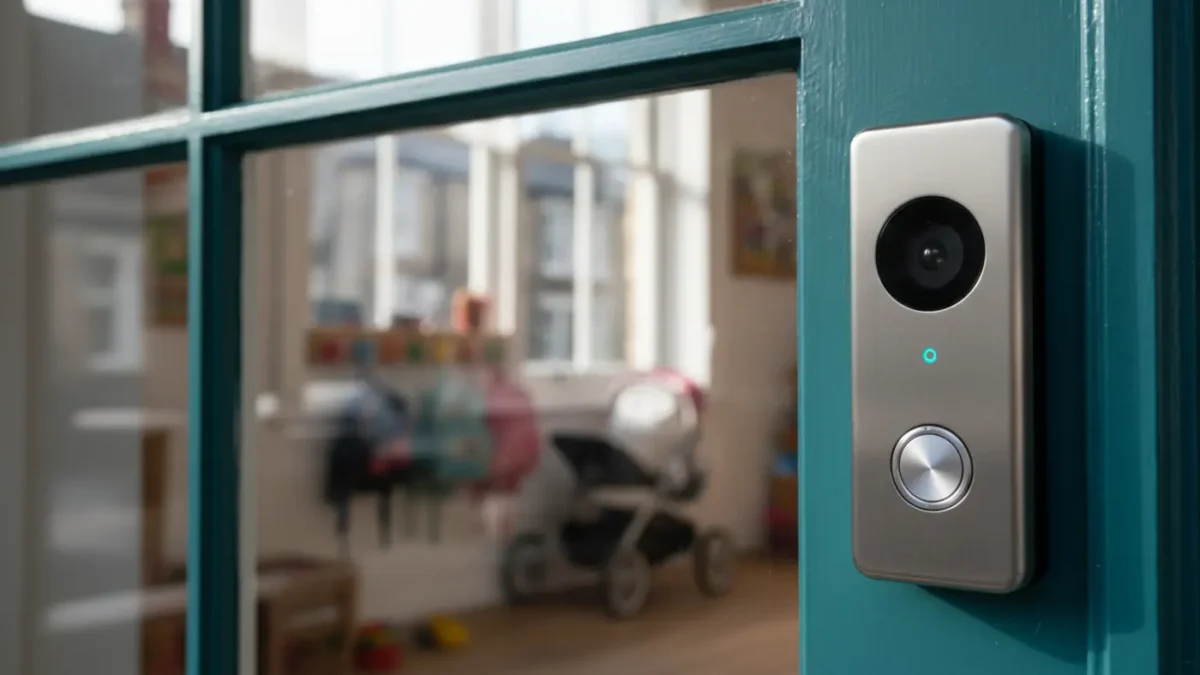
At the entrance, systems can use keypads, fobs, video intercoms, or biometric readers. Each option has strengths and weaknesses, but the goal stays the same. You need to know who is trying to enter before the door opens. For nurseries that also want linked surveillance, CCTV can add another layer of evidence and reassurance.
Children benefit because the building becomes much harder for strangers to enter unnoticed. Staff benefit because they are not constantly pulled away from care duties to answer the door, challenge unknown visitors, or check paper lists. The result is a safer environment with fewer interruptions and less stress, which makes a real difference in a room full of toddlers before 9 am.
Safeguarding Duties And Ofsted Expectations
Safeguarding is the main reason nurseries invest in access control. The legal and regulatory framework expects providers to take reasonable steps to protect children, supervise visitors, and keep the premises secure. Controlled entry supports that by making site access deliberate rather than casual.
Ofsted inspections often look at whether leaders understand risks and act on them, not simply whether a door exists. A keypad or fob system on its own is useful, but the real value comes from combining entry control with staff procedures, collection permissions, and incident logging. That creates a stronger safeguarding picture if a question is ever raised.
For a related example in the education sector, access control for primary schools shows how controlled entry helps manage visitors and support safeguarding across settings where children and adults move through shared spaces all day.
Choosing The Right Entry Method For A Nursery
The best entry method for a nursery depends on how your building works, how many staff need access, and how busy your entrance becomes at peak times. Most nurseries need a system that is simple to use, quick to manage, and strong enough to prevent casual sharing or misuse.
Keypads are familiar and affordable, but codes can be shared too easily if they are not managed well. Fobs are popular because they are simple to issue, simple to cancel, and easy for busy staff to use while carrying bags, registers, or a child who has suddenly decided that walking is no longer happening today.
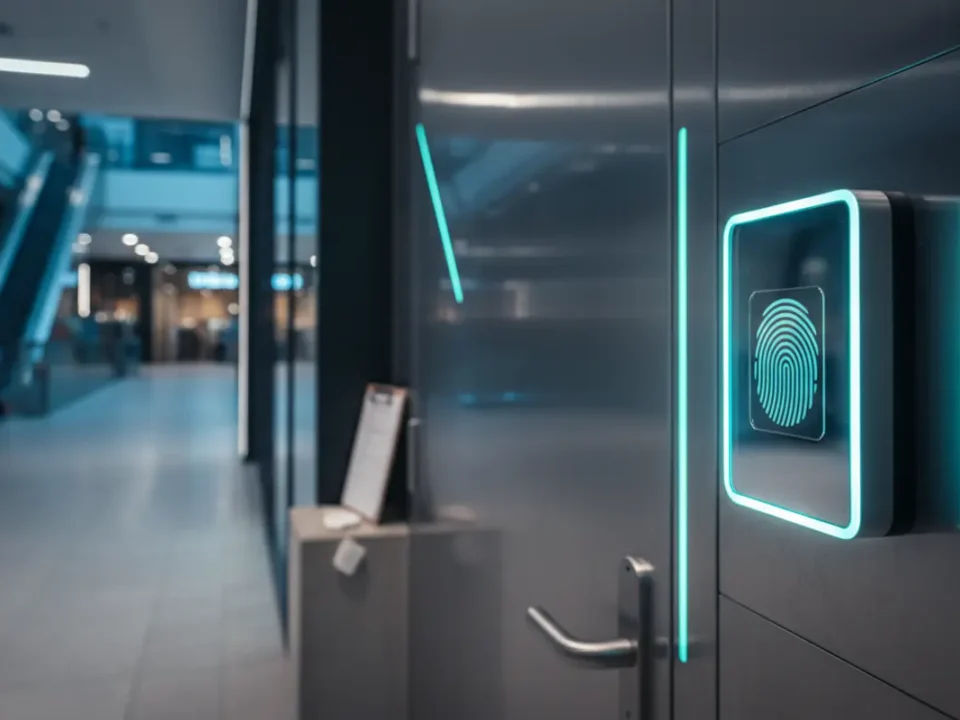
Biometric readers, such as fingerprint systems, can offer stronger identity checks, though nurseries should weigh this against privacy concerns, cost, and practical day to day use. Video intercoms are especially helpful at the main entrance because staff can see and speak to a visitor before allowing access. In many nurseries, the best answer is a combination rather than a single device.
Tiered permissions are especially useful. Managers may have full building access, room leaders may access only relevant zones, and catering or cleaning staff may be limited to certain times and doors. That structure protects staff only spaces such as kitchens, sleep rooms, medicine stores, and offices where confidential records are kept.
Visitor Sign In, Contractors, And DBS Awareness
Visitors and contractors should never be able to move through a nursery without checks. A good access control setup works alongside a clear sign in process so every adult on site is identified, time stamped, and accountable. That matters for maintenance workers, agency staff, delivery drivers, and anyone else who is not part of the normal team.
DBS, which stands for Disclosure and Barring Service, checks are a key part of safer recruitment and safeguarding, but they do not replace access control. Even where a contractor holds the right paperwork, nurseries should still limit where that person can go and whether they are supervised. Security works best when checks, procedures, and technology all support each other.
Nurseries reviewing wider compliance often find it useful to compare their procedures with broader site risk planning, such as school risk assessment services, because the same principle applies. You identify who can access risk areas and reduce exposure before a problem happens.
CCTV Integration And Data Protection
CCTV can strengthen nursery security when it is used properly. Cameras at entrances, reception areas, and external approaches help verify arrivals, support incident reviews, and provide evidence if there is a dispute about collection, behaviour, or trespass.
Because footage may include children, data protection matters a great deal. Nurseries should have clear signage, a lawful reason for recording, sensible retention periods, and controlled access to footage. The ICO CCTV guidance is a helpful reference for understanding UK GDPR expectations in plain terms.
Where CCTV is linked with a wider intruder or monitored security setup, the overall system design should align with the relevant British and European standards. If monitored CCTV is included as part of a wider security package, SSAIB certified and Insurance Approved installation is important, particularly where a Police Response URN may be needed as part of a monitored security arrangement. The certification side is not paperwork for paperwork's sake. It affects insurer confidence, standards, and eligibility for police response pathways.
Nurseries interested in surveillance around entrances and shared outdoor areas can also compare practical ideas in CCTV for primary schools, where safeguarding and visibility often overlap in a very similar way.
Authorised Collection And Safer Pick Up Times
Pick up time is one of the biggest pressure points in any nursery. Several adults may arrive at once, children are getting ready to leave, and staff need to confirm who is collecting each child without creating a queue halfway to Salford. How do you make sure only the right people can collect a child? Access control helps by supporting verified release procedures rather than relying on memory alone.
Some systems can integrate with nursery management software so staff can check collection permissions in real time. If a parent adds a grandparent, childminder, or emergency contact, the record can be updated quickly and checked at the door or reception point. That reduces mistakes and creates a clear audit trail if concerns arise later.
Staggered collection can also be managed more smoothly with timed permissions, intercom confirmation, and attendance syncing. Instead of a generic open door period, the nursery keeps controlled oversight of who comes in and when. It is a much calmer setup, and calmer is always welcome where coats, buggies, and tiny shoes are involved.
In one nursery setting, moving from an open reception entrance to a controlled video entry system reduced unauthorised walk ins during peak handover times and gave staff a much clearer sign in record. That kind of practical improvement matters because it saves time, reduces uncertainty, and helps your team feel more in control when things get busy.
Fire Safety And Emergency Release
Access control must never trap people inside a building during an emergency. In nurseries, systems should be designed to fail safe where appropriate, release on fire alarm activation, and support evacuation routes rather than obstruct them. Security is important, but safe exit comes first every single time.
If the nursery has a fire alarm system, it should be designed and maintained in line with BS 5839. In many nursery settings, the required category is often L1 or L2 depending on layout, sleeping risk, and fire strategy. Access control and fire systems need to work together so doors unlock correctly during alarm conditions.
Emergency lighting is part of that same conversation. It should comply with BS 5266, with monthly function checks and annual full duration tests recorded properly. Where nurseries are reviewing all life safety systems together, fire safety planning is usually the best place to start.
Staff Only Areas And Tiered Permissions
Not every room in a nursery should be open to every person on site. Kitchens may contain hot equipment and cleaning chemicals, sleep rooms require tighter supervision, medical rooms may contain sensitive supplies, and offices often hold confidential records. Tiered access permissions help limit risk without making the building awkward to use.
Instead of handing out one universal key, managers can give staff access only to the zones they genuinely need. That improves safeguarding, reduces accidental access, and provides useful logs if an incident needs to be reviewed. In practice, it also saves time because lost permissions can be disabled digitally instead of replacing locks across the building.
Maintenance, Standards, And Long Term Reliability
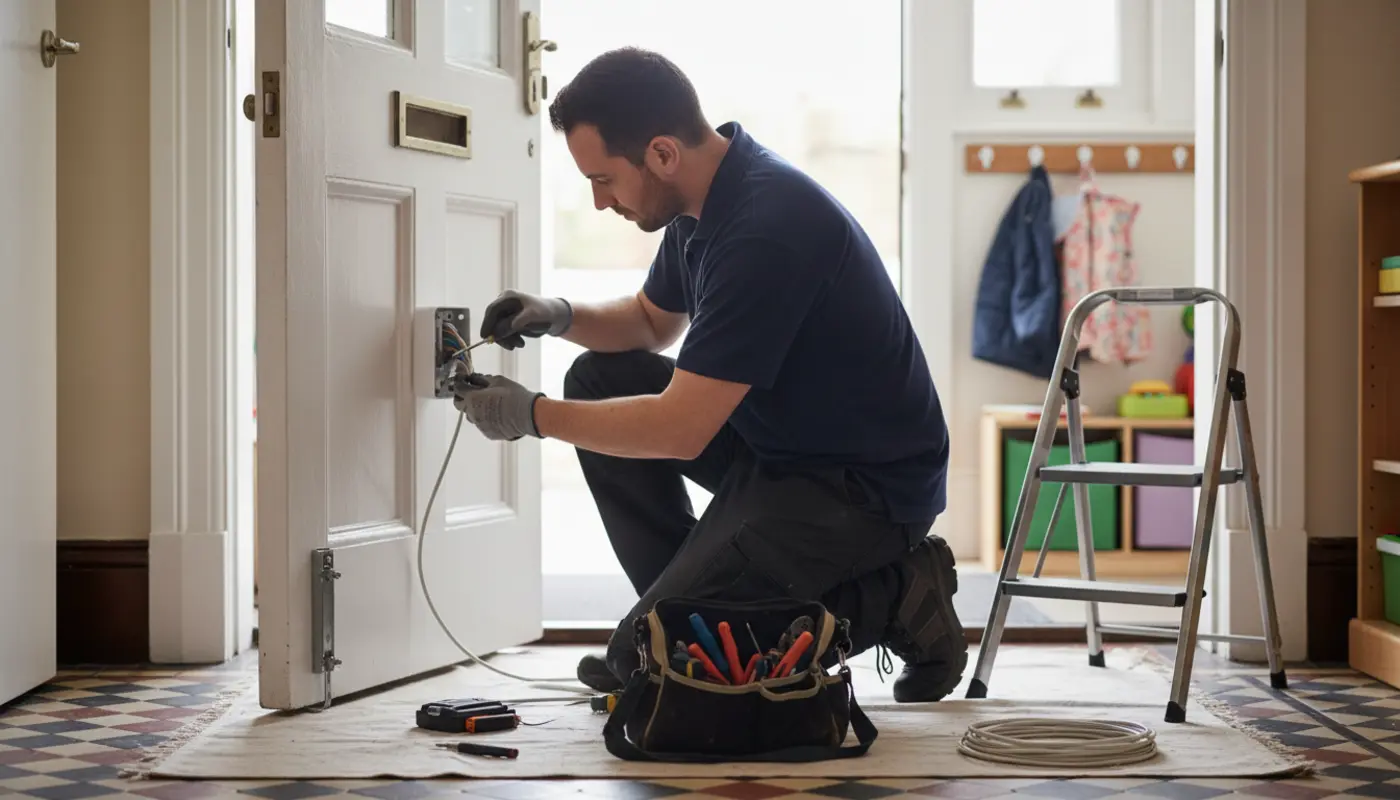
A nursery access control system is only useful if it works reliably every day. Buttons wear out, doors shift, readers need testing, and software permissions need updating as staff roles change. Routine maintenance keeps the system dependable and stops small issues becoming security gaps.
Where nurseries add intruder alarms to protect the building after hours, systems should comply with EN 50131, often Grade 2 and sometimes Grade 3 depending on risk and insurer requirements. For monitored alarms and linked detection, SSAIB certified and Insurance Approved installation is normally the route to Police Response URN eligibility. Ongoing support matters just as much as initial fitting, which is why many sites choose service contracts for regular checks and fast help when needed.
If you are also thinking about long term upkeep, security maintenance contracts in Manchester explains why planned servicing often saves money and hassle over time, especially in settings where downtime can quickly become a safeguarding issue.
Choosing Nursery Access Control In Manchester
For nurseries in Manchester, the right access control system should match the building layout, daily routine, and level of safeguarding required by Ofsted and insurers. A good system does more than secure a door. It supports safer collection, protects staff only spaces, works with fire safety measures, and helps your team manage visitors with confidence.
When security is easy to use, properly maintained, and designed around real nursery life, it supports protection without making the day harder for the people who already have plenty on their hands. That is where tailored advice and dependable support matter most, especially for busy childcare settings that cannot afford avoidable gaps in safeguarding.