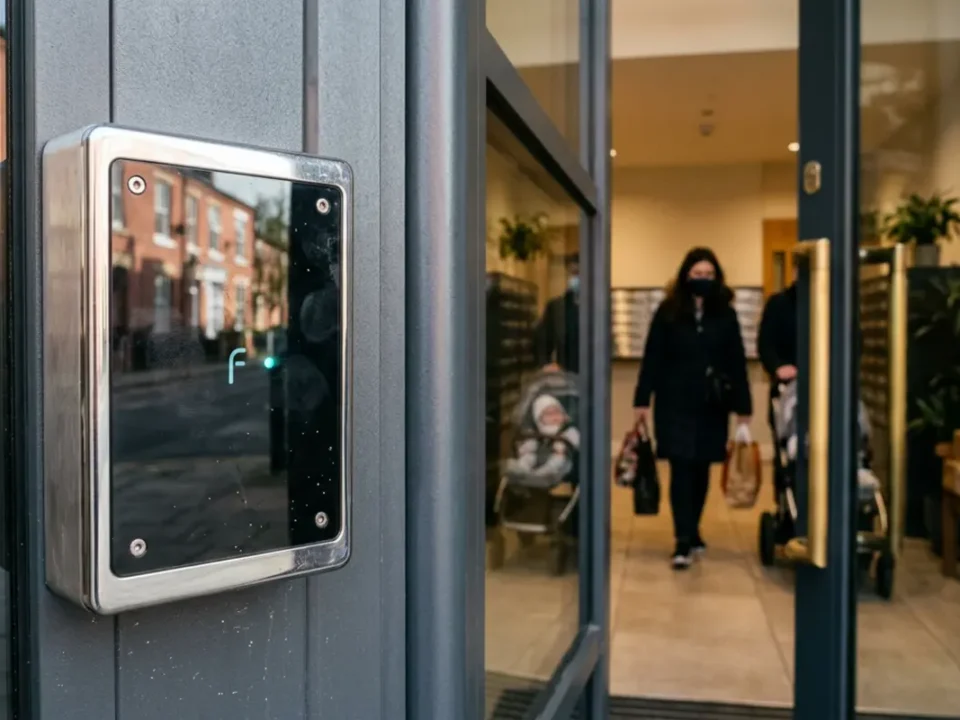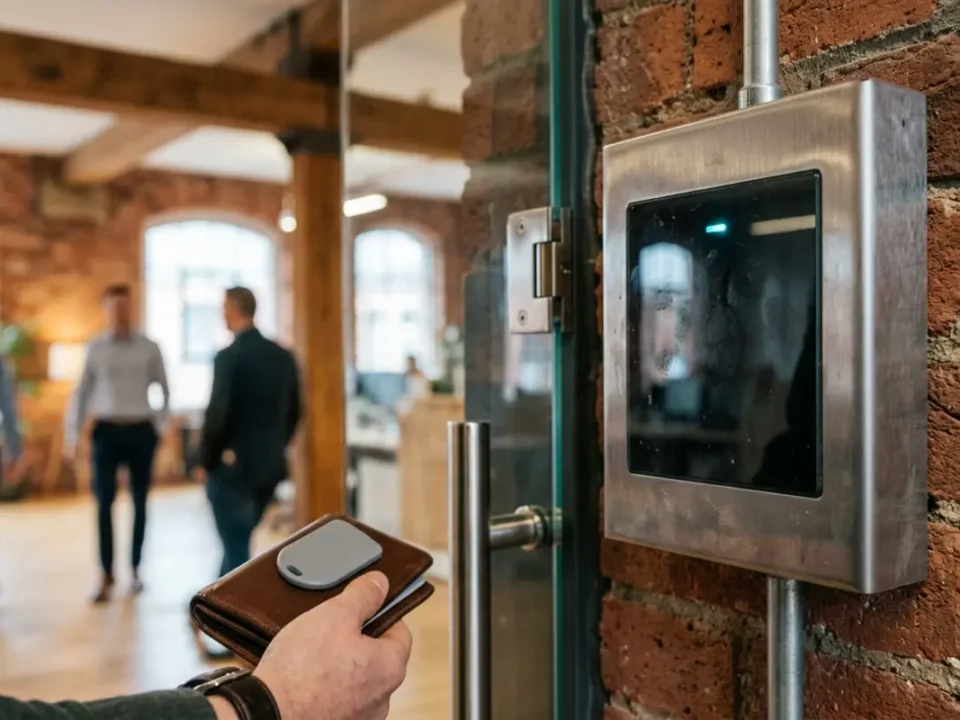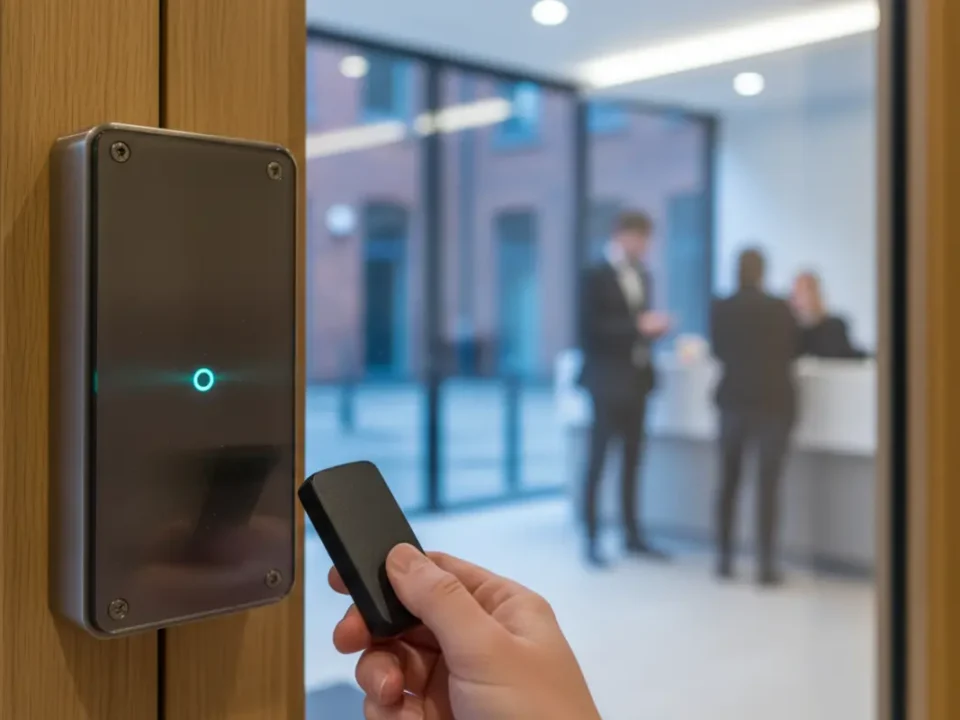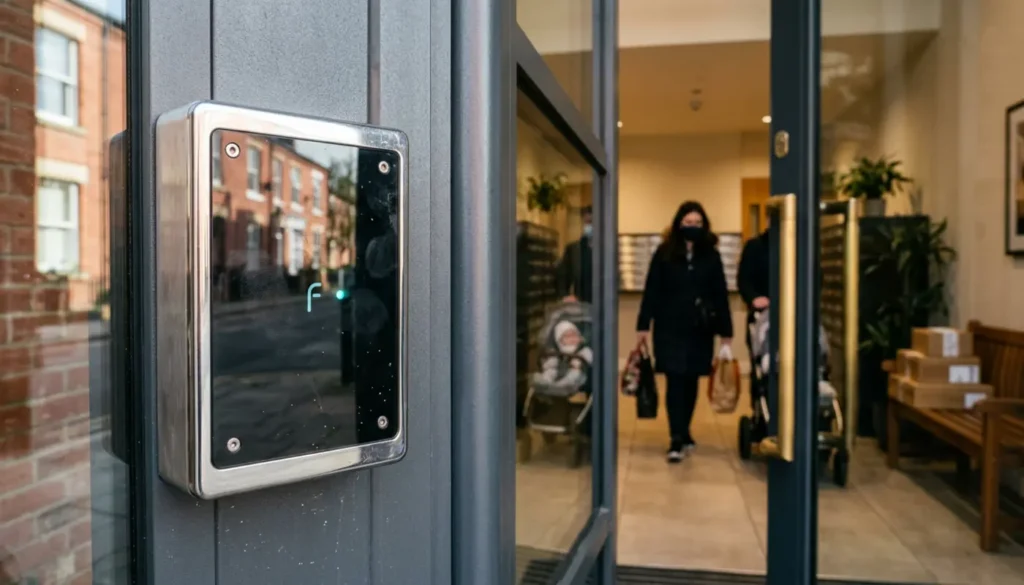
Access Control for Medical Premises in Manchester
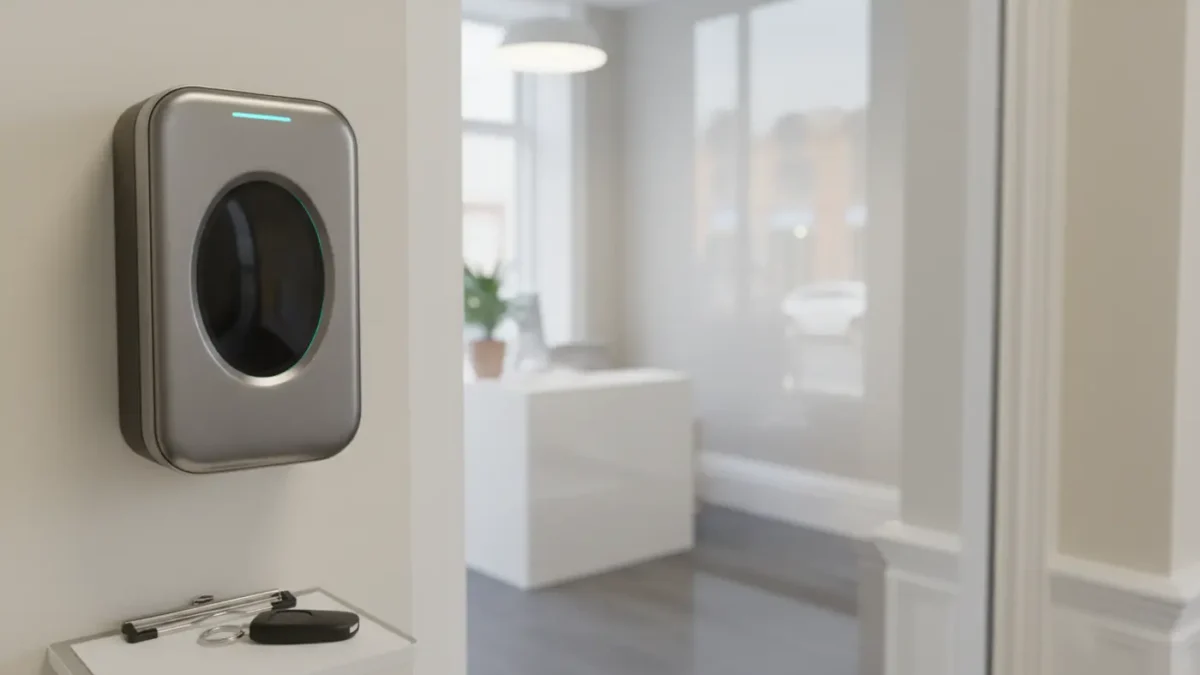
Access Control for Medical Premises in Manchester starts with a simple goal. Only the right people should be able to enter the right areas at the right time. In healthcare settings, that means protecting patients, medicines, confidential records, staff only spaces, and essential building services without making everyday work harder or slowing urgent movement when time matters.
In Manchester, medical premises need to think beyond locks and door readers. CQC expectations, NHS data rules, GDPR, fire safety standards, and practical clinical routines all shape what a suitable system should look like. It is not only about hardware. It is also about safety, governance, and being able to show that your premises are properly controlled and maintained.
iSecurity Solutions is a trusted UK provider of commercial and domestic security systems, helping homes and businesses stay protected around the clock. For healthcare providers, that means tailored, Insurance Approved access control, CCTV, fire safety, and monitored security systems designed for real premises, real staff, and real compliance pressures across Manchester.
Medical Premises Access Control Manchester
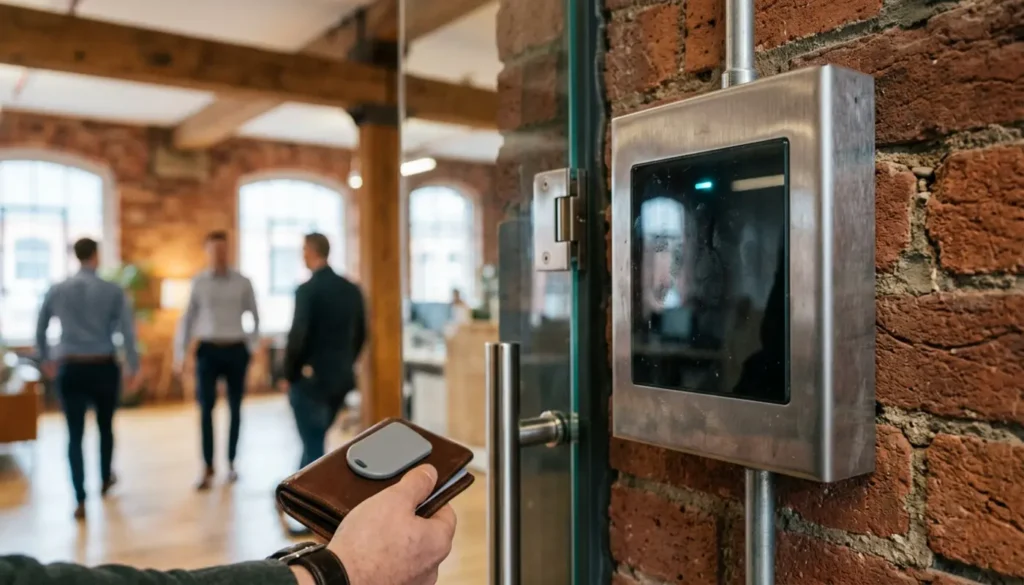
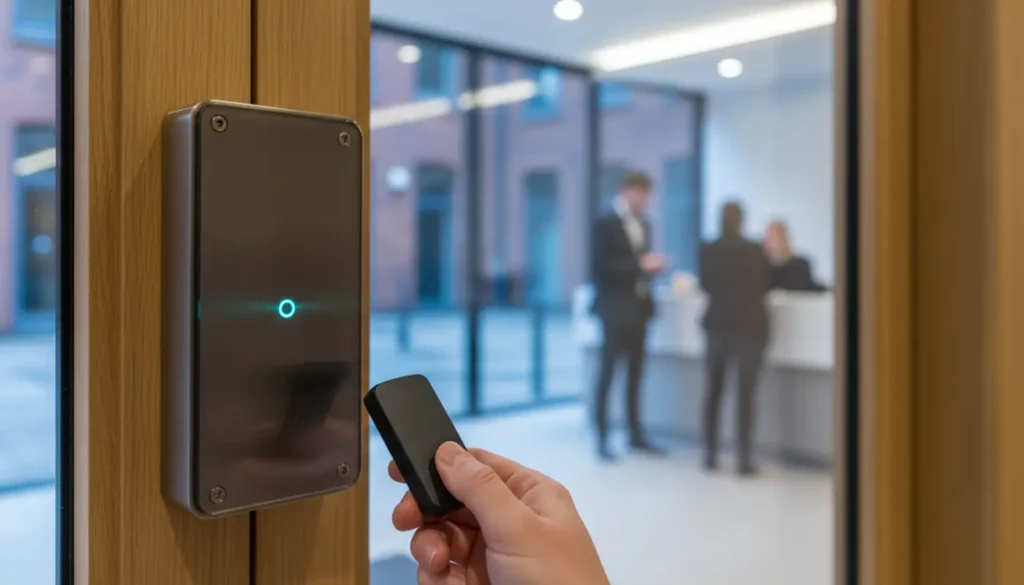
Medical premises access control in Manchester should help healthcare providers keep buildings secure, protect sensitive areas, and support safe day to day care. For GP surgeries, dental practices, private clinics, and larger healthcare sites, access control also supports CQC Regulation 15 on safe and suitable premises. In simple terms, the building should be secure, well maintained, and arranged in a way that reduces risk for patients, visitors, and staff.
If you manage a busy practice, balancing security with smooth patient care can feel difficult. Most medical sites need more than one locked entrance. A well planned access control system can separate public areas from staff corridors, treatment rooms, storage spaces, and server rooms while still allowing authorised staff to move quickly and safely.
Medical Premises Compliance And Access Control
Good access control supports compliance by being built around real risks, not guesswork. That means deciding who needs access, when they need it, how entry is recorded, and what should happen during a fire alarm, power cut, or evacuation. In healthcare, convenience matters, but it should never come before patient safety or legal duties.
Many clinics across Greater Manchester want to improve compliance without disrupting staff or patients. When access control is planned as part of a wider premises strategy, it should work alongside fire safety, CCTV, intruder protection, and maintenance planning. That joined up approach often saves time, money, and stress later because it avoids design gaps that can create problems after an inspection or an incident.
Why CQC And NHS Rules Matter
CQC looks at whether premises are safe, suitable, and properly managed. In a medical building, that includes practical security steps such as protecting restricted rooms, reducing unauthorised entry, and keeping vulnerable patients safe. If a clinic cannot show that medicines, records, or clinical spaces are properly controlled, it may struggle to prove that it is operating safely.
NHS linked organisations and providers handling NHS data also need to consider the Data Security and Protection Toolkit. That means clear role based access, reliable audit trails, and a straightforward way to show who can enter certain rooms and why. The principle is simple. Access should be based on job need, not habit or convenience.
A useful public reference is the NHS Data Security and Protection Toolkit, which explains how organisations with access to NHS information should measure and demonstrate good data security practice.
Key Areas That Need Restricted Access
Not every door in a medical premises carries the same level of risk. Waiting areas are public facing, but drug storage, treatment rooms, and records rooms clearly are not. A proper zoning plan helps avoid the common mistake of treating every space the same, then wondering why secure doors are propped open during a busy clinic.
Higher risk zones often include controlled drug storage, dispensaries, theatres, treatment rooms, pathology areas, records rooms, server rooms, comms cupboards, and staff offices holding confidential information. Plant rooms and rear delivery points also matter because they are often overlooked and can give indirect access to the rest of the building.
Many healthcare managers find it helpful to group spaces into four levels. These are public, staff only, restricted, and highly restricted. That approach makes planning easier and helps staff understand why some areas need tighter control than others.
What A Good Zoning Plan Looks Like
A Manchester GP surgery might use keypad or fob entry from reception to the staff corridor, with separate permissions for consultation rooms, records storage, and the medicines fridge area. A dental practice may need tighter control over decontamination rooms, prescription stock, and office computers holding patient data. A private clinic may go further with lift control, visitor management, and time based permissions for part time consultants.
The key point is that access rights should match each role. Cleaners may need evening access to selected rooms only. IT contractors may need temporary entry to a comms room, but not to clinical spaces. Managers should be able to add, remove, and review permissions without relying on a notebook, a key drawer, and hope for the best.
Fire Safety Integration Is Essential
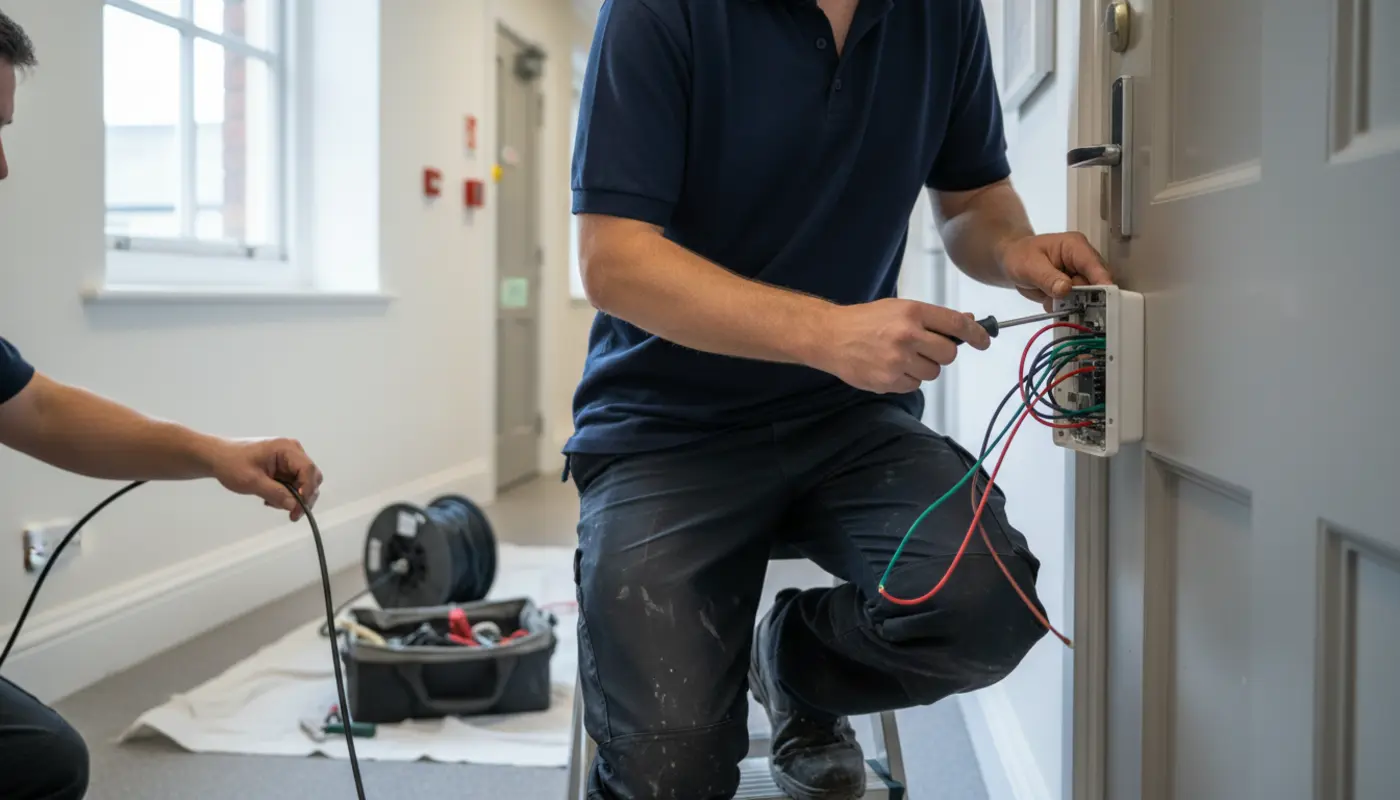
If access control doors sit on escape routes, they must be configured correctly for evacuation. In healthcare premises, doors should never trap people during a fire event, and electrically locked doors need fail safe operation in line with BS 7273 for door release mechanisms. This is where strong security design becomes a life safety issue, not just a security feature.
Doors on escape routes should release properly when the fire alarm activates, and emergency break glass units must be positioned and labelled correctly. If the fire alarm sounds, every controlled door should respond in the right way. A badly designed system may look fine on paper but become a serious problem in a real emergency.
Where fire alarm integration is involved, maintenance matters as much as installation. Healthcare sites often combine access systems with planned servicing, and service contracts help make sure releases, interfaces, and critical devices are tested and recorded properly over time. It also makes sense to work with BAFE SP101 aligned fire safety providers so testing, documentation, and compliance are properly managed.
Access Logs GDPR And CCTV
Access control logs are not just technical records. In many cases, they are personal data because they can identify who entered a room, at what time, and sometimes how long they stayed. If CCTV is linked to doors or events, that creates another layer of sensitive information that must be handled carefully. Healthcare providers need clear retention periods, access permissions, and procedures for reviewing footage and logs.
That means deciding who can view logs, how long they are kept, how incidents are escalated, and how subject access requests are handled. It also means keeping the management side secure. There is little value in protecting the pharmacy door if anyone can open entry logs from an unlocked office computer.
For sites that combine door events with video verification, CCTV systems should be planned with the same care as the doors themselves, especially where patient privacy, reception activity, and sensitive staff areas are involved. If CCTV is monitored, and linked systems include alarm verification, EN 50131 requirements may also apply. Police Response URN eligibility can also become relevant where the wider setup includes intruder protection or monitored CCTV. In those cases, SSAIB certified and Insurance Approved installation is essential.
Why SSAIB Certification Matters
Choosing an installer is not just a buying decision. In healthcare, third party certification helps show that the company follows recognised standards for design, installation, commissioning, and maintenance. That matters when practice owners, estates teams, or compliance leads need confidence that the system has been installed properly and can stand up to inspection, service review, and insurer expectations.
An SSAIB certified and Insurance Approved installer gives medical premises stronger assurance than a non certified provider working without that oversight. It is especially important where systems connect with fire alarm releases, monitored CCTV, intruder detection, or any future requirement linked to a Police Response URN, because SSAIB certified and Insurance Approved installation supports eligibility and trust in the standard of work.
If your premises also need alarms to protect out of hours risks, medicines, cash, or vulnerable areas, business security services can help bring access control, intruder protection, and ongoing compliance together for healthcare sites across Manchester.
Manchester Examples In Day To Day Practice
A GP surgery in Greater Manchester may use a simple but effective setup with reception release for the main entrance during busy hours, fob controlled staff access behind reception, protected records storage, and scheduled access for cleaners. The aim is not to turn the surgery into a fortress. It is to reduce casual wandering, protect medicines and records, and give staff a calmer place to work.
A dental practice may focus on protecting patient records, surgery rooms, prescription pads, and decontamination spaces while keeping patient flow easy to manage. A private clinic may need audit trails for part time practitioners, restricted out of hours entry, and closer integration between access control, CCTV, and alarm notifications. Different sites may have different layouts, but the principle stays the same. Access should be deliberate, recorded, and easy to manage.
Costs Maintenance And Warranty
Costs vary depending on the number of doors, lock type, reader type, software, fire interfaces, cabling, and whether CCTV or alarm integration is needed. A small clinic with two or three controlled doors may spend far less than a larger private facility with networked permissions, remote management, and event linked video. The cheapest quote is rarely the best value if it leaves out commissioning, training, or ongoing support.
Maintenance should include routine checks on door releases, power supplies, credentials, batteries, software health, and fire alarm interfaces. If emergency lighting is part of the wider life safety setup, that falls under BS 5266, including monthly function tests and annual full duration testing. In practice, one coordinated maintenance schedule across security and fire systems is much easier than juggling separate visits and unexpected faults.
Documentation also matters. Healthcare managers should expect handover records, user guidance, maintenance logs, warranties, and clear instructions for adding or removing users. If someone asks who entered a sensitive room last week, good documentation makes the answer much easier to provide.
Future Trends For Healthcare Access Control
Biometric access, cloud management, and remote monitoring are becoming more common, but they need careful handling in medical settings. Biometrics can improve control in highly sensitive areas, yet they also raise stronger GDPR concerns because biometric data is especially sensitive. Cloud systems can be very useful for multi site healthcare groups, but only if resilience, user permissions, and incident response are planned properly.
Remote management can help estates teams issue temporary permissions, disable lost fobs quickly, and review events across several sites. Even so, the basics do not change. The system still needs to be secure, easy to use, auditable, and properly linked with evacuation needs and local working procedures.
Balancing Safety Workflow And Compliance
Access control for medical premises in Manchester works best when it balances patient safety, practical workflow, and compliance. When that balance is right, the site becomes easier to manage, safer for staff and visitors, and better prepared for CQC scrutiny, data protection concerns, and everyday operational risks.
It is normal to feel unsure when access control, fire safety, GDPR, and CQC all overlap. The best results usually come from a tailored design, clear zoning, reliable maintenance, and an SSAIB certified and Insurance Approved installer that understands healthcare environments. In a setting where the wrong person entering the wrong room can lead to anything from a data breach to a clinical risk, strong access control is simply sensible and backed by a clear audit trail.