School Risk Assessment Services in the North West

School Risk Assessment Services In The North West
School risk assessment services in the North West help primary schools meet their legal duties while keeping pupils, staff and visitors safe every day. If you're leading a school in Manchester, Liverpool, Salford, Bolton or Cheshire, you already know how much responsibility sits on your shoulders. A clear and competent risk assessment is not just paperwork. It is a practical working document that reduces risk, protects budgets and supports positive Ofsted outcomes.
In 2026, schools across the region face closer scrutiny around health and safety compliance. Regulations continue to evolve, inspection frameworks are detailed, and expectations from parents and trustees are higher than ever. With the right professional support, compliance becomes manageable and far less stressful.
Fire Risk Assessments For North West Schools
A professional fire risk assessment ensures your school's documentation follows recognised methodology, aligns with Department for Education guidance and stands up to inspection. PAS 79 sets out how a fire risk assessment should be structured, recorded and reviewed, so you are clear on what suitable and sufficient really means in practice.
Under the Regulatory Reform Fire Safety Order 2005, every school in England must appoint a responsible person and maintain a suitable and sufficient fire risk assessment. This applies to maintained schools, academies and independent schools. DfE and Ofsted expect a current, competent written assessment that is regularly reviewed and supported by evidence of action.

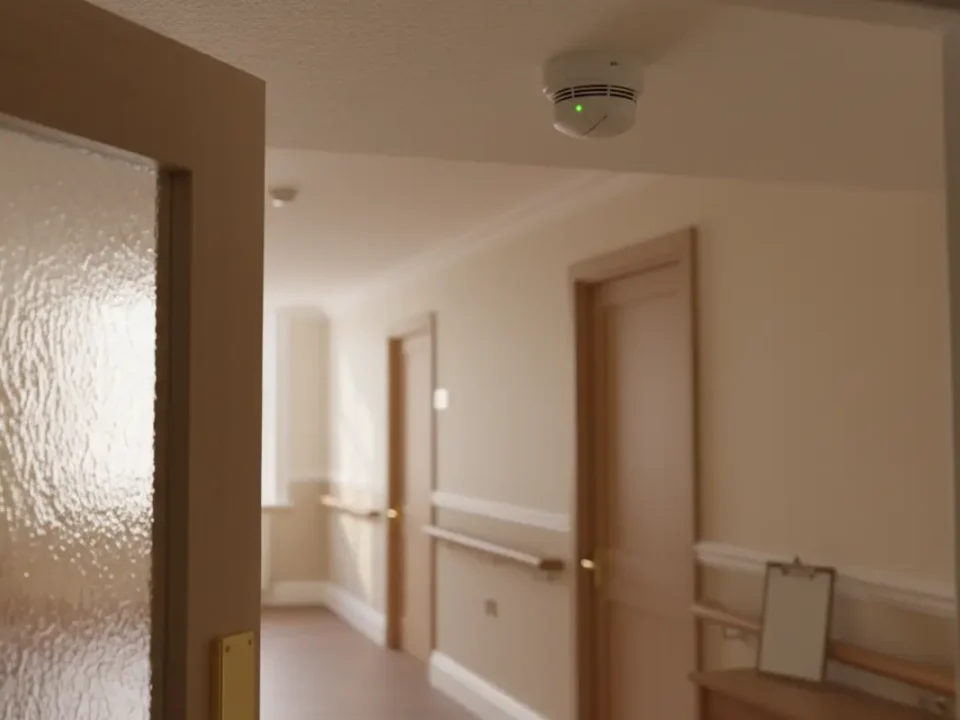
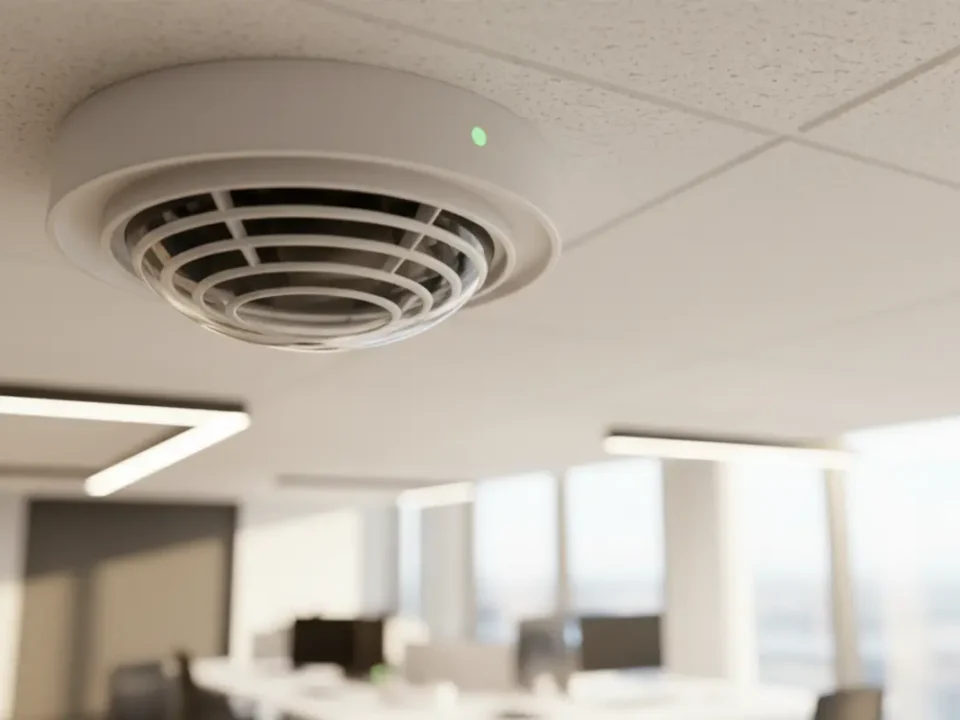
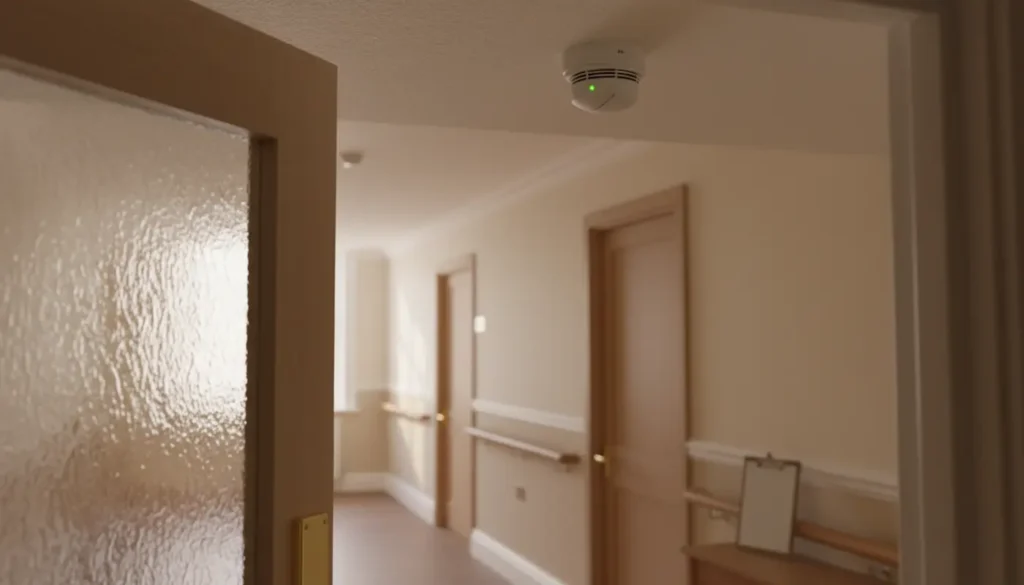
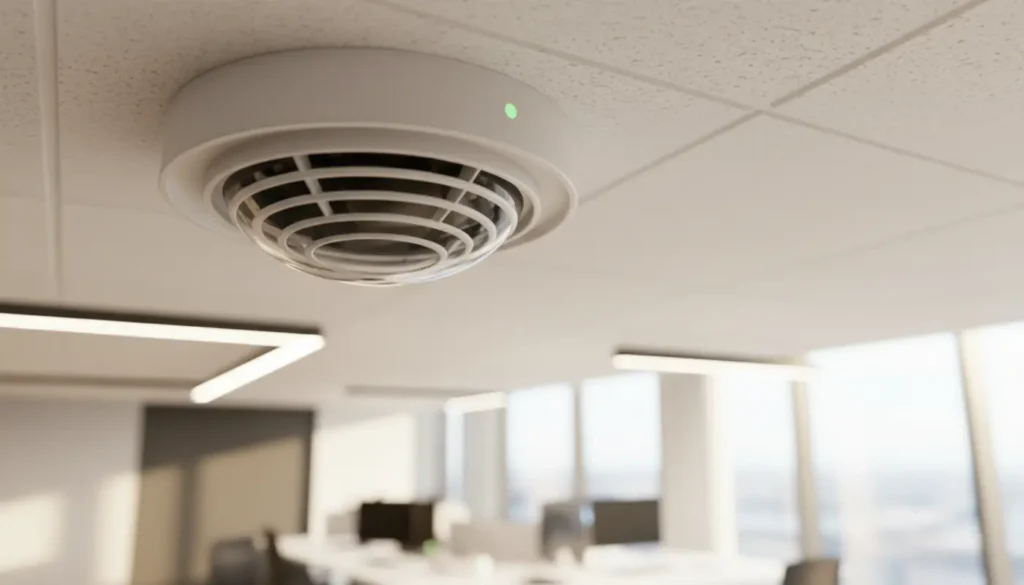
For primary schools, fire risk assessments link directly to your wider fire safety services and compliant fire risk assessments. They also connect with your fire alarms for schools provision and evacuation procedures. Fire alarm systems should comply with BS 5839, usually Category L1 or L2 depending on layout and risk profile, with weekly testing and documented maintenance. Clear records make inspections smoother and show strong leadership oversight.
The UK Legal Framework Schools Must Follow
School risk assessments are rooted in the Health and Safety at Work etc. Act 1974 and the Management of Health and Safety at Work Regulations 1999. In simple terms, schools must identify hazards, assess the risks and put sensible control measures in place.
For fire safety, the Regulatory Reform Fire Safety Order 2005 places legal responsibility on the employer or responsible person. Guidance from the UK Government fire safety guidance for educational premises explains what inspectors expect to see in practice.
DfE statutory guidance and Keeping Children Safe in Education add an important safeguarding layer. Risk assessments are not only about slips and trips. They also cover supervision, site security, emergency procedures and protection of vulnerable pupils. Ofsted inspectors often consider how effectively leaders identify and manage risk when judging leadership and management.
How Risk Assessments Link To Ofsted And Safeguarding
Ofsted does not award a separate health and safety grade, but risk management plays a central role in safeguarding effectiveness. Outdated fire risk assessments, incomplete actions or unclear documentation can influence inspection findings. Schools that keep records organised and up to date are far better prepared for unannounced visits.
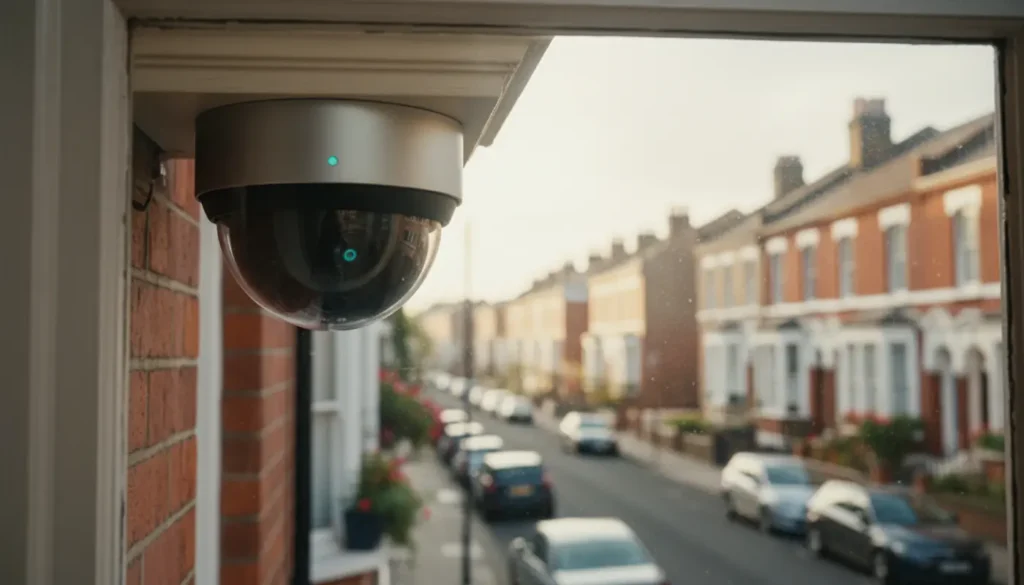
Keeping Children Safe in Education requires a proactive safeguarding culture. That includes strong site security, visitor management and emergency planning. Access control systems and perimeter security often support safeguarding assessments, particularly in busy urban areas such as Manchester and Liverpool.
When systems are compliant and reviews are regular, governors and trustees can clearly evidence oversight. Staff feel confident in procedures, and inspections tend to feel more constructive than stressful.
Types Of Risk Assessments Primary Schools Need
Primary schools in the North West usually require several types of risk assessments, not just a single annual document.
- Fire risk assessment in line with PAS 79 and the Fire Safety Order 2005.
- General health and safety assessments covering classrooms, corridors, kitchens and site maintenance.
- Educational visits and off site trips following OEAP guidance.
- Science and DT risk assessments for practical activities.
- PE and sports facility assessments including playground inspections.
- EYFS specific assessments focusing on younger children and supervision ratios.
Fire alarm systems must comply with BS 5839. Emergency lighting should meet BS 5266 with monthly flick tests and annual full duration tests recorded. Fire extinguishers must be serviced annually in line with BS 5306 and BAFE SP101, with an insurance required service certificate kept on file.
North West Local Authority Variations
Although legislation is national, local implementation can differ. Manchester City Council, Liverpool City Council, Salford, Bolton and Cheshire East each operate with their own advisory structures and compliance processes.
Some councils offer traded health and safety services, including audits and support visits. Academy trusts often manage compliance centrally, particularly when overseeing multiple schools across the region. Understanding local expectations helps reduce stress and ensures your documentation matches regional practice.
Specialist Risks In Older School Buildings
Many primary schools in the North West operate from Victorian or mid twentieth century buildings. These properties can present additional challenges such as asbestos containing materials, ageing electrical systems and complex layouts.
Asbestos management plans must be in place and regularly reviewed. Water systems require legionella risk assessments and monitoring. Outdoor play equipment should be inspected routinely, especially where community use takes place outside school hours. Bringing these specialist risks into one structured safety framework helps prevent important details from being missed.
Who Can Carry Out A School Risk Assessment
The law requires a competent person to carry out risk assessments. Competence means having the right training, experience and knowledge of the school environment. It is not enough to understand general workplace safety without understanding how schools operate.
Larger academy trusts may employ in house health and safety managers. Smaller schools often outsource to experienced consultants based in the North West. Independent support can provide valuable external review and specialist expertise, particularly when aligning documentation with PAS 79 methodology.
Governors should ensure there is evidence of qualifications, professional indemnity insurance and up to date knowledge of DfE guidance. Clear accountability protects both leadership teams and trustees.
Educational Visits And School Trips
Educational visits offer valuable learning experiences, but they introduce additional risks that must be managed carefully. The Outdoor Education Advisers Panel provides detailed guidance, and many schools follow LOtC principles to demonstrate strong safety standards.
Trip risk assessments should consider travel arrangements, supervision ratios, medical needs and emergency procedures. Documentation must be clear and proportionate. In the event of an incident, accurate records can protect staff and the governing body.
Documentation Record Keeping And Review Cycles
A well written risk assessment should clearly record hazards, existing controls, further actions required, named responsible persons and review dates. Strong documentation shows active management rather than a one off exercise.
Fire risk assessments should be reviewed annually or sooner if significant changes occur, such as building works or increased pupil numbers. Maintenance logs for alarms, emergency lighting and extinguishers must be securely stored and easy to access during inspection. Understanding how often fire alarms should be tested helps ensure your records align with legal expectations.
Trust boards and governing bodies should formally record reviews in meeting minutes. This creates a clear audit trail and demonstrates active oversight.
Consequences Of Inadequate Risk Assessments
Poor or outdated risk assessments can lead to enforcement action from the Health and Safety Executive or local fire authority. Improvement notices, fines and reputational damage are genuine risks.
Ofsted may question leadership effectiveness where safeguarding systems are weak. Insurance claims could also be challenged if required servicing has not been completed in line with standards such as BS 5839 or BS 5306.
In serious situations, personal liability for responsible persons or trustees can arise. Keeping assessments current, acting on recommendations and maintaining clear records greatly reduces this risk.
Final Thoughts On School Risk Assessment Services In The North West
Managing risk in a primary school is about creating a safe and calm environment where children can focus on learning. It is not about ticking boxes. It is about protecting people and providing reassurance to staff, governors and parents.
A competent fire risk assessment structured around PAS 79 and aligned with DfE and Ofsted expectations provides clarity and confidence. Combined with compliant fire alarms to BS 5839, emergency lighting to BS 5266 and properly serviced extinguishers under BS 5306 and BAFE SP101, it forms a strong safety foundation.
iSecurity Solutions is a trusted UK provider of commercial and domestic security systems, supporting schools with fire safety, compliance and modern monitored technology. From single primary schools to multi site academy trusts, tailored solutions and responsive service help keep what matters most protected around the clock.