Access Control Shopping Centre Security in the North West
Shopping Centre Access Control In The North West
Shopping centre access control in the North West focuses on managing who can enter specific areas, at what times, and under what conditions, while keeping the visitor experience smooth and welcoming. In busy locations like Manchester and Liverpool, this balance is essential. With increasing footfall and changing shopping habits, centre managers need systems that support safety, compliance, and convenience without slowing daily operations.
Why Shopping Centre Access Control Matters More Than Ever
Footfall patterns have shifted in recent years, with busier weekends, more delivery traffic, and extended retail hours becoming common. These changes bring new security challenges that require smarter solutions. Systems such as access control solutions and CCTV systems now work together to manage these demands in a practical and reliable way.
At the same time, regulations like Martyn's Law and insurer requirements mean security is no longer optional. Trusted providers such as iSecurity Solutions design tailored, SSAIB certified Insurance Approved systems that meet compliance standards while keeping everything running smoothly.
The Three Pillars Of Shopping Centre Security
Effective shopping centre security relies on more than one system. The strongest approach combines access control, CCTV, and manned guarding into a single, connected setup.
Access control manages movement across staff only zones, plant rooms, and service corridors. CCTV provides visual confirmation and recorded evidence, often designed in line with EN 50131 standards for dependable performance. Trained security staff add human judgement, responding to situations as they happen.
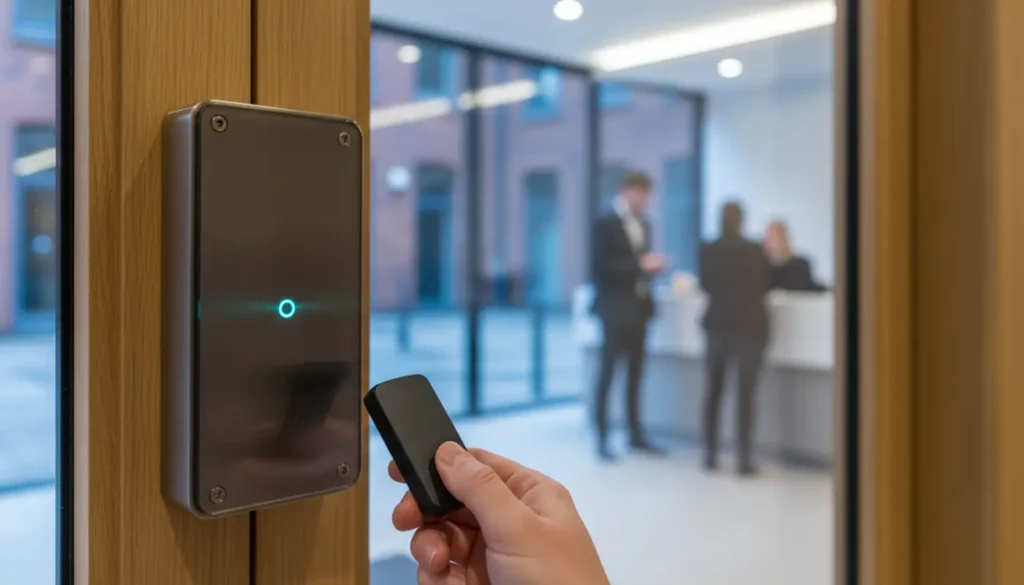
For example, a delivery driver can be given timed access to a loading bay using a fob or mobile credential. Their movement is monitored through cameras, and on site staff are available if needed. This simple setup helps prevent unauthorised access and reduces risk without disrupting operations.
Standards And Accreditation That Matter
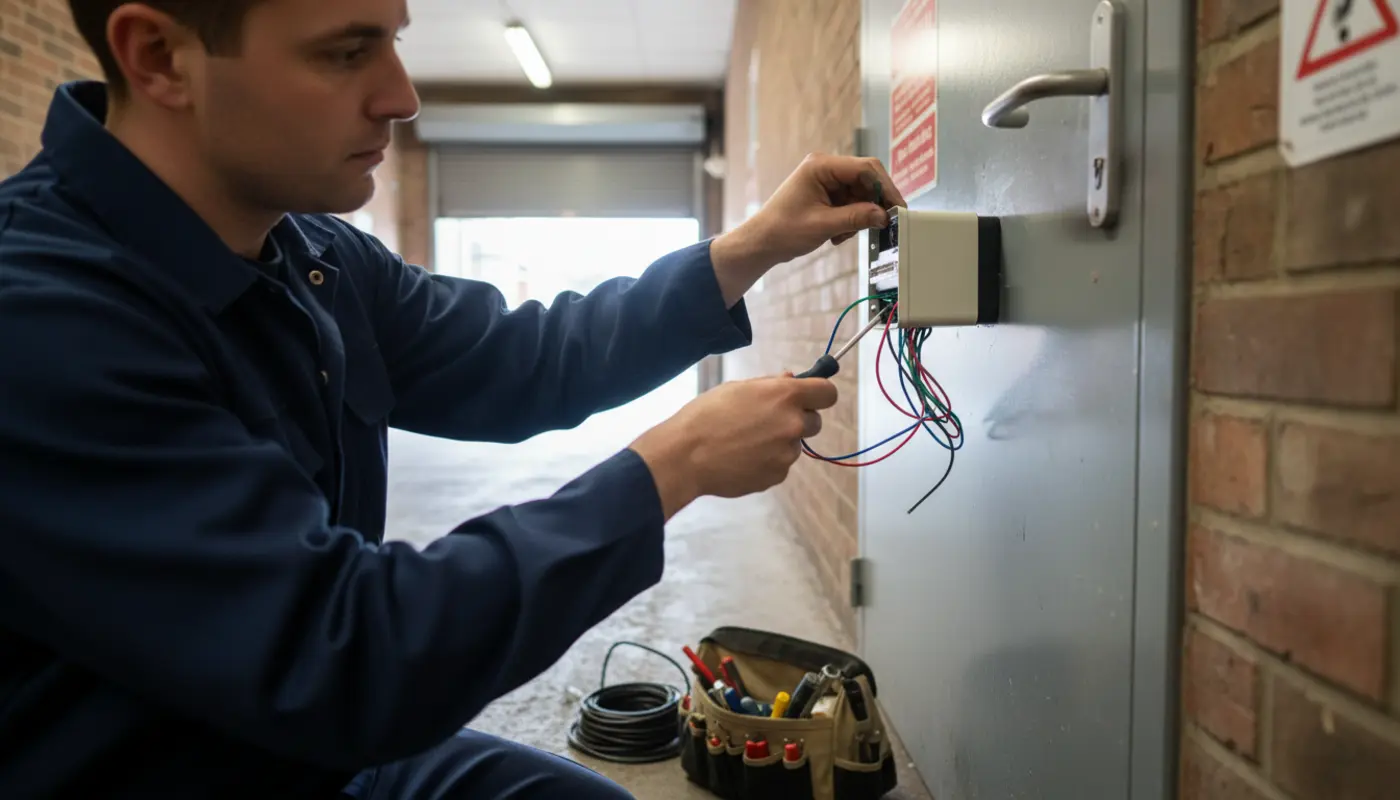
Security accreditation directly affects system quality, insurance compliance, and access to police response services. Shopping centres should always choose SSAIB certified Insurance Approved systems for access control, intruder alarms, and monitored CCTV.
SSAIB certification confirms that installations meet strict quality standards. EN 50131 grading defines system strength, with Grade 2 or Grade 3 typically used in retail environments. These standards are also required if you want a Police Response URN for monitored alarms, which can be critical during incidents.
To understand how legal requirements fit into security planning, see Martyn's Law requirements explained, which outlines expectations for public venues.
Key Access Points That Require Control
Not every entrance needs the same level of control, but certain areas should always be secured to reduce risk and maintain safety.
- Staff only areas such as stockrooms, cash offices, and back corridors
- Loading bays and service yards with regular deliveries
- Plant rooms containing electrical or HVAC systems
- Fire exits that must allow escape while preventing misuse
Guidance from the government highlights the importance of separating public and private areas. More details can be found in official Martyn's Law guidance, which supports controlled access and emergency planning.
Managing Multi Tenant Access Across Retailers
Shopping centres often have many tenants, each needing different access levels. Managing this manually can quickly become difficult without the right system in place.
Modern access control allows permissions to be set based on roles, locations, and schedules. Cleaners may access multiple units early in the day, while retail staff are limited to their own stores during trading hours.
Contractors can be given temporary digital access that expires automatically. This removes the need to track keys and reduces security risks when people leave the site.
Examples shown in access control system setups demonstrate how role based access simplifies management across large properties.
Biometric Vs Keycard Vs Mobile Access Systems
The right access system depends on the size of your site, the level of security required, and how your team works day to day.
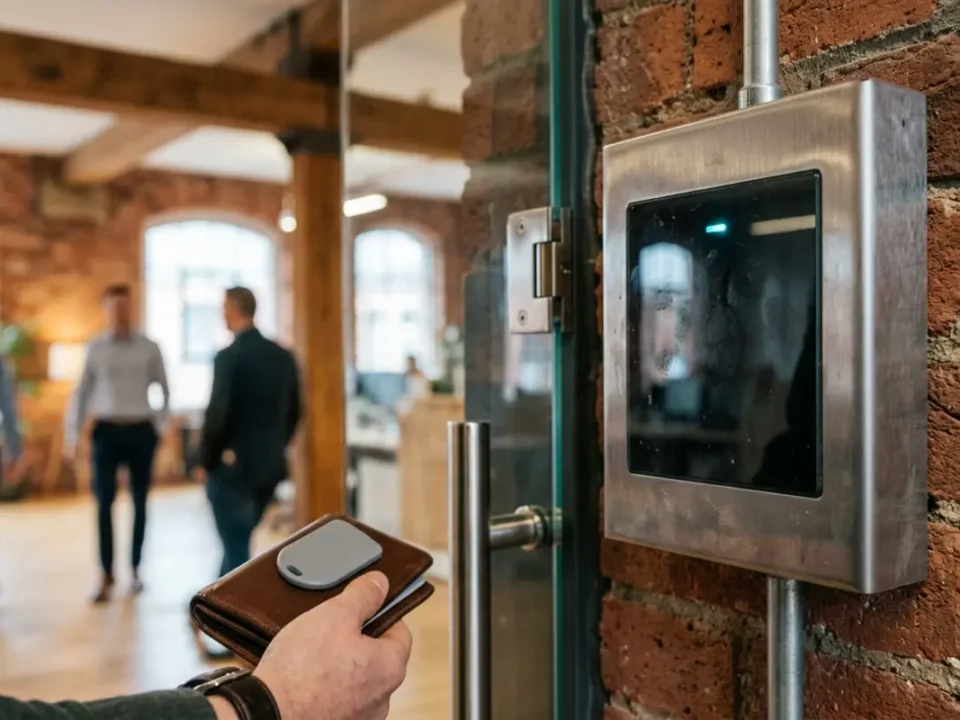
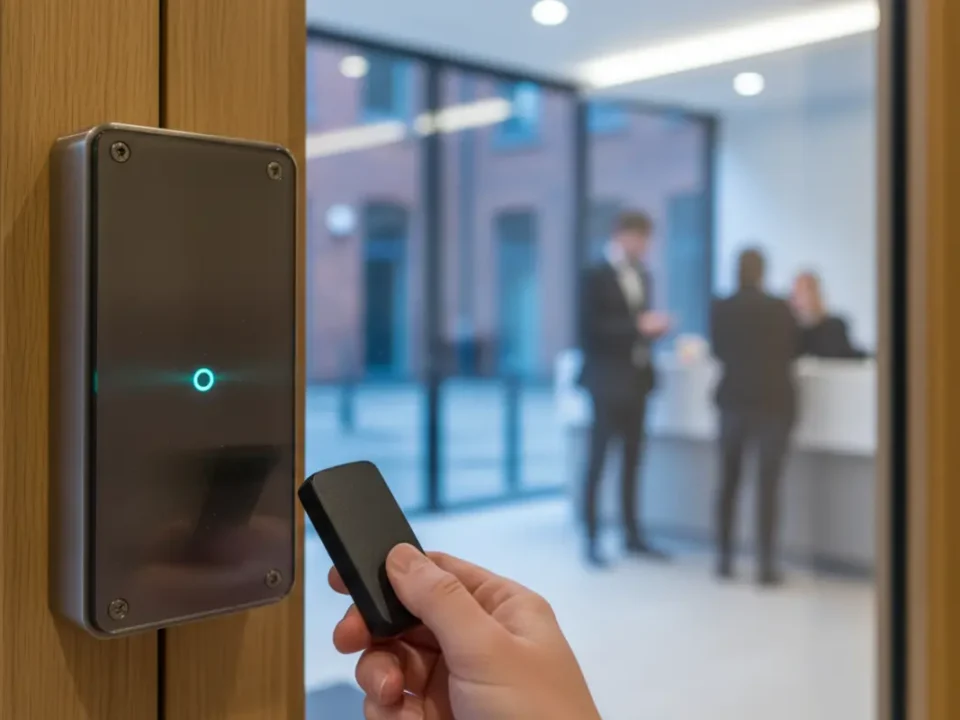
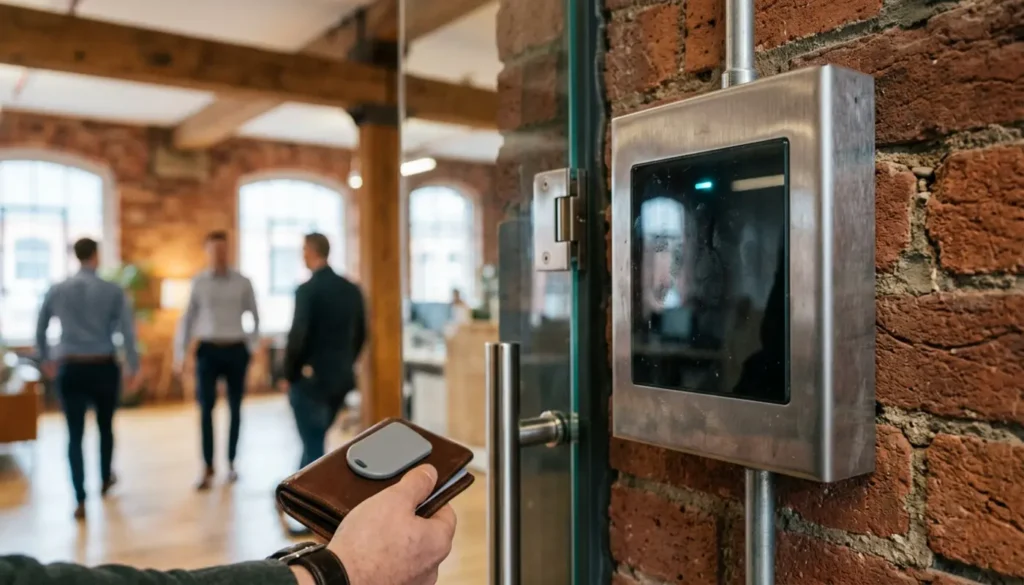
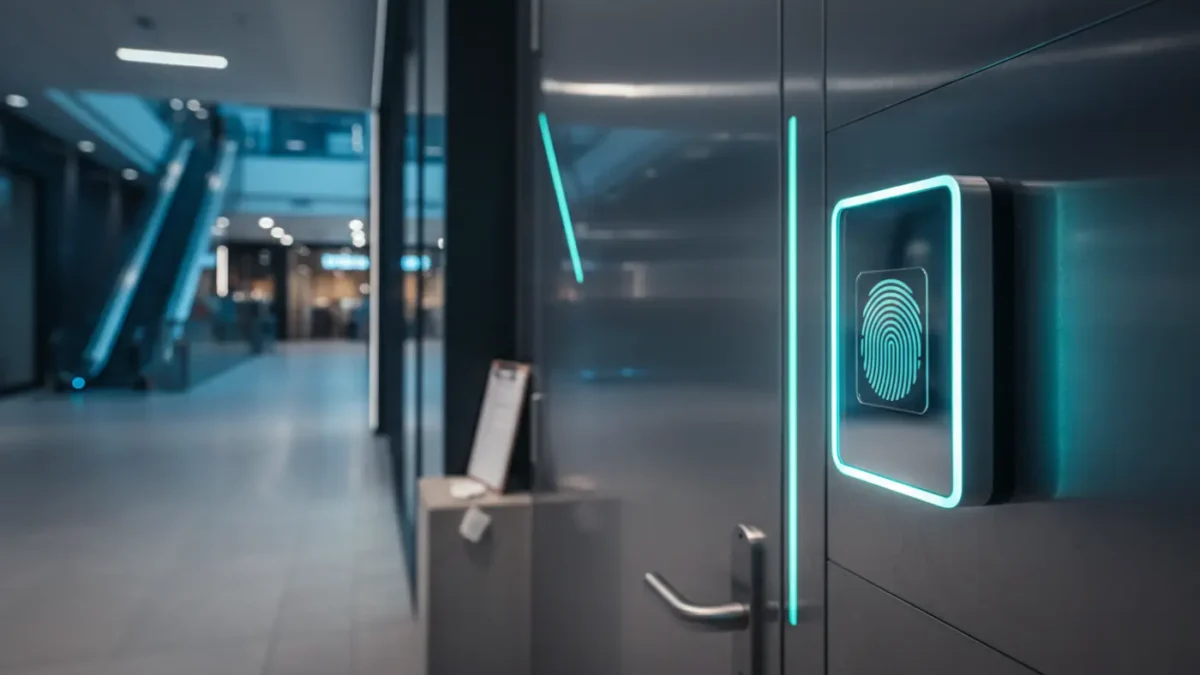
Keycards and fobs are widely used because they are simple and cost effective. However, they can be lost or shared. Biometric systems such as fingerprint or facial recognition offer stronger protection, though they come with higher costs and data considerations.
Mobile access is becoming more popular. Staff can use their phones, permissions can be updated remotely, and there is no need to replace lost cards. The main limitation is that it relies on compatible devices.
Many shopping centres use a combination of these methods to balance convenience, cost, and security.
Integrating Access Control With Fire And Emergency Systems
Access control must always support safety systems, especially during emergencies. In the event of a fire alarm, doors should release automatically to allow safe evacuation.
Fire alarm systems should comply with BS 5839, often Category L1 or L2 in large shopping centres. Emergency lighting must meet BS 5266 and be tested regularly to ensure reliability.
Some areas may remain secure during certain situations, but escape routes must always be available. This balance between fail safe and fail secure design is essential.
Further details can be found in how fire alarm systems work.
Martyn's Law And Anti Terror Preparedness
Martyn's Law places a legal responsibility on public venues to prepare for potential threats. This includes carrying out risk assessments, training staff, and putting protective measures in place.
For larger shopping centres, requirements are stricter. Clear procedures, stronger access control, and well trained teams are expected.
Access control plays a key role by restricting sensitive areas and supporting lockdown procedures if needed. Combined with staff awareness, it helps create a safer environment.
The Case For Unified Security Platforms
Managing separate systems can lead to confusion and wasted time. Multiple platforms mean more complexity and a higher chance of mistakes.
Unified systems bring CCTV, access control, and monitoring into one place. This makes it easier to manage security, respond quickly, and keep track of activity across the site.
It can also reduce long term costs by cutting down on key replacements, lock changes, and manual processes.
Insights from business security system planning show how integrated systems improve both efficiency and cost control.
Practical Steps For Shopping Centre Managers
Improving access control does not need to feel overwhelming. A structured approach makes it much more manageable.
Start with a risk assessment aligned with PAS 79 principles. Identify key access points and group areas based on risk levels.
Choose systems that suit your site and ensure they are SSAIB certified Insurance Approved to meet insurance and compliance needs. Finally, invest in staff training and review your setup regularly to keep it effective.
Final Thoughts
Shopping centre access control in the North West has moved far beyond basic locks and keys. It now supports safety, compliance, and smooth daily operations without getting in the way of customers or staff.
With the right combination of technology, planning, and support, centres can reduce risk, stay compliant, and create a safer environment for everyone. iSecurity Solutions continues to support businesses across the region with reliable systems, expert guidance, and ongoing service that keeps properties protected at all times.