Best Intruder Alarms for Nurseries in Manchester
Intruder Alarms For Manchester Nurseries
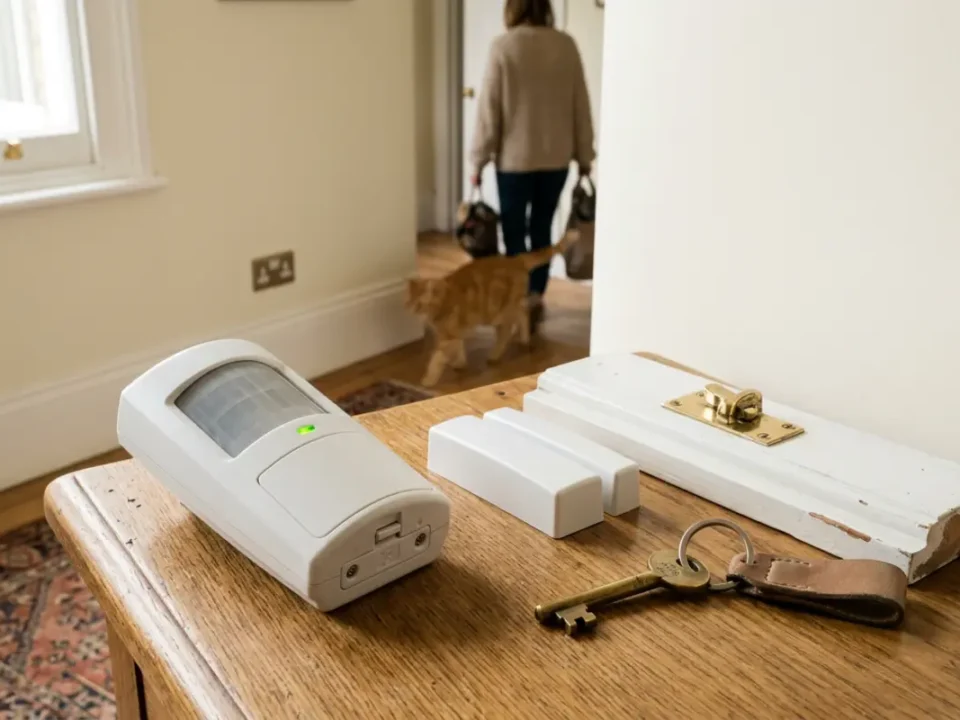
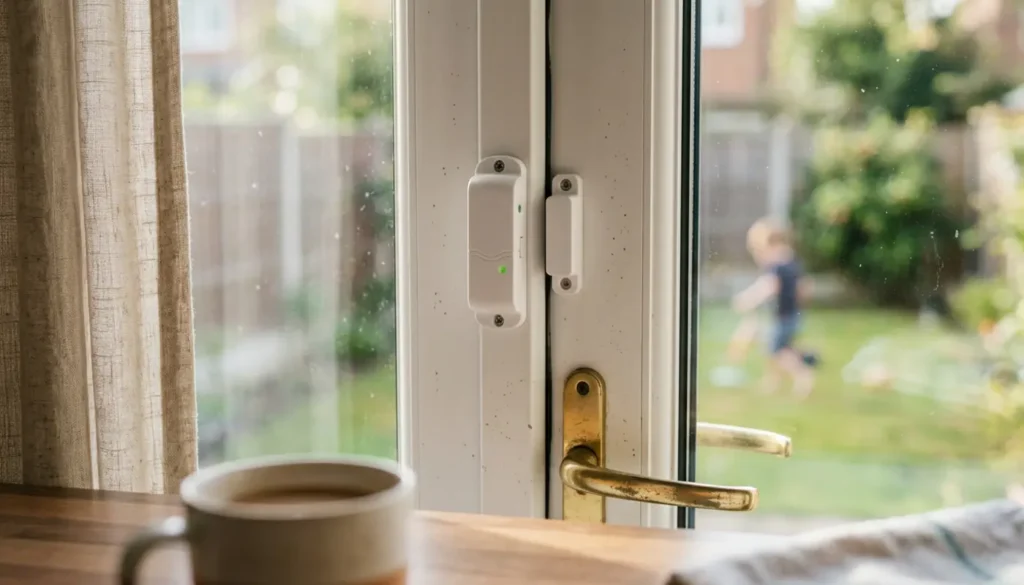
The best intruder alarms for nurseries in Manchester are professionally installed Grade 2 or Grade 3 systems designed to BS EN 50131. They can include monitoring, access control, CCTV verification, panic buttons and a Police Response URN where the risk level or insurer requires it. For most childcare premises, a tailored intruder alarm system is safer than a basic off the shelf alarm because it can be built around safeguarding, staff routines and nursery insurance conditions.
Safeguarding First For Nursery Alarm Choices
Nursery alarm choices should start with safeguarding because EYFS expects providers to take reasonable steps to stop unauthorised people entering areas where children are cared for. The EYFS statutory framework makes premises security and visitor identity checks part of daily welfare, so alarms should support those routines rather than sit separately in the background.
Nurseries are busy places, especially during drop off and collection, and it only takes one unsecured door or unclear visitor process for a security risk to appear. The right alarm is not just about stopping theft after hours because it also helps staff manage doors, visitors and sensitive spaces in a calm and practical way.
iSecurity Solutions is a trusted UK provider of commercial and domestic security systems, helping homes and businesses stay protected around the clock. For Manchester nurseries, the team designs reliable, tailored solutions covering CCTV, intruder alarms, access control and monitored technology, with responsive service that helps protect children, support staff and keep insurers satisfied.
A good nursery alarm in Manchester should protect the building outside opening hours and support controlled movement during the day. That usually means separate alarm zones for offices, staff rooms, stores and external doors, so the system works around nursery life rather than interrupting it every time someone fetches supplies from a store room.
Nursery Alarm In Manchester For SSAIB Insurance Approved Protection
A nursery alarm in Manchester should meet safeguarding needs, insurance conditions and recognised security standards in one clear design. An SSAIB Insurance Approved installation gives nurseries a trusted way to show that the system has been professionally designed, installed and maintained to suitable standards, including BS EN 50131 and Police Response URN eligibility where monitoring is required.
Ofsted will not normally tell a nursery which alarm panel to buy, and nobody wants inspection reports turning into wiring diagrams. What matters is that managers can show sensible controls, clear procedures, working equipment and records that prove the nursery takes unauthorised access seriously.
Grade 2 And Grade 3 Intruder Alarms Explained
Grade 2 and Grade 3 intruder alarms are risk levels under BS EN 50131, and they help match the alarm system to the building and the threat. Grade 2 is often suitable for lower risk commercial premises, while Grade 3 is commonly used where insurers see a higher risk, valuable equipment, vulnerable opening patterns or a stronger need for confirmed signalling and Police Response URN arrangements.
For nurseries, the right grade depends on the building, location, opening hours, contents, previous incidents and insurer wording. A small nursery in a shared building may be assessed differently from a larger standalone Manchester setting with multiple entrances, outdoor stores, tablets, laptops, medication cupboards and staff arriving before sunrise in winter.
If you are not sure whether Grade 2 or Grade 3 is right for your nursery, it is worth reading more on the difference between Grade 2 and Grade 3 before agreeing a specification. Grade 2 may be enough for some lower risk nurseries, but Grade 3 is often the safer conversation with insurers for commercial childcare premises in busier urban areas.
Wired, Wireless And Hybrid Alarm Systems
Wired, wireless and hybrid alarm systems can all work well in nurseries when they are designed around the building and installed to the right grade. Wired alarms are a strong choice for purpose built nurseries, larger premises or refurbishments where cables can be fitted neatly during works, although installation can be more disruptive if the nursery is already open and busy.
Wireless systems are useful for rented buildings, converted houses and nurseries where running cables would be awkward or messy. A professionally installed wireless intruder alarm can still be graded correctly, but batteries, signal strength and maintenance need proper attention so the system stays dependable.
Hybrid systems give nurseries a useful middle ground by using wired equipment where it makes sense and wireless devices where flexibility is needed. They are particularly helpful for growing settings because extra rooms, garden buildings or staff areas can often be added without turning the nursery into a building site.
Access Control And Door Entry Integration
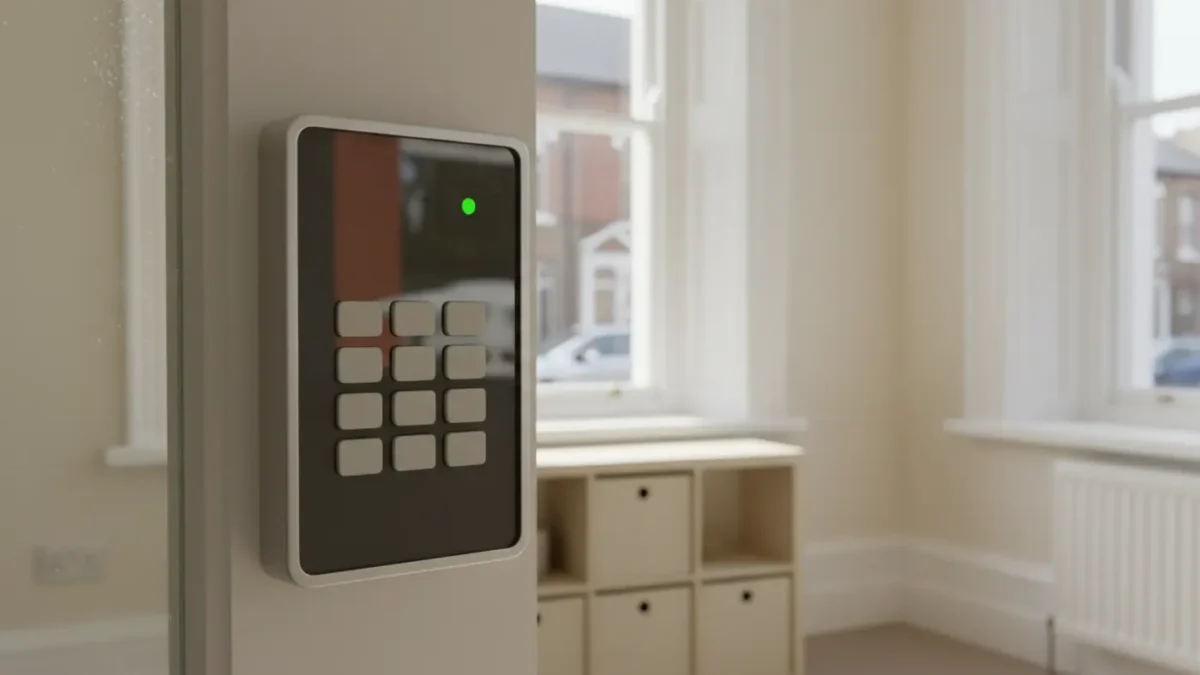
Access control helps nurseries turn safeguarding policy into daily behaviour by controlling who enters, when they enter and which areas they can reach. Keypads, fobs, smart readers and video door entry can work alongside intruder alarms, so staff have a simpler way to manage doors during busy parts of the day.
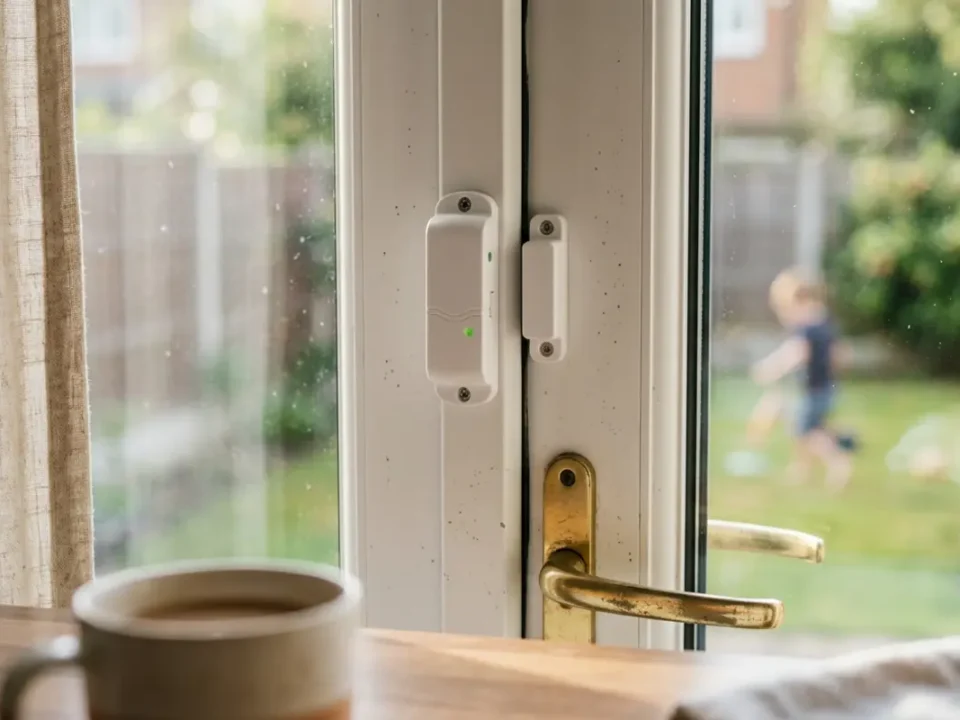
For Manchester nurseries, access control is especially useful during handover times, when staff are greeting parents, settling children and answering questions at the same time. The alarm can be linked to door contacts and entry logs, so forced doors, out of hours access or unusual activity are easier to review.
Good design keeps the system simple for staff and avoids making the nursery feel harsh or unfriendly. For example, reception doors may use video entry, staff areas may use fobs and external stores may be alarmed separately, so someone cannot wander into sensitive areas just because the front door is busy.
Nurseries looking at wider safeguarding improvements may also find practical ideas in nursery access control systems, especially where door security needs to support arrival, collection, visitor checks and staff movement across the setting.
CCTV And Safeguarding Focused Monitoring
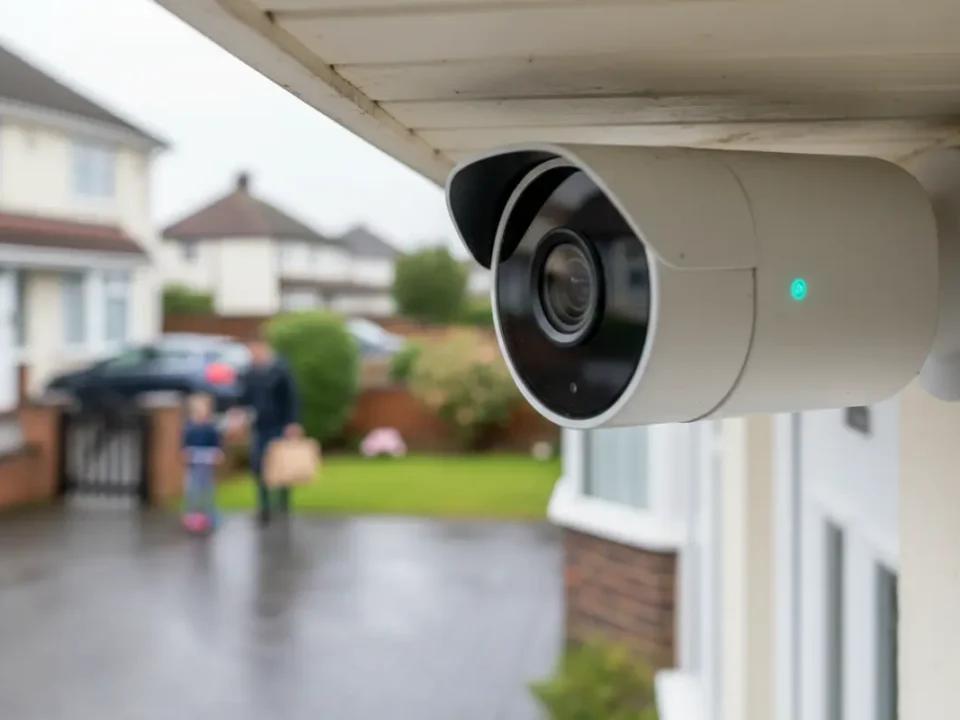
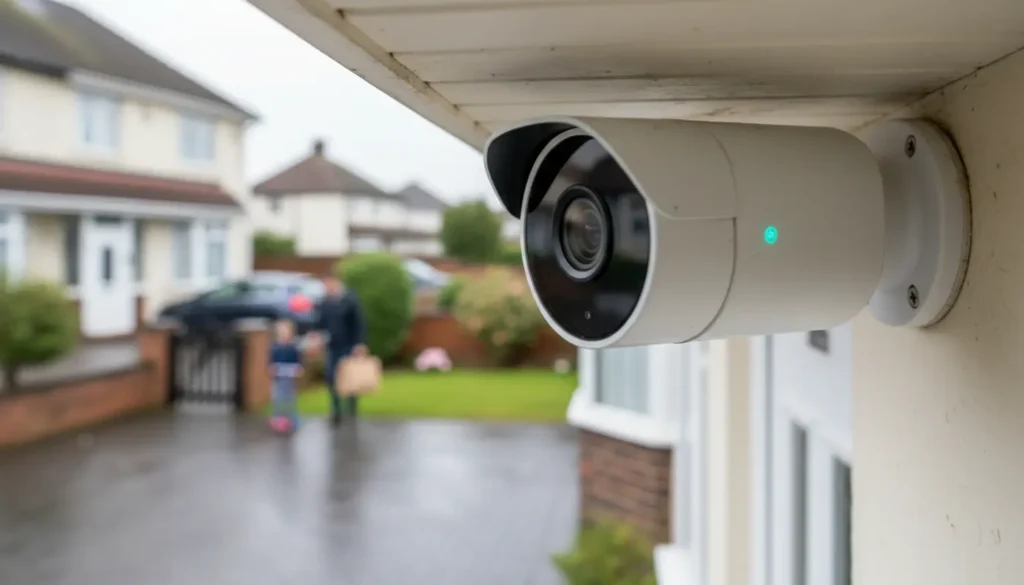
CCTV can support a nursery intruder alarm by giving useful visual proof when an alarm activates, especially after hours. When CCTV is linked to a BS EN 50131 intruder alarm, the design should still support the alarm grade, Police Response URN requirements and privacy expectations for a childcare setting.
Nursery CCTV needs careful planning because children, parents and staff all have privacy rights. A well planned CCTV system should focus on entrances, external areas, corridors and vulnerable points rather than recording everything for the sake of it.
Monitoring can also reduce false alarms, which matters because repeated false activations can affect police response. If monitored CCTV, perimeter detection or confirmed alarm signalling is part of the design, the Police Response URN process should be discussed early rather than treated as paperwork at the end.
Panic Buttons And Staff Help Alarms
Panic buttons and staff help alarms are useful in nurseries because staff may be on site before and after normal childcare hours. Early morning opening, late locking up, difficult conversations at reception or lone working in an office can all create moments where staff need discreet help quickly.
Fixed panic buttons can be placed at reception, in the office or near a staff exit, while wearable devices can support managers moving around the building. These systems can alert keyholders or an Alarm Receiving Centre, and where the system is set up for police response, the Police Response URN and confirmed activation rules must be handled correctly.
Training is just as important as the device itself because staff need to know when to press a panic button, what happens next and how the incident is recorded. Clear training also helps the alarm fit with safeguarding and lone worker procedures, so no one has to guess what to do during a stressful moment.
Monitored Or Unmonitored Alarms For Nurseries
Monitored alarms are usually stronger for nurseries because alerts are sent to an Alarm Receiving Centre, while unmonitored alarms rely on someone nearby hearing the sounder and taking action. A sounder only alarm can deter opportunists, but it may not offer enough reassurance for a nursery with children, equipment, confidential records and insurance conditions.
A monitored alarm sends signals to trained operators, who can contact keyholders, review confirmed activations and request police attendance if the system qualifies. For a Police Response URN, the alarm must be installed and maintained by an approved company and designed to relevant requirements, including BS EN 50131 and police response rules.
Insurance is often the deciding factor because some insurers may accept Grade 2 with keyholder response for lower risk premises, while others may require Grade 3, confirmed signalling and a Police Response URN before full cover applies. This is more common where theft, arson, previous incidents or higher value equipment are concerns.
Choosing A Manchester Alarm Installer
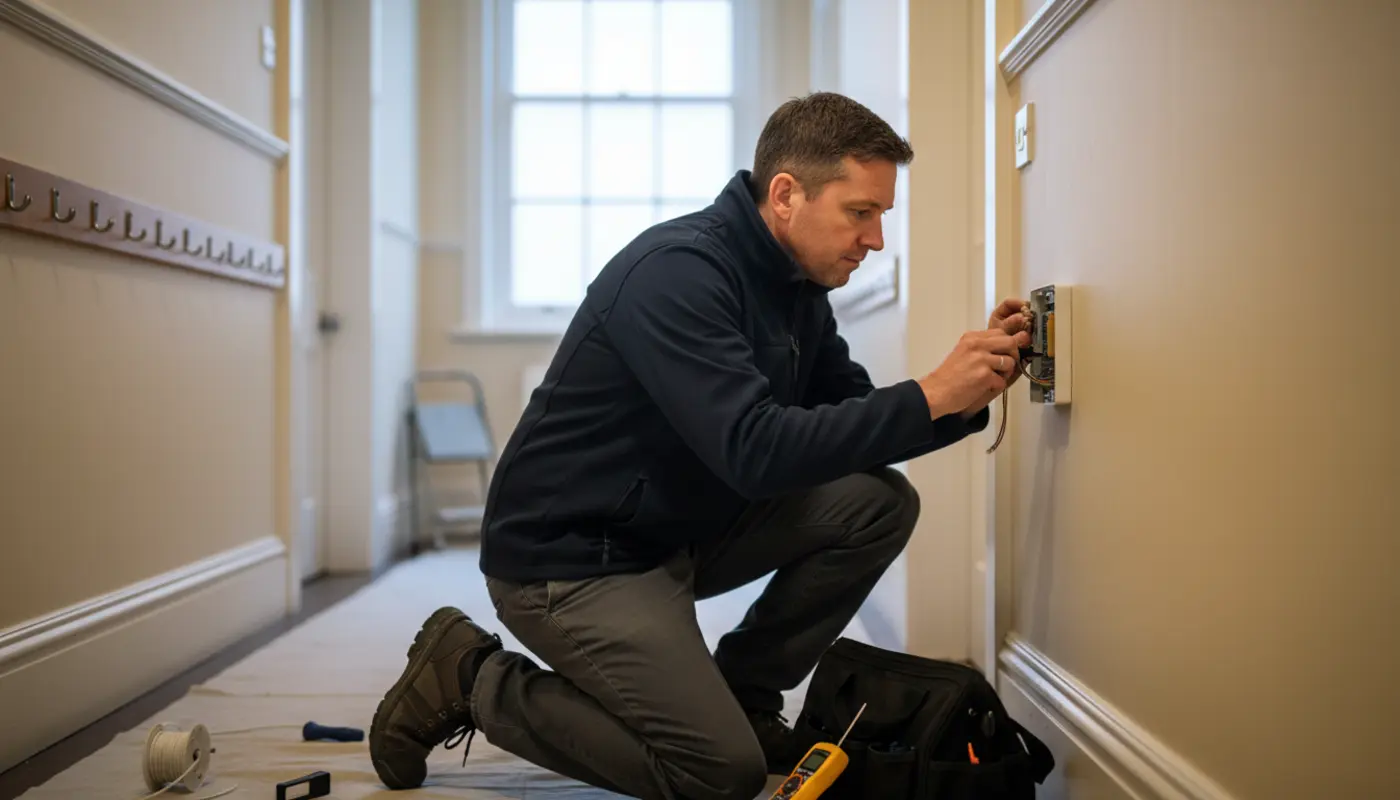
Choosing a Manchester alarm installer for a nursery should be based on competence, certification and understanding of childcare environments. A nursery needs a company that understands safeguarding, insurance paperwork, alarm grading, staff routines, access points and how to keep disruption low during installation.
Ask whether the company can provide NSI or SSAIB Insurance Approved certification, BS EN 50131 system grading, Police Response URN support, monitoring options, maintenance records and clear handover training. If the answers sound vague, or the quotation simply says alarm system with no grade, no standards and no monitoring detail, it is sensible to ask more questions before accepting it.
For multi site operators or nurseries planning broader protection, business security systems can help bring alarms, CCTV and access control under one consistent approach. That makes life easier for managers, insurers and anyone responsible for proving that each site is being protected properly.
Maintenance, Testing And Records
Maintenance, testing and clear records keep a nursery alarm reliable after installation and help prove that the system is being looked after properly. Sensors can be knocked, batteries weaken, doors shift, staff codes change and monitoring details become outdated, especially in busy nurseries where daily life is lively and occasionally sticky.
A planned service contract keeps the system tested, documented and ready for insurer checks. Maintenance visits should confirm that detectors, door contacts, signalling, panic buttons, keyholder details and user codes are still correct.
Keep a simple security file with commissioning certificates, maintenance reports, alarm activation logs, false alarm notes, staff training records and insurer correspondence. These records help during Ofsted discussions, insurance renewals and incident reviews, and they also stop important details living only in one manager's memory.
Practical Nursery Alarm Checklist For 2026
A practical nursery alarm checklist helps managers compare quotations, avoid missing key details and make sure the final system supports both safeguarding and insurance. Use the points below before approving a new alarm or upgrading an older system.
- Check EYFS safeguarding and welfare expectations around preventing unauthorised access.
- Ask your insurer whether Grade 2 or Grade 3 BS EN 50131 is required.
- Confirm whether monitoring and a Police Response URN are needed.
- Choose wired, wireless or hybrid equipment based on the building and disruption levels.
- Integrate alarms with access control for entrances, staff areas and sensitive rooms.
- Use CCTV carefully for verification, entrances and external areas, with clear privacy policies.
- Consider panic buttons or staff help alarms for reception and lone worker situations.
- Use an NSI or SSAIB Insurance Approved installer and keep all certificates.
- Maintain the system through regular servicing, testing and updated records.
Choosing The Best Nursery Intruder Alarm
The best intruder alarm for a Manchester nursery is not always the most expensive system, but it should be properly graded, professionally installed and designed around safeguarding. A nursery is not a standard shop or office because children, parents, staff and visitors all move through the space in different ways throughout the day.
In 2026, nursery owners should treat alarms, access control, CCTV, panic buttons and monitoring as one joined up safety system. When the design supports EYFS expectations, insurance requirements and everyday nursery routines, the result is safer children, more confident staff and fewer late night security worries.