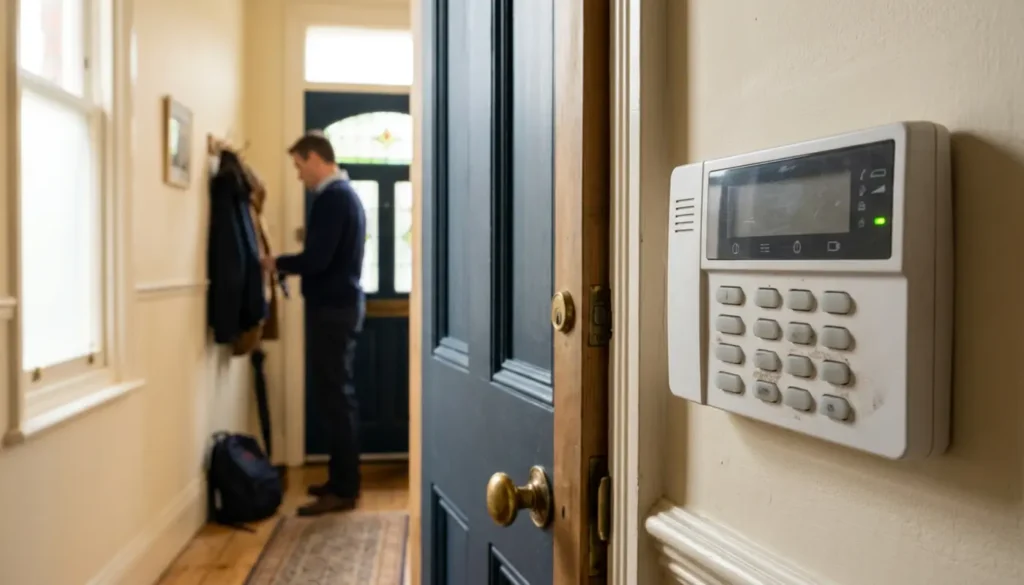
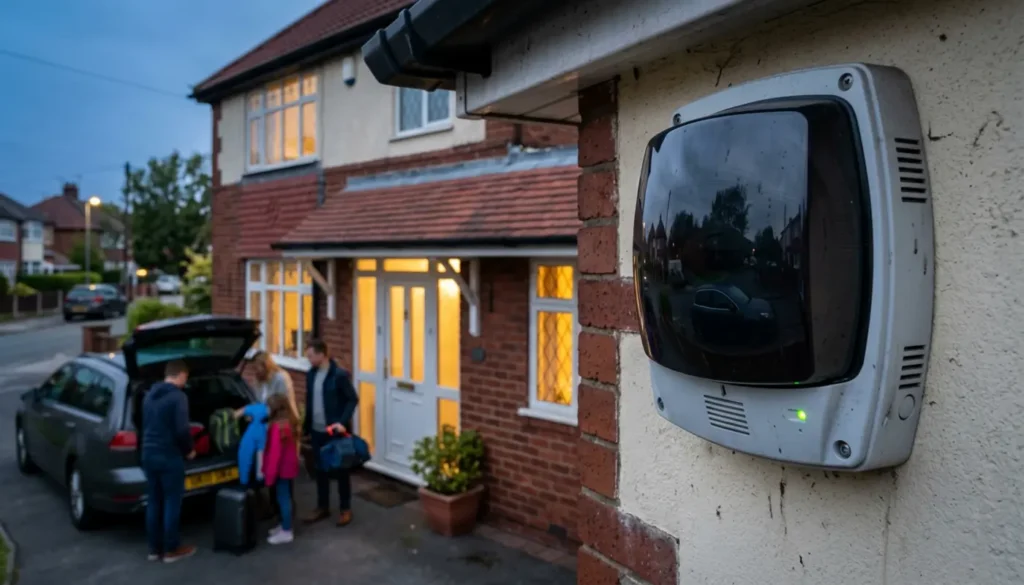
What Features Should a Wireless Alarm System Have?
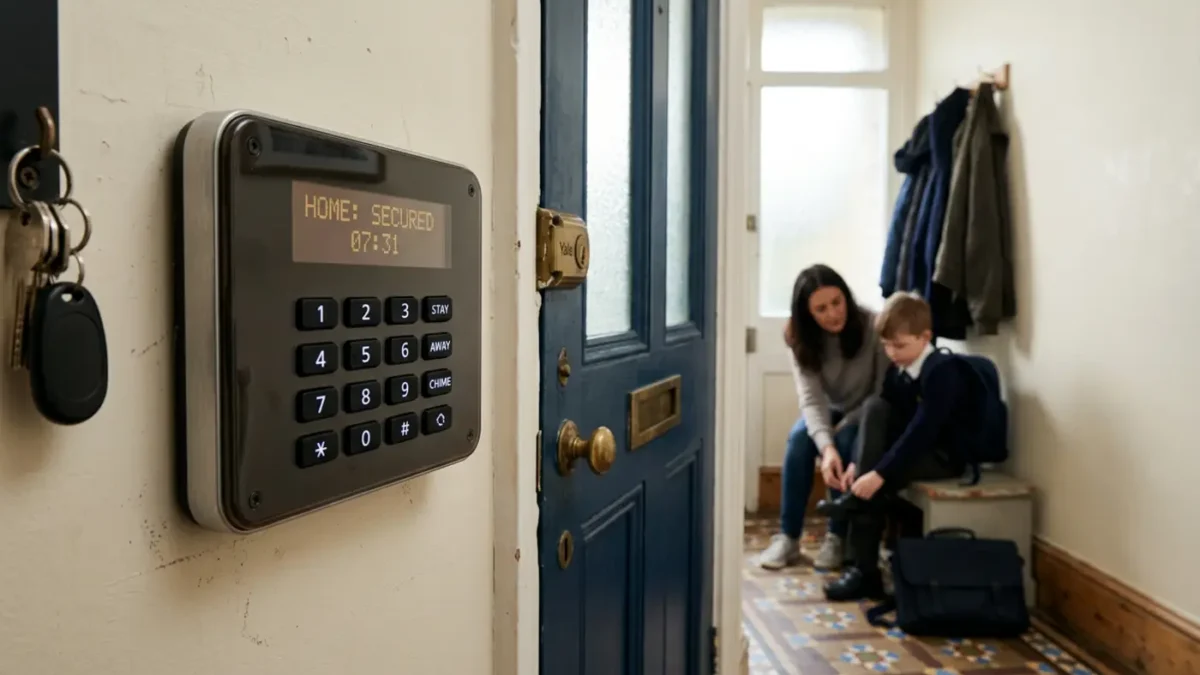
Wireless Alarm System Features
A good wireless alarm system should be simple to use, hard to bypass and properly designed for the home or business it protects. The most important features include UK alarm grading, encrypted two way signals, anti jamming protection, tamper alerts, battery backup, dual path signalling, quality detectors, app control, professional monitoring and reliable aftercare.
Wireless alarms suit many UK homes, rental properties, shops, offices and small business sites because they reduce cable runs, cause less disruption and can often be expanded later. The key point is not only whether the alarm is wireless, but whether it keeps working when power, internet or signal problems happen.
iSecurity Solutions is a trusted UK provider of commercial and domestic security systems, helping homes and businesses stay protected around the clock. From CCTV and intruder alarms to fire safety, access control and construction site monitoring, the team designs reliable, tailored solutions backed by responsive service and modern remotely monitored technology.
What Is A Wireless Alarm System?
A wireless alarm system uses sensors that communicate with a control panel without needing signal cables between every device. The main parts usually include door contacts, motion detectors, sirens, a keypad, a control hub, user codes, an app and a communication module for alerts.
Wireless does not always mean Wi Fi dependent, which is a common mix up. Many professional systems use their own secure radio signal between the sensors and the panel, while broadband or mobile data is used separately for app alerts, monitoring and remote access.
Why UK Standards Matter For A Wireless Alarm System
The first feature to check is compliance with BS EN 50131, which is the key standard for intruder alarm systems in the UK and Europe. For most homes and lower risk commercial premises, Grade 2 is often suitable, while Grade 3 is generally used for higher risk homes and many business environments where a stronger system is needed.
Installation should also follow PD 6662, which applies the relevant alarm standards in a UK setting. This may sound like paperwork, but it is what separates a proper security system from a box of gadgets with a siren attached.
If you are comparing Grade 2 and Grade 3, it helps to understand what the grades mean before you buy. You can read more in our explanation of Grade 2 and Grade 3 intruder alarms.
Encrypted Communication For Wireless Alarm Systems
A modern wireless alarm should use encrypted two way communication between the panel and each device. Encryption helps stop signals being read or copied, while two way communication means the device and panel confirm messages with each other rather than sending a signal and hoping it arrives.
Ask whether the system includes anti jamming and interference detection. Encryption and anti jamming are not the same thing, as encryption protects the message, while anti jamming detects attempts to block or disrupt the radio signal.
Supervised wireless devices are also important. A supervised sensor checks in with the panel at set times, so if a detector stops communicating, the system reports a fault instead of quietly ignoring the problem.
Tamper Protection And Fault Reporting
Every serious wireless alarm should report tampering on detectors, door contacts, sirens, keypads and the control panel. If someone opens a sensor casing, removes a device from the wall or interferes with an external bell box, the system should raise a tamper alert.
Fault reporting should also cover low batteries, mains failure, loss of wireless communication, broadband failure, mobile path failure and backup battery condition. These alerts may not sound exciting, but they are the difference between a system that only looks fine and one that is actually working properly.
For homes and businesses looking for a professionally designed system, wireless intruder alarms can be specified with the right detectors, signalling and monitoring features for the building rather than relying on a one size fits all kit.
Reliable Power And Battery Backup
Wireless sensors usually run on batteries, so long battery life and clear low battery warnings are essential. The control panel should also have backup power, so the alarm can keep working during a power cut rather than stopping at the exact moment you need it.
A good installer should explain how long the backup battery is expected to last, who replaces sensor batteries and whether low battery alerts go to the app, the panel and the monitoring centre. It is also sensible to ask what happens if the mains supply fails while the property is empty.
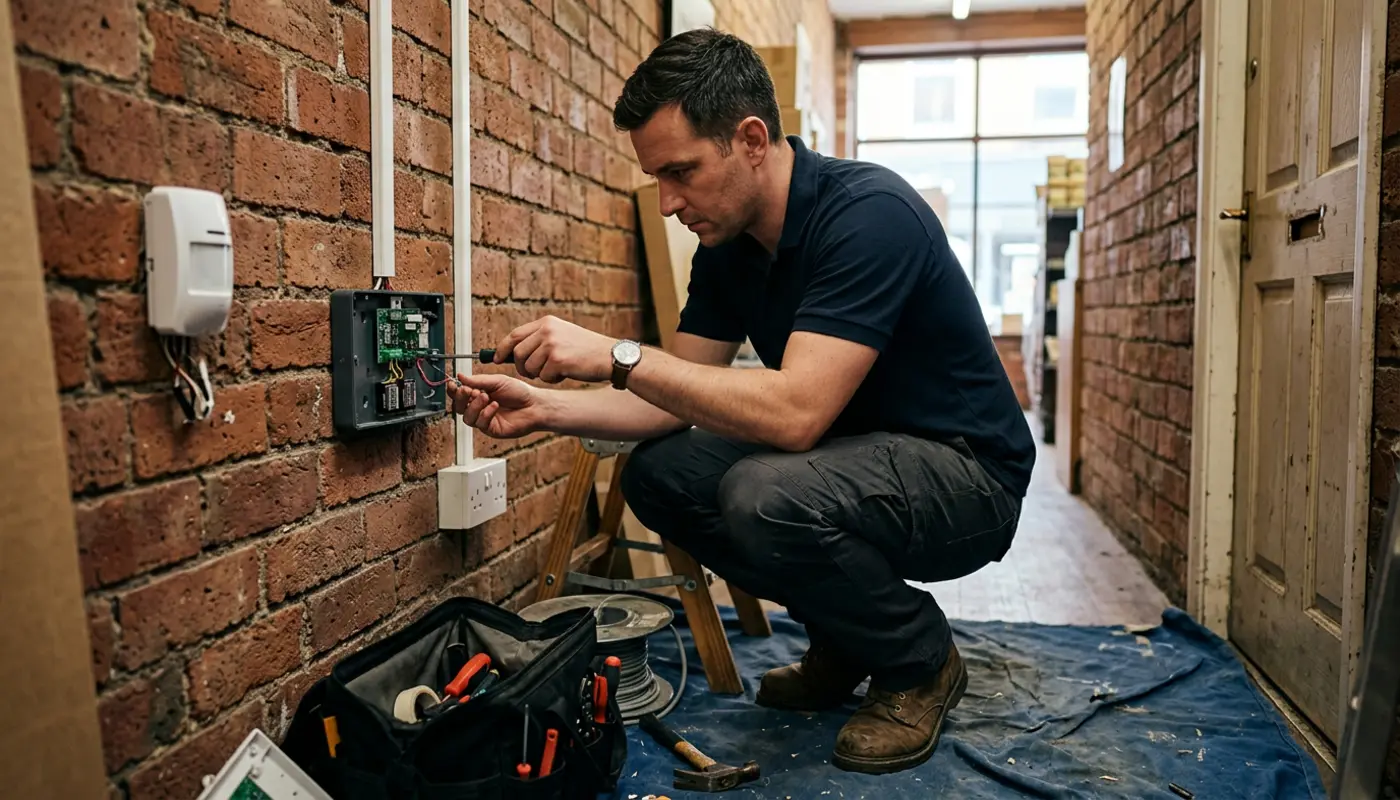
Dual Path Signalling For Better Resilience
Dual path signalling means the alarm can send alerts using two different routes, usually broadband plus 4G or another mobile network path. This matters because routers fail, broadband drops, power can go off and phone lines are no longer the reliable backbone they once were.
If your alarm only relies on your internet connection, an alert may not get through when the router is down. With dual path signalling, the system can switch to the mobile path and should also report when either route has failed.
For monitored alarms, Police Response URN eligibility depends on the correct system design, confirmed alarm procedures and installation by a properly certified SSAIB and Insurance-Approved company. Police response is not automatic just because an alarm has an app or a loud siren.
Quality Detectors And Proper Coverage
The best wireless alarm system is only as good as its detector layout. Door and window contacts protect defined openings, while motion detectors watch rooms, hallways and key movement routes after entry.
Dual technology motion detectors can reduce false alarms in tricky areas because they use more than one sensing method before triggering. Pet friendly detectors can help in homes with cats or dogs, but they must be chosen and positioned carefully because a very active pet can still set off the wrong detector in the wrong place.
Glass break detectors are useful where large glazed areas are vulnerable, such as patio doors, shop fronts or garden rooms. Garages, sheds, loft spaces, extensions and outbuildings should also be considered during the design, especially where tools, stock or bikes are stored.
A site survey is worth having because thick stone walls, reinforced concrete, metalwork and insulation can reduce wireless range. The maximum open area range on a brochure is not the same as real life performance inside a British property full of walls, radiators and awkward corners.
Smoke Heat CO And Flood Integration
Many wireless alarm systems can also connect smoke, heat, carbon monoxide and flood detectors. These devices add valuable safety protection, especially in rented homes, HMOs, offices, kitchens, plant rooms and properties left empty for long periods.
It is important to remember that life safety devices have their own standards and legal duties. Commercial fire alarm systems should be designed around BS 5839, with the correct category chosen from the fire risk assessment and the way the building is used.
Carbon monoxide is colourless and odourless, so a detector can provide an early warning that people would not otherwise notice. In England, landlord duties for smoke and carbon monoxide alarms are explained by GOV.UK smoke and carbon monoxide alarm guidance, although rules can differ across the UK.
Flood detectors are also useful under boilers, near washing machines, below sinks and close to tanks or pumps. A small leak caught early is far easier to deal with than discovering serious water damage after days away.
App Control And Remote Management
A good alarm app should let you arm and disarm the system, receive instant alerts, view event history, check faults and manage users. Individual user codes are useful for families, cleaners, staff, contractors and tenants because you can see who used the system and when.
Look for multi factor authentication, secure user permissions and the ability to remove users quickly when someone leaves. The system should also continue to operate locally if the internet is unavailable, even if remote app features are temporarily limited.
Smart home compatibility can be helpful, but security should come first. It is useful when lights, locks or cameras work together, but not if the setup becomes so complicated that nobody feels confident using it.
Monitoring Police Response And Video Verification
App notifications are helpful, but they are not the same as professional alarm receiving centre monitoring. With app only alerts, you or a nominated person must notice the notification, assess the situation and take action.
With professional ARC monitoring, alarm signals are handled by trained operators who can contact keyholders and, where the correct requirements are met, follow agreed procedures for police response. Video verification or linked CCTV can help confirm whether an activation is genuine, which can reduce false alarms and improve decision making.
If police response is important, ask about the Police Response URN, confirmed alarm requirements, keyholder rules and ongoing false alarm performance. These details should be provided clearly before you sign, not discovered later during a stressful call in the early hours.
Expandability Warranty And Aftercare
A wireless alarm should be able to grow with the property. Check how many sensors, users, areas, sirens, safety detectors and camera integrations the system can support, especially if you plan an extension, take on more staff or add outbuildings later.
Aftercare matters just as much as the initial installation. Ask about equipment warranty, installation warranty, annual servicing, battery replacement, remote diagnostics, emergency callouts, software updates and what happens if you cancel monitoring.
For ongoing support, service contracts can help keep alarm systems maintained, tested and documented, which is especially useful for businesses, landlords and multi site property managers.
Wireless Alarm Feature Checklist
- Is the complete system certified to BS EN 50131 Grade 2 or Grade 3?
- Will the installation follow PD 6662 where applicable?
- Are wireless signals encrypted and two way?
- Does the system include anti jamming and interference detection?
- Are all sensors supervised and able to report loss of connection?
- Are tamper alerts included on sensors, sirens and the control panel?
- Does the system report low batteries, mains failure and signalling faults?
- Is there battery backup for the control panel during power cuts?
- Does signalling use broadband and 4G or another mobile backup path?
- Are detectors chosen for pets, glass, garages, outbuildings and room layouts?
- Can smoke, heat, CO and flood detectors be integrated where suitable?
- Is professional ARC monitoring available?
- Can the system support Police Response URN requirements if needed?
- Can it be expanded later without replacing the whole system?
- What warranty, servicing and emergency support are included?
Choosing The Right Wireless Alarm System
The best wireless alarm system is not simply the one with the flashiest app or the loudest siren. It is the one that matches your risk, communicates securely, keeps working during faults, uses the right detectors and has proper monitoring and support behind it.
Before choosing a system, ask for the grade, signalling method, monitoring options, warranty terms and maintenance responsibilities in writing. A little checking at the start can save a lot of stress later, and it helps ensure your alarm is more than just a plastic box that makes noise.
Frequently Asked Questions
Are Wireless Alarms Reliable In UK Houses?
Yes, a properly specified wireless alarm can be very reliable, especially when it uses supervised devices, encrypted communication, anti jamming detection and a professional site survey to check signal strength.
Does A Wireless Alarm Need Wi Fi?
Not always. Many professional alarms use their own wireless signal between sensors and the panel, while Wi Fi or broadband may only be used for app access and remote alerts.
What Is The Difference Between Grade 2 And Grade 3?
Grade 2 is often used for higher risk homes and lower risk commercial sites, while Grade 3 is designed for higher risk properties and many business environments under BS EN 50131.
Can A Wireless Alarm Qualify For Police Response?
It can, but only when the system, monitoring and installation meet the required criteria. A Police Response URN normally requires an SSAIB certified and Insurance-Approved installer, because SSAIB certification is the prerequisite.
What Happens If The Power Goes Off?
A good wireless alarm should keep working on backup battery power and report the mains failure to the user, app or monitoring centre, depending on how the system is configured.