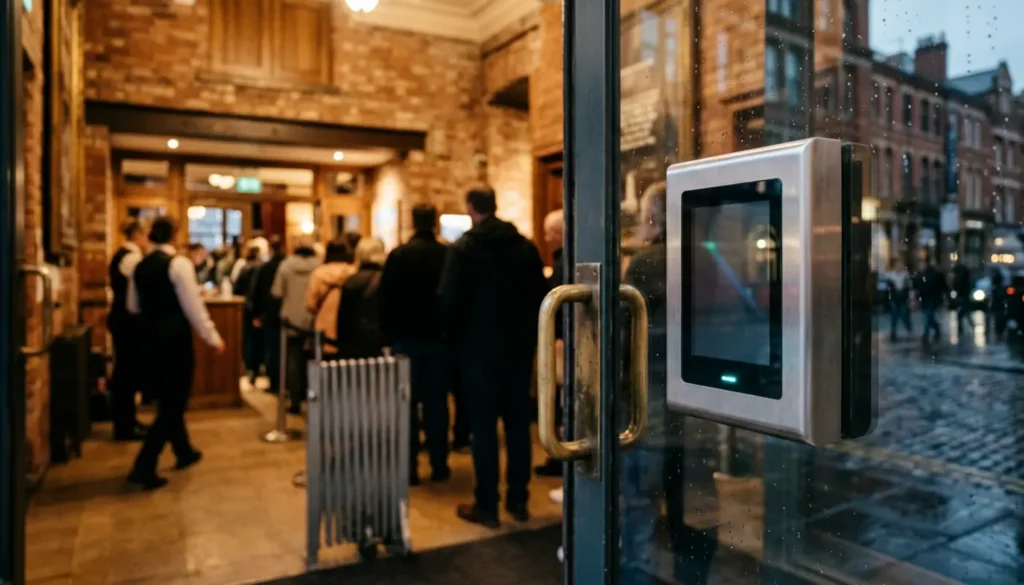
Does Martyn’s Law Apply to Churches?
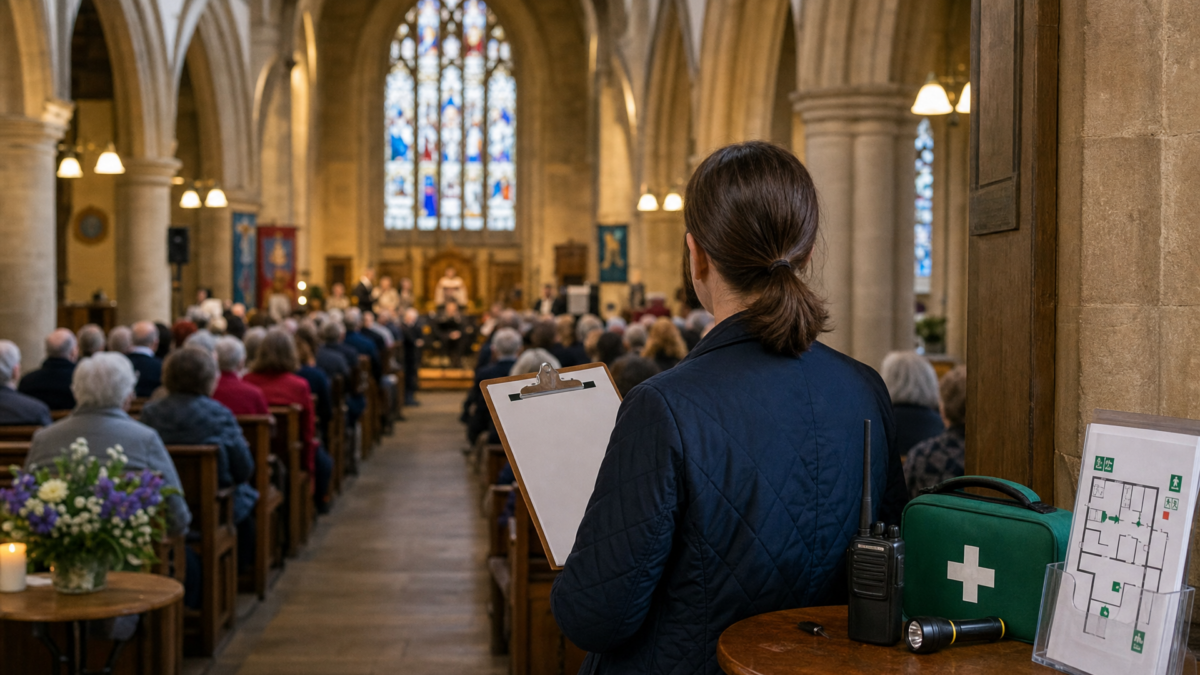
Does Martyn’s Law apply to churches? Yes, it can. Churches and other places of worship can fall within Martyn’s Law if they are publicly accessible and meet the legal scope, but the duties depend on how many people can reasonably be expected on the premises at the same time. For many smaller churches, the key number is 200. If your church never reaches that level, it may sit outside the main legal duty, although sensible safety planning is still a very good idea.
That is the short answer, but the detail matters because churches are unusual spaces. A quiet Sunday service, a packed Christmas concert, a funeral, a food bank session, and a community fair can all create very different attendance levels and risks.
For churches in Manchester, getting clear on capacity, procedures, and practical next steps can feel like one more job on a very long list. If you are unsure where your church sits, you are not alone. iSecurity Solutions helps churches and community venues put sensible security measures in place without making the building feel unwelcoming.
Martyn’s Law And Churches
Martyn’s Law is the common name for the Terrorism (Protection of Premises) Act 2025. It was introduced after the Manchester Arena attack and the campaign led by Figen Murray in memory of her son Martyn Hett. Its purpose is to improve public protection procedures in places that are open to the public.
The law is about being prepared, not creating fear. In simple terms, it asks those responsible for certain premises and events to think ahead, put sensible plans in place, and make sure people know what to do if a terrorist incident happens.
Martyn’s Law In Manchester
In Manchester, this subject carries real weight. The Manchester Arena Inquiry helped shape wider discussion about venue security, preparedness, and the need for clearer protective planning in places where people gather.
Churches in Manchester often serve more than one purpose. Alongside worship, many host local events, charity work, children’s groups, concerts, and community support services. That mix of uses is exactly why it is important to understand how the law may apply.
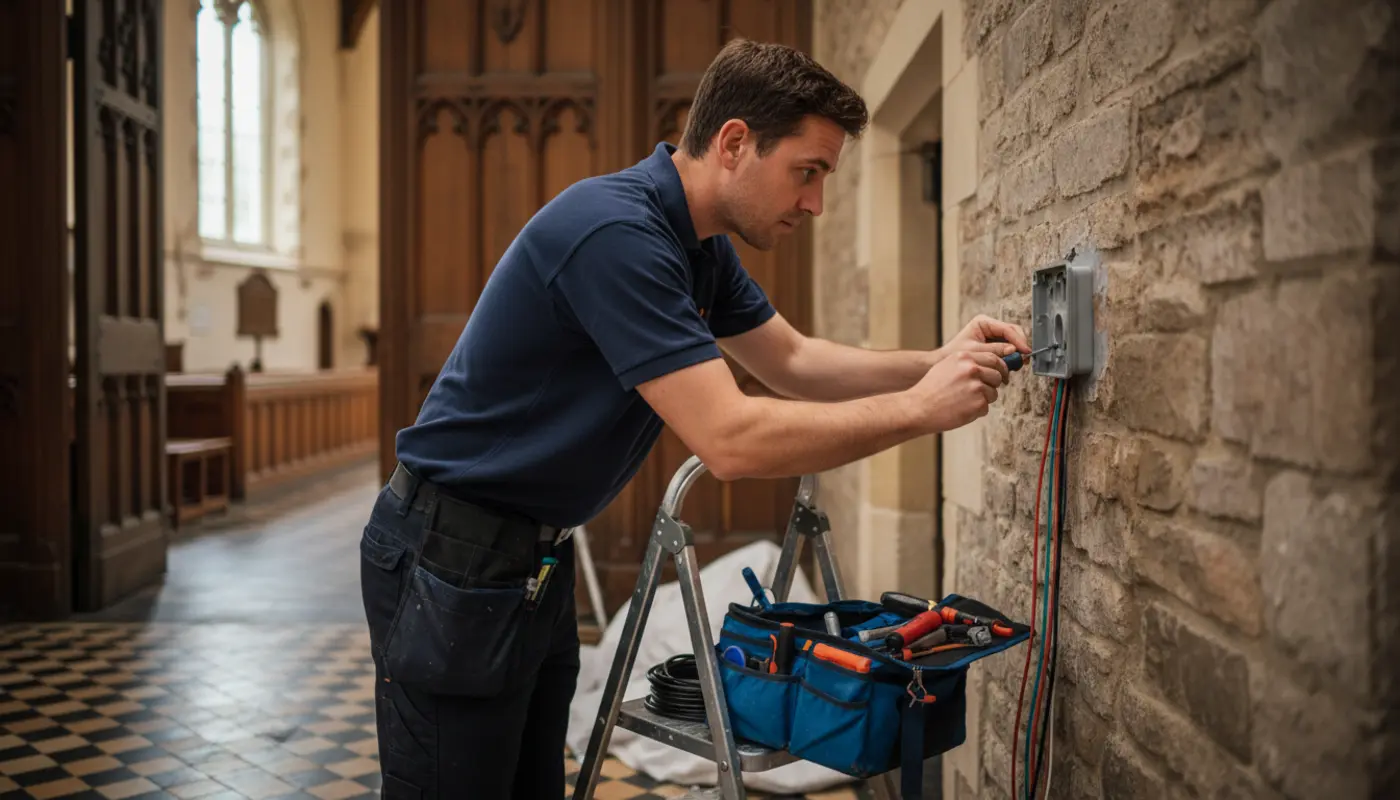
What Martyn’s Law Is And Why It Was Introduced
The main purpose of Martyn’s Law is to reduce harm by making venues consider realistic protective steps before an emergency ever happens. That includes practical matters such as evacuation, staying inside safely when needed, communication, spotting suspicious behaviour, and having a clear responsible person in charge.
If you want a broader explanation of the legislation itself, this overview of Martyn’s Law gives useful background in plain English.
The Current Status Of Martyn’s Law
Martyn’s Law received Royal Assent on 3 April 2025, which means it is now law. However, the duties are not enforced immediately because there is a preparation period to give organisations time to get ready properly.
Government guidance published in 2026 makes clear that there is a preparation period of at least 24 months from Royal Assent before full implementation. That means churches should not ignore it for now, but they do have time to assess their position, organise training, and create proportionate procedures.
For official wording and the latest updates, the GOV.UK guidance on the Terrorism Protection of Premises Act 2025 is the best place to check current details.
Does Martyn’s Law Apply To Churches And Other Places Of Worship?
Yes, places of worship can be included. Churches are often publicly accessible premises because members of the public can attend services, events, and community activities without being part of a closed private group.
That does not automatically mean every church has the same legal duty. The real question is whether the premises fall within the relevant capacity threshold and, if they do, which tier applies. It usually comes down to public access, expected attendance, and how the building is used.
Why Churches Are Treated As Publicly Accessible Premises
Churches are not only used for worship. Many host toddler groups, charity collections, concerts, funerals, weddings, coffee mornings, and seasonal events that bring in the wider public. From a legal point of view, that public access is exactly why Martyn’s Law can apply.
In Manchester, that point is especially important for churches in the city centre and larger parish sites where the building may be used throughout the week by several groups. A church may feel local and familiar, but the law looks at public access and expected attendance rather than how formal or informal the setting feels.
Are Churches Ever Exempt Because They Are Religious Premises?
The short answer is no. A church should not assume it is exempt simply because it is a place of worship.
What matters most is how the premises are used. If a church is open to the public and can reasonably expect 200 or more people on site at the same time, it may be covered by the law. If it is used only by a genuinely private group and is not publicly accessible, the position may be different, but that needs careful assessment.
In other words, the religious nature of the building does not remove the need to check. Public access, event type, and expected attendance are what really shape the answer.
When A Church Is Likely Covered By The Law
A church is likely to be covered when 200 or more individuals can reasonably be expected to be present at the same time. That figure is not limited to regular Sunday attendance. It can include larger occasional or seasonal events if they are reasonably expected as part of how the premises are used.
Church leaders often focus on the average congregation, but average numbers are not the whole story. If your attendance only rises above 200 at Christmas and that happens regularly, it could affect your assessment.
Standard Tier Vs Enhanced Tier
Martyn’s Law uses a two tier system so that duties stay proportionate. In simple terms, smaller venues covered by the law have lighter responsibilities, while larger premises face more detailed requirements.
If you need a quick breakdown of the categories, the two tiers under Martyn’s Law are explained in a simple format.
Standard Tier Threshold Of 200 To 799 People
Standard Tier applies where it is reasonable to expect between 200 and 799 people at the premises at the same time. For many churches that do fall within the Act, this is the most likely category.
The focus at Standard Tier is on basic public protection procedures rather than expensive physical changes. That usually means having plans for evacuation, staying inside safely when needed, securing areas where appropriate, and communicating with staff and volunteers in an emergency.
Enhanced Tier Threshold Of 800 Or More People
Enhanced Tier applies where 800 or more people can reasonably be expected to be present. This is less common for churches, but it can affect cathedrals, major Manchester churches, conference venues with worship use, or church sites hosting very large events.
Enhanced Tier involves more detailed requirements, including keeping stronger records and taking wider protective steps. A church that hosts conferences, concerts, or regional gatherings should not assume it is automatically small in scale just because it is a religious venue.
How To Assess A Church’s Capacity
The best way to assess capacity is to look at the highest attendance that can reasonably be expected during normal use of the premises, not just the quietest week in February when half the choir is away. Reasonably expected means realistic, planned, or recurring use, not a wild guess.
If you are balancing this alongside safeguarding, volunteers, budgets, and the day to day running of church life, that is completely understandable. The good news is that most churches can start with simple planning steps.
Regular Services
Start with ordinary worship patterns. Count the number of people who typically attend your busiest regular services, then compare that with the maximum that could reasonably attend during known peak periods such as Easter, Christmas, or civic services.
If your church usually sees 120 people on a Sunday but has 230 at Christmas Eve every year, the peak figure deserves attention. The law is more interested in what is reasonably expected than in your annual average.
Weddings, Funerals, Concerts, Fetes And Special Events
Occasional events can count if they are part of the realistic use of the premises. Weddings, funerals, school services, concerts, food bank collections, and summer fetes can all increase attendance well beyond the ordinary congregation size.
That is why churches should assess the whole calendar, not just worship services. If you run regular community events or hire out the hall, the attendance profile may be very different from what the vicar sees from the front pew on a normal Sunday.
Staff, Volunteers And Occupancy Across Several Uses
When considering total occupancy, include those present on site, not only visitors. Staff, clergy, volunteers, contractors, and attendees may all matter when looking at how many people could be there at once.
Church estates used for several purposes can be trickier. A sanctuary, parish hall, cafe area, and meeting rooms used at the same time may create a higher total occupancy than any one room suggests.
Practical Compliance Steps For Churches
Once a church believes it may be covered, the next step is to move from uncertainty to action. The good news is that the early steps are usually about planning, people, and documentation, not turning the nave into something that feels cold or unwelcoming.
In most cases, the starting point is calm and sensible preparation that fits the building and the people who use it.
Identify The Responsible Person
Every church should decide who is responsible for coordinating compliance. That might be a churchwarden, operations lead, trustee, safeguarding officer, or member of the clergy, depending on the structure of the organisation.
The role should be clear and written down. If everybody thinks somebody else is dealing with it, nobody is dealing with it.
Create Public Protection Procedures
Church safety procedures should cover evacuation, staying inside safely when needed, securing parts of the building where suitable, communication with the congregation, contact with emergency services, and simple actions for suspicious activity. These procedures need to match the building and how it is actually used.
If your church also wants to review how public and private areas are managed, access control can support that without disrupting worship or community use.
Train Clergy, Staff And Volunteers
Procedures are only useful if people know them. Churches should make sure clergy, stewards, volunteers, and relevant staff understand what to do, who to contact, and how to respond calmly.
Training does not need to be dramatic or overcomplicated. A short briefing, simple written instructions, and occasional refreshers can go a long way, especially where volunteer teams change regularly.
Test And Review Procedures
Plans should be reviewed after major events, changes in layout, or increases in attendance. Even a desk based exercise can reveal gaps, such as a side exit that is always blocked by stacked chairs or a volunteer team that does not know who carries the radio.
Churches already dealing with fire compliance will recognise the value of regular review. Fire safety planning often sits neatly alongside public protection procedures, even though the legal duties are different.
Penalties And Enforcement
Enforcement is expected to sit with the Security Industry Authority, often referred to as the SIA. The regulator can provide guidance, monitor compliance, and take action where legal duties are ignored.
Potential consequences for failure to comply can include enforcement notices, financial penalties, and reputational damage. For churches, the reputational part matters almost as much as the legal side because a failure to plan can undermine trust in the organisation’s duty of care.
Where a church chooses to add security systems such as intruder alarms or monitored CCTV as part of a wider safety response, those installations should meet EN 50131 for alarms and relevant CCTV standards. If police response eligibility is required for a monitored alarm or monitored detection setup, that depends on an SSAIB certified and Insurance Approved installation.
Support And Guidance For Manchester Churches
Manchester churches do not have to work this out alone. National guidance, diocesan advice, and practical support from security professionals can all help turn the legal wording into day to day steps that make sense for a church setting.
iSecurity Solutions is a trusted UK provider of commercial and domestic security systems, helping homes and businesses stay protected around the clock. From CCTV and intruder alarms to fire safety, access control and construction site monitoring, the team designs reliable, tailored solutions backed by responsive service and modern, remotely monitored technology. Whether you are securing a single property or managing multi site assets, the aim is to deliver the equipment, expertise and peace of mind to keep what matters most safe.
SIA And Home Office Guidance
The SIA and Home Office materials are the first places to look for official direction. They explain scope, responsible persons, expected procedures, and how the implementation period works.
For timing questions, this article on when Martyn’s Law comes into effect gives a straightforward summary.
Local Authority And Diocesan Support
Many churches in Manchester will also find useful help through their diocese, denomination, or local authority resilience contacts. These bodies may not replace legal advice, but they can support planning, safeguarding alignment, and local emergency coordination.
If the church building includes halls, offices, or community spaces used by multiple groups, local planning support can be especially helpful when you are working out who uses what space and when.
Church Specific Safety Resources
Church leaders should also review existing safety arrangements alongside Martyn’s Law planning. Fire alarms should comply with BS 5839, with category L1 or L2 depending on the building and use, while fire risk assessments should follow PAS 79 where relevant.
If your premises include emergency lighting, the standard to know is BS 5266, which requires monthly function checks and annual full duration testing. It is not directly part of Martyn’s Law, but safe evacuation planning is much easier when the basics are already in order.
Where fire extinguishers are provided, servicing should also align with BS 5306. If specialist fire alarm design, commissioning, or maintenance is involved, BAFE SP101 certification is worth checking as part of a competent provider review.
Where wider building infrastructure is being assessed, especially for integrated systems and cabling that support CCTV, alarms, access control, or monitored communications, recognised competence such as BICSI and Fluke certifications can help show that testing and installation work has been carried out to a professional standard.
Final Thoughts
Martyn’s Law can apply to churches, but the answer depends on scope, public accessibility, and expected capacity. For many churches, the key legal question is whether 200 or more people can reasonably be expected on the premises at the same time, while very large venues need to consider the 800 plus Enhanced Tier threshold.
The smartest next step is a calm and practical review of your building, your calendar, and your people. If your Manchester church needs help balancing openness with sensible protection, clear procedures, training, and carefully chosen security measures can all support a safer environment without taking away the welcome that matters so much.