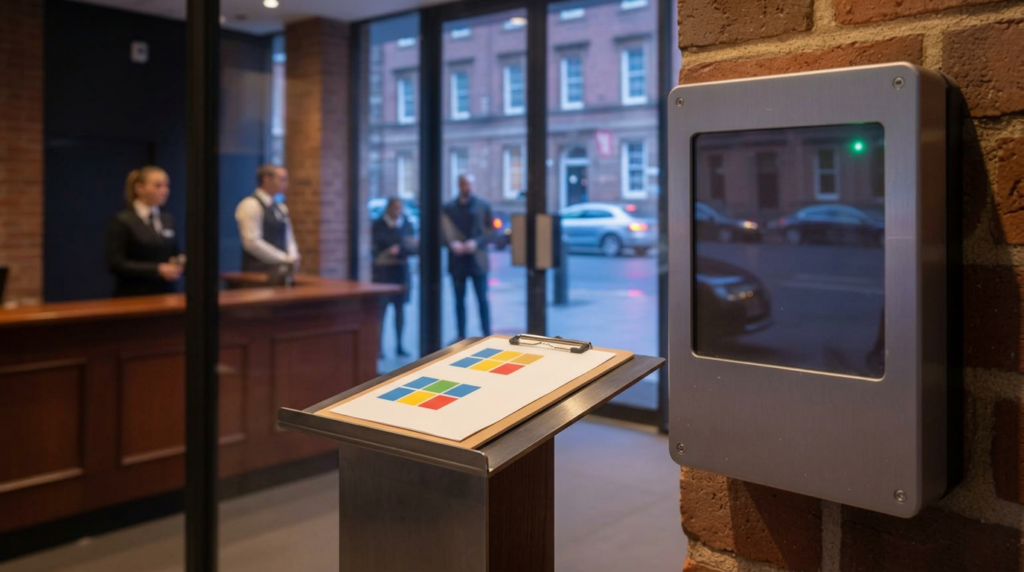
What Venues Will Need to Follow Martyn’s Law?
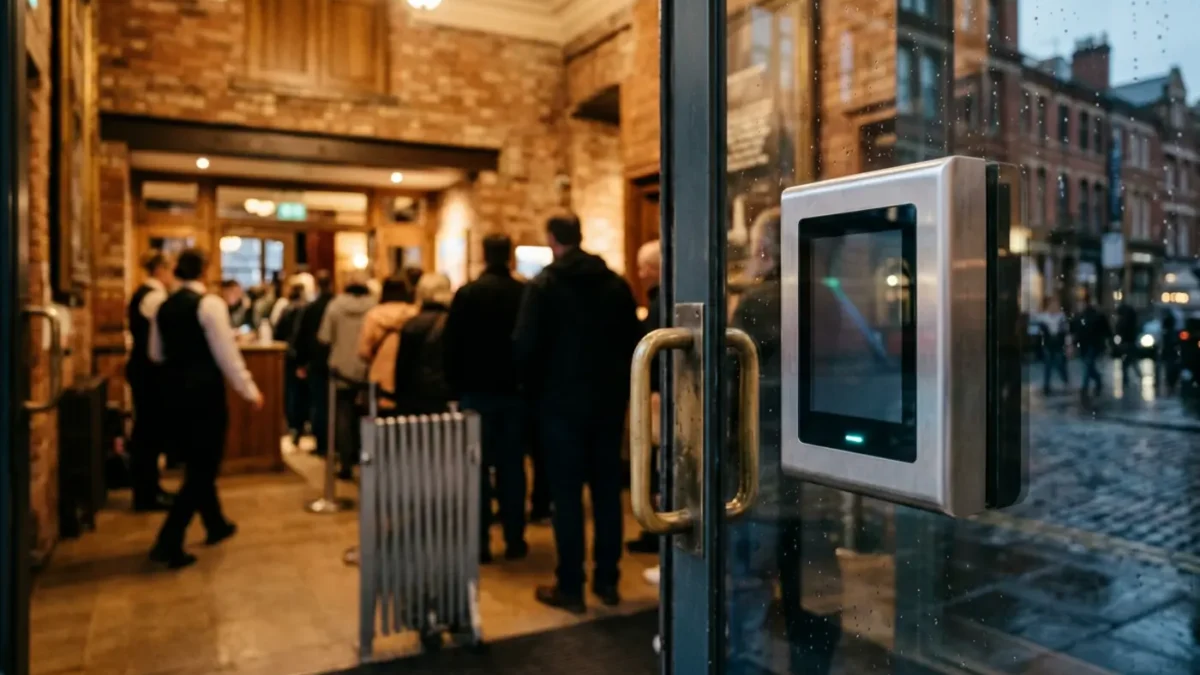
Martyn’s Law Venues
Venues that will need to follow Martyn’s Law are publicly accessible premises and qualifying events across England, Wales, Scotland and Northern Ireland where the expected number of people meets the legal threshold. In simple terms, if your venue can reasonably have 200 or more people on site at the same time, including staff, you may need to prepare for the Terrorism (Protection of Premises) Act 2025.
If you are responsible for a venue, it is completely understandable to feel unsure about where to start. Martyn’s Law was created after the Manchester Arena attack in 2017 and is named in memory of Martyn Hett. His mother, Figen Murray, led a determined campaign to improve public safety at venues, and the Act received Royal Assent on 3 April 2025.
For venue owners, facilities teams and event organisers, the main question is not only whether the law applies, but what practical steps are needed before full enforcement. iSecurity Solutions is a trusted UK provider of commercial and domestic security systems, helping homes and businesses stay protected around the clock with CCTV, intruder alarms, fire safety, access control and modern remotely monitored technology.
What Is Martyn’s Law?
Martyn’s Law is the common name for the Terrorism (Protection of Premises) Act 2025, a UK law that requires certain venues and events to put sensible public protection procedures in place. It does not expect every venue to become a fortress, which is good news for anyone who would rather not turn a community hall into a spy film set.
The aim is preparedness. That means staff know what to do, managers understand the risks, and the venue has clear procedures for evacuation, invacuation, lockdown and emergency communication. Official government guidance explains the scope and duties in detail, and venue operators should keep an eye on the latest GOV.UK statutory guidance as implementation develops.
Which Premises Are Covered?
A premises is likely to be covered if it is a building, or a building with surrounding land, mainly used for one of the public purposes listed in the Act. It must also be reasonable to expect at least 200 people to be present at the same time from time to time, and the premises must not fall within an exclusion.
The phrase “from time to time” matters. A venue does not need to reach the threshold every single day. If your bar, theatre, campus building or visitor attraction reaches the number during busy periods, ticketed nights, weekend peaks or seasonal events, you should take a closer look.
The headcount includes staff, not only customers, visitors or ticket holders. That means a restaurant with 180 guests and 25 staff during a packed service may be treated differently from a venue that only counts paying customers and forgets the team working behind the scenes.
The 200 Person Threshold
The 200 person threshold separates venues that are generally outside the scope from those that may become standard duty premises. It is not always the same as your fire safety capacity, alcohol licence limit or the number printed on an events brochure, because the legal test is based on how many people may reasonably be expected to be present at the same time.
A pub with a large beer garden, a cinema with several screens, a school hall used for public performances or a restaurant with outdoor seating can all need a careful assessment. A building combined with land can count as one premises, so outdoor areas should not be ignored just because they do not have four walls and a roof.
If you are already reviewing your wider premises protection, business security systems can support practical planning by bringing together cameras, access control and monitoring in a way that suits the site, rather than forcing a one size fits all approach.
Standard Tier And Enhanced Tier
Martyn’s Law uses two main tiers for premises. Standard duty premises are generally those where 200 to 799 people may reasonably be expected to be present at the same time. Enhanced duty premises are generally those where 800 or more people may reasonably be expected to be present at the same time.
- Standard duty premises: Usually 200 to 799 people, including staff, with duties focused on public protection procedures.
- Enhanced duty premises: Usually 800 or more people, including staff, with extra duties around risk assessment, security planning and governance.
- Qualifying events: Usually events with 800 or more people at the same time, controlled entry and other statutory conditions.
Capacity alone is not the whole story. The exact answer depends on the type of premises, its use, who controls it, whether exclusions apply and how people access the site.
Types Of Venues That May Be Affected
Many familiar public venues may fall within Martyn’s Law if they meet the legal criteria. Hospitality venues include pubs, bars, restaurants, cafes and other food and drink premises where the public gather, especially those with large indoor areas, gardens, terraces or event spaces.
Entertainment and cultural venues are also likely to be a major focus. This includes theatres, cinemas, music venues, concert halls, nightclubs, museums, galleries and visitor attractions, particularly where crowds arrive and leave at similar times.
Sport and recreation sites can also be covered. Stadiums, sports grounds, leisure venues, public competitions and large sports fixtures may need to consider crowd flow, queues, entrances, vehicle access, search arrangements and communication with staff and visitors.
Retail and commercial sites can fall within scope too. Shops, shopping centres, markets and visitor focused commercial premises may need to assess shared areas, individual units, landlord responsibilities and how staff would respond if something serious happened.
Education and healthcare settings need careful treatment rather than guesswork. Schools, colleges, universities, hospitals, medical centres and campus style sites can be complex, with multiple buildings, vulnerable people, public events and shared control arrangements. Places of worship and community venues may also be covered where the thresholds and statutory conditions are met.
Are Temporary And Outdoor Events Covered?
Yes, temporary and outdoor events can be covered where they meet the definition of a qualifying event. In broad terms, this may apply where the event is accessible to the public, controlled entry is in place, and 800 or more people may reasonably be expected to be present at the same time.
Examples include festivals, outdoor concerts, ticketed cultural events, sports fixtures, temporary events in parks, seasonal attractions and events using temporary grandstands or controlled entrances. The law is not limited to permanent buildings, which is important because plenty of large crowds gather in muddy fields, open squares and temporary arenas.
Responsibility can be a little fiddly, so event organisers should identify who controls the event, who controls the land, who manages entry, and who has authority to make safety decisions. Contractors, security teams and suppliers may all help, but the legal duty will depend on the responsible person or organisation under the Act.
What Must Standard Tier Venues Do?
Standard tier venues must put in place appropriate public protection procedures, so far as reasonably practicable. That phrase means the steps should be realistic for the venue, its size, its layout and its resources, rather than copied from a huge stadium and dropped into a village theatre without any thought.
The core procedures include evacuation, which means getting people safely away from danger, and invacuation, which means moving people into a safer area inside the premises when leaving may be more dangerous. Lockdown procedures explain how to restrict movement and secure areas, while emergency communication covers how staff, visitors and emergency services are alerted.
Staff training is central. People need to know what suspicious behaviour may look like, how to report concerns, who makes decisions, where assembly or safe areas are, and how to help visitors without causing confusion. Agency staff, volunteers and regular contractors should be included where their role affects public safety.
Records matter as well. Keep simple evidence of training, procedure reviews, exercises and updates after layout changes, refurbishments or new operating patterns. Nobody enjoys admin for the sake of admin, but clear records are very handy when someone asks, “Can you show what you have done?”
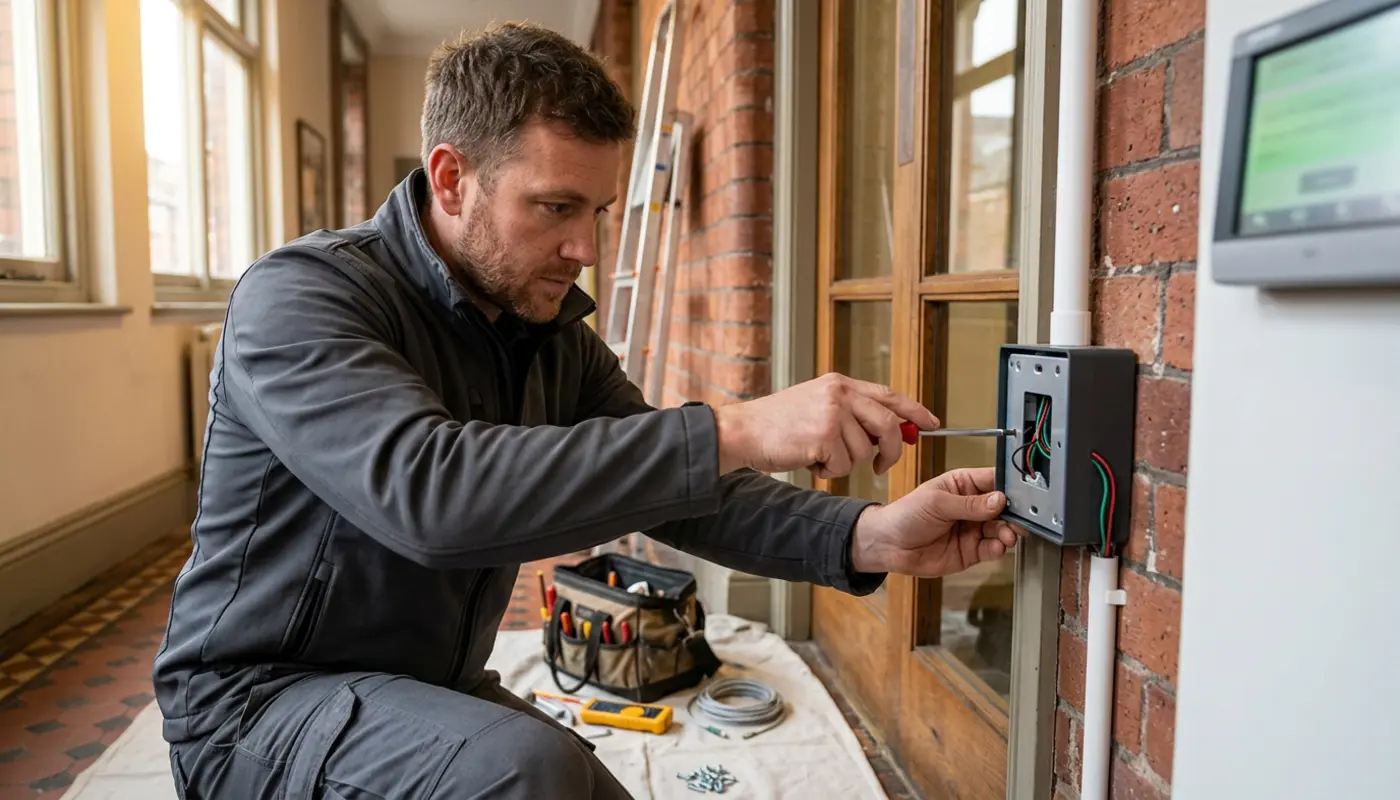
What Extra Duties Apply To Enhanced Venues?
Enhanced duty premises and qualifying events have more detailed requirements. They must carry out a formal terrorism risk assessment, prepare a security plan, and identify a named Senior Individual responsible for compliance if the responsible person is an organisation.
The risk assessment should consider how an attack could affect people at the site and where the main weaknesses may be. Entrances, queues, vehicle approaches, crowd density, blind spots, emergency routes, staff only areas and control rooms all deserve attention.
The security plan should explain the public protection procedures and any public protection measures in place. Measures could include CCTV, access control, bag search policies, vehicle checks, queue management, protective barriers and emergency communication systems where appropriate.
If a venue adds or reviews CCTV and alarm technology, it should be designed professionally and proportionately. For CCTV and intruder alarm planning, EN 50131 grades are often used for alarm risk levels, usually Grade 2 or Grade 3 depending on the site. Monitored systems may also need SSAIB Insurance Approved certification as the prerequisite for a Police Response URN where police response is required.
For practical background on crowd planning, you can also read Martyn’s Law crowd security tips, which explains how organisers can think about movement, queues and communication without making the process feel like a military operation.
Registration, Notification And The SIA
The Security Industry Authority, known as the SIA, is the regulator for Martyn’s Law. The legislation uses the term notification, and covered premises and events will need to notify the SIA once the relevant system is live and the duties come into force.
The SIA is expected to receive notifications, review compliance information, give advice, inspect premises where appropriate and use enforcement powers if duties are not met. At the time of writing in September 2026, the Act is in an implementation period of at least 24 months, with full enforcement expected in spring 2027 subject to official commencement updates. Do not leave it until the last minute.
Enforcement And Penalties
If a venue does not comply, the SIA can use civil enforcement tools. These may include compliance notices requiring specific steps, restriction notices in serious cases, and penalty notices where there has been a failure to meet legal duties.
Financial penalties can be significant. Standard tier daily penalties may reach up to £500 per day, while enhanced duty premises and qualifying events can face daily penalties of up to £50,000 per day, depending on the breach and the statutory position. That is the kind of number that tends to focus the mind over a morning coffee.
The purpose of enforcement is not to catch out well meaning venues that are trying to do the right thing. It is to make sure public places take proportionate action, keep people safer and can show that safety planning is more than a dusty folder in the office cupboard.
How Venues Can Prepare Now
The best starting point is a simple scope review. Confirm your likely maximum simultaneous occupancy, include staff, check the main use of the premises, look at outdoor areas and consider whether any exclusions may apply.
Next, identify the responsible person or organisation. For a single owner operated venue, this may be straightforward, but shopping centres, campuses, leased buildings and temporary events can involve landlords, tenants, event organisers and contractors. Clear responsibility avoids the classic problem where everyone thought someone else was dealing with it.
Then review your emergency procedures. Write down how you would evacuate, invacuate, lock down and communicate in different situations, and make sure the procedures reflect your actual layout, staff numbers and visitor profile.
Technology should support the plan, not replace it. Well planned access control can help manage restricted areas, staff routes and sensitive entrances, but it works best when staff understand the procedure behind the door, reader or fob.
Finally, train your team and test the plan. A short tabletop exercise, a walk through of escape routes, a communications check and a review after busy events can reveal practical issues before they become serious problems.
Final Thoughts
Martyn’s Law will affect a wide range of UK venues and events, but it is not meant to frighten operators or drown them in paperwork. Its main aim is to make sure places where the public gather have sensible, proportionate procedures that help protect people if the worst happens.
If your premises may hold 200 or more people, or your event may hold 800 or more people with controlled entry, now is the right time to assess your position. Start with scope, understand your tier, review procedures, train staff and keep watching official guidance as the expected spring 2027 enforcement date approaches.
If you are unsure whether your venue is covered, a practical security review is a sensible first step. It is much easier to make calm, proportionate changes now than to rush them later.
Frequently Asked Questions
Does Martyn’s Law Apply To Venues With Fewer Than 200 People?
Premises below the 200 person threshold are generally outside scope, but the full legal criteria and exclusions should still be checked. If your venue sometimes exceeds 200 people including staff, you should review it carefully.
Does The Martyn’s Law Threshold Include Staff?
Yes, staff are included in the relevant headcount. The test is about how many people may reasonably be present at the same time, not just customers or ticket holders.
Are Outdoor Festivals Covered By Martyn’s Law?
Outdoor festivals may be qualifying events if they meet the statutory conditions, including public access, controlled entry and 800 or more people expected at the same time. Temporary sites should be assessed just as carefully as permanent venues.
Do Venues Need SSAIB Insurance Approved Certified Systems For Martyn’s Law?
Martyn’s Law does not simply say every venue must install one type of system, but SSAIB Insurance Approved security installations are often important for insurer confidence. Where monitored alarms or monitored CCTV require police response, SSAIB Insurance Approved certification is the prerequisite for a Police Response URN.
When Will Martyn’s Law Be Enforced?
As of September 2026, the Act is in an implementation period of at least 24 months. The SIA has indicated that full commencement is expected in spring 2027, subject to official commencement updates, so venues should use 2026 to prepare.