What Are the Two Tiers Defined Under Martyn’s Law?
What Are The Two Tiers Defined Under Martyn’s Law?
The two tiers defined under Martyn’s Law are the Standard Tier, which applies to premises with a capacity of 200 to 799 people, and the Enhanced Tier, which applies to premises and events with a capacity of 800 or more. These tiers sit within the Terrorism Protection of Premises Act 2025, which received Royal Assent in April 2025 and introduces legal duties to improve public safety across the UK.
If you are responsible for a venue, event space, or public building, this is not something you can afford to overlook. The duties, documentation and level of accountability increase significantly between Standard and Enhanced. Getting this right early will save you a great deal of stress later on.
Martyn’s Law Explained In Simple Terms
Martyn’s Law is the commonly used name for the Terrorism Protection of Premises Act 2025. It was named after Martyn Hett, one of the victims of the 2017 Manchester Arena attack. The purpose is clear. Publicly accessible premises should be better prepared to respond if the worst happens.
The law uses a tiered approach based on how many people could reasonably be present at the same time. That number decides whether you fall into the Standard Tier or the Enhanced Tier and what legal duties you must meet.
If you would like a broader overview of the legislation itself, you can read what Martyn’s Law covers in detail, where the background and objectives are explained in clear language.
Why The Law Was Introduced
The Manchester Arena attack in 2017 exposed gaps in preparedness across some publicly accessible venues. Many organisations already took security seriously, but there was no consistent legal framework requiring proportionate counter terrorism planning.
Martyn’s Law changes that. It places a clear duty on responsible persons to consider the threat of terrorism and plan accordingly. The aim is not to create fear. It is to create readiness and confidence so that staff and visitors know there is a plan in place.
Official guidance published by the Government outlines how the tiers operate and how responsible persons can comply in practice. You can review the statutory background on GOV.UK for full legislative context.
What Are The Two Tiers?
The two tiers under Martyn’s Law are designed to ensure duties remain proportionate to risk. Capacity is the dividing line, but the real impact is on the level of responsibility and documentation required.
Standard Tier
The Standard Tier applies to premises where it is reasonable to expect that between 200 and 799 individuals may be present at the same time, even if that only happens occasionally. This can include community venues, small commercial spaces and local event settings.
The focus here is practical preparedness. You are not expected to turn a village hall into an airport style security zone. Instead, the law requires sensible planning, staff awareness and clear procedures that match the size and use of your venue.
Enhanced Tier
The Enhanced Tier applies to premises and qualifying events where it is reasonable to expect 800 or more individuals at the same time. Larger crowds bring greater complexity and risk, so the duties at this level are more detailed and enforcement powers are stronger.
If you fall into this category, you will need formal documentation, structured risk assessments and clear public protection measures. There is greater accountability placed on the named responsible person, so organisation and accurate record keeping are essential.
Standard Tier Vs Enhanced Tier Key Differences
The key difference between Standard and Enhanced Tier is the depth of planning and documentation required.
For Standard Tier premises, the emphasis is on having appropriate procedures in place. This includes staff awareness training, clear evacuation and emergency plans, and basic preparedness measures that match the size and layout of your venue.
For Enhanced Tier premises, expectations increase. There must be more detailed risk assessments, formal written records and clear evidence of public protection measures. Regulatory scrutiny is higher and potential financial penalties are more significant if duties are not met.
Both tiers require action. Enhanced Tier simply brings more structure, more documentation and closer oversight.
Which Premises Fall Into Each Tier?
Your starting point is realistic capacity, not average attendance. The test looks at how many people could reasonably be on site at the same time, even if that number is only reached during peak periods or special events.
Standard Tier Examples
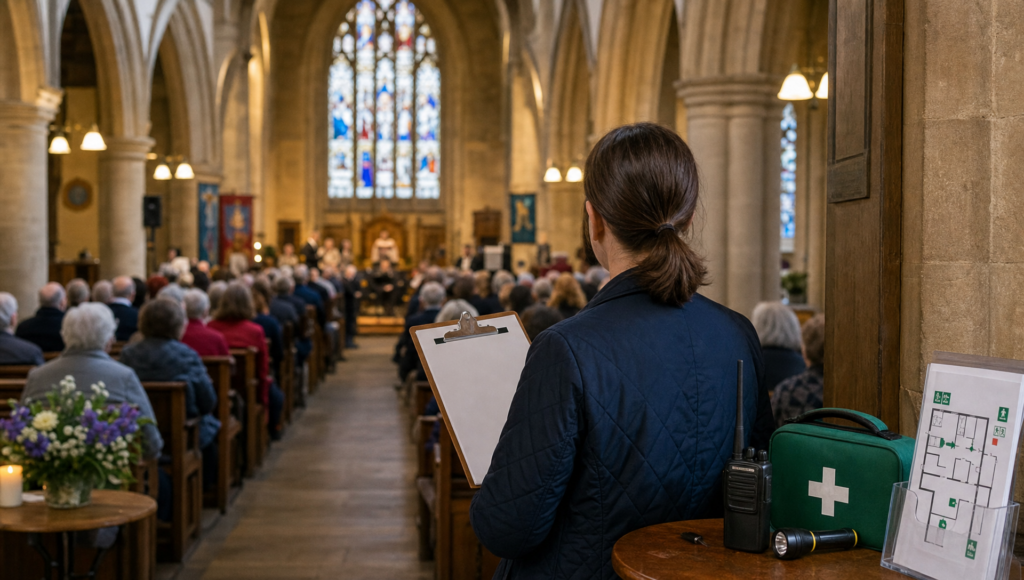
Typical Standard Tier premises may include community centres, village halls, small theatres, independent cinemas, places of worship and certain educational or healthcare facilities. If these venues can host between 200 and 799 people at once, they are likely to fall within this tier.
Even if that number is only reached during seasonal events or popular performances, the law may still apply. It is always safer to assess your maximum capacity properly rather than rely on rough estimates.
Enhanced Tier Examples
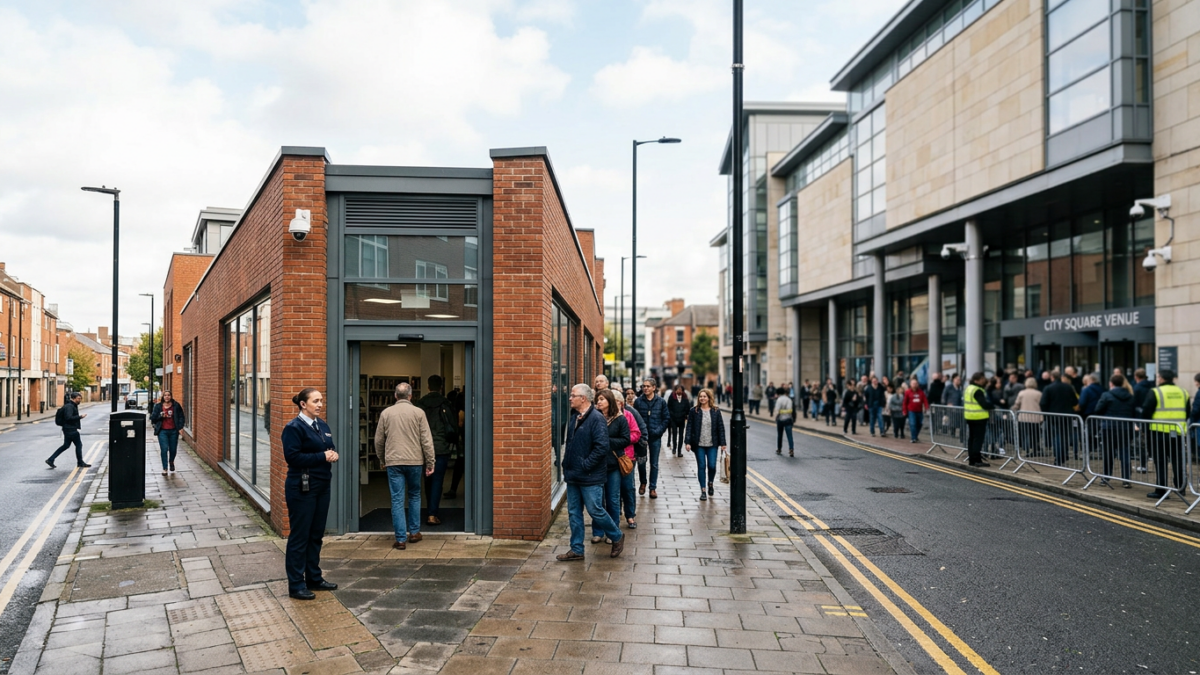
Enhanced Tier premises include large stadiums, arenas, major shopping centres, exhibition venues and significant outdoor events such as festivals where attendance reaches 800 or more.
Many of these locations already have strong security measures in place. Martyn’s Law formalises expectations and introduces structured compliance obligations so that preparation is consistent, documented and accountable.
What Duties Apply To Standard Tier Premises?
Standard Tier duties are designed to be achievable, especially for smaller organisations that may not have dedicated security teams.
The responsible person must ensure relevant workers receive appropriate terrorism protection training. Staff should understand what to look for, how to respond to suspicious behaviour and what to do during an incident. Clear procedures for evacuation, invacuation or lockdown should be in place and reviewed regularly.
Standard Tier premises are not automatically required to install physical security upgrades such as barriers or screening equipment solely because of the Act. The emphasis is on preparedness and proportionate planning rather than costly infrastructure changes.
What Additional Duties Apply To Enhanced Tier Premises?
Enhanced Tier premises must go further. Alongside training and planning, responsible persons must implement appropriate public protection measures to reduce vulnerability to terrorist threats.
There is also a requirement for written compliance documentation. This includes recording risk assessments, procedures and the steps taken to reduce identified risks. The responsible person carries clear accountability for ensuring these documents are accurate and kept up to date.
Financial penalties reflect the higher level of responsibility. Enhanced Tier organisations may face fines of up to 18 million pounds or 5 percent of worldwide revenue, whichever is higher. Daily penalties of up to 50,000 pounds may apply for ongoing non compliance. The intention is to drive preparation and accountability rather than create unnecessary alarm.
What Is The Role Of The Security Industry Authority?
The Security Industry Authority, known as the SIA, is the regulator responsible for overseeing compliance under Martyn’s Law. It has powers to request information, carry out inspections and take enforcement action where necessary.
For Enhanced Tier premises in particular, the SIA will monitor whether responsible persons are meeting their legal duties. Early preparation is therefore far better than leaving compliance until the final months before enforcement begins.
When Does Martyn’s Law Come Into Effect?
The Act received Royal Assent in April 2025. There is a planned 24 month implementation period to give organisations time to prepare, with commencement expected in Spring 2027 across the UK.
That may sound like plenty of time, but reviewing capacity figures, updating procedures and training staff often takes longer than expected. For a detailed timeline and planning considerations, see when Martyn’s Law comes into effect, which explains what to expect between now and full commencement.
Practical Checklist For Responsible Persons
If you are the responsible person for a premises or event, starting with a clear plan will make the process manageable.
- Confirm your maximum reasonable capacity and determine whether you fall into Standard or Enhanced Tier.
- Review existing emergency and evacuation plans to ensure they include terrorism related scenarios.
- Arrange appropriate staff training and keep accurate records of attendance.
- For Enhanced Tier, document your risk assessment and public protection measures in writing.
- Schedule regular reviews so your procedures remain current as your venue changes over time.
Security and compliance can feel overwhelming, especially when balancing budgets and daily operations. Taking a steady, proportionate approach will help you stay in control.
iSecurity Solutions is a trusted UK provider of commercial and domestic security systems, helping homes and businesses stay protected around the clock. From CCTV and intruder alarms to fire safety, access control and construction site monitoring, the team designs reliable, tailored solutions backed by responsive service and modern, remotely monitored technology. Whether securing a single property or managing multi site assets, expert guidance can make compliance with evolving legislation far more straightforward.
Final Thoughts On The Two Tiers Under Martyn’s Law
The two tiers defined under Martyn’s Law create a structured and proportionate framework for improving public safety. Standard Tier applies to premises with a capacity of 200 to 799 people and focuses on training and preparedness. Enhanced Tier applies to 800 or more and introduces additional measures, documentation and stronger regulatory oversight.
Understanding where your premises sit is the first step. Clear planning, proper training and early action will place you in a strong position when the law fully comes into force.