Advanced Intruder Alarms for Restaurants in Manchester
Advanced Intruder Alarms In Manchester
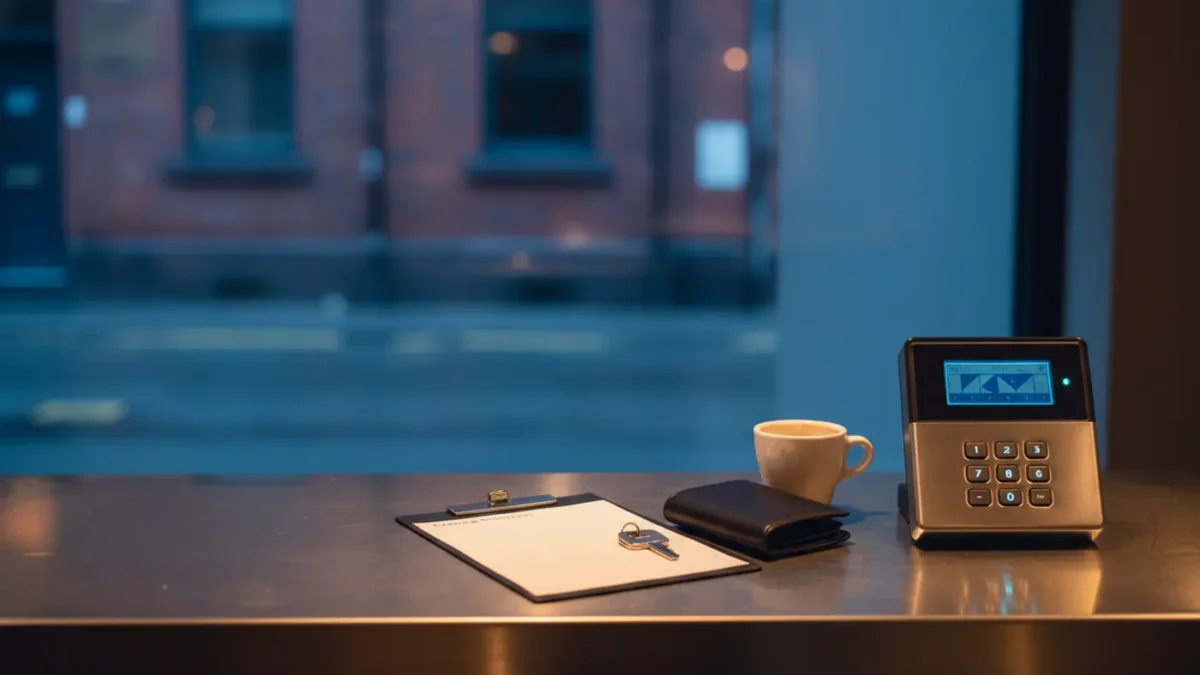
Advanced intruder alarms in Manchester help restaurants protect staff, stock, alcohol, tills, safes and access points after closing time. For most venues in 2026, the right system is a BS EN 50131 Grade 2 or Grade 3 intruder alarm, designed around the real risk of the site, supported by professional monitoring, suitable signalling and clear insurance documentation from iSecurity Solutions.
Restaurant security can feel like another task on an already busy list, especially when your team is dealing with bookings, deliveries, cleaning, late finishes and early starts. A well planned alarm should make life easier, not more stressful, by protecting vulnerable areas without making closing time feel complicated.
Restaurants have a different security profile from many other businesses because staff arrive and leave at different times, deliveries often use rear doors, valuable stock may be stored away from public areas and the building can sit empty for several hours overnight. A modern alarm needs to do more than make a loud noise when someone opens a door, because a siren alone is not always enough.
iSecurity Solutions is a trusted UK provider of commercial and domestic security systems, helping homes and businesses stay protected around the clock. From CCTV and intruder alarms to fire safety, access control and construction site monitoring, the expert team designs reliable, tailored solutions backed by responsive service and modern, remotely monitored technology.
Why Manchester Restaurants Face Greater Security Risks
Manchester restaurants face higher security risks because they often hold valuable stock, payment equipment and sometimes cash, while also having predictable periods when nobody is on site. Late opening hours, rear delivery routes, cellars and staff entrances can create weak points that need proper alarm protection based on the actual restaurant layout and trading pattern.
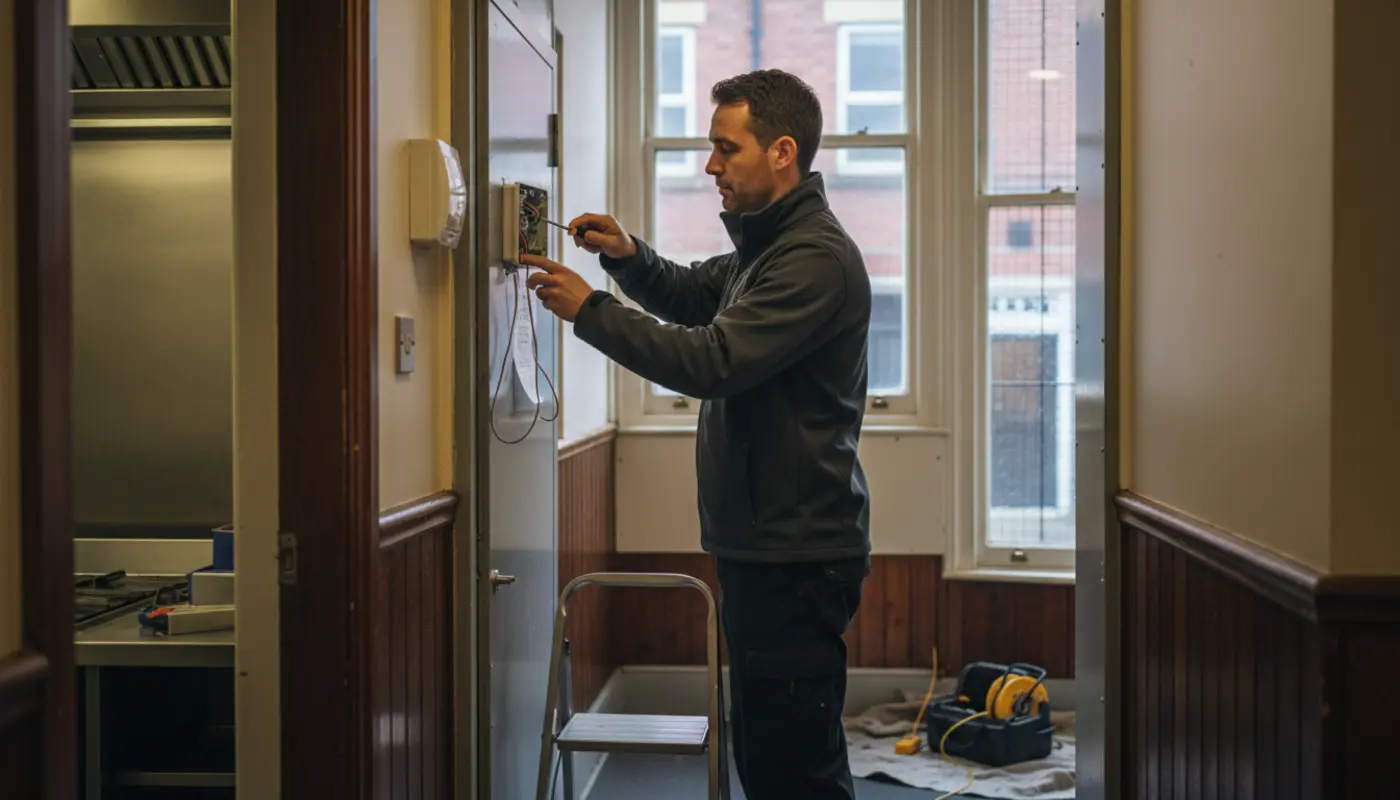
Recent local crime patterns show why many restaurant owners across Greater Manchester are reviewing their out of hours security. The key question is simple: are your rear door, cellar, stockroom and till area properly protected after the last staff member leaves?
Business Crime And Restaurant Vulnerabilities
Business crime remains a serious concern across Greater Manchester, so restaurant operators should treat alarms as one part of layered security rather than relying on a visible siren alone. Business security can bring together detection, cameras and controlled access so that several weak points are dealt with as one joined up system.
Rear kitchen doors, cellar entrances, delivery passages and stockrooms need particular attention because they are often away from public view. Greater Manchester Police also recommends monitored intruder alarms as part of wider measures for keeping commercial premises secure, alongside suitable locks and other physical precautions in its business burglary prevention advice at Greater Manchester Police.
Restaurant Alarm Manchester Requirements And Standards
Restaurant alarm requirements in Manchester depend on the premises, insured values, location, trading hours and insurer conditions. There is no single grade that automatically applies to every restaurant, but commercial systems should be designed around BS EN 50131 and the UK application framework in PD 6662, with BS 8243 relevant where confirmed alarm technology supports police response.
A Police Response URN, meaning Unique Reference Number, is important when a qualifying monitored alarm is intended to receive police response. In plain terms, it helps the approved monitoring process identify your premises correctly when a confirmed alarm needs escalation. Restaurant owners should confirm the proposed grade, signalling and Police Response URN arrangements with their insurer before installation, rather than finding out about a policy condition after a claim.
Grade 2 Versus Grade 3 Restaurant Alarms
BS EN 50131 Grade 2 alarms are designed for low to moderate security risks and can suit some smaller restaurants where the insurer and site risk assessment allow them. Grade 3 provides stronger protection against more capable intruders and is often considered for commercial premises with higher values, attractive stock, vulnerable access points or stricter insurance conditions.
Grade 3 can include stronger tamper protection and detector features such as anti masking, which means the detector can identify attempts to block or cover it. The right grade should always follow a proper survey rather than assuming every Manchester restaurant needs the same setup. You'll get better results when the design reflects how your team opens, closes, stores stock and manages deliveries.
Monitoring And Police Response After Hours
A monitored restaurant alarm can send an activation to an Alarm Receiving Centre, usually called an ARC. The ARC is the team that receives alarm signals when your restaurant is closed, checks the agreed response process and contacts the right people. This is far more reliable than hoping someone nearby hears an external sounder.
There is no sensible promise of a fixed Greater Manchester Police arrival time because police response depends on the incident, available resources and operational priorities. What matters from the alarm side is that signals reach the ARC quickly, confirmed activations are handled correctly and keyholder information is kept up to date. Dual path signalling can add resilience by giving the alarm two communication routes if one becomes unavailable.
Restaurants seeking police response should make sure certified installation, Insurance Approved arrangements, Police Response URN details and ongoing maintenance are all set up correctly. It's not the most exciting part of restaurant security, but the paperwork really does matter when insurance and response procedures are involved.
Protecting Kitchens, Cellars, Stock And Cash
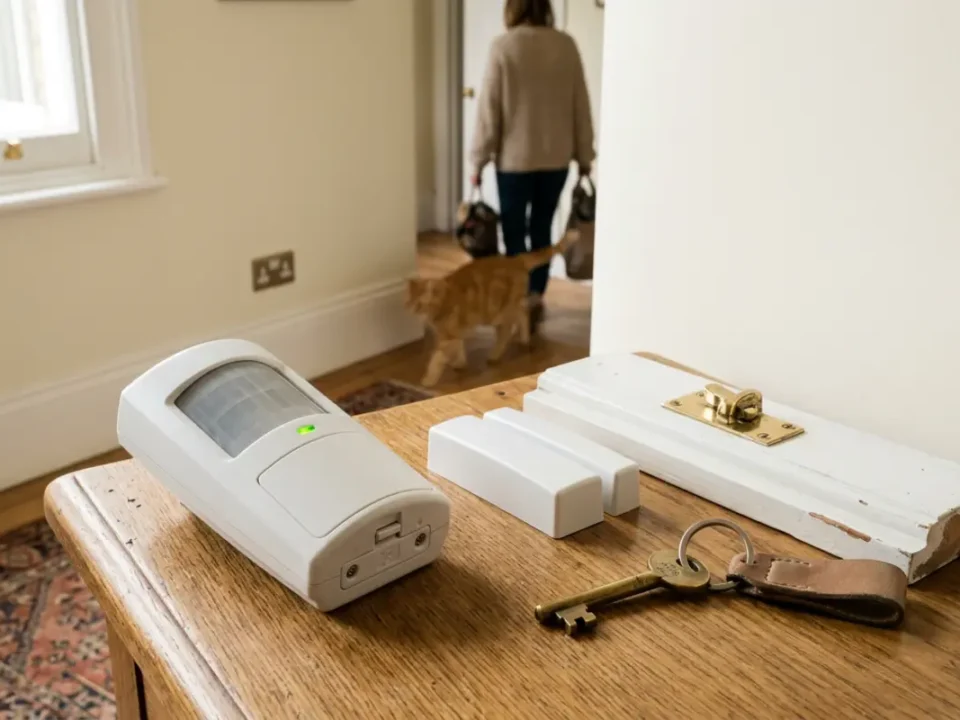
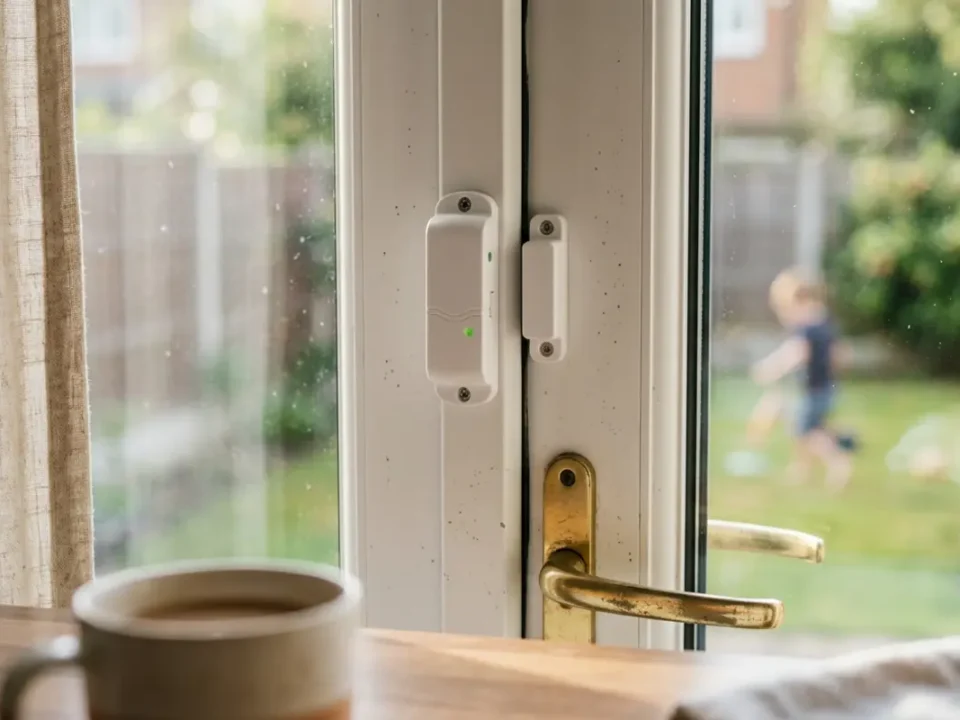
A good restaurant alarm treats the building as several different risk zones, rather than one open space. External doors and delivery doors may need monitored contacts, while movement detection can protect internal routes after staff leave. Stockrooms and cellars containing valuable wines and spirits may justify additional detection, especially where there is a vulnerable external door, window or basement access point.
Key areas to review include:
- Rear delivery doors
- Cellars and alcohol stores
- Stockrooms
- Till points
- Safes
- Staff entrances
- Basement access routes
Kitchens bring different challenges because heat, equipment and changing overnight conditions must be considered when detectors are positioned. Till areas and safes can receive focused protection, while carefully designed hold up facilities may be suitable where the security assessment identifies a robbery risk. The aim is effective detection without creating a system that produces regular false alarms, because nobody needs that after a busy service.
Integrating Alarms With CCTV And Access Control
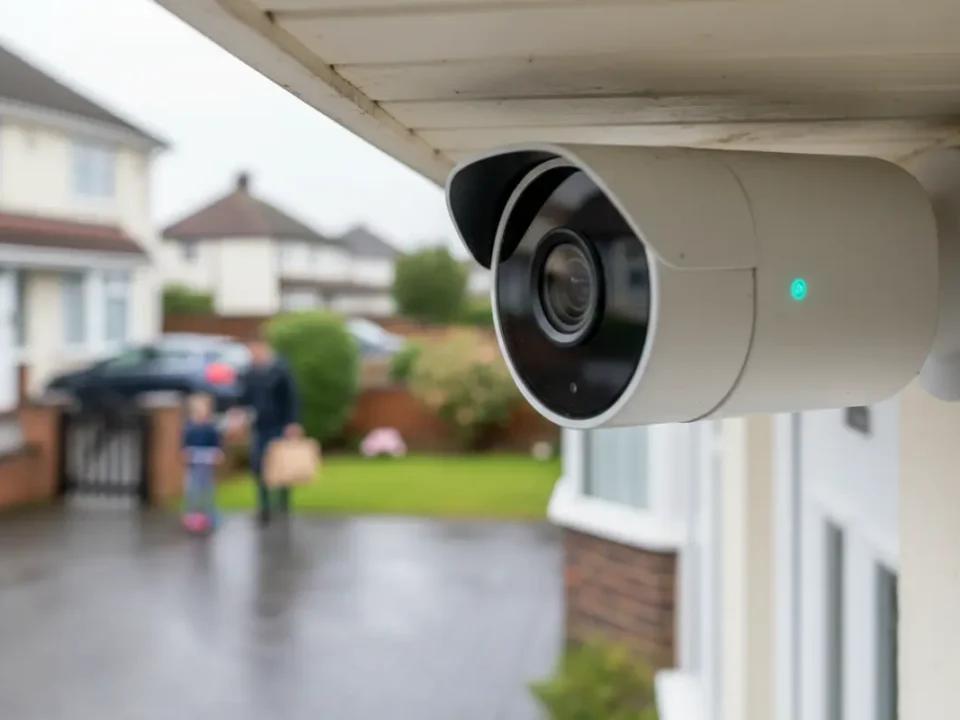
Integrating alarms with CCTV and access control helps restaurant managers understand what has happened during an alarm event. A restaurant can combine BS EN 50131 intruder detection with CCTV systems so authorised users can check relevant cameras, as long as privacy and data protection rules are followed.
Access control can record staff use of protected doors and restrict sensitive areas such as alcohol stores, offices and management rooms. Fire safety remains a separate life safety discipline and must not be weakened by security integration. Where restaurant fire alarms are required, their design and maintenance should follow BS 5839, with the correct category decided by the fire risk assessment and premises needs rather than automatically assuming L1 or L2.
Other safety standards may also apply depending on the site. Emergency lighting should be considered in line with BS 5266, fire extinguishers should be managed in line with BS 5306, and fire risk assessments should follow PAS 79 where relevant. Where portable fire extinguisher work is required, BAFE SP101 registration can help show that the provider works to recognised industry practice.
Combining technologies carefully can give managers a clearer picture of events without making the everyday system hard to use. The best setup is the one your team can manage properly at the end of a long night.
Smart Apps For Multi Site Restaurant Operators
Smart alarm apps are useful when an operator manages several venues across Manchester. Authorised managers can check whether premises are armed, review system events and receive notifications without driving across the city because someone cannot remember whether the alarm was set.
Nobody wants to finish a long shift, lock up, get halfway home and wonder whether the alarm was actually set. A good app can help, but it should support professional monitoring rather than replace an insurer required ARC arrangement. User permissions also need careful control, especially where staff turnover is frequent. Removing former employees promptly, giving users individual credentials and reviewing permissions regularly helps protect the audit trail.
Insurance Approved SSAIB Restaurant Alarms
Insurance Approved SSAIB restaurant alarms are often important because commercial insurance policies can include specific security conditions covering alarm grade, monitoring, maintenance and what must happen when premises are unattended. A compliant alarm may help an insurer assess the restaurant more favourably, but a premium reduction is never guaranteed because pricing depends on the insurer, claims history, location, values and wider risk.
The bigger benefit is protecting policy compliance and claim validity. Restaurants should keep design documents, installation certificates, maintenance records and ARC information, while also making sure staff follow the required setting procedures. Missed servicing, leaving a required alarm unset or changing protected areas without reviewing the system can create avoidable insurance problems.
Where an insurer asks for an SSAIB and Insurance Approved system, the wording matters. SSAIB certification shows the installer is assessed against recognised standards, while Insurance Approved status helps meet insurer expectations for suitable commercial security. If police response is needed, Police Response URN arrangements must also be correctly managed.
Listed Buildings And Manchester City Centre Restaurants
Restaurants in areas such as the Northern Quarter and Deansgate may occupy historic buildings, shared premises or units where external changes are sensitive. Listed building status and planning limits can affect cable routes, drilling and external equipment, so owners should check permissions with their landlord and, where needed, Manchester planning authorities before changing protected building fabric.
Audible alarms also need careful design in dense city centre locations where flats and neighbouring businesses may be close by. Correct sounder operation, false alarm management and monitored signalling can provide effective protection without relying on a siren to do all the work. A survey before installation is especially useful where hidden cable routes or discreet equipment positions are needed.
Data Cabling And Network Reliability
Modern restaurant security often depends on reliable network connections, especially when CCTV, access control, remote apps and monitored systems share data across the site. Poor cabling can lead to weak performance, dropped connections and frustrating faults, so structured cabling should be planned properly rather than treated as an afterthought.
Where structured cabling is part of a wider security project, BICSI and Fluke certifications can provide useful assurance that cabling work is tested and installed to recognised standards. In simple terms, good cabling helps the system communicate properly, and proper testing helps prove it has been installed correctly.
Choosing The Right Restaurant Alarm In Manchester
Choosing the right restaurant alarm in Manchester starts with the risk, not the keypad. Review entrances, windows, cellars, stockrooms, alcohol values, safe locations, delivery routines and the periods when staff work alone. Then confirm the required BS EN 50131 grade with your insurer and check whether ARC monitoring, dual path signalling and a Police Response URN are conditions of cover.
The installer should explain the design clearly, document the protected areas and provide practical training for managers and keyholders. Ongoing maintenance is just as important because a commercial security system is only useful when sensors, communications and user procedures keep working as intended throughout the life of the system.
Final Thoughts
Advanced intruder alarms for restaurants in Manchester work best when the technology reflects how the venue actually operates. Grade 2 can be suitable for some lower risk sites, while Grade 3 is often considered for higher commercial risks, especially where valuable stock, stronger detection needs and demanding insurance conditions are involved.
For restaurant operators, the strongest approach combines suitable BS EN 50131 protection, reliable monitoring, properly managed Police Response URN arrangements and sensible integration with cameras and access control. That creates security which stays practical for busy teams while giving owners better oversight after the last customer has gone home.
Frequently Asked Questions
Do Manchester Restaurants Need An Insurance Approved SSAIB Certified Alarm?
Not every restaurant has the same insurance condition, but an Insurance Approved SSAIB certified installation can be required by insurers and is important where qualifying monitored police response and a Police Response URN are needed. Always check the exact requirements stated by your insurer.
Should A Restaurant Choose Grade 2 Or Grade 3?
BS EN 50131 Grade 2 can suit lower to moderate risks, while Grade 3 is commonly suitable for higher commercial risks involving valuable stock or more demanding insurance requirements. The final grade should follow the site risk assessment and insurer specification.
Can A Restaurant Alarm Contact The Police Automatically?
A qualifying monitored system can send alarm signals to an ARC, which follows agreed verification and response procedures. Police response requires the correct Police Response URN arrangements and compliance with the applicable security system policy.
Can I Control Several Restaurant Alarms From One App?
Yes, suitable systems can give authorised managers remote status information, notifications and management across several locations. App access should be securely controlled and must not weaken any monitoring or insurance requirements.
Will A Certified Alarm Reduce Restaurant Insurance Costs?
It may help meet an insurer's security requirements, but a lower premium is never automatic because insurers assess many risk factors. Its most important insurance benefit is helping the restaurant comply with stated security conditions when the system is correctly maintained and used.
Do Listed Buildings Need A Different Alarm Design?
Often, yes. Historic or shared city centre buildings may need careful cable routes, discreet equipment placement and landlord or planning checks before installation. A survey helps protect the building while still giving your restaurant proper security coverage.