How Do Intruder Alarms Work?
The Technology Behind Intruder Alarm Systems
Intruder alarms work by using sensors to detect movement, forced entry or unusual activity when a system is armed. The sensor sends a signal to the alarm control panel, and the panel then decides whether to sound a siren, send an app alert, contact a keyholder or pass the event to an Alarm Receiving Centre. In simple terms, the sensors spot the problem, while the control panel decides what should happen next.
For UK homes and businesses, a good burglar alarm system is not only there to make noise, although a loud siren can still give an intruder a very unwelcome surprise. It should detect risk early, reduce false alarms, send reliable alerts and, where needed, support monitored response and a Police Response URN.
At iSecurity Solutions, we provide trusted UK security systems for homes and businesses, including intruder alarms, CCTV, fire safety, access control and construction site monitoring. Our team designs practical systems around real buildings, daily routines and genuine risks, so your alarm protects what matters without making the technology feel difficult to use.
What Is An Intruder Alarm System?
An intruder alarm system is a security setup that detects unauthorised entry or attempted entry into a property. It usually includes sensors, a control panel, warning devices such as sirens, and an alert method such as app notifications, a speech dialler or professional monitoring through an Alarm Receiving Centre.
A professionally designed intruder alarm system should be planned around how people actually use the building, not just where sensors can be fitted quickly. That means looking at entrances, vulnerable windows, corridors, stock rooms, offices, garages, outbuildings and any area where valuable items are kept.
In the UK, intruder alarms often form part of a wider security plan alongside locks, lighting, CCTV, access control and staff procedures. The National Protective Security Authority explains intrusion detection as an important part of building protection, especially where layered security is needed, and you can read more from the National Protective Security Authority.
Core Components Of A UK Intruder Alarm System
The main parts of a UK intruder alarm system are the control panel, sensors, user controls, sounders and communication devices. These parts work together to detect a possible break in, check whether the system is armed, and then raise the right type of alert.
The Alarm Control Panel
The control panel is the main decision making part of the alarm. It receives signals from sensors, checks which zone has been triggered, applies any entry or exit delay, and decides whether to activate a siren, send an alert or pass a signal to a monitoring centre.
Zones are separate areas that the alarm system can identify, such as the front door, rear kitchen, upstairs landing, office store room or warehouse loading bay. This helps users and engineers see where an alarm event started, which is far more useful than a vague warning that something has happened somewhere in the building.
Keypads, Fobs And User Controls
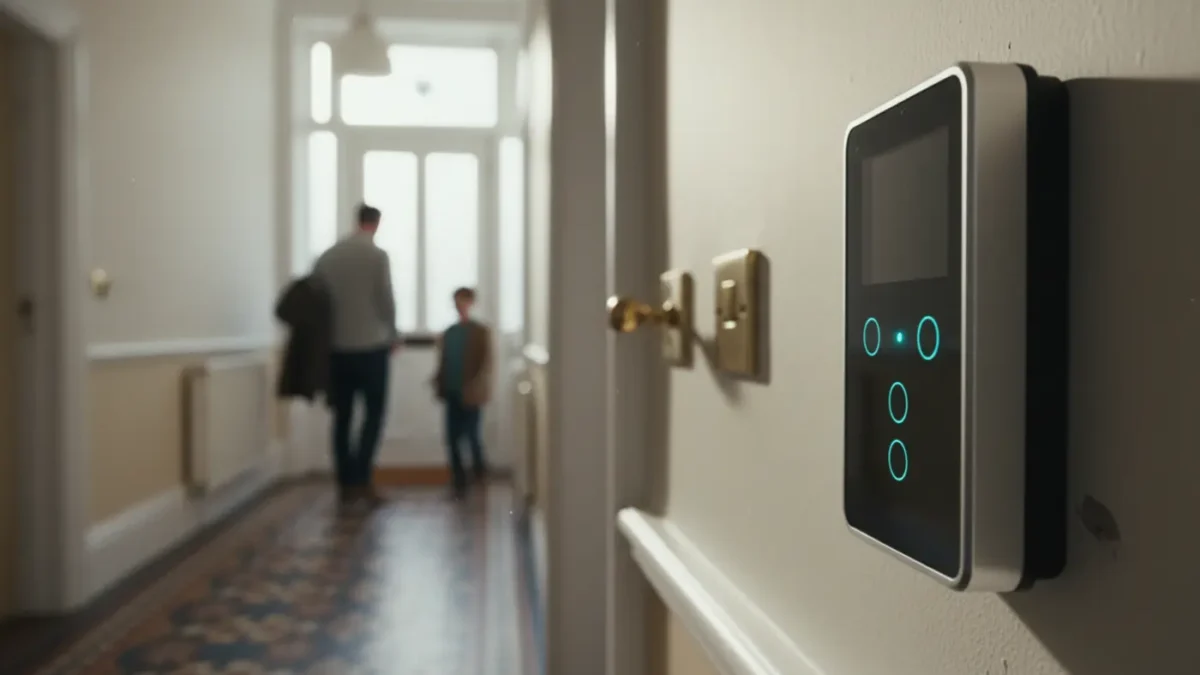
Keypads let users arm and disarm the system with a code, while fobs or proximity tags make daily use quicker. Many modern systems also allow app based control, which is useful if someone forgets to set the alarm or if a trusted person needs temporary access while you are away.
A well set up alarm also includes clear entry and exit routes. For example, you may have a short delay after setting the system so you can leave through the front door, and the same delay when you return, so the siren does not start before you have had a fair chance to enter your code.
Sirens, Sounders And Alert Modules
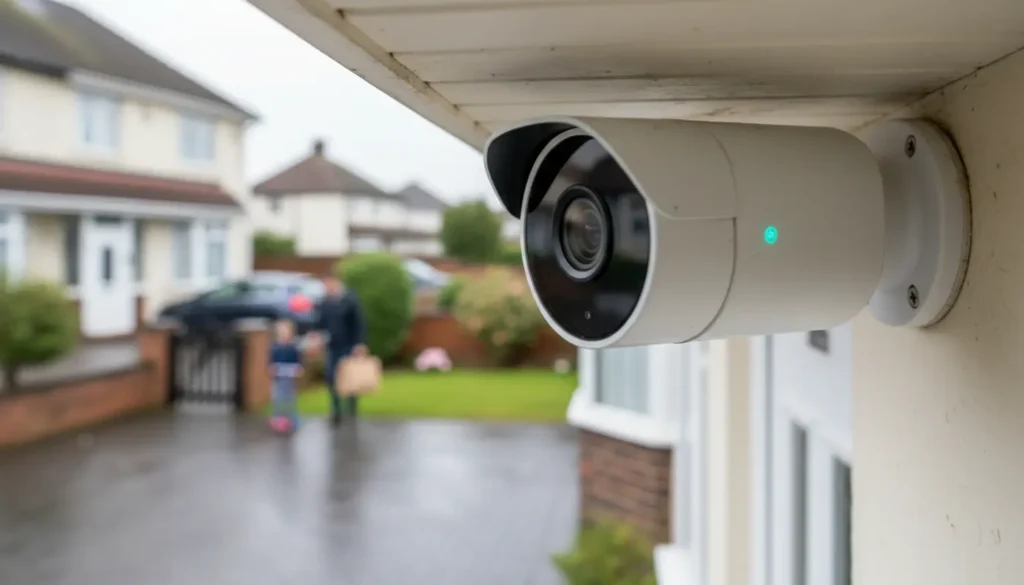
Sirens and sounders warn people nearby that an alarm has been triggered. Internal sirens make it uncomfortable for an intruder to stay inside, while external sounders and flashing lights help draw attention to the property.
Alert modules send alarm events to phones, apps, keyholders or an Alarm Receiving Centre. For monitored systems, the signalling route is especially important because it supports verified response and, where the system is approved, Police Response URN arrangements.
Types Of Sensors Used In Intruder Alarms
Intruder alarms use different types of sensors because intruders do not all enter properties in the same way. Some force doors, some target windows, and others move through rooms, corridors or stock areas after getting inside.
Door And Window Contacts
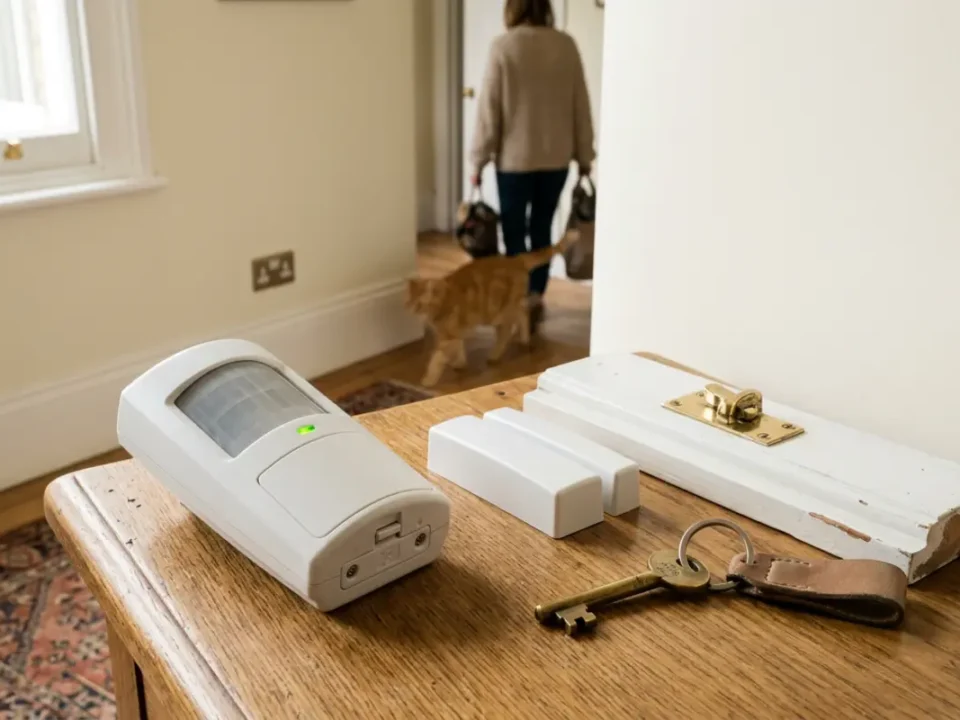
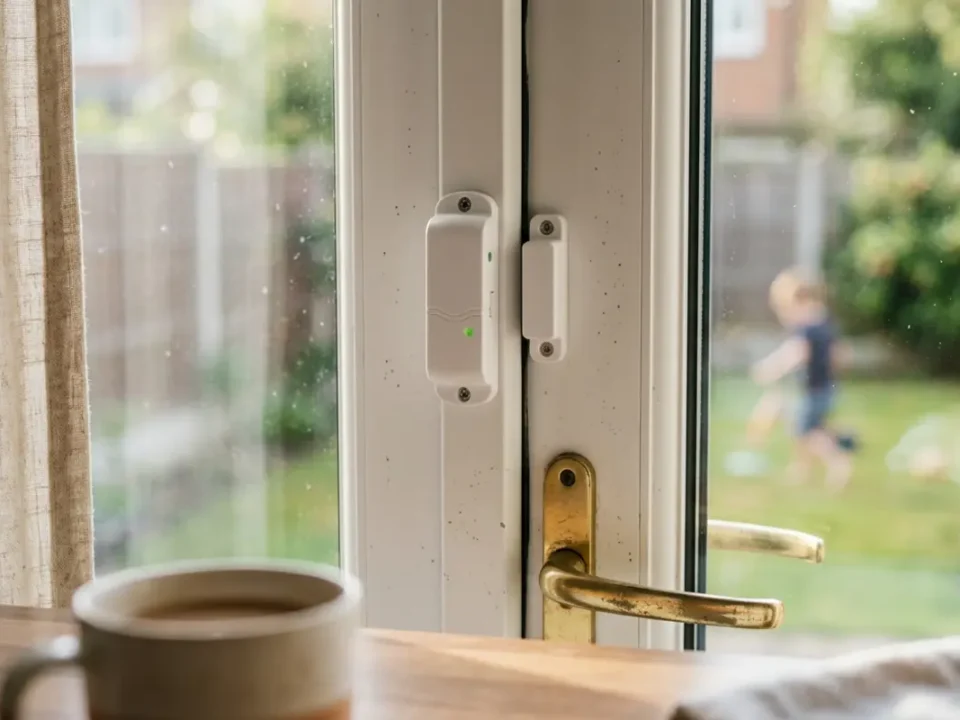
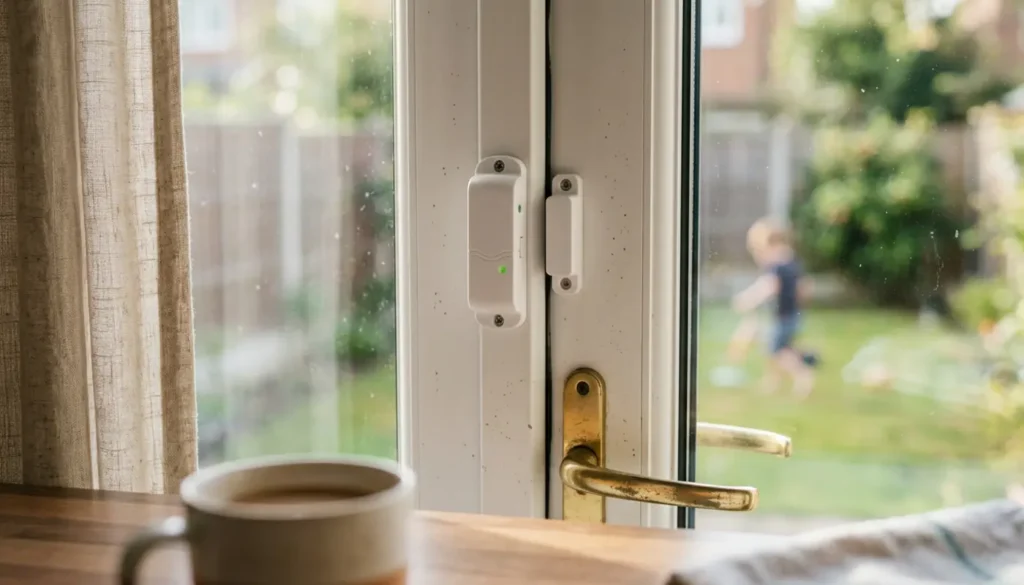
Door and window contacts detect when an opening is moved while the system is armed. One part is fitted to the frame and the other to the moving door or window, so when the two parts separate, the alarm panel receives a signal.
These contacts are common on front doors, rear doors, patio doors, fire exits and accessible windows. They are simple, reliable and useful for perimeter protection because they can detect entry before anyone has moved further into the property.
PIR Motion Detectors
PIR stands for passive infrared, which means the sensor detects changes in heat energy. When a person moves through a protected room, hallway or office after the alarm has been armed, the PIR can detect that change and send a signal to the control panel.
Correct positioning matters because PIRs can be affected by direct sunlight, heaters, moving curtains and pets. Pet tolerant detectors can help in homes with cats and dogs, but they still need careful placement because pets can be surprisingly good at finding the one place you hoped they would avoid.
Glass Break And Vibration Sensors
Glass break sensors listen for the sound pattern of breaking glass, while vibration sensors detect impact or shock on doors, windows, frames or walls. These sensors are useful where an intruder may try to smash or force an opening rather than simply open it.
They are often used on shop fronts, offices with large glass areas, garages, workshops and buildings with vulnerable rear access. In higher risk commercial sites, they may be combined with contacts and motion detection to create stronger layered protection.
How The Control Panel Processes Alarm Signals
The control panel processes alarm signals by checking which device has activated, whether the system is armed, and whether any delay or verification rule applies. The signal may arrive through a cable or by secure radio communication, depending on whether the system is wired, wireless or hybrid.
If the event matches the programmed alarm rules, the panel triggers the chosen response. That may include an internal siren, an external bell, an app notification, a speech dialler call, a signal to an Alarm Receiving Centre, or a mix of these actions.
False alarm reduction is a key part of good alarm design. A quality system should be set up so normal daily behaviour, heating changes, pets and authorised entry do not cause needless activations, because repeated false alarms are frustrating and can affect response arrangements.
Wired Vs Wireless Intruder Alarms
Wired and wireless intruder alarms do the same basic job, but they connect devices to the control panel in different ways. The best choice depends on the building, the risk level, the budget and how much disruption is practical during installation.
Wired intruder alarms use physical cables between sensors, sounders, keypads and the control panel. They are known for strong reliability and are often a good choice for new builds, refurbishments, commercial premises and buildings where cables can be hidden neatly.
Wireless systems use secure radio signals between sensors and the control panel, with batteries inside the sensors. They are popular in existing UK homes because installation is usually cleaner, quicker and less disruptive, especially where running cables through walls would cause unnecessary mess.
For many homeowners, wireless intruder alarms offer a sensible balance of convenience and protection. For larger businesses or higher risk sites, a wired or hybrid system may be better because it can offer more resilience, higher device capacity and easier long term expansion.
A small flat may suit a neat wireless alarm, while a warehouse, school, care home or retail site may need a more detailed design with several zones and monitored signalling. The right system should fit the property rather than forcing the property to fit the equipment.
Monitored Vs Unmonitored Intruder Alarms
Monitored and unmonitored intruder alarms differ mainly in what happens after the alarm is triggered. An unmonitored system sounds locally, while a monitored system sends alarm signals to a professional monitoring centre that can follow a planned response.
Unmonitored alarms, often called bells only or audible only alarms, sound a siren when triggered. They rely on neighbours, passers by or people nearby noticing the alarm and taking action, which can be enough for some lower risk homes.
Speech dialler alarms call pre set phone numbers and play a recorded message when activated. App based alarms send notifications to a smartphone, allowing users to see events, set or unset the system and, in some cases, check linked CCTV footage.
Monitored alarms send signals to an Alarm Receiving Centre, also known as an ARC, where trained operators manage alerts day and night. Depending on the system design, verification method and response agreement, the ARC may contact keyholders, a security response team or escalate towards police response.
For police response alarm systems, SSAIB certification is normally needed for an Insurance Approved installation and Police Response URN eligibility. The system must also be designed, installed and maintained correctly, with signalling that meets the expected response pathway.
Alarm Receiving Centres And Police Response
An Alarm Receiving Centre is a secure monitoring facility that receives alarm signals from protected premises. Operators can see the type of signal received, follow agreed instructions and contact the right people according to the response plan.
Police response is different from a neighbour hearing a bell and hoping someone will deal with it. A Police Response URN, which stands for Unique Reference Number, links an eligible monitored alarm system to the police response process, subject to approval, correct installation, ongoing maintenance and false alarm rules.
Businesses that need a clearer route to response often benefit from learning more about police response alarm systems, especially where insurance, stock value, lone working or out of hours risks are involved. It is better to arrange the right response pathway early than discover after a break in that the alarm only made noise and sent no verified signal to anyone useful.
UK Standards For Intruder Alarms
UK intruder alarm systems should be designed and installed in line with recognised standards, including EN 50131, which covers alarm system grading and performance. Grade 2 is common for many domestic and lower risk commercial sites, while Grade 3 is used where the risk is higher or where an insurer asks for stronger protection.
Standards matter because they help define how robust the equipment should be, how the system should respond to tampering, and how reliable the signalling needs to be. They also give insurers, police and customers a clear benchmark instead of relying on guesswork or a good looking siren box.
Insurance requirements vary, so property owners should check policy wording before choosing an alarm. Some insurers may specify a monitored system, an approved installer, regular maintenance, a certain grade under EN 50131, or confirmation that the system is SSAIB certified and Insurance Approved.
Installation Considerations For Homes And Businesses
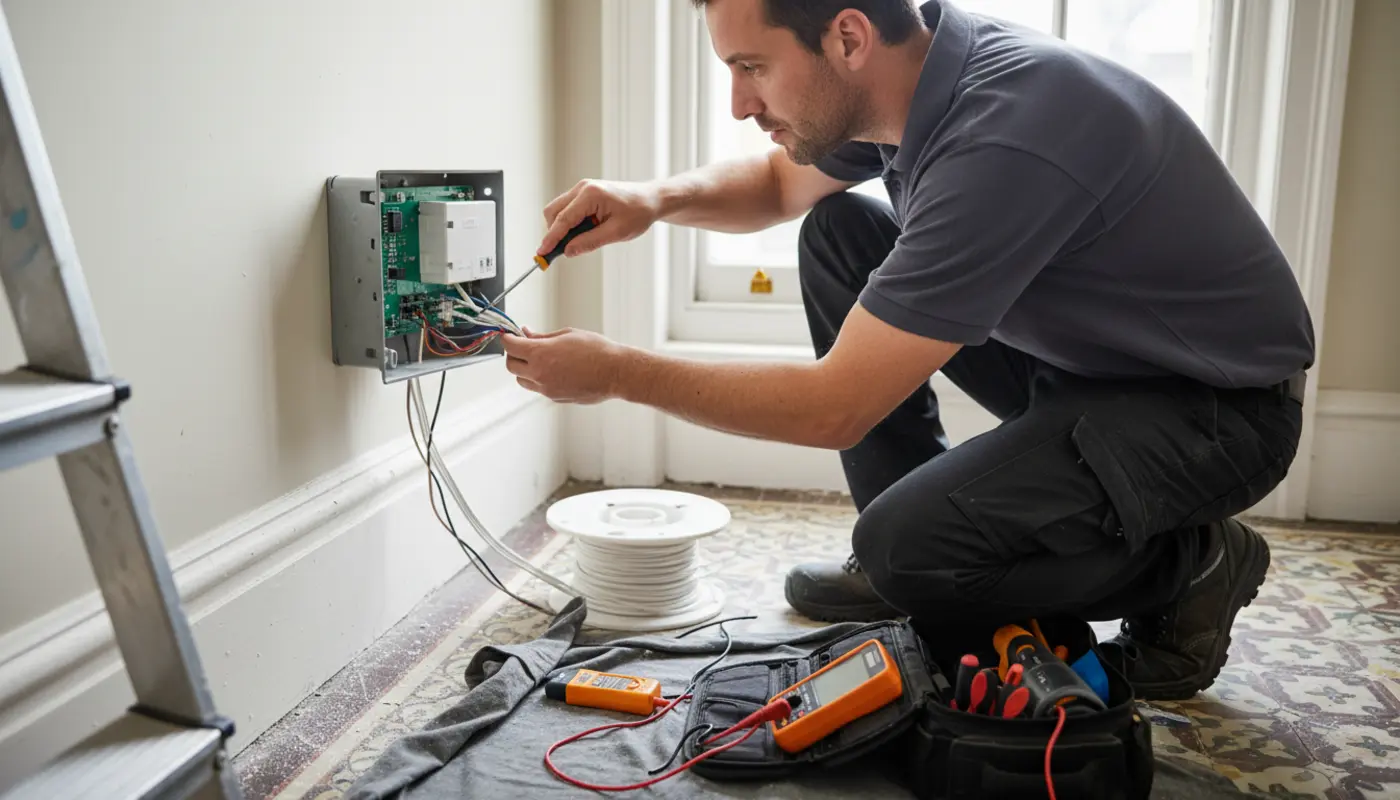
Good intruder alarm installation starts with a proper risk assessment of the property. That means looking at likely entry points, hidden access routes, outbuildings, garages, stock rooms, server rooms, tills, medicines, tools, vehicles and any other items that may attract unwanted attention.
Sensor placement should cover both the perimeter and the internal movement routes an intruder is likely to use. For example, contacts may protect external doors, while PIR detectors cover hallways, stairs and rooms that would probably be crossed after entry.
User behaviour is just as important as equipment. If staff forget codes, prop open protected doors or ignore low battery warnings, even a well designed system becomes less effective, so clear handover and simple training are worth taking seriously.
Maintenance keeps the system reliable over time. Batteries, sensors, sounders, signalling paths and user records should be checked periodically, especially for monitored systems where compliance affects Police Response URN arrangements and insurer confidence.
Integrating Intruder Alarms With Smart Security
Intruder alarms can often be linked with smart security tools such as CCTV, lighting and access control. This can make protection easier to manage because users can check alarm status, review access activity and see whether cameras have captured useful footage.
Integration should be planned carefully because convenience should never weaken security. Strong passwords, secure app access, regular updates and properly managed user permissions all matter, especially where family members, employees or contractors need different levels of access.
For businesses, linking alarms with CCTV can help verification because an alarm event can be checked visually before response decisions are made. For homes, linking alarms with lighting can improve deterrence by making the property look occupied and drawing attention when activity is detected.
Final Thoughts On Intruder Alarms
Intruder alarms work best when the whole system is planned as one joined up protection measure, not as a box of devices fitted in a hurry. Sensors detect activity, the control panel makes decisions, sirens warn people nearby, and monitoring or smart alerts help ensure the right people know what is happening.
For UK homes and businesses, the best alarm is the one that matches the property, meets relevant standards, supports insurer expectations and is simple enough for people to use every day. A well designed system should feel reassuring, not fiddly, and it should protect your property without turning daily life into a technical chore.
If you are unsure what type of intruder alarm is right for your home or business, iSecurity Solutions can help you choose a reliable system that suits your property, your routine and your level of risk.