Alarm Grades Explained: What Grade 2 Really Means
Alarm Grades Explained
What does a Grade 2 alarm mean in the UK? A Grade 2 alarm is a recognised intruder alarm level used for many homes, landlord properties and lower risk small businesses. It means the system is designed to deal with a more informed intruder than a basic alarm would, while still being practical, affordable and easy enough for everyday use.
Most people first hear about Grade 2 when an insurer mentions it, when they compare alarm quotes, or when they ask if a system can qualify for a Police Response URN. The important point is that Grade 2 is not just a label on a keypad. It depends on the equipment, design, installation, commissioning, paperwork and maintenance.
iSecurity Solutions is a trusted UK provider of commercial and domestic security systems, helping homes and businesses stay protected around the clock. From CCTV and intruder alarms to fire safety, access control and construction site monitoring, the team designs reliable, tailored systems backed by responsive service and modern remotely monitored technology.
Why Alarm Grading Exists In The UK
Alarm grading exists so that a security system can match the real level of risk at a property. A quiet family home, a shop with stock and a higher value commercial unit should not all be treated in the same way, so grades give insurers, installers and customers a shared way to describe the protection needed.
In the UK, intruder alarm grading is mainly shaped by BS EN 50131 and PD 6662. BS EN 50131 is the European framework for intruder and hold up alarm systems, while PD 6662 explains how those standards are applied in the UK for design, installation, commissioning and maintenance.
If you are planning a new alarm, ask whether the full installation is designed to the right grade under BS EN 50131, not just whether one sensor or panel is suitable. Professionally designed intruder alarm systems should be planned around the property layout, likely entry points, user needs and insurance requirements.
The Four Alarm Grades At A Glance
The four intruder alarm grades run from Grade 1 to Grade 4, with each grade based on the likely risk, the intruder's knowledge and the tools they may use. The higher the grade, the more resistance the complete system is expected to provide.
- Grade 1: Suitable only for very low risk settings where an intruder is expected to have little knowledge of alarm systems and only basic tools.
- Grade 2: Designed for low to medium risk properties where an intruder may understand common alarm weaknesses and carry simple tools.
- Grade 3: Used for medium to high risk premises where a more experienced intruder may plan the attack and use more capable tools.
- Grade 4: Intended for the highest risk sites where highly capable and organised attackers may be expected.
The National Protective Security Authority explains that Grade 2 can be suitable for higher risk homes and lower risk commercial premises, depending on the circumstances. You can read the official risk based explanation through the National Protective Security Authority.
A higher grade is not automatically better for every property. Grade 4 may sound impressive, but it would be excessive for most homes, cost more and may make the system harder to use properly.
What Grade 2 Really Means
A Grade 2 alarm is built for a realistic everyday threat. It assumes the intruder is not a complete beginner, may know how basic alarms work and might try simple ways to avoid detection or interfere with the system.
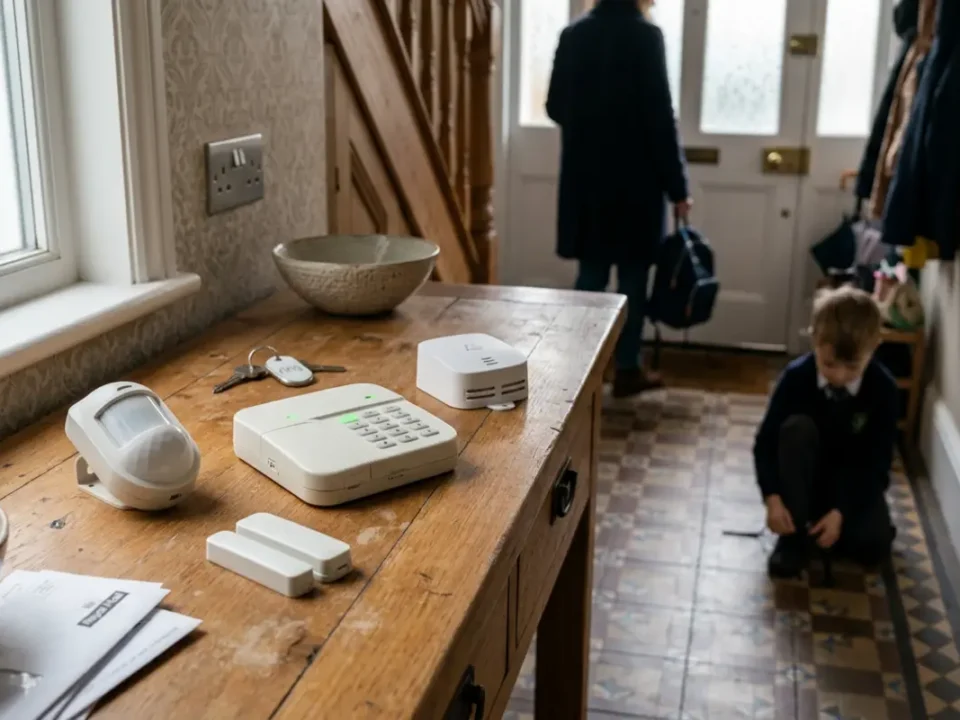
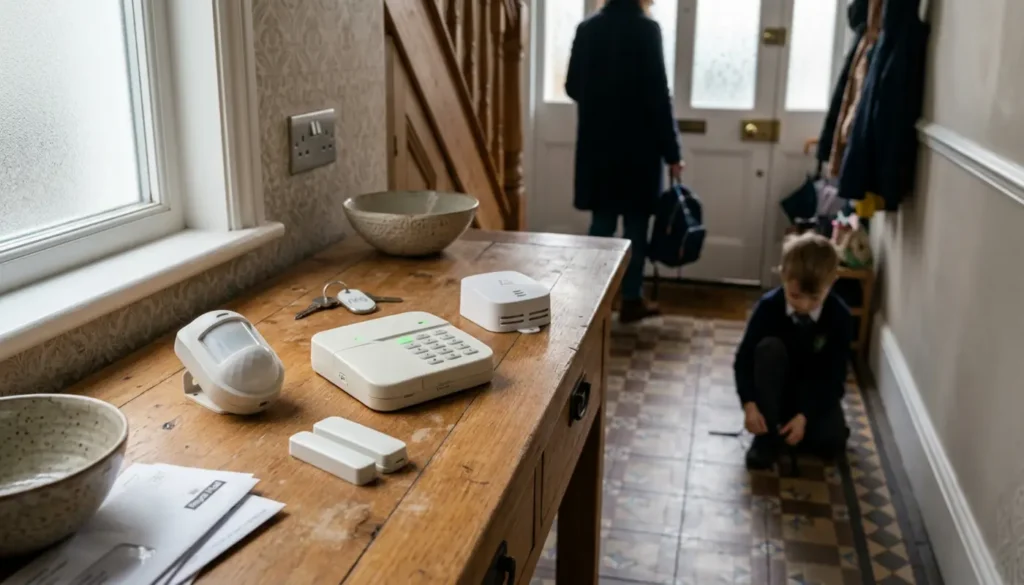
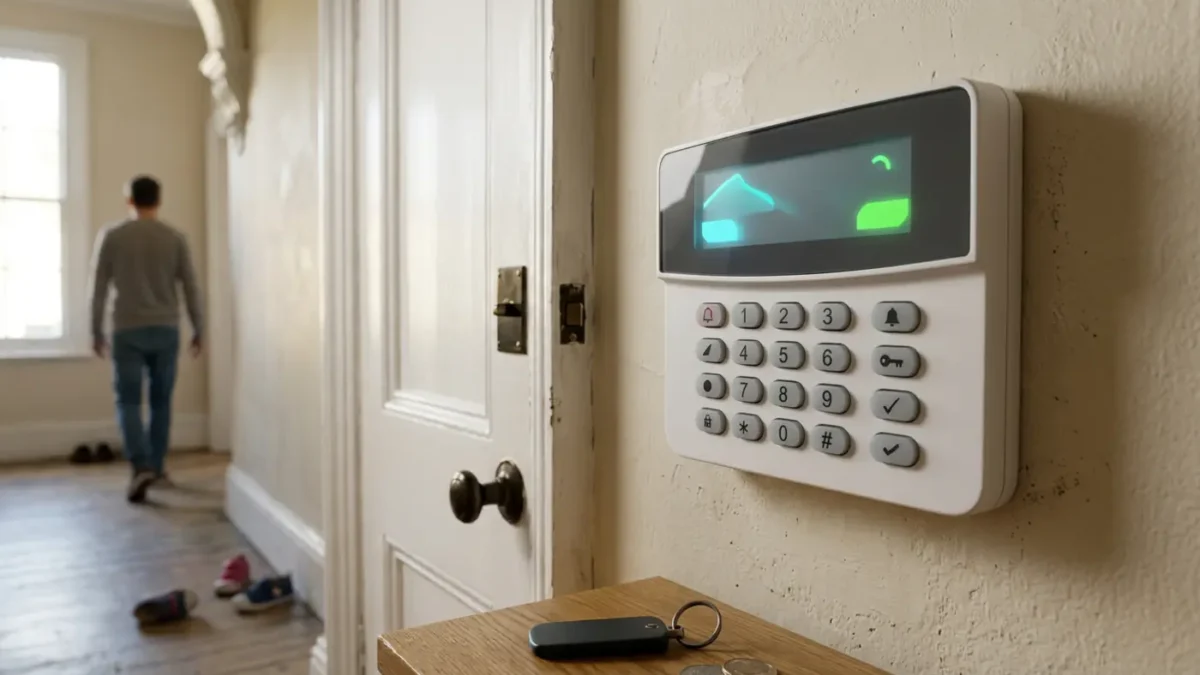
In practical terms, a Grade 2 burglar alarm may include door contacts, window contacts, movement detectors, tamper protected devices, a secure control panel, an external sounder, internal alerts and suitable signalling. The final design depends on the building, because a terraced house, a detached home, a small office and a lock up shop all have different weak points.
Good detection is not about adding as many sensors as possible and hoping for the best. A proper Grade 2 design looks at likely entry routes, vulnerable doors, accessible windows, garages, outbuildings, blind spots and where an intruder would probably move once inside.
Tamper protection is also a key part of the grade. This means the system can detect attempts to open devices, remove detectors, interfere with wiring, attack the control panel or disable parts of the alarm before it has done its job.
Grade 2 Versus Grade 1 And Grade 3
The main difference between Grade 1, Grade 2 and Grade 3 is the level of resistance expected from the complete system. Grade 1 gives basic protection for low risk use, Grade 2 adds stronger defence against common interference, and Grade 3 is for higher risk premises where intruders may be more determined and better prepared.
Grade 2 sits in a sensible middle ground for many UK homes and smaller commercial sites. It is more capable than a basic low risk alarm, but it is not as complex or costly as Grade 3, which is often specified for higher value stock, commercial premises, pharmacies, warehouses or sites with a history of break ins.
The number of sensors alone does not prove the grade. A property with ten poorly placed detectors is not automatically better protected than one with six well chosen devices, proper tamper protection and correct signalling.
For a clearer comparison of when a higher specification may be needed, see Grade 2 and Grade 3 intruder alarm differences.
Why Insurers Ask For Grade 2
Insurers ask for alarm grades because they help define the minimum security level expected for a policy. A home and contents insurer may specify Grade 2 for a higher value home, while a commercial insurer may require Grade 2 or Grade 3 depending on stock, location, occupancy and claims history.
Insurance requirements can include more than the grade itself. Your policy may ask for an approved installer, annual servicing, professional monitoring, confirmed alarm signalling, a maintenance contract and a Police Response URN where police attendance is required.
Insurance wording can feel vague, so it is worth asking your insurer exactly what they expect before you spend money on a system. A Grade 2 alarm does not guarantee an insurance discount. It may help with underwriting or satisfy a condition of cover, but you should get the insurer's exact requirement in writing before installation, especially if the property contains high value jewellery, tools, technology, stock or cash.
Landlords should also be careful here. A Grade 2 alarm is not automatically a legal requirement for every rental property, but it may be required by an insurer, managing agent, lender, lease agreement or tenant risk profile.
Choosing A Certified Installer
Choosing a certified installer matters because the grade applies to the finished system, not only to the equipment. A good installer should be able to explain the risk assessment, the proposed grade, the standards being followed and the documents you will receive after commissioning.
NSI approval and SSAIB Insurance Approved certification are often recognised by insurers because they show that the company is independently assessed for competence, procedures, documentation and ongoing standards. Where a Police Response URN is needed for an alarm, SSAIB Insurance Approved certification or equivalent recognised approval is normally a prerequisite, along with correct monitoring and compliance.
Before accepting a quote, ask clear questions. What grade is the complete installed system? Is it designed to PD 6662 and BS EN 50131? Does BS 8243 apply for confirmed alarm signalling? Who monitors the system? Will you receive a certificate of compliance? What happens if broadband, mobile signal or mains power fails?
Police Response URN And Keyholders
A Police Response URN, or Unique Reference Number, is a police assigned reference linked to an eligible security system. It is not the same thing as the alarm grade, and a Grade 2 system does not automatically receive one.
For police response, the system usually needs approved installation, professional monitoring through an Alarm Receiving Centre, confirmed alarm signalling, proper maintenance and compliance with local police policy. In simple terms, the police need a reliable reason to attend, not just another false alarm caused by a spider wandering across a detector.
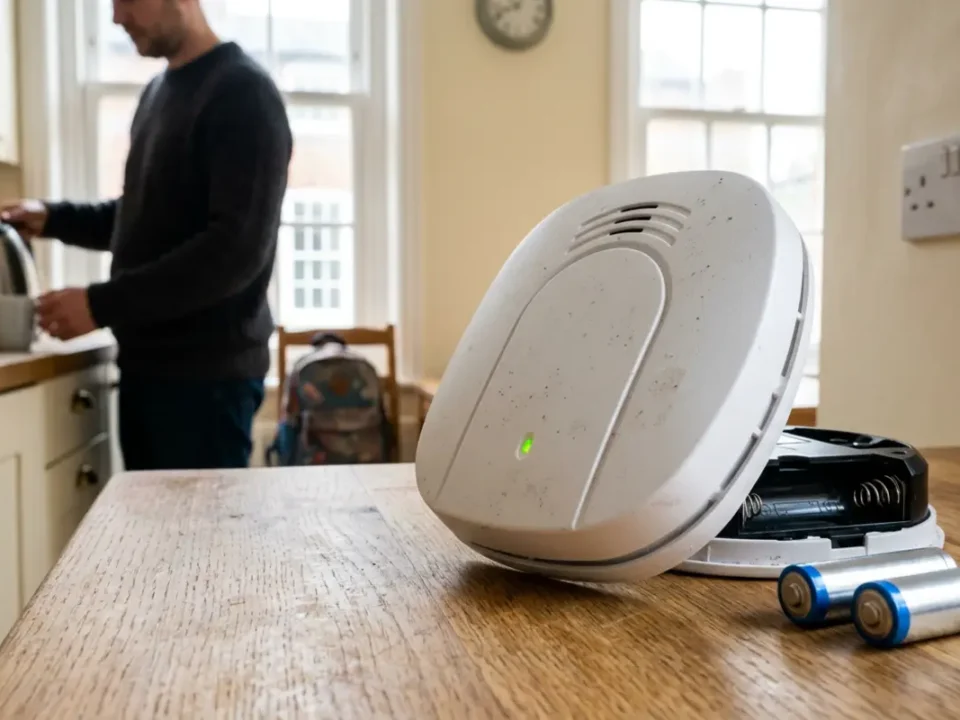
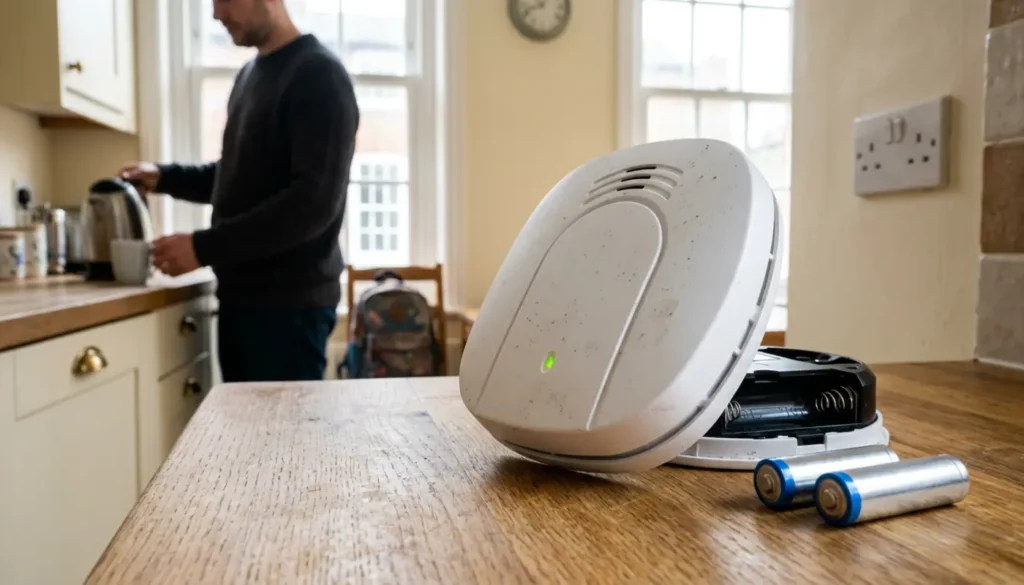
False alarms matter because repeated activations can affect police response levels. Poor user training, pets, weak batteries, badly positioned detectors, loose doors, weather movement and keyholder delays are all common causes.
Keyholders should be trained, contactable and able to attend the property when needed. If a keyholder changed phone number three years ago and nobody updated the records, that is not really a security plan, it is wishful thinking with a ringtone.
Wired, Wireless And Hybrid Grade 2 Systems
Wired, wireless and hybrid Grade 2 systems can all be suitable when they are designed and installed correctly. The best option depends on the building, decoration, budget, monitoring needs and whether the system may need to expand later.
A wired Grade 2 system uses physical cabling between devices and the control panel. It can be very stable, avoids detector battery changes and suits new builds, refurbishments and commercial premises where cable routes can be planned properly.
A wireless Grade 2 system can be a good choice where cabling would be disruptive, expensive or untidy. Wireless does not automatically mean weaker security, provided the equipment is suitable, radio coverage is checked, batteries are maintained and the system supervises faults or interference.
Hybrid systems combine wired and wireless devices, which can be useful for extensions, garages, garden offices and mixed construction properties. If you are considering a wireless option, wireless intruder alarms can offer practical protection with less disruption when properly specified and maintained.
Grade 2 Alarm Costs In 2026
Grade 2 alarm costs in the UK vary because every property has different risks, layouts and user needs. A small wireless home alarm will usually cost less than a larger hybrid system with outbuilding protection, professional monitoring and Police Response URN arrangements.
As a broad 2026 guide, a professionally installed domestic Grade 2 compliant system may start from around £700 to £1,500 for a simple setup. Larger homes and small business premises can range from £1,500 to £4,000 or more, especially where monitoring, dual path signalling, extra detectors, concealed cabling, outbuildings and service plans are included.
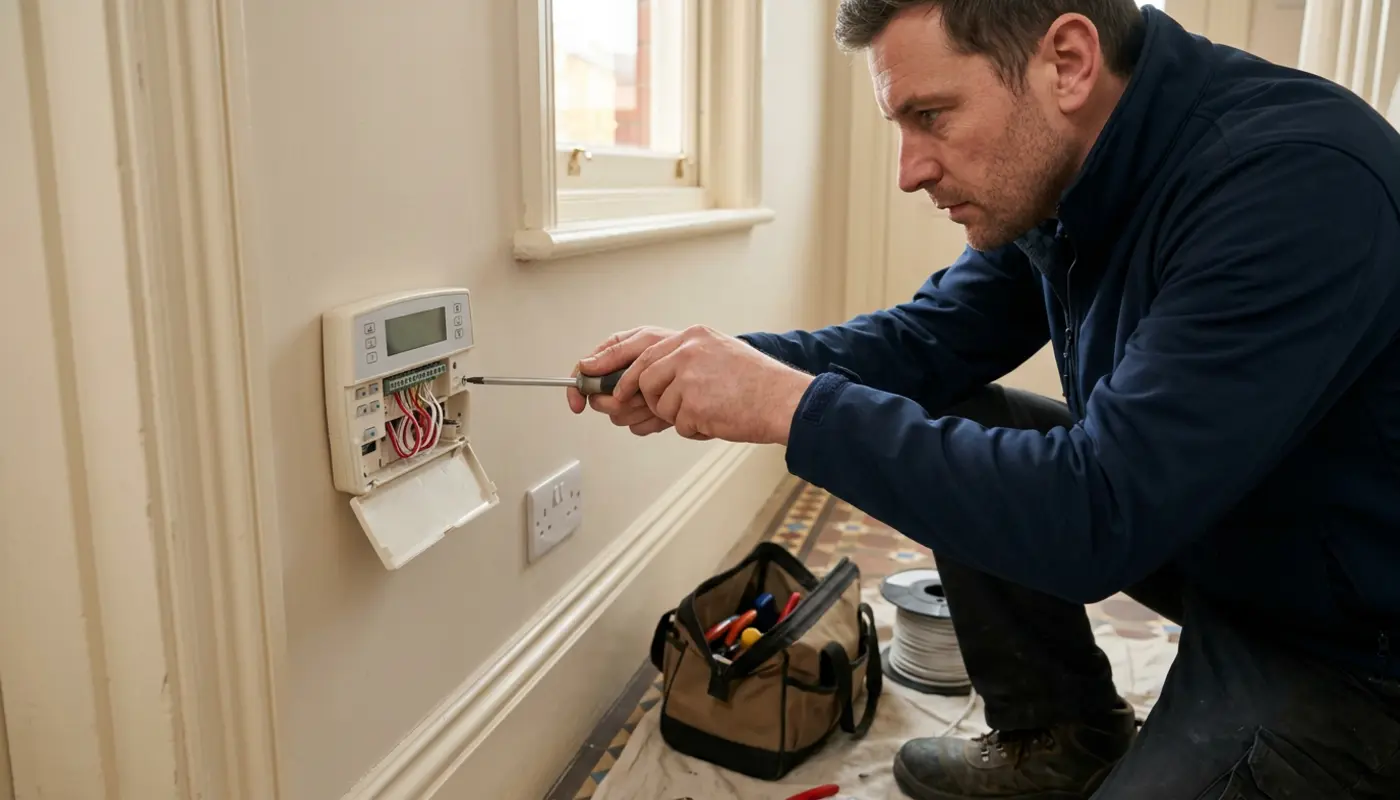
Annual servicing is not just a nice extra. It checks detectors, contacts, tamper circuits, backup batteries, control panel logs, signalling, user operation and false alarm causes, which helps maintain insurer confidence and police response eligibility where a URN is in place.
Monitoring costs also vary. App alerts, self monitoring, professional Alarm Receiving Centre monitoring and confirmed alarm monitoring are not the same service, so always check exactly what is included before comparing monthly prices.
Common Myths About Grade 2 Alarms
Common myths about Grade 2 alarms can lead people to buy the wrong system or expect benefits that are not automatic. The grade is useful, but it only works properly when the whole system is designed, installed and maintained to the correct standard.
The first myth is that any modern alarm is Grade 2. It is not, because the grade depends on the complete system design, approved equipment, installation method, commissioning records and compliance documents.
The second myth is that Grade 2 automatically means police response. It does not, because police response depends on the Police Response URN process, monitoring, confirmation technology, maintenance and local police policy.
The third myth is that wireless alarms cannot meet Grade 2. They can, provided the system is designed and installed correctly with suitable equipment, supervision and maintenance.
The fourth myth is that Grade 2 is always enough. It is suitable for many homes and lower risk business settings, but higher risk homes, valuable stock, cash handling and certain commercial premises may need Grade 3 or extra measures such as CCTV, access control or perimeter detection.
How To Check Your Existing Alarm Grade
You can check your existing alarm grade by looking for the original design proposal, certificate of compliance, commissioning paperwork and maintenance records. The grade should be stated in the documents, not guessed from the brand name, keypad style or outside bell box.
Check whether the documents mention PD 6662, BS EN 50131 and, where police response is involved, BS 8243. If your system is monitored, confirm the Alarm Receiving Centre, signalling path, maintenance contract and Police Response URN status.
If paperwork is missing, arrange a professional inspection rather than assuming the system is compliant. Older alarms may still work, but standards, insurer conditions, signalling technology and police response rules can change over time.
Final Thoughts On Alarm Grades
Grade 2 is best understood as a practical security grade for many UK homes, landlord properties and lower risk businesses. It offers more resilience than a basic alarm, but it still needs the right design, installation, monitoring choices and servicing to do its job properly.
If an insurer has mentioned Grade 2, do not rely on guesswork or a bargain alarm kit that cannot be documented. Ask for the grade in writing, choose a competent installer, keep your certificates safe, maintain the system and train everyone who uses it.
The simplest way to avoid problems is to treat the alarm as a complete security system rather than a collection of gadgets. Done properly, Grade 2 can give you strong, sensible protection without making your property feel like a bank vault.
Frequently Asked Questions
Is Grade 2 Suitable For An Average UK Home?
Yes, Grade 2 is often suitable for many UK homes, especially where the risk is low to medium. Higher value homes or properties with specific insurer concerns may need a higher specification.
Does Grade 2 Mean I Get Police Response?
No, Grade 2 alone does not guarantee police response. A Police Response URN usually needs approved installation, professional monitoring, confirmed alarm signalling, maintenance and compliance with local police policy.
Do Insurers Require SSAIB Insurance Approved Installers?
Many insurers ask for an NSI approved or SSAIB Insurance Approved installer, especially where certification, monitoring or a Police Response URN is required. Always check your policy wording before installation.
Can A Wireless Alarm Be Grade 2?
Yes, a wireless alarm can meet Grade 2 when suitable equipment is used and the system is designed, installed and maintained correctly. Battery checks, radio signal strength and fault supervision are especially important.
How Often Should A Grade 2 Alarm Be Serviced?
Most professionally installed systems should be serviced at least once a year, although monitored systems or insurer conditions may require specific intervals. Servicing helps reduce false alarms and keeps documentation up to date.