What Factors Affect the Performance of Intruder Alarms?

Intruder Alarm Performance
Intruder alarm performance depends on the full system, not just the control panel or the siren. A reliable alarm needs the right security grade, careful design, correct detector placement, stable power, dependable signalling, regular maintenance and users who understand how to operate it properly.
In the UK, alarm performance is also shaped by standards such as BS EN 50131, PD 6662 and DD CLC/TS 50131 7, as well as insurer requirements and police response rules. These details can feel technical at first, but they are easier to understand when you look at each part of the system one by one.
iSecurity Solutions is a trusted UK provider of commercial and domestic security systems, helping homes and businesses stay protected around the clock. From CCTV and intruder alarms to fire safety, access control and construction site monitoring, the team designs reliable, tailored solutions backed by responsive service and modern, remotely monitored technology.
Intruder Alarm Standards In The UK
UK intruder alarm standards help make systems more reliable, consistent and suitable for the level of risk. BS EN 50131 covers intrusion and hold up alarm systems, including equipment grades, system requirements and environmental classes, which means it helps define how strong the alarm should be and where each device is suitable to operate.
PD 6662 is the UK framework used to apply the relevant European alarm standards in a practical way. DD CLC/TS 50131 7 gives application guidance for design, planning, installation, commissioning, operation and maintenance, so compliance is not only about buying approved equipment, because the full system must be designed and used correctly.
For more detail on alarm standards and system requirements, the National Protective Security Authority intrusion detection guidance is a useful official reference that explains detector use, environmental factors and false alarm risks in plain, practical terms.
Security Grading Must Match The Risk
Security grading affects intruder alarm performance because the system must match the real risk at the property. BS EN 50131 grades run from Grade 1 to Grade 4, with Grade 1 used for lower risk settings and Grade 4 used for very high risk sites where a skilled and well prepared intruder may be expected.
Most homes and many smaller businesses are commonly around Grade 2, while higher risk commercial premises may need Grade 3. Grade 4 is unusual and is normally linked to very high value or critical sites, so the right grade depends on the building, contents, location, opening hours, access points, past incidents and insurer conditions.
A helpful rule is to avoid both under specification and over specification. A system that is too basic can leave gaps in protection, while a system that is too complex can add cost and make daily use harder without solving the real security problem.
Installer Competence Makes A Huge Difference
Installer competence has a direct effect on alarm performance because even good equipment can perform badly if it is fitted or programmed poorly. Detector angles, cable routes, wireless signal strength, control panel location, tamper protection and system programming all affect day to day reliability.
Professional design and fitting are especially important for EN 50131 Grade 2 and Grade 3 intruder alarm systems, because insurance conditions and Police Response URN eligibility often depend on correct installation and certification. A URN is a unique reference number used for eligible monitored alarm systems, so it matters when police response is part of the plan. If you are reviewing your current setup, our intruder alarm systems service explains how tailored alarm design works for UK homes and commercial premises.
Installer certification also matters. NSI schemes and SSAIB certified and Insurance-Approved certification are designed to show competence, inspection and compliance with recognised standards, so you should check whether the certification covers design, installation and maintenance rather than only one small part of the process.
Detector Type And Placement Affect Detection Quality
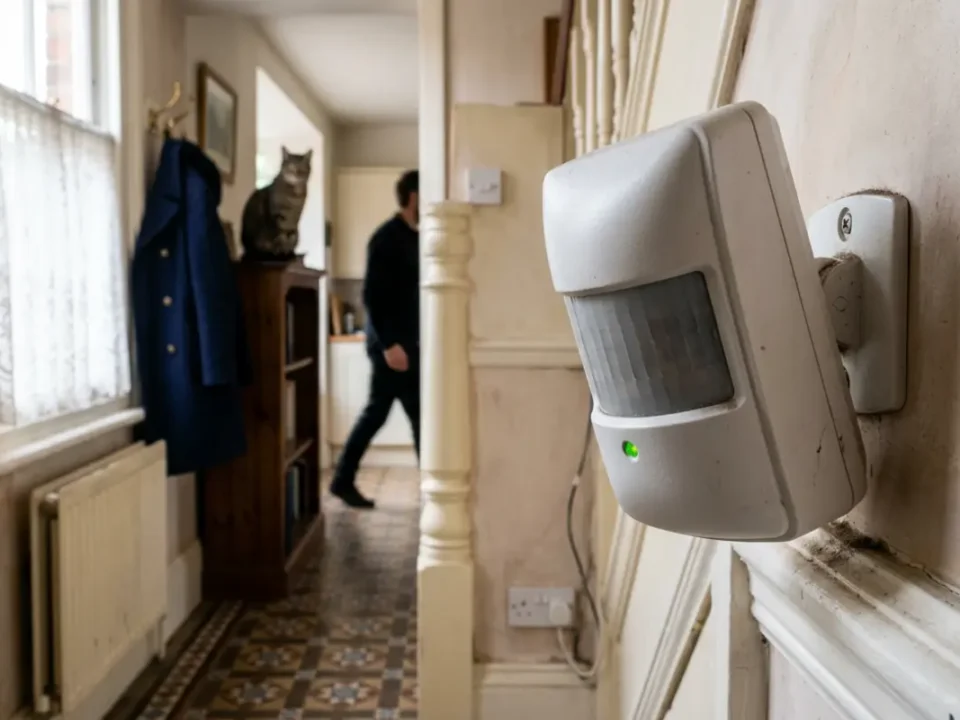
Detector type and placement affect detection quality because each device has its own strengths, limits and best use. PIR detectors sense changes in infrared energy, which usually means movement from a person, and they are common, effective and affordable when installed in the right place.
Dual technology detectors combine two detection methods, often PIR and microwave, to reduce unwanted activations in more difficult areas. Magnetic contacts protect doors, windows and shutters by detecting opening, while shock and glass break sensors help protect vulnerable glazing before or during forced entry.
Good placement means covering likely movement routes, entrances, staircases, vulnerable windows, garages and outbuildings. Detectors should not point directly at radiators, fireplaces, sunny windows, flapping curtains, air vents or anything else that may move or change temperature when nobody is there.
UK Environmental Conditions Can Cause Alarm Problems
UK environmental conditions can affect alarm performance because many buildings have damp areas, draughts, cold corners, warm pipes and sudden temperature changes. Conservatories, garages, lofts and outbuildings often need extra thought because they are usually less stable than heated indoor rooms.
Sunlight can cause problems for PIR detectors, especially when low winter sun shines directly through a window. Reflections from mirrors, polished floors or glass can also create issues, while heating systems can move warm air and poorly sealed windows can move curtains or blinds just enough to trigger a detector.
Insects and dust are also common causes of false alarms. A small spider walking across a detector lens can cause a surprisingly big problem, so regular inspection and cleaning, carried out in line with the manufacturer guidance, helps sensors keep working properly.
False Alarm Management Protects Police Response
False alarm management protects police response because repeated unwanted activations can reduce confidence in the system and may affect whether police attend. Common causes include pets, insects, open windows, heating systems, loose contacts, weak batteries, user mistakes and unstable wireless signals.
Under the NPCC Security Systems Policy, alarm calls are expected to be filtered properly before police are contacted. Two false calls in a rolling twelve month period can lead to written advice and a need for remedial action, while three false calls may lead to police response being withdrawn depending on the system type and circumstances.
This is where a Police Response URN becomes important. A URN is a unique reference number linked to eligible monitored alarm systems, and SSAIB certified and Insurance-Approved certification is a prerequisite for an insurance approved system that may qualify, so you should not assume police will automatically attend without the right certification, monitoring and maintenance.
Power Supply And Battery Backup Keep The Alarm Working
Power supply and battery backup keep an intruder alarm working when the mains supply fails. Power cuts, tripped circuits, isolated sockets and faulty charging circuits can all reduce performance, so a good system should detect mains failure, switch to battery backup and report power faults where monitoring is in place.
Standby batteries age over time and slowly lose capacity. They can also suffer from leakage, corrosion or poor charging, especially if they are not checked for years, so many systems need battery replacement every few years depending on the system, environment and service findings.
During maintenance, the engineer should test battery condition, charging voltage, mains failure reporting and tamper protection. For monitored systems, it is also wise to confirm that signalling still works during a power cut, because an alarm must remain useful when the building is at its most vulnerable.
Signalling And Monitoring Need To Be Reliable
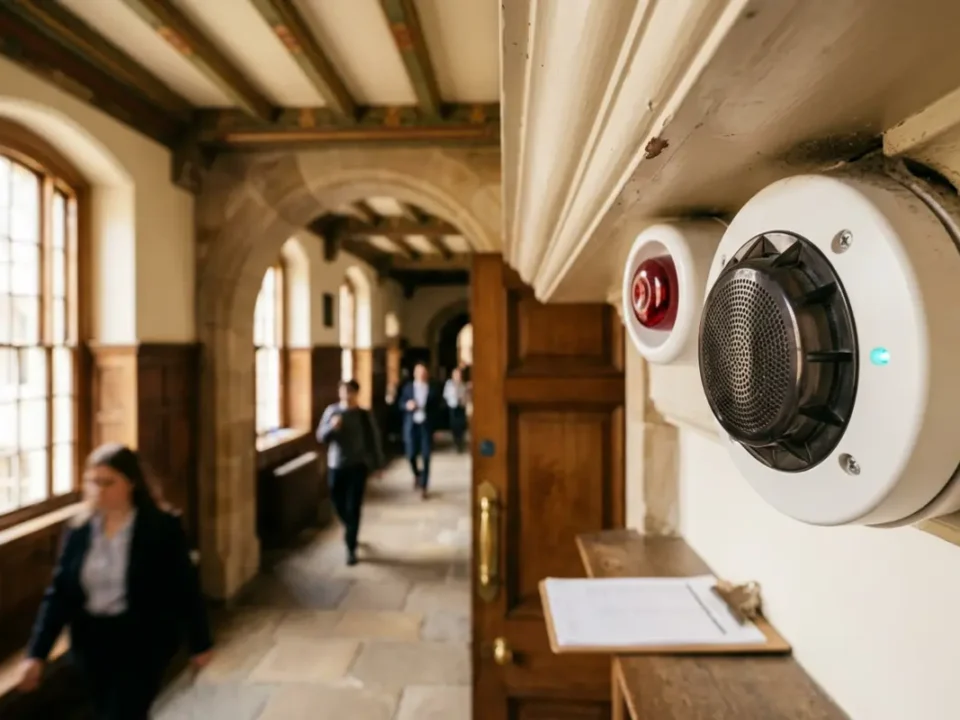
Signalling and monitoring affect alarm performance because they decide how quickly the right people are told when there is a problem. A bells only alarm makes noise at the property, while app alerts, speech diallers, keyholder response and Alarm Receiving Centre monitoring send information remotely.
The move away from analogue phone lines is a major issue in 2026. The BT Openreach landline switch off means older PSTN based alarm diallers may no longer work as intended unless they are upgraded or checked for compatibility, while IP, mobile and dual path signalling are now common choices that still need power backup and network resilience.
If you already have a monitored alarm, ask whether it uses analogue, digital, mobile or dual path signalling. You should also confirm that test signals are being received and recorded by the ARC, especially if the system is linked to a Police Response URN.
Maintenance Keeps Performance Consistent
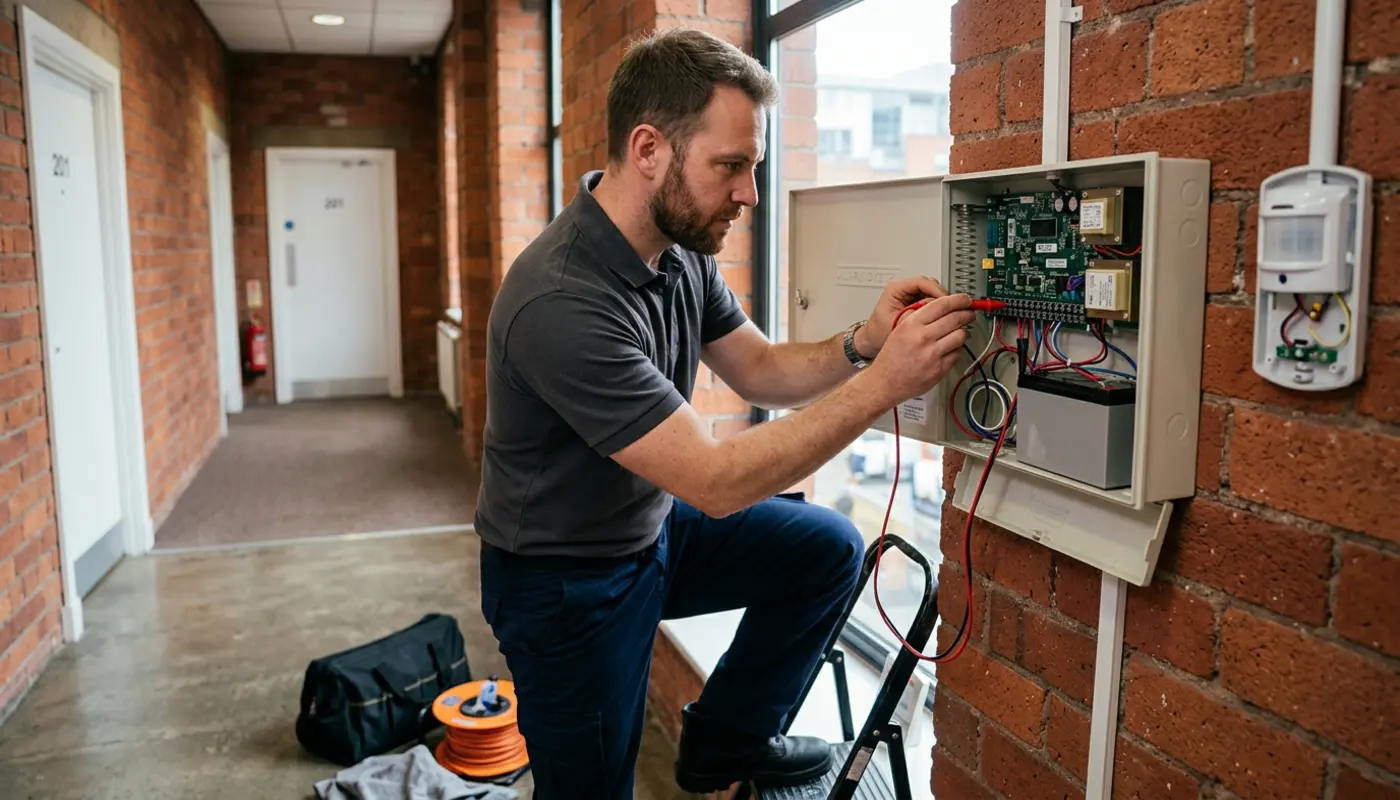
Maintenance keeps alarm performance consistent because routine servicing finds faults before they become bigger problems. A proper service should check detectors, door contacts, control panels, sounders, tamper circuits, batteries, signalling paths, event logs and user functions.
Audible only systems are commonly checked at least once a year, while ARC connected systems may need servicing more often depending on the contract, insurer requirements and certification scheme. Your insurer may ask for evidence of maintenance, so keep service records, fault reports and certificates somewhere easy to find.
If you are comparing maintenance duties across security systems, our article on security maintenance contracts explains why planned servicing is often cheaper and less stressful than waiting for repeated faults.
User Behaviour Can Make Or Break The System
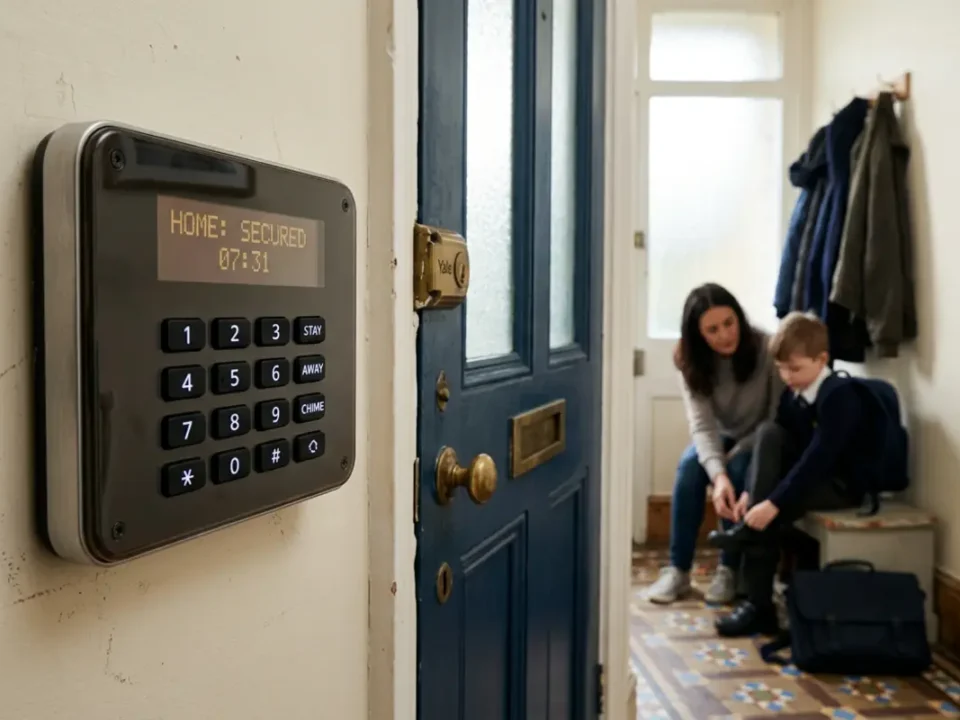
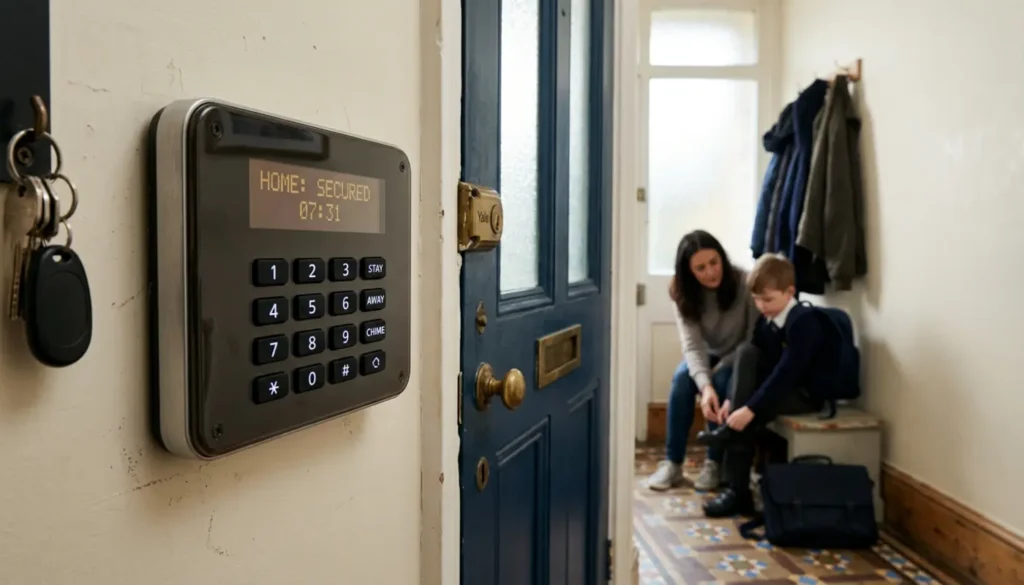
User behaviour can make or break alarm performance because even a well designed system relies on people using it correctly. Common issues include rushing the exit timer, leaving protected windows open, forgetting pets are inside, sharing one code between several people and failing to report fault warnings.
Good handover training should explain setting and unsetting, part set modes, entry routes, duress features, fault messages, app alerts and what to do after activation. Individual user codes are also helpful because they show who has used the system and allow old employees, tenants or contractors to be removed without changing the whole setup.
Keyholder details need to stay current as well. If the ARC calls a number that no longer works, response is delayed, so staff changes, holidays and site closures should all be reflected in the alarm response plan.
Publicly Accessible Premises May Need Wider Security Planning
Publicly accessible premises may need wider security planning because intruder alarms mainly protect against unauthorised entry. Shops, community buildings, education sites and venues may also need access control, CCTV, lockdown procedures and staff awareness alongside the alarm system.
If your site is open to the public, it is also worth reviewing Martyn's Law guidance so your wider security approach supports proportionate preparedness rather than treating the intruder alarm as the only line of defence.
Practical Alarm Performance Checklist
A practical alarm performance checklist helps you see whether your system is doing its job or simply looking active on the wall. You do not need to become an alarm engineer, but knowing what to ask makes conversations with installers, insurers and maintenance providers much easier.
- Is the BS EN 50131 grade documented clearly?
- Does the grade match your property risk and insurer requirements?
- Has the system been designed under the UK PD 6662 framework?
- Are detector locations free from blind spots and environmental problems?
- Are pets, heating, sunlight, draughts and insects accounted for?
- Is the standby battery within its expected service life?
- Has signalling been checked for the PSTN switch off?
- Are ARC test signals being received where monitoring is used?
- Is the system maintained at the right frequency?
- Are user codes, keyholders and response instructions up to date?
Final Thoughts On Intruder Alarm Performance
Intruder alarm performance is the result of many small details working together. The right grade, correct installation, suitable detector choice, stable power, reliable signalling, regular servicing and sensible user habits all matter, because missing one of these pieces can reduce protection even if the alarm still makes noise.
The best approach is to treat the alarm as a managed security system, not a one time purchase. If it has repeated false alarms, outdated signalling, missing documents or no recent service record, it is worth arranging a professional review before a fault becomes a failed response. If you are unsure about grading, signalling, maintenance records or false alarm issues, iSecurity Solutions can help you review the system and choose the right next step.
Frequently Asked Questions
What Is The Biggest Factor Affecting Intruder Alarm Performance?
The biggest factor is whether the system has been properly designed for the property risk. Equipment grade, detector placement, signalling, maintenance and user training all need to work together.
Can A PIR Detector Cause False Alarms?
Yes, a PIR can trigger incorrectly if it is affected by sunlight, heating, draughts, insects, pets or poor positioning. Correct siting and regular testing usually reduce the problem.
Do I Need SSAIB Certification For An Intruder Alarm?
If you need an insurance approved alarm or want eligibility for a Police Response URN, SSAIB certified and Insurance-Approved certification is often required by insurers and monitoring arrangements. Always check your policy wording before installation or renewal.
Will The PSTN Switch Off Affect My Alarm?
It might if your alarm still uses an analogue phone line for signalling. Ask your alarm provider or ARC to confirm whether you need IP, mobile or dual path digital signalling.
How Often Should An Intruder Alarm Be Serviced?
Many audible alarms are serviced at least once a year, while monitored systems may need more frequent checks. Your insurer, risk assessment, certification scheme and monitoring contract should guide the exact interval.