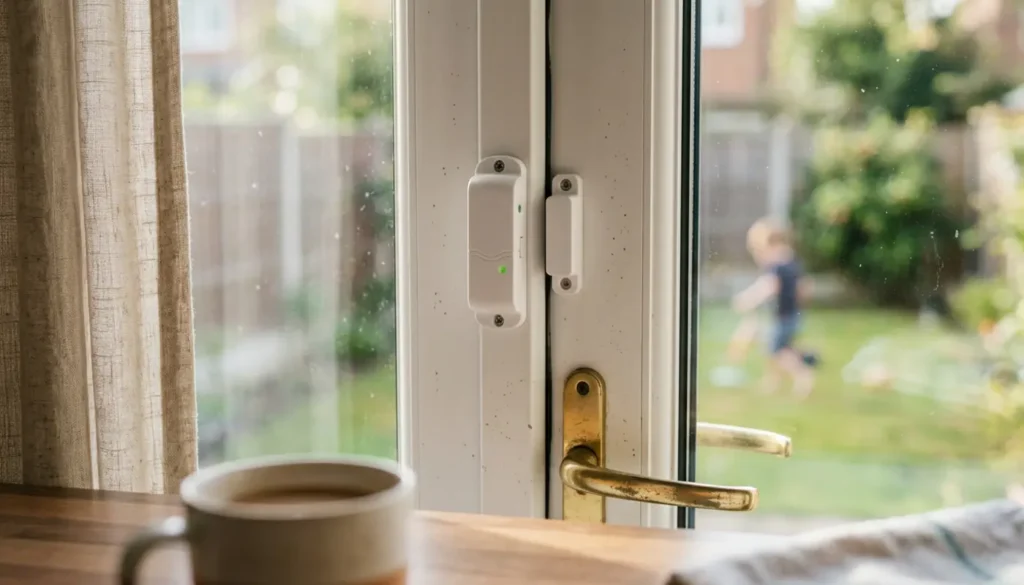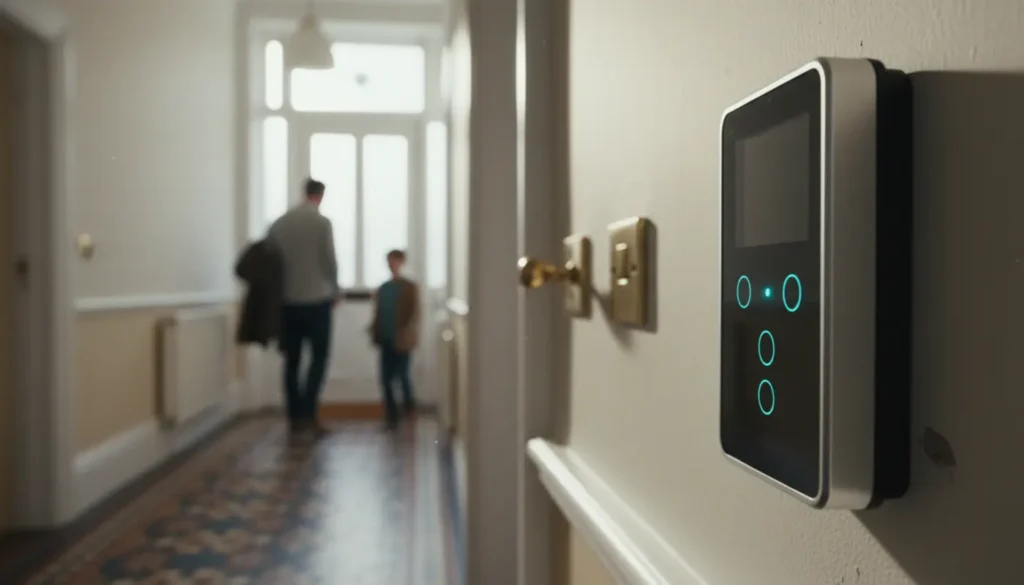
What’s the Best Wireless Home Security Camera System
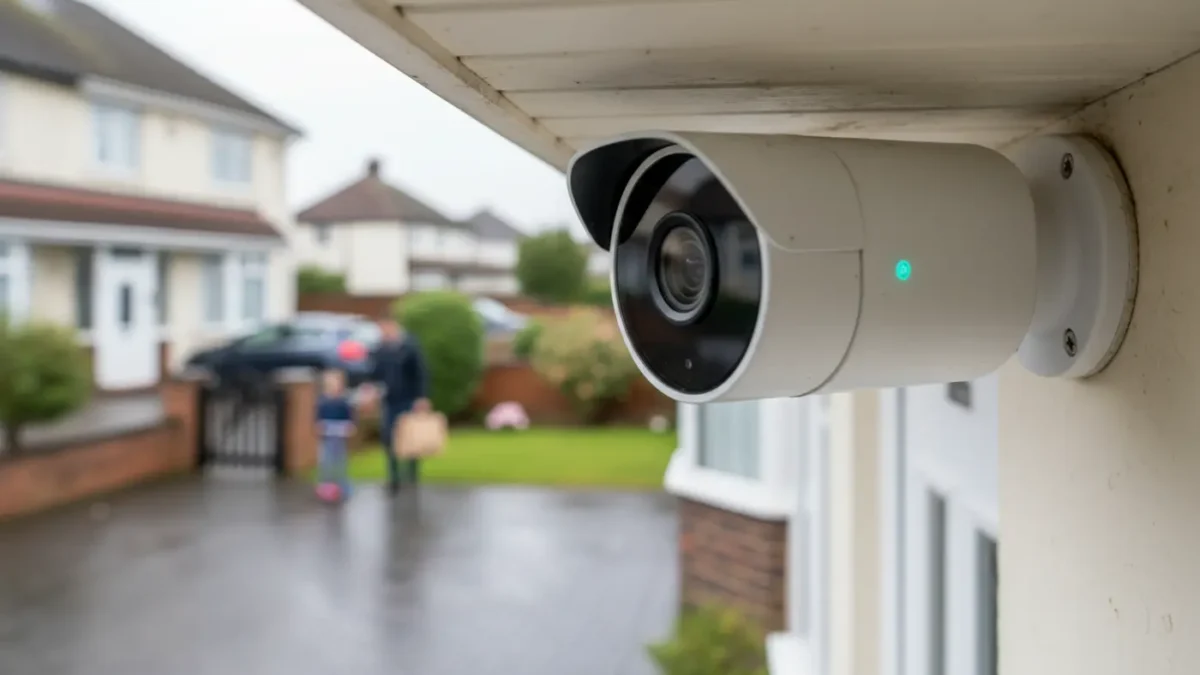
Best Wireless Home Security Camera System
The best wireless home security camera system in 2026 is one that gives clear footage, reliable alerts, suitable storage, strong Wi Fi coverage and sensible privacy controls without tying you into costs you did not expect.
For most UK homes, the best choice is a 2K outdoor camera system with strong night vision, reliable person detection, IP65 or IP66 weatherproofing, secure app access and a storage option that suits your budget. If you mainly want to watch the front door, your needs will be very different from someone protecting a long driveway, garden office or rural property.
- Best for no monthly fees, choose a system with local storage through a hub, memory card or recorder.
- Best for doorbells, choose a smart doorbell camera with wide viewing, two way talk and dependable alerts.
- Best for larger gardens, choose mains powered or professionally planned cameras with strong Wi Fi coverage.
- Best for professional installation, choose a designed CCTV setup with correct angles, power and recording options.
- Best for local storage, choose a camera kit that records at home and keeps subscription costs low.
Choosing one can feel a bit like comparing kettles that all claim to make the perfect cup of tea, because every brand says it is smart, simple and secure. The real difference is how well the system works in your actual home, with your walls, broadband, driveway, garden and budget.
iSecurity Solutions is a trusted UK provider of commercial and domestic security systems, helping homes and businesses stay protected around the clock. From CCTV and intruder alarms to fire safety, access control and construction site monitoring, the team designs reliable, tailored solutions backed by responsive service and modern, remotely monitored technology.
How Wireless Home Security Cameras Work
A wireless home security camera connects to your Wi Fi and sends video to an app, local recorder, memory card, cloud account or smart hub. Despite the word wireless, some cameras still need mains power, so wireless usually means wireless data rather than no cables at all.
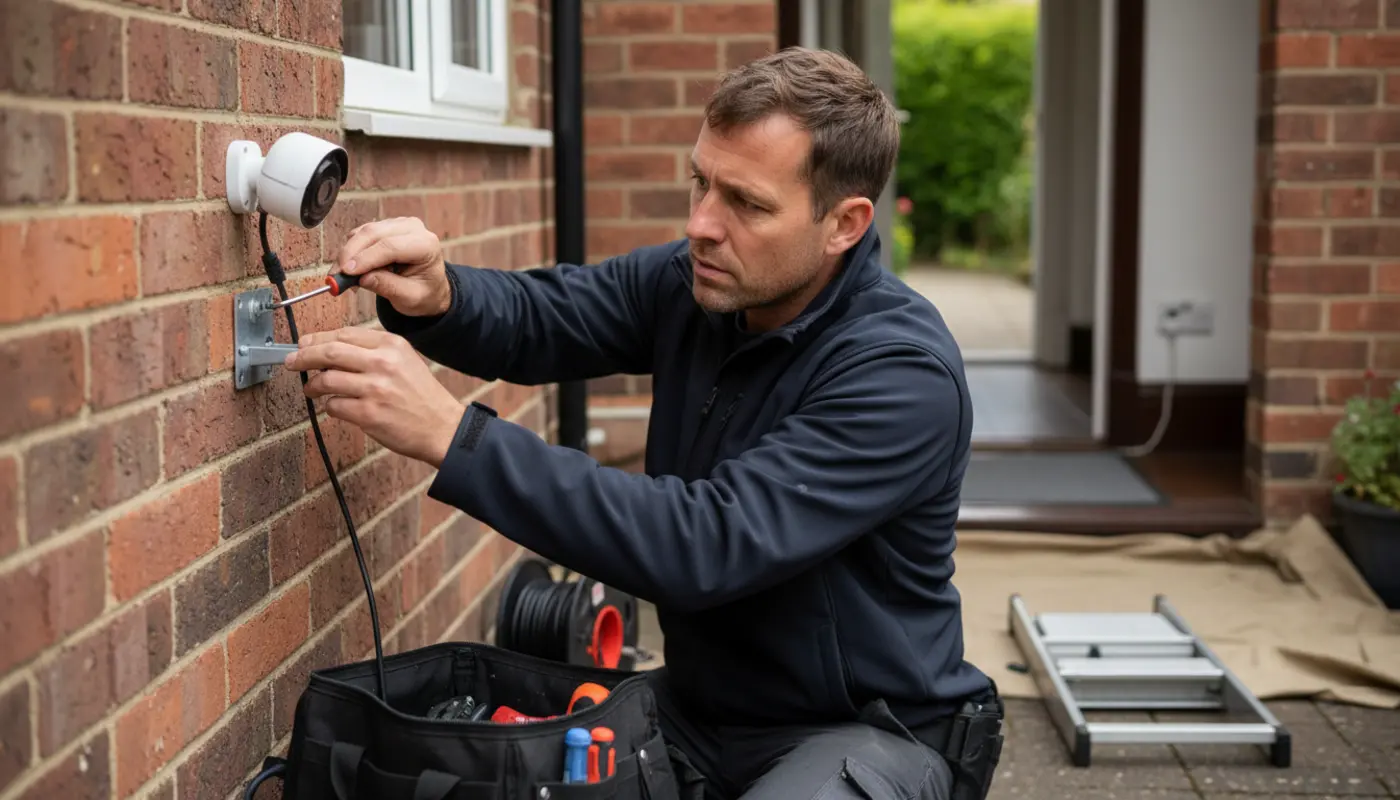
A typical system includes cameras, a mobile app, motion detection, night vision, storage and sometimes a chime, siren or base station. If you want a more robust wireless CCTV system for home use, professional advice on CCTV systems can help you avoid weak spots such as poor angles, glare, low signal and cameras mounted too high to identify faces.
Wireless cameras are popular because they are flexible, easy to expand and often suitable for DIY fitting. They are especially useful for front doors, side gates, sheds, driveways and back gardens, where running data cables may be awkward or expensive.
Key Features To Look For In A Wireless Home Security Camera
Resolution matters because it affects how much detail you can see when reviewing footage. In 2026, 1080p is the basic level, 2K is the sweet spot for many homes, and 4K can be useful for wider driveways or larger gardens, although it uses more storage and bandwidth.
Night vision is just as important as daytime quality, because many incidents happen after dark. Infrared night vision gives black and white footage, while colour night vision uses built in lights or low light sensors to show more detail, which can help with clothing colours, vehicles and movement.
Field of view tells you how wide an area the camera can see. A smart doorbell camera setup may work well at around 150 to 180 degrees, while a driveway camera may need a narrower but sharper view so faces and number plates are not tiny dots in the distance.
Look closely at motion detection too, because a camera that alerts you every time a pigeon struts past will soon become background noise. Better systems offer person detection, activity zones and sensitivity settings, so you can focus on the path, gate or porch rather than the whole street.
Ask yourself a few simple questions before buying. Do you mainly want to watch the front door, or do you need full garden coverage too? Would you rather pay a monthly fee, or keep recordings at home? Is your Wi Fi strong enough at the place where the camera will actually sit?
Battery Powered Vs Mains Powered Wireless Cameras
Battery powered wireless security cameras are handy where there is no socket nearby, such as a shed, garden gate or rented property where drilling through walls is not ideal. They are quick to fit, easy to move and usually record when motion is detected, rather than continuously, to preserve battery life.
The trade off is maintenance, because batteries need charging and cold weather can reduce performance. If the camera is fitted above a porch or high on an outside wall, taking it down every few months may become one of those jobs you keep meaning to do, right after sorting the mystery drawer in the kitchen.
Mains powered wireless cameras are better for busy areas where you want dependable coverage. They can support longer recording periods, stronger lighting features and fewer interruptions, although installation may need a safe power route and weather protected connections.
Solar assisted cameras sit in the middle, using a rechargeable battery topped up by a small solar panel. They can work well in gardens and outbuildings, but UK winter light is not exactly Mediterranean, so they are best seen as battery extenders rather than power that lasts forever.
Cloud Storage Vs Local Storage
Cloud storage saves video online, so you can view clips even if the camera is damaged or stolen. It is convenient, but it usually means a monthly or yearly subscription, and costs can add up when you have several cameras.
Local storage uses an SD card, home hub or recorder, keeping footage at your property. It can reduce ongoing costs and give you more control, but if the device is stolen or damaged, footage may disappear with it unless there is a backup.
For wider background on camera types and practical viewing options, CCTV planning advice can help when thinking about coverage, retention and how footage is accessed.
As a rough 2026 UK guide, some cloud plans start from around £2.50 to £4.99 per month for one device, with yearly plans often ranging from about £24.99 to £49.99 for basic single camera recording. Premium plans with advanced detection, longer retention or several cameras can cost more, and some may sit above £100 per year. Local storage systems may have no required monthly recording fee, although extra cloud features can still cost more.
Prices change often, so always check the latest UK plan before buying. The important question is not just what the camera costs today, but what it will cost after one, three or five years of use.
Privacy is part of the storage decision too. Cloud systems can be secure when properly managed, but you should use strong passwords, two factor authentication and regular updates, because a camera is only helpful if the account behind it is protected.
Top Wireless Camera Brands In The UK
Several well known camera brands are available in the UK, and each suits a slightly different type of home. The notes below are product focused, so they should be treated as a starting point rather than a substitute for a proper property survey.
- Ring, typical use is doorbells and simple app based monitoring. Storage is mainly cloud based. Approximate UK subscription cost often starts around £4.99 per month or £49.99 per year for one device. Smart home support is strong with Alexa. The main advantage is ease of use, while the main drawback is that many recording features need a paid plan.
- Arlo, typical use is higher quality wireless cameras for homes wanting smart detection. Storage is usually cloud based, with some local options depending on the model. Approximate UK subscription cost is commonly higher for advanced features and multi camera cover. Smart home support is broad. The main advantage is strong video quality, while the main drawback is higher long term cost.
- Eufy, typical use is local storage through a home base or built in storage. Storage is often local, with optional cloud features on some models. Approximate UK subscription cost can be low or none for basic local recording. Smart home support varies by model. The main advantage is lower ongoing cost, while the main drawback is that features differ widely between products.
- Swann, typical use is camera kits and home security setups. Storage can be local, cloud or recorder based depending on the kit. Approximate UK subscription cost varies by product and plan. Smart home support depends on the model. The main advantage is a broad range of camera options, while the main drawback is that setup can be less simple for some users.
- Yale, typical use is cameras linked with wider home security products. Storage can be local or cloud depending on the device. Approximate UK subscription cost varies by product. Smart home support depends on the system. The main advantage is familiar security product branding, while the main drawback is that feature depth depends heavily on the chosen model.
- Blink, typical use is budget friendly monitoring for flats, smaller homes and simple garden coverage. Storage can be cloud based or local with compatible hardware. Approximate UK subscription cost often starts around £2.50 per month or £24.99 per year for one device. Smart home support is strong with Alexa. The main advantage is low entry cost, while the main drawback is more basic features compared with premium systems.
For a small flat, one smart doorbell and one indoor camera may be enough. For a semi detached house, think about the front door, driveway and rear garden, while larger or rural homes may need a more planned setup with stronger Wi Fi coverage, outdoor lighting and cameras placed around approach routes.
Quick Recommendations By Home Type
- Flat or maisonette, choose a smart doorbell or compact indoor camera, especially if you mainly need entrance alerts.
- Terraced house, focus on the front door, rear access and any shared passageway while keeping privacy zones tight.
- Semi detached house, cover the front door, driveway, side gate and rear garden with two or three well placed cameras.
- Detached house, plan coverage around all approach routes, including side paths, garages, garden entrances and rear doors.
- Rural property, consider professional planning, stronger Wi Fi coverage, lighting and cameras with dependable night vision.
- Garden office or shed, use a battery or solar assisted camera only if the signal is strong, otherwise look at a better network link.
Wi Fi Range And Connectivity In UK Homes
Wi Fi is often the make or break point for wireless cameras. A brilliant camera with a weak signal is like a guard dog that keeps falling asleep, because live view freezes, alerts arrive late and recordings may fail.
Many cameras work best on 2.4 GHz Wi Fi because it travels further and handles walls better than 5 GHz. The 5 GHz band is faster over shorter distances, but thick brick walls, foil backed insulation and older UK housing layouts can weaken it quickly.
Terraced and semi detached homes can also suffer from interference because several routers are packed close together. If your camera is covering a back garden or detached garage, a mesh Wi Fi system or outdoor access point can be more reliable than hoping the router under the telly reaches the fence.
Before fitting, test the camera in the exact location using live view for a few minutes. If the feed stutters while you are standing there with the app open, it will not improve when the rain starts and the router is busy with streaming, gaming and someone doing a video call in the spare room.
Weatherproofing For UK Rain And Wind
Outdoor cameras need proper weather protection, because British weather does not politely stay vertical. IP ratings explain dust and water resistance, with IP65 and IP66 being common for outdoor home security cameras.
An IP65 camera is dust tight and protected against water jets, which is usually fine under porches, soffits and sheltered entrances. An IP66 weatherproof security camera offers stronger water protection and is usually the better option for exposed driveways, walls and garden positions.
Even weatherproof cameras need sensible placement. Avoid pointing directly into rising sun, keep lenses clear of cobwebs and check seals after storms, because a tiny water path can cause big problems over time.
Smart Home And Alarm Integration
Smart integrations can make cameras more useful, not just more flashy. A Wi Fi security camera with Alexa or Google Home can show live footage on a smart display, trigger lights when motion is detected or send alerts when someone approaches the door.
If you already use Hive, Google Home, Alexa or Apple Home, check compatibility before buying. Mixing systems can work, but it may mean juggling several apps, which is less smart home and more digital plate spinning.
For homeowners considering cameras alongside alarms, it is worth understanding how detection, alerts and response work together. A professionally designed wireless intruder alarm can complement cameras by creating a clearer response plan when motion or intrusion is detected.
For intruder alarm systems, BS EN 50131 is the key standard used to grade alarm performance, usually Grade 2 for typical homes and Grade 3 for higher risk properties. For CCTV video surveillance systems, BS EN 62676 is also relevant when considering system design, performance and recording quality. If you need monitored CCTV or an alarm with a Police Response URN, Insurance Approved SSAIB certification is normally the prerequisite, and installations should be Insurance Approved where required by insurers.
GDPR And UK Privacy Rules For Outdoor Cameras
Home cameras are legal in the UK, but you must use them responsibly. If your camera only records within your boundary, such as your own drive or garden, data protection rules are usually simpler.
If your camera captures a public pavement, road or a neighbour’s property, UK GDPR responsibilities may apply because you are recording people outside your private space. The GOV.UK domestic CCTV guidance explains how householders should use cameras fairly and respect other people’s privacy.
In plain English, point cameras only where needed, avoid recording more than necessary and tell people if recording is taking place. A small CCTV notice can help if public areas are captured, and you should not keep footage forever just because the app allows it.
- Use privacy zones to block neighbouring windows, gardens and shared areas where possible.
- Avoid recording audio unless it is genuinely necessary, because audio can be more intrusive than video.
- Do not keep footage longer than needed, especially if it includes people outside your property.
- Put up a small CCTV notice if your camera records a pavement, road or shared access area.
- Be prepared to respond properly if someone asks for footage of themselves.
If someone asks for footage of themselves, you may need to respond appropriately if your system captures areas beyond your property. This sounds formal, but most problems are avoided by careful positioning, sensible privacy zones and not using audio recording unless it is truly needed.
DIY Vs Professional Installation Costs
DIY installation suits single cameras, doorbells and simple battery powered units. You may only need a drill, ladder, app setup and a calm half hour, although the ladder part is where many people suddenly remember they prefer ground level hobbies.
Professional installation makes sense for mains powered cameras, high mounting points, multi camera layouts, awkward Wi Fi coverage or homeowners who want the system set up correctly from day one. It also helps with privacy positioning, cable protection, app configuration and evidence quality.
Typical UK DIY costs may start from around £60 to £250 per camera, depending on brand and features. A single battery camera DIY setup can sit at the lower end, while a doorbell camera may cost more if it needs power work or a chime connection. Professional installation for a small home camera setup may range from a few hundred pounds to over £1,000, depending on the number of cameras, power requirements, access, recording options and network work needed.
- Single battery camera DIY setup, usually the lowest cost option if Wi Fi is already strong.
- Doorbell camera installation, cost depends on existing wiring, chime setup and door position.
- Two to four camera professional setup, cost depends on camera type, power routes and recording choice.
- Mains powered outdoor camera fitting, cost rises when safe external power and weather protection are needed.
- Network or mesh Wi Fi improvement, cost depends on coverage gaps, walls, distance and outbuildings.
The cheapest system is not always the best value if it misses the gate, drops offline or charges subscriptions you did not plan for. A good layout should cover approach routes, entrances and vulnerable areas while avoiding unnecessary recording of neighbours or public spaces.
Final Thoughts On Choosing The Best System
The best wireless home security camera system is not the one with the loudest advert or the longest feature list. It is the one that records clear footage, works reliably on your Wi Fi, suits your storage preferences, respects privacy rules and fits your home without becoming a monthly cost surprise.
For most UK households in 2026, a balanced setup includes 2K resolution, good night vision, IP65 or IP66 outdoor protection, person detection, strong app security and a storage plan you are comfortable paying for. If your property is larger, exposed, high risk or difficult to cover, a professional survey can save a lot of trial and error.