What are the best fire alarms for schools and Universities in UK
What are the best fire alarms for schools and universities in the UK? It is a question many headteachers, academy trusts and university estates teams ask when budgets are tight and responsibilities feel heavy.
The honest answer is simple. The best system is not a single product sitting on a shelf. It is a system that is legally compliant, designed around your buildings, and aligned with standards such as BS 5839 and Building Bulletin 100.
At iSecurity Solutions Fire Safety services, we support schools and universities across the North West with systems that meet DfE guidance, academy trust insurance requirements and full British Standard compliance. Our installations are Insurance Approved and carefully planned to avoid disruption. Safeguarding always comes first, and no one wants lessons or exams interrupted because of preventable alarm issues.
Best Fire Alarms For Schools And Universities In UK
When people talk about the best fire alarms for schools and universities in UK, they are really asking what will keep pupils, students and staff safe while meeting legal duties. Every site is different. A small village primary school has very different risks compared to a large university campus with laboratories, lecture theatres and student accommodation.
The right system starts with a clear fire risk assessment carried out using PAS 79 principles. This assessment identifies the level of risk in each part of the building and guides the choice of alarm category. Under the Regulatory Reform Fire Safety Order 2005, the responsible person must ensure suitable fire detection and warning systems are in place and properly maintained.
BS 5839 Compliance For Educational Buildings
For most teaching blocks, sports halls and administrative areas, BS 5839 1 2025 is the key standard. It covers the design, installation, commissioning and maintenance of fire detection and alarm systems in non domestic premises. In many schools, this means a Category L2 or L3 life protection system. Where insurers require additional property protection or remote monitoring, a P2 system may also be specified.
Student accommodation and halls of residence fall under BS 5839 6 because they are treated as domestic type premises. This standard sets out different grades and categories suitable for flats, cluster kitchens and shared living spaces. If you manage university housing, you may find our guide on fire alarms for HMOs in Manchester helpful for understanding how domestic requirements differ from teaching buildings.
Building Bulletin 100 also provides important DfE guidance for school design. It links fire alarm categories to building layout, occupancy and pupil needs. Special schools or boarding settings may require enhanced detection and monitoring compared to a straightforward primary school.
What Has Changed In BS 5839 1 2025
The 2025 update to BS 5839 1 places greater emphasis on documentation and the management of false alarms. In education settings, this is especially important. Frequent false alarms cause disruption, create complacency and can affect exam conditions.
Modern designs focus on correct detector selection, sensible zoning and clear cause and effect programming. The aim is to maintain high safety standards while reducing unnecessary evacuations.
Addressable Vs Conventional Fire Alarm Systems
One of the most common questions schools ask is whether to choose a conventional or addressable system. Both can comply with BS 5839 1, but they suit different types of site.
A conventional system divides a building into zones. When the alarm activates, you know the general area but not the exact device. This can work well in smaller primary schools with simple layouts and limited budgets. The downside is that fault finding can take longer because each device in the zone must be checked.
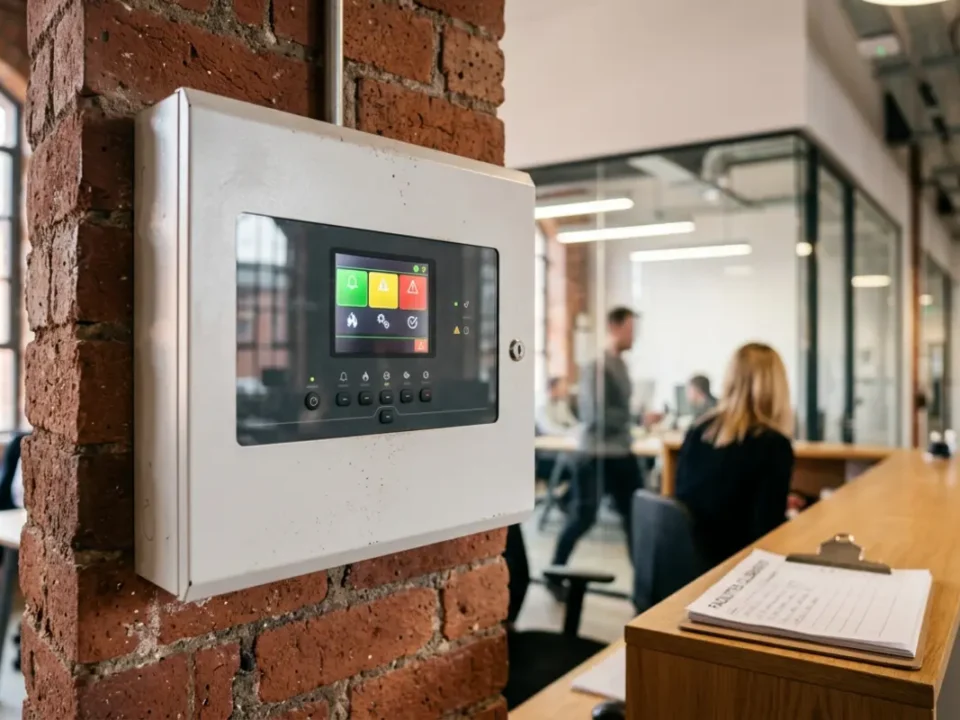
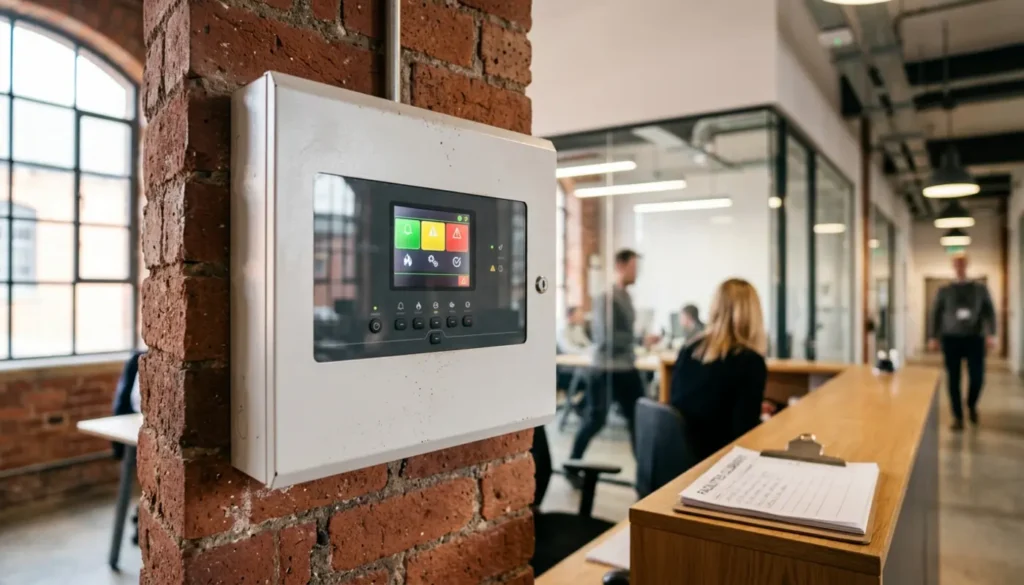
An addressable system gives every detector and call point its own unique address. The control panel shows the precise location, such as science lab heat detector or first floor corridor smoke detector. In larger secondary schools, colleges and universities, this level of detail saves time and supports better incident management.
- Clear identification of the activated device
- Faster fault diagnosis
- Easier expansion across growing campuses
- Better control of false alarms
- Detailed event logs for compliance records
- Integration with voice evacuation systems
If you manage multiple buildings, running between panels during an incident is not ideal. Networked addressable systems allow estates teams to monitor several panels from a central location, which is common across university campuses.
Networked And Voice Evacuation Systems
In large university environments, a simple bell tone may not be enough. Voice alarm systems broadcast clear spoken instructions, helping reduce confusion and support phased evacuation where required. BS 5839 1 allows for appropriate alarm devices, including voice evacuation, in high occupancy or complex buildings.
Where systems are monitored, it is important to understand the difference between fire and intruder requirements. Intruder alarms must meet EN 50131 grades and may require a Police Response URN for monitored police attendance. Fire alarms focus on life protection and safe evacuation, but competence and accreditation are just as important. Our security and fire maintenance contracts page explains how coordinated servicing keeps systems aligned and Insurance Approved.
Wireless Fire Alarms For Listed And Historic Buildings
Many independent and faith schools operate from listed or historic buildings where running new cables is difficult or restricted. In these cases, modern wireless fire alarm systems can offer a compliant solution under BS 5839 1 while preserving the character of the property.
Wireless devices communicate securely with the control panel and reduce the need for invasive installation work. They must still meet spacing and coverage rules within the standard, and battery management becomes part of the ongoing maintenance plan. For heritage sites across the North West, this approach often provides the right balance between conservation and safety.
Fire Risk Assessments And Ongoing Compliance
No alarm system is effective without a suitable and sufficient fire risk assessment. The Fire Safety Order requires this assessment to be recorded, reviewed and kept up to date. Our guide on fire risk assessments for businesses in Manchester explains how structured assessments shape alarm design and coverage.
Schools regularly change. Classrooms are reconfigured, temporary buildings are added and pupil numbers increase. Each change should trigger a review of your fire precautions.
Routine testing and maintenance are equally important. Weekly user tests and periodic inspections help maintain compliance with BS 5839. If you are unsure about responsibilities, our article on how often fire alarms should be tested explains the process in clear and practical terms.
Choosing An SSAIB And Insurance Approved Installer
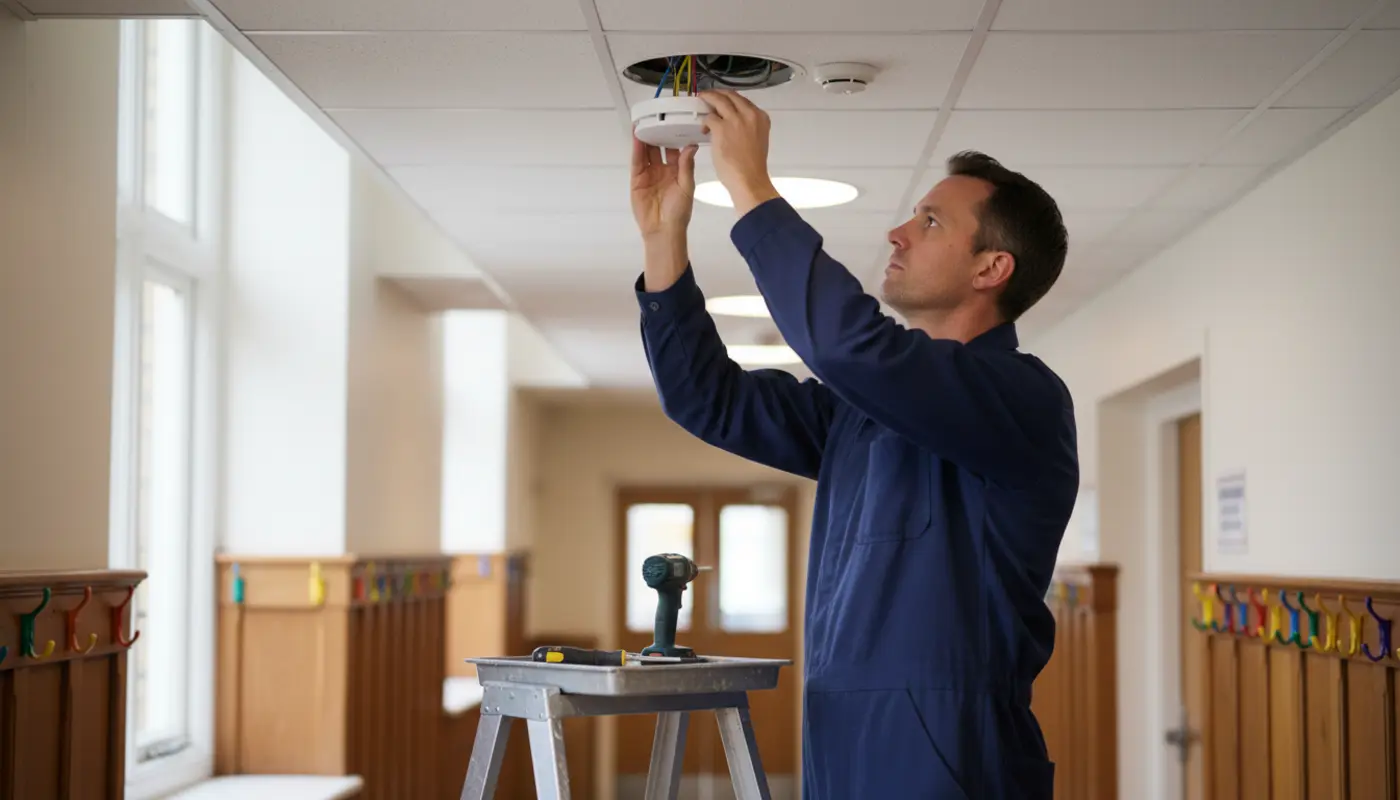
Even the most advanced system will fall short if it is poorly designed or installed. Schools and universities should choose a third party certified company such as an SSAIB certified installer. This ensures installations are Insurance Approved and independently audited.
At iSecurity Solutions, we design and install systems to BS 5839 1 and BS 5839 6, aligned with BB100 guidance and academy trust insurance requirements. As a trusted UK provider of commercial and domestic security systems, we support homes, schools and businesses with reliable, tailored solutions backed by responsive service and modern monitored technology. Whether you manage a single school or a multi building university campus, we deliver the equipment, expertise and peace of mind needed to keep what matters most safe.
Bringing It All Together
So, what are the best fire alarms for schools and universities in UK? The answer depends on your buildings, your risks and your responsibilities.
A small primary school may use a conventional L3 system designed to BS 5839 1. A larger secondary school may require an addressable L2 or L2 P2 system with monitoring for both life and property protection. A university campus may combine networked addressable panels in academic buildings with BS 5839 6 compliant systems in halls of residence.
The common thread is clear risk assessment, correct category selection and installation by an SSAIB registered, Insurance Approved provider. When these elements come together, you achieve more than compliance. You gain confidence that staff, pupils and students are protected every day.