Wireless Fire Alarms for Nursing Homes in the North West
Wireless Fire Alarms For Nursing Homes In The North West
Are wireless fire alarms suitable for nursing homes in the North West, and do they meet CQC and BS 5839 1 requirements? In short, yes. They can fully comply when they are correctly designed to BS 5839 1 Category L1, professionally installed, and supported by a suitable and sufficient fire risk assessment. If you manage or own a care home, fire safety can feel overwhelming. It is not just about compliance. It is about protecting residents who may not be able to self evacuate quickly.
Nursing homes are classed as high risk sleeping premises under UK fire safety law. This means the level of protection must be the highest life protection standard available. In most cases, that is a full L1 system rather than partial coverage.
At iSecurity Solutions, we design and install wireless fire alarm systems across the North West that are fully compliant, Insurance Approved, and ready for CQC inspection. If you are responsible for a nursing home, here is what matters in 2026 and why wireless systems are often a practical, low disruption choice.
Why Nursing Homes Are Classified As High Risk Premises
Nursing homes fall under the Regulatory Reform Fire Safety Order 2005, which places legal duties on the Responsible Person to assess and reduce fire risk. Residents in care settings often have reduced mobility, cognitive impairment, or medical dependency. This changes the evacuation strategy completely.
Government guidance for residential care premises explains that these environments require early fire detection and carefully planned evacuation procedures because many occupants cannot escape without assistance. You can review the legal framework directly via the Regulatory Reform Fire Safety Order 2005.
In practical terms, your fire alarm system must meet CQC expectations and BS 5839 standards while providing the earliest possible warning in every part of the building.
The Responsible Person And Legal Duties In Care Homes
The Responsible Person is usually the owner, registered provider, or home manager. By law, they must ensure a suitable and sufficient fire risk assessment is completed and kept up to date. That assessment identifies hazards, people at risk, and the fire precautions required, including the fire detection and alarm system.
For many North West providers, this connects closely with care home fire risk assessments, which should follow PAS 79 methodology. Without an up to date fire risk assessment, even the best alarm system will not satisfy inspectors or insurers.
The Responsible Person must also make sure there is ongoing maintenance, staff training, weekly alarm testing, and accurate logbook records. Even if tasks are delegated, the legal responsibility remains with them. Choosing competent contractors is therefore essential.
CQC Expectations And Regulation 15
The Care Quality Commission links fire safety to Regulation 15, which covers premises and equipment. In simple terms, the building must be safe, properly maintained, and suitable for residents. Fire detection and warning systems are central to that requirement.
During inspections, CQC officers may request commissioning certificates, servicing records, weekly test logs, and evidence that faults were resolved quickly. They will also check that Personal Emergency Evacuation Plans are in place for residents who need support.
Incomplete documentation or overdue servicing can quickly become a concern. Many providers strengthen compliance through structured maintenance contracts for care homes, helping ensure nothing is missed.
Why BS 5839 1 Category L1 Is Required For Nursing Homes
BS 5839 1 sets out the code of practice for fire detection and alarm systems in non domestic premises. For nursing homes, the required category is almost always L1, which is the highest level of life protection.
An L1 system provides automatic fire detection in all areas of the building, including bedrooms, corridors, communal lounges, dining rooms, offices, and roof voids where needed. The purpose is clear. Detect a fire at the earliest possible stage, wherever it begins.
L1 Vs L2 Vs L3 Explained Simply
L2 and L3 systems offer partial coverage, mainly protecting escape routes and higher risk rooms. While these categories may suit some commercial premises, they are generally not enough for sleeping risk buildings such as care homes.
In a nursing home, a fire starting in a resident bedroom must be detected immediately. It cannot rely on smoke reaching a corridor first. That is why L1 coverage is expected under Approved Document B and supported by fire authority guidance.
Sleeping Risk Premises And Early Warning
Because residents may be asleep, immobile, or dependent on staff, the alarm must activate as early as possible. An L1 system designed to BS 5839 1 ensures detectors are positioned throughout the building to achieve that goal.
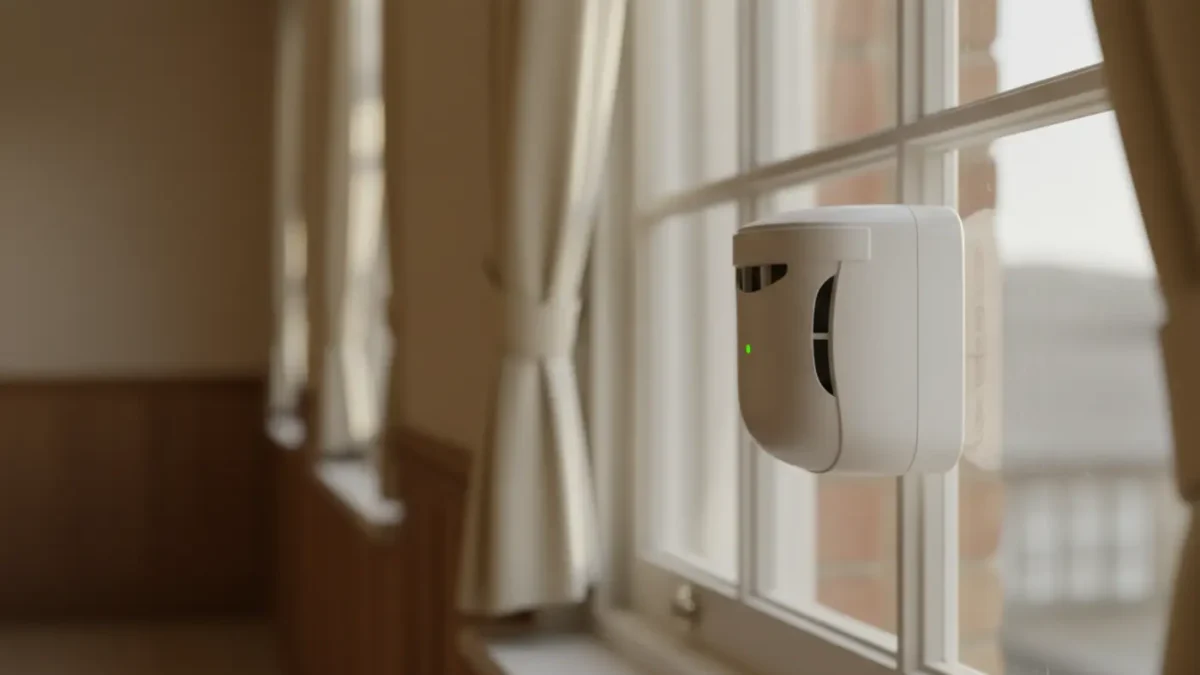
Wireless technology is often ideal in older North West properties where running new cabling would mean lifting floors or opening ceilings. Wireless devices reduce disruption, shorten installation time, and still achieve full compliance when correctly designed and installed.
Why Choose Wireless Over Wired In Care Homes
Wireless systems are not a shortcut. When properly specified, they meet the same BS 5839 1 Category L1 standards as wired systems. The difference lies in installation flexibility and reduced disruption.
For occupied nursing homes, this flexibility is valuable. Devices can be added or repositioned with minimal disturbance, which is helpful during refurbishments or extensions. It also protects decorative features in older or listed buildings.
If you want to improve compliance without turning the home into a building site, wireless can be a sensible and resident friendly option.
Detector Placement In Bedrooms, Corridors And Communal Areas
In a compliant L1 system, smoke or heat detectors are installed in every bedroom, protected corridor, lounge, dining room, plant room, and ancillary space. Protected corridors form key escape routes, so coverage here is critical.
Bedrooms usually require optical smoke detectors unless the fire risk assessment recommends heat detection. Communal areas and circulation spaces must also be covered to avoid blind spots.
Good design also considers sound levels to wake sleeping occupants and clear zoning so staff can quickly locate the source of activation. For a straightforward explanation, see our guide on how a fire alarm system works.
Common Non Compliance Issues In North West Care Homes
Many nursing homes in the North West operate from converted Victorian houses or extended buildings that have changed over time. This can lead to compliance gaps.
Systems installed years ago may have been designed to older categories and never upgraded to L1 after extensions. In some cases, detectors were removed during refurbishments and not correctly reinstated. Missing certificates, outdated logbooks, and overdue servicing are also common problems.
Wireless upgrades can address many of these issues without invasive rewiring, particularly in heritage properties. The key is ensuring the new design aligns fully with BS 5839 1 and the recommendations of the current fire risk assessment.
Maintenance, Testing And Servicing Requirements
Compliance does not end at installation. BS 5839 1 requires weekly user tests, usually by activating a different call point each week and recording the result in the logbook. Any faults must be resolved quickly.
Professional servicing is normally required at least every six months, although higher risk environments may need quarterly visits depending on the fire risk assessment. A full annual inspection and test must also be completed and recorded.
If you are unsure about the correct schedule, our article on how often fire alarms should be tested explains the requirements clearly in line with British Standards.
Why SSAIB Certified And Insurance Approved Engineers Matter
Installation and maintenance should be carried out by an SSAIB certified company so your system is Insurance Approved and independently audited for competence. Third party certification confirms that design, installation, commissioning, and servicing meet recognised industry standards.
For care homes, this independent verification provides reassurance during CQC inspections and insurance renewals. It demonstrates that a competent contractor completed the work and that documentation is accurate and traceable.
Working with an experienced local team also means faster response times if a fault occurs. In a live care setting, that reassurance is important.
Choosing A North West Fire Alarm Contractor
When selecting a contractor for a wireless L1 system, always check accreditation first. SSAIB certification with Insurance Approved status should be essential. Ask about direct experience in nursing homes, not just general commercial projects.
Response times are important, especially for fault call outs. Documentation is equally important. You should receive design certificates, commissioning certificates, zone charts, user training, and detailed servicing reports suitable for CQC review.
If your care home also uses CCTV or access control for safeguarding, coordinated system design can simplify compliance. Many providers combine fire safety with care home CCTV systems to strengthen overall resident protection.
Final Thoughts On Wireless Fire Alarms For Nursing Homes
Wireless fire alarms for nursing homes in the North West can fully meet BS 5839 1 Category L1 requirements when properly designed and supported by a robust fire risk assessment. The technology is reliable and compliant. The real difference comes from correct planning, installation, and ongoing maintenance.
As the Responsible Person, you must ensure the system is correctly specified, professionally installed, regularly maintained, and fully documented. With the right accredited support in place, this becomes manageable. Most importantly, residents benefit from the earliest possible warning system, which is exactly what high risk sleeping premises require.