Access Control for Universities in Manchester and Leeds
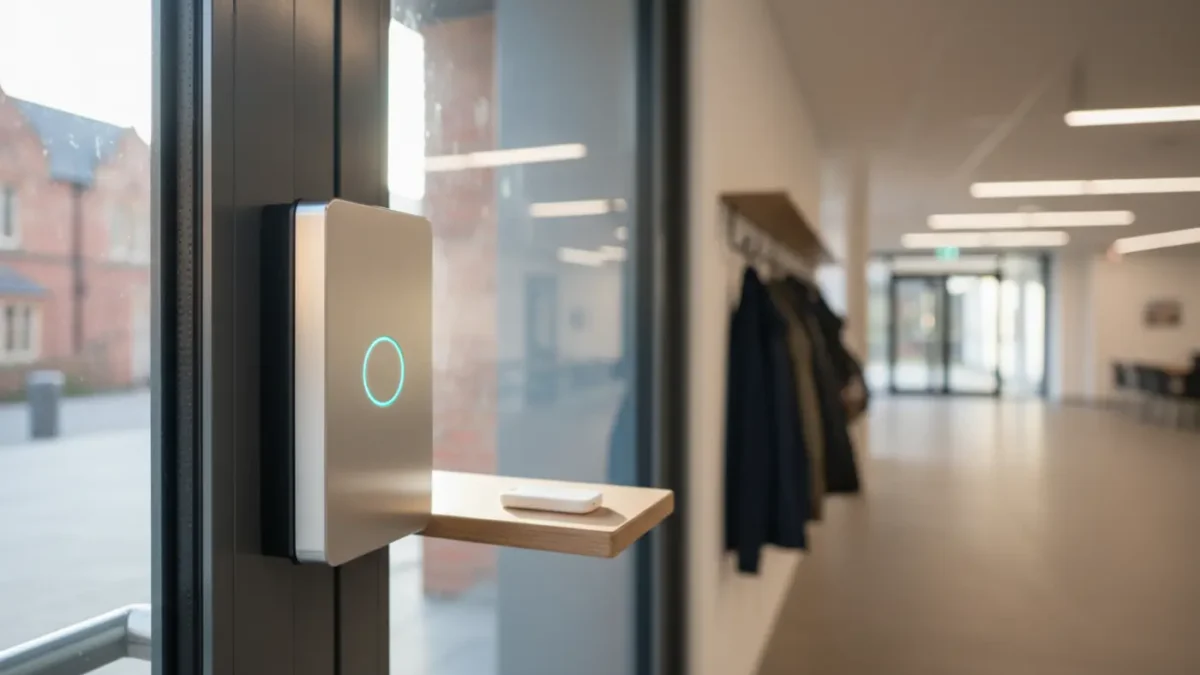
How confident are you that your university in Manchester or Leeds can stay open and welcoming while still meeting strict UK compliance standards? If you are balancing safety, budgets and student experience all at once, you are certainly not alone.
Access Control For Universities In Manchester And Leeds
Universities across Greater Manchester and West Yorkshire operate in busy city centres, sharing space with shops, offices, nightlife and transport hubs. That openness is part of their appeal, but it also creates real security challenges, from unauthorised access and theft to safeguarding concerns and counter terrorism risks.
Modern access control systems help you manage who can enter specific buildings, rooms and campuses, and at what times. When integrated with CCTV systems and intruder alarms, they form the backbone of a joined up campus security strategy that supports both compliance and day to day confidence.
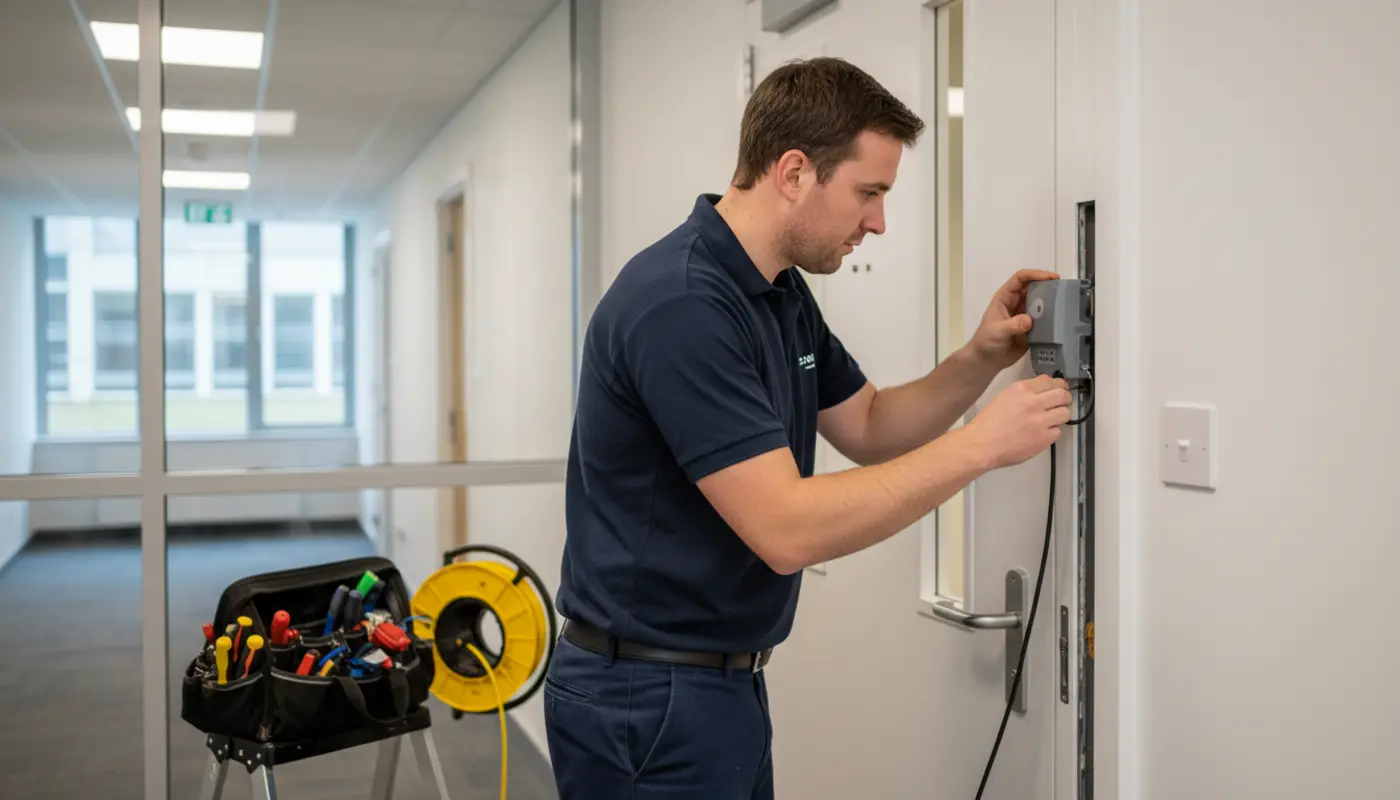
University Access Control Manchester Leeds SSAIB Multi Building Strategy
For large institutions such as the University of Manchester, Manchester Metropolitan University, the University of Leeds and Leeds Beckett, the challenge is rarely just one building. It is often multiple campuses, research facilities, libraries, sports centres and halls of residence spread across the city.
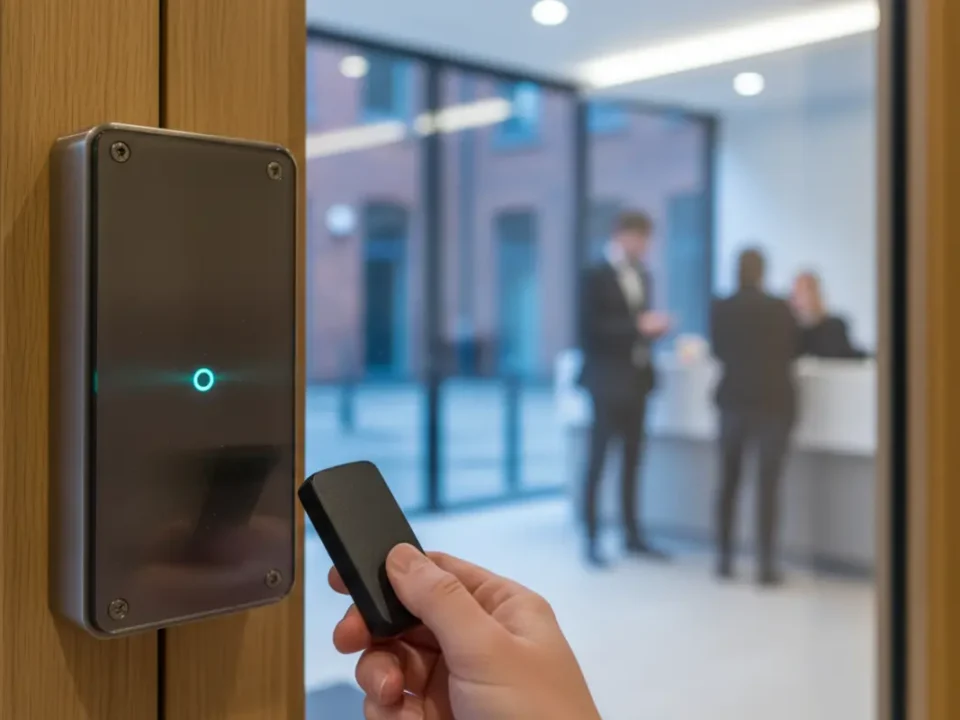
A well designed university access control Manchester Leeds SSAIB multi building approach allows one secure credential, clear role based permissions and central oversight. Are your students carrying multiple fobs, or could a single secure credential make daily life easier? Where systems integrate with intruder detection, they should comply with EN 50131, typically Grade 2 or Grade 3 depending on risk. Installation by an SSAIB certified and Insurance Approved provider supports audit requirements and eligibility for a Police Response URN where alarms are monitored.
Understanding The Compliance Landscape
Access control in higher education is not just about doors and cards. It also involves data protection, safeguarding and clear legal accountability. That can feel overwhelming, especially when audits are approaching and expectations are high.
Under UK GDPR and the Data Protection Act 2018, universities must process personal data securely using appropriate technical and organisational measures. The Information Commissioner’s Office sets out clear expectations in its guide to data security, including access restrictions, encryption and regular risk assessment. Access logs, cardholder details and visitor records all fall within this scope.
This means applying role based access to the management system itself, setting defined retention periods for door entry logs and being transparent with students and staff about how their data is used. Many institutions complete Data Protection Impact Assessments before rolling out new campus wide platforms, particularly if they are cloud hosted. Would your current permissions structure stand up to that level of scrutiny?
There is also a people element to consider. Staff who manage security control rooms or administer high level access rights should be screened in line with BS 7858. This standard covers identity checks, right to work verification, employment history and criminal record checks. In a university environment with thousands of users, that level of vetting reduces insider risk and supports strong governance.
Prevent Duty And Counter Terrorism Considerations
Universities in England and Wales must have due regard to the Prevent duty, which aims to stop people being drawn into terrorism. While this is often linked to policies and training, physical security measures play an important supporting role.
Zoning buildings so that sensitive research labs, server rooms or event spaces require enhanced credentials is a practical step. Temporary access profiles for higher risk events, combined with monitored CCTV and alarm integration, allow security teams to respond quickly. Where intruder alarms or monitored CCTV are linked to police response, SSAIB certification and Insurance Approved status are prerequisites for obtaining and maintaining a Police Response URN.
Access control also supports wider emergency planning. If you are reviewing counter terrorism obligations, it is helpful to understand how physical measures align with developing legislation, as discussed in what is Martyns Law and its implications for public venues.
Fire Safety And Door Compliance Across Campus
One common concern from estates teams is whether electronic locking could interfere with fire escape routes. When specified correctly, it should not.
The Regulatory Reform Fire Safety Order 2005 places duties on the responsible person to carry out a fire risk assessment and ensure safe means of escape. The legislation can be viewed on legislation.gov.uk. In practice, access controlled doors on escape routes must fail safe and release automatically when the fire alarm activates.
Fire alarm systems in university buildings should comply with BS 5839, often Category L1 or L2 depending on layout and sleeping risk. Emergency lighting must meet BS 5266, with monthly function tests and annual full duration tests properly recorded. Integration between the fire panel and the access control system ensures doors release immediately during alarm conditions.
In halls of residence, regular checks of fire doors are required under the Fire Safety England Regulations. Electronic hardware fitted to these doors must be compatible with recognised fire door standards such as BS EN 1634. If you are considering wider upgrades, our overview of fire alarms for schools and universities explains common system categories and testing expectations.
Student Accommodation And Safeguarding
Student accommodation in Manchester and Leeds ranges from traditional halls to modern high rise city centre buildings. Security expectations are understandably high, particularly from parents of first year students who are placing their trust in you.
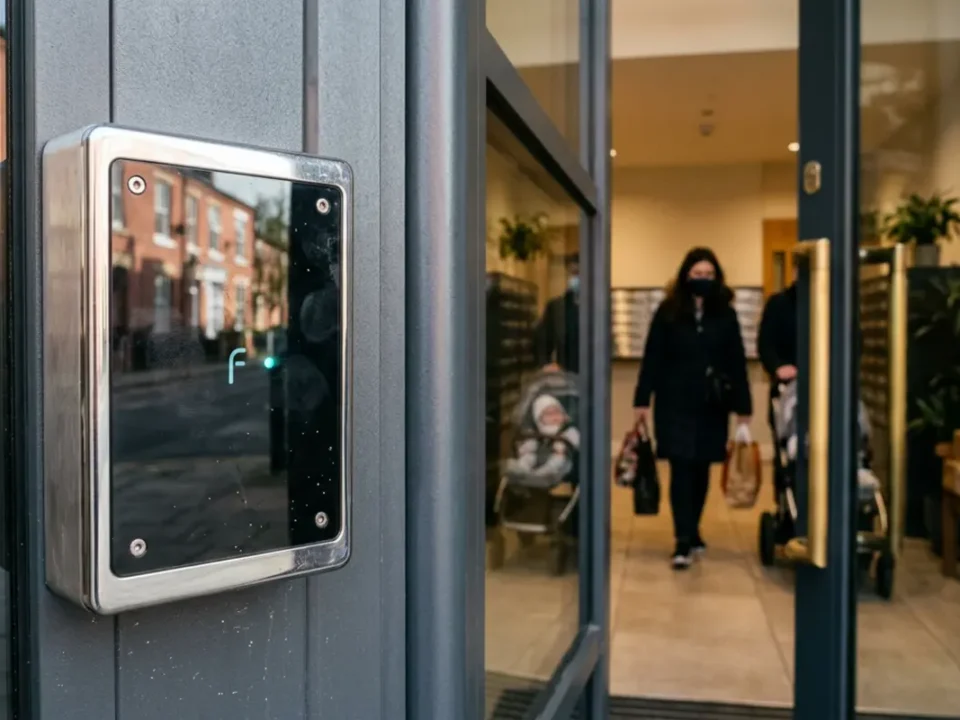
Main entrances are usually controlled by fob or card, with additional zoning for flats, plant rooms and bike stores. The objective is clear. Residents can move freely within approved areas while unauthorised visitors cannot access private spaces. Integration with CCTV provides an evidential audit trail if incidents occur, designed in line with EN 50131 grading where relevant.
Open days and outreach events introduce another layer of responsibility. Universities often host under 18 visitors from schools. Visitor management systems should record names, organisation, arrival and departure times, issue visible badges and restrict access to defined areas. Clear procedures help staff feel confident and reassure families that safeguarding is taken seriously.
Cloud Vs On Premise Access Control In A JANET Environment
Many IT directors question whether cloud based access control is suitable for a university network connected via JANET. Both cloud and on premise models can work effectively, provided risks are properly assessed.
Cloud platforms reduce the need for on site servers and can simplify management across multiple campuses. Updates are handled centrally and authorised administrators can access the system remotely. However, data residency, contract terms and integration with existing identity management systems must be carefully reviewed under UK GDPR.
On premise systems provide direct control over servers and databases, which some institutions prefer in high sensitivity research environments. They may require more internal IT resource for patching and resilience planning. There is no single right answer. The choice depends on your risk profile, governance structure and internal capability.
In both cases, network cabling and connectivity between buildings should be installed to recognised standards, with BICSI or Fluke Certified testing and clear as built drawings provided at handover.
Budgeting And Procurement Through Public Sector Frameworks
If you are planning a campus wide upgrade, you are likely balancing compliance, cost and long term resilience at the same time. Security improvements across a university estate represent a significant investment, so procurement needs to be carefully structured.
Many institutions use Crown Commercial Service frameworks or dynamic purchasing systems to streamline the process and remain compliant with public sector rules. A typical journey begins with a detailed specification. Define risk categories, compliance requirements such as BS 5839 for fire integration and EN 50131 grading for alarm interfaces, and screening standards like BS 7858 for personnel.
You can then run a mini competition under the relevant framework, assessing bids on quality, whole life cost and social value, not simply headline price. Ongoing support should also be considered, because regular maintenance, software updates and compliance inspections protect your investment. Structured security maintenance contracts help ensure systems remain Insurance Approved and continue to meet audit expectations year after year.
Bringing It All Together For Manchester And Leeds Campuses
Access control for universities in Manchester and Leeds is about balance. Campuses should feel open and inclusive, yet resilient against modern risks. That means integrating physical security with data protection, safeguarding, fire safety and counter terrorism duties rather than treating each area separately.
iSecurity Solutions is a trusted UK provider of commercial and domestic security systems, helping homes and businesses stay protected around the clock. For higher education clients, we design SSAIB certified and Insurance Approved systems tailored to complex, multi building estates. From CCTV and intruder alarms to fire safety, access control and construction site monitoring, our expert team delivers reliable, tailored solutions backed by responsive service and modern, remotely monitored technology. Whether you are securing a single faculty building or managing multiple campuses, the focus remains the same. Practical compliance, dependable protection and genuine peace of mind for students, staff and visitors.