Access Control for Pharmacies in Manchester: Ssaib Compliance
Pharmacy Access Control In Manchester
If you run a pharmacy in Manchester, you already know how tightly controlled your environment needs to be. From controlled drugs to cash handling and patient data, security is not optional. It is part of everyday life. With growing risks linked to prescription fraud and targeted theft, having the right access control in place is not just reassuring, it is essential.
Many pharmacy owners say the same thing. They want strong security, but they also want systems that are straightforward, compliant, and recognised by police and insurers because no one wants extra stress during an inspection. That is where properly designed access control, installed by an SSAIB certified and Insurance Approved company, becomes so important.
At iSecurity Solutions, a trusted UK provider of commercial and domestic security systems, we help Manchester pharmacies design tailored access control systems that integrate with CCTV and intruder alarms. Our expert team delivers reliable, remotely monitored solutions that keep you compliant while protecting what matters most.
Why Pharmacies Are High Risk Premises In Manchester
Pharmacies are classed as high risk premises because they store controlled drugs, handle sensitive personal data, and often keep cash on site. Government enforcement reports show that diversion of prescription medicines has led to serious criminal convictions across the UK. This highlights how valuable pharmaceutical stock can be to the wrong person.
The Misuse of Drugs Safe Custody Regulations 1973 requires certain controlled drugs to be stored in approved locked cabinets or safes, and that is only part of the picture. It is also about who can access them, when they can do so, and how that access is recorded. Without proper door control and audit trails, even a compliant cabinet can be undermined.
In busy areas such as Manchester city centre, footfall is high and opportunistic theft is more common. Suburban branches may experience fewer walk in incidents, but they can be more exposed after hours. Every location is different, so your access control design should reflect your actual risks rather than a generic template.
What Ssaib Means And Why It Matters
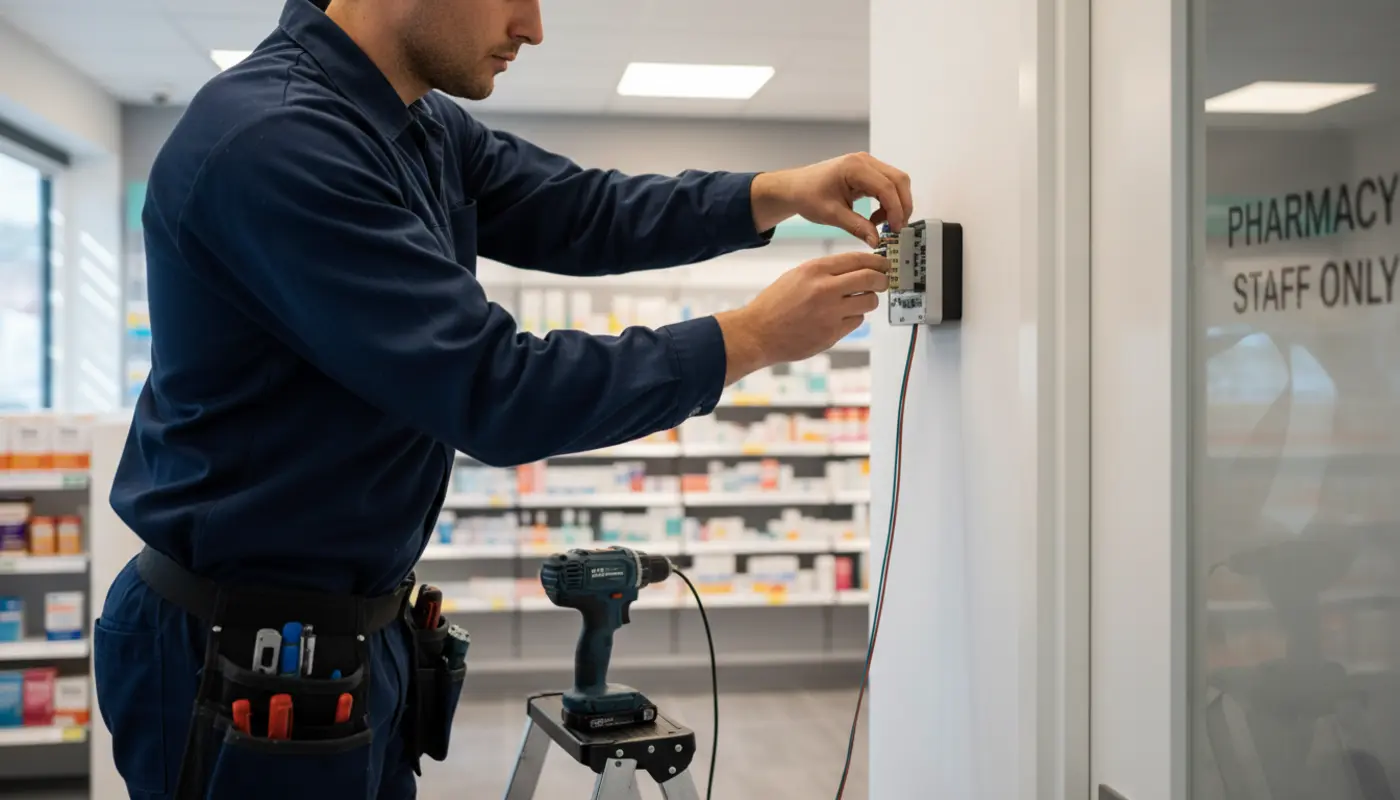
SSAIB is a UKAS accredited certification body that audits and certifies security companies against recognised standards. In simple terms, it confirms that your installer follows strict technical and management requirements and that systems are fitted and maintained correctly. Police forces and insurers across the UK recognise SSAIB certification, which gives you added reassurance.
For pharmacies, choosing an SSAIB certified and Insurance Approved installer is not just a tick box exercise. It can affect whether you qualify for a Police Response URN for monitored intruder alarms and whether your insurer accepts your security measures without dispute. Would your current system stand up to that level of scrutiny?
If you are reviewing alarms as part of a wider upgrade, you may also want to read about Grade 3 intruder alarms for pharmacies in Manchester, which explains how EN 50131 standards apply to higher risk premises.
Legal And Regulatory Drivers For Pharmacy Access Control
Pharmacy security is shaped by several overlapping requirements, including the Misuse of Drugs Act 1971, safe custody regulations, and General Pharmaceutical Council premises standards. Together, they require you to store medicines securely, protect patient confidentiality, and manage risks effectively. It can feel like a lot to manage, especially during an audit.
In practice, this means restricting access to dispensaries, consultation rooms, and controlled drug cabinets to authorised staff only, supported by clear procedures and physical safeguards that can stand up to inspection. Access control makes this manageable by creating defined staff only zones, logging entry events, and limiting who can open sensitive areas.
When integrated with business security systems, pharmacies benefit from a joined up approach that aligns with both regulatory and insurance expectations rather than a collection of disconnected devices.
Police Response Urn And Alarm Integration In Greater Manchester
If your pharmacy has a monitored intruder alarm and you expect police attendance when it activates, you will usually need a Police Response URN. In Greater Manchester, this typically requires the system to be installed and maintained by an SSAIB certified and Insurance Approved provider.
Intruder alarms should comply with EN 50131, commonly at Grade 2 or Grade 3 depending on your risk profile. Grade 3 is often appropriate where controlled drugs are stored. Without certification and correct grading, you may not qualify for police response even if you are paying for monitoring, and that can be a serious issue at the worst possible time.
Access control links directly into this setup. Staff entrance doors can connect to alarm zones so that only authorised credentials can unset specific areas. Access logs and alarm events then provide clear evidence if an investigation is required.
Key Access Control Components For Pharmacies
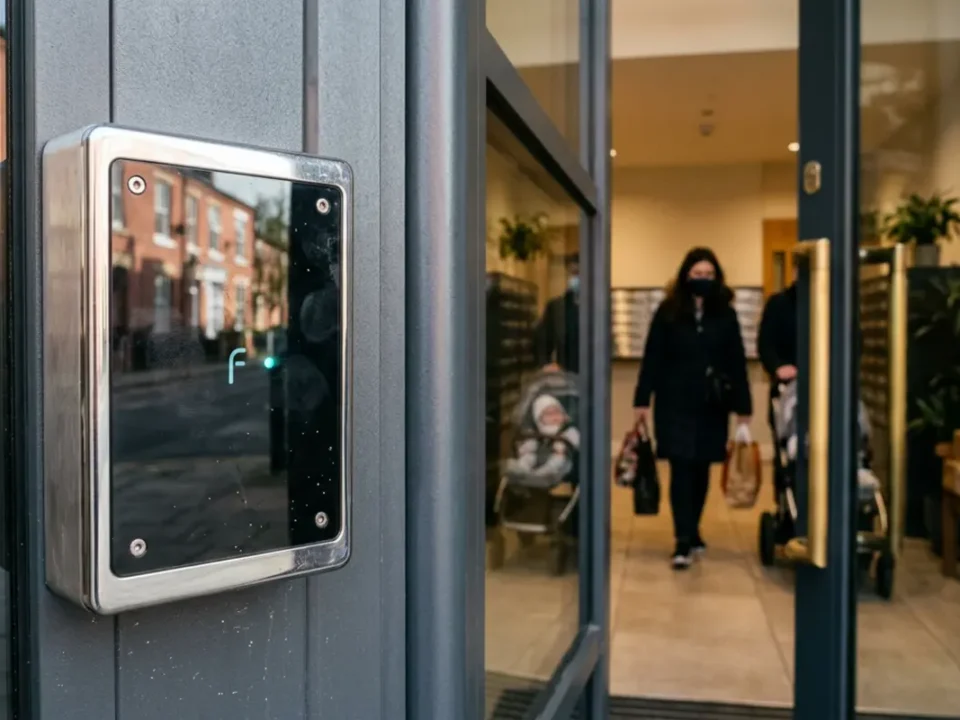
A well designed pharmacy access control system does not need to be complicated. It needs to be planned carefully so that sensitive areas are restricted while daily operations stay smooth for staff and patients.
- Door entry systems for staff entrances and rear delivery doors, reducing the risk of unauthorised access.
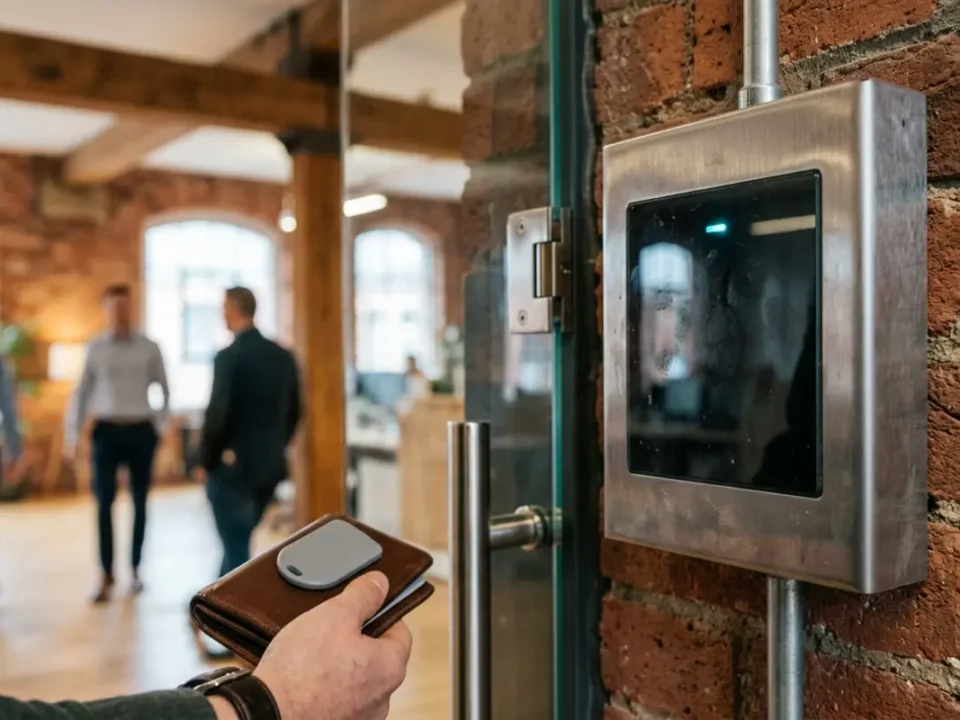
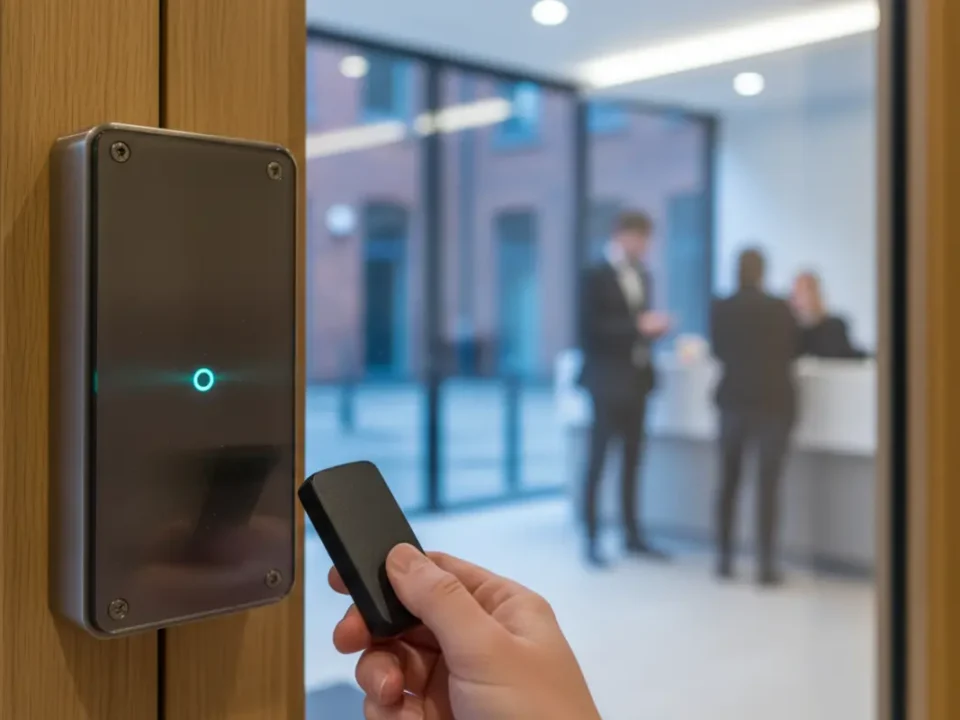
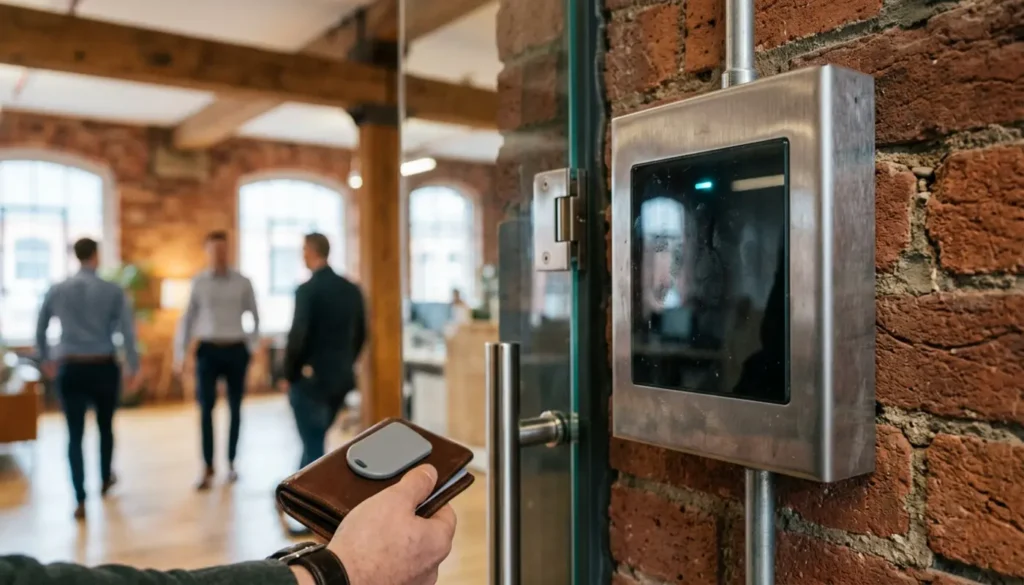
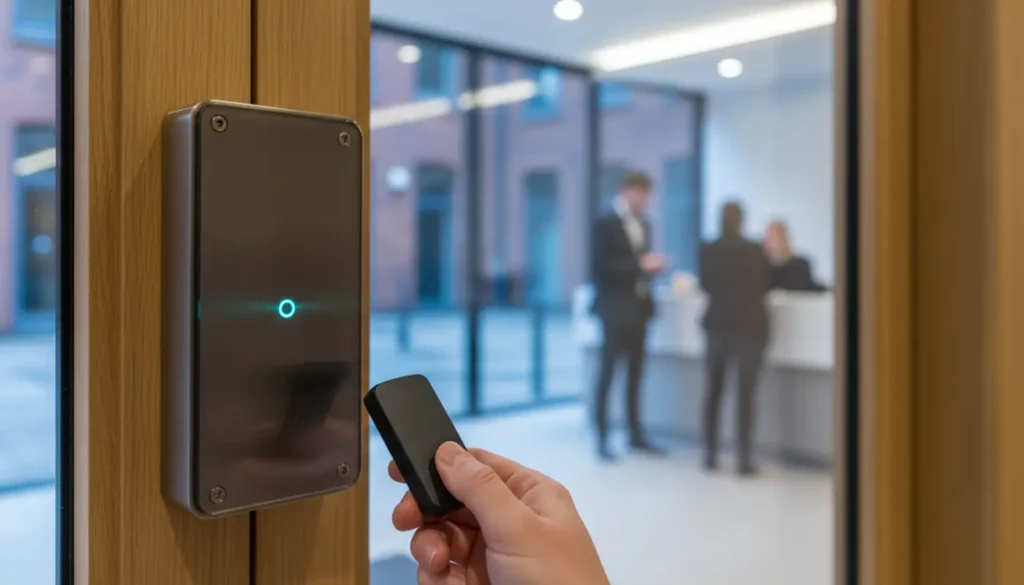
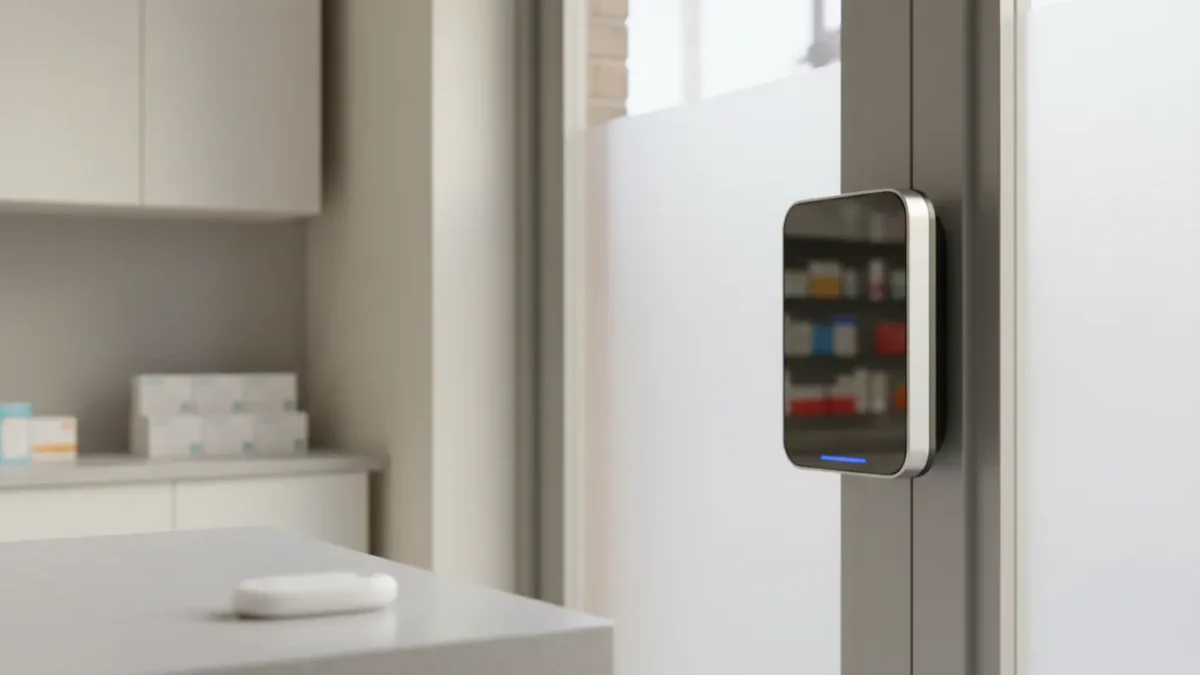
- Keypads or proximity card readers to manage dispensary and stockroom access.
- Biometric readers in higher risk locations, adding an extra layer of identity verification.
- Controlled drug room protection using electronic access with full audit trails.
- Role based permissions so pharmacists, dispensers, and counter staff have access suited to their responsibilities.
Modern systems provide clear reporting dashboards. If there is ever a discrepancy in stock, you can quickly review who accessed the room and at what time. That visibility alone is often enough to discourage internal misuse.
Insurance Implications For Manchester Pharmacies
Insurers look closely at pharmacy security because of the high value and regulated nature of the stock. Systems installed by an SSAIB certified and Insurance Approved company can support reduced premiums and help ensure claims are not rejected on technical grounds. When you are already dealing with an incident, the last thing you need is an argument about compliance.
Many insurers also expect monitored alarms linked to an accredited alarm receiving centre. Accreditation plays a key role in eligibility for police response and insurer acceptance, so choosing the cheapest option without certification can cost far more in the long run.
When access control, pharmacy CCTV systems, and EN 50131 compliant alarms are combined under one coordinated design, insurers see a structured risk management approach rather than a patchwork solution.
Manchester Specific Considerations And Local Risk
Manchester city centre pharmacies often deal with extended opening hours, higher footfall, and increased exposure to opportunistic crime. Access control in these settings should prioritise secure staff entrances, time restricted credentials, and integration with monitored alarms for out of hours protection.
Suburban branches may focus more on after hours security and delivery management. In both cases, aligning systems with Greater Manchester Police requirements for Police Response URN eligibility ensures that if a serious incident occurs, response protocols are already in place. Do you know whether your current setup meets those expectations?
Participation in local business crime reduction partnerships and BID schemes can complement physical security, but they work best when supported by strong access control and surveillance.
Choosing An Ssaib Registered Installer In Greater Manchester
Selecting the right installer is just as important as selecting the hardware. Look for a company that is SSAIB certified and Insurance Approved, experienced in pharmacy environments, and familiar with EN 50131 grading and Police Response URN processes.
Ask clear questions about grading, integration, and documentation. What grade alarm is recommended and why? How will access control integrate with CCTV? What reporting features are included? Will you receive full certification for insurance and audit purposes?
It is also wise to review ongoing support. A solid security maintenance contract helps ensure systems remain compliant, software stays updated, and faults are resolved quickly before they become bigger issues.
Maintenance Audits And Ongoing Compliance
Security compliance is not a one time task. It is ongoing. SSAIB certification requires continued adherence to standards, and insurers expect regular servicing of alarms and access systems. Routine inspections confirm that readers, locks, and control panels are functioning correctly and that user permissions reflect current staff roles.
Pharmacies should also carry out internal reviews. Remove access rights promptly when staff leave, check audit logs periodically, and ensure controlled drug storage remains compliant with safe custody regulations. These consistent actions build a culture where security is part of everyday practice rather than a last minute scramble before inspection.
Final Thoughts On Pharmacy Access Control In Manchester
Pharmacy access control in Manchester is about far more than locked doors. It involves meeting legal duties, protecting your team, satisfying insurers, and maintaining trust with patients and regulators.
With an SSAIB certified and Insurance Approved system, EN 50131 compliant alarms, and properly integrated CCTV, you can create a balanced and practical security strategy that supports Police Response URN eligibility where required. The goal is to keep medicines secure, keep staff safe, and keep your business confidently compliant in 2026 and beyond.