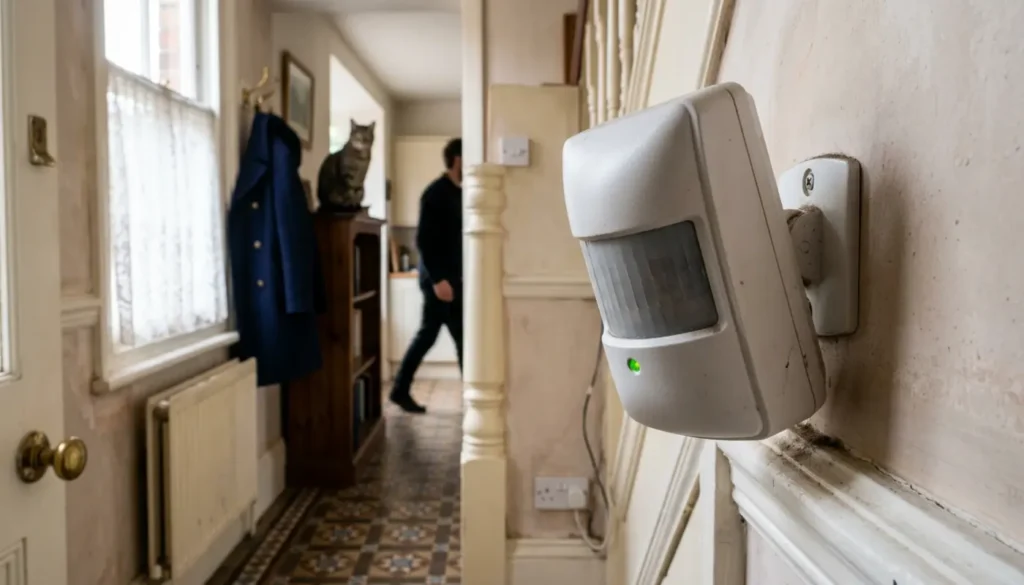
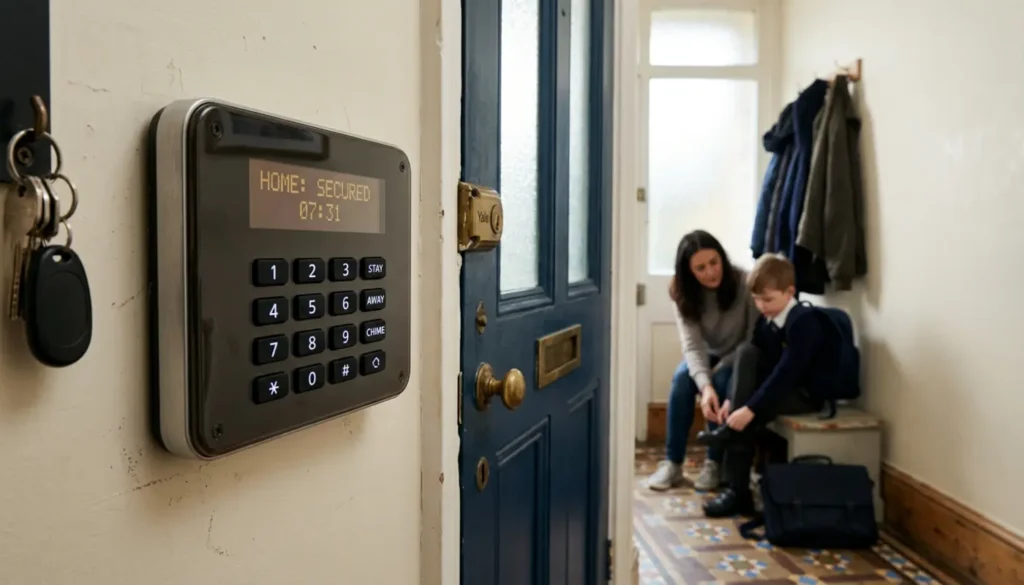
What Happens When a Wireless Alarm Loses Signal
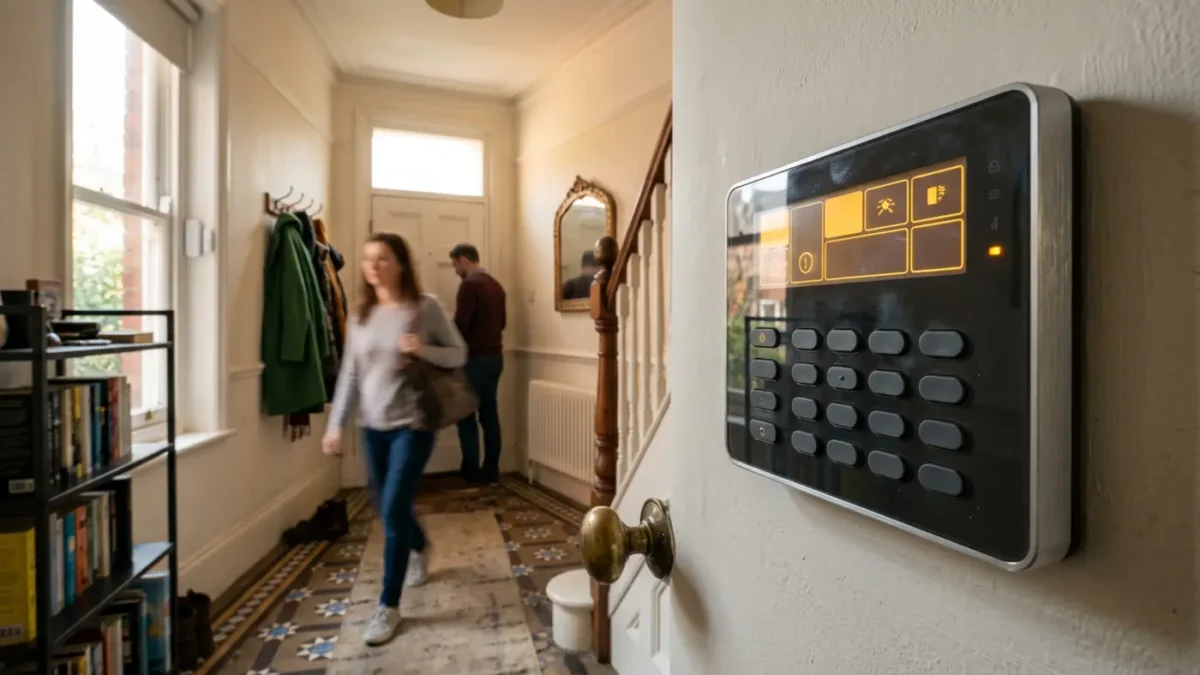
Wireless Alarm Signal Loss
When a wireless alarm loses signal, the control panel usually detects that a sensor, keypad, siren or communication path has stopped checking in. It then shows a fault warning, records the issue in the event log and may beep until the warning is acknowledged. The rest of the alarm may still work, but the affected device or communication route may not report an intrusion properly until the signal is restored.
In simple terms, signal loss does not always mean the whole system has failed, and it does not always mean someone has interfered with it. It does mean the system needs attention, because one offline door contact or movement detector can leave a gap in protection, much like locking every window except the one hidden behind the sofa.
iSecurity Solutions is a trusted UK provider of commercial and domestic security systems, helping homes and businesses stay protected around the clock. From CCTV and intruder alarms to fire safety, access control and construction site monitoring, the team designs reliable, tailored systems backed by responsive service and modern, remotely monitored technology.
How Wireless Intruder Alarms Work
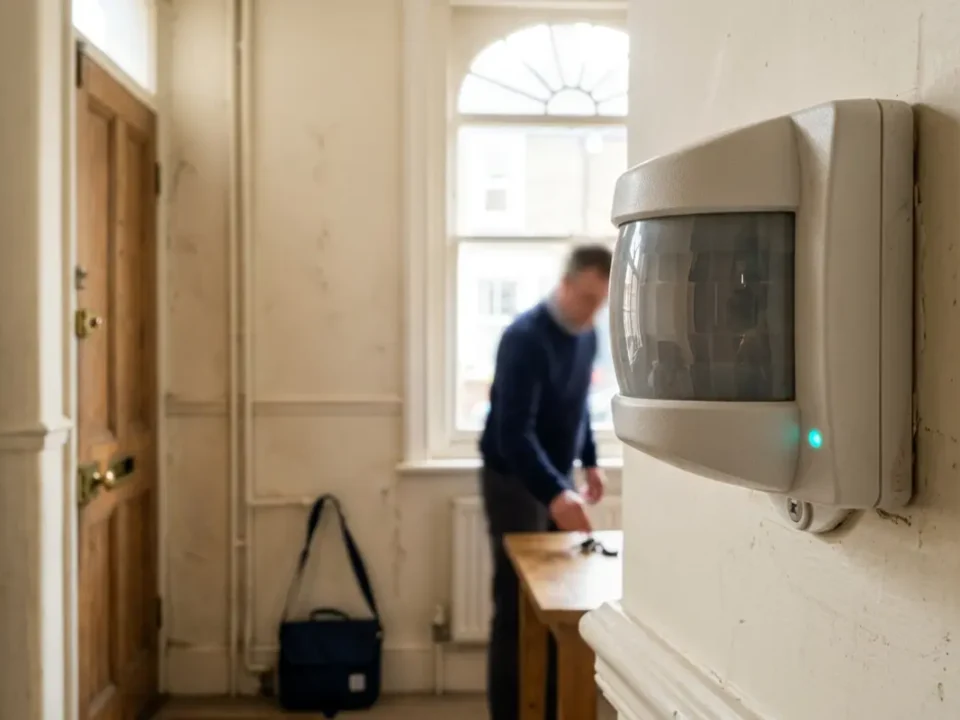
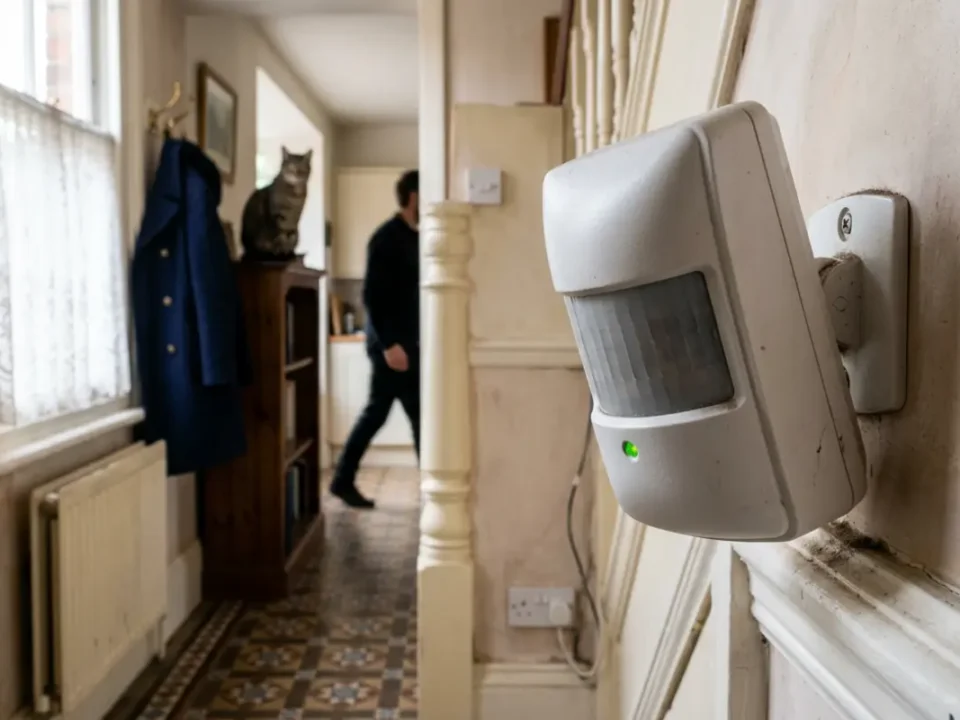
A wireless intruder alarm works by sending radio signals between the control panel and the devices fitted around the property. The control panel acts as the brain of the system, receiving signals from detectors, checking whether devices are present, controlling sirens, recording events and deciding what should happen when the alarm is armed or disarmed.
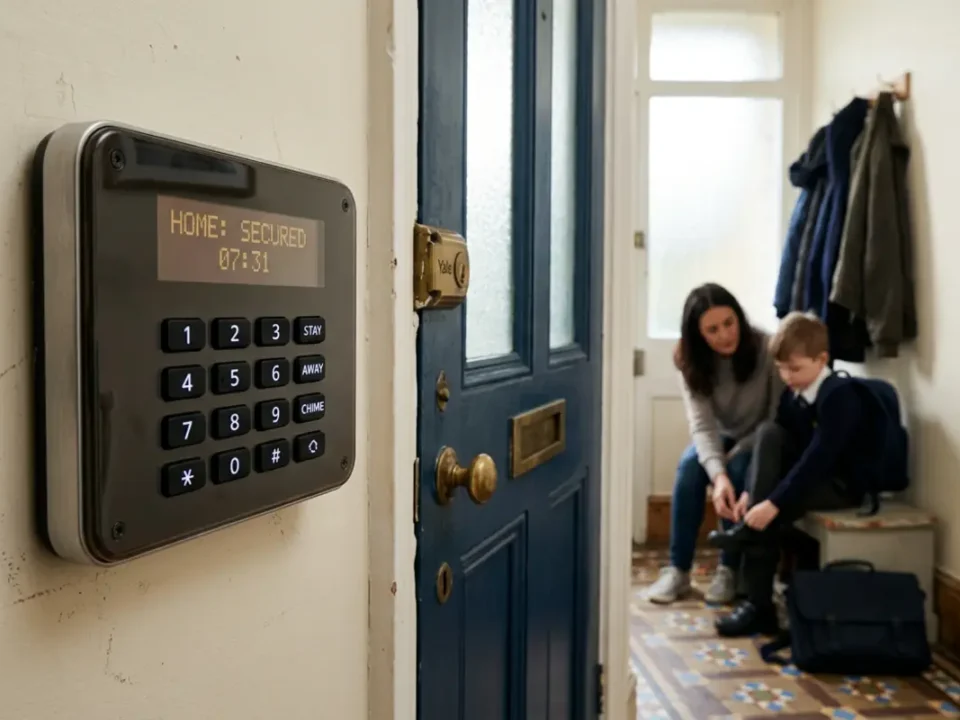
The devices around the building usually include door contacts, window contacts, movement detectors, keypads, key fobs and sometimes wireless internal or external sounders. Many systems also connect to an app, broadband router, mobile network communicator or alarm receiving centre, often called an ARC, so alerts can be sent beyond the property.
For professionally installed systems, the design should follow EN 50131 and PD 6662, with Grade 2 commonly used for many homes and lower risk commercial premises, while Grade 3 is usually considered for higher risk homes and many commercial sites. If you are comparing options, our wireless intruder alarms service explains how modern systems can be tailored to different building types and risk levels.
What Signal Lost Actually Means
A signal lost message means the panel has not received the expected check in messages from a wireless device. These checks are often called supervision, which simply means the panel and each device confirm they are still in contact at regular times.
There are different types of signal problems, so it helps to separate them clearly. A sensor to panel fault means a detector has stopped talking to the control panel, while a panel to ARC fault means the panel may still detect locally but cannot report events to the monitoring centre.
A Wi Fi or broadband outage is different again, because many alarm sensors do not use ordinary Wi Fi to talk to the panel. Local detection may continue, while app alerts or cloud features may stop, slow down or switch to a mobile backup path if the system has one.
Common Causes Of Wireless Alarm Signal Loss
Wireless alarm signal loss is often caused by weak batteries, thick walls, metal objects, building changes or interference in the local radio environment. UK buildings can be surprisingly difficult for radio signals, especially older homes with thick brick, stone walls, chimney breasts, extensions and steel framed commercial units.
Common causes include foil backed insulation, reinforced concrete, metal shelving, steel beams, roller shutters, large mirrors, metal cabinets and heavy appliances. Even moving a bookcase, adding a fridge freezer or fitting new wardrobes can change the route a wireless signal takes through the building. If you have recently moved furniture, added insulation or changed your broadband setup, that small change may have made a bigger difference than expected.
Low batteries are another major cause, because a weak device may start dropping in and out before it fully reports a low battery warning. If batteries are due for replacement, our article on how long wireless alarm batteries last gives a useful explanation of typical lifespans and why planned replacement matters.
Radio interference can also play a part, although Wi Fi congestion is not always the cause. Many UK wireless alarm devices use sub gigahertz radio, often around the 868 MHz range, while ordinary Wi Fi commonly uses 2.4 GHz or 5 GHz, so they are not the same type of signal.
UK Alarm Frequencies And Ofcom Rules
Many wireless intruder alarms in the UK use designated short range radio bands within the wider 868 to 870 MHz range. The exact channel, duty cycle and behaviour depend on the manufacturer, the product design and the legal technical conditions that apply to licence exempt radio equipment.
Ofcom is the UK regulator for radio spectrum, and its information on short range devices explains how equipment such as alarms, monitoring devices and other low power radio products must operate within permitted rules. This matters because a compliant alarm should be designed to work legally in its intended band, rather than simply trying to overpower other signals.
Signal loss can still happen within a legal radio environment, because buildings absorb, reflect and weaken radio energy. In practical terms, a good installer should test the signal in the actual property rather than relying only on the open field range printed on the box.
What The Alarm Panel Does Next
When the panel misses enough check ins from a wireless device, it may display a loss of supervision fault, communication fault, RF fault or sensor offline message. It may also beep, send an app notification, log the event or transmit a fault signal to an ARC if monitoring is active and the communication path is still working.
A tamper warning is slightly different, because it usually means a cover has been opened, a device has been disturbed or a protected enclosure has been interfered with. Signal loss and tamper can appear together, but they are not the same fault and should not be treated as identical.
If the system is armed, an offline detector may not report an intrusion from that protected area, although other online zones may continue to work. Some systems may refuse to set until the fault is cleared or acknowledged, while others may allow setting with a warning depending on programming, grade and installer configuration.
Does The Alarm Still Protect The Property?
The alarm may still protect parts of the property when one device loses signal, but the affected area should be treated as unreliable until the fault is fixed. If one window contact is offline, the hallway movement detector, front door contact and siren may still operate, but that window may not report correctly.
If several sensors lose signal together, the issue may be bigger than a single battery or device position. It could point to panel placement, interference, a power problem, a failed receiver, recent building changes or an area of the property that needs a correctly positioned signal repeater.
If the panel loses its route to the ARC, the local siren may still sound but remote reporting can be affected. That distinction matters, because a loud siren in the street is not the same as a confirmed monitored alarm event being handled under an agreed response process.
Compliance, Grades And Police Response
Compliance matters because a wireless alarm should protect the property in the way it was designed, graded and documented to do. In the UK, professionally installed intruder alarms are commonly designed around EN 50131 and PD 6662, which help define how systems should be graded, installed, signalled, maintained and recorded.
Grade 2 systems are usually suitable for typical low to medium risk homes and lower risk commercial properties, while Grade 3 systems are more suitable where the risk is higher and greater resilience is expected. A signal fault can affect whether the system is operating as designed, so repeated faults should be investigated rather than silenced and forgotten.
For police response, a monitored alarm normally needs a valid Police Response URN, which stands for Unique Reference Number. A Police Response URN does not guarantee attendance in every situation, because the ARC must follow NPCC procedures, false alarm rules, confirmation requirements and the system must remain eligible for response.
If an alarm has a communication fault, the ARC can only act on information it receives. A sensor fault may be reported if the panel is still connected to the monitoring path, but if the panel itself cannot communicate, the ARC may receive a separate signalling failure or no event at all, depending on the signalling setup.
Insurance And Monitoring Implications
A wireless alarm signal fault can affect insurance if your policy requires a working, maintained or monitored alarm. Insurance policies vary, so a fault does not automatically mean a claim will be refused, but it can become a problem if a known issue is ignored and the property is later left unprotected.
If the policy specifies an approved installer, a particular grade, ARC monitoring or a Police Response URN, keep records of service visits, repair work, battery changes and monitoring agreements. These records are not exciting, but they are far more useful than trying to explain a six month old fault after a break in.
Alarm receiving centres play an important role in monitored systems because they receive alarm, fault, tamper and signalling events where supported. For higher risk properties, a two path signalling arrangement, such as broadband plus mobile network backup, can reduce the chance that one outage leaves remote reporting unavailable. Where insurance or police response is required, monitored systems should use an approved monitoring route that matches the system design and policy conditions.
Safe Troubleshooting Steps
The safest first step is to read the exact fault message on the keypad or app, then write down the device name, zone, date and time. A quick photo of the message is useful, especially if the fault disappears before an engineer visits.
Next, check whether the panel has mains power and whether there has been a recent power cut. Do not open the control panel, remove covers or disturb wiring unless the manufacturer specifically allows it and you know exactly what you are doing.
Check the visible battery status in the app or on the keypad, then replace only user replaceable batteries with the correct type if the instructions permit it. Using the wrong battery can create more faults, and nobody wants to turn a simple low battery into a small electrical drama.
Look around the affected device and ask what has changed recently. New shelving, mirrors, metal furniture, building work, insulation, shutters or even a moved sensor can weaken a signal that was previously stable. If anything has changed near the panel or sensor since the fault first appeared, it is worth noting before you call for help.
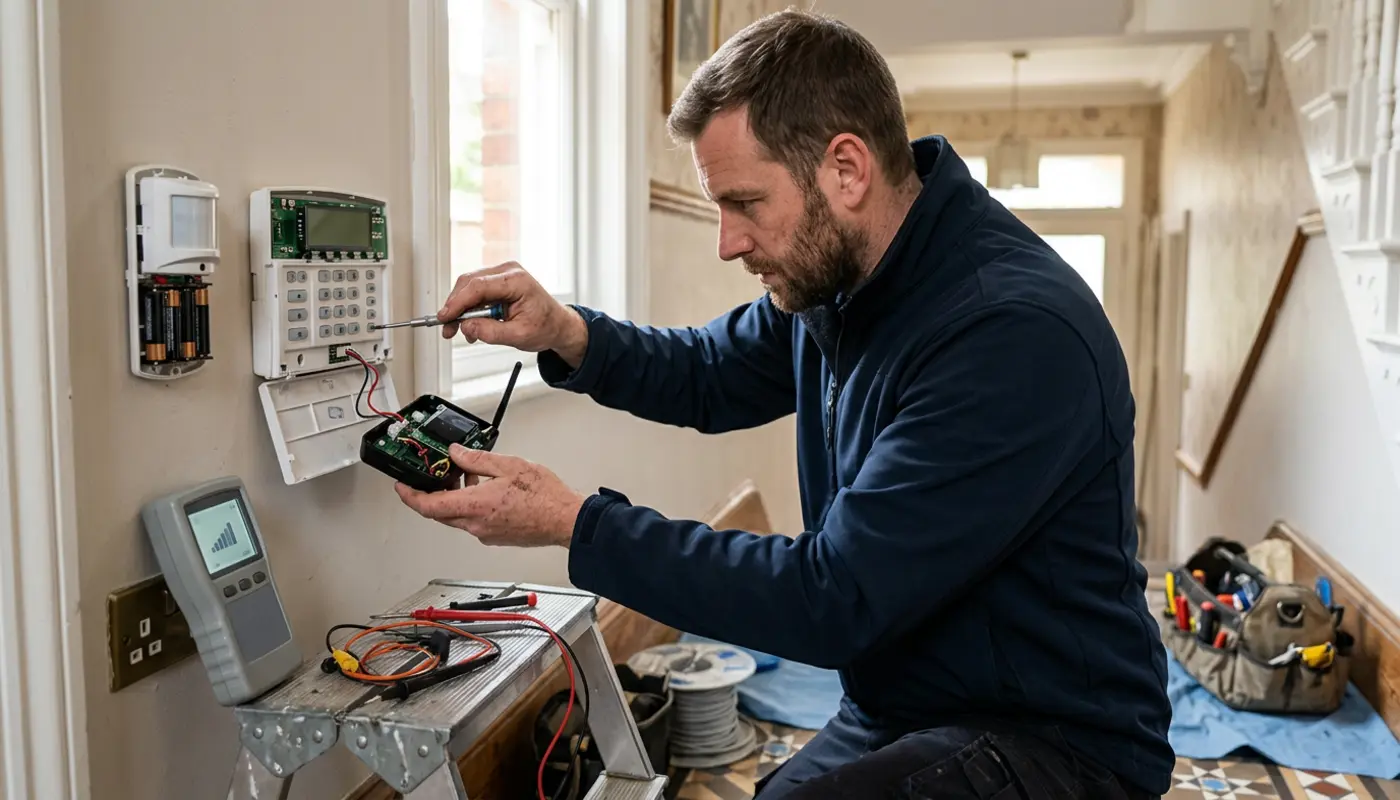
If the system has a documented signal strength test or walk test, run it carefully while following the user instructions. If several devices are affected, the issue may sit with the panel, radio environment, power supply or wider installation design rather than one sensor.
For monitored alarms, contact the ARC or your maintenance provider and ask whether they have received a fault or signalling loss event. Persistent faults, tamper warnings, repeated communication failures, insurance linked alarms and graded systems should be checked by an NSI or SSAIB Insurance Approved installer, because certification, system records and Police Response URN eligibility all matter.
How To Prevent Future Signal Loss
The best way to prevent future signal loss is to design, test and maintain the alarm around the real building, not just the product range stated on a box. A proper radio survey should check actual rooms, walls, floors, outbuildings and likely device positions before the system is finalised.
Panel position matters, because hiding it near dense walls, metal cabinets or the edge of the building can make wireless performance worse. Repeaters can help, but they should be placed using test results, not guesswork, because a repeater also needs a stable signal to be useful.
Battery maintenance is just as important as the technology itself. Follow the manufacturer's replacement schedule, keep a simple battery log and replace weak batteries before they become repeated faults that slowly train everyone in the building to ignore the keypad.
Regular servicing keeps the system honest, especially after refurbishments, extensions, new insulation, shop fit outs or layout changes. For businesses, landlords and higher risk homes, servicing also supports compliance with EN 50131, PD 6662, insurer conditions and monitored alarm requirements.
Final Thoughts
A wireless alarm losing signal is not something to panic about, but it is something to take seriously. The key is to identify whether the fault is a single sensor, a wider radio problem, an internet issue or a monitoring communication failure.
A reliable alarm should be designed for the building it protects, maintained regularly and checked properly when faults appear. If your system is linked to insurance, monitoring or police response, professional testing is the safest route, because a quiet fault can become a very loud problem at exactly the wrong moment.
Frequently Asked Questions
Will A Wireless Alarm Sound If A Sensor Loses Signal?
It may still sound if other working sensors detect an intrusion, but the offline sensor may not report activity from its own area. Treat the affected zone as unreliable until the signal fault is fixed.
Does A Wi Fi Outage Disable A Wireless Alarm?
Not usually, because many wireless alarm sensors use dedicated radio rather than ordinary Wi Fi. Local protection may continue, but app alerts or ARC reporting can be affected depending on the signalling setup.
Can Thick Walls Block An 868 MHz Alarm Signal?
Yes, thick brick, stone, concrete, foil backed insulation and metal structures can weaken or reflect alarm radio signals. A professional on site signal test is the best way to confirm the cause.
Will A Signal Fault Affect Police Response?
It can affect response if the fault stops confirmed alarm information reaching the ARC or if the system no longer meets the required conditions. Police Response URN eligibility normally depends on correct monitoring, maintenance and an NSI or SSAIB Insurance Approved installation.
When Should I Call An Installer?
Call an approved installer if the fault keeps returning, several devices are offline, a tamper warning appears, or the alarm is linked to insurance, monitoring or police response. Where your policy requires it, your alarm should be installed, maintained and documented by an approved provider.