CCTV for Mosques in Manchester: Community Safety
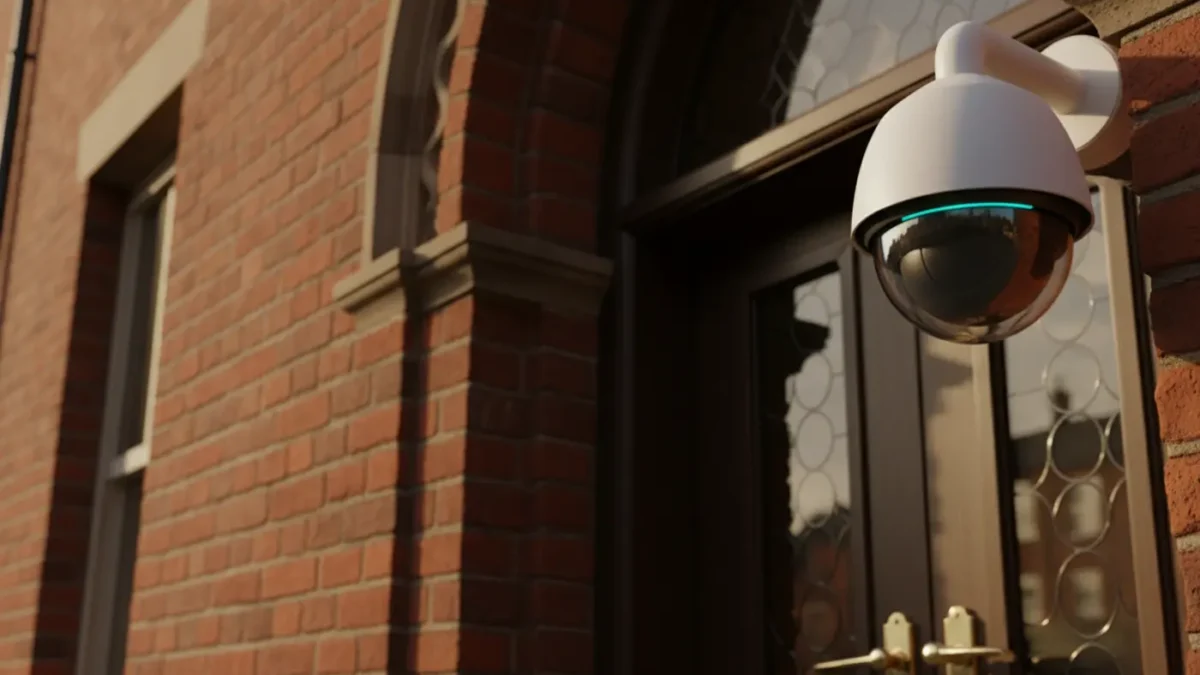
If you are part of a mosque committee in Manchester, wanting better security without making the building feel unwelcoming is a very reasonable concern. A well planned CCTV system can help deter abuse, support evidence after an incident, protect entrances and car parks, and give trustees more peace of mind. It should also respect worshippers' privacy, follow UK data protection rules, and be installed to the right standard.
Across Manchester, many mosque committees are looking more closely at security because community spaces need to feel welcoming without feeling exposed. With ongoing concerns around hate crime and targeted intimidation, that is not overreacting. It is a sensible response to what many faith communities are facing. A thoughtful CCTV design is not about making a place of worship feel harsh. It is about adding a calm and practical layer of protection for the people who use it every day.
For mosques that want clear advice and properly fitted systems, iSecurity Solutions is a trusted UK provider of commercial and domestic security systems, helping homes and businesses stay protected around the clock. From CCTV and intruder alarms to fire safety, access control and construction site monitoring, the team designs reliable, tailored solutions backed by responsive service and modern, remotely monitored technology. Whether you are securing a single property or managing multiple sites, the aim is to deliver the equipment, expertise and peace of mind needed to keep what matters most safe.
CCTV For Mosques In Manchester
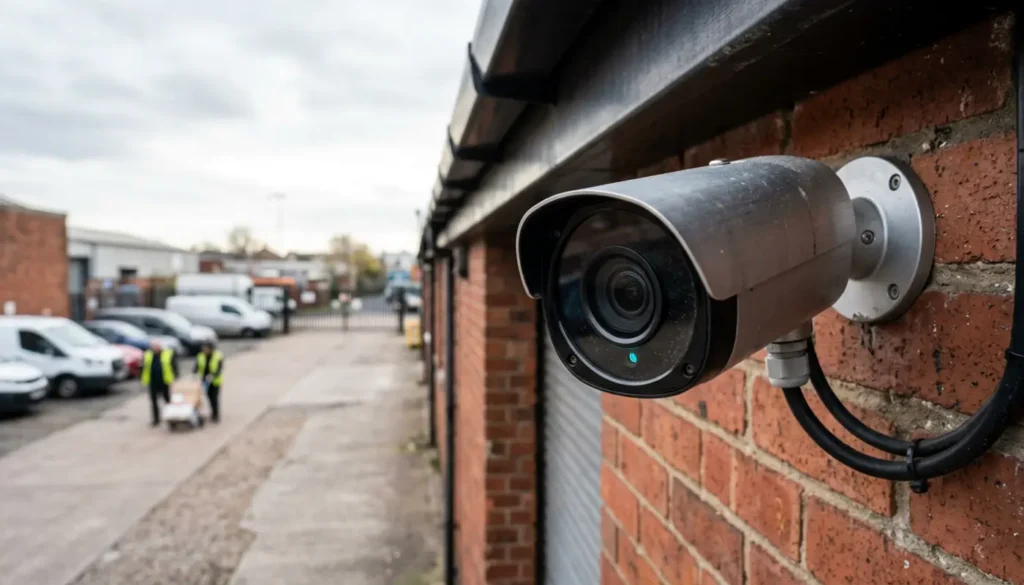
CCTV for mosques in Manchester gives committees a practical way to improve community safety, deter hostile behaviour, and support investigations if an incident happens. A properly specified CCTV system can cover approach routes, key doors, vehicle areas, and perimeter lines without becoming intrusive in sensitive worship spaces.
There is also a wider planning benefit. When trustees view CCTV as part of a full security picture, it becomes easier to make better decisions about lighting, access points, volunteer procedures, and out of hours protection. If you are comparing camera types and recording methods, it helps to understand the difference between IP cameras and CCTV before choosing a layout.
Community Safety For Mosques
Community safety in a mosque needs a balanced approach because the aim is to protect people without changing the welcoming feel of the site. Many places of worship across the UK have reviewed security because of concerns around hate crime, vandalism, and targeted intimidation. For a mosque, even one incident at a gate, car park, or side entrance can affect how safe people feel when attending prayers, classes, and community events.
You are not only protecting a building. You are protecting a space people rely on for prayer, community, learning, and peace of mind. That includes children arriving for classes, volunteers locking up after evening activities, and older worshippers who simply want to feel comfortable coming through the gate.
At the same time, nobody wants a sacred space to feel cold or overly watched. That is why the best systems are designed around what is proportionate. Cameras should cover vulnerable points, not simply record everything. If trustees want a simple explanation of positioning limits, camera placement guidance is a useful place to start.
What Funding Can Cover For Mosque Security
One of the biggest concerns for mosque committees is cost, especially when funding depends on donations and careful budgeting. The good news is that the Home Office has continued support for vulnerable faith sites through the Places of Worship Protective Security Scheme, which can cover measures such as CCTV, alarms, secure doors, fencing, and related improvements where eligibility applies.
In practice, that means CCTV does not need to stand alone. A funded security plan may include recording cameras at entrances, better perimeter control, improved lighting, and stronger out of hours detection. That joined up thinking is especially useful for mosques with education rooms, event halls, donation areas, or separate buildings on one site.
Working With Police And Security Advisers
Where there is a credible risk, trustees may also be guided by Greater Manchester Police and counter terrorism security advisers when thinking about camera positions and vulnerable access routes. Their involvement often helps shape a design based on real risks rather than guesswork, which can save money and avoid poor coverage.
It also helps you stay ready if footage is needed as evidence. If an Islamophobic incident takes place, clear footage, accurate timestamps, and preserved recordings are far more useful than a blurry image from a badly aimed camera. Committees looking at wider venue preparedness may also find value in Martyn's Law guidance as public protection expectations continue to evolve.
Where CCTV Should Be Placed In A Mosque
The best CCTV planning for a mosque in Manchester starts with the vulnerable points on site, not with the number of cameras. Entrances and exits should usually be the top priority because they help show who arrives, who leaves, and whether somebody is loitering or acting suspiciously near the main doors.
Car parks and approach routes are also important, especially where there are evening prayers, family attendance, and limited volunteer supervision. Cameras in these areas can help with vehicle related incidents, anti social behaviour, and disputes after damage or abuse.
Entrances, Gates, And Reception Points
Main doors, side doors, and secondary gates should normally be covered with enough detail to identify faces and confirm direction of travel. If your mosque has a lobby or managed entry point, CCTV works particularly well when paired with access control so trustees can review visitors, deliveries, and out of hours entry.
Car Parks, Walkways, And Perimeter Boundaries
Perimeter boundaries, rear lanes, bin stores, and side passages are often overlooked, but they are exactly the places where trespass, vandalism, and attempted intrusion can begin. Depending on the site, some mosques may also benefit from perimeter detection to support early warning before someone reaches the building itself.
If the site is large or vulnerable at the edges, ideas from perimeter detection systems can be adapted for faith premises, especially where boundary monitoring needs to be more proactive than standard recording alone.
Areas To Avoid Or Limit
Prayer spaces, wudu areas, counselling rooms, and other sensitive internal spaces should be treated with great care. In many cases, the best option is to avoid direct coverage altogether or use limited angles that protect doors and circulation routes rather than recording worship itself. Security should support dignity, not undermine it.
Balancing Security With Privacy And Dignity
For mosques, privacy is not only a compliance issue. It is also a matter of community trust. Congregants should know why CCTV is in place, what it covers, how long footage is kept, and who can access it. Clear signage and calm communication help people understand that cameras are there to protect, not to intrude.
The Information Commissioner's Office expects organisations using CCTV to have a lawful reason, a clear purpose, and a proportionate setup. That means trustees should be able to explain why each camera is needed, especially if it captures public footpaths, neighbouring boundaries, or anyone entering for worship.
UK GDPR Duties For Mosque CCTV
UK GDPR and the Data Protection Act apply when mosque CCTV records identifiable people. In simple terms, your committee should define the purpose, limit unnecessary recording, keep footage secure, set a sensible retention period, and have a process for handling subject access requests and police evidence sharing.
That may sound a bit dry, but it is manageable when handled properly. A retention period should match the reason for recording, and access to footage should be limited to authorised people only. Remote viewing should also be secured with strong passwords and user permissions, not shared casually in a committee group chat.
Why SSAIB Approved Installers Matter
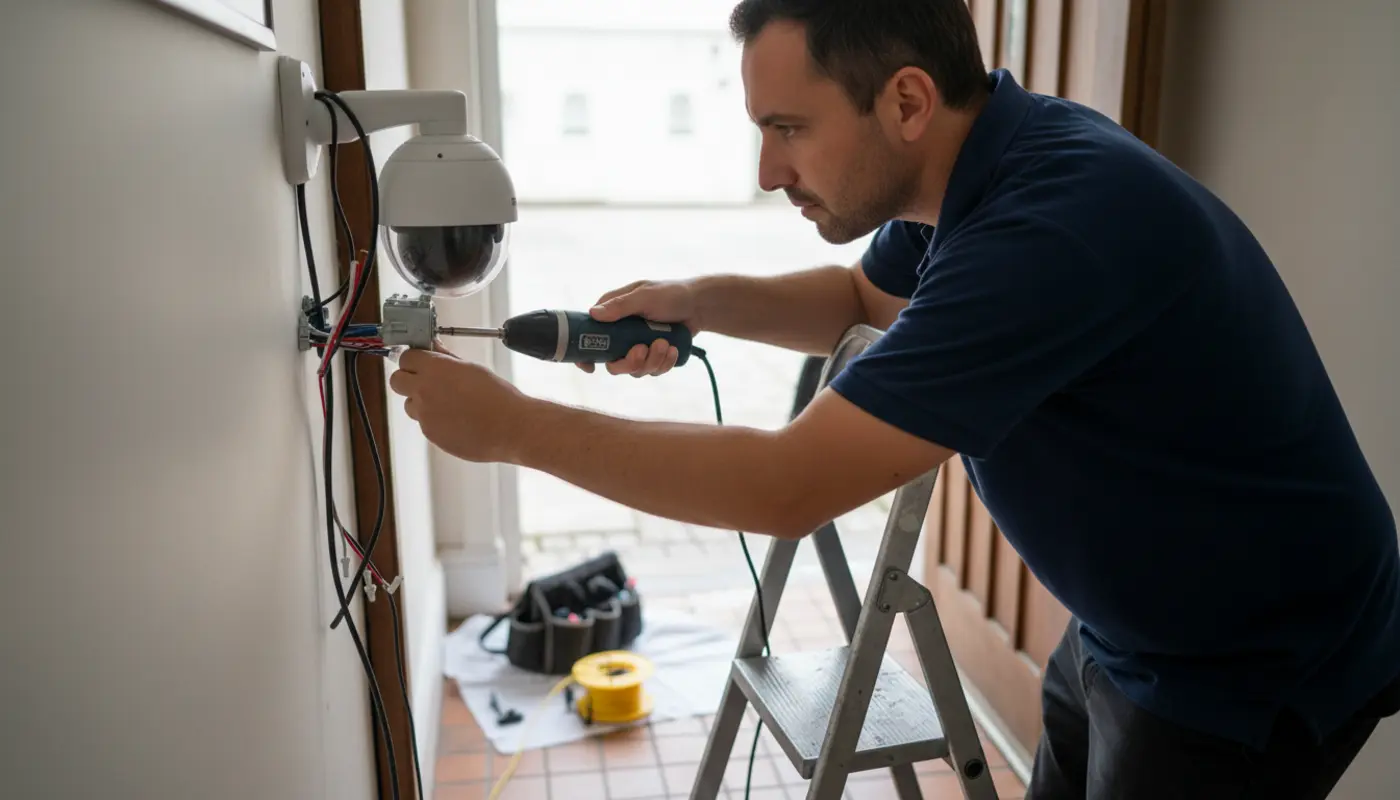
If you are comparing installers, it is worth taking time over this decision because the company fitting the system matters just as much as the cameras themselves. An SSAIB Approved and Insurance Approved company gives trustees reassurance that the system is installed and maintained to recognised standards. If CCTV is integrated with intruder alarms, those alarm elements should follow EN 50131 where the risk level and monitoring setup require it.
Accreditation matters even more if the system is linked to monitoring or police response. In those cases, the installation usually needs to meet specific standards. If police response arrangements apply, your installer may need to support a Police Response URN, which is the reference used for eligible monitored alarm response.
For committees reviewing wider alarm integration, this article on monitored intruder alarms gives a useful picture of how certification, monitoring, and response expectations fit together.
Evidence Quality And Long Term Reliability
A budget system that misses faces at the gate or fails when storage fills up is not much help after an incident. As a trustee, you will want to ask about image quality, night coverage, playback speed, retention capacity, maintenance, and whether the cameras will still perform well in poor weather and low light.
Ongoing support matters too. A mosque often relies on volunteers, so it helps when the installer provides simple training and dependable servicing. That is where maintenance contracts can make day to day management much easier.
Integrating CCTV With Alarms, Access Control, And Remote Monitoring
CCTV works best when it is part of layered security rather than a standalone box on the wall. If somebody attempts entry after hours, cameras can verify what is happening while an intruder alarm raises the alert. For intruder alarms, EN 50131 should be followed, with Grade 2 or Grade 3 chosen according to the risk level and insurer expectations.
When monitored alarms or monitored CCTV are involved, police response arrangements may also come into play. Again, that often depends on an SSAIB Approved and Insurance Approved installation. For your committee, that can mean clearer escalation routes and stronger insurer confidence rather than simple self monitoring.
Access control is useful where there are staff only rooms, office areas, rear doors, or timed community access. For a sector specific example, access control for mosques shows how controlled entry can sit alongside CCTV without making the building feel unwelcoming.
Remote Monitoring For Trustees And Volunteers
Remote monitoring can be very helpful for mosque committees, especially when there is no full time facilities manager on site. Authorised users can check live or recorded footage securely, confirm whether an alert is genuine, and support faster decisions outside prayer times or during holidays.
Committees that want a simple overview of day to day viewing options can also look at viewing CCTV footage remotely to understand how secure access should work in practice.
A Practical Planning Checklist For Mosques
A sensible CCTV plan for a busy mosque site should be clear, proportionate, and easy for trustees and volunteers to manage. Before committing to installation, it helps to keep the practical steps in view so the system supports safety, privacy, and long term use.
- Ask what problem each camera is solving
- Prioritise entrances, exits, gates, car parks, and boundary lines
- Review lighting, locks, gates, and blind spots alongside camera coverage
- Decide who can access footage and how that access will be controlled
- Set a sensible retention period based on the reason for recording
- Make sure privacy concerns have been properly considered in sensitive areas
- Gather a clear site plan and note any previous incidents before applying for funding
- Test image quality, recording settings, signage, and user permissions after installation
- Write down what volunteers should do if footage is needed for police, because nobody thinks clearly when trying to find clips late on a rainy Tuesday night
Committees thinking about long term compliance and site wide readiness may also find our article on security maintenance contracts useful when planning routine checks and support responsibilities.
Final Thoughts
CCTV for mosques in Manchester is not really about cameras first. It is about helping people feel safe enough to worship, learn, volunteer, and gather without unnecessary worry. The right system protects vulnerable areas, respects privacy, supports evidence after incidents, and works smoothly with alarms, access control, and sensible procedures.
When trustees choose an SSAIB Approved and Insurance Approved installer, ask the right planning questions, and build around community needs rather than fear, CCTV becomes a measured and reassuring part of mosque safeguarding in 2026.