Complete Fire Alarms for Colleges in the North West Guide
Fire Alarms For Colleges In The North West
Fire safety in a busy college can feel like a lot to manage, can’t it?
If you are responsible for a further education or higher education college, the duty of compliance sits firmly with you. With hundreds or sometimes thousands of students, active workshops, science labs, and in some cases historic buildings, there is very little room for mistakes. The reassuring part is that once the legal framework is broken down into clear steps, it becomes much easier to handle. With the right system design, regular testing, and a competent provider, compliance feels structured rather than stressful. At iSecurity Solutions, a trusted UK provider of commercial and domestic security systems, we support colleges across the North West with tailored fire safety systems designed around BS 5839 and Ofsted expectations, helping estates teams protect students, staff, and reputations around the clock.
Legal Requirements For College Fire Alarms
Colleges in cities such as Manchester, Liverpool and Preston often operate across several buildings, sometimes over multiple streets or separate campuses. Many estates include older Victorian structures alongside modern extensions and specialist areas such as engineering workshops. This creates a complex fire risk profile that must be properly managed.
Under the Regulatory Reform Fire Safety Order 2005, the college must appoint a responsible person. This is usually an estates or facilities manager. That person must ensure suitable fire detection and warning systems are installed, maintained, and regularly reviewed. The official guidance is available on GOV.UK fire safety legislation, which clearly explains the legal duties for non domestic premises.
Understanding BS 5839 And System Standards
The Fire Safety Order applies to almost all non domestic buildings, including colleges and universities. It requires a suitable and sufficient fire risk assessment, along with appropriate fire detection and alarm systems.
In practical terms, your system should comply with BS 5839 Part 1. This British Standard covers the design, installation, commissioning, and maintenance of fire detection and alarm systems in non domestic buildings. Fire alarm equipment must also meet BS EN 54 standards so that detectors, sounders, and control panels are properly tested and approved. For colleges inspected by Ofsted or reviewed by insurers, documented compliance with BS 5839 Part 1 is essential. Discovering gaps during an audit is something every estates manager wants to avoid.
Fire Risk Assessment For Educational Premises
A fire risk assessment is the foundation of any effective fire strategy. It identifies potential hazards, considers who may be at risk, and determines the level of protection required within each building.
The Government provides specific guidance for educational settings, helping colleges assess classrooms, laboratories, catering areas, social spaces, and plant rooms. In the North West, local fire and rescue services actively enforce compliance. If precautions are not suitable, enforcement notices or prosecution can follow. Many colleges link alarm upgrades directly to findings from a fire risk assessment in Manchester, ensuring recommendations lead to real improvements rather than sitting in a report.
Fire Alarm Categories L1 To L5 For Colleges
One of the most common questions is which BS 5839 category applies to a college building. The honest answer depends entirely on the fire risk assessment and how each area is used.
L1 systems provide maximum life protection, with detectors installed throughout the building. These are typically required in student accommodation or higher risk areas where people sleep.
L2 and L3 systems focus on escape routes and high risk rooms that open onto them. Many teaching blocks fall into this range.
L4 and L5 systems offer more limited or localised protection and are sometimes used in lower risk buildings or where a specific hazard has been identified.
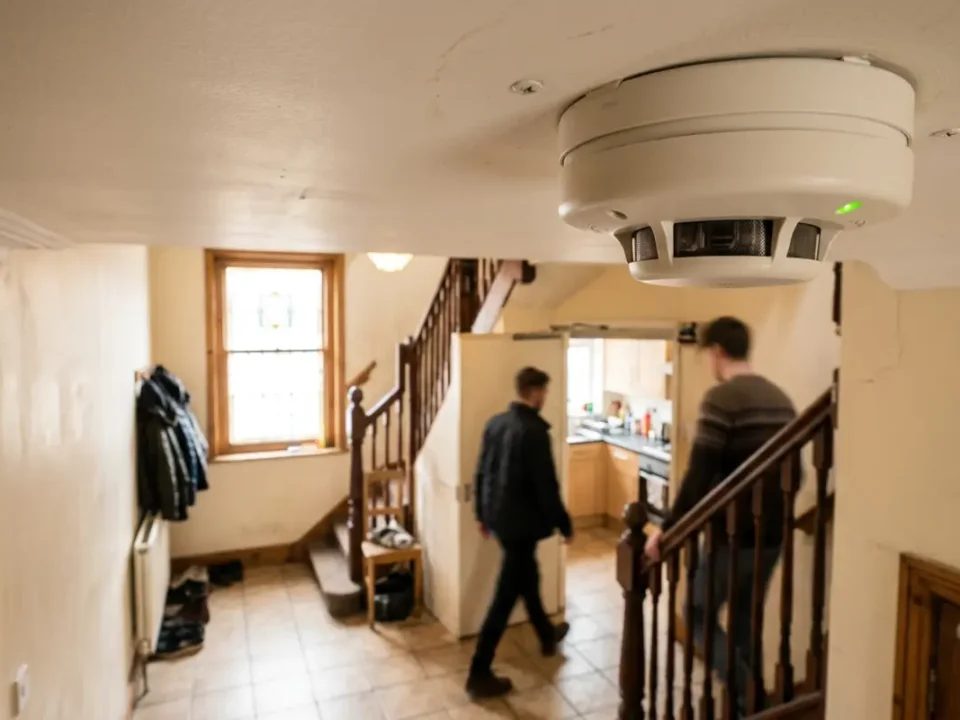
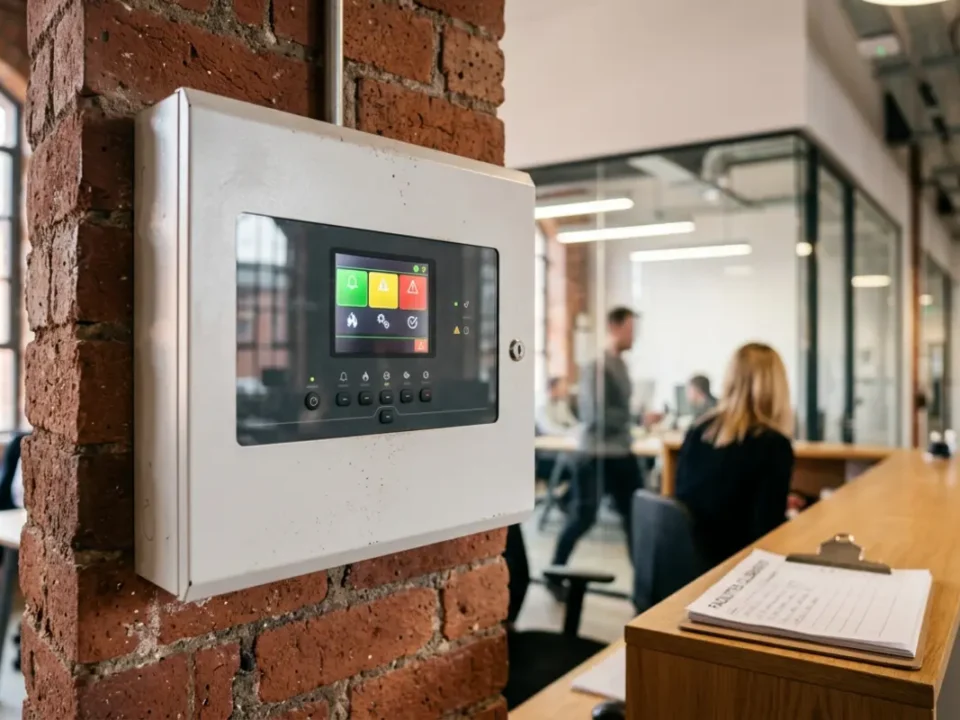
Larger campuses often combine categories. For example, residences may operate on L1 while classroom buildings use L3. Clear zoning is essential so staff can quickly identify where an alarm has activated, especially across multi building estates. When was the last time your zoning plan was reviewed?
Integration With Emergency Lighting And Fire Protection Measures
A fire alarm system forms part of a wider life safety strategy. It should work alongside emergency lighting, fire doors, and where installed, sprinkler or suppression systems.
Emergency lighting must comply with BS 5266, including monthly function tests and a full annual duration test. When an alarm sounds, well lit escape routes are vital, particularly during dark winter afternoons. Fire doors and compartmentation help slow the spread of fire and smoke. Alarm systems often release magnetic door holders to ensure doors close properly during activation.
Fire extinguishers must comply with BS 5306 and BAFE SP101, with annual servicing and certification that insurers expect to see. For further insight into compliant systems within education, you may find best fire alarms for schools in UK helpful, as many principles are shared across the sector.
Listed And Older College Buildings In The North West
The North West includes many historic college properties, from converted mills to traditional civic halls. Installing modern fire detection in listed buildings requires careful planning to protect both safety and heritage features.
Guidance from Historic England recommends minimising visual impact while still meeting BS 5839 Part 1 standards. Wireless detection, discreet cable routes, and carefully positioned devices can help maintain the character of the building. Early discussion with conservation officers is sensible, particularly where visible containment may affect the appearance. Older structures can also present access challenges, which makes forward planning for maintenance even more important.
Choosing A Competent Fire Alarm Installer
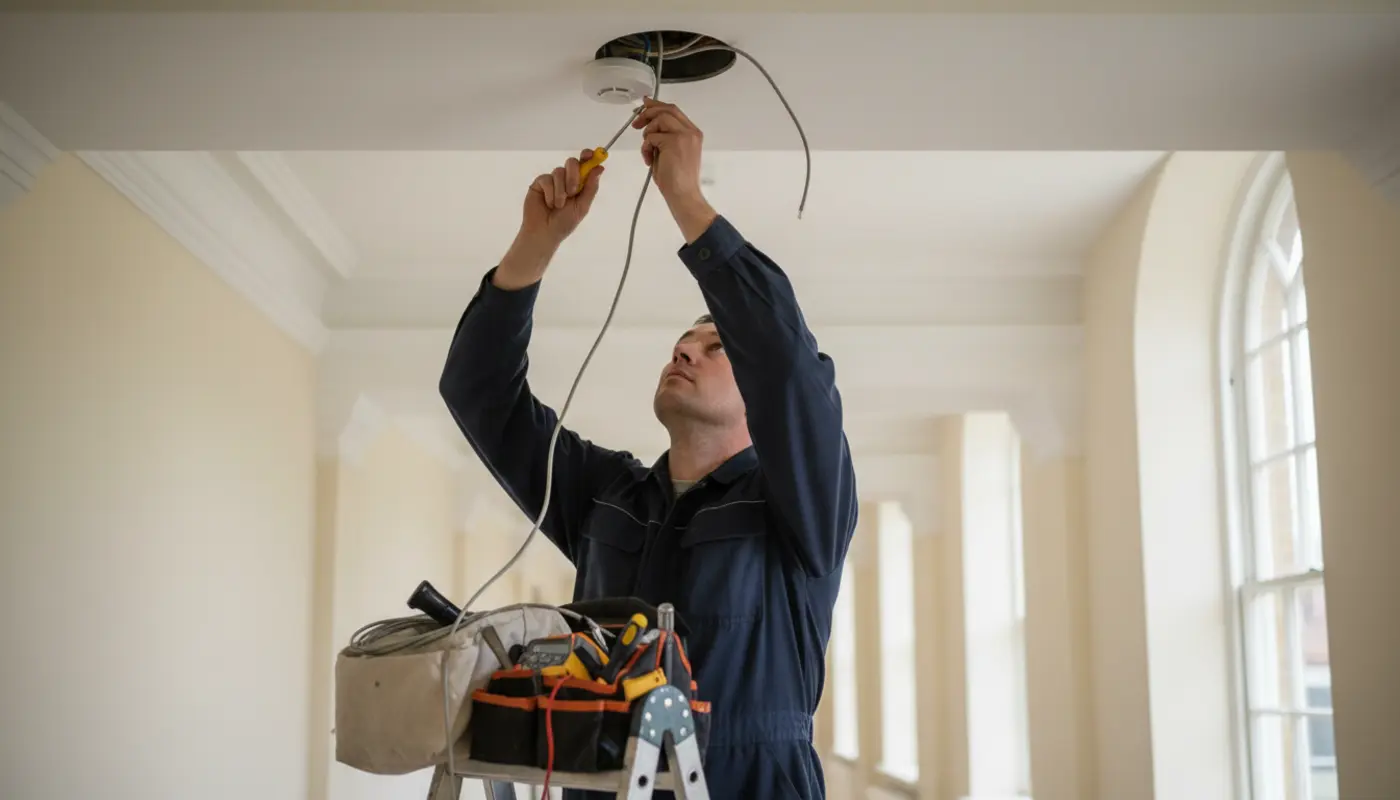
The Fire Safety Order requires systems to be installed and maintained by competent persons. For colleges, third party certification gives valuable reassurance.
An SSAIB registered and Insurance Approved provider demonstrates independently verified competence. Insurers often expect this level of certification, and it supports eligibility for monitored systems where required.
- Third party certification such as SSAIB
- Experience with large multi building campuses
- Clear documentation and logbook support
- Structured service contracts with planned visits
Selecting a provider with proven experience in education settings helps ensure smooth communication with governors, Ofsted inspectors, and insurers.
Costs And Budget Planning
Costs depend on estate size, system category, and whether multiple buildings are networked together. Heritage requirements and integration with sprinklers or access control systems can also affect budgets.
Many colleges choose a phased approach. Higher risk areas such as residences or engineering workshops are upgraded first, followed by lower risk teaching blocks. Planning works during summer breaks reduces disruption and keeps daily operations running smoothly. Ongoing maintenance should be included in financial planning from the beginning, as BS 5839 Part 1 recommends six monthly professional inspections alongside routine in house checks.
Weekly And Annual Fire Alarm Testing
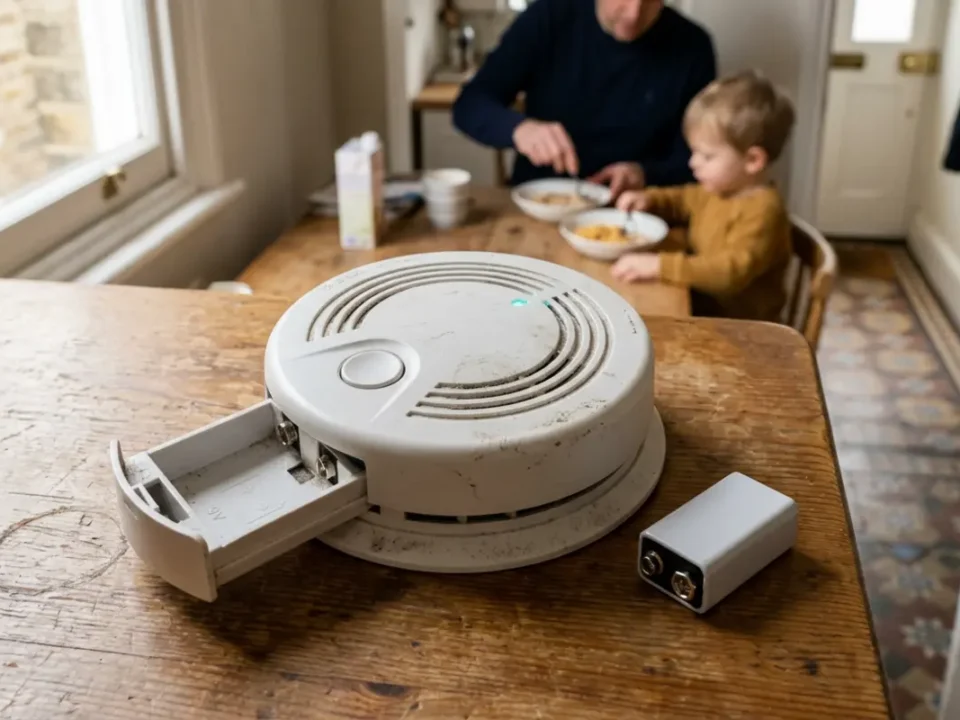
BS 5839 Part 1 sets clear expectations for routine testing. A different manual call point should be tested each week so that the entire system is checked over time. Results must be recorded in a fire alarm logbook.
Professional servicing is usually required at least every six months. Larger or more complex campuses may benefit from quarterly visits. Any faults should be addressed quickly, as unresolved issues can affect insurance cover and attract enforcement action. For a straightforward explanation, see how often fire alarms should be tested, which outlines weekly and annual duties clearly.
Training, Drills And Staff Awareness
Even the most advanced system depends on people responding correctly. The Fire Safety Order requires staff to receive suitable information and training, including clear evacuation procedures.
Regular fire drills help students understand assembly points and ensure staff know their roles. Personal Emergency Evacuation Plans should be in place for disabled occupants. After each drill, a short review meeting can highlight small improvements that make a big difference. It does not need to be complicated, but it does need to be consistent.
Maintaining Compliance With Confidence
Managing fire alarm compliance for colleges in the North West may appear complex at first, yet it becomes straightforward when approached step by step. Begin with a thorough fire risk assessment. Select the correct BS 5839 category. Integrate alarms with lighting and fire protection measures. Appoint an SSAIB registered and Insurance Approved installer. Maintain a consistent testing and servicing routine.
With structured planning and reliable technical support, your college remains compliant, audit ready, and most importantly safe for every student, staff member, and visitor on site.