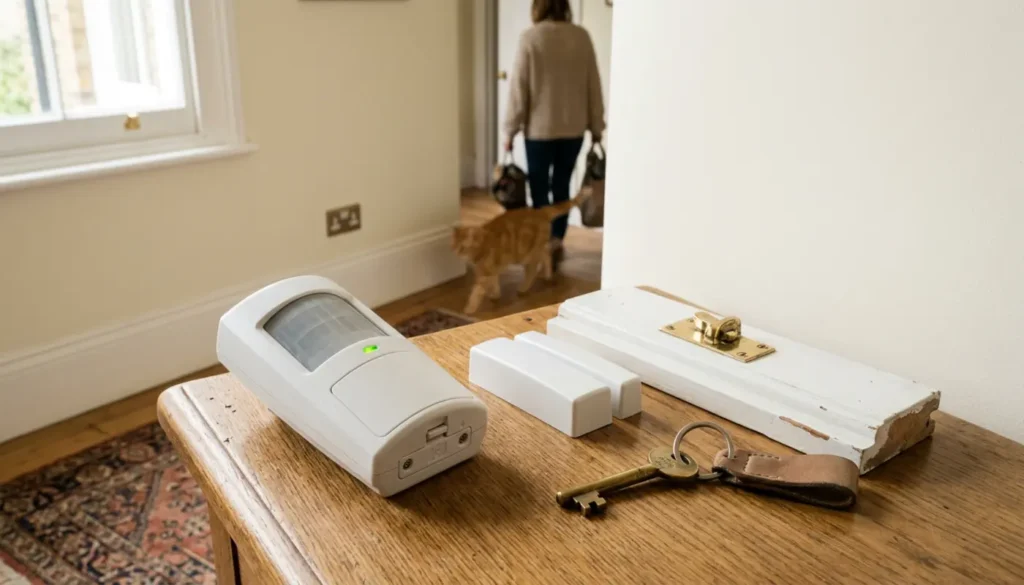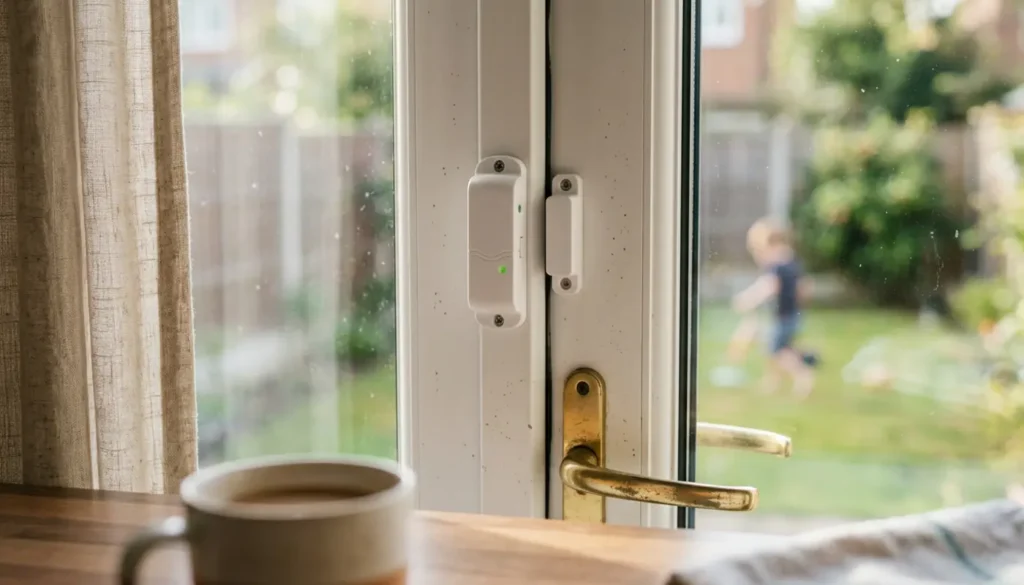
Intruder Alarms for Mosques and Places of Worship in Manchester
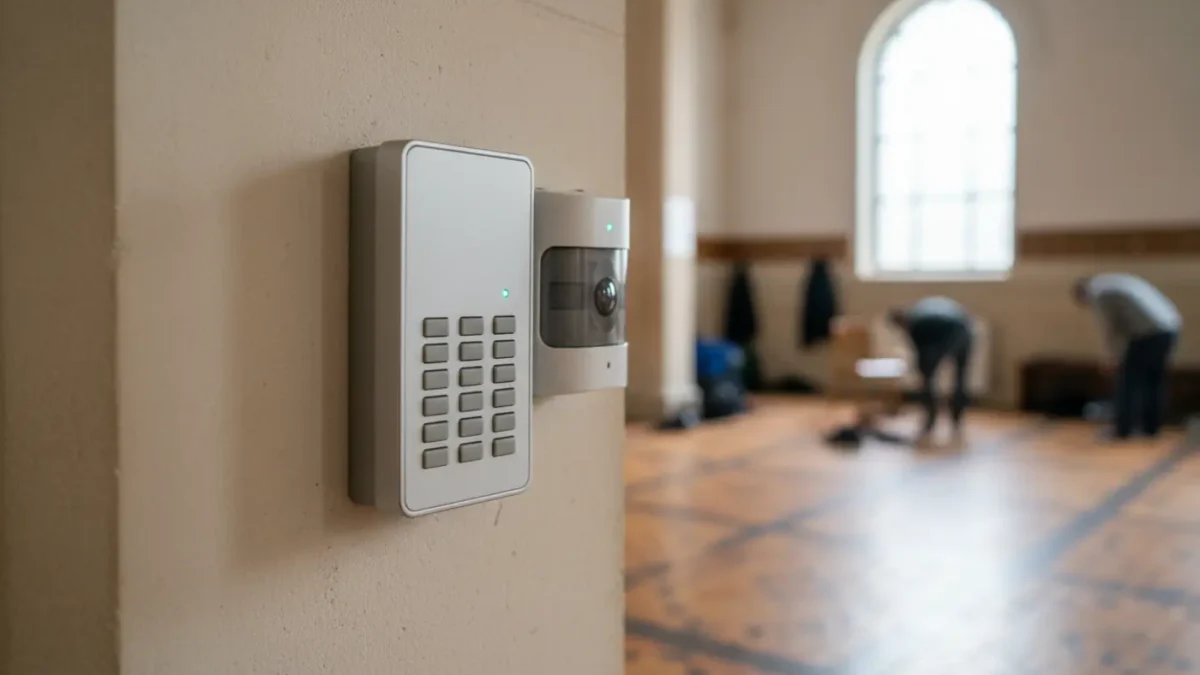
Intruder alarms for mosques and places of worship in Manchester should protect worshippers, reduce risk after hours and meet insurer expectations through compliant design, reliable monitoring and clear response plans.
Intruder Alarms In Manchester
For a Manchester mosque, the right intruder alarm should be designed around BS EN 50131, suitable for large open worship spaces and eligible for Alarm Receiving Centre monitoring, including a Police Response URN where the insurer or site risk requires it. A good system should help the building stay welcoming while making sure doors, windows, offices, donation areas and restricted spaces are properly protected when nobody is there.
Across Greater Manchester, faith buildings are working hard to remain open, calm and safe for worshippers, volunteers, staff and visitors. A well planned alarm is not about making a mosque, church, gurdwara or temple feel unwelcoming, because it is about giving the community confidence that the building is being looked after when the lights are off and the doors are locked.
iSecurity Solutions is a trusted UK provider of commercial and domestic security systems, helping homes, businesses and faith organisations stay protected around the clock. Our team supports mosques and other places of worship across Manchester and the North West with tailored intruder alarms, CCTV, access control, fire safety and responsive maintenance, using modern remotely monitored technology that gives trustees practical protection and peace of mind.
Why Mosque Security Matters In Manchester In 2026
A mosque alarm in Manchester matters because faith buildings can face burglary, vandalism, arson attempts and hate motivated damage, often while being managed by volunteers with limited time and budget. For mosques in areas such as Cheetham Hill, Longsight, Oldham, Rochdale, Bolton, Bury and Trafford, the challenge is keeping doors open to the community while reducing easy opportunities for offenders.
Security concerns around UK faith sites have become more visible in recent years, and government funding shows that protective security is now treated as a serious national issue. GOV.UK explains that protective security schemes may fund measures such as CCTV, fencing, secure doors, floodlights and intruder alarms for eligible faith sites at risk of hate crime, which you can review through the official protective security schemes for places of worship.
Local committees often want the same balance, because they do not want the building to feel like a fortress, but they do want to know if someone forces a side door, breaks a window or enters a restricted area after hours. That is exactly where a properly zoned alarm helps, quietly working in the background until it is needed.
Understanding BS EN 50131 And Insurance Requirements
Intruder alarm systems for places of worship should be designed around BS EN 50131, the main UK and European standard used for intruder and hold up alarm systems. In simple terms, it helps define how secure the system should be, how the equipment should perform and whether the alarm is suitable for the level of risk at the site.
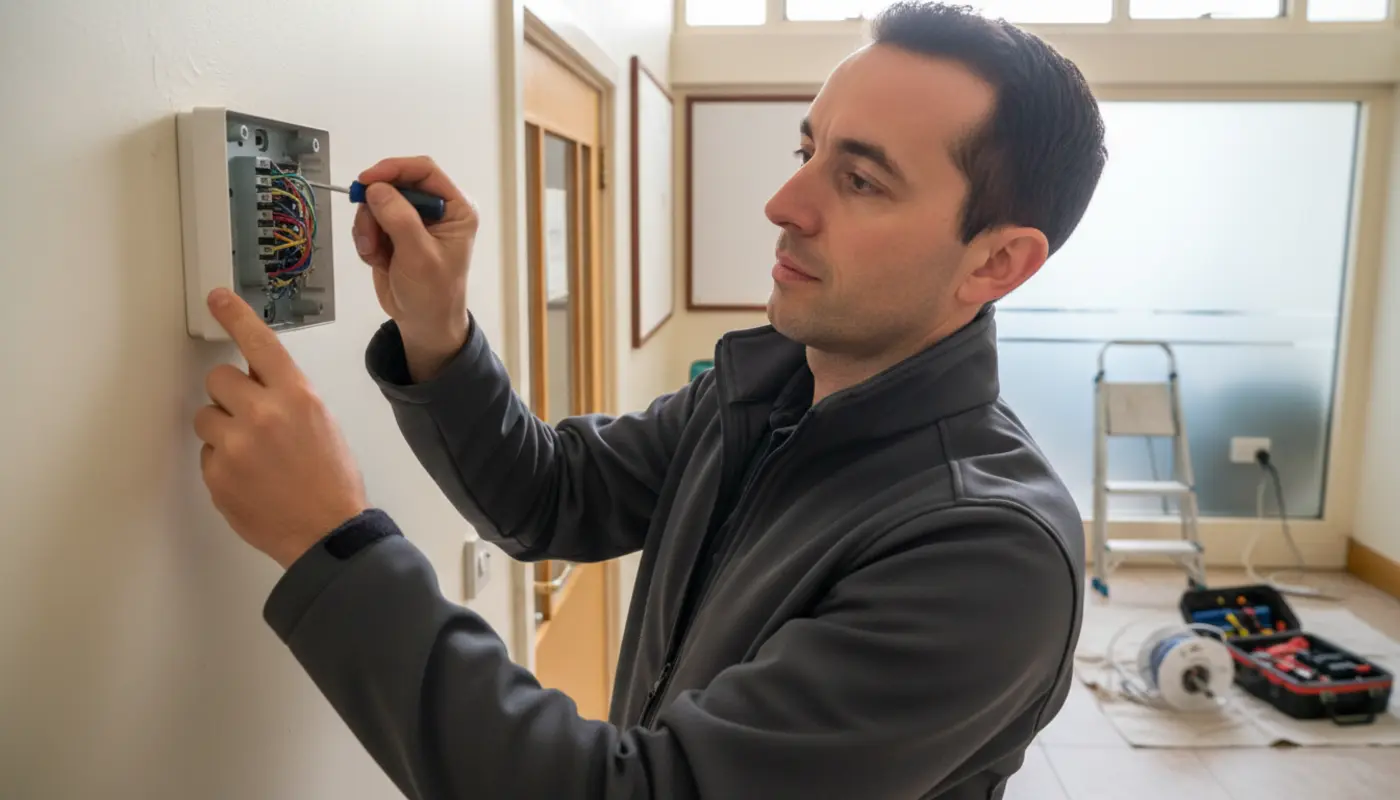
Most lower to medium risk sites use Grade 2 systems, while higher risk buildings, sites with previous incidents, valuable assets or insurer concerns may need Grade 3. For many mosques and larger faith centres, a professionally assessed Grade 2 system can be suitable, but the final grade should follow a proper site survey and insurer input rather than a quick guess over the phone.
If a monitored alarm is required, the system may need to be installed by an accredited company and connected to an Alarm Receiving Centre. A Police Response URN, which is a unique police reference number for eligible monitored alarms, normally depends on the alarm meeting the right standards, being installed correctly and being maintained in line with the agreed procedures.
It is also worth knowing about PD 6662 and BS 8243. PD 6662 helps apply BS EN 50131 in the UK, while BS 8243 covers confirmed alarm signalling for police response, which means the alarm needs enough evidence that a real intrusion may be happening before police attendance is requested.
Types Of Intruder Alarms For Large Worship Spaces
Large worship spaces need more careful alarm design than a standard shop or small office because they often include prayer halls, classrooms, offices, kitchens, storage rooms, boiler rooms, libraries and community areas. One detector at the front door and a bell box outside may look reassuring, but it rarely gives enough protection for a busy faith building.
Wired systems are reliable and tidy when cables can be run during refurbishment or through existing routes, while wireless systems can be useful in older buildings, finished spaces or areas where running cables would cause too much disruption. Hybrid systems combine both approaches and are often a sensible middle ground for mosques with mixed building layouts.
Zoning is one of the most important parts of the design because it helps keyholders and the monitoring centre understand where an activation has happened. The prayer hall may be one zone, the office another, the women’s gallery another, and classrooms or rear entrances separate again, which is much clearer than seeing a vague alarm from the whole building.
Perimeter detection protects doors, windows and vulnerable entry points before someone moves deeply inside the building. Internal detection, such as motion sensors in corridors and rooms, provides another layer if an intruder gets past the outer shell, so the building has protection at more than one point.
Integrating Alarms With CCTV And Access Control
Intruder alarms work best when they are part of a joined up security plan rather than sitting alone as a siren on a wall. When alarm activations are linked with CCTV systems, keyholders or monitoring operators can often check what is happening faster and provide clearer evidence if a crime has taken place.
Monitored CCTV can help confirm whether an activation is a real incident, an animal, poor door closing or an honest mistake by a volunteer locking up after evening prayers. For higher risk sites, combining verified alarms with a Police Response URN can improve the quality of response and reduce unnecessary callouts.
Access control is also worth considering because many places of worship have several people needing entry at different times, including imams, trustees, teachers, cleaners and volunteers. Keypads, fobs, intercoms and timed door schedules help reduce the risk of lost keys being passed around the community for years, which can create problems even when everyone has good intentions.
For mosques reviewing entry points, prayer room access or volunteer access, access control can work neatly alongside an intruder alarm by showing who entered, when they entered and whether the building was armed or disarmed correctly.
Lessons From UK Faith Building Incidents
Publicly reported incidents at mosques, churches and other faith buildings across the UK often follow similar patterns, including graffiti, forced entry, damage to doors, attempted arson and theft from offices or donation areas. Even when the financial loss is not huge, the emotional effect on worshippers can be far greater because the building is a place of peace, identity and belonging.
A typical anonymised example is a mosque that had a rear door forced overnight after cash had been kept in an office. The alarm raised attention, but limited zoning made it harder to understand which part of the building had been entered, which slowed the response and made the incident more stressful for the committee.
In another UK faith building, graffiti and window damage happened outside camera coverage, so evidence was limited and repair work took longer than expected. In many cases, security gaps are not dramatic or complicated, because a weak rear door, an unprotected side window, a blind spot in CCTV coverage or a delayed response after an alarm activation can be enough to turn a small incident into a major headache.
The lesson for Manchester mosques and places of worship is to focus on layers, with good lighting, strong doors, clear procedures, CCTV, access control and a monitored intruder alarm all supporting one another. A Police Response URN can also be important where the risk level or insurer requirements justify police response monitoring.
You can also explore related faith site camera planning in CCTV for mosques in Manchester, which looks at community safety, evidence capture and careful camera positioning for worship environments.
Funding And Grants For Places Of Worship
Funding can make a major difference for faith organisations, especially where security upgrades are needed but donations are already stretched across building repairs, education, outreach and day to day running costs. In 2026, mosque committees should pay close attention to the Protective Security for Mosques Scheme and the wider Places of Worship Protective Security Funding Scheme.
These schemes have previously covered physical security measures such as intruder alarms, CCTV, secure doors, access control, fencing, gates and lighting for eligible sites. Eligibility usually depends on evidence of hate crime risk, previous incidents or local threat, so it is worth keeping accurate records of suspicious behaviour, damage, threatening messages, police reports and photographs.
A practical funding file should include charity details, building information, incident logs, photographs of vulnerable areas, police reference numbers where available and any advice from local security advisers. It can feel like a lot of admin, but it is much easier than trying to find old photos and messages when an application deadline is already close.
Grant funded systems still need to be suitable, compliant and maintainable once the first year is over. Committees should ask who will pay for ongoing monitoring, servicing, repairs and any Police Response URN related requirements after the initial funded period.
Working With Greater Manchester Police
Greater Manchester Police neighbourhood teams, Designing Out Crime Officers and Counter Terrorism Security Advisers can play a helpful role in shaping security improvements for mosques and places of worship. Their advice can support funding applications and help trustees prioritise the highest risk areas rather than spending money on the loudest idea in the room.
A police or adviser visit may look at entrances, escape routes, lighting, visibility, vehicle access, vulnerable windows, congregation flow and previous incident patterns. That information can then be used by your alarm installer to design zones, choose suitable detectors and decide whether monitoring and a Police Response URN should be included.
Faith leaders should also build regular communication with local neighbourhood officers, especially before large gatherings, Ramadan, Eid, festivals, funerals or interfaith events. Security works best when it supports community confidence and is planned calmly, rather than appearing only after something has gone wrong.
Choosing A Local Accredited Installer In Manchester
A good installer should understand faith buildings, not just alarm panels, because mosques and places of worship have busy footfall at unusual times, mixed use spaces, safeguarding needs, volunteer keyholders and a strong need to keep the atmosphere calm and welcoming. The best conversations start with how the building is used, not with a list of equipment.
When comparing quotes, ask whether the proposed system complies with BS EN 50131, whether it is Grade 2 or Grade 3, whether monitoring is included, how false alarms are managed and whether the system can support a Police Response URN. It is also sensible to ask how zoning will work for prayer halls, classrooms, offices, plant rooms and external entrances.
If an insurer requires an accredited installation, look for NSI certification or SSAIB and Insurance Approved installation. Accreditation gives trustees more confidence that the system has been installed and maintained to recognised standards, and it also helps when insurers ask for proof that the alarm is not simply a set of devices fitted without proper design.
Maintenance matters just as much as installation, so committees should also review service contracts before signing anything. A low installation price can become expensive if callouts, battery replacements, monitoring changes and annual servicing are unclear.
Cost Considerations And Long Term Value
Costs vary because every building is different, but most budgets include equipment, installation, monitoring, app access, maintenance and any upgrades needed for doors, cabling or network connectivity. A small faith centre may need a simpler Grade 2 system, while a larger mosque with several floors and multiple entrances may need more zones, more detectors and closer integration with CCTV and access control.
The value of a reliable intruder alarm is not only about stopping theft, although that does matter. A well maintained system can reduce damage, improve insurer confidence, support trustee due diligence, reassure worshippers and help the building reopen quickly after an incident.
Committees should look beyond the cheapest quote and compare like for like. A fair comparison should include system grade, monitoring type, Police Response URN eligibility, maintenance visits, response times, warranties, training and whether the installer will provide clear handover documents.
Maintenance Monitoring And Community Training
An intruder alarm is only useful if people know how to use it and someone responds when it activates. Keyholders should be trained, user codes should be reviewed regularly and the system should be tested in line with the installer’s maintenance plan.
For monitored alarms, the Alarm Receiving Centre needs up to date contact details, clear response instructions and accurate information about opening times, special events and temporary changes. If police response is part of the arrangement, keeping the Police Response URN active means managing false alarms, servicing the system and following the agreed procedures.
Volunteer training does not need to feel intense or intimidating, and a short session after prayers or during a trustee meeting can cover the main points clearly. The session should explain how to set the alarm, what to do if it will not set, how to report faults and why sharing codes casually is not wise, even with a helpful volunteer who means well.
Protecting Manchester Mosques Long Term
Intruder alarms for mosques and places of worship in Manchester should protect people, property and peace of mind without making the building feel closed off from the community. The best systems are compliant, carefully zoned, easy to use, properly monitored and supported by clear maintenance and response plans.
For trustees and faith leaders, the most sensible next step is to combine a local risk review, police or adviser input, funding research and quotes from accredited installers. With the right plan, your building can stay open, warm and welcoming while being far better protected when the lights go off and the doors are locked.
If your committee is reviewing mosque security in Manchester, contact iSecurity Solutions to arrange a local security review. We can help you understand the risks, choose the right alarm grade and plan a system that supports worshippers without making the building feel unfriendly.