Intruder Alarms for Garages and Workshops in the North West
Intruder Alarms In The North West
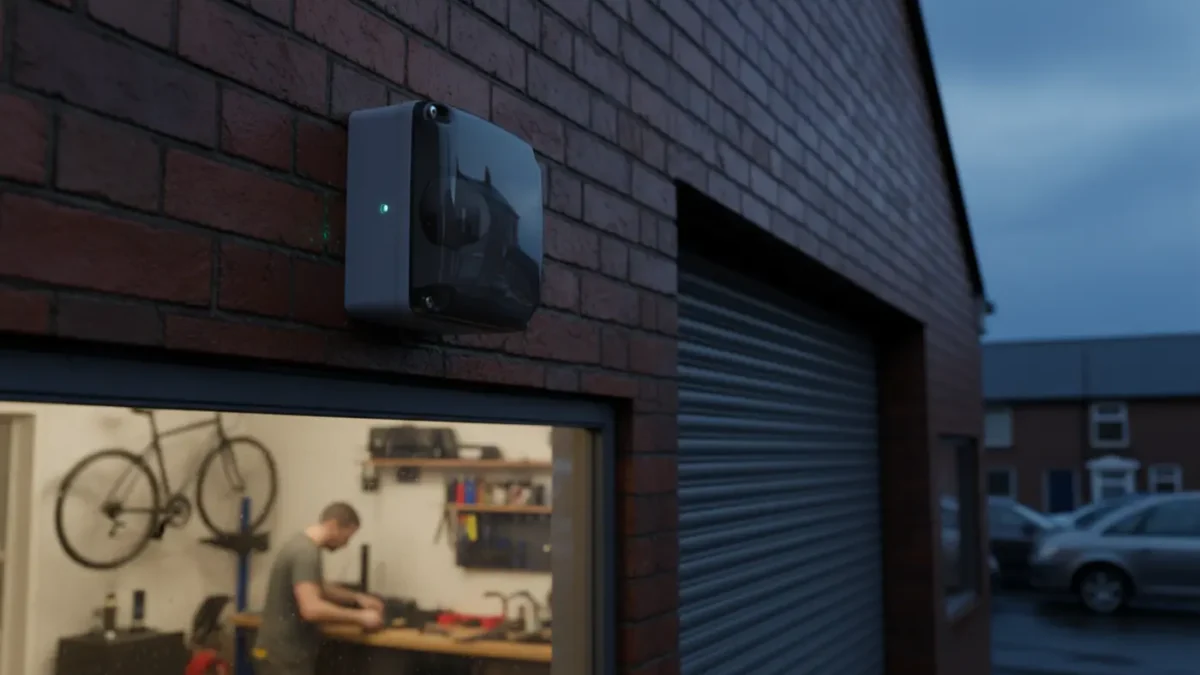
Intruder alarms for garages and workshops in the North West are a sensible upgrade if you store tools, machinery, bikes, vehicles or stock. Across Greater Manchester, Liverpool, Lancashire and nearby towns, thieves often target outbuildings because valuable items are easy to remove and many garage doors are weaker than the main property.
For homeowners, tradespeople and small workshop owners, the right alarm can deter break ins, send fast alerts and support insurance requirements. Our North West I security solutions team helps customers choose fitted, tested and reliable systems that suit the building, the risk level and the value of what is stored inside.
Why Garage And Workshop Theft Is A Concern
Garages and workshops are attractive to thieves because they often contain expensive tools, power equipment, bicycles, vehicle parts and customer property. A cordless tool kit can be carried away in seconds, and for a tradesperson, that can mean cancelled jobs, unhappy customers and a costly replacement bill.
Local police updates across Merseyside, Greater Manchester and Lancashire regularly highlight stolen tools from sheds, garages, vans and workshops. Merseyside Police reported arrests in 2025 after power tools were recovered following garage and shed related incidents in Maghull, while Greater Manchester Police and Lancashire Constabulary have continued to issue tool theft appeals and prevention advice for homes, vans and outbuildings.
Garages are also checked less often than the main home or business premises. If an alarm only sounds inside the building, nobody may hear it until the morning, which gives thieves time to leave with valuable items. A well designed system reduces that risk by detecting entry early and sending alerts quickly.
Which Intruder Alarm Type Suits A Garage Or Workshop?
The best alarm depends on what you keep inside, where the garage sits and whether you need insurer recognition or a Police Response URN. A modest home garage with garden tools may only need a straightforward audible system, while a commercial workshop with high value equipment should usually consider a monitored Grade 2 or Grade 3 system installed to BS EN 50131.
Bells Only Alarms
A bells only alarm triggers an external siren when a detector senses movement or forced entry. It is usually the lowest cost fitted option and can be a useful deterrent for attached garages, small hobby workshops and lower risk outbuildings, although someone nearby must hear it and take action.
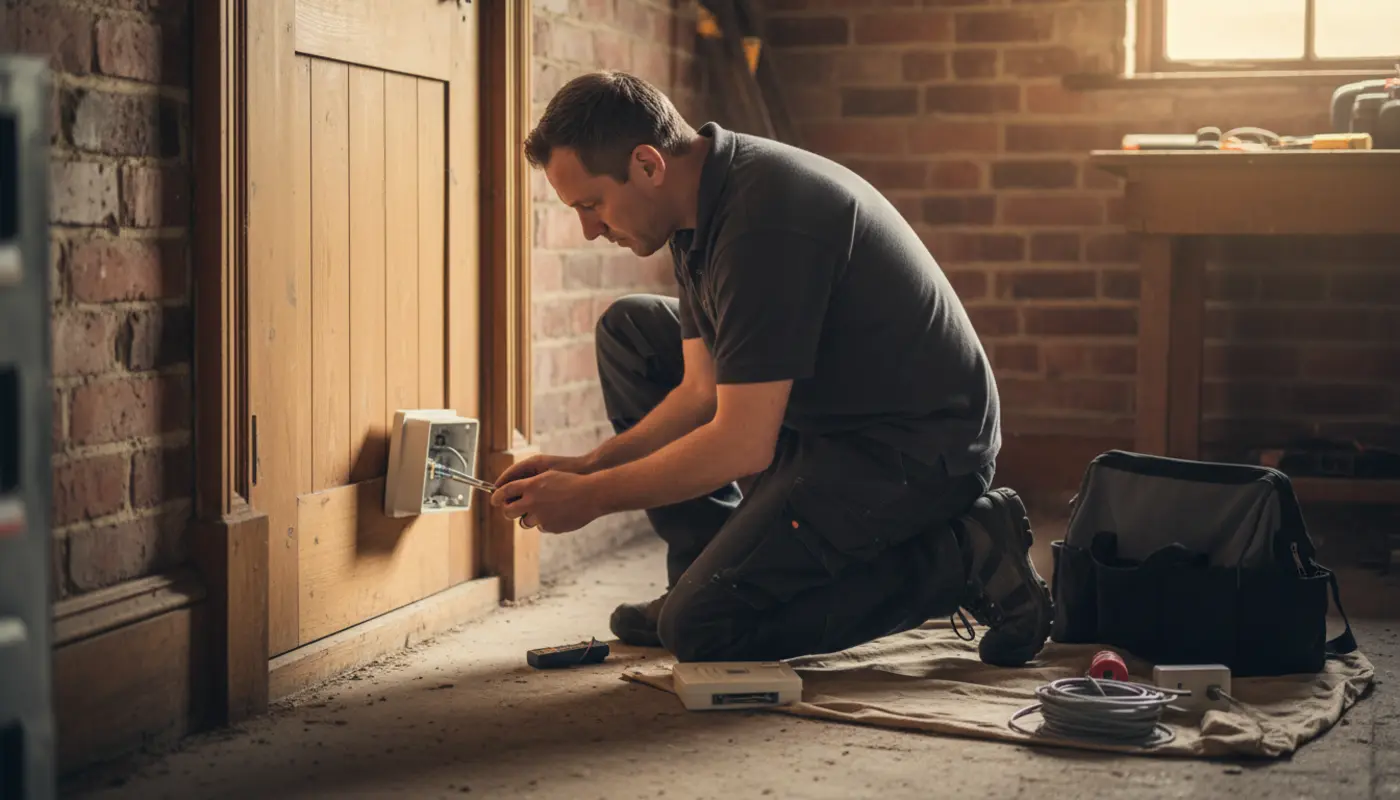
For detached garages at the end of a long drive, a bells only alarm can be less effective unless it includes a loud external sounder and visible warning devices. It may still be suitable where the value inside is low, but it is rarely the best answer for tradespeople storing business tools overnight. If your insurer asks for a recognised alarm, a basic siren kit may not meet the policy wording.
Monitored Alarms With Police Response URN Eligibility
A monitored alarm sends confirmed activation signals to an Alarm Receiving Centre, often called an ARC. The ARC checks the signal, follows an agreed response plan and can notify keyholders or, where the system qualifies, request police attendance through a Police Response URN, which is the unique reference number linked to eligible police response.
For intruder alarms, BS EN 50131 sets the performance standard. Grade 2 is commonly used for standard domestic and lower risk commercial settings, while Grade 3 is used where higher value items or greater criminal attention are expected. SSAIB certified and Insurance Approved installation is a recognised route for insurer confidence and Police Response URN eligibility, provided monitoring and maintenance also meet the required rules.
Smart And App Controlled Alarms
Smart alarms can send alerts to your phone, connect with cameras and allow you to check the system remotely. They suit people who want convenience and quick updates, especially if the garage is used daily or sits away from the main house. Systems linked with devices such as Ring or Hive can be useful as part of a wider setup, as long as app alerts can be acted on quickly.
A smart only setup is not always enough for insurance or police response. If your policy asks for a graded intruder alarm, or if you want a Police Response URN, the alarm needs to be designed, installed and maintained in line with recognised standards rather than treated as a simple gadget.
BS EN 50131 Grades And Police Response
BS EN 50131 is the main standard used for intruder alarm systems in the UK. In simple terms, it helps define how secure the system should be, how detectors perform and how the alarm responds to tampering or faults. For garages and workshops, the most common choices are Grade 2 and Grade 3.
Grade 2 is generally suitable where the risk is moderate, such as a domestic garage containing tools, bikes or garden machinery. Grade 3 is designed for higher risk premises, including many commercial workshops, motor trade garages, storage units and sites holding expensive equipment. If thieves are likely to use more planning or better tools, Grade 3 is usually the safer option to discuss.
Police response is not automatic just because an alarm rings. For a Police Response URN, the system must normally be professionally installed, monitored through an approved ARC and maintained correctly, with false alarms kept under control. ProtectUK alarm guidance explains how monitored alarm signals and relevant standards support police response arrangements in the UK.
If you are unsure whether your site needs Grade 2 or Grade 3, compare the risk rather than guessing. A joiner with £12,000 of tools in a detached workshop has a very different risk level from a homeowner storing a lawnmower and a few paint tins. You can also read more about Grade 2 and Grade 3 alarm differences before asking for a quotation.
Insurance Requirements For Tools And Outbuildings
Insurance is where many garage owners get caught out. Home insurance may include outbuilding cover, but limits can be lower than expected, and expensive tools used for business may not be covered under a standard home policy. Tool insurance and motor trade policies often include security conditions, especially for overnight storage.
Common requirements can include approved locks, secure doors, itemised tool lists, proof of ownership and a professionally installed intruder alarm. For higher value workshops, insurers may ask for BS EN 50131 Grade 2 or Grade 3 protection, remote monitoring and a Police Response URN. It is worth asking whether a claim would still be paid if tools were stolen overnight and the alarm was not set.
The practical step is simple. Check the wording before you spend money. Ask your insurer whether they require a specific grade, an accredited installer, a maintenance contract or monitoring through an ARC. It is much better to have that conversation before a break in than during a claim, when small print becomes very important.
Wireless Or Wired Intruder Alarms For Detached Garages
Wireless alarms are popular for detached garages because they are quick to install and avoid disruptive cable routes through driveways, older brickwork or finished workshop walls. Modern wireless systems use encrypted signals, battery checks and tamper detection, making them far more reliable than older wireless devices. For many North West homes, a wireless Grade 2 system is a neat and practical answer.
Wired systems still make sense in new workshops, refurbishments or commercial buildings where cables can be installed cleanly. They can be ideal for larger premises, harsh workshop environments or sites where radio signal strength is poor because of metal cladding, thick stone walls or distance from the main property. A professional survey should test these conditions rather than assume everything will work well.
Detached garages may also need signal repeaters, external sounders, backup communication and careful detector placement. If broadband is unreliable, a system with mobile signalling can keep alerts working if the internet drops. In plain English, the alarm should not go quiet just because the router decides to stop working.
How CCTV And Smart Devices Improve Protection
An alarm tells you something has happened, while CCTV helps show what happened. Together, they create a stronger deterrent and better evidence if an incident occurs. Cameras covering the garage door, driveway, side access and workshop entrance can also help you check alerts without walking outside late at night.
For workshops holding valuable stock or customer vehicles, professionally designed intruder alarm systems can integrate with CCTV, app notifications and keyholder response plans. When CCTV forms part of a compliant security design, it should be positioned lawfully, recorded securely and maintained so footage is useful when needed.
Smart home hubs can add convenience, such as turning lights on when the alarm sets, sending motion alerts or linking door contacts to mobile notifications. However, they should support the security system rather than replace it where insurance, BS EN 50131 grading or Police Response URN eligibility is needed.
Vulnerable Garage And Workshop Entry Points
Most garage break ins start at predictable weak points. Up and over doors can be forced if old locks are tired, roller shutters can be attacked at the edges, and side doors are often weaker than the front of the garage. Roof lights, small windows and internal connecting doors to the house also need attention.
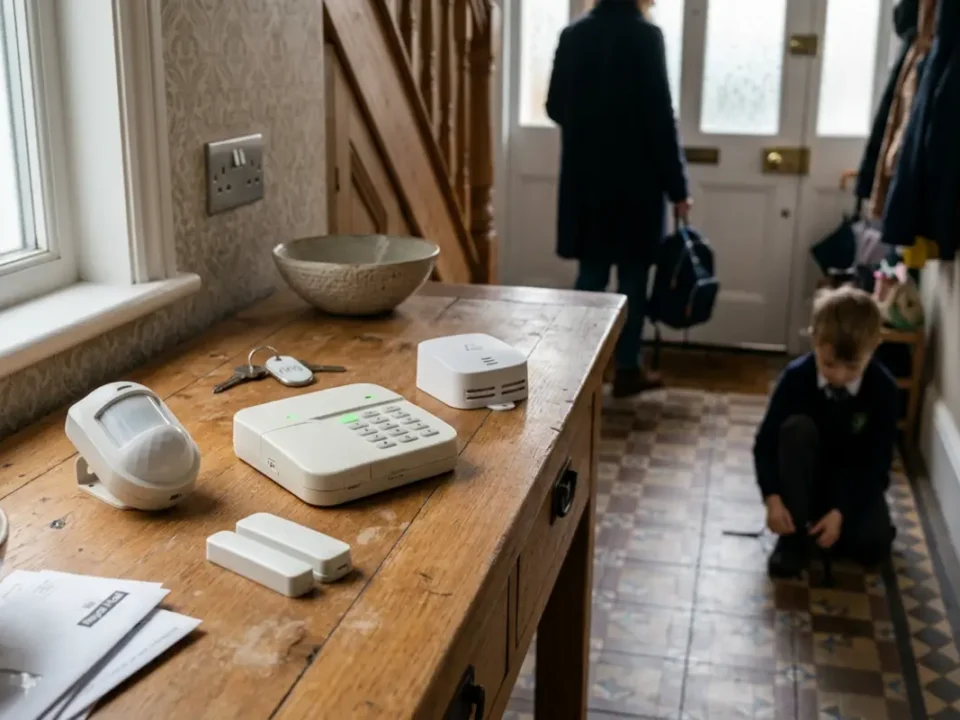
Good alarm design matches detectors to the way a thief is likely to enter. Magnetic contacts can protect doors and shutters, shock sensors can detect impact before a door fully opens, and passive infrared detectors, often called PIRs, can cover movement inside the space. Glass break sensors may help where windows or roof lights are present.
Layered protection works best. Strong locks and physical reinforcement delay entry, the alarm detects attack, CCTV records activity and monitoring ensures someone is told quickly. None of these measures needs to be complicated, but they do need to work together rather than sit in separate boxes with separate apps.
Choosing A North West Intruder Alarm Installer
A local installer should understand North West property types, from terraced homes with rear garages to rural Lancashire workshops and motor trade units on busy industrial estates. Ask whether they can design to BS EN 50131 Grade 2 or Grade 3, whether monitoring can support a Police Response URN and whether they provide maintenance records for insurers.
Accreditation matters because police response and insurance recognition are based on approved process, not good intentions. NSI or SSAIB certified and Insurance Approved installers are regularly assessed, follow recognised standards and can help with the documents insurers often request. Also ask how false alarms are managed, because repeated false calls can affect police response status.
iSecurity Solutions is a trusted UK provider of commercial and domestic security systems, helping homes and businesses stay protected around the clock. From CCTV and intruder alarms to fire safety, access control and construction site monitoring, the team designs reliable, tailored solutions backed by responsive service and modern remotely monitored technology.
Typical Costs In The North West In 2026
Costs vary with size, grade, monitoring and how awkward the building is to cable. Basic DIY garage sirens can cost very little, but they offer limited protection and usually no insurer recognition. Professionally installed systems for a single garage often start from a few hundred pounds, while higher specification monitored systems for workshops can move into the low thousands.
As a broad 2026 North West guide, a fitted bells only garage alarm may sit around £450 to £900 depending on detectors and sounders. A Grade 2 monitored system for a garage or small workshop may commonly range from £900 to £1,800, with monitoring charged monthly. Grade 3 commercial workshop systems can start around £1,800 and rise based on zones, signalling, CCTV integration and Police Response URN requirements.
North West pricing is often competitive compared with some national averages, especially around Greater Manchester, Liverpool and Preston where installer coverage is strong. Rural sites, long cable routes, metal buildings and complex shutter protection can add cost. The best value is rarely the cheapest alarm, but the system that matches the risk without adding features you will never use.
Choosing The Right Intruder Alarm
Garages and workshops are no longer places where you can rely on a rusty padlock and hope for the best. Tool theft causes real disruption, and in 2026 insurers are increasingly interested in whether security is suitable, documented and used properly. A BS EN 50131 Grade 2 or Grade 3 alarm, chosen around your risk level, can make a major difference.
For lower risk garages, a well installed audible or smart supported alarm may be enough. For trade workshops, motor related premises or high value tool storage, monitored protection with Police Response URN eligibility is usually the more sensible route. Start with a proper survey, check your insurance wording and choose a system that protects the building as it is used every day.
Frequently Asked Questions
What Is The Best Alarm For A Detached Garage?
For most detached garages, a wireless Grade 2 alarm with door contacts, movement detection, an external sounder and reliable signalling is a strong choice. If high value tools are stored inside, monitored protection with Police Response URN eligibility is worth considering.
Do I Need A Grade 2 Or Grade 3 Alarm For A Workshop?
Grade 2 is often suitable for standard domestic garages and moderate risk storage, while Grade 3 is better for commercial workshops, motor trade sites and high value tool collections. Your insurer may specify the grade required under BS EN 50131.
Will My Garage Alarm Get A Police Response?
Only eligible monitored systems can normally support a Police Response URN. The alarm must be properly installed, monitored through an approved Alarm Receiving Centre and maintained to the required standards.
Do Insurers Require An Accredited Alarm Installer?
Many insurers prefer or require an NSI or SSAIB certified and Insurance Approved installer, especially for tool insurance, motor trade cover and higher value workshops. Always check your policy wording before installation.
Can I Link My Garage Alarm To CCTV And Smart Devices?
Yes, many modern systems can work alongside CCTV, app alerts and smart home devices such as Ring or Hive. For insurance or police response, smart features should support a compliant intruder alarm rather than replace it.