Difference Between Grade 2 and Grade 3 Intruder Alarm
The difference between a Grade 2 and Grade 3 intruder alarm comes down to risk, resistance, monitoring, and insurer expectations. Under PD 6662:2017 and BS EN 50131, Grade 2 suits low to medium risk properties such as most homes and some small businesses, while Grade 3 is designed for medium to high risk premises where intruders may be more experienced and more willing to tamper with the system.
If you are weighing up insurance, police response, and day to day reliability, it helps to start with a clear picture of what an intruder alarm system is expected to do at each grade. The right choice is not about buying the most advanced kit for the sake of it. It is about matching the alarm to the real risk.
Grade 2 And Grade 3 Intruder Alarms
Grade 2 and Grade 3 intruder alarms matter because insurers, monitoring centres, and police response policies do not treat every system the same. A system that works well for a semi detached house may not be enough for a pharmacy, warehouse, or shop with high value stock.
For homes and businesses across the North West, iSecurity Solutions provides trusted support with tailored, Insurance Approved systems designed to meet the right standard from the start. As a trusted UK provider of commercial and domestic security systems, iSecurity Solutions helps protect properties around the clock with CCTV, intruder alarms, fire safety, access control, construction site monitoring, and responsive ongoing service. That means fewer problems with insurance, less confusion over paperwork, and a system that suits the building properly.
Understanding Grade 2 And Grade 3 Intruder Alarms
In UK terms, PD 6662:2017 is the scheme document that brings together the standards used for intruder and hold up alarms. BS EN 50131 is the main family of standards behind the grading system. Put simply, these rules help installers and insurers agree what level of security a system should provide.
Grade 2 alarms are generally aimed at low to medium risk sites. Think of a typical family home, a small office, or a modest retail unit where the expected intruder is opportunistic and likely to use basic tools. Grade 3 alarms are intended for medium to high risk premises where intruders may understand alarm systems, use electronic tools, and try to defeat detection before entering.
That difference in threat level affects everything from sensor design to signalling, tamper protection, and documentation. It is why insurers often accept Grade 2 for standard domestic risks, but lean towards Grade 3 for higher value commercial settings. Most people do not spend time reading alarm standards, and that is completely understandable. Clear advice makes the choice much easier.
If you want a broader look at commercial planning, business security systems often combine alarms, CCTV, and access control so the grade of alarm sits within a wider security plan.
Risk Level And Property Type Suitability
The simplest way to compare the two grades is by looking at the type of property and the likely target value inside it. Grade 2 is commonly suitable for houses, flats, home offices, and lower risk commercial sites. Grade 3 is more common in pharmacies, jewellers, warehouses, motor trade sites, larger offices, and retail premises with expensive stock or cash exposure.
A normal three bedroom home on a suburban street will usually be fine with Grade 2, unless the insurer says otherwise. A business storing controlled drugs, high value tools, or premium electronics is far more likely to need Grade 3. The right grade depends not just on what is inside the building, but on how likely it is that someone would target it deliberately rather than act on impulse.
In most cases, the choice comes down to insurer requirements, stock value, and how attractive the site is to a more determined intruder.
How Insurers View Grade 2 Vs Grade 3
Insurance companies use grade selection as a risk control measure. If your policy asks for a certain standard and the installed system does not meet it, claims can become awkward very quickly. Sometimes the issue is not a total rejection. It may be a higher excess, an exclusion, or a difficult discussion that could have been avoided.
Grade 2 is often accepted for most domestic policies and some low risk business policies. Grade 3 is usually the safer choice for commercial risks, especially where the policy schedule mentions monitored alarms, dual path signalling, or a Police Response URN. If your broker or insurer specifies the grade, it is best to follow that wording exactly rather than guessing.
It is easy to feel lost when an insurer starts quoting alarm grades and signalling requirements. The best step is to have the system specified properly from the start, so you are not left sorting out problems later.
For official standards context, the BSI overview of PD 6662:2017 explains the scheme used in the UK to apply these alarm standards.
Detection Technology And Sensor Differences
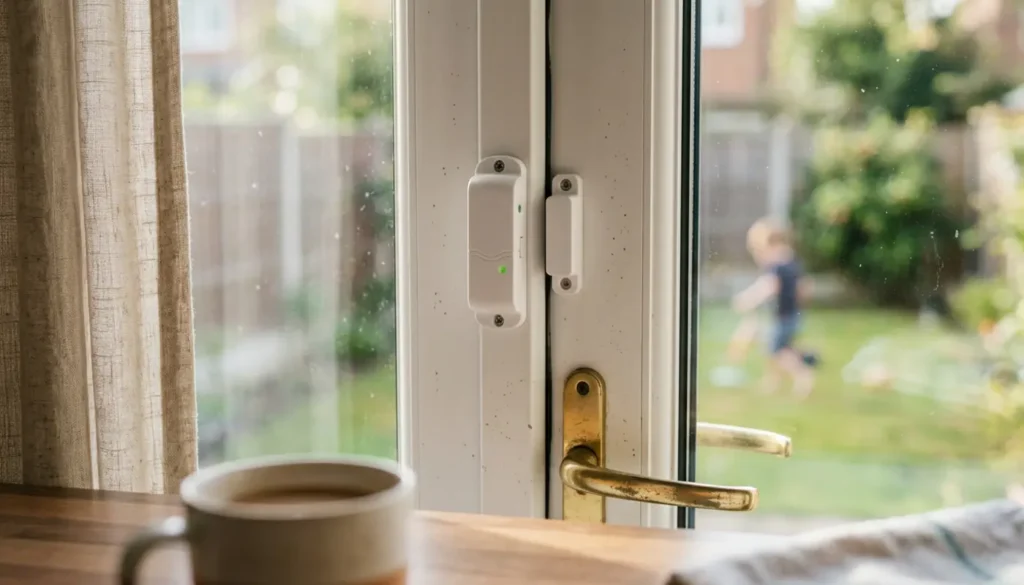
One of the biggest practical differences is sensor sophistication. Grade 2 detectors provide strong baseline protection, including movement detection, door contacts, and tamper switches. They are built for real protection, but they are not designed around the assumption that an intruder will actively try to fool the sensor.
Grade 3 sensors go further. They are usually designed to detect more deliberate sabotage, including masking. Masking means someone tries to block or cover the sensor, spray the lens, or otherwise stop it from seeing movement properly. A Grade 3 detector is more likely to spot that behaviour and raise an alert before the system is fully compromised.
That matters in real life. A burglar forcing a back door is one thing. Someone arriving with knowledge of alarm layouts and trying to cover a detector before entry is a very different risk. That is why Grade 3 is so often specified for higher value or higher consequence premises.
Tamper Resistance And Anti Sabotage Features
Both grades include tamper protection, but Grade 3 applies a tougher expectation. Grade 2 usually includes enclosure tamper contacts, device tamper switches, and standard fault monitoring. For many homes and smaller premises, that is entirely appropriate.
Grade 3 systems are built with stronger anti sabotage thinking throughout the setup. Components are better protected against interference, detectors are more resistant to attack, and system integrity becomes a bigger part of the design. The aim is not to overcomplicate things. It is to recognise that some intruders target the alarm first and the property second.
Control Panels, Keypads And Access Security
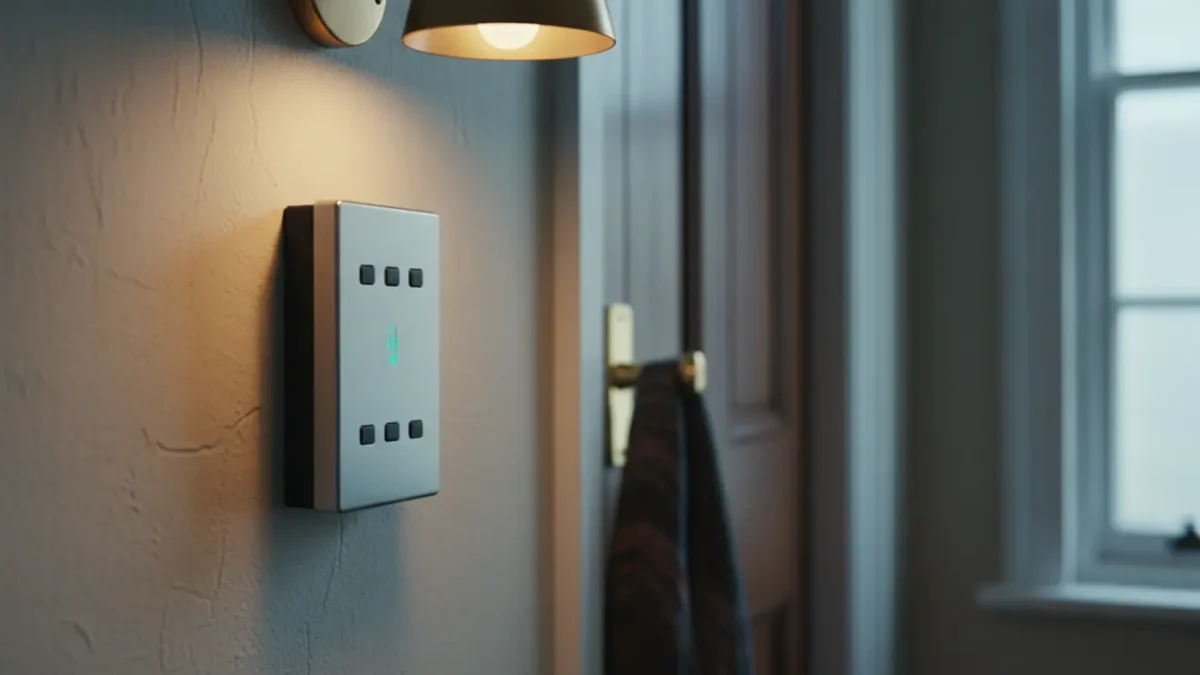
The control panel is the brain of the system, so the rules around access become more important as the grade goes up. Grade 2 systems can be very capable, but Grade 3 setups usually offer stricter access levels, clearer separation between user and engineer functions, and more detailed event logging.
That logging can matter a lot in a commercial setting. If an alarm was unset at an unusual time, or a detector was bypassed, a better event record helps show who did what and when. It is a little like the difference between a quick note and a proper audit trail. One is helpful. The other is much harder to argue with.
For sector specific examples, office alarm requirements often need stronger user accountability than a simple domestic setup.
Signalling, Monitoring And Dual Path Considerations
Signalling is the method used to send alarm events to an Alarm Receiving Centre, often called an ARC. A basic setup might rely on one communication path, while a higher specification setup may use dual path signalling, such as broadband plus mobile. If one path fails, the other still carries the signal.
Grade 2 systems can be monitored, but the signalling expectations are often more modest. Grade 3 systems often come with stronger signalling options. That may include faster fault reporting and dual path communication where the insurer asks for it. On higher risk sites, the communication path matters almost as much as the detector itself, because an alarm event is only useful if someone receives it.
If remote signalling and maintenance are part of the discussion, service contracts help keep monitored systems compliant and working as intended over time.
Police Response URN And Accreditation
A Police Response URN is a Unique Reference Number linked to a compliant alarm system. In simple terms, it is the reference that allows a monitored intruder alarm to qualify for police response under NPCC policy, provided all the other conditions are met. Without a valid URN, an activation will not be treated in the same way.
This is where accreditation matters. For an alarm, monitored CCTV, or perimeter detection system to be considered for Police Response URN eligibility, it must be installed to the relevant standards by an Insurance Approved SSAIB certified company. In practice, that means choosing the right installer is a key part of the process, not just an added benefit.
Grade choice also plays into this. Under BS EN 50131, Grade 2 and Grade 3 systems can both be relevant to monitored alarm setups, but Grade 3 is commonly associated with the higher risk sites where police response is especially important. If you are looking at boundary protection too, perimeter detection follows the same principle that proper certification supports URN eligibility.
Installation And Compliance Requirements
The standard is not just about the control panel. The whole system has to comply, and the overall grade is only as strong as the lowest graded device in it. So if a system includes one Grade 2 device, the whole installation cannot claim to be Grade 3.
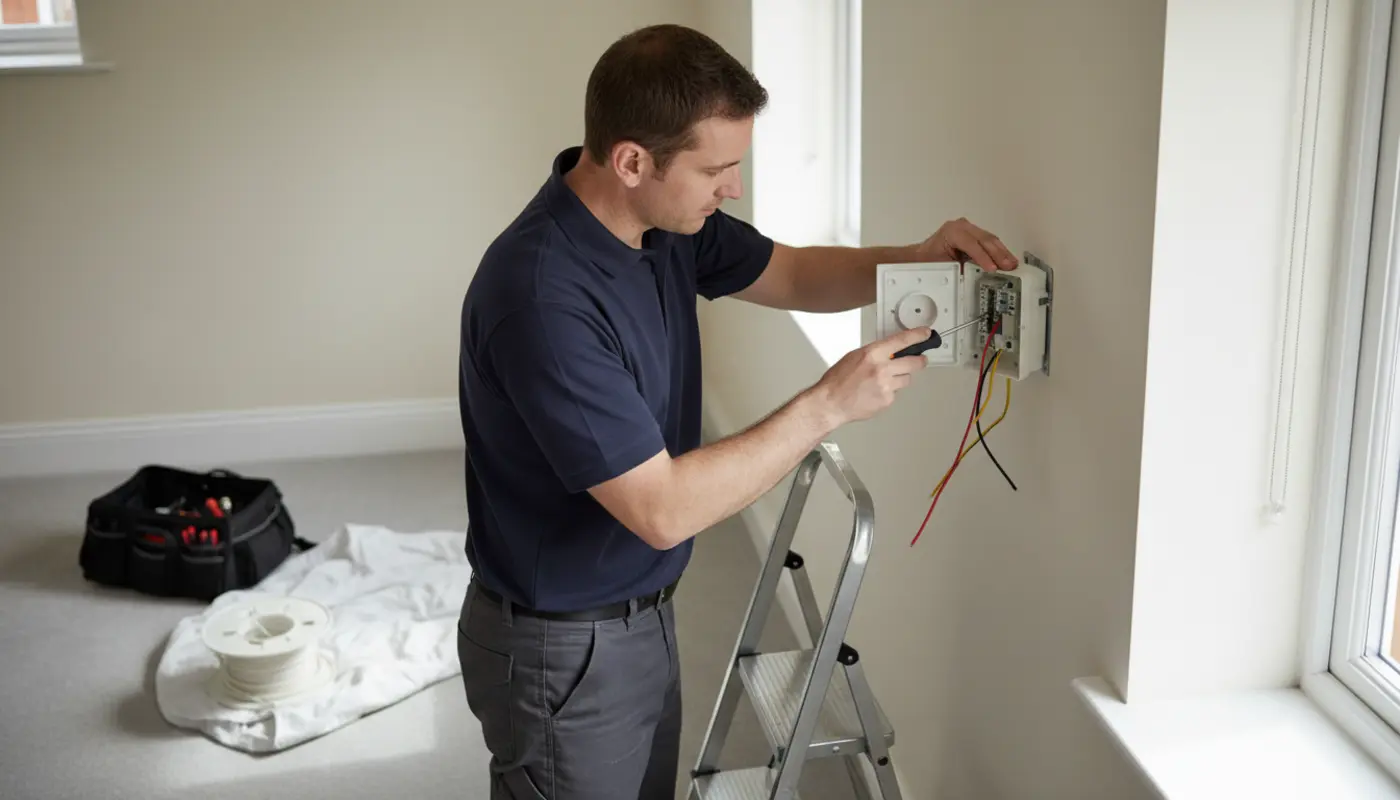
That is why proper surveying, specification, and certification matter so much. The installer should confirm the required grade, list the graded equipment, explain the signalling method, and provide the paperwork needed for insurance purposes. If an insurer expects Grade 3 and the installer quietly mixes in lower grade components, that can create problems later.
If you manage a pharmacy, this guide to pharmacy intruder alarms explains why Grade 3 is often required.
Cost Differences Between Grade 2 And Grade 3
Grade 3 usually costs more than Grade 2, both upfront and over time. The higher cost comes from better detectors, stronger control equipment, enhanced signalling, more detailed commissioning, and in some cases higher monitoring charges. Maintenance can also be more involved because the system is doing more and is often protecting a more demanding environment.
That said, cheaper is not always cheaper. If a business installs Grade 2 when the insurer requires Grade 3, any initial saving can disappear into premium issues, policy disputes, or upgrade work. For homeowners, Grade 2 is often the sensible balance, but for commercial sites the right answer is often driven by the insurer and the value of what is at risk.
If you are budgeting, alarm cost guidance can help you understand what affects installation and ongoing charges.
How To Choose The Right Grade
Choose Grade 2 if you have a typical home or a lower risk business and your insurer does not ask for anything more demanding. It gives strong everyday protection when correctly designed and installed, and for many people it is the right fit without unnecessary complexity.
Choose Grade 3 if you run a higher risk business, store high value items, need stronger anti mask detection, or your insurer specifically requires it. It is also worth serious consideration if police response, ARC monitoring, and tougher anti sabotage protection are important to your risk plan.
Another practical way to decide is to ask four questions. What does the insurer require, what are you protecting, how likely is deliberate tampering, and do you need a Police Response URN? Those four answers usually narrow the choice very quickly.
If you are comparing options for a storage site, this warehouse alarm guide shows where Grade 3 often makes more sense.
Final Thoughts
The difference between Grade 2 and Grade 3 intruder alarm systems is not just technical wording in a standard. It affects insurance acceptance, monitoring options, tamper protection, police response, and the overall suitability of the system for the property. Grade 2 is commonly right for domestic and lower risk sites, while Grade 3 is built for more demanding commercial risk.
The best result comes from matching the grade to the real threat, the insurer's conditions, and the way the building is used. Get the specification right at the start, and the whole system becomes easier to manage, easier to insure, and far more likely to do its job when it matters.