Access Control for Offices in Manchester for Better Security
Access Control For Offices In Manchester
Are you confident that only the right people can enter your office, access sensitive areas and handle confidential information, while still staying fully compliant with UK regulations?
Security and compliance can feel overwhelming. For many Manchester businesses, it is no longer just about locking the front door at 5 pm. Modern offices rely on smart entry systems, visitor management tools and integrated CCTV, all of which collect and process personal data. Security and compliance now go hand in hand, and getting it right truly matters.
At iSecurity Solutions, we support organisations across Manchester with compliant, SSAIB certified and Insurance Approved systems that protect people, property and data. Whether you need access control systems, integrated CCTV solutions, or complete business security services, every solution is carefully designed around your building and the way your team works.
Why Access Control For Offices In Manchester Matters
Manchester offices range from single floor professional suites to multi tenant city centre buildings with shared lobbies and car parks. That variety brings different risks. Unauthorised access, tailgating, internal theft and data breaches are genuine concerns, especially where sensitive client information is handled. No business wants to discover weaknesses after an incident has already happened.
An effective office access control system does much more than open doors. It creates clear zones, restricts higher risk areas, logs activity and integrates with alarms and CCTV. When installed by an SSAIB certified and Insurance Approved provider, systems can also meet insurer requirements and support eligibility for a Police Response URN where intruder alarms or monitored CCTV are connected. In simple terms, it ensures the right people get in and the wrong people do not.
UK GDPR And Data Protection Compliance
Every time a staff member taps a fob or a visitor signs in digitally, personal data is processed. Under the UK GDPR and the Data Protection Act 2018, businesses must have a lawful basis for processing that data and follow principles such as data minimisation, storage limitation and secure handling. The Information Commissioner Office explains these principles clearly in its UK GDPR guidance, and it is worth reviewing carefully.
In practice, this means being open about what data your access control system collects, why it is collected and how long it is kept. It also means limiting who can view access logs and CCTV footage, encrypting stored data and applying strong password controls for administrators. For higher risk systems such as biometrics, a Data Protection Impact Assessment is often essential. Planning this early avoids costly changes later.

Biometric Access Systems And ICO Guidance
Fingerprint and facial recognition readers can work well in research, finance or healthcare linked offices. However, biometric identifiers used to uniquely identify a person are classed as special category data. The ICO makes it clear that you must have both a lawful basis and a specific condition for processing this type of data, so it is not something to introduce without careful thought.
In an employment setting, consent is rarely appropriate because of the imbalance of power between employer and employee. Many organisations rely on legitimate interests, supported by clear documentation and strict necessity tests. For many Manchester offices, a well managed fob or smart card system offers strong security without the added data protection burden that biometrics bring. Often, that balance proves to be the more practical option.
BS EN 60839 And Electronic Access Control Standards
Compliance goes beyond data protection. Technical design is just as important. BS EN 60839 sets out requirements for electronic access control systems, covering reliability, performance and testing. Designing to recognised standards helps demonstrate due diligence to insurers, auditors and regulators.
Readers, controllers, locking devices and management software must work together securely. Tamper protection, accurate event logging and system resilience are key features. In straightforward terms, your system should keep operating when needed and record meaningful information. Where access control integrates with intruder alarms, systems should also comply with EN 50131, typically Grade 2 for standard offices or Grade 3 for higher risk environments.
Key Fob And Smart Card Systems Aligned With Secured By Design
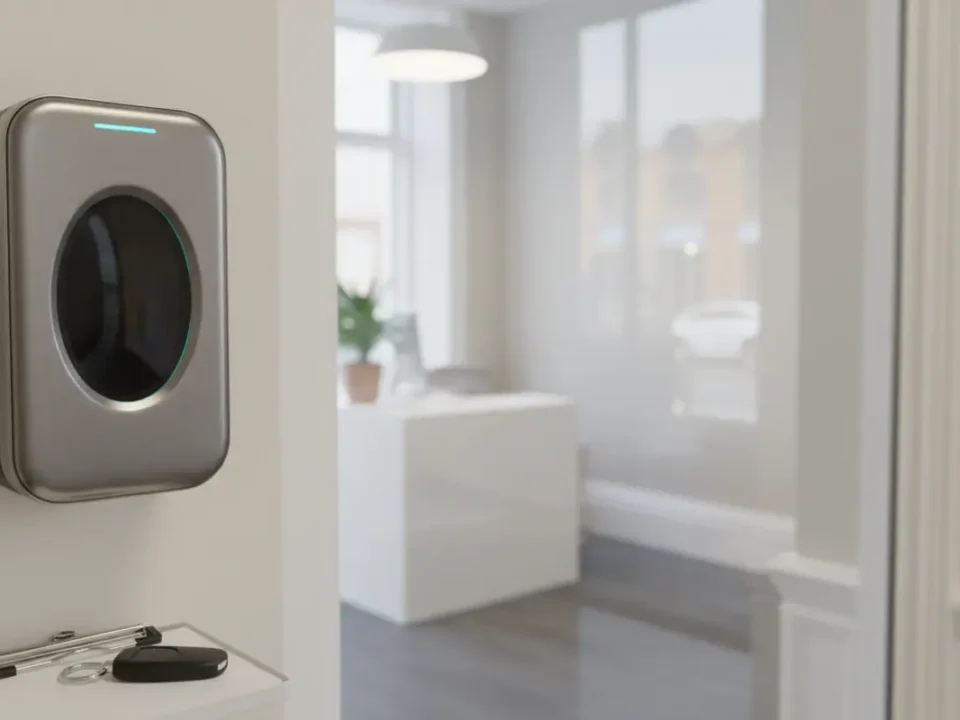
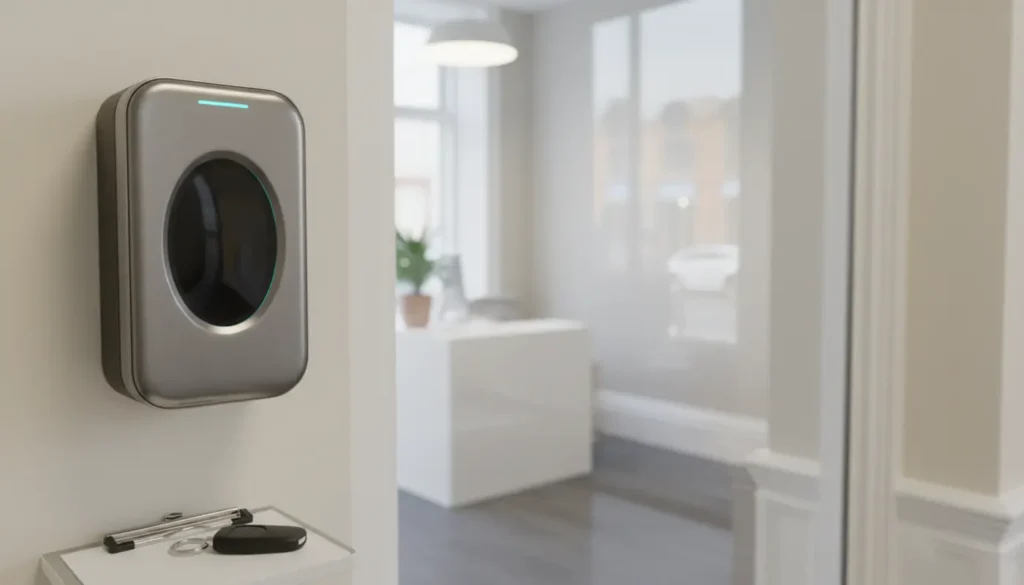
Key fobs and smart cards remain a popular choice for offices because they are simple to manage and more secure than traditional keys. They can be issued quickly, revoked instantly and programmed with specific permissions. When combined with Secured by Design principles for doors and hardware, they form a strong first layer of protection.
Good management includes regular reviews of access rights, immediate deactivation of lost cards and role based permissions that reflect job responsibilities. Multifactor authentication, such as card plus PIN, can be added for server rooms or finance areas without disrupting daily routines. Sensible layers of protection usually work better than overly complex systems.
CCTV Integration And The Surveillance Camera Code
Integrating access control with CCTV allows you to link door events with video footage. This can be invaluable when investigating tailgating or unauthorised after hours access. Office CCTV systems should comply with relevant standards when linked to alarms and follow the government Surveillance Camera Code of Practice.
Clear purpose, visible signage, limited retention periods and controlled access to footage are essential. Where systems are monitored and linked to police response, SSAIB certification is typically required for obtaining a Police Response URN, and installations must be Insurance Approved to meet insurer expectations. With the correct setup, these requirements become part of normal operations rather than an extra burden.
Visitor Management And Corporate Protocols
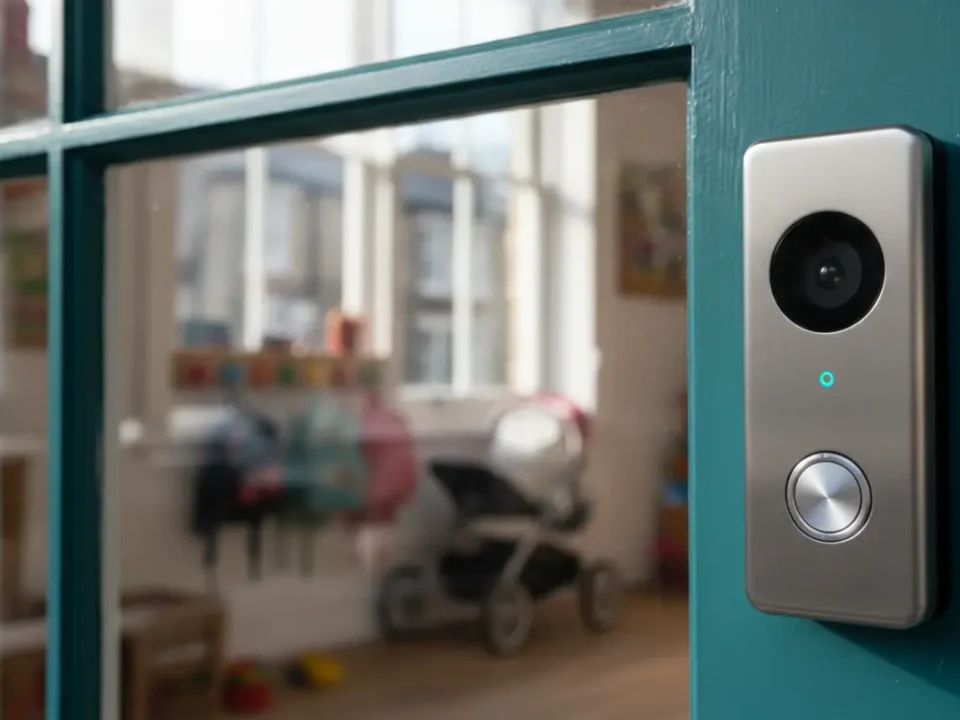
Digital visitor management systems have largely replaced paper sign in books. For NHS linked offices or corporate headquarters, procedures may require identity checks, escorted access and clearly restricted zones. The focus should always be on collecting only the information that is genuinely necessary and deleting it in line with a clear retention policy.
Temporary access passes can be set to expire automatically, reducing the risk of forgotten credentials remaining active. Integration with your office intruder alarm system ensures visitor areas remain protected outside working hours, with systems designed to EN 50131 standards. Security should support daily operations, not slow them down.
Cyber Essentials And Networked Infrastructure
Most modern access control systems operate over IP networks, which means they form part of your wider IT environment. The National Cyber Security Centre Cyber Essentials scheme highlights five key controls, including firewalls, secure configuration and user access management. Applying these principles to door controllers and management servers reduces the risk of cyber intrusion.
Network segmentation, strong administrator authentication and regular software updates are practical steps that should not be overlooked. If you are upgrading cabling to support new hardware, consider structured solutions such as those outlined in ethernet cabling for offices in Manchester, ensuring performance and reliability from the start.
Protect Duty And Physical Security Planning
The evolving Protect Duty, often referred to as Martin Law, places greater emphasis on preparedness in publicly accessible locations. Offices with ground floor receptions or shared entrances may need to review zoning, lockdown capability and staff awareness. Further context can be found in our overview of Martin Law.
Access control supports protective planning by allowing rapid lockdown of selected doors and clear separation between public and private areas. These measures must always align with fire safety and evacuation strategies, as security should never introduce new risks.
Fire Doors And Emergency Egress Compliance
Security must never compromise life safety. Electronic locks fitted to fire doors must allow immediate escape during an emergency. BS 9999 and Building Regulations outline expectations for means of escape, while fire alarm systems should comply with BS 5839, often Category L1 or L2 in larger offices.
Emergency lighting should meet BS 5266, with monthly function tests and annual full duration tests properly recorded. Fire extinguishers must be serviced in line with BS 5306 and BAFE SP101, with annual certification that insurers frequently request. Coordinating these elements with access control ensures doors release correctly when alarms activate, enabling safe evacuation.
Working With SIA Licensed And SSAIB Certified Professionals
Where manned guarding or monitoring is required, using SIA licensed professionals supports compliance and professional standards. For electronic systems, choosing an SSAIB certified and Insurance Approved installer demonstrates that your access control, CCTV and alarm installations meet recognised industry requirements.
SSAIB certification is typically required for systems seeking a Police Response URN, which enables police attendance to confirmed alarm activations. For higher value offices or those handling sensitive information, that level of response can provide valuable reassurance.
Better Office Security With Access Control In Manchester
Access control is about more than convenience. It involves balancing security, privacy, compliance and usability in a way that works for your organisation. By aligning with UK GDPR, BS EN 60839, EN 50131 and relevant fire and surveillance standards, Manchester offices can implement systems that withstand scrutiny without becoming unnecessarily complex.
iSecurity Solutions is a trusted UK provider of commercial and domestic security systems, helping homes and businesses stay protected around the clock. From CCTV and intruder alarms to fire safety, access control and construction site monitoring, our expert team designs reliable, tailored solutions backed by responsive service and modern, remotely monitored technology. Whether securing a single office or managing multiple sites, the focus remains the same. Delivering the equipment, expertise and peace of mind needed to keep what matters most safe.