Access Control for Care Homes in the North West: Wander Detection
How do you protect vulnerable dementia residents from wandering, stay compliant with CQC, and avoid turning your care home into a prison?
Let’s be real. If you run a care home in the North West, wandering is not a theory. It is a daily risk. Get it wrong and it is not just paperwork. It is someone’s mum or dad walking into a road at 2am.
At the same time, you cannot lock every door and hope for the best. The Mental Capacity Act exists for a reason. So does CQC Regulation 12 on safe care and treatment.
This is where iSecurity Solutions steps in. We design care home access control systems that protect residents, support staff, and stand up to inspection across the North West. When CQC walks in, you do not want to explain why your doors do not release.
Access Control For Care Homes In The North West And CQC Expectations
Cut the nonsense. Compliance sounds complex. It is not. You must assess risk and reduce it as far as reasonably possible.
Under Regulation 12, you are required to manage risks linked to premises and equipment. CQC makes that clear in its guidance on safe care and treatment.
If you know a resident is at risk of wandering and you do nothing, what exactly will you say during inspection?
Why Wandering Is A Serious Risk In Dementia Care
Obviously not every resident wanders. In dementia units, many do.
Residents become confused. They believe they need to go home. They follow someone through a door without knowing where it leads.
Here is what actually happens without proper control:
- Unsupervised exits
- Night time elopement
- Falls on stairs
- Access to busy roads
- Distress and agitation
- Safeguarding investigations
- CQC enforcement action
This is not about gadgets. It is about vulnerable people who cannot protect themselves.
Balancing Resident Freedom And Safeguarding Under The Mental Capacity Act
Stop pretending it is safety versus freedom. It is both.
The Mental Capacity Act and DoLS framework are clear. Any restriction must be necessary and the least restrictive option. If someone is under continuous supervision and not free to leave, you may be in deprivation of liberty territory.
That does not mean avoid access control. It means justify it and record it properly.
Best practice includes:
- Individual risk assessments
- Documented best interest decisions
- Clear reasoning for coded doors or maglocks
- Regular reviews
Done properly, access control supports dignity. Done badly, it invites enforcement notices.
Magnetic Locks Keypads And Fob Systems For CQC Care Settings
Let’s talk hardware. This is where homes either overspend or cut corners.
Magnetic locks on final exits are common in dementia units. They must be fail safe. That means they release automatically when the fire alarm activates. No debate.
When did you last test that properly?
Keypads can work well. But if the code is written on a note at reception, come on. Change codes often. Limit access. Audit usage.
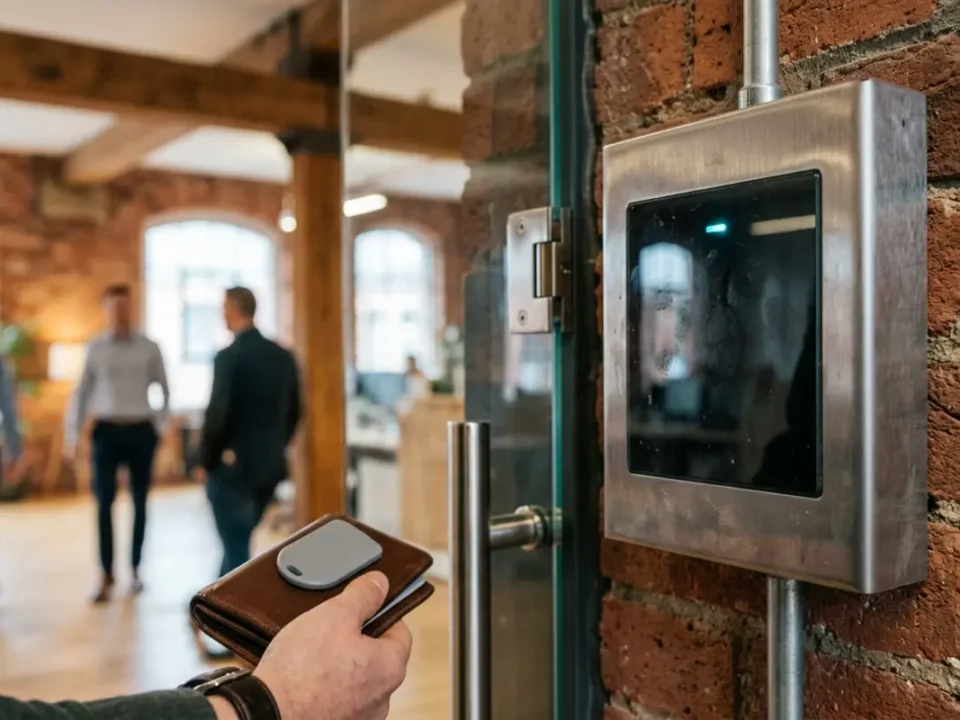
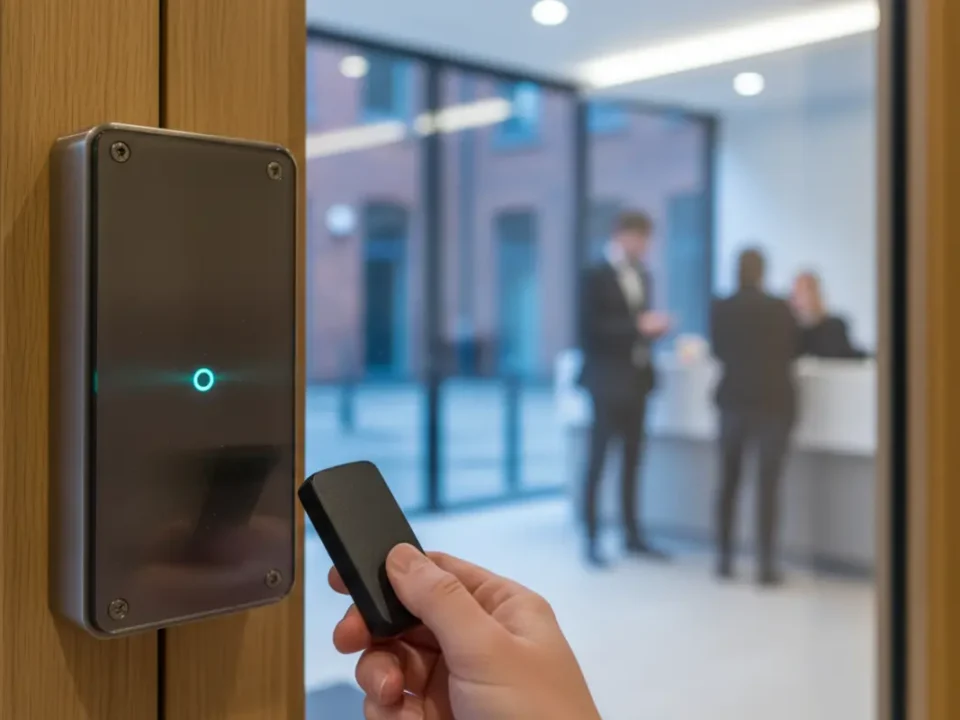
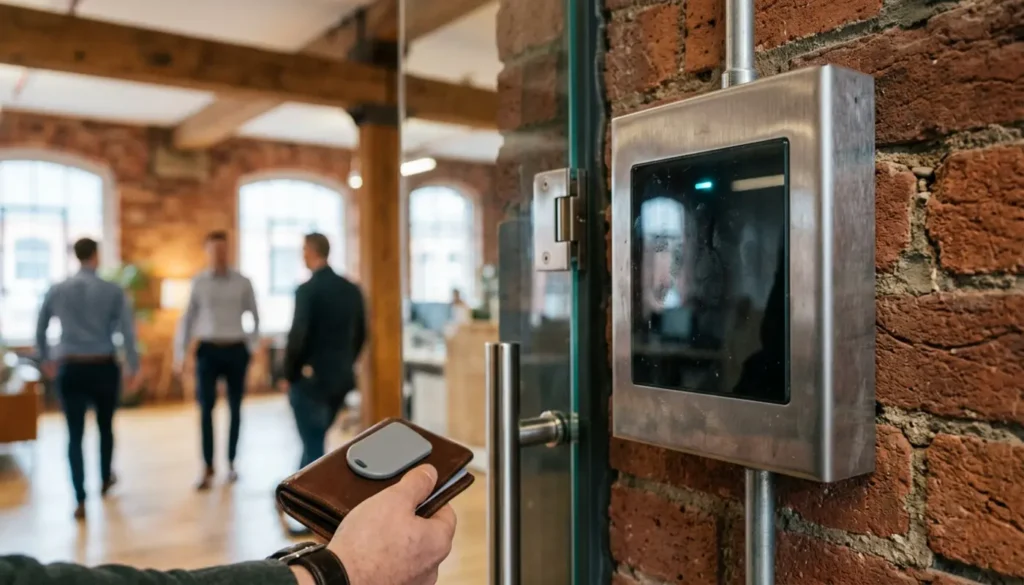
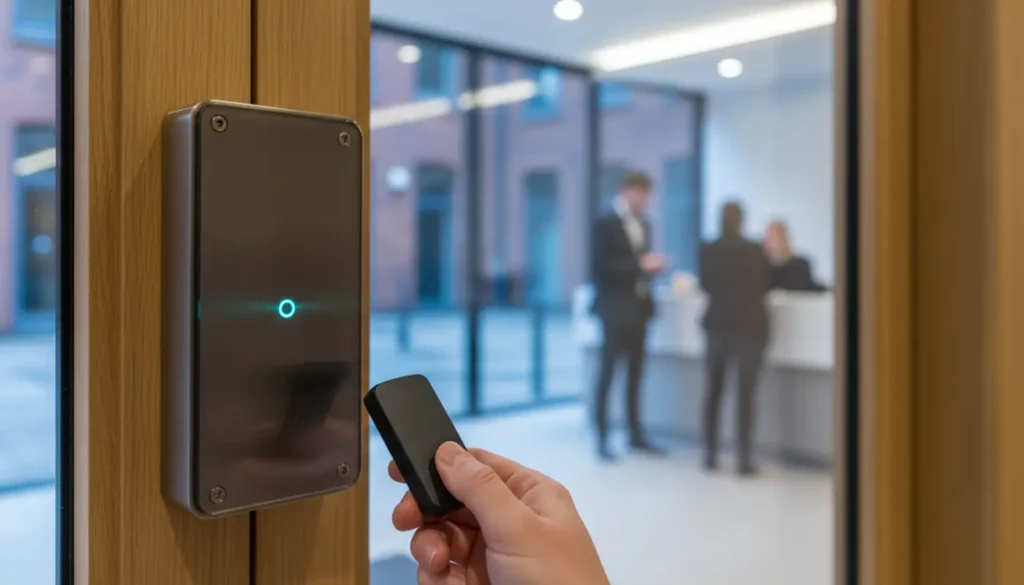
Proximity fob systems give stronger control. You can restrict areas, log entry times, and disable lost fobs instantly. How many old staff fobs are still active in your system?
This becomes stronger when paired with CCTV systems for care homes to verify incidents.
And use an SSAIB certified and Insurance Approved installer. Not someone doing weekend jobs. Poor installs fail under inspection.
Wander Detection Systems And How They Protect Dementia Residents
Here is where access control becomes smarter.
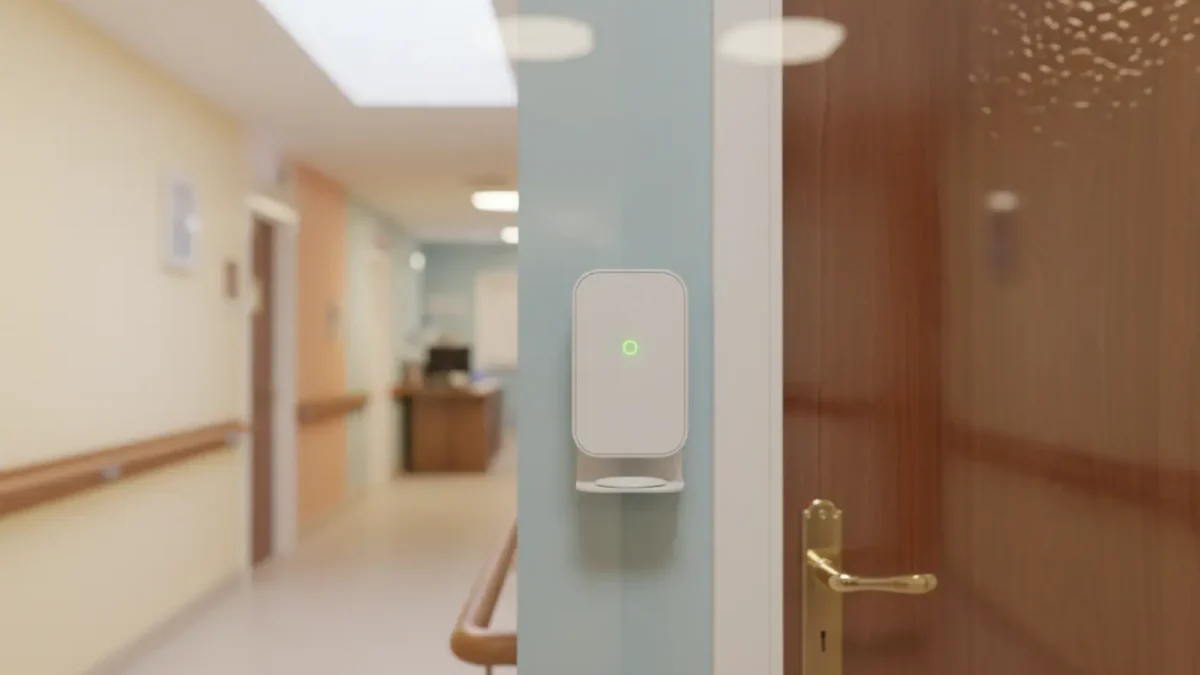
Wander detection systems use discreet tags worn by residents assessed as high risk. Door readers detect the tag and alert staff before exit.
This targets risk instead of restricting everyone.
Instead of blanket locking, you get controlled response:
- Staff receive an alert
- The door delays release
- The nurse station is notified
- The situation is managed calmly
That is proportionate safeguarding.
When integrated with your fire alarm system, doors still release under fire conditions in line with BS 5839 1. In most care settings that means a Category L1 system designed and maintained under BS 5839 1.
For more detail, see our guide on fire alarms for care homes in the North West. Wander detection without correct fire integration is a compliance risk waiting to happen.
Integration With Fire Alarms And BS 5839 Standards
Fire and security are not separate. They must work together.
Under BS 5839 1, care homes are usually Category L1 or L2 depending on layout and risk. Your access control must link to the fire panel cause and effect plan.
When the fire alarm activates:
- Maglocks release
- Delayed egress unlocks
- Escape routes clear
You need monthly user checks and planned servicing. If you are unsure, read our article on how often fire alarms should be tested.
Keep quarterly and annual maintenance records. If it is not recorded, it did not happen.
CCTV And Access Logs Supporting Local Authority Inspections
Here is what many homes forget. Evidence.
When CQC asks how you monitor exits, what do you show them?
Integrated access control creates logs. Who opened which door. When. With which fob. Pair that with correctly placed cameras and you have proof, not guesswork.
Read more in our blog on CCTV for care homes in the North West. Systems should comply with EN 50131 where relevant. If linked to monitoring or alarms that require a Police Response URN, installation must be by an SSAIB certified and Insurance Approved provider.
No SSAIB certification means no Police Response URN. No URN means no police attendance to confirmed alarms. Insurers price that risk accordingly.
Why SSAIB Certification Matters For North West Care Installers
Look. Anyone can fit a keypad. Not everyone can design a compliant system.
An SSAIB certified and Insurance Approved company is independently assessed for competence in fire and security systems. That includes intruder alarms to EN 50131 grades and integrated CCTV and access control.
If your system is monitored and you require a Police Response URN, SSAIB certification is mandatory. No certification, no URN.
Local authorities often expect third party certification such as SSAIB or NSI. That is basic due diligence.
Staff Training And Maintenance Agreements For Care Home Security
Here is what actually makes or breaks your system. People.
You can install the best access control in the North West. If staff prop doors open, share fobs, or ignore alerts, it fails.
Training should cover:
- Responding to wander alerts
- Overriding doors in emergencies
- Logging incidents correctly
- Understanding least restrictive practice under the Mental Capacity Act
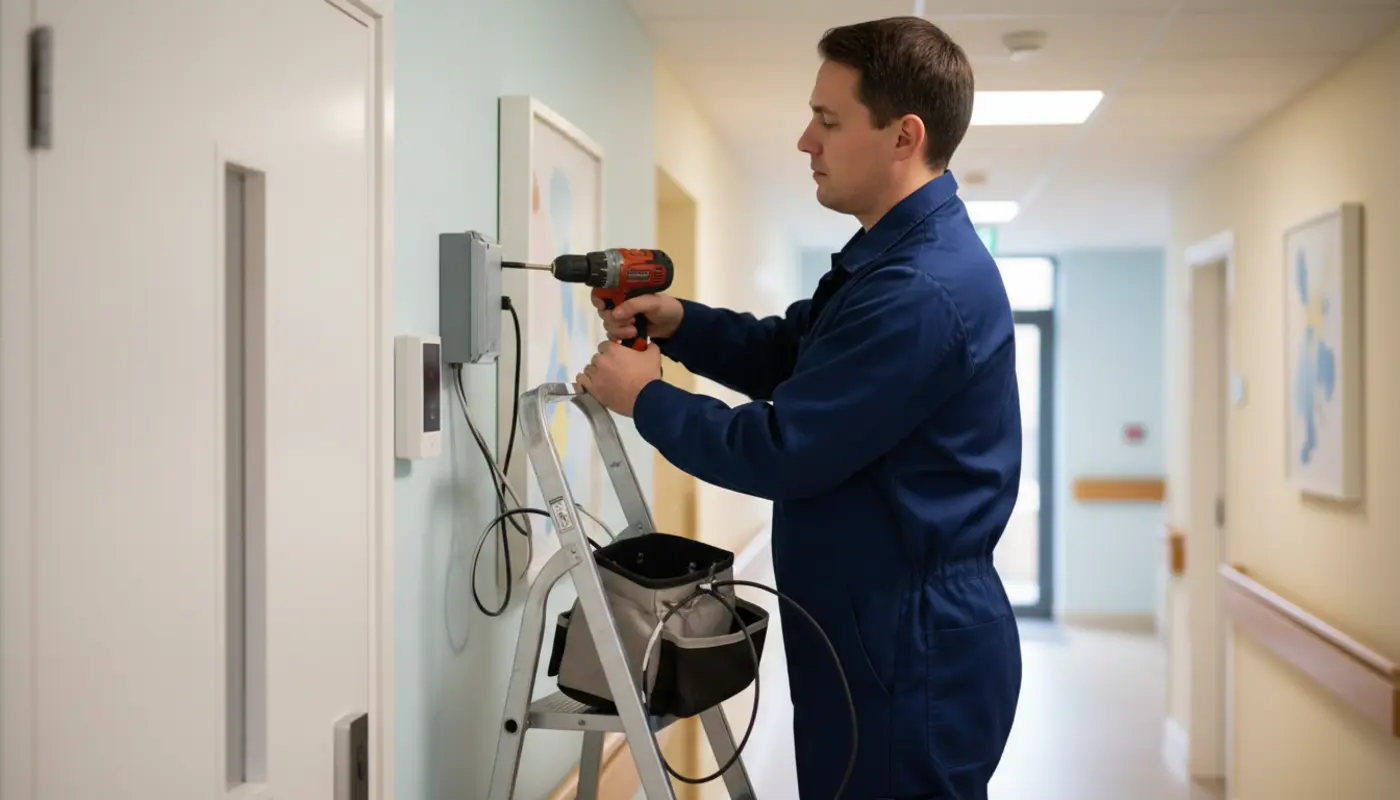
Maintenance agreements matter. Under a structured security and fire service contract, systems are inspected, faults logged, and certificates issued. That protects you when something goes wrong.
A Practical Roadmap For Care Home Managers
Bluntly, here is what you should do next.
- Review risk assessments for residents at risk of wandering
- Audit exits to confirm they are controlled and linked to fire systems
- Check your installer is SSAIB certified and Insurance Approved
- Confirm your fire alarm complies with BS 5839 1 and releases doors correctly
- Train staff and document everything
When did you last test all of that from start to finish?
At iSecurity Solutions, we design systems that protect residents across the North West and stand up to scrutiny. From access control and CCTV to fire safety integration under BS 5839, we deliver compliant, reliable protection that keeps vulnerable people safe while respecting dignity.
Protection and dignity are not opposites. Done properly, they work together.