How Access Control for Car Showrooms in Manchester Improves Security
Access Control In Manchester
Access control for car showrooms in Manchester improves security by controlling who can enter sensitive areas, when they can enter, and what they can access once inside. For dealerships handling high value vehicles, vehicle keys, customer data and workshop equipment, this control helps reduce theft risk, supports insurance expectations and keeps daily work running smoothly.
Why Car Showroom Access Control Matters
Car showroom access control matters because dealerships often have public areas, staff areas, key rooms, offices, workshops and forecourts all within the same site. A good system separates these areas clearly, so customers can enjoy the showroom while sensitive spaces stay protected.
Vehicle and key theft can feel like a moving target, especially with keyless entry crime, opportunist intruders and out of hours break ins affecting the motor trade. The right access control system removes much of the guesswork by creating clear staff permissions, audit trails and alerts when activity looks unusual.
isecurity Solutions is a trusted UK provider of commercial and domestic security systems, helping homes and businesses stay protected around the clock. For Manchester car showrooms, the team designs joined up security that can protect showroom floors, forecourts, workshops, key rooms and offices without making life awkward for staff or customers.
Why Car Showroom Security Matters More Than Ever
Car showrooms are attractive targets because they often hold valuable vehicles, keys, finance documents, parts, diagnostic tools and customer information in one place. A well planned access control system gives managers a practical way to separate public spaces from restricted areas, so visitors can browse comfortably while key stores, back offices and workshops remain secure.
In 2026, dealership security is not only about locking the front door at closing time. Many thefts involve people moving through a site during trading hours, following staff into restricted areas, targeting key cabinets or returning after closing with knowledge of the layout. Access control helps by making every protected door, gate or cabinet part of a managed security process, rather than relying on memory, trust and a bunch of keys that seems to grow legs.
Official UK data still shows vehicle related theft as a major issue, even when yearly figures rise or fall. The Office for National Statistics reported around 617000 vehicle related theft incidents in England and Wales for the year ending September 2025, which gives useful context for why dealerships should take layered protection seriously through ONS crime statistics.
What Vehicle And Key Theft Trends Mean For Manchester Dealerships
Manchester dealerships face a mix of risks because many sites sit near busy roads, retail parks, industrial estates and transport links. That is helpful for customers, but it can also make a showroom, forecourt or service yard easier to watch, approach and leave quickly if security is weak.
Recent UK dealership theft reports often follow a familiar pattern. Thieves look for keys, exploit poor out of hours controls, use cloned signals, enter service areas or remove vehicles from forecourts before anyone can react. Access control cannot stop every criminal plan, but it can make the route to success much harder.
In one widely reported Greater Manchester motor trade incident, thieves targeted keys during an overnight break in and drove away vehicles before staff arrived the next morning. Police reports in the West Midlands have also described cases where offenders entered dealership yards, used keys kept on site and removed cars within minutes, which shows how quickly weak key control can turn into a serious loss.
The main lesson is that keys need the same level of protection as the vehicles themselves. If a thief gets the key, the most expensive alarm in the world can start to feel like a very loud witness. A dealership access plan should treat key storage, staff permissions and movement records as core security controls, not admin extras.
How Access Control Reduces Risk Across The Dealership
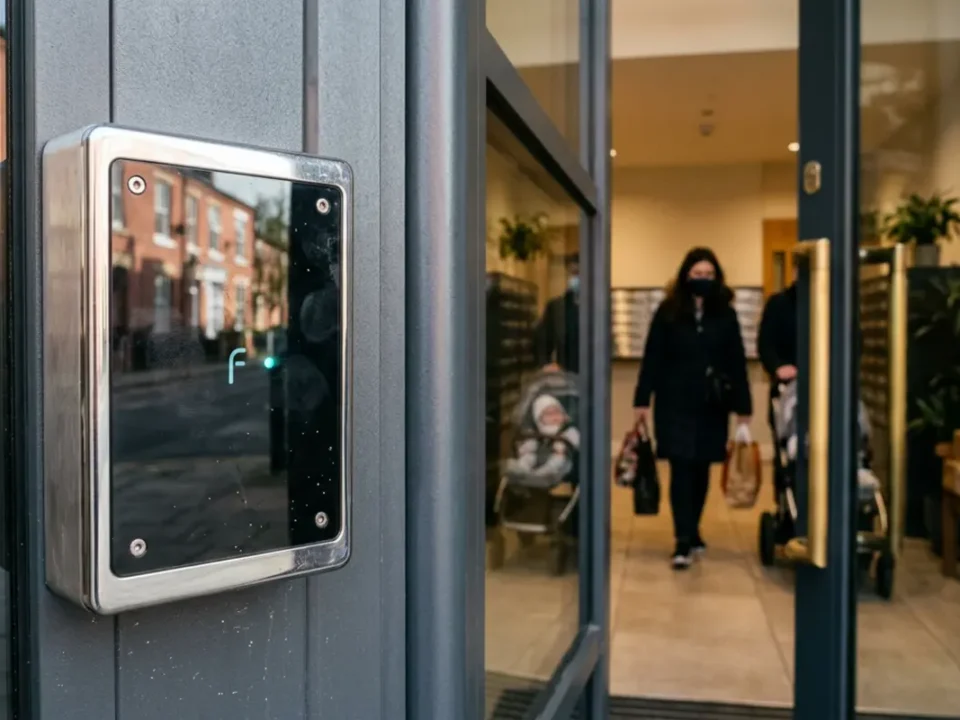
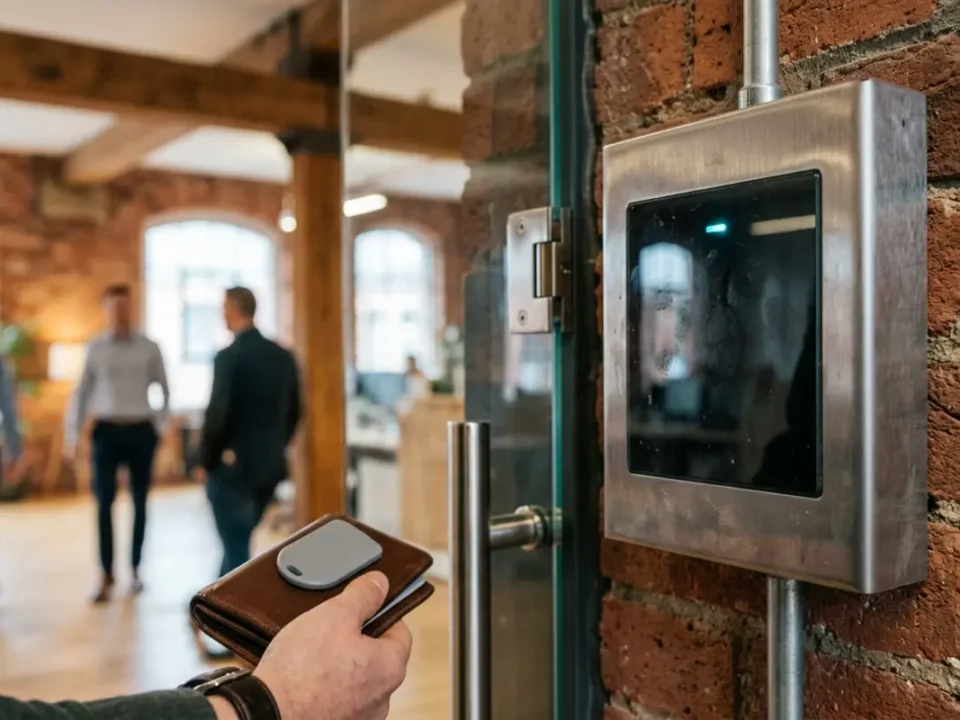
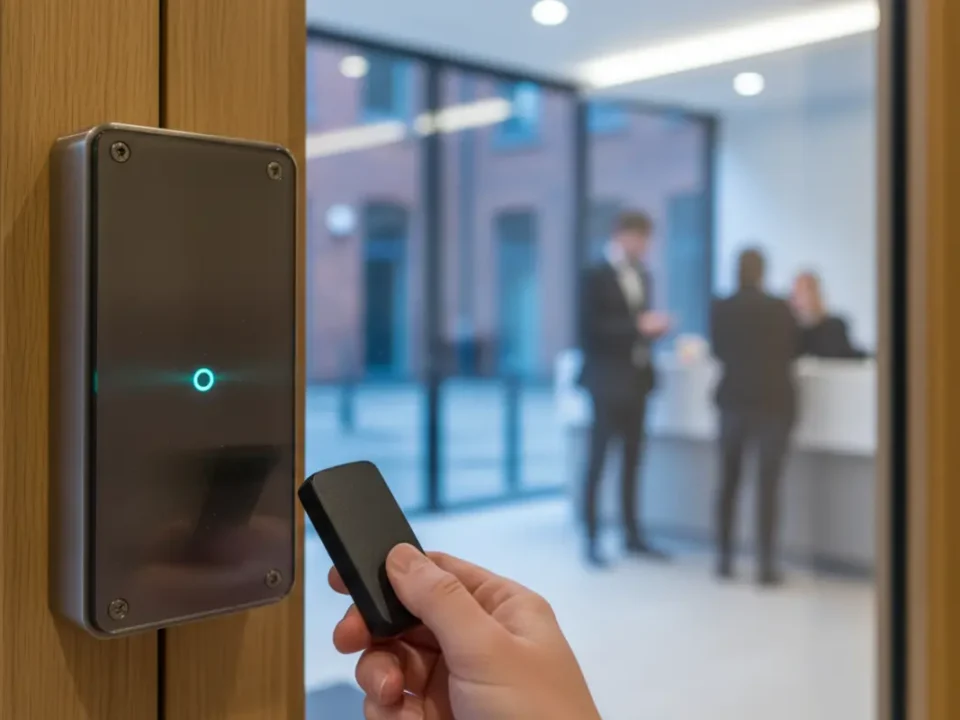
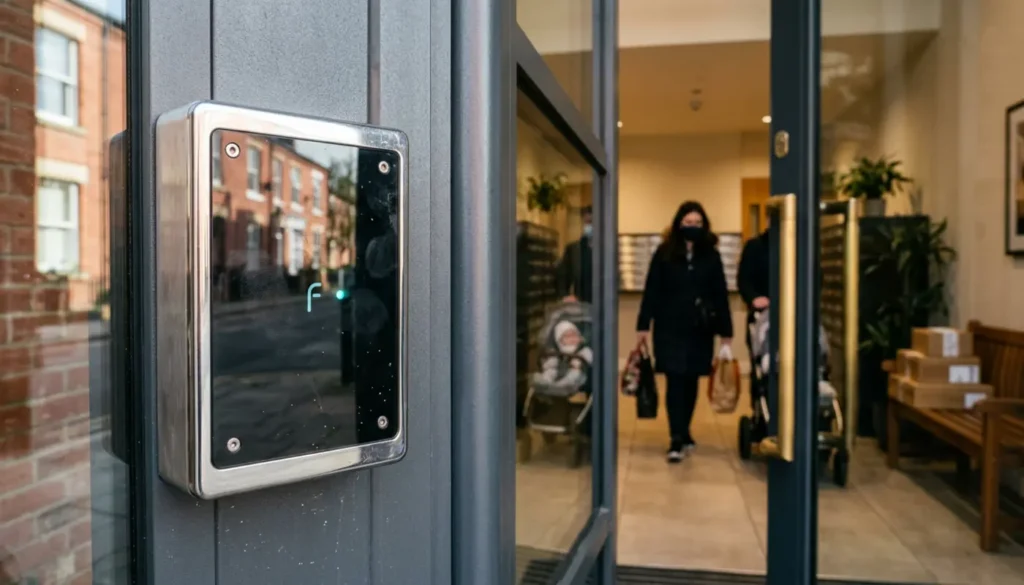
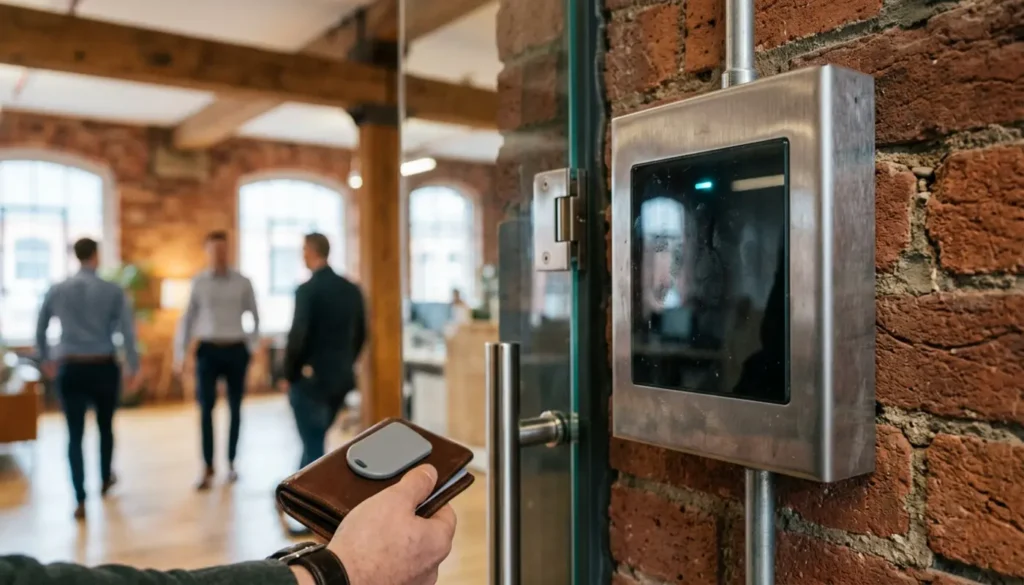
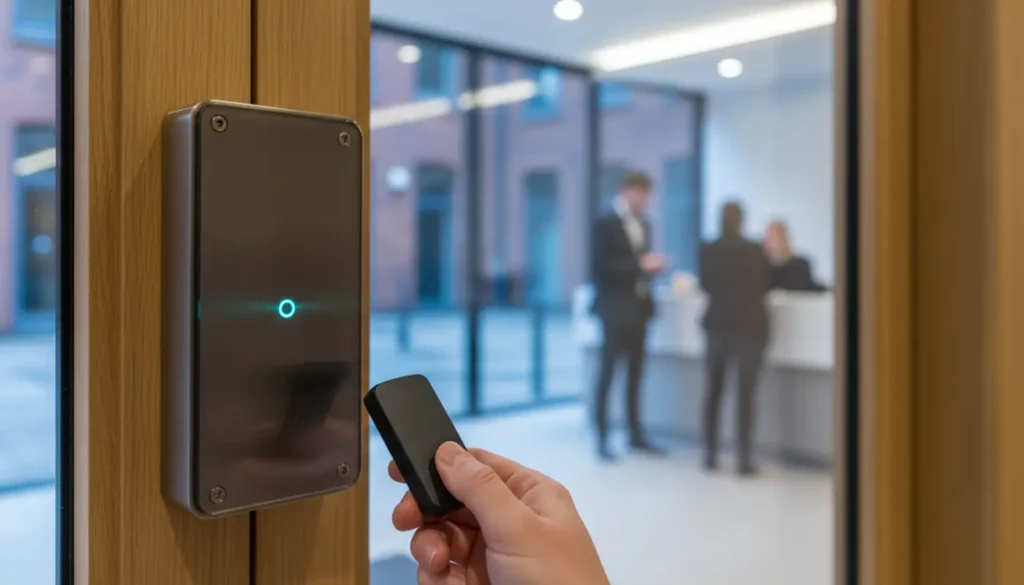
Access control reduces risk by replacing loose, shared or unmanaged keys with controlled credentials such as fobs, smart cards, PINs, mobile access or biometric readers. Managers can grant access by role, set time limits, remove permissions quickly and see who opened which door, gate or cabinet.
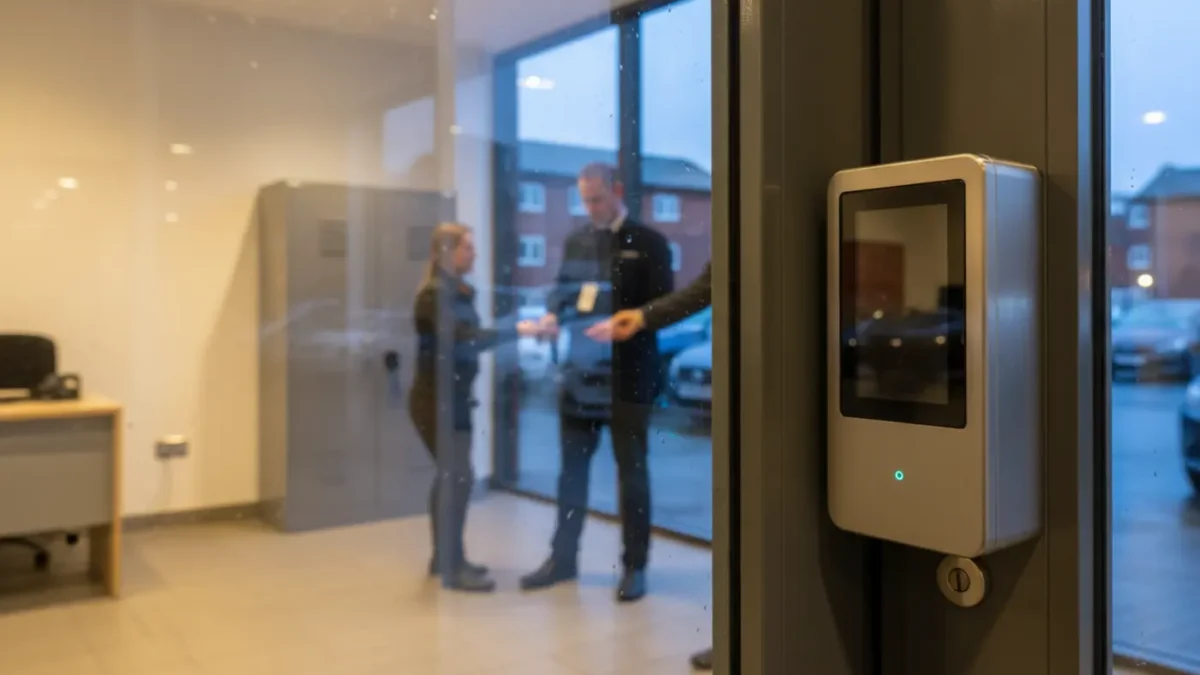
On the showroom floor, this means public entry can remain welcoming while staff only areas stay protected. Doors into offices, finance rooms, stock rooms and key areas can be secured without making the dealership feel like a fortress. Customers should feel comfortable, not like they have wandered into a spy film with finance options.
For forecourts and external entry points, access control can manage staff gates, roller shutters, vehicle compound gates and delivery areas. When paired with intercoms, CCTV and ANPR cameras, managers gain clearer evidence of who came in, which vehicle moved and whether access was authorised.
Access Control Planning For Manchester Car Showrooms
Access control planning for Manchester car showrooms should match permissions to real working patterns, especially because many incidents happen when fewer people are around to challenge unusual activity. Late handovers, valeting, deliveries, service recovery and emergency call outs all need clear rules, so authorised staff can do their jobs while unnecessary access stays blocked.
Good planning also avoids the common problem of everyone having access to everything because it feels easier at the time. Sales teams may need showroom and customer areas. Technicians may need workshop and parts access. Admin staff may need office access, but not key stores. When permissions match job function, the system becomes simpler to manage and harder to abuse.
Ever had that sinking feeling when nobody is quite sure who last had a key or who opened a door after closing? Access logs make those moments far less stressful. If a key is missing, a vehicle has moved or a secure room was opened outside normal hours, managers can check the audit trail instead of asking twenty people what they remember from last Tuesday.
That evidence is useful for internal control, and it also helps when speaking with insurers or police. SSAIB Insurance Approved planning is especially important where access control works alongside alarms, monitored CCTV or Police Response URN requirements.
Why Key Management Is The Critical Security Layer
Key management is often the weak spot in dealership security because vehicle keys are small, valuable and easy to move without drawing attention. Electronic key cabinets help by making keys available only to authorised staff, recording every removal and return, and sending alerts if keys are not returned on time.
Secure key cabinets can also be linked with access control permissions, so a member of staff can only take keys that match their role. A salesperson may access demonstrator vehicle keys during showroom hours, while a technician may access service vehicle keys during workshop shifts. This approach reduces casual access and creates a clearer chain of responsibility.
After closing, keys should be stored in a secure cabinet or safe within a protected room, ideally with door contacts, alarm detection and CCTV coverage. For higher risk sites or prestige vehicles, stronger controls may be needed, including dual authorisation, time restricted access and alerts to a monitoring centre if a key is removed unexpectedly.
Manchester dealerships with mixed sales, service and bodyshop operations should also review how keys move during the day. The handover from sales to workshop, or from valeting back to sales, is where keys can go missing without anyone spotting it quickly. Electronic records make those handovers clearer, calmer and far less dependent on sticky notes.
Integrating Access Control With CCTV And Intruder Alarms
Access control works best when it is integrated with CCTV, intruder alarms and remote monitoring. If a restricted door opens at 2 am, the system can trigger a camera view, send an alert and help a monitoring team decide whether it is a genuine staff visit or a security incident.
For showrooms reviewing cameras, CCTV should cover entrances, key rooms, forecourt gates, workshops, handover bays and high value display areas. Where monitored CCTV or intruder alarms are used, systems should be designed with Police Response URN requirements in mind, because SSAIB Insurance Approved installation is normally the prerequisite for police response eligibility.
Intruder alarm systems linked to dealership access plans should meet BS EN 50131, usually Grade 2 or Grade 3 depending on the risk profile, insurer requirements and value of stock. BS EN 50131 is the recognised standard used to grade intruder alarm systems, with higher grades used where the risk is greater or the likely intruder is more prepared.
Where police response signalling is part of the design, BS 8243 should also be considered. It supports how confirmed alarm activations are managed, which matters when a dealership wants a reliable route from detection to response.
Layered security is important because each system does a different job. Access control manages authorised entry, CCTV records and verifies activity, intruder alarms detect break ins, and remote monitoring helps make sure alerts do not sit unseen until morning. Together, they create a joined up picture rather than a pile of separate gadgets.
Role Based Access For Sales, Service And Admin Teams
Role based access is one of the simplest ways to make a car showroom safer without slowing everyone down. Instead of giving every staff member the same keys, managers decide what each role genuinely needs and build permissions around that.
Sales staff may need access to the showroom, handover bay and selected demonstrator keys. Service teams may need workshops, parts stores, ramps, back gates and customer vehicle keys. Admin teams may need offices, finance rooms and document storage, but not the vehicle compound or key cabinet.
This approach also helps when people join, leave or change role. A lost fob can be cancelled quickly, a new starter can be given limited access from day one, and a departing employee does not leave with a working key to half the building. Compared with changing locks, it is cleaner, quicker and kinder to the budget.
For multi site motor groups, central management can be particularly helpful. Head office can apply common rules across several locations while still allowing each site manager to handle day to day permissions. That gives consistency without turning every access request into a long meeting.
UK Motor Trade Insurance And Compliance Considerations
Motor trade insurers care about key security, vehicle movement, premises protection, opening hours and evidence that controls are actually being used. A dealership that can show controlled access, key logs, CCTV coverage, alarm records and maintenance paperwork is in a stronger position than one relying on old keys and hope.
Accredited systems may also support discussions around premiums, excesses and claims handling. No installer can promise a lower premium because insurers make their own decisions, but a professionally designed system can demonstrate that the dealership has taken reasonable steps to reduce risk.
Where intruder alarms, monitored CCTV or perimeter detection are part of the design, Police Response URN planning should be discussed early. SSAIB Insurance Approved systems help meet insurer expectations and can support eligibility for police response, provided the installation, maintenance and monitoring arrangements meet the required criteria.
It is worth reviewing access control and alarms together because doors, detectors and key rooms all affect the same risk picture. If you are unsure what your insurer expects, check the policy wording before investing in changes. It is much easier to design around requirements at the start than to fix gaps later.
What To Look For In An Accredited Installer In Manchester
Choosing an installer should be about more than who can fit readers to doors the fastest. Look for a team that starts with a proper survey and asks about staff roles, stock value, key processes, insurer conditions, monitoring needs and how the dealership operates during busy periods.
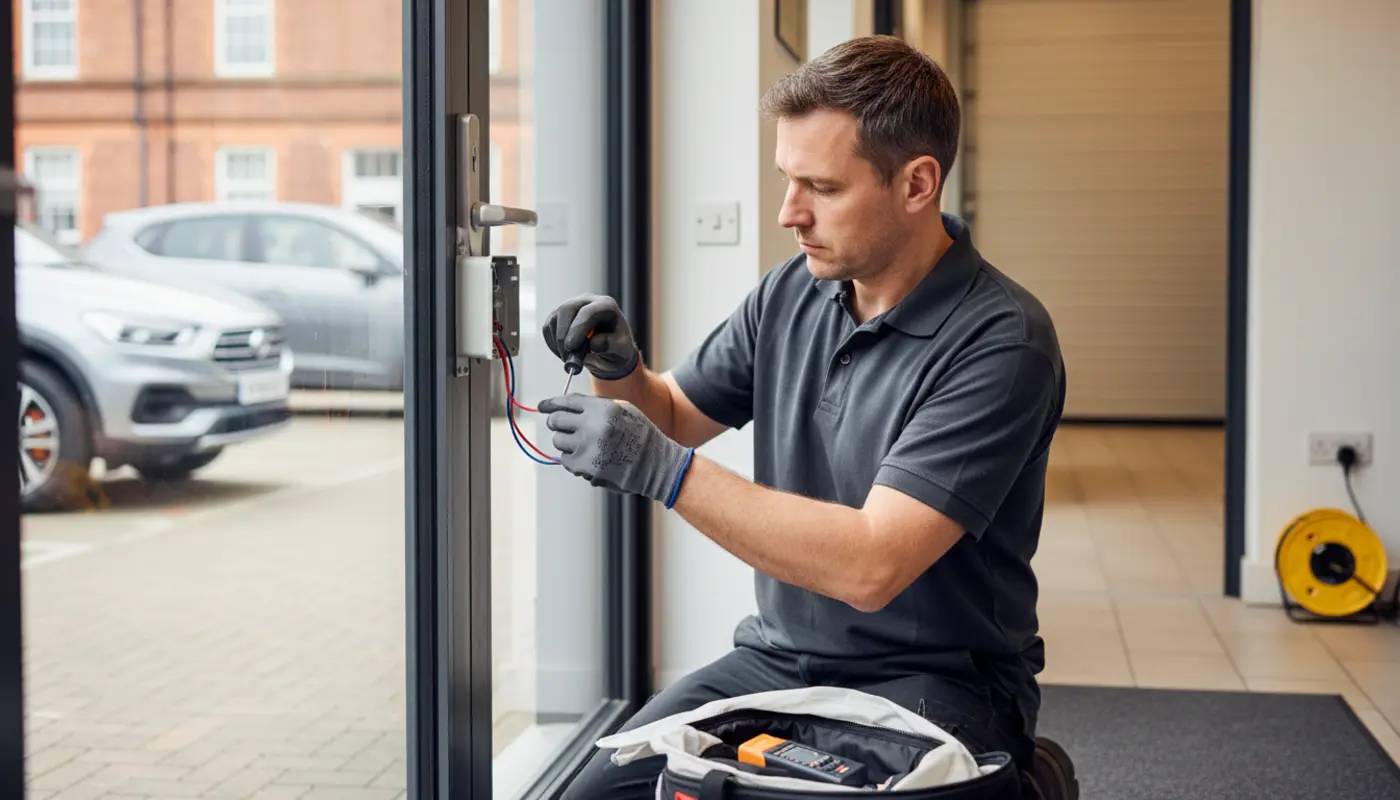
An experienced installer should explain the difference between standalone access control and networked systems, as well as how credentials, door hardware, cabinets, intercoms and reporting will work day to day. They should also provide clear handover documents, user training, an audit trail at handover and maintenance options that keep the system reliable.
For Manchester showrooms, local response matters. If a door controller fails, a reader is damaged or staff cannot access a key cabinet during a busy Saturday, you need support from people who understand commercial security and can respond sensibly. Cheap systems can become expensive very quickly when nobody answers the phone.
When comparing providers, ask whether they can support wider security too, including CCTV, intruder alarms, remote monitoring, access control maintenance and ongoing service. A joined up installer can design around the full dealership risk, rather than fitting one product and leaving the rest for someone else to work out later.
Practical Checklist For Manchester Dealerships
A useful first step is to walk the site as if you were new to the business and slightly too curious. Note every door, gate, shutter, office, workshop entrance, key storage point, vehicle compound and customer route. Then ask who can access it, who should access it and how you would prove it after an incident.
- Secure key areas first. Protect key rooms, cabinets, safes and any desk where keys are temporarily placed.
- Control staff only routes. Restrict doors from showroom floors into offices, workshops and stock rooms.
- Review forecourt access. Secure gates, delivery entrances, shutters and external vehicle movement points.
- Use time schedules. Limit access outside trading hours and create alerts for unusual activity.
- Connect evidence. Link access events with CCTV clips, alarm logs and monitoring responses.
- Maintain records. Keep training notes, user permissions, test records and service certificates up to date.
It is also wise to review permissions every quarter, or immediately after staff changes. Dealerships are busy places, and access rights can drift over time if nobody owns the process. A simple review can close gaps before they become awkward, expensive or both.
Building A Layered Dealership Security Strategy
Access control improves car showroom security by putting structure around people, keys, doors, gates and out of hours activity. For Manchester dealerships, it helps reduce theft risk, supports insurance conversations and gives managers clearer evidence when something needs investigating.
The best results come from treating access control as one part of a layered system, not a standalone door gadget. When it works alongside key management, CCTV, intruder alarms, remote monitoring and good staff procedures, it becomes a practical everyday tool that protects vehicles without making the dealership feel unfriendly.
If your showroom is still relying on shared keys, unlocked internal doors or handwritten key logs, 2026 is a good time to tighten things up. A well designed system can make the site safer, the team more accountable and the whole operation easier to manage, which is exactly what good security should do.
If you manage a Manchester dealership, now is a sensible time to book a security survey or review your current key and access process with isecurity Solutions. You will get a clearer view of the risks, and you will not need a detective hat to work out who had access to what.
Frequently Asked Questions
Do Manchester Car Showrooms Need SSAIB Insurance Approved Access Control?
Many insurers prefer or require systems installed by an SSAIB Insurance Approved provider, especially where access control is linked with alarms, monitored CCTV or Police Response URN requirements.
How Does Access Control Protect Vehicle Keys?
Access control protects keys by limiting who can enter key rooms or open electronic key cabinets, while audit logs show who removed or returned each key and when.
Can Access Control Work With CCTV And Intruder Alarms?
Yes, access control can trigger CCTV recording, send alerts and work with intruder alarms designed to BS EN 50131, helping managers and monitoring teams verify events quickly.
Will Access Control Reduce Motor Trade Insurance Premiums?
It may support better insurance discussions, but premiums depend on the insurer, site risk and policy terms. What it does provide is stronger evidence of theft prevention and key control.
Which Areas Should A Car Showroom Secure First?
Start with key storage, staff entrances, finance offices, workshops, forecourt gates and any route from public areas into restricted spaces.