Are Monitored Alarms Better Than Bells-Only Alarms?
Monitored Alarms Vs Bells Only
Yes, monitored alarms are usually better than bells only alarms if you want a reliable response when nobody is home, but they cost more and still do not guarantee police attendance. A bells only alarm makes noise and flashes outside your property, while a monitored alarm sends a signal to an Alarm Receiving Centre, often called an ARC, where trained operators can verify the alarm and contact keyholders or request police response where the system qualifies.
Across the UK in 2026, more homeowners are comparing both options because burglary prevention is no longer just about having a loud siren on the wall. The real question is who notices the alarm, who acts on it, and whether the system meets the rules needed for a Police Response URN. If you are trying to protect your home without getting lost in technical details, iSecurity Solutions is a trusted UK provider of commercial and domestic security systems, helping homes and businesses stay protected around the clock with tailored CCTV, intruder alarms, fire safety, access control and monitored security solutions.
Traditional bells only systems still have a place, especially for lower risk homes where the main aim is visible deterrence and a lower running cost. Monitored alarms, however, offer a clearer response route, which matters if you are away, asleep, abroad, or simply unable to check the property yourself. If your alarm went off while you were overseas and your usual neighbour was not around, a monitored system gives you a more organised way to deal with the problem.
Bells Only And Monitored Alarms At A Glance
The main difference is simple: a bells only alarm tells the local area that something may be wrong, while a monitored alarm tells a professional monitoring centre. That extra step can make a big difference, particularly if your neighbours are out, the property is isolated, or people nearby assume the alarm is just another false trigger.
- Alert method: a bells only alarm uses a siren and flashing strobe at the property, while a monitored alarm sends a signal to an Alarm Receiving Centre.
- Response: a bells only alarm relies on neighbours, passers by or keyholders noticing it, while a monitored alarm follows agreed steps through trained operators.
- Police response: a bells only alarm does not normally bring police attendance on its own, while a monitored alarm may support police response if it has confirmed activation and a valid Police Response URN.
- Ongoing cost: a bells only alarm is usually cheaper to run, while a monitored alarm normally includes monitoring and maintenance costs.
- Best fit: bells only alarms suit lower risk homes needing simple deterrence, while monitored alarms suit empty, isolated, higher value or insurance sensitive properties.
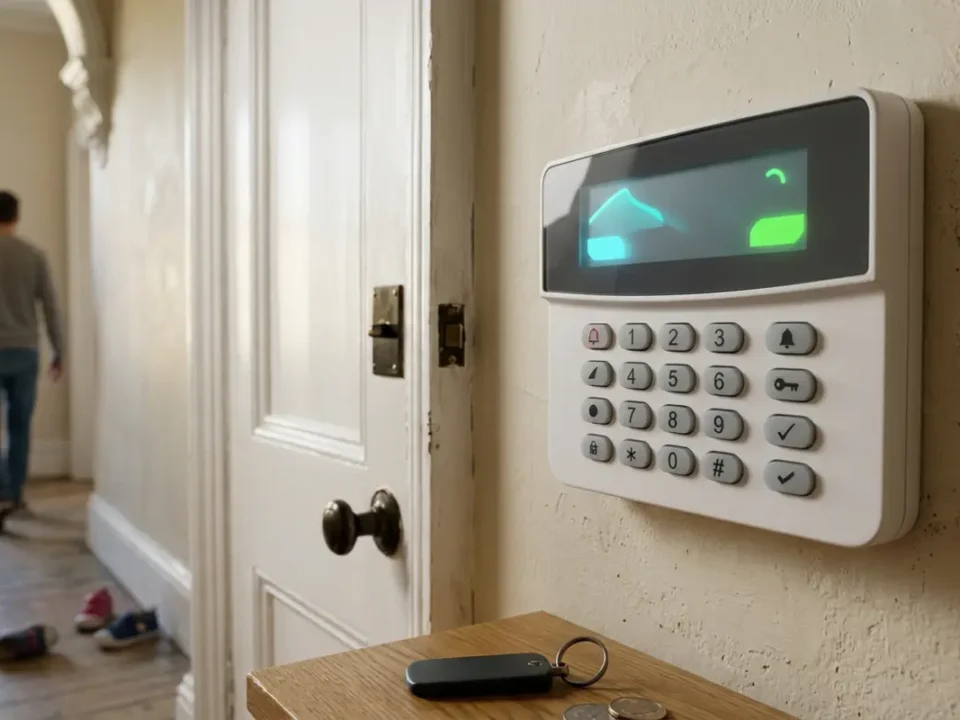
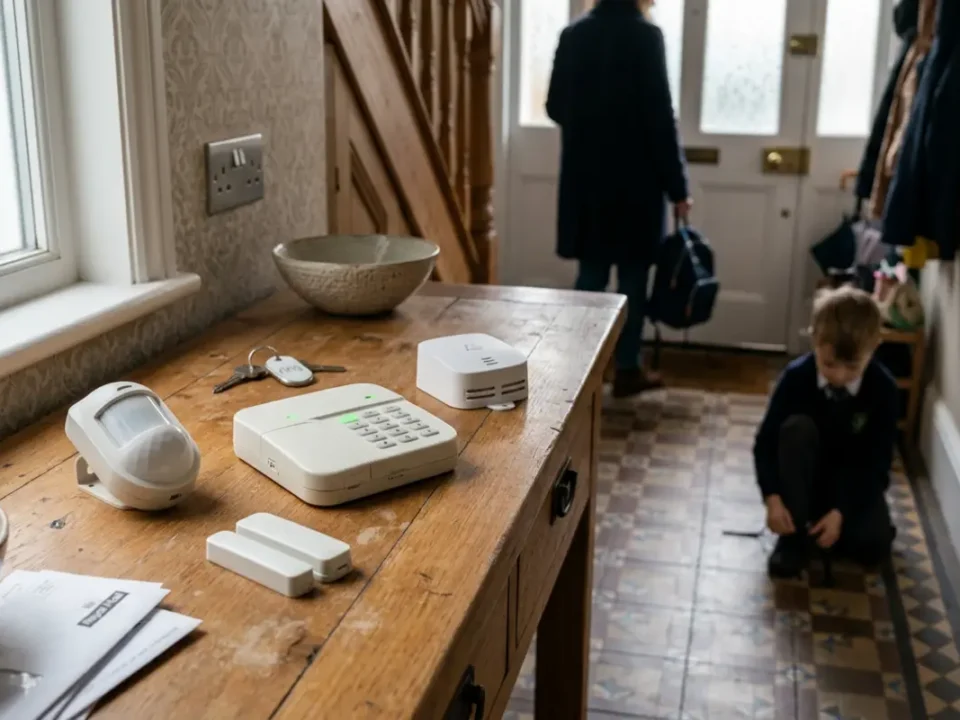
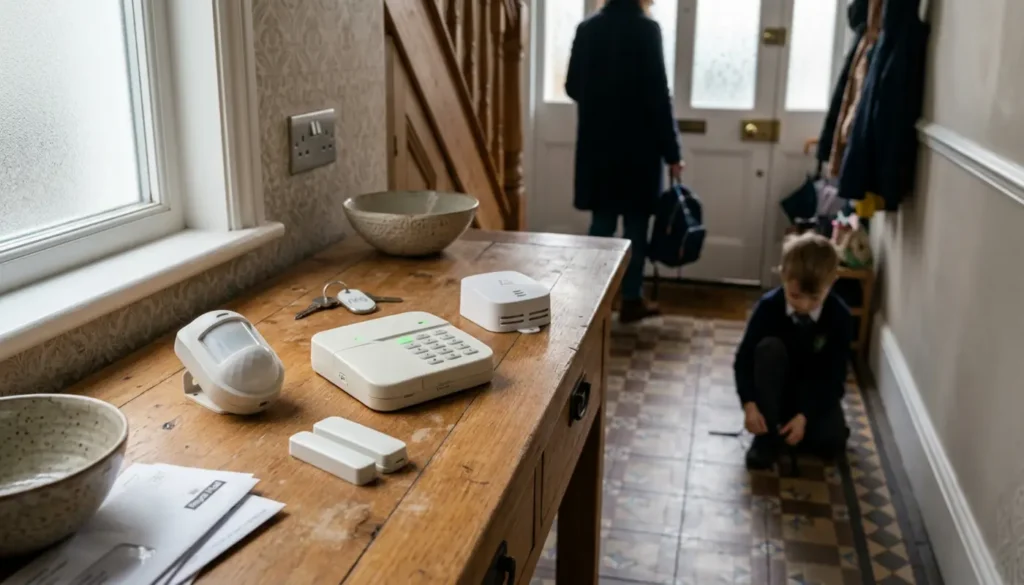
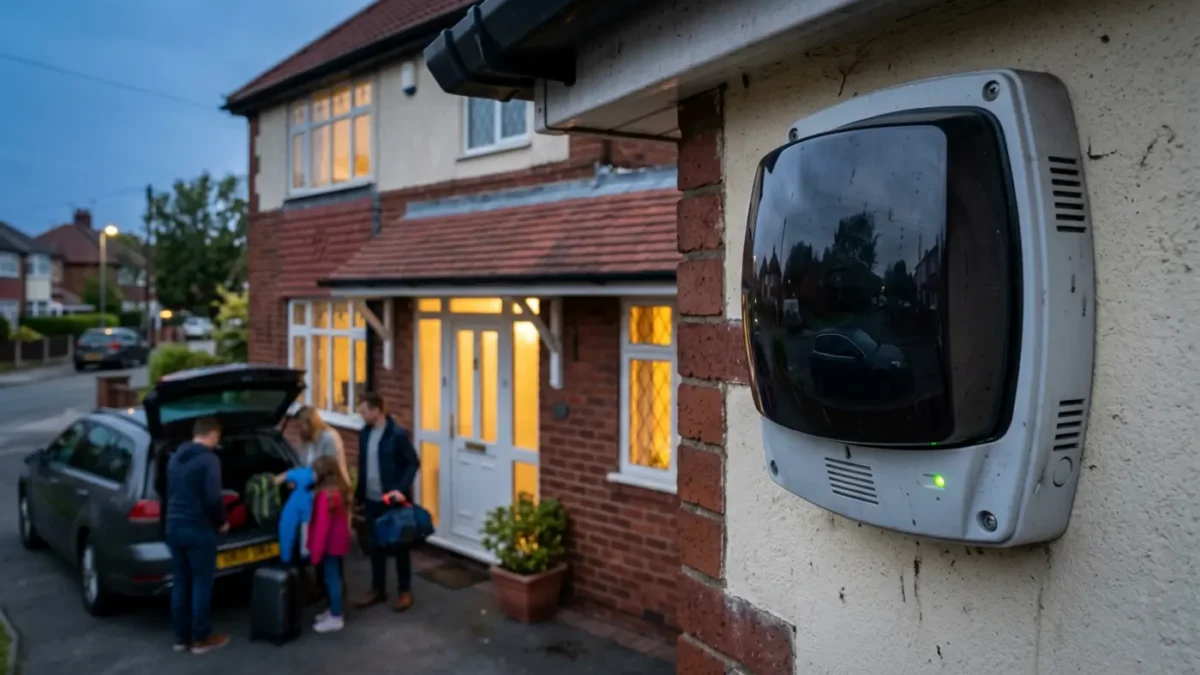
A bells only burglar alarm normally includes door contacts, motion detectors, a control panel, an internal sounder, an external siren and a flashing strobe. When a detector is triggered, the siren sounds and the system relies on someone nearby noticing and doing something sensible, such as phoning you, checking from a safe distance, or calling the police if there is clear evidence of a crime.
A monitored burglar alarm uses similar detection equipment, but it also sends a signal to an ARC. Depending on the contract, the ARC may contact nominated keyholders, the homeowner, a private response service, or the police where the system has a valid Police Response URN and a confirmed alarm activation.
- Bells only alarms: lower cost, no monitoring subscription, simple deterrent, but no automatic professional response.
- Monitored alarms: higher ongoing cost, professional escalation, stronger protection for empty homes, but police response depends on compliance and verification.
- Best basic rule: choose bells only for simple deterrence and monitored for a structured response process.
How A Bells Only Alarm Works
A bells only alarm works by sounding a siren at the property when a sensor detects activity. The external box also acts as a visible warning, which can be enough to put off opportunist burglars who would rather choose an easier target.
These systems are popular because they are straightforward and usually cheaper to install than monitored systems. There is no ARC contract, no monthly monitoring fee and fewer ongoing arrangements to manage, which suits households that want a simple security upgrade without another subscription taking money from the monthly budget.
The limitation is response. If your alarm goes off while you are on holiday, at work, or staying overnight elsewhere, it depends on neighbours or passers by taking notice. In many areas, people are reluctant to investigate alarms because they hear them so often, and nobody wants to be the person looking over a fence at 2am unless they really have to.
Police do not normally attend just because a bells only alarm is sounding. If someone witnesses a break in, sees damage, or reports suspicious activity, that is different, but the siren alone is not usually enough to create an automatic police response.
How A Monitored Alarm Works
A monitored alarm sends an alert to an Alarm Receiving Centre when it detects a possible intrusion. The ARC is staffed around the clock, and operators follow agreed procedures to decide what should happen next.
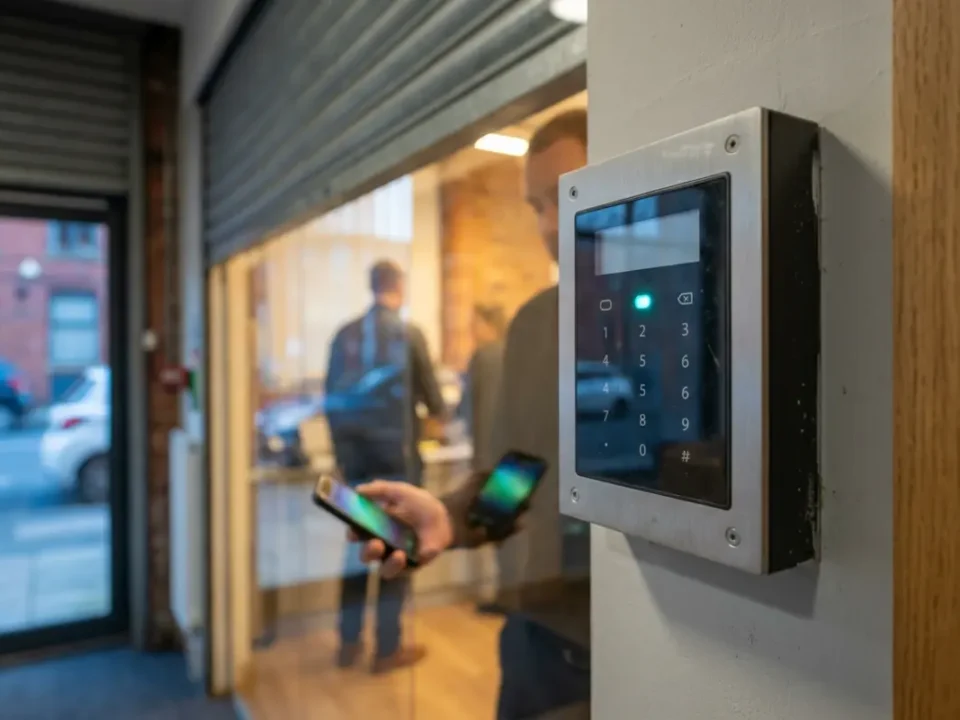
If you are weighing up a professionally designed system, it is worth looking at modern intruder alarm systems that can include monitoring, app control, battery backup and graded detection. A good installer will explain what response is included rather than using unclear phrases such as police linked or fully monitored without the paperwork to back it up.
Monitoring can be set up in several ways. Some systems notify keyholders only, some notify a monitoring centre, and some are designed to support police response where all the required conditions are met. These conditions normally include compliant installation, approved monitoring, ongoing maintenance, alarm confirmation and a valid Police Response URN.
Verification is a big part of the process. The ARC may receive signals from more than one detector, use audio or visual confirmation, check with keyholders, or review video where the system supports it. This helps reduce false alarms and gives the operator better information before escalating the incident.
Police Response In The UK
Police response is one of the biggest reasons people compare monitored alarms with bells only systems, but it is also the area where confusion often starts. A monitored alarm does not automatically guarantee police attendance, and any installer who suggests otherwise should be asked for the details in writing.
In England, Wales and Northern Ireland, police response to security systems is guided by the NPCC security systems policy. In plain English, that policy sets rules for systems that want police recognition, including standards, installation quality, monitoring arrangements, confirmation methods and false alarm performance. Scotland may operate under different arrangements, so local confirmation is always sensible.
A Police Response URN, or Unique Reference Number, links an eligible alarm system at a specific premises to police response arrangements. It is not just a feature you can switch on in an app, and it is not included with every monitored package. SSAIB Insurance Approved certification is the prerequisite for Insurance Approved installations and Police Response URN eligibility, alongside the right system design, ARC monitoring and maintenance.
For a neutral police linked explanation of alarm response and system types, ProtectUK provides useful guidance on alarms and CCTV. The important point is that police attendance depends on confirmed activation, a recognised system and operational priorities, not simply the fact that a siren is loud enough to upset the cat.
Standards And Certification Matter
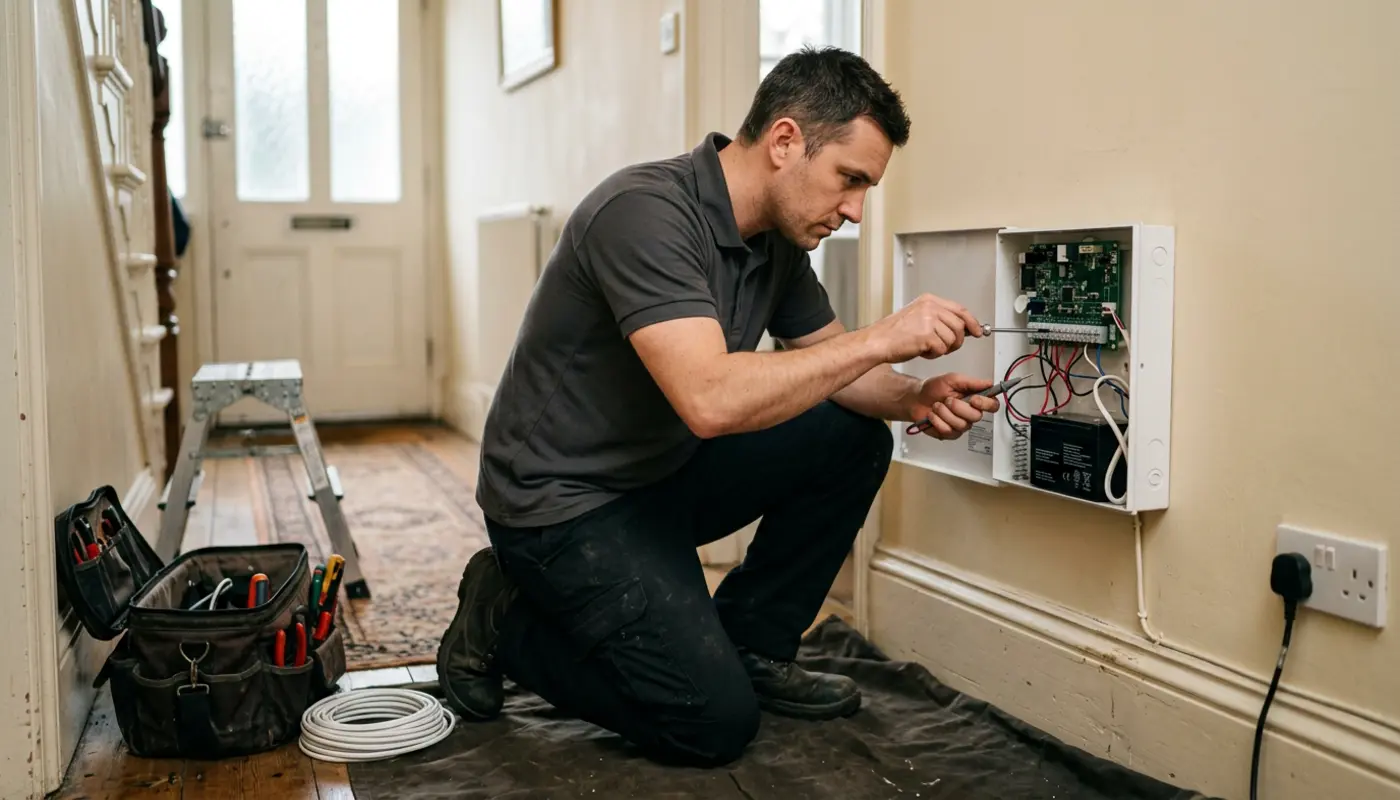
Intruder alarm standards can sound dry, but they are there to make sure systems are designed, installed and maintained properly. BS EN 50131 sets out technical requirements and alarm grades, with Grade 2 often used for many domestic risks and Grade 3 used where the risk is higher or insurance requirements are tougher.
PD 6662 is the UK framework that applies relevant European alarm standards, while BS 8243 deals with confirmed alarm systems intended to generate police response. BS EN 50518 relates to Alarm Receiving Centres, which matters because monitoring quality is only as good as the people, procedures and technology receiving the signal.
NSI and SSAIB Insurance Approved are recognised certification routes in the UK security sector. The key thing to understand is that the installer, the system and the monitoring arrangement all matter. A product brand on its own does not make a system police compliant, and a smart alarm bought online may be useful without qualifying for a Police Response URN.
You do not need to memorise every standard, because that is what a good installer is there for. They should explain which rules apply to your property, what the alarm grade means, and what is needed if police response is part of your plan.
If you want a deeper look at police response registration, you can read how a Police Response URN works with an alarm. It explains why the paperwork, maintenance and confirmation process are just as important as the alarm panel on the wall.
False Alarms And Verification
False alarms are not just annoying. They waste police time, worry homeowners, disturb neighbours and can put your response status at risk. Repeated false alarm calls may lead to police response being downgraded, suspended or withdrawn, depending on local policy and the type of system.
Common causes include poor sensor positioning, pets walking through protected areas, open windows, user error, low batteries, faulty contacts, unstable communications and lack of maintenance. Most of these are avoidable with proper design, sensible user training and regular servicing.
Monitored systems usually reduce the risk of wasted escalation by using confirmation methods. Dual path signalling can send alarm signals through two routes, such as broadband and mobile network, so the system is less dependent on one connection. Audio verification, visual verification and signals from more than one detector can all help operators decide whether an alarm looks genuine.
Bells only systems can also false alarm, but there is no ARC operator checking the signal before action is taken. That means the alarm may simply sound until it times out, while the household hopes someone nearby takes it seriously.
Response When Nobody Is Home
This is where monitored alarms often pull ahead. If your property is empty, a bells only system can only make noise about the problem, while a monitored system can send a signal to people who are trained to respond properly.
That said, the details matter. Ask who gets called first, how many keyholders are needed, what happens if nobody answers, whether a private responder is included, and whether police response can be requested. A monitoring contract that only sends you a phone notification may be useful, but it is not the same as a police eligible monitored alarm.
Reliability also depends on resilience. A good system should have battery backup, tamper detection, communication failure alerts and suitable signalling for your location. Rural properties, thick stone walls and patchy mobile coverage can all affect performance, so the survey stage is not just a box ticking exercise.
Costs Compared In 2026
Bells only alarms usually cost less upfront and do not carry an annual monitoring fee. You still need to budget for professional installation, servicing, battery replacement and occasional repairs, but the ongoing cost is normally lower.
Monitored alarm costs include equipment, installation, maintenance and the monitoring subscription. Basic monitoring may sit around £100 to £300 a year in some cases, while more advanced packages with police eligibility, dual path signalling, video verification or responder services can cost more. Monthly figures vary widely, so it is better to compare the total first year and three year cost rather than focusing only on the headline installation price.
Ask each installer for a clear quote that includes the alarm grade, standards, monitoring type, ARC details, maintenance visits, battery costs, callout charges, contract length and cancellation terms. If the quote looks very cheap, check what is missing, because nobody enjoys discovering the expensive bit after signing.
Home Insurance Considerations
Insurers may ask whether your property has an alarm, what grade it is, who installed it, whether it is maintained, and whether it must be set whenever the home is unoccupied. Some policies may require a certified or monitored system, especially for higher value homes, previous claims, rural properties or homes with valuable contents.
A monitored alarm may help with premiums in some cases, but discounts are not guaranteed. Any possible saving should be compared with monitoring and maintenance costs, and you should always check the policy wording before choosing a system.
The bigger issue is compliance with policy conditions. If your insurer requires the alarm to be set and maintained, failing to do so could affect a claim. It is far better to clarify this early than to argue about it after a burglary, when everyone is already stressed and the kettle has probably been boiled more than once.
Which Alarm Suits Which Property?
A bells only alarm may suit lower risk, owner occupied homes where someone is usually nearby and the main goal is deterrence. It can also work for budget conscious households that want a visible warning without committing to a monitoring contract.
A monitored alarm is usually the stronger choice for high value homes, second homes, holiday properties, rural houses, homes left empty for long periods and properties with insurance conditions. It is also sensible where neighbours are unlikely to respond or where the homeowner wants a defined response process.
Flats, maisonettes and HMOs need careful planning because access arrangements, communal areas, landlord responsibilities and tenancy rules can affect what is suitable. Pet owning households should also ask about pet tolerant detection, because a security system that treats the family spaniel like an international jewel thief will soon become unpopular.
Decision Checklist Before You Choose
Before choosing between bells only and monitored alarms, think about the real use of the property rather than the sales brochure version. The best system is the one that suits your risk, insurance position, lifestyle and ability to respond when something happens.
- How often is the property empty during the day or overnight?
- Is the property isolated or in a busy area?
- Do you have reliable keyholders nearby?
- Does your insurer require a certified or monitored alarm?
- Is police response important to your security plan?
- Will the system comply with BS EN 50131, PD 6662 and BS 8243 where police response is required?
- Is the installer NSI or SSAIB Insurance Approved?
- Will the installation be eligible for a Police Response URN?
- What happens after repeated false alarms?
- What is the full three year cost, including monitoring, maintenance and batteries?
Final Thoughts On Monitored And Bells Only Alarms
Monitored alarms are generally better than bells only alarms when you need a dependable response process, especially for empty, isolated, high value or insurance sensitive homes. They give you professional monitoring, better escalation and potential Police Response URN eligibility where the system is correctly certified, installed and maintained.
Bells only alarms still make sense if you want a simple deterrent, lower running costs and do not need monitoring or police response. The smartest choice is not based on the loudest siren or the flashiest keypad, but on who will respond, how quickly they can act, and whether the system meets the standards your property actually needs.
Before committing, request clear quotes from NSI or SSAIB Insurance Approved installers, compare the monitoring options, and confirm whether Police Response URN eligibility is genuinely included. A few sensible questions now can save a lot of stress later, and may even spare your neighbours another late night siren performance.
Frequently Asked Questions
Do Bells Only Alarms Attract Police Response?
No, police do not normally attend just because a bells only alarm is sounding. They may attend if there is additional evidence of a crime, such as a witness report, visible damage or a break in taking place.
Does A Monitored Alarm Guarantee Police Attendance?
No, monitoring does not guarantee police attendance. A Police Response URN, confirmed activation, compliant installation and local police policy all affect whether attendance can be requested.
Is SSAIB Insurance Approved Status Important For A Monitored Alarm?
Yes, SSAIB Insurance Approved status is important because it can support compliant systems, Insurance Approved installation status and Police Response URN eligibility where the design, monitoring and maintenance are suitable.
Can A Monitored Alarm Work Without Broadband?
Yes, some monitored alarms use mobile signalling or dual path signalling, so they are not fully dependent on broadband. Ask the installer what happens during broadband failure, power cuts and mobile network issues.
Are Monitored Alarms Worth The Annual Cost?
They are often worth it for second homes, high value homes, rural properties and homes left empty for long periods. For lower risk homes with reliable neighbours, a bells only alarm may be enough.