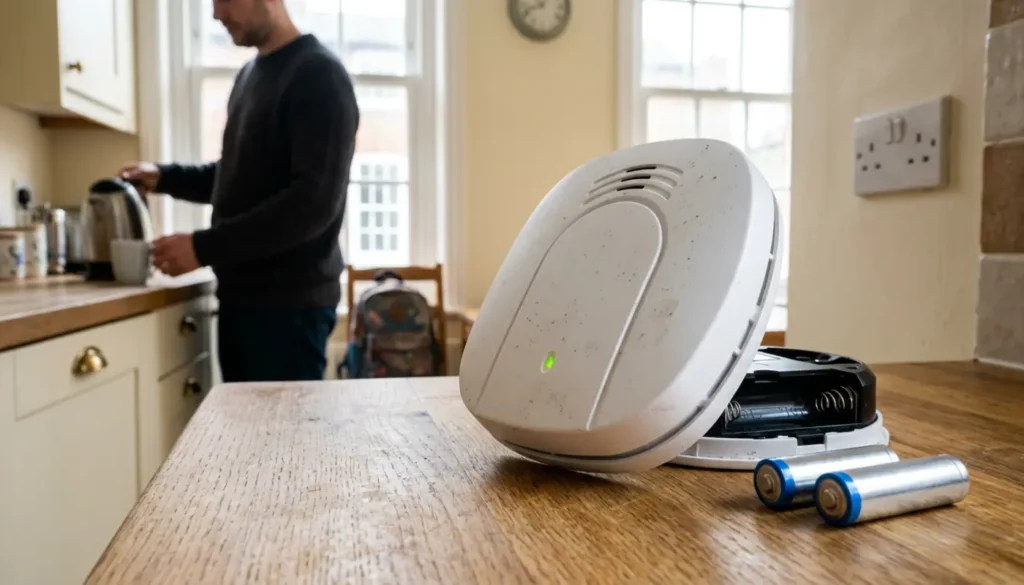
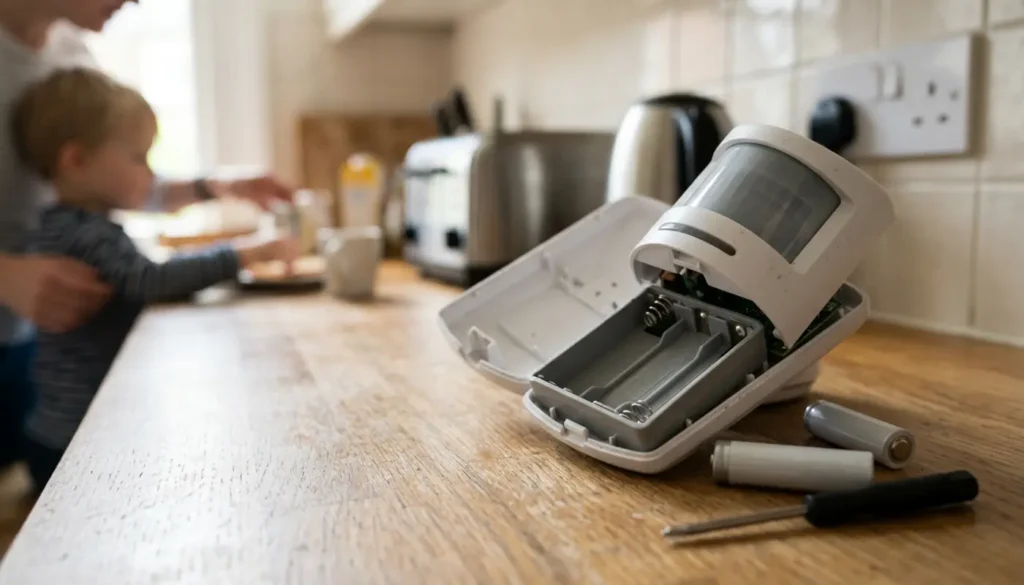
How Does a Police Response URN Work With an Alarm?
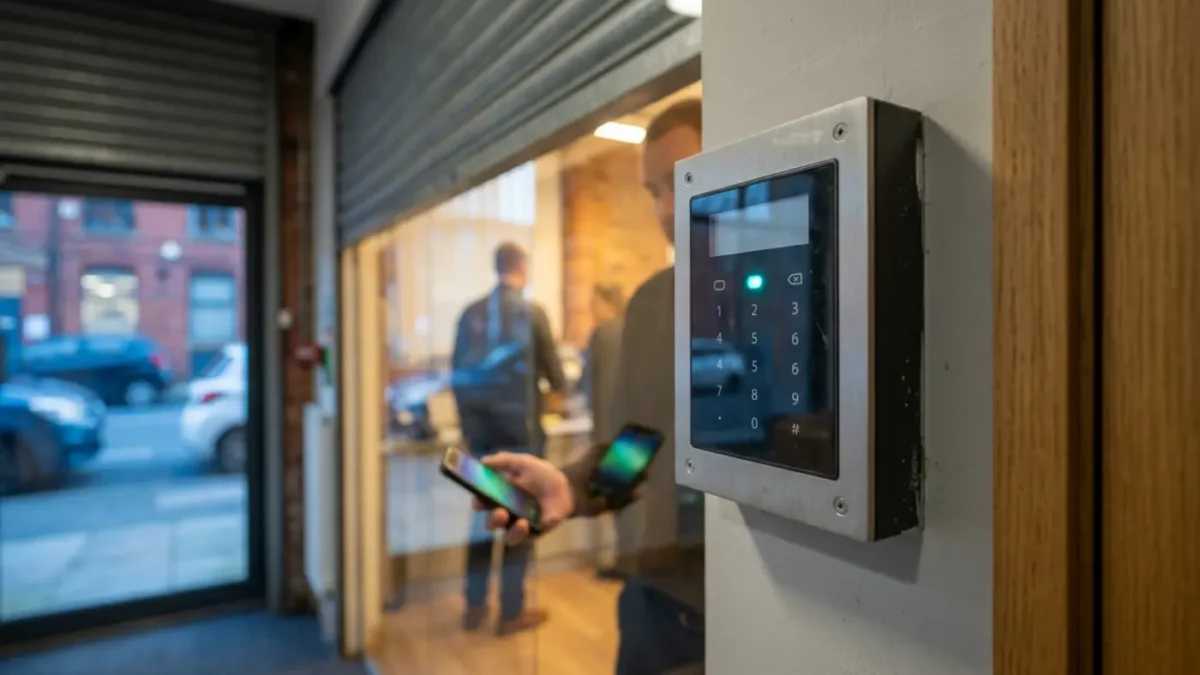
Police Response URN With Alarms
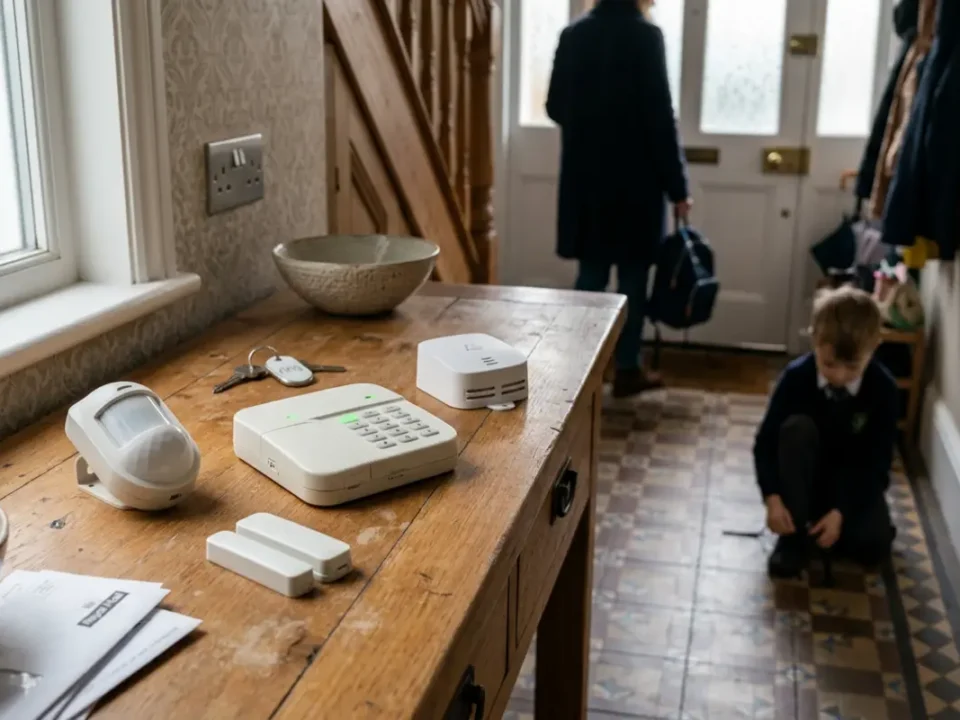
A Police Response URN is a Unique Reference Number that links a professionally monitored alarm system to a police force record. It allows an Alarm Receiving Centre to request police attendance when an alarm activation has been properly confirmed. In simple terms, it is the reference the police use to recognise that your alarm is registered, compliant and eligible for police response.
It matters because not every alarm can call the police, and an outside bell ringing does not automatically mean officers will attend. At iSecurity Solutions, we help UK homeowners and businesses install and maintain monitored alarm systems designed around Police Response URN requirements, insurance needs and real security risks.
What Is A Police URN?
A Police URN is a unique number issued by the relevant police force for a specific monitored security system at a specific property. It is not the same as your alarm account number, installer reference or monitoring contract number, although these details may all appear within your security paperwork.
The URN tells the police that the alarm system has been installed, maintained and monitored through an approved route. When an Alarm Receiving Centre, often called an ARC, contacts the police about a confirmed alarm, the URN helps the control room find the correct premises record quickly and accurately.
Why A Police URN Matters To UK Alarm Owners
A Police Response URN matters because it gives your monitored alarm a recognised route into the police system when an activation meets the correct criteria. Without it, response will usually depend on keyholders, neighbours, private security or someone checking the property themselves, which may not be enough for higher risk sites.
For businesses, landlords and some higher risk homes, a URN can also be important for insurance. Some insurers may ask for an Insurance Approved alarm, professional monitoring, maintenance records and Police Response URN eligibility before offering full cover for certain risks, so it is worth checking your policy wording rather than guessing.
Who Governs Police Response To Alarms?
Police response to security systems is guided by the NPCC Security Systems Policy, which explains how police forces should deal with monitored intruder alarms, hold up alarms and related systems. The policy covers confirmed alarm technology, false alarm limits, police response levels and how Police Response URNs are managed.
Police attendance is never an unlimited guarantee. Even with a valid URN, response depends on local force procedures, available resources, incident priorities and what is happening in the area at the time. It is best to think of a URN as eligibility for police response rather than a guaranteed visit every time an alarm activates.
For official background on national policy, the NPCC Security Systems Policy is the key reference for how police response to compliant security systems is structured in the UK.
Who Can Apply For A Police URN?
In most cases, the alarm company, installer or monitoring provider applies for the URN on behalf of the customer. Homeowners and business owners do not normally apply directly, because the police need evidence that the system, monitoring and maintenance arrangements meet the required standards.
For intruder alarms, the company involved should be approved by a recognised inspectorate, such as an Insurance Approved SSAIB certified company or an NSI approved company. Insurance Approved SSAIB certified installation is especially important where insurers require professional standards, and Insurance Approved SSAIB certification is also a key requirement for Police Response URN eligibility.
If you are comparing systems, ask the installer who applies for the URN, who maintains it, which ARC monitors the alarm and what happens if police response is ever withdrawn. A good company will answer those questions clearly and explain the process in plain English.
What Standards Must The Alarm Meet?
A Police Response URN alarm in the UK must usually meet recognised intruder alarm standards, including EN 50131, often referred to as BS EN 50131 in the UK, and PD 6662. These standards help define how alarm systems are designed, graded, installed and maintained, so the police and insurers can trust that the system is suitable for the risk.
Alarm grades matter because not every property has the same level of risk. A typical domestic alarm may be Grade 2, while higher risk commercial premises may require Grade 3, depending on the insurer, the stock, the location and the likely threat. The right grade should be based on a proper risk assessment, not a quick guess.
Confirmed alarm technology is also important. New police response systems usually need a way to verify that an alarm is likely to be genuine before the ARC asks for police attendance. This helps reduce wasted callouts and keeps police response available for real incidents.
What Is An Alarm Receiving Centre?
An Alarm Receiving Centre is a specialist monitoring centre that watches over alarm signals around the clock. When your alarm activates, the ARC receives the signal, checks what type of activation has occurred, follows the agreed monitoring process and decides whether to contact keyholders, the police or both.
The ARC is not the same as the police control room. It works as the professional link between the alarm system and the emergency response route, checking whether the signal is confirmed, whether the URN applies and whether the correct process has been followed before a police request is made.
If you want a wider look at how police response systems are arranged in practice, our article on police response alarm systems explains the wider setup for UK properties.
How Does A Confirmed Alarm Work?
A confirmed alarm means the system has produced enough evidence to suggest the activation is more likely to be genuine. This may happen through sequential confirmation, where two separate detectors activate in a logical order, or through other approved confirmation methods depending on the system design.
For example, a door contact may activate first, followed by a movement detector in a separate area a short time later. That pattern suggests someone may have entered and moved through the property, so the ARC can treat it differently from a single sensor activation, which could be caused by a fault, user error, a pet or even a stray balloon left after a party.
An unconfirmed alarm is usually a single activation or a signal that has not met the required confirmation criteria. It may still alert the ARC or keyholders, but it will not normally trigger a police request unless the approved confirmation process has been satisfied.
The aim is simple. Confirmed alarm technology reduces false alarms, protects police time and helps genuine incidents get treated with the seriousness they deserve.
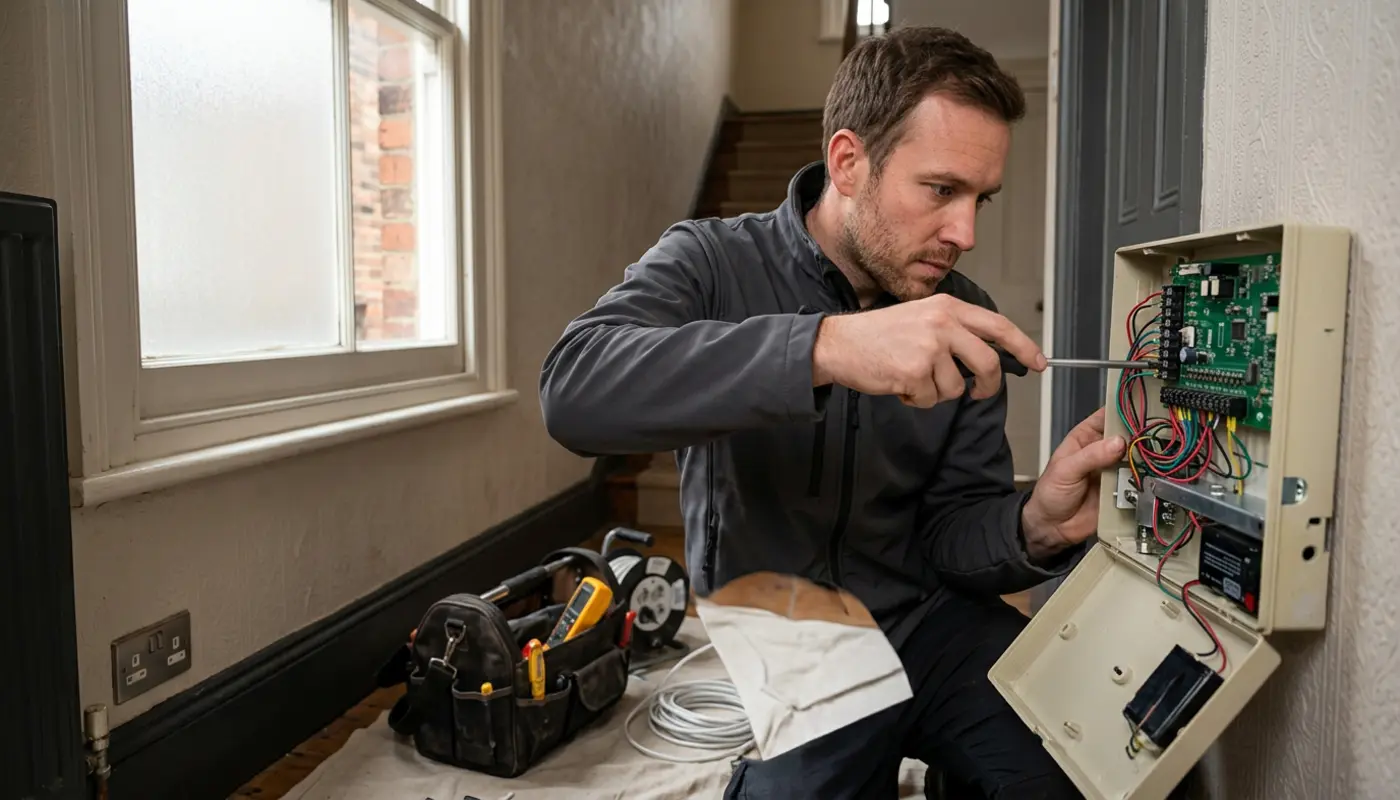
How The URN Backed Police Response Process Works
The process starts when a detector, contact or panic device sends a signal from your alarm system to the ARC. The ARC checks the signal against the monitoring rules, confirms whether the activation meets the required police response criteria and then uses the URN when contacting the relevant police force.
Once the police receive the request, they use the URN to find the premises record, check the system details and assess the incident. If the activation is accepted for response, it is then prioritised according to the force's procedures, operational demand and available resources at that moment.
A simple version looks like this:
-
The alarm activates at the protected property.
-
The signal reaches the Alarm Receiving Centre.
-
The ARC checks whether the activation is confirmed.
-
The ARC contacts the police and quotes the URN where appropriate.
-
The police locate the premises record and assess the request.
-
Police and keyholders respond according to the agreed procedure.
What Are Level 1 And Level 3 Responses?
Level 1 response is the normal police response status for compliant systems with an active URN, subject to police demand and resources. It means the system is eligible for police attendance when the ARC reports a confirmed activation using the correct procedure.
Level 3 response means police attendance has been withdrawn or downgraded, usually because the system has produced too many false alarms or has failed to meet the required conditions. At that point, activations are normally passed to keyholders instead of receiving police response, which can cause serious problems if nobody has checked the paperwork or response status.
Terminology can vary slightly between police forces and alarm types, so always check the local force policy and the documents from your installer or monitoring provider. Scotland also has separate arrangements in some areas, so UK wide property managers should avoid assuming every site is treated in exactly the same way.
What Happens After False Alarms?
False alarms are one of the biggest reasons a police URN can be placed at risk. Under the NPCC approach, repeated false calls within a rolling period can lead to warnings, corrective action and eventually withdrawal of police attendance for intruder alarm activations.
The usual pattern is that the first false alarm should be investigated, the second may lead to a written warning or stronger requirement for remedial work, and the third can result in response being withdrawn or moved to Level 3 for intruder alarms. Hold up alarms may be treated more strictly because of the serious nature of those signals.
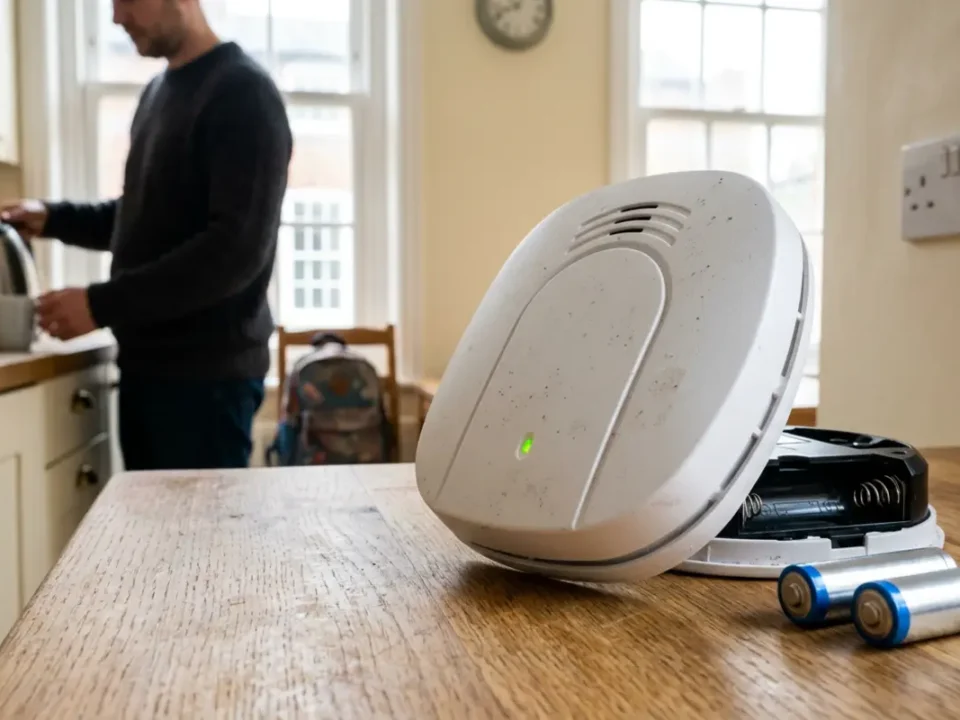
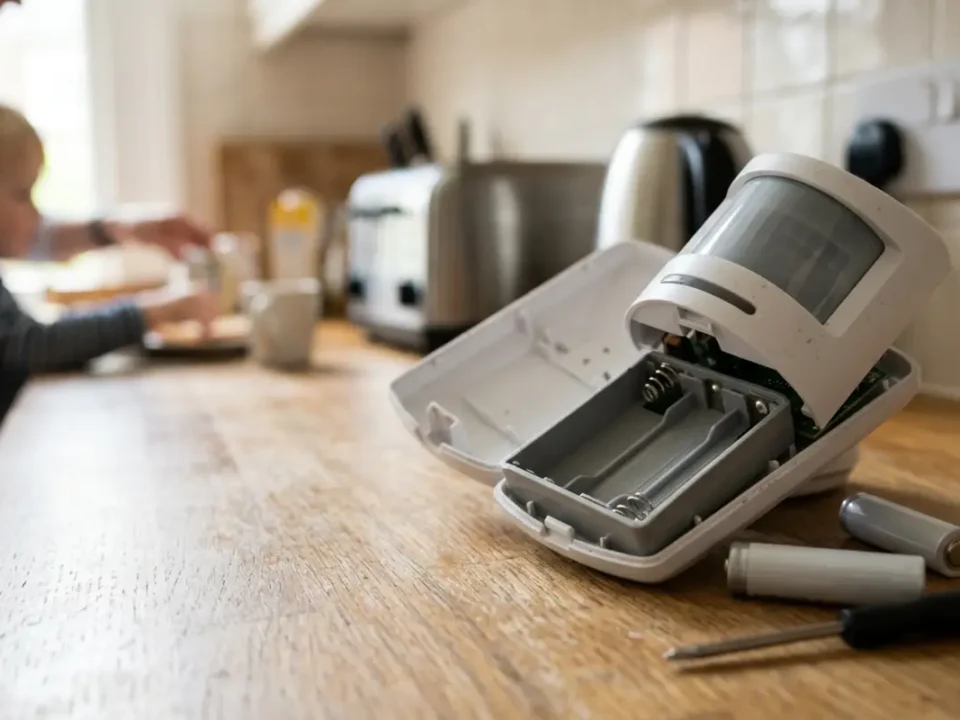
Common causes include user error, poor sensor positioning, loose door contacts, draughts, insects, pets, building works, power faults and communication problems. The good news is that most false alarm issues can be fixed with sensible maintenance, user training and a clear look at what is really happening on site.
How Can Police Response Be Reinstated?
If police response is withdrawn, reinstatement is usually possible, but it is not automatic. The cause of the false alarms must be identified, remedial work must be completed and the alarm company may need to provide evidence that the system is now operating correctly.
Some forces may require a period without further false alarms before response is restored. There may also be administration costs, inspection requirements or updated paperwork, so it is far better to prevent withdrawal in the first place than to work through reinstatement later.
A planned maintenance schedule helps keep detection, signalling and user management in good shape. Our service contracts help businesses and homeowners keep security systems reliable, documented and ready for insurer or police queries.
Practical Tips For Homeowners And Businesses
Choose an approved alarm installer and ask whether the proposed system will be eligible for a Police Response URN before you sign anything. Also ask which ARC will monitor the system, what alarm grade is recommended, whether the design meets EN 50131 and PD 6662, and what confirmation method will be used.
Not sure whether your current alarm has a valid URN? Ask your alarm company or monitoring provider to confirm the status, especially if the system was inherited with a property or has not been reviewed for a while.
Keep your keyholder details up to date, because old contact numbers can become a big problem when an alarm activates late at night. If staff change, tenants move out, pets arrive, doors are replaced or building works begin, tell your alarm company so the system can be reviewed properly.
For professional installation, monitoring advice and risk based design, our intruder alarm systems are built around practical protection, clear compliance and dependable support for UK homes and businesses.
-
Keep your URN confirmation and monitoring agreement safe.
-
Save maintenance records and alarm certificates for insurance checks.
-
Train regular users on setting and unsetting the alarm correctly.
-
Review the alarm after layout changes, refurbishments or new risks.
-
Report faults quickly instead of hoping they will settle down by themselves.
Questions To Ask Before Choosing An Alarm Company
Before installation, ask whether the company is approved for police response alarm work and whether the system will be Insurance Approved. You should also ask who applies for the URN, who manages police correspondence, what happens after a false alarm and whether the maintenance agreement supports the ongoing URN requirements.
It is also worth asking which standards apply to your premises and whether the system is likely to be Grade 2 or Grade 3. If the installer cannot explain that in plain English, or keeps avoiding the question, it is sensible to slow down and get a second opinion.
Final Thoughts On Police Response URNs
A Police Response URN is not just a number on a form. It is part of a wider chain that includes approved installation, compliant equipment, ARC monitoring, confirmed alarm technology, keyholder management and ongoing maintenance.
For UK homeowners and businesses, the main takeaway is clear. A URN can make a monitored alarm much more effective, but only when the system is designed, used and looked after properly. Get the setup right from the start, keep records tidy and treat false alarms seriously, and your alarm will be in a much stronger position when it really matters.
Frequently Asked Questions
Does Every Alarm Have A Police URN?
No, only eligible monitored alarm systems can have a Police Response URN. A standard audible alarm or app only alarm will not usually qualify for police response.
Does A URN Guarantee Police Attendance?
No, a URN makes the alarm eligible for police response when the correct confirmation process is followed. Attendance still depends on police priorities, demand and available resources.
Can I Apply For A Police URN Myself?
Usually not, because the approved alarm company or monitoring provider normally applies on your behalf. The police need evidence that the system, maintenance and ARC monitoring meet the required standards.
What Standards Should A Police Response Alarm Meet?
Intruder alarms should meet EN 50131 and PD 6662, with the correct Grade 2 or Grade 3 risk level where needed. An Insurance Approved SSAIB certified installer can advise on Police Response URN eligibility and compliant system design.
Can Police Response Be Restored After Withdrawal?
Yes, in many cases it can be restored after the fault or false alarm cause has been corrected. The exact reinstatement process, costs and waiting period can vary by police force.