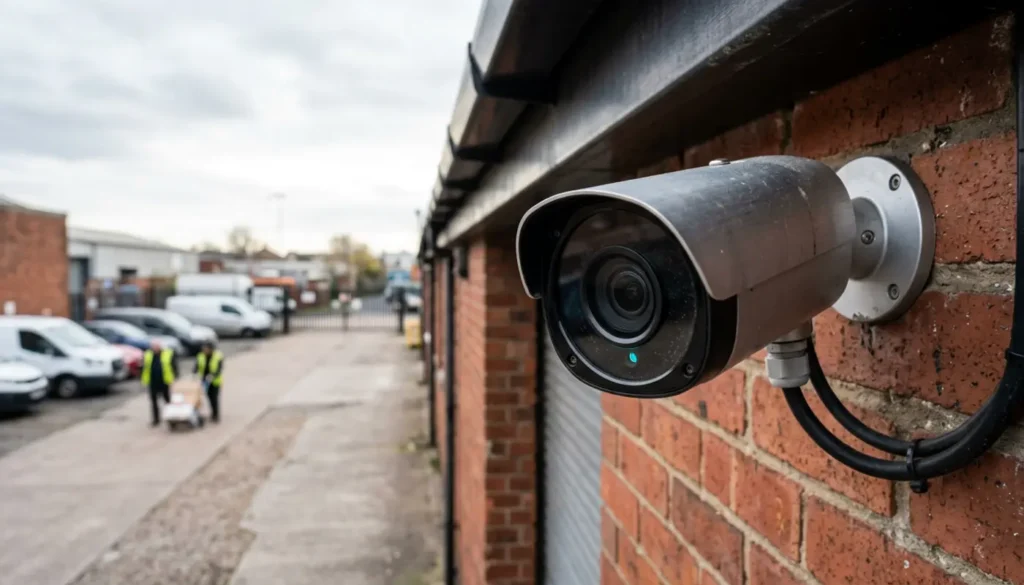
What CCTV Resolution Is Best for Identifying Faces?
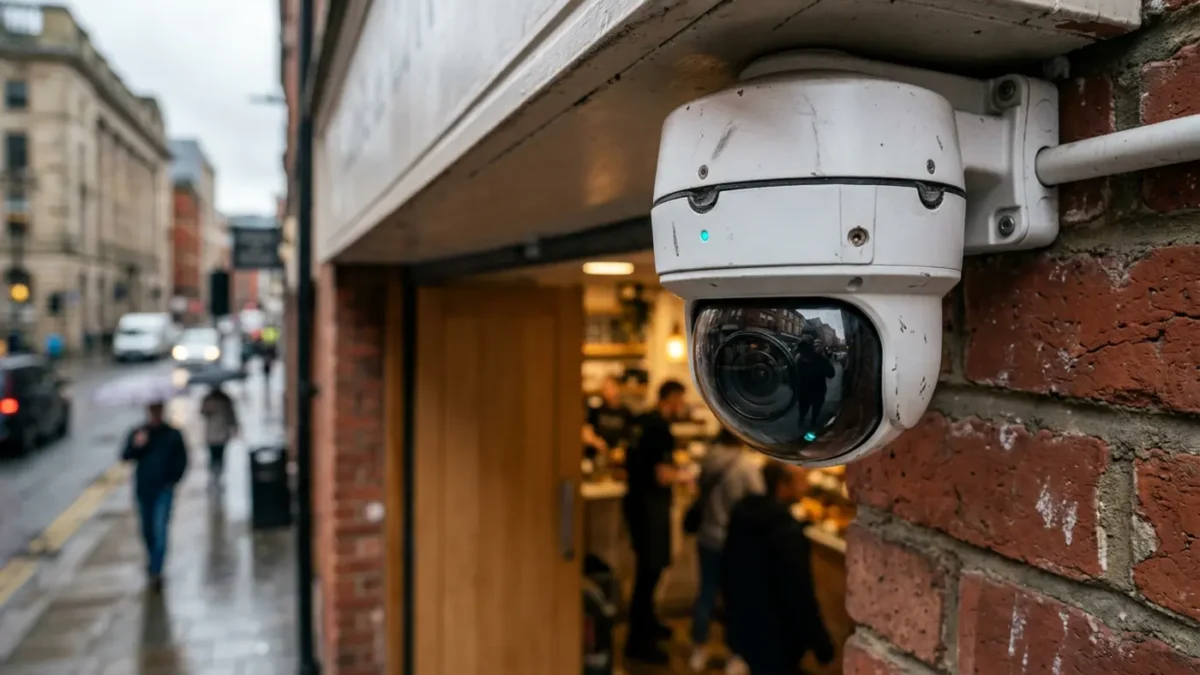
CCTV Resolution For Faces
CCTV resolution is best for identifying faces when the camera captures enough detail on the person's face, not just when the camera has the highest megapixel number. As a practical UK benchmark, aim for around 250 pixels per metre at the exact point where you need identification, such as a doorway, till, gate, reception desk or narrow entrance.
A 2MP camera can identify faces in a narrow, well lit entrance, while 4MP, 5MP or 8MP 4K may be better for wider views or longer distances. At iSecurity Solutions, we help UK homes and businesses choose CCTV systems that match the real security need, so the footage is useful when it matters, rather than just impressive on a product sheet.
What Resolution Is Needed To Identify A Face?
To identify a face clearly, CCTV must capture enough facial detail for an unknown person to be told apart from others. This is different from simply spotting movement, seeing clothing, or recognising someone you already know, which is why camera planning should start with the job the footage must do. If you need to identify someone at a doorway, a till, a gate or across a wider car park, the right camera choice may be different for each area.
The UK standard often referenced for CCTV image quality is BS EN 62676 4, which supports the idea of setting a clear operational requirement before choosing equipment. Older Home Office and PSDB guidance also used practical categories such as Observe, Detect, Recognise and Identify, which are still helpful when explaining CCTV performance in plain English.
- Detect: You can see that a person or movement is present, often around 25 pixels per metre.
- Observe: You can understand general activity, clothing and direction of travel, often around 62.5 pixels per metre.
- Recognise: You may be able to tell whether the person is someone already known, often around 125 pixels per metre.
- Identify: You can capture enough facial image quality to identify an unknown person, commonly around 250 pixels per metre.
Pixels per metre means how many camera pixels cover each metre of the scene. If a camera spreads its pixels across a very wide driveway, each face may be tiny in the image, even if the camera is technically high resolution. If the same camera is focused tightly on a doorway, more pixels land on the face, and the footage becomes much more useful.
How To Calculate Pixels Per Metre
The simple formula is horizontal pixels divided by scene width in metres. If a 1080p camera has 1,920 horizontal pixels and covers 8 metres, it provides around 240 pixels per metre, which is close to the usual identification benchmark. If that same camera covers 20 metres, it drops to around 96 pixels per metre, which is more useful for observation or recognition than reliable identification.
This is why a clear plan matters more than camera shopping by megapixels alone. If you are comparing IP cameras, analogue HD cameras or a full CCTV upgrade, our CCTV systems service can help match resolution, lens choice and recording settings to the actual area you need to protect.
2MP, 4MP, 5MP Or 4K CCTV Compared
A 2MP 1080p security camera has about 1,920 pixels across the image and can work very well at close range. It is often suitable for a home doorway, small office entrance or narrow corridor, as long as the field of view is not too wide and the lighting is good.
A 4MP camera usually offers around 2,560 horizontal pixels, which gives more flexibility for entrances, small shops and medium width internal areas. A 5MP CCTV camera offers similar horizontal detail but more vertical detail, which can be useful where faces, hands, tills or shelves must all be covered in a balanced view.
An 8MP 4K CCTV camera has about 3,840 horizontal pixels, so it can cover a wider scene while still keeping useful detail. It can also allow more controlled cropping afterwards, although digital zoom still cannot create detail that was never captured in the first place, despite what crime dramas have been telling us for years.
- 2MP 1080p: Best for narrow, close and controlled scenes.
- 4MP: A strong choice for homes, offices and small businesses needing more detail.
- 5MP: Useful for counters, entrances and medium width areas with more vertical detail.
- 8MP 4K: Best for wider scenes, larger premises and longer distance views when the lens and lighting are right.
The key point is that higher resolution is not automatically better if the camera is looking at too much at once. A narrow 2MP view of a doorway can sometimes capture a better face than a wide 4K view of an entire car park, because the useful pixels are concentrated where the person actually appears.
Why Camera Resolution Alone Is Not Enough
Resolution is only one part of facial identification, and the lens is just as important. A wide lens captures more of the scene but spreads pixels thinly, while a narrower lens concentrates detail on a smaller target area. That is why a varifocal lens, which can be adjusted during installation, is often a sensible choice for gates, entrances and tills.
Distance also matters because facial detail reduces as people move farther away from the camera. If you want identification at 3 metres, the design is very different from wanting identification at 15 metres. Optical zoom can help because it magnifies the subject before recording, while digital zoom only enlarges the pixels already captured.
Sensor quality affects whether those pixels are actually useful. A cheaper camera may claim high resolution but produce noisy, soft or washed out footage, especially in difficult lighting. A better sensor, good wide dynamic range and sensible exposure settings can make the difference between a clear face and a fuzzy blob in a hoodie.
Frame rate and shutter speed also affect moving faces. If someone walks quickly through an entrance and the shutter is too slow, the face may blur even on a high resolution camera. Video compression matters too, because H.265 can reduce storage and bandwidth, but overly strong compression or low bitrate settings can remove the fine facial detail you were trying to capture.
CCTV Facial Identification At Night
Night footage is where many CCTV systems fall down, especially during dark UK winter evenings. Rain, headlights, low street lighting, reflective wet surfaces and people wearing hats or hoods all make facial identification harder. A camera that looks excellent at lunchtime can produce disappointing footage at 6pm in December, which is not ideal when trouble rarely chooses a bright sunny moment.
Infrared night vision helps cameras see in darkness, but an advertised infrared range is not the same as an identification distance. Faces can become overexposed if they are too close to the infrared beam, or under lit if they are outside its reach. Strong headlights, backlighting and poor camera angles can also turn faces into silhouettes.
Testing after dark is essential. Walk through the target area at normal speed, check the recorded footage, and make sure the face is large enough and clear enough at the exact distance you care about. If not, the fix may be better lighting, a narrower lens, a second camera or a better sensor, rather than simply buying more megapixels.
For businesses, CCTV may also form part of a wider security setup with intruder alarms, access control and monitored response. CCTV is normally specified against BS EN 62676 4, while intruder alarm elements should meet EN 50131 Grade 2 or Grade 3 where appropriate, especially if insurers or monitored response requirements are involved.
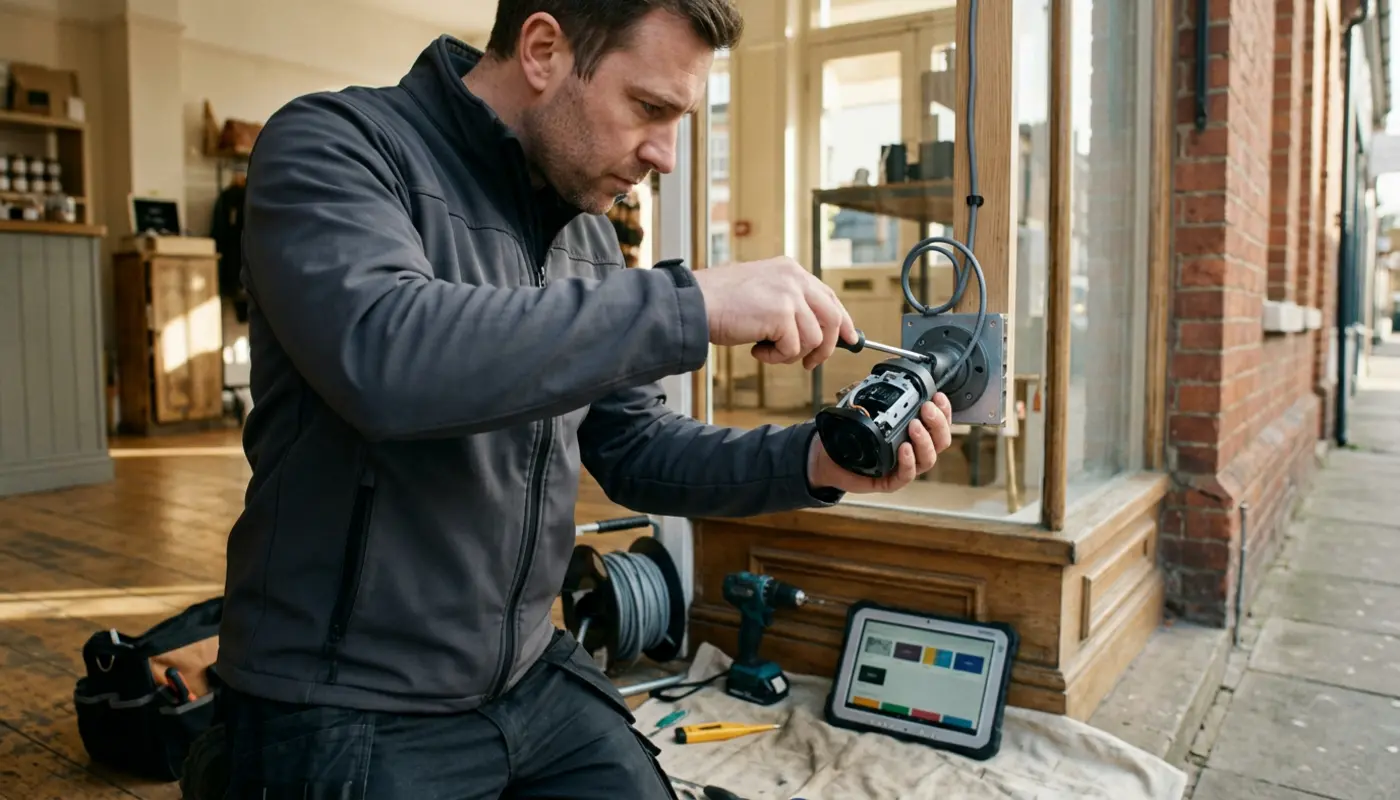
Best Camera Placement For Capturing Faces
The best face camera is usually positioned at a controlled point where people naturally pass close by. Doorways, reception desks, shop counters, turnstiles and vehicle gates are often better identification points than wide overview areas. Mounting a camera too high may give you a brilliant view of someone's hat, which is rarely the evidence anyone hoped for.
Aim for a sensible face angle rather than a steep overhead view. Cameras should normally look towards the direction people approach from, without being aimed directly into bright windows, open doors, low winter sun or vehicle headlights. If backlighting cannot be avoided, wide dynamic range can help balance bright and dark areas.
For larger premises, use one camera for overview and another for identification. The overview camera shows context, movement and activity, while the identification camera covers a narrow area with enough pixels per metre. This approach is often more reliable than expecting one camera to watch everything and identify everyone perfectly.
If you are checking whether existing cameras point in the right direction, it is worth thinking about both coverage and privacy around homes and businesses. A good camera view should match the security purpose without overlooking areas it does not need to record.
Recommended CCTV Resolutions By Scenario
For a home front door, 2MP may be enough if the doorway is close, narrow and well lit, although 4MP gives extra flexibility. For a shop entrance, 4MP or 5MP is often a better starting point because you may need to capture faces in changing light as people move in from outside. For a shop counter or till, 4MP or 5MP with a dedicated view usually works better than relying on a ceiling camera covering the whole shop.
For an office entrance, 2MP to 4MP may be suitable, depending on the distance and field of view. For a narrow corridor, even modest resolution can work well because the scene width is naturally controlled. For a small car park, 4MP to 8MP may help with observation and recognition, but separate entrance or gate cameras are usually needed for dependable facial identification.
For larger car parks, yards and perimeters, 4K CCTV can be useful for overview, but faces at the far end may still be too small unless the lens is designed for that distance. A rear alley or service yard often needs strong night performance, well placed infrared or visible lighting, and a camera focused on the access point rather than the whole yard. Vehicle gates may need a narrower 5MP or 4K view, plus careful handling of headlights and motion.
Storage, Bandwidth And Cost Considerations
Higher resolution footage needs more storage and more network capacity, especially when several cameras record continuously. The main factors are resolution, bitrate, frame rate, compression, scene activity and retention period. H.265 can help reduce storage compared with older formats, but settings still need to keep enough image detail for evidence.
A simple planning formula is storage equals bitrate multiplied by recording time multiplied by camera count, divided by 8 to convert bits into bytes. In real life, you also need to allow for motion recording, continuous recording, multiple streams, system overheads and exported evidence. Reducing bitrate too far may save space, but it can also damage the fine facial detail you installed the system to capture.
For small businesses, a balanced system is usually better than choosing the highest resolution everywhere. Use higher quality streams where identification matters, and lower detail overview streams where you only need context. This keeps the system practical, affordable and focused on what the footage actually needs to prove.
UK CCTV Legal And Compliance Considerations
CCTV footage showing identifiable people is personal data for many business and organisational uses. UK GDPR and the Data Protection Act 2018 require a lawful basis, clear information for people being recorded, suitable security, limited retention and respect for individual rights. The ICO CCTV guidance is the main UK reference for organisations using video surveillance.
Domestic CCTV is usually simpler when it only records within your own home or private garden. If it captures a public pavement, communal area or neighbouring property, data protection responsibilities may apply. In both domestic and business settings, it is sensible to use privacy masking, avoid intrusive audio unless genuinely needed, and make sure the camera view matches the security purpose.
Signage should be clear where people need to know CCTV is in use, especially for businesses and shared spaces. Organisations and public facing sites should also consider the Surveillance Camera Code of Practice where it applies. Footage should be kept only as long as necessary, access should be limited, and exported evidence should be saved in a format that maintains picture quality. Good compliance is not just paperwork, because it helps make footage more trustworthy if you ever need to rely on it.
Final Thoughts On CCTV Resolution For Faces
The best CCTV resolution for identifying faces depends on pixels per metre, not megapixels alone. Around 250 pixels per metre is the practical identification target, but lens choice, lighting, distance, camera height, compression and storage settings all affect the result. In many homes, 2MP or 4MP can work very well at a doorway, while businesses with wider scenes may need 5MP or 4K cameras placed with more care.
The safest approach is to define the objective first, then design the camera view around it. If you need to identify people, measure the scene width, check the distance, choose the right lens, test night footage and avoid relying on a single wide camera to do every job. That way, your CCTV is not just recording, it is recording something useful.
Frequently Asked Questions
Is 2MP CCTV Enough To Identify A Face?
Yes, 2MP can identify a face in a close, narrow and well lit area that achieves around 250 pixels per metre. It is less suitable for wide scenes, long distances or poor night lighting.
Is 4K CCTV Always Better For Facial Identification?
No, 4K gives more pixels, but the lens, field of view, lighting, mounting angle and compression decide whether those pixels are useful. A poorly placed 4K camera can still miss facial detail.
What Is The 250 Pixels Per Metre CCTV Benchmark?
It is a commonly used target for identification quality, meaning roughly 250 image pixels cover each metre of the scene where the person appears. It helps estimate whether a face will be large enough in the image.
Can CCTV Identify Faces At Night?
Yes, but only when the camera, infrared night vision, visible lighting, shutter speed and placement produce clear detail at the required distance. Always test the recorded footage after dark, not just the live daytime image.
Do Insurers Require SSAIB Insurance Approved For CCTV Systems?
For monitored CCTV, alarms or systems linked to a Police Response URN, insurers may require an SSAIB Insurance Approved installation. SSAIB Insurance Approved certification is often a prerequisite where police response is needed.