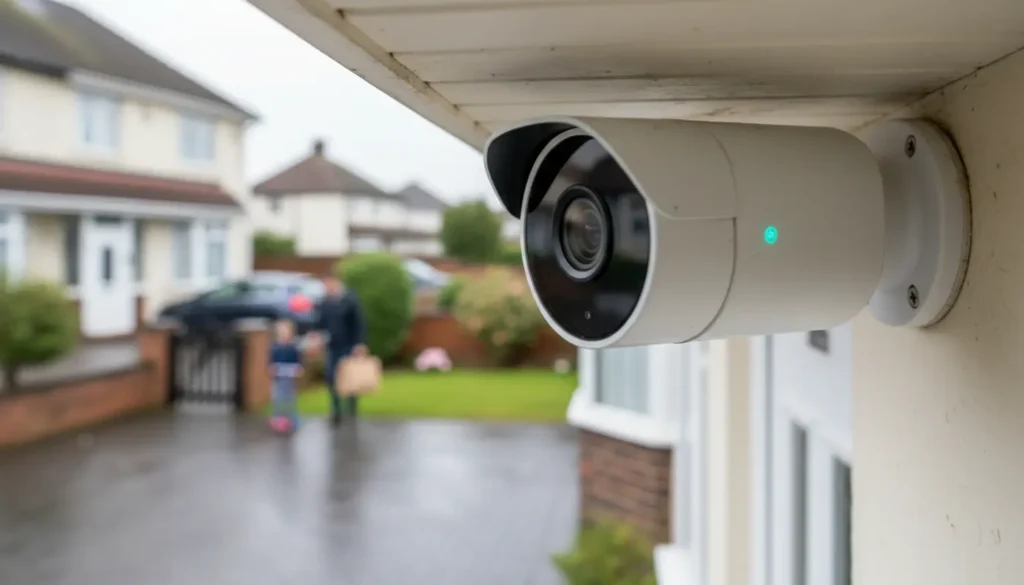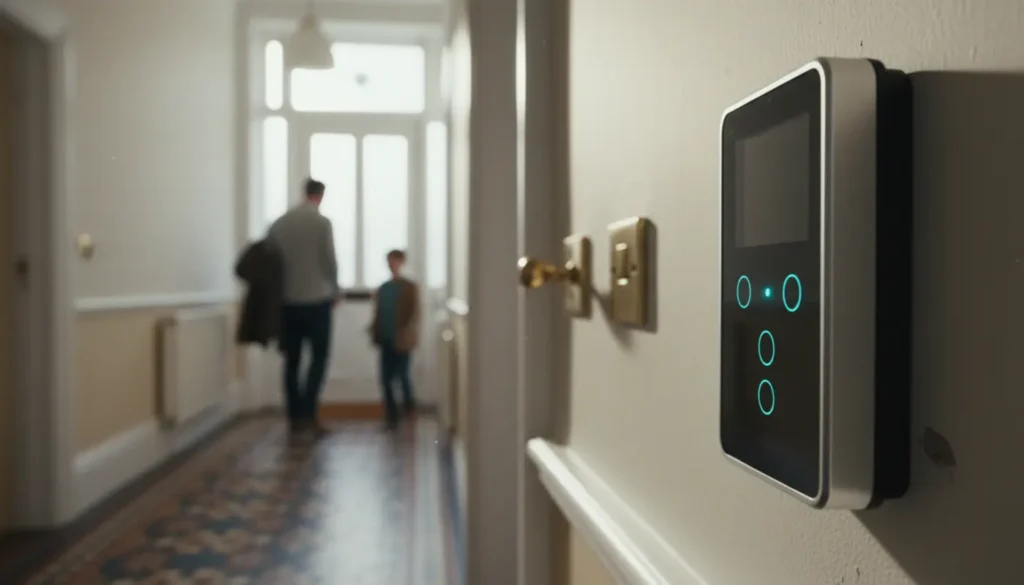
What Sensors Do Wireless Intruder Alarm Systems Use?
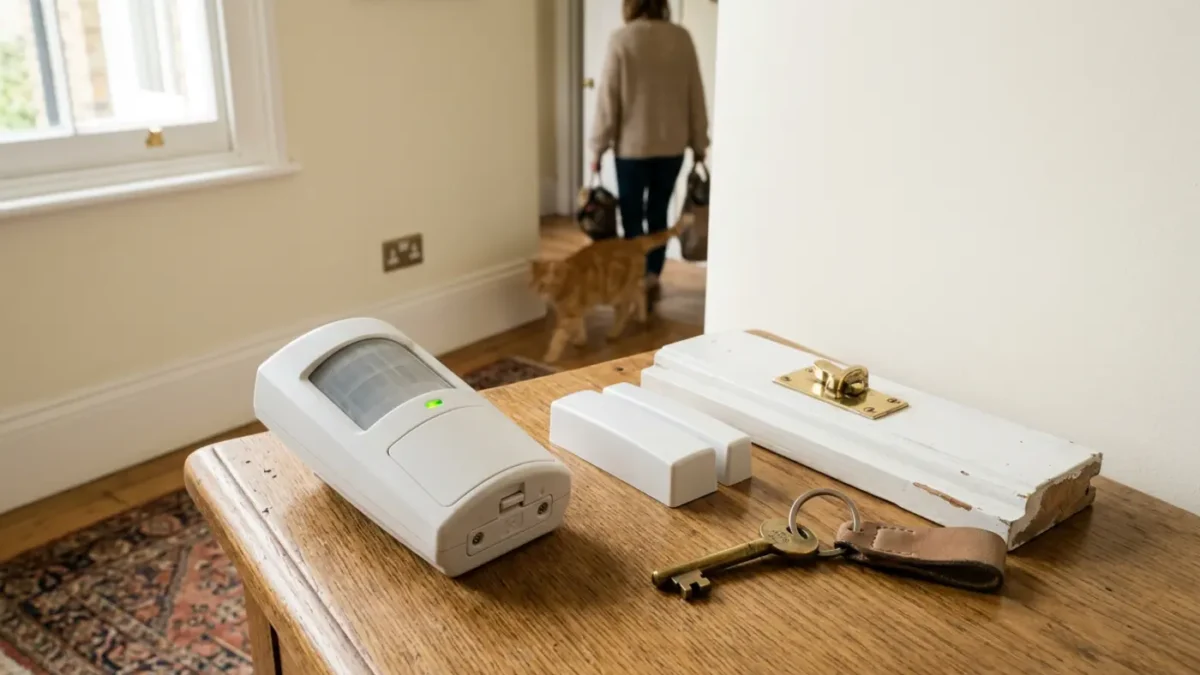
Wireless intruder alarm systems use sensors such as PIR motion detectors, pet immune PIRs, dual technology detectors, door and window contacts, glass break detectors, shock sensors, outdoor perimeter detectors, camera verified sensors, tamper protection and environmental sensors. Each sensor looks for a different sign of risk, so a reliable alarm is usually made from a sensible mix rather than one device that tries to do everything.
If you’re looking at wireless alarm sensors and wondering which ones you actually need, you’re not alone. The names can sound technical at first, but the job of each sensor is usually simple once it is explained in plain English.
iSecurity Solutions is a trusted UK provider of commercial and domestic security systems, helping homes and businesses stay protected around the clock. From CCTV and intruder alarms to fire safety, access control and construction site monitoring, the team designs reliable systems that fit the property, the people using it and the level of risk.
Wireless Intruder Alarm Systems
The main sensors used in wireless intruder alarm systems are motion detectors for rooms, contacts for doors and windows, and specialist sensors for pets, glass, shocks, outdoor areas and visual checks. A good system balances internal movement detection with perimeter protection, which means it can detect an opening or attack at the edge of the property as well as movement inside.
For a professionally designed setup, wireless intruder alarms can be planned around your layout rather than fitted as a one size fits all kit. That matters because a flat, a family home with pets, a detached garage and a glazed conservatory all need slightly different sensor choices.
- PIR motion detector: Detects movement and changes in infrared heat, usually in hallways, landings and rooms.
- Pet immune PIR: Reduces activations from cats and dogs when installed within the stated weight and positioning limits.
- Dual technology detector: Combines PIR and microwave detection, often used in garages, conservatories and outbuildings.
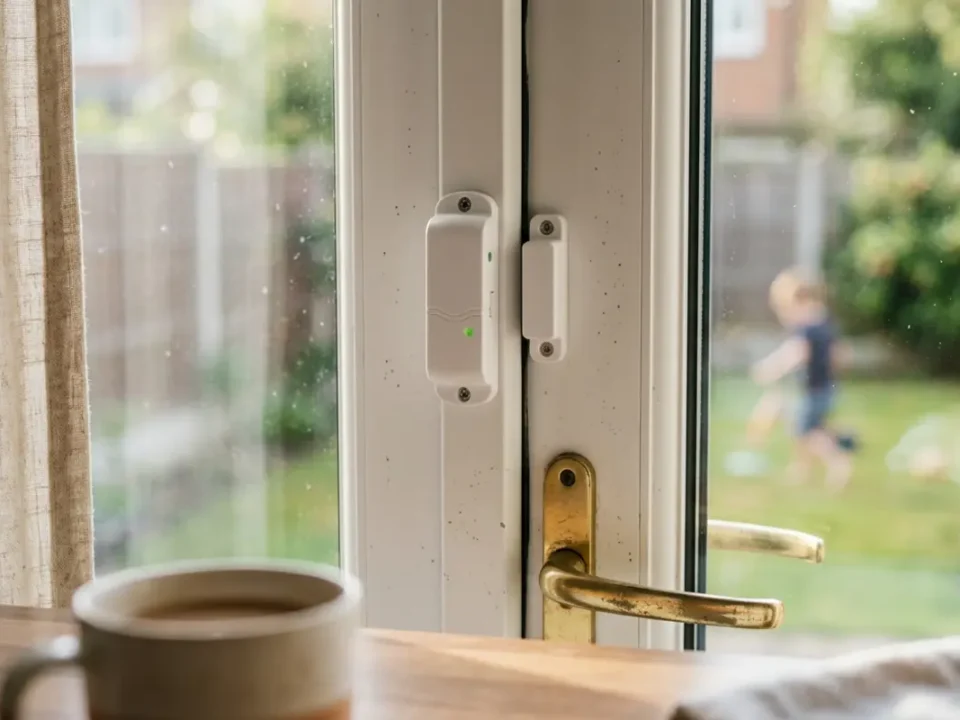
- Door and window contact: Detects when a door or window opens using a magnetic reed switch.
- Glass break detector: Listens for the sound pattern of breaking glass near patio doors, French windows and large areas of glazing.
- Shock or vibration sensor: Detects impact, levering or attack on doors, windows, sheds and garage doors.
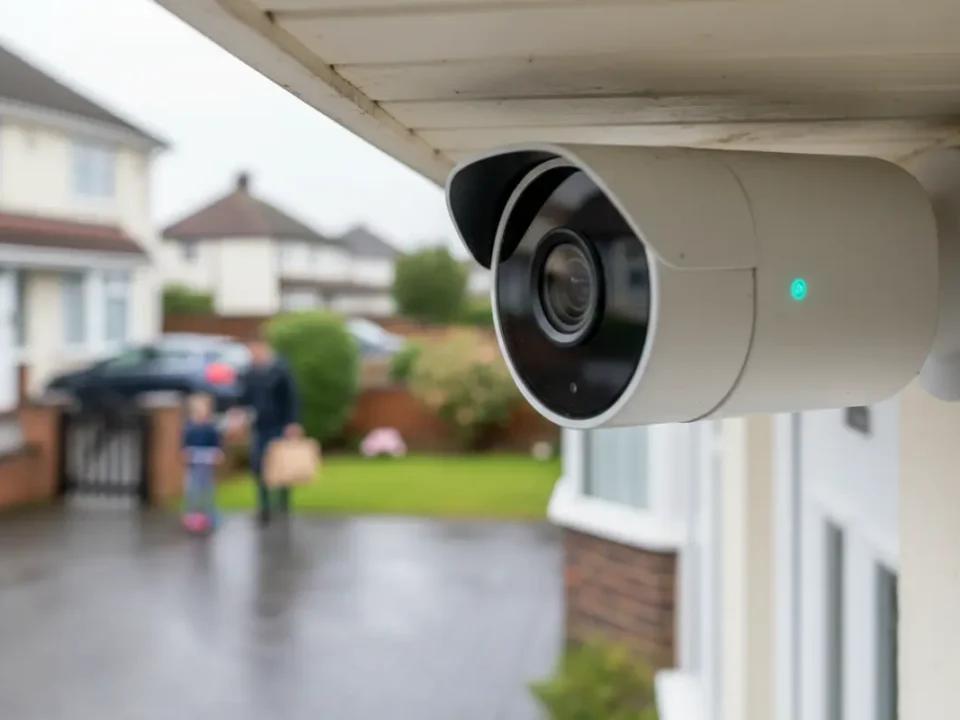
- Outdoor detector: Detects movement or beam interruption around gardens, driveways, gates and approaches.
- Camera verified sensor: Combines motion detection with still images or a short image sequence for visual confirmation.
- Tamper and anti masking sensor: Detects interference, removal or attempts to cover the detector.
- Environmental sensor: Detects smoke, heat, carbon monoxide, flood water or temperature changes where supported.
How Wireless Alarm Sensors Talk To The Panel
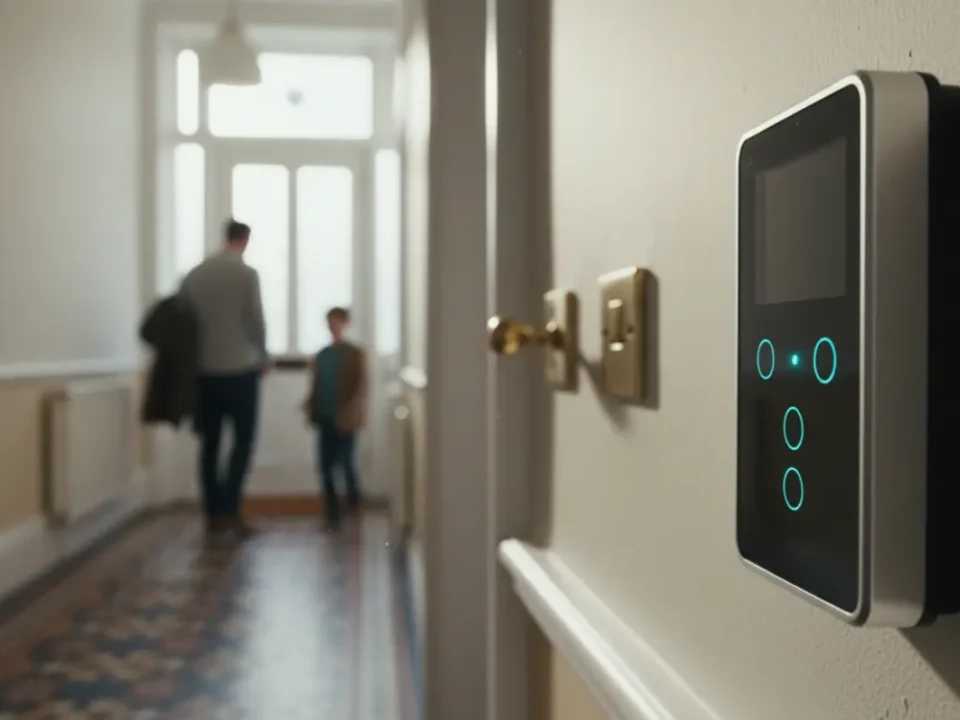
Wireless alarm sensors are normally battery powered and send radio signals to the alarm control panel. When a detector sees movement, an opening, a shock or another trigger, it reports that event to the panel, which then decides what should happen next.
That response might be an internal sounder, an external siren, an app alert, a notification to keyholders or a signal to an alarm receiving centre. An alarm receiving centre is a professional monitoring station that handles alarm signals and follows an agreed response process.
In some monitored intruder alarm systems, a Police Response URN may be needed. This is the unique reference number linked to eligible police response, but it depends on correct system design, maintenance, monitoring arrangements and certification requirements.
Wireless reliability is not just about the sensor itself. Thick walls, foil backed insulation, metal garage doors, distance to outbuildings and local interference can all affect signal strength, so good systems supervise devices and warn you if a sensor stops communicating or has a low battery.
PIR Motion Detectors For Rooms And Hallways
A PIR motion detector is the standard sensor for internal room and hallway coverage in many UK homes. PIR stands for passive infrared, which simply means the detector looks for changes in heat energy, such as a person moving across its detection zones.
It does not recognise faces, identify people or work like a normal camera. It notices a change in infrared radiation and sends an alarm event if the movement matches its programmed detection rules.
PIRs are often used in entrance halls, landings, stair approaches, lounges and rooms containing valuables. They work best when a person walks across the sensor pattern rather than directly towards it, which is why positioning is more important than many people realise.
False alarms can happen if a PIR is badly placed near direct sunlight, radiators, draughts, moving curtains, fans or other heat sources. The National Protective Security Authority gives useful background on intrusion detection methods, including PIR and microwave technology, in its intrusion detection guidance.
Pet Immune PIR Sensors For Cats And Dogs
Pet immune PIR sensors are designed to reduce false alarms from cats and dogs, usually by ignoring movement below a certain size, height or weight. Common ratings include pets up to around 20 kg or 40 kg, although the exact figure depends on the detector model.
It is worth treating those ratings as a working limit rather than a fixed promise. A calm small dog walking across the floor is very different from a cat climbing onto a bookcase at two in the morning.
Furniture placement, sensor angle, mounting height and pet behaviour all affect performance. If a cat can jump into the sensor’s higher detection zone, it may still trigger an alarm even if it is well below the stated weight rating.
Dual Technology Detectors For Tricky Areas
Dual technology detectors combine PIR with microwave detection. In simple terms, the PIR looks for heat movement, while the microwave part looks for movement by sending out a signal and reading how it reflects back.
Many dual technology sensors need both parts to agree before they trigger an alarm, which can reduce false alarms in challenging spaces. They are often used in conservatories, garages, workshops and outbuildings where temperature shifts, draughts or environmental changes may make a standard PIR more sensitive.
That does not mean every room needs dual technology. In a stable hallway or landing, a correctly positioned PIR may be perfectly suitable, while dual technology adds cost and needs careful setup.
Door And Window Contact Sensors
Door and window contacts are perimeter sensors that detect opening rather than movement in a room. Most use a two part magnetic reed switch, with one part on the frame and the other on the door or window, so when the two parts separate, the alarm panel receives an open signal.
They are commonly fitted to uPVC doors, timber doors, composite doors, patio doors, French windows, accessible ground floor windows, garage doors and shed doors. They are especially useful because they can detect intrusion before someone has fully entered the property.
Contacts and PIRs are not rivals, despite what alarm debates online might suggest. Contacts protect a specific opening, while PIRs protect movement within a space, so using both gives earlier warning and internal confirmation.
If you want a clearer explanation of how these sensors work, there is a helpful breakdown in door and window sensors that explains the detection method in plain English.
Glass Break, Shock And Vibration Sensors
Glass break detectors are designed for large glazed areas such as patio doors, French doors, conservatories and big windows. Acoustic glass break sensors listen for the sound pattern linked to breaking glass, although range, room acoustics, curtains and glass type can all affect performance.
Shock and vibration sensors work differently. Instead of listening for broken glass, they detect impact, levering, repeated knocking or mechanical attack on the frame, door or window itself.
This means a shock sensor may detect an attempted forced entry before the door or window actually opens. That can be valuable for sheds, garages, vulnerable rear doors and windows that are hidden from view.
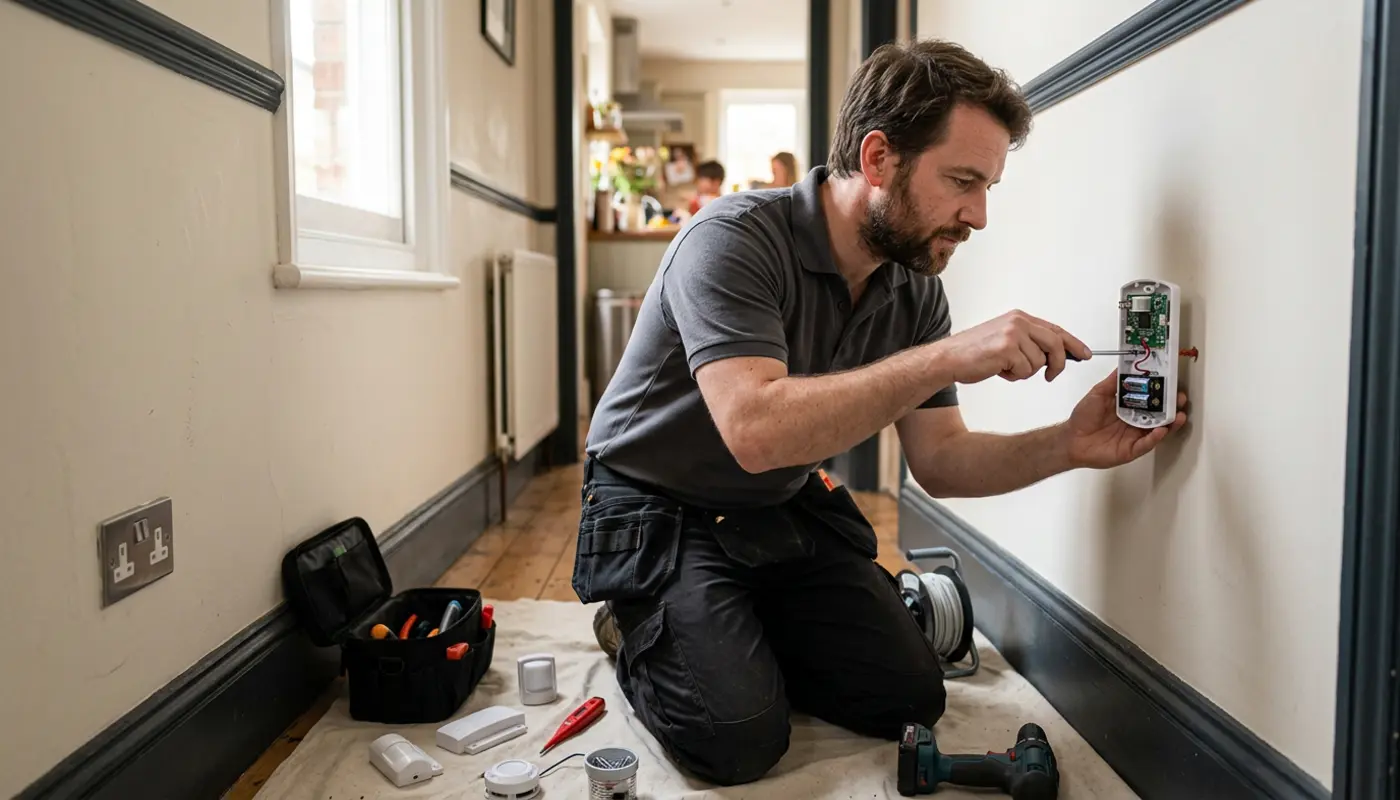
As a quick rule, acoustic glass break detection is about sound, while shock detection is about physical force. In higher risk glazed areas, it may be sensible to combine contacts, shock detection and internal movement detection rather than relying on just one device.
Outdoor And Perimeter Detectors
Outdoor sensors protect approaches before someone reaches the building. These can include outdoor PIRs, curtain detectors, active infrared beams and other perimeter devices designed for paths, gates, driveways, walls, yards and garden approaches.
An outdoor PIR detects movement in its field of view, while a curtain detector creates a narrower detection pattern along a wall, window line or boundary. Active infrared beams work as a transmitter and receiver pair, creating an invisible beam that raises an event when interrupted.
UK weather makes outdoor detection more demanding than indoor detection. Rain, wind blown plants, sunlight, wildlife, insects, temperature changes and loose objects can all cause problems if the wrong sensor is used or the zone is poorly set.
For monitored CCTV or perimeter detection linked to alarm response, system design should consider BS EN 50131 principles where applicable. A Police Response URN may require the correct certification route before police response can be arranged.
Camera Verified Motion Sensors
Camera verified motion sensors combine a PIR detector with a small built in camera. When the PIR triggers, the camera captures still images or a short sequence, depending on the system, so the event can be assessed more clearly.
This is useful because an app user or monitoring centre can see whether the activation looks like an intruder, a pet, a falling object or something else. It does not replace every other sensor, but it can add valuable context in entrances, hallways and higher risk rooms.
Privacy needs a little thought here. Camera verified detectors should be positioned carefully, with sensible image retention, secure app access and respect for shared areas, neighbours and private spaces.
Tamper, Anti Masking And Environmental Sensors
Tamper detection protects the sensor itself. If someone opens a detector, removes it from the wall or interferes with its casing, the system can raise a tamper alert, which should always be checked rather than casually dismissed.
Anti masking is slightly different. It attempts to detect if someone deliberately covers or blocks a detector’s view, for example by placing something over the lens before returning later.
Environmental sensors can also be integrated with some wireless alarm panels. These may include smoke, heat, carbon monoxide, flood and temperature sensors, although they should be treated as safety devices rather than intruder detection devices.
Where smoke and heat detection forms part of a fire alarm design, BS 5839 is the key British Standard to consider, with the right category chosen for the building and use. Carbon monoxide is colourless and odourless, so CO alarms should always follow current UK legal requirements and manufacturer guidance, especially in rented homes.
Which Sensors Does A Typical UK Home Need?
A small flat may only need a contact on the main entrance, a PIR covering the internal route and suitable smoke and carbon monoxide protection. The aim is to cover likely entry points and movement routes without adding sensors that do not improve protection.
A family house with pets may use pet immune PIRs in suitable rooms, contacts on accessible doors and windows, and shock or glass break detection around large glazed areas. Pet behaviour should be discussed before installation because the family dog may be innocent, while the cat may be the one testing every shelf and windowsill.
A home with a conservatory often needs extra thought because sunlight, temperature changes and large areas of glass can be awkward for standard sensors. Dual technology, contacts and glass or shock protection may be considered depending on the layout.
A house with a garage, shed or outbuilding should have wireless range checked before anything is fitted. Contacts, shock sensors and suitable PIR or dual technology detectors can all help, but only if the panel can receive reliable signals from the building.
How To Choose The Right Sensor Combination
The right sensor combination starts with the most likely entry points, such as front doors, rear doors, patio doors, side gates, accessible windows and garage doors. From there, it helps to look at the internal routes an intruder would probably take, such as hallways, stairs and landings.
Next, account for pets, glazing, outbuildings, heating, sunlight, draughts and wireless range. A conservatory, shed or garage should not be treated exactly like a carpeted hallway because the environment is completely different.
If you are not sure whether your cat, conservatory or garage will cause false alarms, that is exactly where sensor choice makes the difference. The best design is usually the one that quietly fits your daily routine rather than forcing you to work around the alarm.
For UK intruder alarms, standards such as BS EN 50131 and PD 6662 help define how systems are graded, designed and installed. Many domestic systems may be Grade 2, while higher risk premises may need Grade 3, but the correct EN 50131 grade depends on risk, insurance requirements and the required response.
If an alarm needs monitoring or police response, check the insurer’s conditions, maintenance needs and whether a Police Response URN is required. An SSAIB certified and Insurance Approved installation is often important for insurer recognition, monitored response and Police Response URN eligibility, so it is much easier to deal with this at the design stage than after the system has been fitted.
Final Thoughts
Wireless alarm sensors do not all do the same job. PIRs detect movement, contacts detect openings, shock sensors detect attack, glass break sensors listen for broken glass, outdoor detectors watch approaches, camera sensors add visual confirmation, and tamper features protect the system itself.
The best setup is the one that fits the property, not the one with the longest list of gadgets. A calm, well planned wireless intruder alarm should protect the right places, reduce false alarms and give you confidence that alerts are meaningful when they happen.
If you’d like help choosing the right sensors for your home or business, iSecurity Solutions can design a wireless intruder alarm around your rooms, pets, doors, windows and outbuildings, with responsive support and modern monitored technology where needed.