How Much Does Cctv Cost in Manchester?
CCTV Cost In Manchester
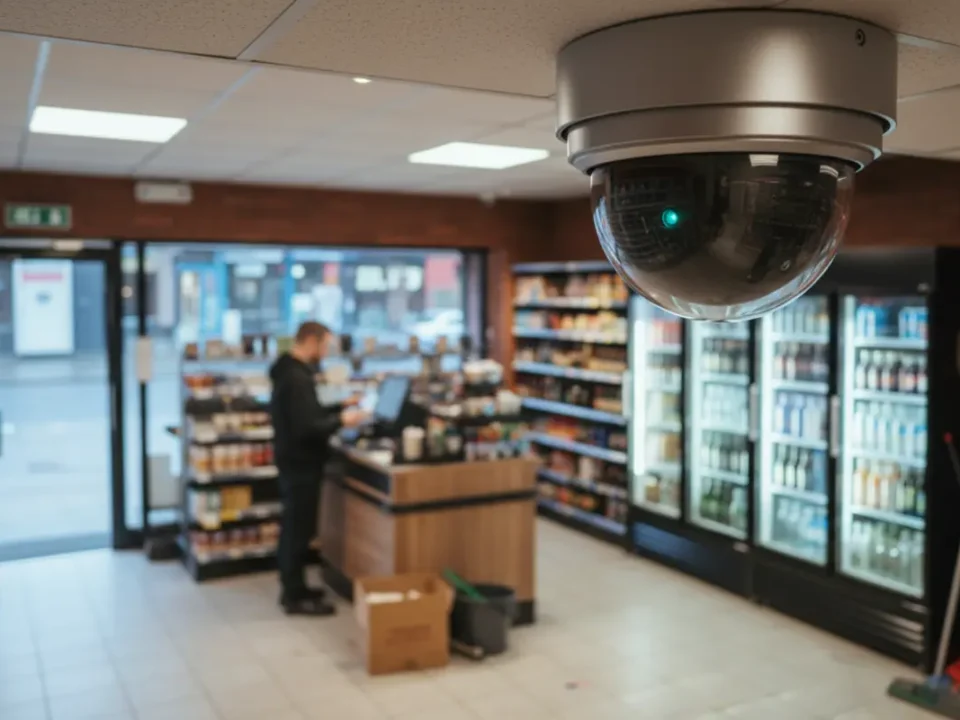
CCTV in Manchester usually costs between £450 and £1,500 for a typical home system in 2026. Business CCTV often costs between £1,200 and £6,000 or more, depending on the number of cameras, cable routes, recording equipment, remote viewing, monitoring and how complex the site is. A small flat may only need one or two cameras, while a shop, office, warehouse or HMO may need wider coverage, stronger storage and clearer footage at key points.
The total price is not only about buying cameras. Your final cost can include equipment, labour, cabling, recording, mobile app access, data storage, maintenance and, for businesses, GDPR compliance. Hidden costs such as extra cabling, cloud storage or work at height can affect the quote, so it is worth asking what is included before you agree to the work.
iSecurity Solutions is a trusted UK provider of commercial and domestic security systems, helping homes and businesses stay protected around the clock. From CCTV and intruder alarms to fire safety, access control and construction site monitoring, the team designs reliable systems around the real risk at each property, rather than simply fitting the most expensive kit available.
Average CCTV Installation Cost In Manchester In 2026
For most Manchester homes, professional CCTV installation falls into three broad price bands. Budget systems usually cost £450 to £800, mid range systems cost £800 to £1,800, and premium home systems often start from £1,800 and can rise to £3,500 or more. These figures include common equipment and installation, but larger homes, long cable routes and specialist cameras can increase the price.
A basic setup normally covers a front door, driveway or rear garden. A mid range setup often includes four to six cameras, better night vision, mobile app viewing and an NVR or DVR recorder. If you are not sure whether you need two cameras or eight, professional CCTV installation can help avoid paying for cameras that do not cover the most important areas.
Manchester pricing is usually closer to wider North West rates than London rates, where labour and access costs can be higher. Even so, city centre properties, apartment blocks, conservation streets and commercial estates can cost more because engineers may need extra time for parking, access, safe working at height or neat cable routes.
CCTV Cost Summary For Manchester
- DIY smart camera. Around £70 to £250 per camera, usually best for simple door, garage or indoor coverage.
- Budget home CCTV. Around £450 to £800 for one or two cameras with basic recording and simple installation.
- Mid range home CCTV. Around £800 to £1,800 for four to six cameras, better night vision, app access and stronger storage.
- Premium home CCTV. Around £1,800 to £3,500 or more for larger homes, higher image quality and advanced features.
- Small business CCTV. Around £1,200 to £3,000 for shops, offices and hospitality venues.
- Larger commercial CCTV. Around £2,500 to £6,000 or more where wider coverage, monitoring and longer storage are needed.
- Professional four camera system. Around £800 to £1,600 for many Manchester homes, depending on cabling and camera quality.
Budget, Mid Range And Premium CCTV Systems
A budget CCTV system in Manchester usually costs between £450 and £800. This may include one or two cameras, basic HD recording, a small local recorder and simple installation. It can work well for flats, small terraces and basic front door or garden coverage, but it may not give the clearest night images or the longest recording time.
A mid range system usually costs between £800 and £1,800. This is where many homeowners and small businesses find the best balance of price and performance. You can expect four to six cameras, 4K options, better infrared night vision, remote app viewing and a recorder with enough storage for several weeks of footage.
Premium systems can start from £1,800 for larger homes and rise well beyond £6,000 for commercial sites. These systems may include eight or more cameras, vandal resistant housings, colour night vision, number plate capture, video analytics, monitored CCTV and larger storage. For businesses, CCTV design aligned with standards such as BS EN 62676 can support better evidence quality, stable recording and a more professional setup.
Wired CCTV Vs Wireless CCTV Cost In The UK
Wired CCTV usually costs more to install because cables need to be run from each camera to a recorder or network point. For a four camera wired system in Manchester, expect around £800 to £1,500 for a home, with higher costs for larger commercial premises. The main benefit is reliability, because wired cameras do not rely as heavily on Wi Fi strength or battery charging.
Wireless CCTV can cost less upfront, especially for smaller homes. A basic wireless setup can start from around £300 for DIY equipment, or around £450 to £1,000 when professionally fitted. Wireless cameras can be useful, but they still need power, a strong signal and regular checks, so the saving is not always as large as it first appears.
Wired systems often include cabling, clips, trunking, junction boxes, power supplies and a recorder. Wireless systems may replace some of those costs with cloud subscriptions, battery replacements or Wi Fi improvements. If your Wi Fi already struggles upstairs, adding several cameras may make the connection less stable.
DIY Kits Vs Professional CCTV Installation
DIY CCTV kits can look attractive because a single smart camera may cost between £70 and £250, while a small multi camera kit can sit around £250 to £600. If you only need to cover a doorbell area, garage or small indoor space, DIY may be enough, especially if you are comfortable using apps, ladders and basic settings.
Professional CCTV installation in Manchester usually adds labour costs of around £250 to £650 for a basic to more advanced home job. An installer should position cameras correctly, reduce blind spots, protect cables, set up recording and show you how to use the app. That last part matters, because footage is not much use if nobody can find it when something happens.
The best value option is sometimes a mixed approach. You may choose the equipment yourself, then pay for professional help with outside camera positions, cable runs or recorder setup. For businesses, a professional system is usually the safer option because evidence quality, data protection and system reliability carry more weight.
How Many CCTV Cameras Do You Need?
The number of cameras has one of the biggest effects on CCTV installation prices across Manchester. A one or two camera system may cost £450 to £800, a four camera system often costs £800 to £1,500, and an eight camera system can range from £1,500 to £3,500 for homes or small commercial premises. More cameras also mean more cabling, more labour, more storage and more setup time.
For Manchester homes, two cameras can often cover a front entrance and rear access. Four cameras usually give better coverage for a driveway, garden, side gate and main entrance. Larger detached homes, HMOs or properties with alleyway access may need six to eight cameras to avoid gaps.
For shops, offices and hospitality venues, four to eight cameras is common. You may need cameras at entrances, tills, stock rooms, staff areas, car parks and delivery points. Larger business premises may need sixteen cameras or more, especially where public areas, stock security and staff safety all need to be covered.
Residential And Commercial CCTV Costs In Manchester
Residential CCTV is usually simpler because the site is smaller and there are fewer legal and operational needs. A flat may cost £350 to £700 for a simple setup, a terraced house may cost £600 to £1,200, and a larger semi detached or detached home may cost £900 to £2,500 depending on coverage.
Commercial CCTV system cost estimates in Manchester are higher because businesses often need wider coverage, stronger storage and clearer footage. A small shop or office may cost £1,200 to £3,000, while a medium site can range from £2,500 to £6,000. Warehouses, car parks, yards and premises across more than one location can cost much more because camera positions, monitoring and recording needs become more involved.
If you are pricing a larger site, the same cost drivers usually apply. Layout, storage time, monitored response and site access can all affect the final quote, so it is better to assess the full site rather than guessing camera numbers from the doorway.
Additional CCTV Costs To Budget For
Cabling is one of the most common extras. Simple cable runs may be included in the quote, but long routes, hidden cabling, trunking, drilling through thick walls or working around finished interiors can add £100 to £500 or more. Neat cabling may not sound exciting, but it often makes the difference between a tidy professional job and a messy setup in the loft.
Recording equipment also changes the price. A DVR is normally used with traditional analogue style camera systems, while an NVR is normally used with IP cameras that send video over a network. In plain English, both store your footage, but they work with different camera types. A recorder can cost from around £150 to £600, while extra storage drives may add £80 to £300 depending on how many days of footage you need.
You may also need a monitor, CCTV signs, junction boxes, power supplies, network switches or Wi Fi improvements. Cloud storage can cost a few pounds per camera per month, while local recording costs more upfront but avoids ongoing cloud fees. Businesses should also budget for CCTV signage and basic data protection documents.
Labour And Installation Charges In Manchester
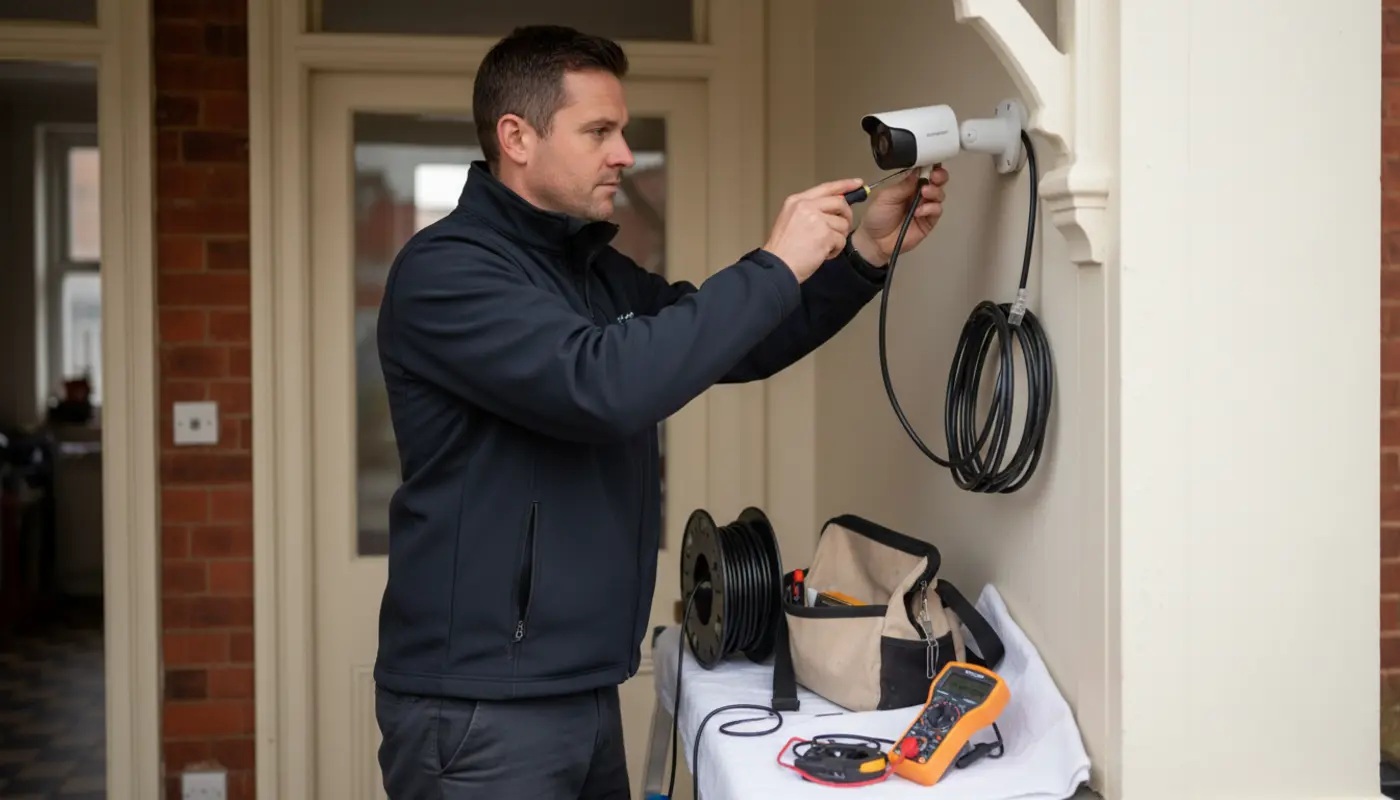
Manchester CCTV labour costs depend on time, access and the complexity of the installation. A simple camera fitting may be priced at around £75 to £120 per camera, while full day rates for more complex work can push total labour into the £300 to £700 range. Commercial installations often cost more because they need planning, safer access equipment or work outside normal opening hours.
Installers will usually look at wall type, cable distance, roofline access, camera height, parking and how easy it is to bring cables back to the recorder. Apartment blocks and shared buildings may need landlord permission, which can slow things down. Shops and restaurants may also prefer evening installation to avoid disturbing customers.
A good quote should clearly separate equipment, labour, cabling, recorder storage, app setup, warranty and maintenance options. If one quote looks far cheaper than the others, check what is missing before agreeing. A bargain price is less appealing if it does not include the recorder, storage or proper setup.
Ongoing CCTV Costs In 2026
Ongoing CCTV costs can include maintenance, monitoring, cloud storage and occasional upgrades. A basic home system with local recording may have very low running costs, apart from an annual check or a replacement hard drive after several years. A cloud based DIY system may cost less upfront but can add monthly storage charges for each camera.
Maintenance for a home system may cost around £100 to £250 per year, depending on the number of cameras and whether remote support is included. Businesses may pay £250 to £800 or more per year for routine checks, cleaning, software updates, recording tests and call out cover. Regular servicing helps make sure cameras have not moved, lenses are clean and footage is actually being saved.
Monitored CCTV costs more because trained operators can check alerts and respond when activity is detected. For monitored CCTV linked to an alarm or perimeter detection, a Police Response URN may be relevant where police response is required. This is most common for higher risk commercial sites rather than standard home CCTV.
Planning Permission And GDPR Compliance Costs
Most domestic CCTV in Manchester does not need planning permission if cameras are fitted sensibly on your own property. Extra care is needed with listed buildings, conservation areas, flats, shared walls and cameras that overlook public spaces or neighbouring property. When in doubt, checking with Manchester City Council before installation is a sensible step.
GDPR and data protection rules matter when CCTV captures people outside your private household boundary, and they are especially important for businesses. For homeowners, this can apply if your camera records the pavement, a shared driveway or a neighbour’s garden. Clear signage, a reasonable reason for recording and careful camera angles can help. The Information Commissioner’s Office gives useful neutral guidance on CCTV and video surveillance for UK organisations.
Compliance costs are usually modest for small sites, but they should not be ignored. Signs may cost £10 to £50, while businesses may spend extra time creating a CCTV policy, staff notice or retention process. Larger organisations may need professional advice, especially where cameras cover public areas, staff zones or shared premises.
Insurance, SSAIB And Police Response URN Points
Some insurers may take a professionally fitted CCTV system into account, especially when it forms part of a wider security setup with intruder alarms, access control or monitoring. The exact effect on insurance costs depends on the insurer, the risk level and the type of property, so it is always best to check the policy wording before buying equipment.
Where alarm systems or monitored security are involved, insurers may ask for an SSAIB certified and Insurance Approved installation. This pairing is important because an SSAIB certified and Insurance Approved system can support eligibility for a Police Response URN when police response is required. CCTV alone does not automatically create police response, but it can support a stronger monitored security plan for higher risk sites.
For businesses, related standards may also matter depending on the wider safety system. Intruder alarms are commonly designed around EN 50131 grades, while fire alarm systems, emergency lighting and fire extinguishers may involve BS 5839, BS 5266, BS 5306, PAS 79 and BAFE SP101 where relevant. Network cabling quality can also be supported by BICSI knowledge and Fluke testing certifications, which help prove that data cabling has been installed and tested properly.
Ways To Reduce CCTV Costs In Manchester
The simplest way to reduce CCTV costs is to choose the right number of cameras, not the largest number. A well placed four camera system can often perform better than a cheap eight camera kit with poor angles. Focus on entrances, rear access, driveways, tills, stock areas and any route a person would realistically use.
You can also reduce labour costs by planning ahead. Clear access to lofts, cupboards, cable routes and power points can save time on the day. If you are renovating, adding CCTV cabling before walls and ceilings are finished is usually much cheaper than trying to hide cables later.
Bundling CCTV with intruder alarms or access control can sometimes reduce overall installation costs because engineers can plan cabling, control equipment and app access together. Some insurers may also offer better terms for professionally installed security, although this varies by provider and risk level. Businesses should also check for local crime prevention initiatives or grant schemes, as support can appear at different times across Greater Manchester.
Example CCTV Cost Scenarios For Manchester
A two camera wireless system for a Manchester flat may cost around £350 to £750. This could include two smart cameras, app setup, basic cloud storage and limited labour. It can suit a front entrance and balcony or parking view, provided the Wi Fi signal is strong enough.
A four camera wired system for a semi detached home may cost around £900 to £1,600. This would typically include cameras for the front, rear, side access and driveway, plus a recorder, cabling, mobile app access and installation. If you want 4K cameras, longer storage or hidden cabling, budget towards the higher end.
An eight camera system for a small shop or office may cost around £1,800 to £3,500. This may include cameras at the entrance, till, shop floor, stock room, rear exit and staff area, with larger storage and better night performance. If remote monitoring, analytics or installation outside opening hours is needed, the cost can rise further.
Final Thoughts On CCTV Costs In Manchester
A simple home CCTV setup in Manchester may start around £450, a strong four camera home system often lands between £900 and £1,600, and commercial CCTV usually starts around £1,200 before rising with site size, storage and monitoring needs. The most sensible budget depends on what you need to see, how long you need to keep footage and how reliable the system must be.
The best value comes from matching the system to the property, rather than chasing the cheapest kit or the flashiest specification. Good camera placement, reliable recording, clear night footage and proper setup will do far more for security than adding extra cameras without a clear reason.
If you are unsure what your Manchester property actually needs, iSecurity Solutions can help you compare practical options without overspending. You get clear advice, suitable equipment and a system designed to protect what matters most.
Frequently Asked Questions
How Much Does A Four Camera CCTV System Cost In Manchester?
A four camera CCTV system in Manchester usually costs between £800 and £1,600 for a home, depending on camera quality, cabling, recorder size and installation complexity.
Is Wired CCTV More Expensive Than Wireless CCTV?
Yes, wired CCTV usually costs more to install because of cabling and labour, but it is often more reliable for long term recording and larger properties.
Do Businesses Need GDPR Compliant CCTV Signs?
Yes, businesses should use clear CCTV signage and have a sensible reason for recording, a retention period and a process for handling footage requests.
Can CCTV Reduce Insurance Costs?
Some insurers may offer better terms for professionally installed systems, especially where CCTV is combined with alarms. For monitored CCTV or alarm linked systems, an SSAIB certified and Insurance Approved installation can support Police Response URN eligibility.
What Is The Cheapest CCTV Option For A Manchester Home?
The cheapest option is usually a single DIY smart camera from around £70 to £250, but a professionally fitted two camera setup can give better positioning, recording reliability and support.