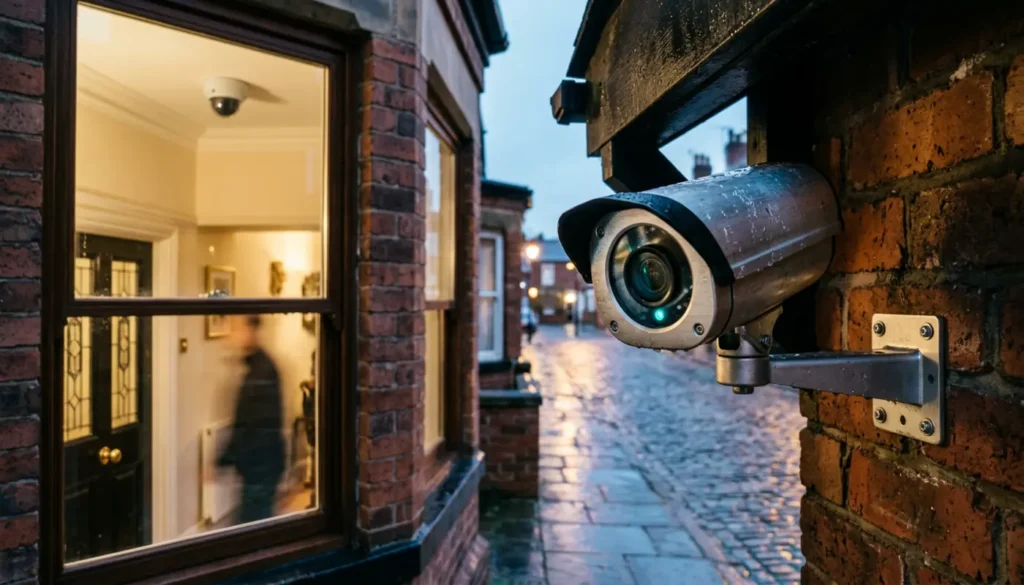
How to Position CCTV Cameras for Better Security
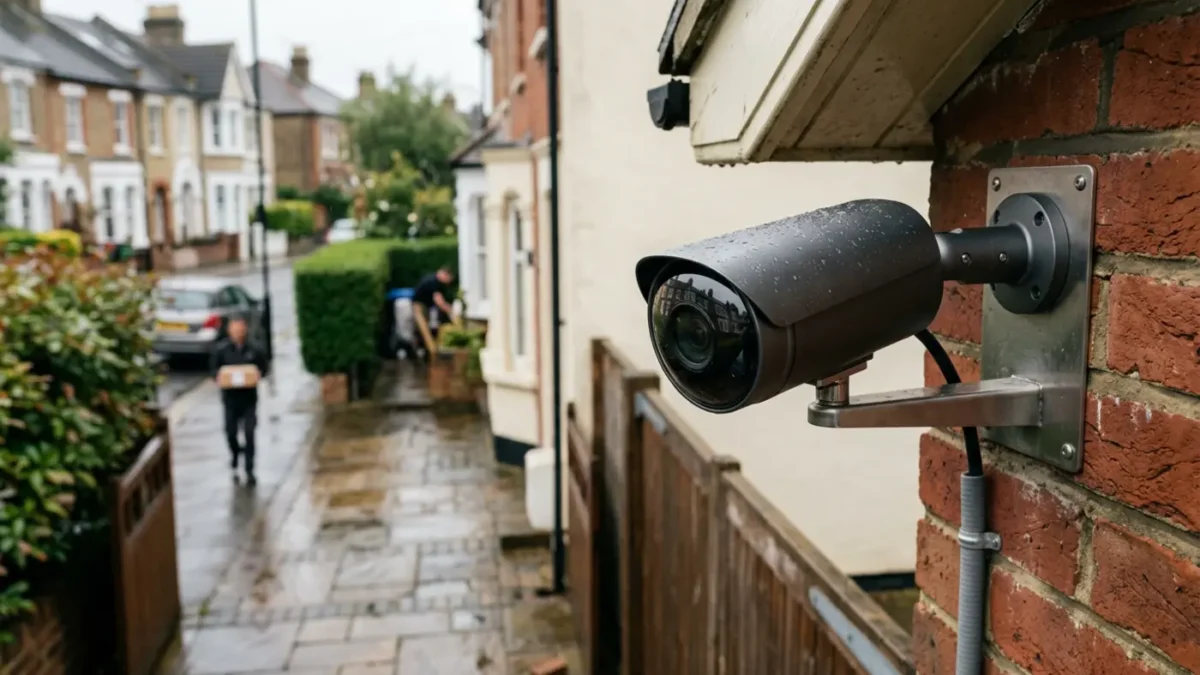
How To Position CCTV Cameras
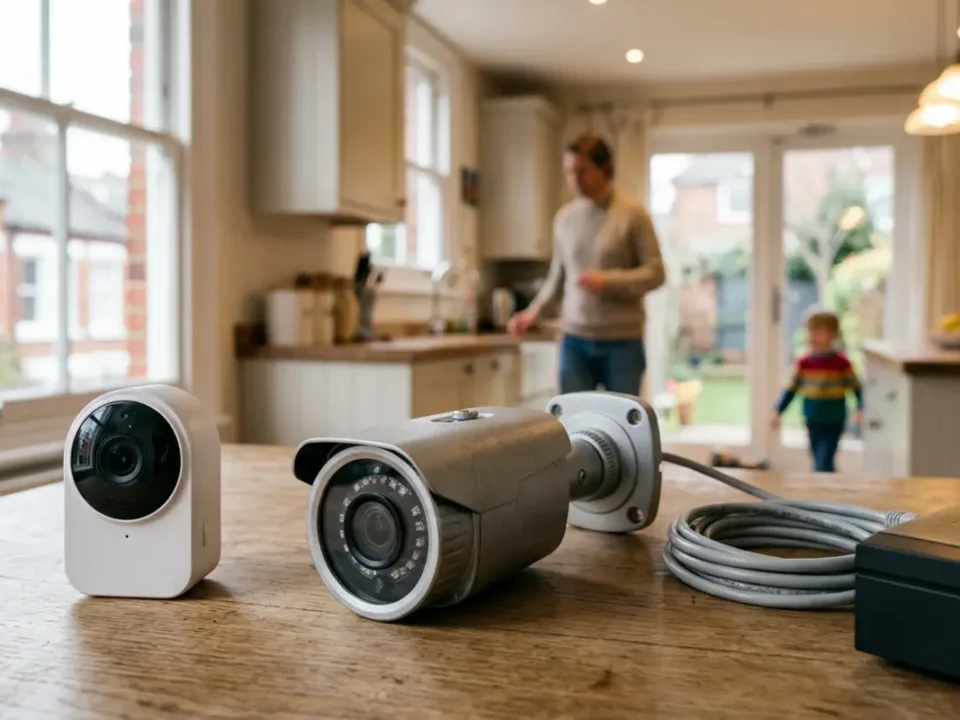
To position CCTV cameras for better security, start with the real risks around your property, then place each camera where it can capture useful evidence. Good CCTV positioning covers main entry routes, reduces blind spots, works in poor weather and darkness, and respects UK privacy rules.
Camera quality matters, but even a brilliant camera will not help much if it is staring at a wall, blinded by a porch light, or mounted so high that every visitor looks like a hat with legs. If you want help choosing the right layout, iSecurity Solutions designs practical CCTV systems for homes and businesses across the UK, with clear advice on coverage, evidence quality and long term reliability.
iSecurity Solutions is a trusted UK provider of commercial and domestic security systems, helping homes and businesses stay protected around the clock. From CCTV and intruder alarms to fire safety, access control and construction site monitoring, the team designs reliable, tailored solutions backed by responsive service and modern remotely monitored technology.
Start With A UK Security Risk Assessment
A good CCTV plan begins with a simple walk around your property. Look at the front door, rear access, side gates, patio doors, ground floor windows, garage doors, sheds, bins and any dark corners where someone could approach without being noticed.
Next, check what is happening locally rather than relying only on national crime headlines. Police crime maps can help you understand burglary, vehicle crime and antisocial behaviour around your postcode, while national figures from the Office for National Statistics give wider context for England and Wales.
It is also worth thinking about your own routine. Do parcels get left near the porch, is your car parked on the drive, does a side passage lead straight to the rear garden, or is there a back lane behind the house? The driveway, side gate or rear access may be the weak point rather than the front door.
For homes and businesses that need a professionally designed system, CCTV installation can help match camera type, field of view, recording quality and monitoring options to the actual risks on site.
Prioritise The Main Entry Points
The front door is usually the first place to cover because it captures visitors, deliveries and anyone checking whether someone is home. Position the camera so it sees faces as people approach, not just the top of their head once they are already under the porch.
Rear doors and patio doors deserve just as much attention, especially in UK homes where rear gardens, fences and side routes can give an intruder more cover. Aim to cover the approach path as well as the door itself, because seeing how someone arrived is often as useful as seeing the final attempt at entry.
Side gates and narrow passages are common weak spots. A narrower camera view can work well here because it captures people moving through a clear route while avoiding unnecessary recording of a neighbour's garden or windows.
Ground floor windows should be assessed carefully, especially those hidden from the street or screened by hedges. You do not need to record every inch of the front garden, but you do want a clear view of anyone approaching a vulnerable window, shed or side return.
Choose The Right Height And Angle
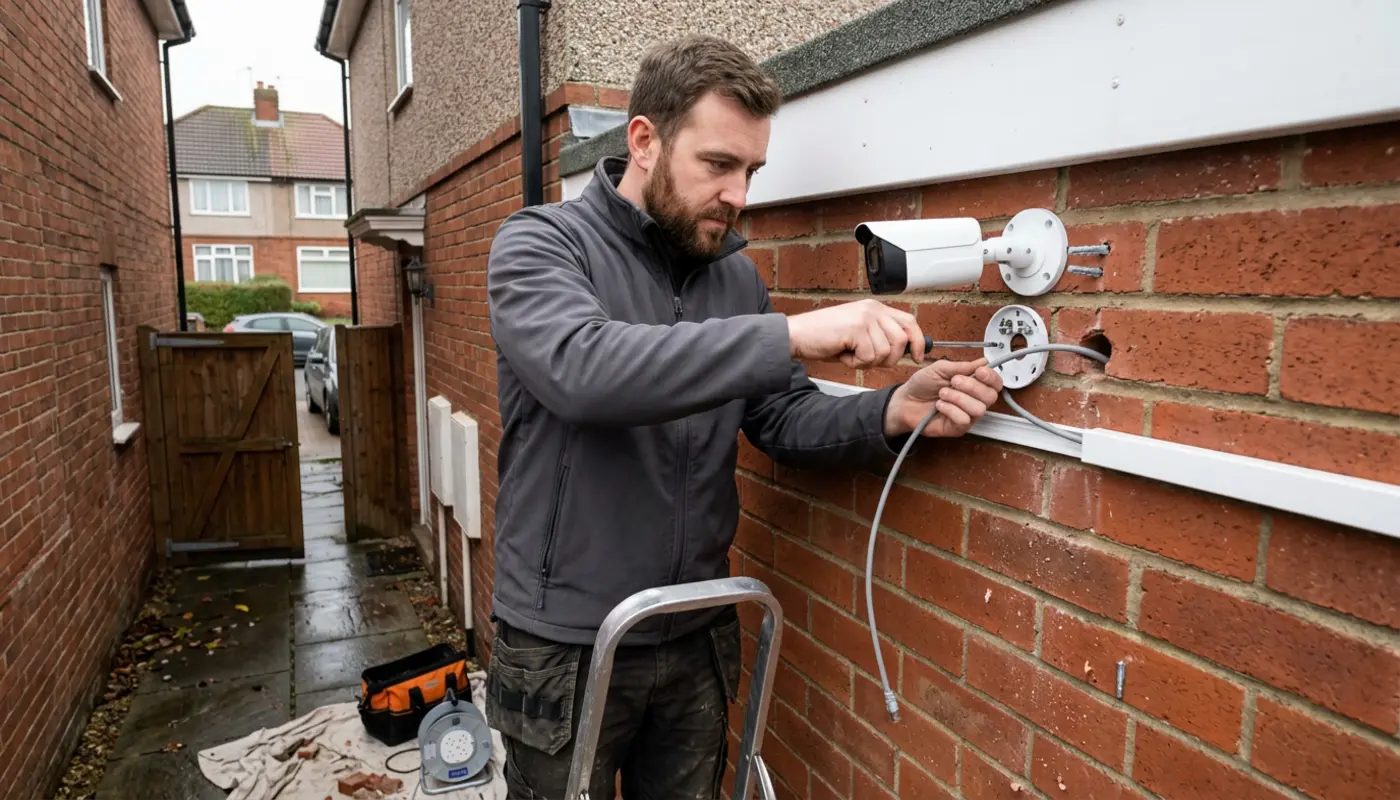
For most outdoor CCTV cameras, a height of around 2.5 to 3 metres is a sensible starting point. This is usually high enough to discourage casual tampering, yet low enough to capture facial detail when the camera is angled properly.
Mounting a camera too high can make footage less useful because faces become small and steeply angled. If your camera is up near the roofline, it may show that someone was there, but not clearly who they were, which is not ideal when you need usable evidence.
Angle the camera downward enough to capture faces, hands, doors and approach routes, but not so sharply that it records mostly paving. The important area should sit near the middle of the image, where detail is usually clearer and less distorted.
Think about direction of travel too. Motion detection often works better when someone crosses the field of view rather than walking directly towards the camera, and a second camera may be needed where one wide view cannot provide both overview and identification.
Plan Coverage To Reduce Blind Spots
Blind spots are the small gaps that cause big frustration later. Before fixing cameras in place, sketch your property and mark each camera location, viewing direction, likely detection zone and the area where you need clear detail.
Corner positions can be useful because they often cover two sides of a building, but they need care. If a camera is placed too close to a wall, soffit or downpipe, the image may be partly blocked and infrared light can bounce back into the lens at night.
Overlapping fields of view are helpful at gates, paths, driveways and other transition points. If one camera is covered, damaged or blocked by a delivery van, another camera may still record the person or vehicle moving through the area.
Do not expect one wide angle camera to do everything. Wide views are useful for general awareness, but a narrower fixed lens is often better for faces at a door, vehicle detail on a driveway or movement through a side passage.
Improve Lighting And Night Time Visibility
Night time footage is where many CCTV systems either perform well or quietly let you down. Test the camera at midday, dusk, after dark and early morning, then check whether faces, vehicles and paths are still clear.
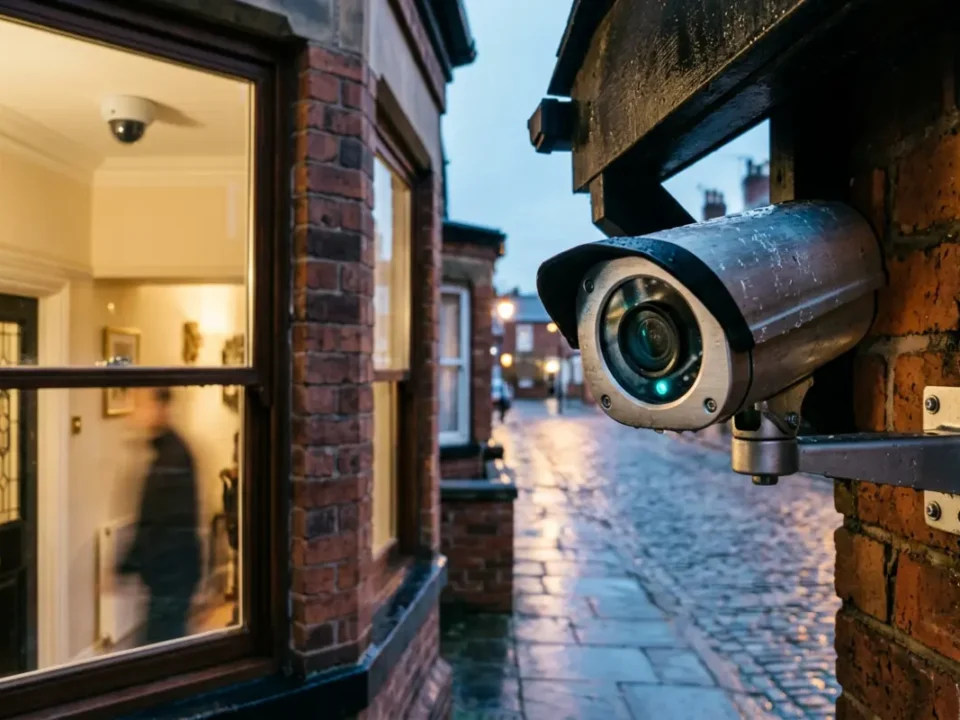
Avoid pointing cameras directly at bright porch lights, street lights, headlights or low winter sun. Strong backlighting can turn people into silhouettes, which may look dramatic but is not very helpful when you need identification.
Infrared night vision can also cause problems if it reflects off glass, shiny signs, wet paving, white walls or nearby soffits. Recording through a window is especially risky because infrared light often bounces back and washes out the image.
Use security lights carefully by placing them so they illuminate the person or vehicle rather than shining into the lens. Motion activated lighting can work well, but always test the footage after rain because wet surfaces can create glare that was not there on a dry evening.
Protect Cameras From UK Weather
Outdoor CCTV in the UK needs to handle rain, frost, wind, condensation, darker winters and the occasional low sun that appears just when you want a clear image. Look for outdoor rated cameras, commonly IP65 or IP66, which indicate dust and water resistance under defined test conditions.
An IP rating is useful, but it does not make a camera indestructible. It does not automatically solve frost, impact, corrosion, cable damage, condensation inside poor connections or sunlight gradually affecting cheap plastic housings.
Where possible, mount cameras in a slightly sheltered position under an eave or modest overhang, provided the shelter does not block the view or reflect infrared light. Cable entry points and connectors need particular care because water often finds the weakest route first.
Seasonal changes matter too. Hedges grow, trees move in the wind, hanging baskets swing into view, and spider webs somehow appear exactly where the lens is looking. A quick monthly check can save a lot of disappointment later.
Cover Driveways Garages And Vehicles
Driveway CCTV should capture both the entrance point and the area where vehicles are parked. If you are worried about vehicle crime, catalytic converter theft or keyless relay attacks, position cameras to show people approaching the vehicle and moving around it.
Try not to place the camera directly into headlights, as the image may wash out just when you need it most. A side angle often works better because it can capture movement, clothing, direction of travel and sometimes vehicle details without being blinded.
Garages need their own thinking. The main garage door, driveway and any internal door from the garage into the house are separate risks, so one camera may not cover everything well enough. Ask whether a person could reach the garage or car without ever passing your main front door camera.
CCTV is a deterrent and evidence tool, not a magic forcefield for your car keys. It works best alongside physical security, good lighting, locked gates where practical, sensible key storage and extra protective measures for higher risk vehicles.
Respect UK CCTV Privacy Rules
In the UK, domestic CCTV is usually simpler when it only records your own private property. Once your camera captures a neighbour's garden, shared path, public pavement or road, UK GDPR and the Data Protection Act 2018 may apply.
The safest approach is to minimise what you record. Tilt cameras down, use privacy masking, choose a narrower lens, avoid unnecessary audio recording and check the live view after installation to make sure you are not capturing more than you need.
The Information Commissioner's Office gives helpful public guidance on home CCTV, including what to do if your system records outside your boundary. You can read the ICO home CCTV guidance for practical advice on privacy, signage, storage and responding to requests.
Commercial CCTV and shared residential areas usually need a clear purpose, visible notices, controlled access to footage and a sensible retention period. The Surveillance Camera Code of Practice is mainly aimed at relevant public authorities, but its principles of necessity, transparency and proportionality are still useful for responsible camera planning.
Use Signs And Visible Deterrence
A visible camera can deter opportunistic behaviour, but it should not be placed badly just to be seen. The best position balances deterrence with useful evidence, because a camera that everyone can spot but cannot identify faces is only doing half a job.
CCTV signs are particularly important where people may be recorded beyond a purely private domestic area or in a business setting. A useful sign should say that CCTV is operating, explain the purpose of recording, identify who controls the system and give a contact route for questions.
Avoid making big claims such as saying the system guarantees prevention of crime. CCTV supports security, but it should sit alongside locks, lighting, alarms, gates, access control and good habits.
For a deeper look at how camera capability affects identification, you may find CCTV resolution for identifying faces useful when planning where detail really matters.
Plan Power Connectivity And Tamper Resistance
Wireless cameras can work well, but test the signal at the exact mounting point before drilling anything. Brick walls, foil insulation, distance from the router, outdoor housings and network congestion can all weaken the connection.
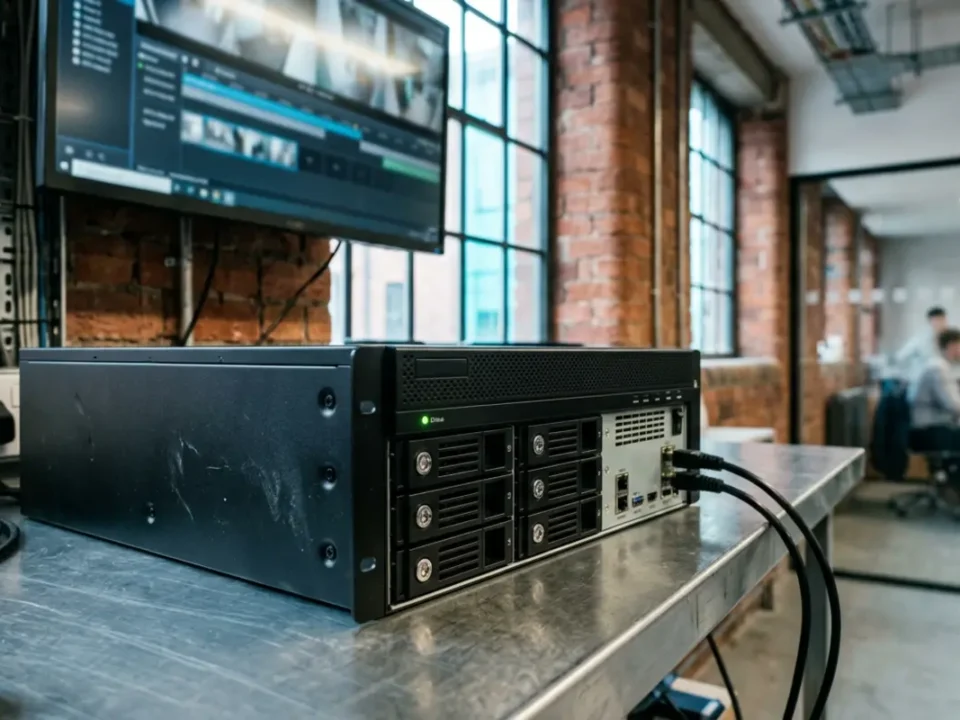
Power over Ethernet, often shortened to PoE, sends power and data through one network cable. It is often more reliable for outdoor CCTV where cabling is practical, especially for properties that need stable recording and fewer wireless dropouts.
Keep cables protected in conduit or hidden routes where possible, and avoid leaving exposed wires that can be cut or pulled. The recorder, router and network equipment should also be placed somewhere secure rather than next to the front door.
For monitored CCTV and systems linked with intruder detection, EN 50131 grading, usually Grade 2 or Grade 3 depending on risk, may be relevant when the wider security system includes alarm detection. A Police Response URN is normally linked to qualifying monitored alarm systems, so the system should be designed and documented properly from the start.
Test And Maintain Your Camera Positions
After installation, walk through each camera zone as if you were a visitor, delivery driver or intruder. Check whether faces are clear, motion alerts trigger in the right place, and the recording actually plays back properly.
Review footage in different conditions, including rain, darkness, bright sun and windy weather. If a camera is constantly triggered by moving branches or passing headlights, adjust the detection zone, angle or sensitivity rather than ignoring the alerts.
Maintenance should be simple but regular. Clean lenses, check mounts, inspect cables, trim vegetation, confirm privacy masks, update firmware, review storage space and make sure the system clock is correct.
Also retest after any change to the property. New fencing, extra lighting, a larger vehicle, building work, garden growth or a new neighbour's extension can all change what your camera sees.
Common CCTV Positioning Mistakes
The most common mistake is mounting cameras too high and too wide, which creates impressive looking coverage but weak identification. Another is covering the front garden beautifully while missing the actual door, side gate or driveway approach.
Other problems include pointing cameras through glass with infrared enabled, facing the lens into headlights, leaving cables exposed, ignoring rear access and assuming the wireless signal outside will be as strong as it is beside the sofa. It often is not.
Privacy mistakes are also common, especially in terraces, flats, shared drives and homes with close boundaries. If a camera records a neighbour's window, garden or public footpath unnecessarily, adjust the angle or use privacy masking as soon as possible.
A simple planning checklist can help. Note the target area, purpose, required detail, mounting height, lens type, lighting, privacy risk, power method, connection test, night test and next maintenance date, so you are not left with perfect footage of the wrong place.
Final Thoughts
Better CCTV security is not about placing cameras everywhere. It is about putting the right cameras in the right positions, with enough detail to identify people or vehicles while keeping coverage sensible and respectful.
Start with your property risks, prioritise doors, side access, rear routes, driveways and garages, then test every camera in real UK conditions. When camera placement, lighting, privacy and connectivity are considered together, CCTV becomes far more useful and far less frustrating.