What Is the Difference Between Indoor and Outdoor CCTV
Indoor And Outdoor CCTV
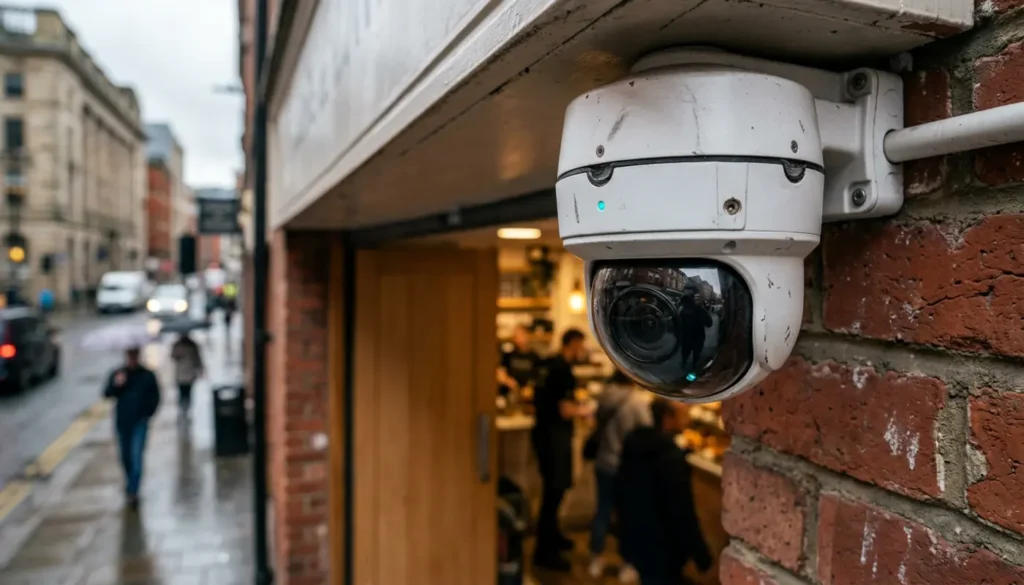
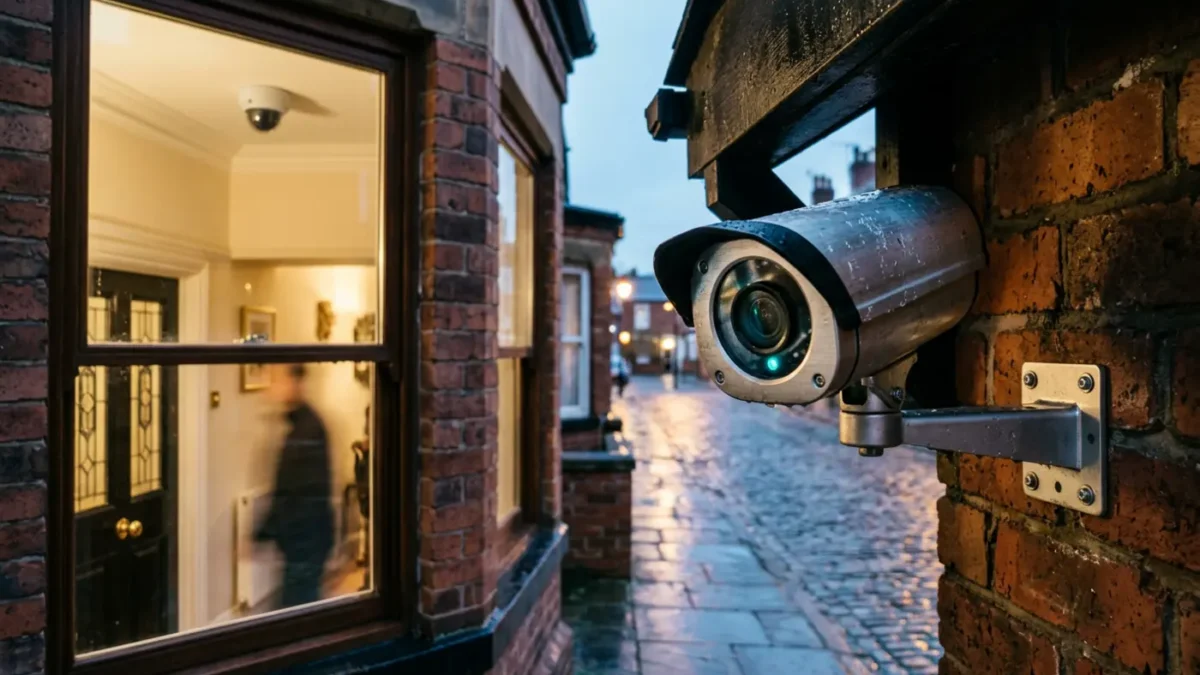
Indoor and outdoor CCTV may look similar, but they are made for different conditions and security needs. Indoor CCTV is designed for protected spaces such as hallways, shops, offices and stockrooms, while outdoor CCTV is built to handle rain, frost, damp, glare, changing light and possible tampering.
Choosing the right camera matters because a camera in the wrong place can give poor footage, fail earlier than expected, or create privacy concerns. No one wants to spend money on a system that misses the key moment when it is needed most. For UK homes and businesses, iSecurity Solutions helps match the right CCTV equipment to each area, so your system works properly in real life, not just on paper.
Indoor CCTV Versus Outdoor CCTV At A Glance
The main difference is protection from the environment. Indoor cameras usually sit in dry, stable conditions, so they can be smaller, lighter and less rugged. Outdoor cameras need stronger housing, weather sealing, wider temperature tolerance and better night performance because they are exposed to British weather, which is famously good at keeping everyone guessing.
Indoor cameras are often used to monitor entrances, reception areas, corridors, tills, offices and shared spaces. Outdoor cameras usually cover driveways, car parks, gardens, loading bays, gates, yards and building perimeters. Both can be part of the same CCTV system, but they should not be treated as if they are interchangeable.
A good CCTV setup should follow the principles of BS EN 62676, which is the British and European standard for video surveillance systems. It covers areas such as image quality, system design, recording and performance. In simple terms, it helps make sure your CCTV is useful, reliable and fit for purpose.
Weatherproofing And IP Ratings
Outdoor CCTV needs a suitable IP rating, which stands for Ingress Protection. This rating tells you how well the camera is protected against dust and water. For example, IP65 usually means the camera is dust tight and protected from water jets, while IP66 gives stronger water resistance for harsher exposed areas.
In the UK, rain is only part of the story because outdoor cameras also face damp air, frost, wind driven drizzle and occasional heatwaves. A camera under a porch may not need the same level of protection as one fixed to an exposed warehouse wall or garden post. That is why location matters just as much as the rating printed on the box.
Indoor cameras do not normally need high weatherproof ratings because they are not expected to face rain or frost. However, indoor spaces such as garages, workshops, plant rooms and unheated storerooms can still suffer from dust, moisture and temperature changes. In those cases, a more robust camera may be sensible even if the camera is technically indoors.
Build Quality And Durability
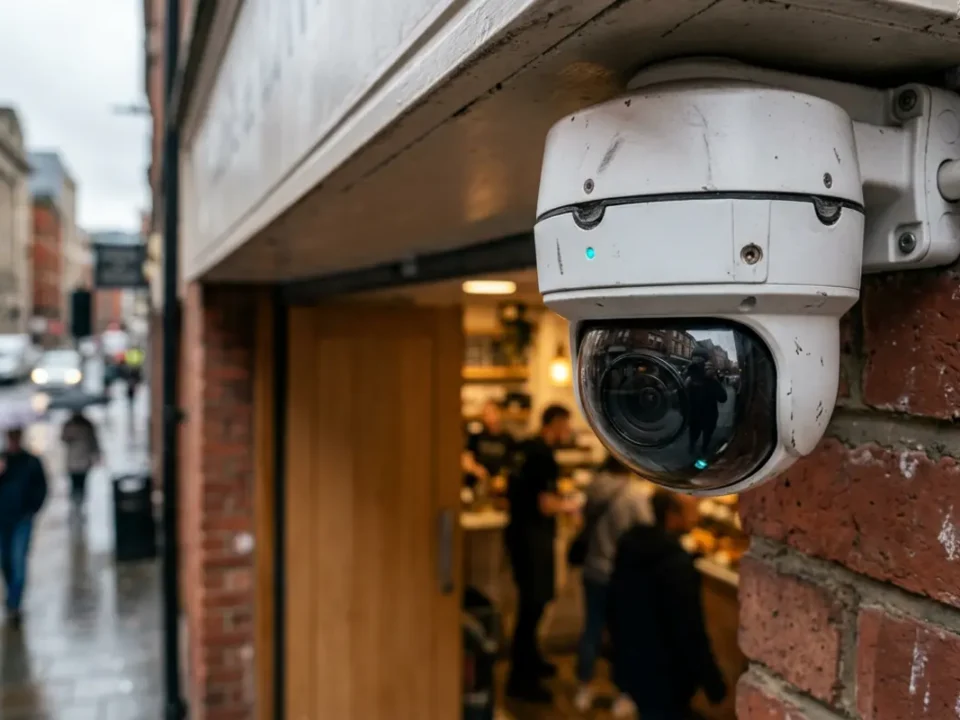
Outdoor CCTV cameras are usually built with tougher casings, stronger brackets and better sealing. Many use metal housings, weather resistant coatings and reinforced glass or polycarbonate covers. If the camera is installed at a low height or in a public area, vandal resistance becomes a major consideration.
This is where IK ratings come in. An IK rating measures impact resistance, so a camera with an IK10 rating is much better protected against knocks, attempted damage and flying objects than a basic indoor unit. You do not need to become an expert in rating codes, but you do want a camera that can take a bump without giving up at the first sign of trouble.
Indoor CCTV cameras can still be durable, but they are often designed with appearance and discretion in mind. In a shop, office or home, you may prefer a neat dome camera or compact turret that blends in. The right choice depends on whether you need clear deterrence, discreet monitoring, or a practical mix of both.
Temperature Tolerance And UK Seasonal Conditions
Outdoor cameras must cope with cold winter mornings, warm summer afternoons and sudden changes between the two. A good outdoor CCTV camera should be rated for a broad temperature range, often from well below freezing up to hot summer conditions. This matters because electronics, lenses and seals can all be affected by temperature changes.
Condensation is another common issue in the UK. If a camera is poorly sealed or badly installed, moisture can build up inside the lens cover and blur the picture. It is a bit like trying to look through a bathroom mirror after a hot shower, except the camera is supposed to be protecting your property, not admiring the tiles.
Indoor cameras usually have an easier life, but they still need the right placement. A camera above a radiator, next to a shop entrance, or inside a cold stockroom can still experience changes in temperature and humidity. Professional positioning helps reduce false alerts, lens fogging and early equipment failure.
Night Vision And Lighting Performance
Night vision is one of the biggest differences between indoor and outdoor CCTV. Outdoor cameras often need stronger infrared lighting because they cover larger, darker areas such as gardens, yards and car parks. Infrared is a type of light that people cannot see, but the camera can use it to record in the dark.
Some modern cameras also offer colour night vision, which uses sensitive sensors and available light to capture colour images in low light. This can be useful when you need details such as clothing colour, vehicle colour or object identification. However, colour night vision usually needs some background light, such as street lighting, security lighting or built in white light.
Indoor night vision usually covers shorter distances, such as a hallway, living room, shop aisle or office corridor. The challenge indoors is often avoiding glare from windows, reflective floors, glass doors and display cabinets. A camera that performs well outside may not automatically give the best picture inside a small room.
Camera Placement, Field Of View And Coverage
Outdoor CCTV should be planned around risk points. These often include front doors, side gates, driveways, rear gardens, garages, delivery areas, bin stores and business entrances. The aim is to capture clear, useful images before someone gets too close to damage the camera or move out of view.
Indoor CCTV focuses more on movement through a building. For homes, that might mean entrances, hallways and rooms where valuables are kept. For businesses, it could include reception desks, tills, stockroom doors, corridors and staff only areas where appropriate.
Field of view is the width of the scene a camera can see. A wide angle camera covers more area, but faces and number plates may look smaller unless the camera resolution and placement are suitable. If identification is important, camera distance, lens type and resolution all need to work together.
For a closer look at camera clarity and identification, you may find what CCTV resolution is best for identifying faces useful when comparing options for homes, offices and shops.
Power And Installation Options
CCTV cameras can be powered in several ways, including mains power, battery power, wireless connections and Power over Ethernet. Power over Ethernet, often called PoE, uses one network cable to carry both power and data, which makes it a tidy and reliable option for many fixed CCTV systems.
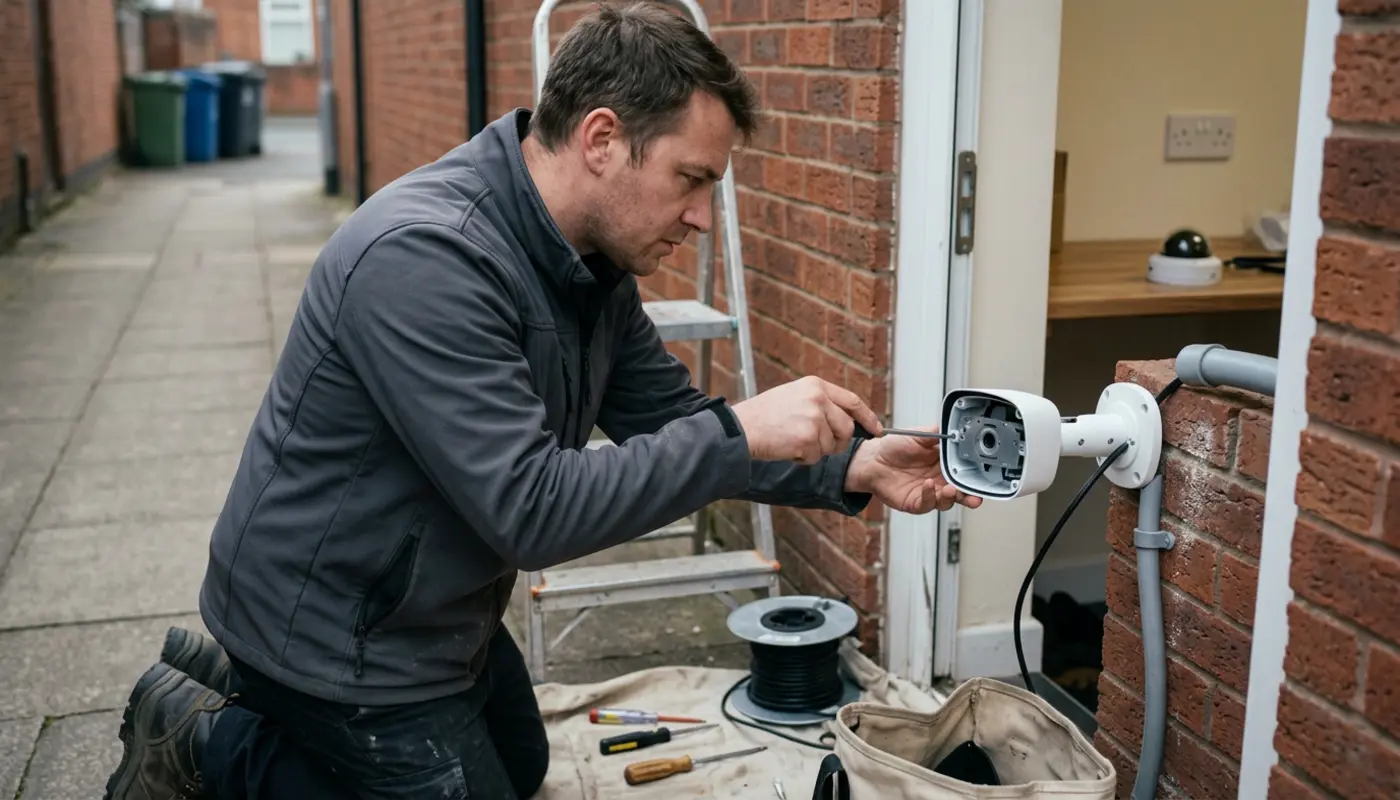
Outdoor installations often involve more practical work, such as drilling through brickwork, routing cable safely, sealing entry points and protecting wiring from weather or tampering. Indoor installation may be simpler, but cable routes, network access and recording equipment still need careful thought. A neat installation is not just about looking good because poor cabling can cause dropouts and maintenance problems later.
DIY cameras can work for basic home monitoring, especially when the risk is low. However, professional installation is usually better for businesses, larger homes and any property where footage may be needed for evidence or insurance. A professional will consider coverage, lighting, privacy, storage, cabling and long term reliability together.
If you want a planned system rather than a few cameras placed wherever the WiFi behaves, our CCTV systems service covers design, installation and support for domestic and commercial properties.
Privacy And Legal Compliance In The UK
CCTV needs to be used responsibly, especially when cameras capture areas beyond your property boundary. If your system records public spaces, neighbouring gardens, shared entrances or staff areas, UK GDPR and the Data Protection Act 2018 may apply. The Information Commissioner's Office provides helpful CCTV and video surveillance guidance for organisations and people using cameras.
For homes, you should position cameras so they focus mainly on your own property. If some public area is unavoidable, keep it to the minimum needed for security. Good practice also includes clear signage, secure footage storage and keeping recordings only for as long as necessary.
For businesses, privacy rules are even more important. Staff and visitors should know CCTV is in use, why it is being used and who controls the footage. Indoor audio recording should be treated with particular care because it is more intrusive than video alone, and in many workplaces it will be difficult to justify unless there is a very strong reason.
Cost And Long Term Value
Outdoor CCTV generally costs more than indoor CCTV because the cameras need stronger housings, weather protection, better low light performance and more robust installation. You may also need higher mounting equipment, additional lighting, protective conduit or longer cable runs. The upfront price is only part of the picture.
A cheaper indoor camera fitted outside can fail quickly, deliver poor footage, or stop recording when you need it most. That can make the bargain option far more expensive over time. Spending a little more on the right camera type often means fewer faults, clearer evidence and better peace of mind.
Maintenance is also part of long term value. Outdoor cameras may need occasional cleaning, lens checks, bracket inspections and firmware updates. Businesses should also review camera angles when layouts change, stock areas move, lighting is upgraded, or new risks appear.
Insurance requirements can vary, but insurers may expect CCTV and alarm systems to be professionally installed, maintained and suitable for the risk. Where monitored CCTV is linked to security response, SSAIB certification and Insurance Approved installation can be important, and a Police Response URN may be needed if the system forms part of a police response arrangement. CCTV linked with intruder detection should also be designed with relevant standards in mind, including EN 50131 for alarm elements and BS EN 62676 for video surveillance.
How To Choose And Combine Both Types
The best CCTV systems often combine indoor and outdoor cameras rather than choosing one or the other. Outdoor cameras act as an early warning and visible deterrent, while indoor cameras help track movement if someone enters the building. Together, they provide a clearer picture of what happened before, during and after an incident.
For a typical UK home, a sensible setup may include an outdoor camera covering the driveway, another watching the rear entrance and an indoor camera covering the main hallway. For a small shop, useful coverage might include the front entrance, till area, stockroom door and rear access. For offices, cameras often focus on entrances, shared corridors, reception spaces and external parking areas.
Try not to buy cameras based only on resolution or price. A 4K camera in the wrong place can still miss the face you need, while a well positioned lower resolution camera may capture excellent evidence. Lighting, angle, lens choice, recording quality and storage settings all matter.
Ask what you want the camera to do most: deter, monitor, gather evidence, or cover all three? A visible outdoor camera can discourage opportunists, while discreet indoor cameras may be better for monitoring internal spaces without making the building feel like a high security bunker. The right mix should feel protective, not uncomfortable.
Common Mistakes To Avoid
One common mistake is fitting indoor cameras outside because they are cheaper or already available. This rarely ends well, especially after a few months of rain, frost and damp. Even if the camera works at first, image quality and reliability can quickly drop.
Another mistake is pointing cameras too high or too wide. A lovely wide view of the whole car park is not much use if people look like tiny moving dots. For security evidence, it is often better to cover key routes and narrow points where people naturally pass closer to the camera.
People also forget about lighting until after installation. Backlighting from windows, glare from headlights and pitch black corners can all affect image quality. A short site survey can save a lot of frustration because it considers how the area looks during the day, at dusk and at night.
Final Thoughts
The difference between indoor and outdoor CCTV comes down to where the camera will be installed, what conditions it must handle and what you need it to capture. Outdoor cameras need weatherproofing, tougher build quality and stronger low light performance, while indoor cameras are usually designed for cleaner, controlled spaces and closer range monitoring.
For UK homeowners and businesses in 2026, the smartest approach is to choose cameras based on risk, placement, lighting, privacy and long term value. When indoor and outdoor CCTV are planned as one joined up system, you get better coverage, clearer footage and a security setup that quietly gets on with the job. If you are unsure what your property needs, a friendly site survey can help you avoid wasted spend and choose cameras that make sense for the space.