Access Control for Padel Courts in Manchester
Padel Court Access Control In Manchester
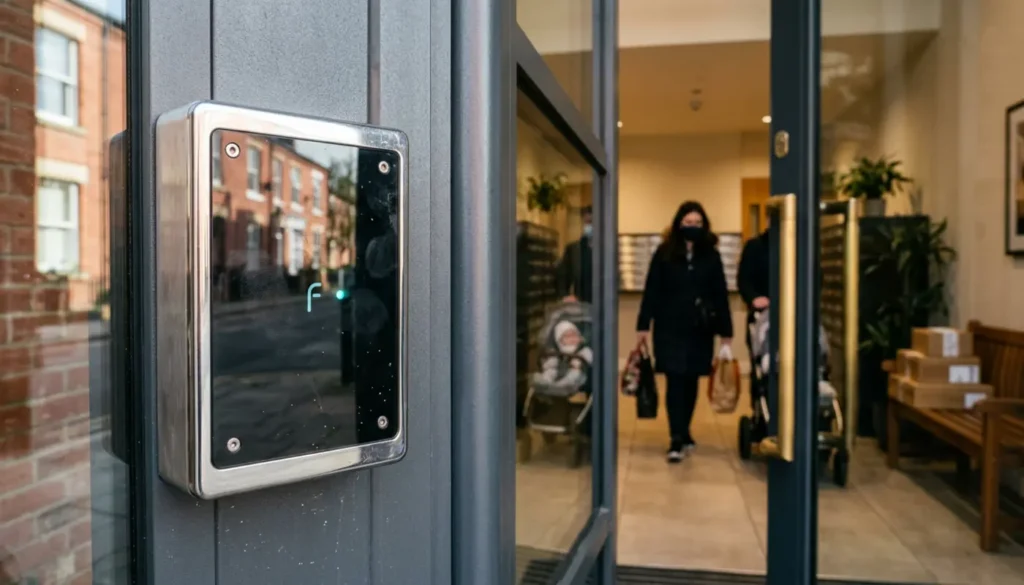
Padel court access control in Manchester helps venues manage bookings, protect revenue and give players a smooth way to enter the right court at the right time. As padel grows across Greater Manchester, clubs need systems that can handle members, guests, coaches, staff and casual bookings without relying on someone to watch the gate all day.
A well planned system does more than stop unauthorised entry. It can reduce court squatting, support longer opening hours, link access to online bookings and keep emergency exit routes safe. iSecurity Solutions is a trusted UK provider of commercial and domestic security systems, helping homes and businesses stay protected around the clock with CCTV, intruder alarms, fire safety, access control and construction site monitoring.
Why Manchester Padel Venues Need Better Access Management
Manchester padel venues need better access management because peak slots are busy, staff time is limited and uncontrolled entry can lead to missed income, disputes and poor player experience. Weekday evenings, weekends and sunny afternoons can quickly become difficult to manage if players arrive early, overstay or use courts without paying.
Access control gives operators a fair and consistent way to manage entry across the main entrance, individual court gates, changing rooms, equipment stores, staff areas and private hire zones. Each area can have the right level of access, so players can enjoy their booking while restricted spaces stay protected.
It also supports unmanned and extended hour operation, which is now common in UK racket sport venues. When gates unlock automatically for confirmed bookings, clubs can take payments online and open safely without needing staff on site for every session.
Common Padel Court Entry Methods In The UK
The most common padel court entry methods in the UK are key fobs, smart cards, PIN codes, QR codes and mobile app access. The right choice depends on whether the venue mainly serves members, casual players, coaches, staff or a mix of all user types.
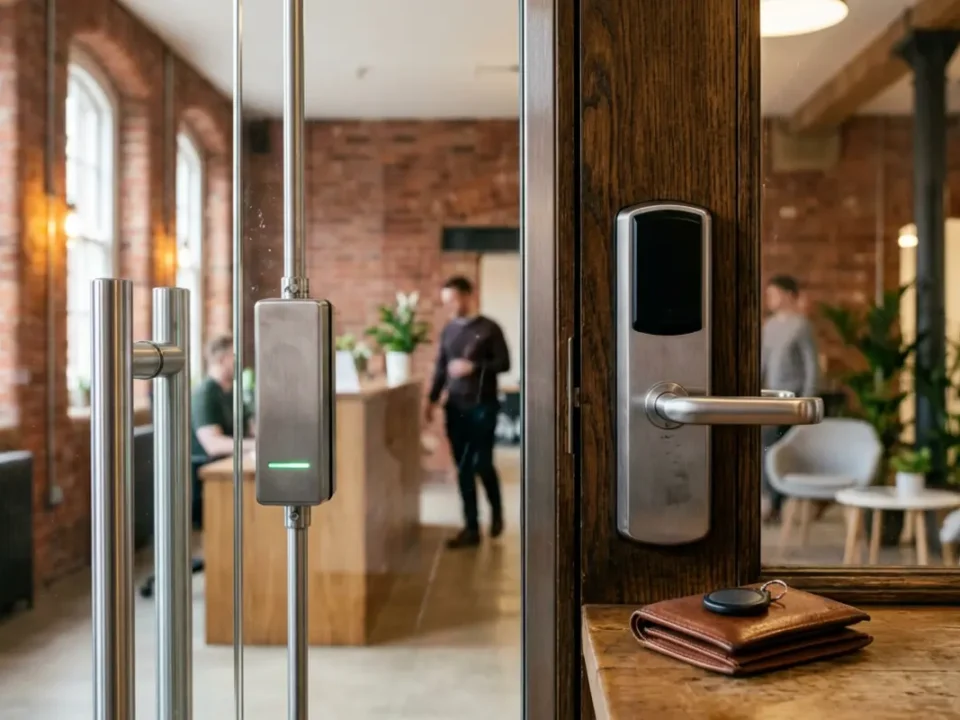
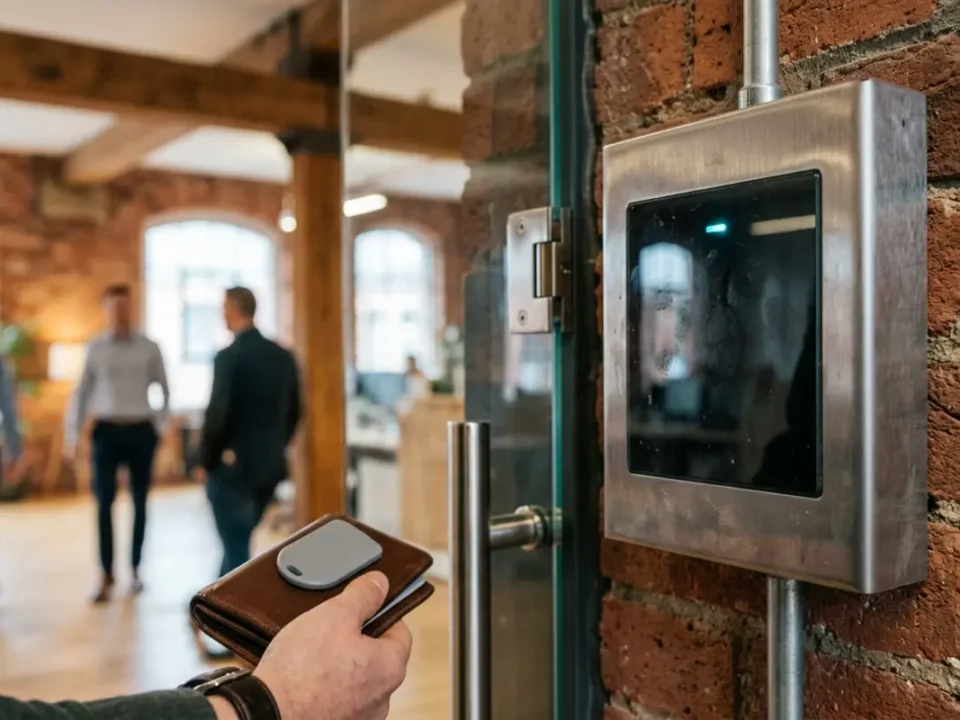
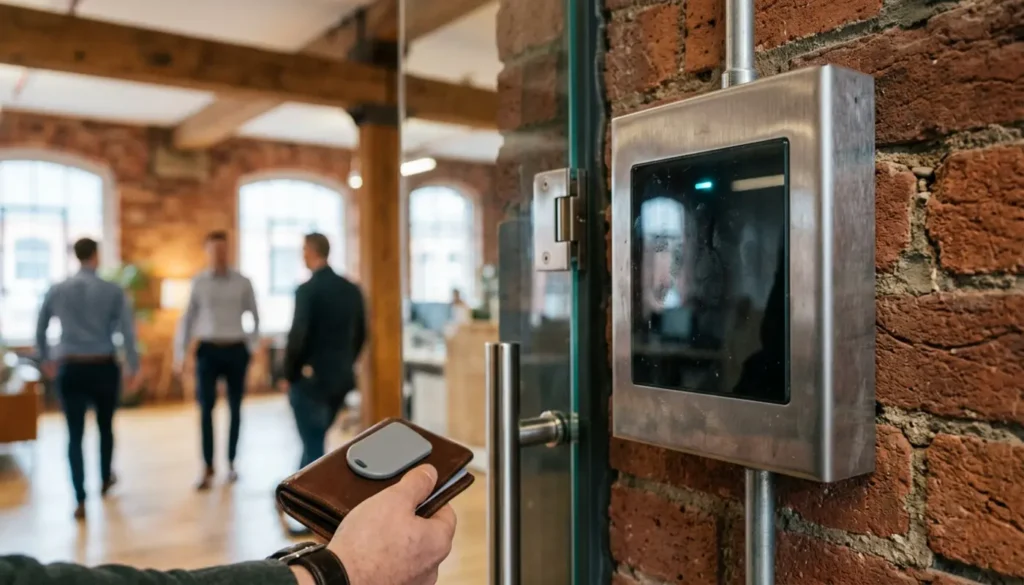
Key fobs and smart cards are popular for members because they are simple, durable and easy to cancel if lost. PIN code keypads are also familiar and cost effective, but shared codes can spread quickly, so temporary codes that only work for a booked slot are usually safer.
Mobile app entry and QR codes are now a strong choice for modern padel clubs. A player books a court, receives a digital credential, then uses a phone at the gate, which is ideal for pay and play users who may not have a fob or card.
Biometric access, such as fingerprint recognition, can work for staff areas or high value facilities, but it needs careful handling under UK GDPR because biometric data is sensitive personal information. For most public padel sites, app, fob and PIN options are easier to manage.
If you are comparing credentials for members, visitors and staff, this practical comparison of key fob, smart card, biometric and app access explains the pros and cons in plain English.
How Booking Platform Integration Works
Booking platform integration works by linking the court booking system with the access control system, so a player receives a valid entry method only for the court and time they have booked. This removes the need to send the same code to everyone and gives managers better control over who enters the site.
A typical process is simple. A player books a court, the booking platform confirms the date and time, the access control system creates a temporary PIN, QR code or mobile credential, then the court gate allows entry only during the permitted window.
For example, a 7 pm booking might allow gate access from 6.50 pm to 8.05 pm, giving players time to arrive and leave without blocking the next group. That small buffer keeps things friendly while still stopping people from turning up whenever they fancy a knockabout.
Membership rules can also be built into the system. Full members may have wider opening hours, off peak members may only enter during quieter times, and corporate users can receive temporary group credentials for a private hire session.
The LTA explains how gate access technology can help sports venues control entry remotely, support online payments and reduce the need for constant site staffing.
Stopping Court Squatting During Peak Hours
Court squatting can be stopped by using individual court gates, time limited credentials, booking linked access and clear entry records. It may sound like a small issue, but during peak hours it can cause arguments, lost revenue and a poor first impression for genuine paying players.
The strongest prevention method is individual court access, not just one gate at the site entrance. If each court has its own controlled gate, players can only access the court they booked, which makes it much harder to drift across to another court that looks empty.
Time limited codes are useful because they reduce the temptation to share a permanent PIN. Access logs can show who entered, when they entered and which credential was used, giving managers clear information if a dispute comes up.
Good signage also helps. Players should know that entry is linked to bookings, overstaying may affect membership, and emergency exits are for safety only, not for bringing in an extra friend who forgot to book.
Designing Access For Multi Court And Self Service Sites
Access for multi court and self service padel sites should be designed with clear zones, so each user only reaches the areas they need. The main entrance, courts, changing rooms, reception, storage rooms and staff offices should not all have the same permissions.
For a four court site, casual players may only need the entrance gate and their booked court. Members may also need changing room access, while staff need plant room, office and equipment store access, with every permission controlled from one system.
For 24 hour or extended hour sites, access control should work alongside lighting, alarms and remote management. The court should not unlock if lights fail, and a late night booking should not accidentally give someone access to private staff areas.
Operators planning a self service venue can explore tailored access control solutions that support gates, doors, user permissions, remote administration and integration with wider security systems.
Health And Safety, Fire Exits And Emergency Egress
Health and safety must be built into padel court access control because security should never trap people inside a court or building. UK venue operators have duties under health and safety law, fire safety rules and equality requirements, so locked gates need to be planned around safe escape routes.
The key idea is emergency egress, which means people must be able to leave quickly and safely in an emergency. Electronic locks may need emergency release buttons, break glass units, fail safe operation or mechanical exit hardware, depending on the layout and risk assessment.
Relevant British Standards should also be considered where they apply. BS EN 179 covers emergency exit devices for situations where users are familiar with the escape route, while BS EN 1125 covers panic exit devices for areas where members of the public may need to leave quickly.
Accessible routes matter as well. A player using a wheelchair or mobility aid should not find that the only exit route involves steps, heavy gates or a keypad placed at an awkward height, because security should never make access unfair or unsafe.
Padel venues should carry out an access audit before installation. This should look at entrance width, gate swing, signage, escape routes, lighting, emergency assembly points and how staff or remote operators respond if something goes wrong.
Membership Tiers And Access Permissions
Membership tiers and access permissions should match how the venue actually operates, so each user type gets the right level of access. Full members, off peak members, juniors, coaches, pay and play users, corporate visitors and maintenance staff all need different rules.
A full member may have entry from early morning to late evening, while a pay and play customer may only enter shortly before a booked slot. A coach may access courts, storage and training equipment, while a corporate hire group may receive one shared temporary entry route for the whole booking.
Clear tiered permissions reduce awkward conversations at reception and make pricing easier to enforce. If someone pays for off peak access, the system can decline access at peak time, which is often less uncomfortable than asking staff to step in.
For local leisure operators, private clubs and mixed use developments around Greater Manchester, tiered access is especially useful where padel shares a site with gyms, cafes, football pitches or tennis courts. It keeps the padel area open to the right users without giving unnecessary access to the wider site.
Weatherproof Hardware For Manchester Conditions
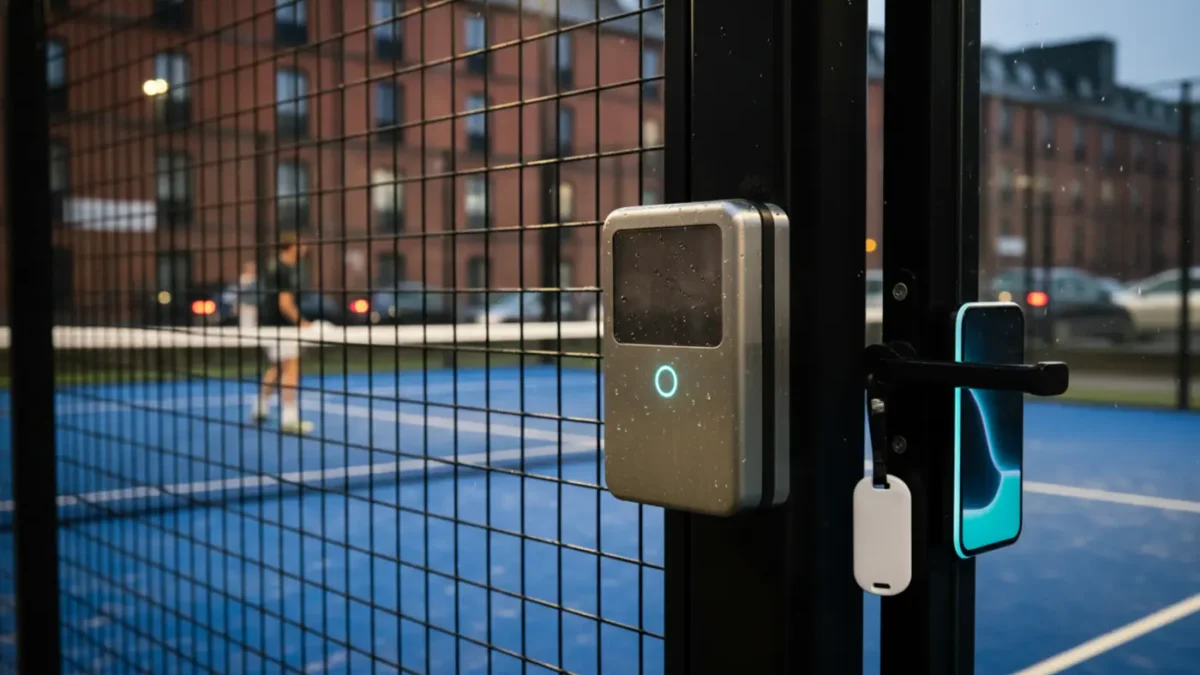
Weatherproof hardware is essential for outdoor padel courts in Manchester because readers, keypads, locks and gate equipment must cope with rain, wind, cold mornings and moisture in the air. Indoor equipment fitted outdoors usually fails at the worst time, often when players are waiting outside in the drizzle.
Look for suitable IP ratings, which show how well a device resists dust and water. For exposed outdoor gates, many venues choose hardware rated around IP65 or IP66, with vandal resistant housings, sealed readers and corrosion resistant fixings.
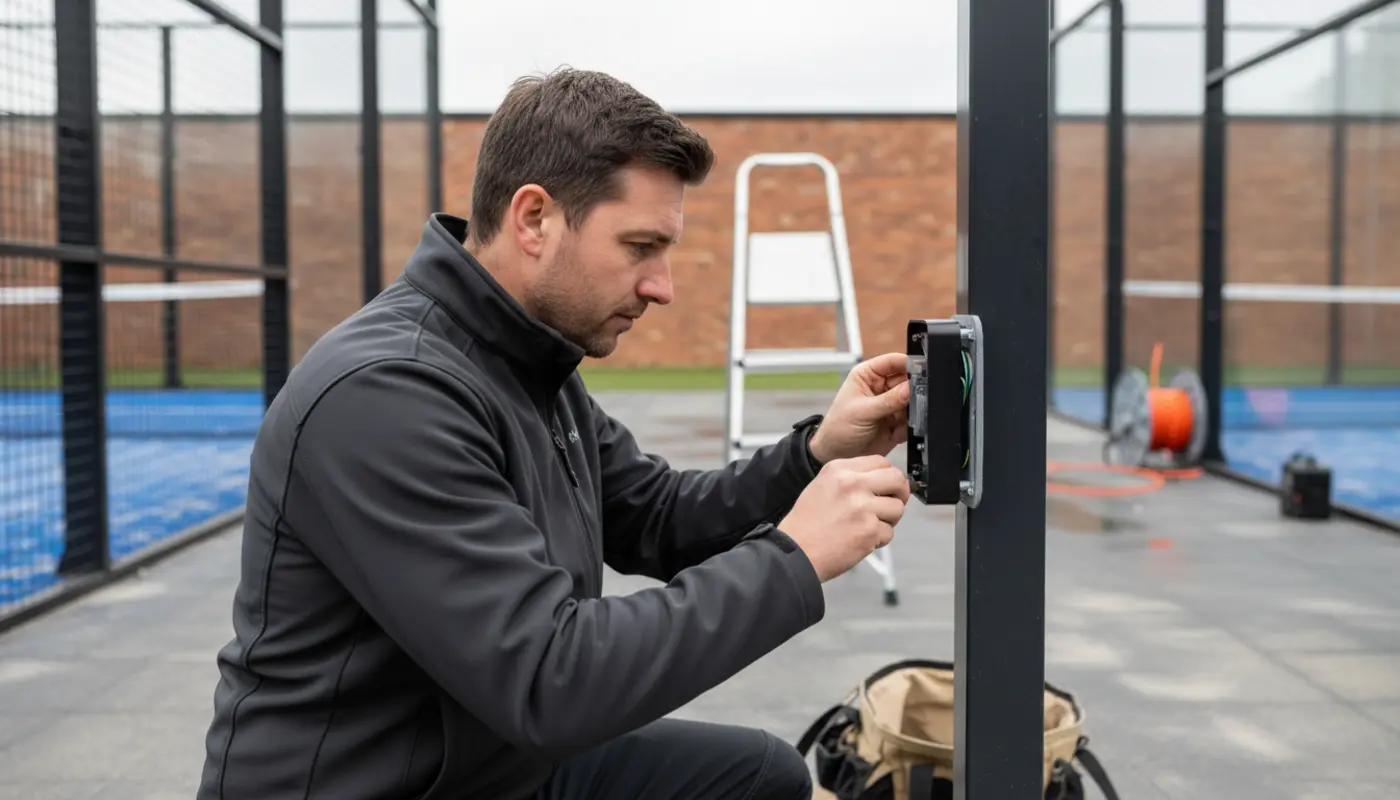
Installation quality matters just as much as the device. Cable routes should be protected, water should drain away from posts, readers should be positioned away from direct spray where possible, and fixings should suit metal gates or perimeter fencing.
Maintenance should include checking reader seals, cleaning keypads, testing mobile credentials, inspecting gate closers, reviewing access logs and applying firmware updates. Regular care is far cheaper than a dead reader on league night.
GDPR And Data Protection For Player Access
GDPR and data protection matter because access systems collect player information such as names, user IDs, entry times, booking references and sometimes device details. If biometrics are used, privacy requirements become stricter because biometric templates are special category data.
Under UK GDPR, venues should explain what data is collected, why it is needed, how long it is kept and who can access it. Most padel clubs do not need to keep access logs forever, so retention periods should be sensible and recorded.
Data minimisation is a useful rule. Collect what is needed to run the venue safely and fairly, protect it properly, and avoid gathering extra information simply because the software allows it.
Managers should also limit admin access to the system. Not every coach, volunteer or front desk user needs full rights to view logs, edit permissions or export reports, so role based access helps protect both the venue and the players.
Manchester Examples And Practical Setups
Practical padel access setups in Manchester should reflect the venue type, location, staffing model and player mix. City centre sites, suburban clubs and leisure centres often need different entry rules, but all benefit from reliable access control that supports bookings and reduces manual work.
A city centre venue may need app based entry, individual court gates and strong audit logs because footfall is high and space is tight. In this setup, each player receives a mobile credential for the exact court and time, while managers can review entry records if a dispute comes up.
A suburban private club may prefer member fobs with temporary PINs for guests, especially if padel sits beside tennis courts or a clubhouse. That keeps regular members moving smoothly while still giving visitors a simple way in for booked sessions.
A leisure centre may use reception controlled daytime entry and automated access for evening bookings. This suits venues where staff are present during busy public hours but want secure, low fuss access later in the day.
For 2026, the strongest Manchester setups are flexible rather than flashy. They allow operators to add courts, change membership rules, link bookings and upgrade credentials without replacing the whole system when the venue grows.
Choosing An SSAIB Insurance Approved Installer
Choosing an SSAIB Insurance Approved installer gives padel venue owners confidence that the access control system is designed and fitted to a recognised professional standard. It can also help when dealing with leisure insurers, especially for unmanned sites, high value equipment areas or venues that open late.
For best results, the installer should review the site layout, booking process, user types, emergency routes, weather exposure and future growth plans before recommending equipment. A strong design should protect the site while keeping entry quick and simple for genuine players.
iSecurity Solutions designs reliable, tailored security solutions backed by responsive service and modern remotely monitored technology. Whether you are securing a single padel venue or managing multi site leisure assets, the right system should provide the equipment, expertise and peace of mind needed to keep what matters most safe.
Final Thoughts
Access control for padel courts in Manchester is about more than keeping gates locked. It protects revenue, improves fairness, supports self service bookings and helps every player move smoothly from booking to match point.
Manchester venues should focus on booking linked entry, weatherproof hardware, safe emergency egress, sensible GDPR practices and clear permissions for different user groups. When those pieces work together, the site feels easy for players and far easier for managers to run.
For padel operators planning a new venue or upgrading an existing site, an app based SSAIB Insurance Approved access control system can help meet leisure insurer expectations while keeping day to day operations simple, secure and scalable.