Best Cctv Camera for Retail Shop in Manchester
Best CCTV Camera In Manchester
The best CCTV camera for a retail shop in Manchester is usually part of a planned CCTV system, not one camera fitted on its own. Most shops need high resolution IP dome or turret cameras, clear entrance coverage, till point views, stockroom monitoring and secure remote access. For higher risk stores, the strongest option is an SSAIB certified and Insurance-Approved CCTV system designed for retail loss prevention, EN 50131 Grade 2 or Grade 3 alarm integration and insurer expectations.
Retail CCTV is not only about recording an incident after it has happened, because the right system can deter theft, protect staff, support police evidence and make insurance claims easier to handle. If you are dealing with repeat shoplifting, difficult confrontations or footage that is too unclear to use, you are not alone. iSecurity Solutions helps Manchester retailers choose, install and maintain reliable CCTV that fits the shop layout, trading hours and real risks on site.
Why Manchester Retailers Need Better CCTV In 2026
Manchester retailers need better CCTV in 2026 because shop theft has become more frequent, more organised and more stressful for staff. Clear video evidence now matters more than ever, especially when offences involve repeat offenders, groups working together or incidents that need to be reported to police, insurers or local business crime teams.
For independent shops, convenience stores, pharmacies, charity shops and boutiques, even small daily losses can build into a serious hit on profit. There is also a real staff safety concern, because theft can quickly become aggressive when a colleague challenges someone near the till, at the door or in a high value aisle.
Good CCTV gives your team an extra pair of eyes without asking them to act like security guards, which is useful when retail staff already have enough to manage. The aim is to capture clear faces, actions and movement, rather than ending up with blurry footage that only proves someone in a coat walked past a camera.
Retail CCTV Manchester Loss Prevention And Insurance Requirements
Retail CCTV Manchester loss prevention and insurance requirements matter because insurers, police and business crime partnerships need footage they can trust. A professionally designed system should provide usable images, secure recording, clear signage and a reliable maintenance record, so your shop can show that security is being managed properly.
SSAIB certified and Insurance-Approved installers are independently checked against recognised standards, which gives insurers more confidence that the system has been designed and fitted correctly. When CCTV links with alarms or remote monitoring, EN 50131 Grade 2 or Grade 3 should be considered as part of the wider security design, especially for higher risk retail premises. EN 50131 is the alarm grading standard used to match intruder alarm protection to the level of risk.
If your CCTV is monitored or linked to an intruder alarm, ask whether the full system can support Police Response URN eligibility. A Police Response URN is the unique reference used for eligible police response alarm systems, and SSAIB certified and Insurance-Approved installation is normally a key requirement for that route. It does not guarantee police attendance in every situation, but it can be an important part of a properly confirmed response setup.
Understanding The Best CCTV Camera Types For Shops
The best camera type depends on where it will be used, because the front door, till, aisle and stockroom all have different jobs to do. Most Manchester retail shops benefit from a mix of IP dome cameras, turret cameras and carefully placed external cameras, rather than one camera trying to cover every risk area.
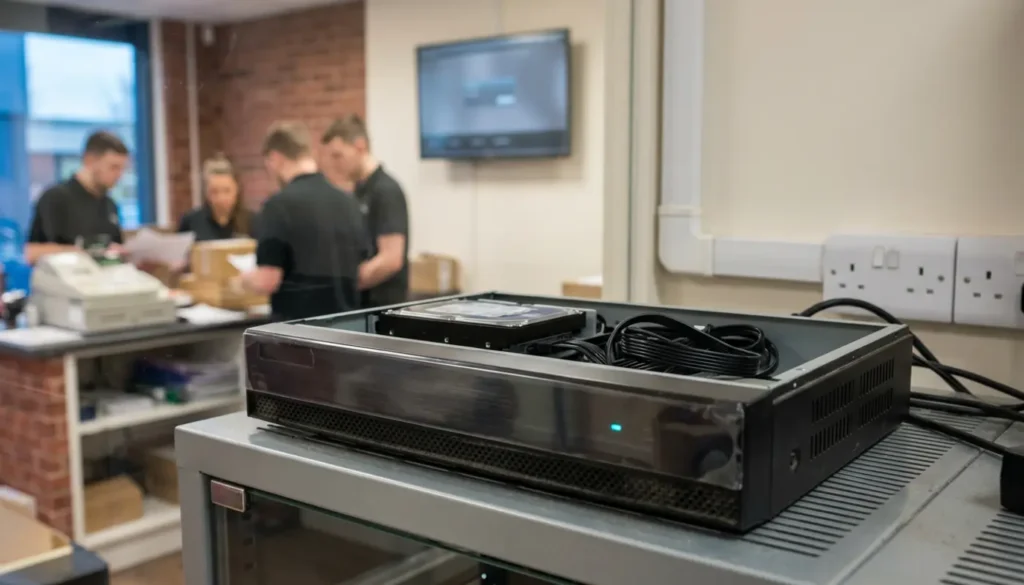
IP cameras are popular because they send video over a data network, giving you sharper images, flexible recording and easier remote viewing from an authorised device. If you want a plain English comparison, IP cameras and CCTV explains how modern systems differ from older analogue setups.
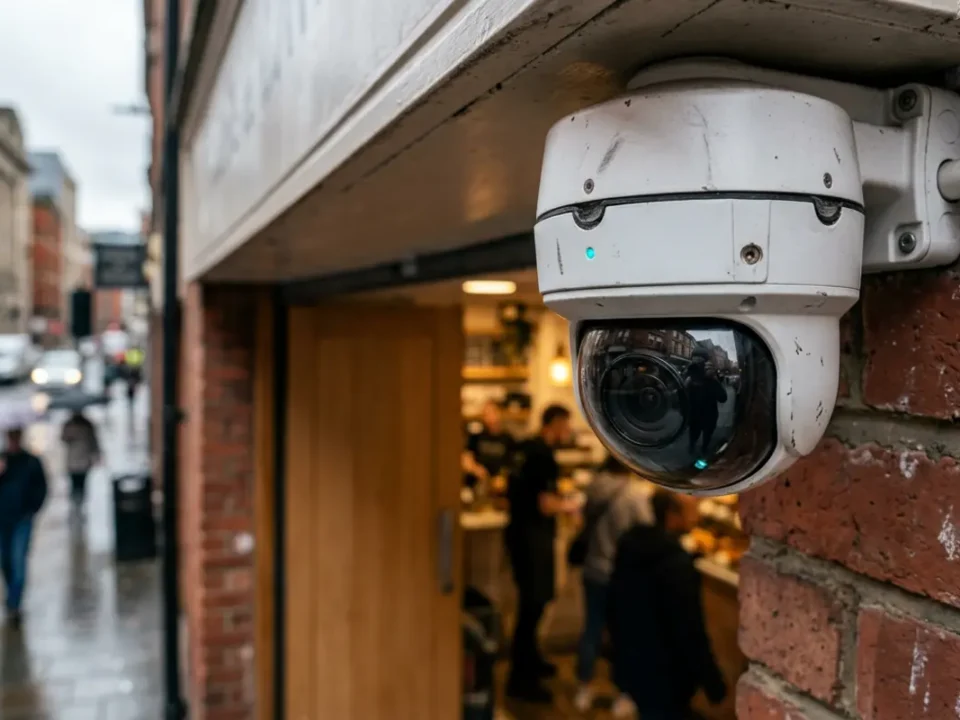
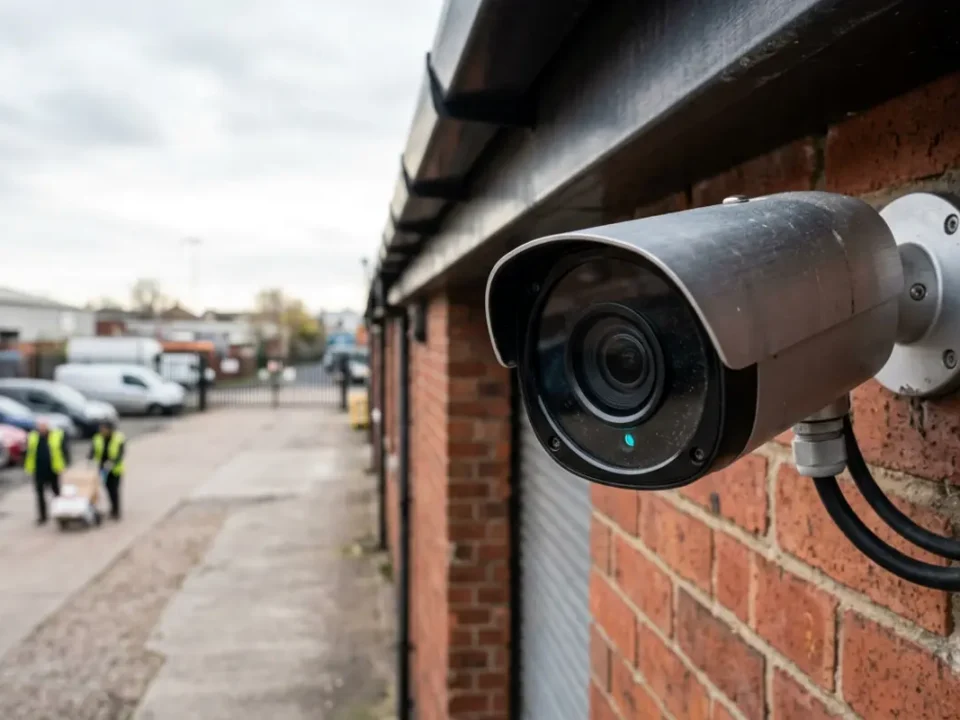
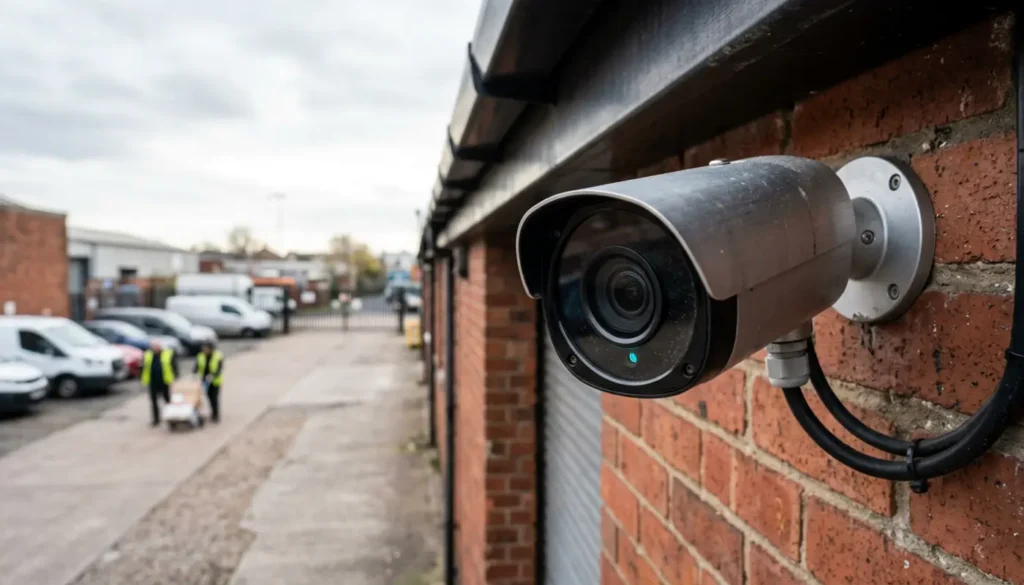
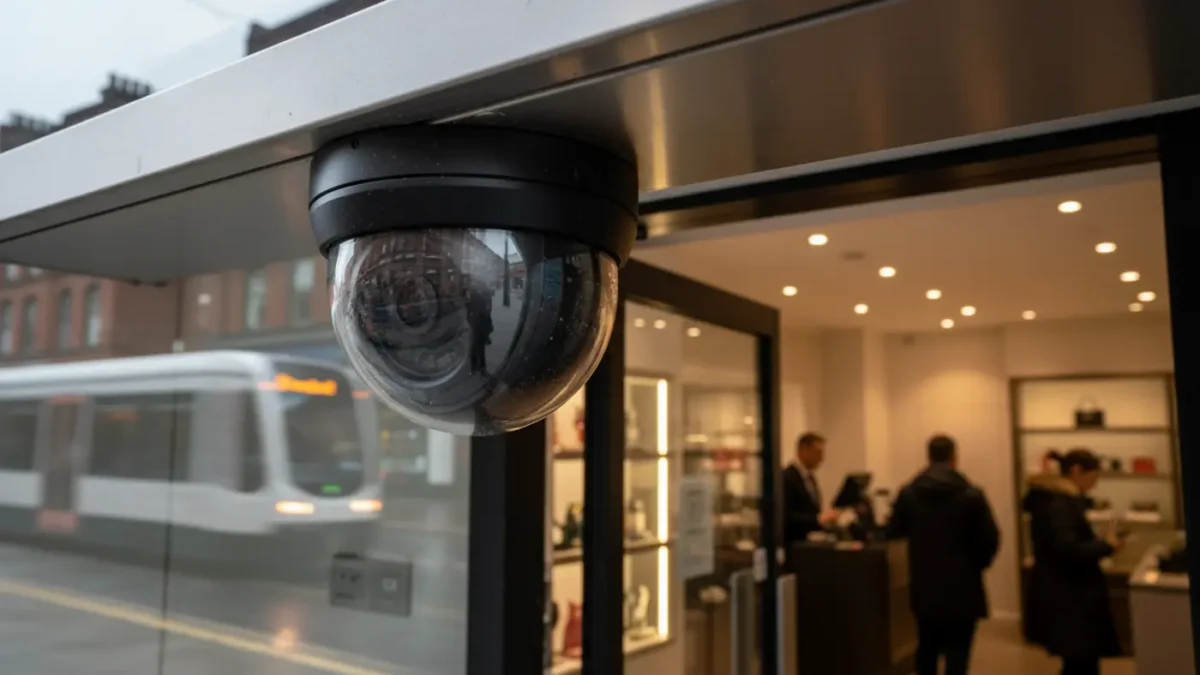
Dome cameras are neat, discreet and useful inside shops because customers cannot easily see which direction the lens is pointing. Turret cameras often give strong night performance and are easier to adjust, while bullet cameras can work well outside where a visible deterrent is useful.
ANPR cameras, which read number plates, are worth considering if your shop has a car park, loading bay or delivery entrance. They are not needed by every small retailer, but they can help with vehicle related theft, drive offs, fly tipping near premises and repeat offender evidence when used lawfully.
Remote Monitoring And Alarm Integration
Remote monitoring turns CCTV from passive recording into active protection, because trained operators can review alerts, check live footage and escalate incidents when something looks wrong. For out of hours protection, this can be particularly useful for shops with shutters, rear yards, stockrooms or high value goods.
Where CCTV connects with intruder alarms, the alarm element should be designed to EN 50131 Grade 2 or Grade 3 depending on the risk level, stock value and insurer requirements. For retail sites needing confirmed response, a Police Response URN may be possible when the monitored alarm pathway is installed by an SSAIB certified and Insurance-Approved provider.
CCTV can also work alongside Electronic Article Surveillance, better known as EAS, which is the tagging system that sounds at shop exits. A camera aimed at the EAS gates can capture the face, direction of travel and behaviour of someone leaving, so the alarm event is supported by clear visual evidence rather than just a loud beep.
Many retailers also combine CCTV with retail intruder alarms for layered protection, particularly where break ins are a concern after closing time. You can explore related points in intruder alarms for retail shops, especially if your insurer has asked for more than cameras alone.
Where To Position CCTV Cameras In A Retail Shop
Camera placement is where many systems either work well or quietly fail, because even the best camera is not much use if it is pointed at ceiling tiles. Start with the entrance and exit, where the goal is to capture faces as people arrive and leave, ideally with lighting control that handles bright daylight and dark winter afternoons.
Till points need careful coverage because they are high risk areas for disputes, refund fraud, cash handling errors and theft. The camera should show the customer, staff member, transaction area and hand movement, while avoiding unnecessary close views of payment card details.
Aisles and high value displays should be covered with overlapping views so there are fewer blind spots. For small shops, one wide view may help with context, but tighter views are needed where you need identification quality images rather than general movement. It is also worth checking what your cameras see during busy trading hours, because the view can be very different from an empty shop.
Stockrooms deserve attention too, even though they are not customer areas. Internal shrinkage, delivery disputes and stock movement issues are easier to investigate when goods in and staff only areas have sensible coverage, clear policies and restricted access to footage.
External cameras should cover the shopfront, shutters, delivery points and any alleyways or car park areas that form part of your premises. The aim is to capture useful evidence while avoiding unnecessary recording of private spaces, neighbouring homes or areas that have nothing to do with your security purpose.
UK GDPR And ICO Rules For Retail CCTV
Retail CCTV must comply with UK GDPR and the Data Protection Act 2018 because recorded images of identifiable people count as personal data. In simple terms, this means you need a valid reason for recording, visible signs, secure storage and a sensible retention period.
The ICO CCTV guidance explains that CCTV should be necessary, proportionate and transparent. In plain English, do not record more than you need, tell people you are recording, and make sure footage is only used for the reason you collected it.
Most retail shops use signs near entrances and key areas to explain that CCTV is in operation, who controls it and how people can make an enquiry. Footage is commonly kept for around 30 days unless there is a good reason to hold it longer, such as an ongoing theft investigation or police request.
You also need to think about who can view footage, how passwords are managed and how subject access requests are handled. A subject access request is when someone asks for footage of themselves, and you normally need a process to respond within the legal time frame while protecting other people shown in the video.
Insurance Expectations For Retail CCTV
Insurance companies usually see CCTV as a risk control measure, not just a nice extra. They may ask whether cameras cover entrances, tills, stockrooms and external risk points, and they may also want to know whether the system is professionally installed and maintained.
An SSAIB certified and Insurance-Approved CCTV installation can help show that your shop has taken reasonable steps to reduce theft and protect evidence. It does not guarantee cheaper premiums, because every insurer prices risk differently, but it can support better claims handling and more confident renewal discussions. Retailers should always confirm CCTV requirements directly with their insurer before installation, especially where higher value stock, alcohol, tobacco, medicines or late opening hours are involved.
After an incident, your insurer may ask for footage, maintenance records, incident logs and proof that the system was working properly at the time. That is why regular servicing, correct time settings and secure backups matter, because the best evidence is the evidence you can actually find when you need it.
Manchester Crime Hotspots And Local Partnership Working
Retail crime is often concentrated around busy shopping areas, transport links, high streets and locations where offenders can leave quickly. Manchester city centre, Market Street, the Arndale area, the Northern Quarter, Trafford retail locations and busy district centres can all face different pressures, from opportunist theft to repeat offending.
Greater Manchester Police has increased its focus on retail crime, including more arrests, improved attendance for priority incidents and closer work with businesses. That matters because good CCTV footage can turn a vague report into something more useful, with clear images, timings and offender behaviour. For non urgent incidents, retailers can usually report through Greater Manchester Police online reporting routes or by calling 101. If someone is in immediate danger, call 999.
Business Crime Reduction Partnerships, Shop Watch schemes and reporting tools such as DISC can also help retailers share information and spot repeat offenders. CCTV supports that work by giving shops consistent evidence, especially when footage is clear enough to identify faces, clothing, direction of travel and vehicle details. If you already speak with neighbouring stores about problem behaviour, clear CCTV can make those conversations more practical.
How To Choose A CCTV Installer In Manchester
Choosing an installer is not just about who can fit cameras quickly, because retail CCTV has to balance crime prevention, privacy, insurance and day to day shop operations. Ask whether the company is SSAIB certified and Insurance-Approved, whether it understands EN 50131 Grade 2 and Grade 3 integration, and whether it can support Police Response URN requirements where monitored alarms are involved.
It is also worth asking for a proper site survey before anyone quotes, because camera numbers without a layout do not tell you much. A good installer should look at entrances, tills, blind spots, lighting, stock movement, network capacity and how staff will actually use the system.
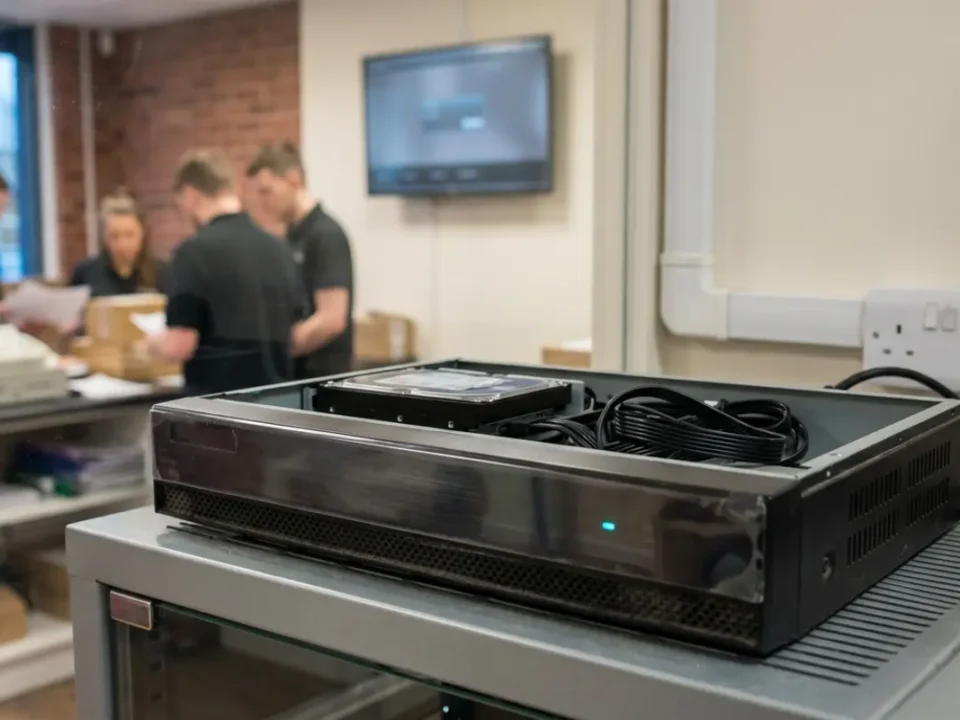
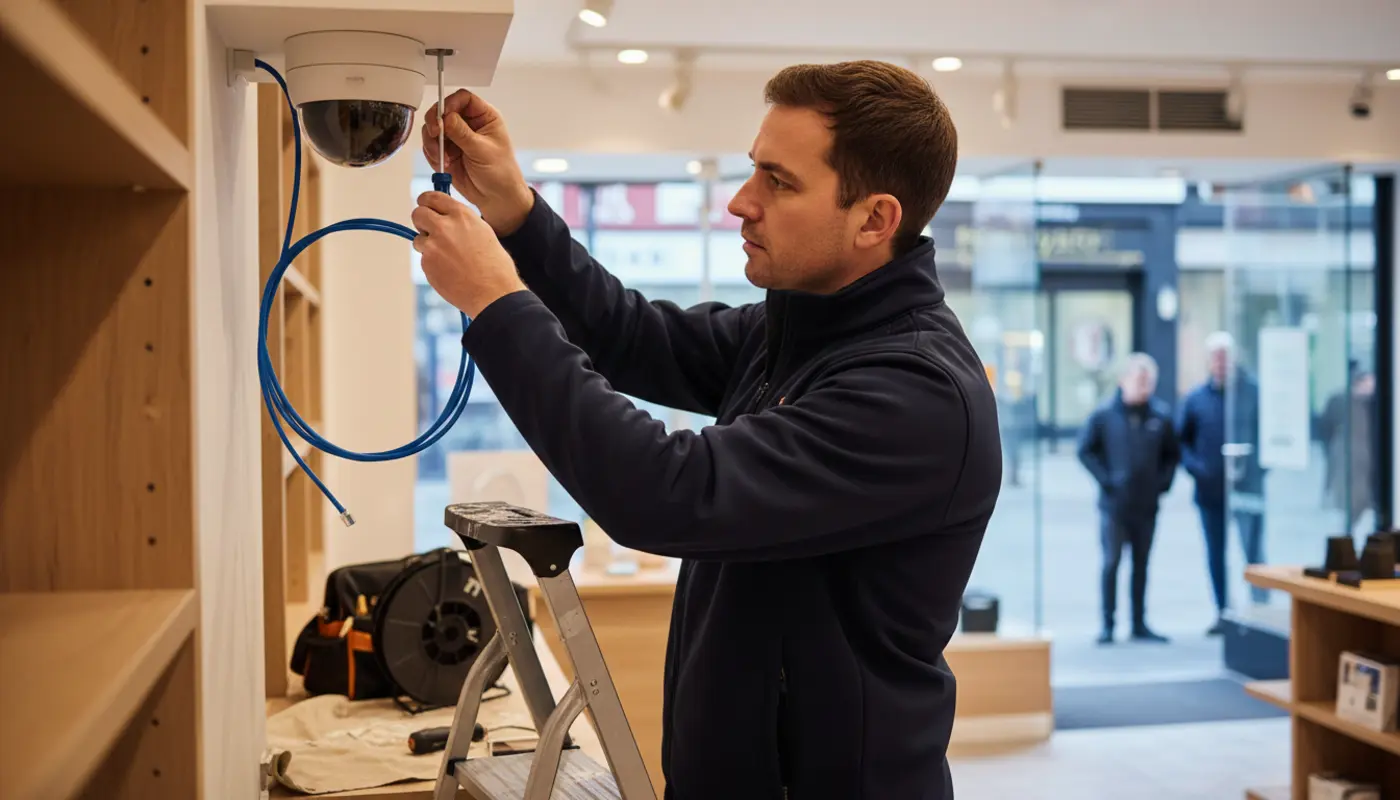
For a tailored system design, professional CCTV installation should include camera selection, positioning, recorder setup, remote viewing permissions, signage advice and ongoing support. That joined up approach is usually far better than buying random cameras and hoping the picture looks good when something happens.
iSecurity Solutions is a trusted UK provider of commercial and domestic security systems, helping homes and businesses stay protected around the clock. From CCTV and intruder alarms to fire safety, access control and construction site monitoring, the team designs reliable, tailored solutions backed by responsive service and modern remotely monitored technology.
Practical CCTV Checklist For Manchester Retailers
- Map your risk areas: entrances, tills, high value shelves, stockrooms, rear doors, shutters and car parks should all be reviewed before choosing cameras.
- Choose the right camera mix: use dome or turret cameras indoors, suitable external cameras outside, and ANPR only where number plate capture has a clear purpose.
- Check compliance: use visible signage, set a retention period, restrict footage access and follow UK GDPR requirements.
- Think about insurance: keep installation certificates, maintenance records and incident logs so you can prove the system is well managed.
- Plan for monitoring: if you need out of hours response, ask about remote monitoring, EN 50131 Grade 2 or Grade 3 alarm links and Police Response URN eligibility.
- Review regularly: update camera positions when shop layouts change, seasonal displays move or new blind spots appear.
Final Thoughts
The best CCTV camera for a retail shop in Manchester is not one single model, but a properly designed system that captures the right evidence in the right places. In 2026, with shoplifting and organised retail crime still putting pressure on local businesses, retailers need clear footage, compliant operation and dependable support.
An SSAIB certified and Insurance-Approved system gives you stronger reassurance for insurers, staff and police reporting, especially when it is linked with good camera placement, EAS, alarms and sensible data protection processes. Get the design right at the start and CCTV becomes more than a recorder, because it becomes a practical part of your retail loss prevention plan.