Office CCTV in Manchester: Protect Staff and Business
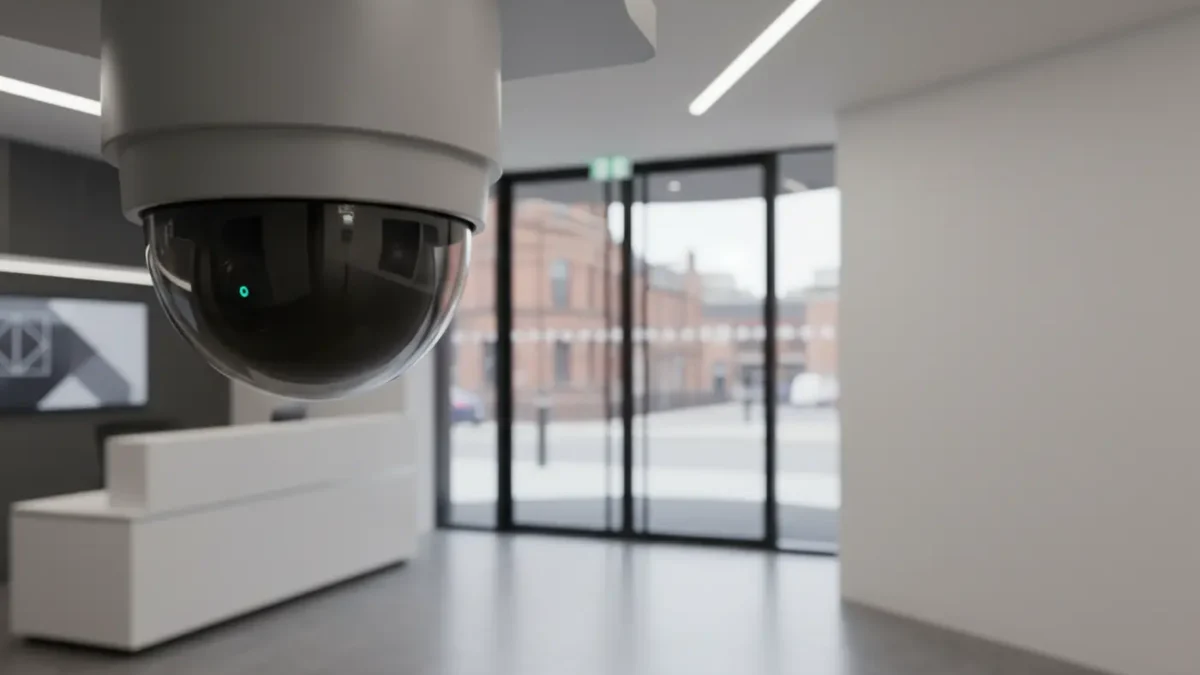
If you want to protect your workplace without crossing privacy lines, office CCTV in Manchester can be a smart and lawful step. It can help protect staff, reduce theft, support health and safety, and improve day to day security. The key is to use it for a clear reason, explain it properly to staff and visitors, and make sure the system is installed and managed in line with UK data protection law.
For many office managers, the difficult part is not deciding that security matters. It is finding the right way to improve protection without making people feel uneasy or creating avoidable compliance issues. iSecurity Solutions supports Manchester businesses with tailored office CCTV, alarms, access control and monitored security systems that protect people, premises and daily operations.
Office CCTV In Manchester
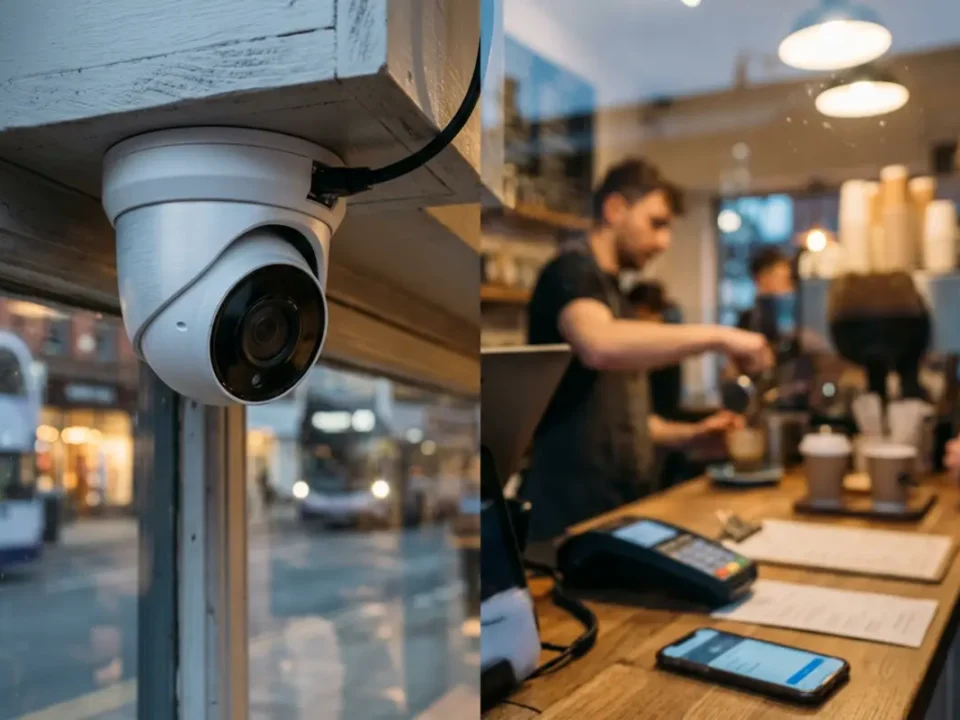
Office CCTV in Manchester helps businesses create a safer working environment while keeping security practical and proportionate. Offices often need to protect staff arriving early, leaving late, greeting visitors, handling deliveries, or working alone in quieter parts of the building. A well planned system gives you a clearer view of what is happening without making the office feel intrusive.
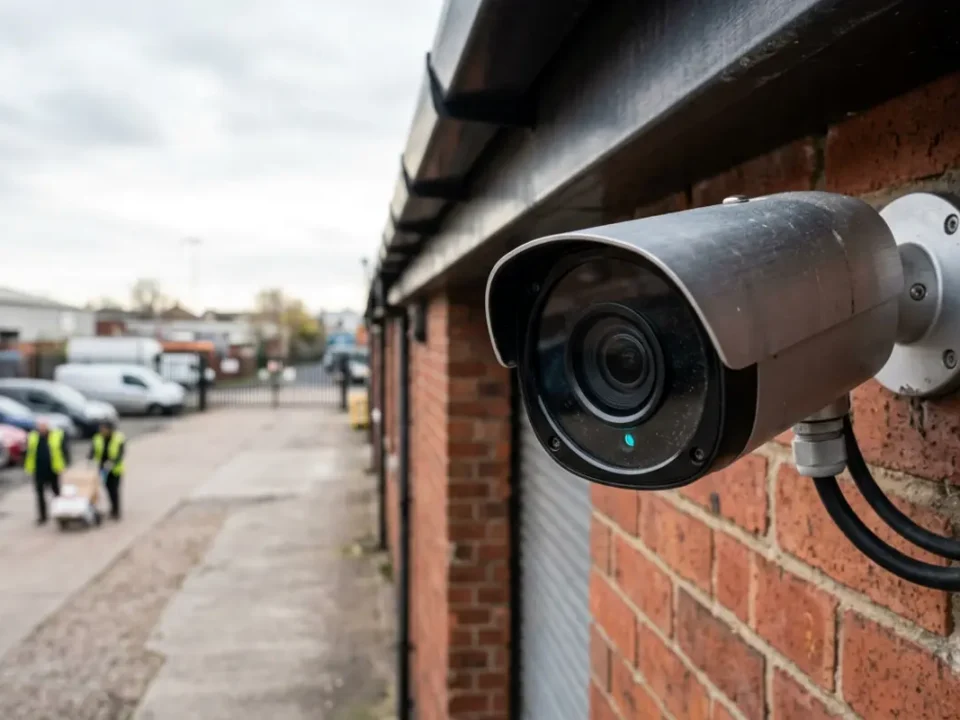
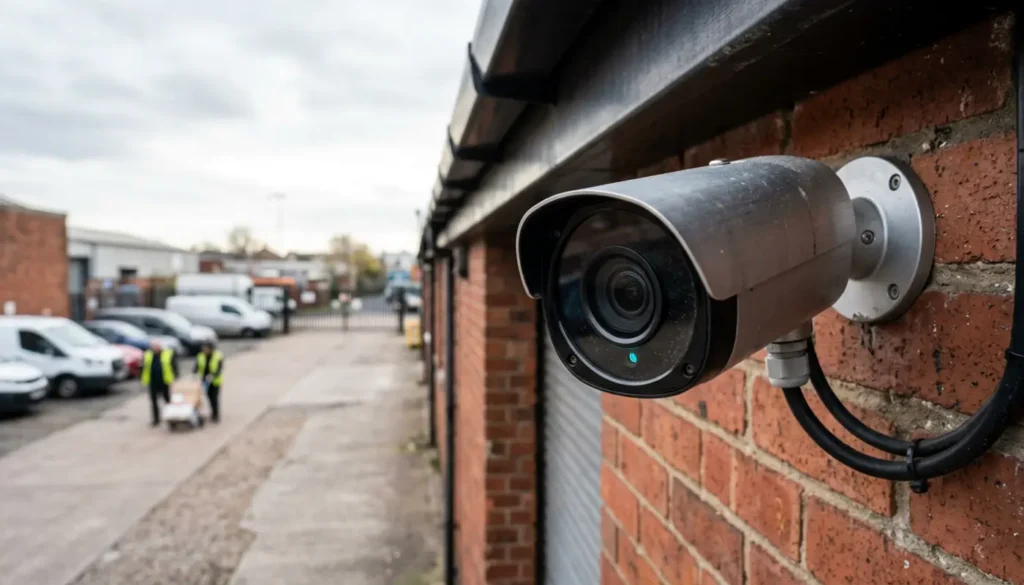
Manchester offices face a mix of risks, including theft, vandalism and unauthorised access. A properly designed CCTV system can cover entrances, receptions, corridors, external areas and higher risk rooms, while still respecting privacy. It can also provide useful evidence after an incident for internal reviews, insurers and, where needed, the police.
Office CCTV In Manchester And The Law
Office CCTV in Manchester must follow UK GDPR and the Data Protection Act 2018 when it records people who can be identified. In simple terms, that means you need a clear reason for using cameras, you must tell people they are being recorded, and you should only use footage for the purpose you originally set out.
The privacy side is just as important as the security side. The Information Commissioner's Office expects businesses to be fair, open and proportionate when using surveillance. For many employers, the legal basis is legitimate interests rather than employee consent, because consent at work is rarely seen as fully free. The business security benefit may be strong, but it should still be balanced against staff privacy and the need to avoid excessive monitoring.
Why Offices Install CCTV In Manchester
Most offices install CCTV because they need a sensible and reliable way to improve safety and security. Common reasons include protecting staff and visitors, preventing theft, supporting health and safety, controlling unauthorised entry and keeping evidence when something goes wrong. In many cases, those reasons are clear and easy to justify.
Offices with shared receptions, expensive equipment, archived files, regular deliveries or late working teams often have a stronger case for CCTV. Businesses in busy city centre areas or buildings with shared access may also need extra protection. CCTV works best when it sits within a wider security setup. Many firms combine cameras with access control so they can see who entered, when they entered and what happened around the event.
What The ICO Expects From Employers
The ICO expects employers to be fair, necessary and transparent when using CCTV. That means you should know exactly why the cameras are needed, explain the purpose clearly to staff and visitors, and avoid using surveillance in a way that feels excessive. Covert monitoring is only likely to be justified in rare situations, usually where criminal activity is suspected and advance notice would defeat the point.
It is also wise to think about the wider impact before installation. A Data Protection Impact Assessment, often called a DPIA, is usually a sensible step for office CCTV and may be necessary where the monitoring creates more risk to people's rights. If you want a stronger understanding of good practice, the ICO CCTV guidance is worth reading carefully.
How To Plan A Compliant Office CCTV System
The best way to plan office CCTV is to start with the problem, not the equipment list. If you are trying to stop unauthorised entry, improve staff safety or reduce theft, that purpose should shape the design. In many offices, a few carefully placed cameras do a much better job than covering every possible corner.
It helps to decide what each camera is there to do. You may need entrance protection, reception monitoring, car park coverage, server room security or better external visibility. When each camera has a clear role, the system is easier to justify and manage. If you are comparing technical options, camera options can affect image quality, storage needs and remote access.
- Entrance protection
- Reception monitoring
- Car park coverage
- Server room security
- External perimeter visibility
Do You Need To Consult Staff Before Installation
Yes, in most cases you should consult staff before introducing a new office CCTV system or making a major change to an existing one. Consultation does not mean turning the process into a debate about every camera angle. It means explaining the reason for the system, the areas that will be covered, how footage will be used and who people can speak to if they have concerns.
A practical approach usually works best. A short meeting, a written FAQ, an updated privacy notice and a clear contact point for questions can go a long way. If there is a recognised union or staff forum, involve them early. Openness helps reduce mistrust and often makes the rollout smoother for everyone.
Where Cameras Can And Cannot Go
In most offices, cameras are usually appropriate at entrances, exits, reception desks, external perimeters, car parks, corridors and rooms that hold sensitive assets. If a business handles stock, cash, confidential records or valuable equipment, there may also be a good reason to monitor those spaces.
Some areas are effectively off limits. Toilets and changing rooms should not be covered. Kitchens, break rooms and meeting rooms need much more careful thought because the privacy impact is higher. If there is a strong documented reason to monitor part of one of these spaces, the view should be tightly limited and clearly justified. If you are unsure about boundaries, camera placement rules are worth reviewing before installation.
- Entrances and exits
- Reception desks
- External perimeters
- Car parks
- Corridors
- Rooms holding sensitive assets
- Toilets
- Changing rooms
Signage And Transparency Requirements
Clear signage is an essential part of lawful CCTV use. Staff and visitors should know that cameras are in operation, why they are there and who is responsible for the system. Signs should be placed where people can see them before they enter a monitored area, not tucked away where nobody is likely to notice.
Your privacy notice and staff handbook should also explain how CCTV is used, the lawful basis for recording, how long footage is kept, who can access it and who to contact with questions. If the system is introduced for security, it should not quietly drift into routine performance monitoring later. That is where problems often begin.
Storage, Retention And Subject Access Requests
There is no single retention period that fits every office. The legal rule is to keep footage only for as long as it is needed for the purpose you set out. Many offices keep routine recordings for around 30 to 31 days and then delete them unless an incident means they need to be kept longer.
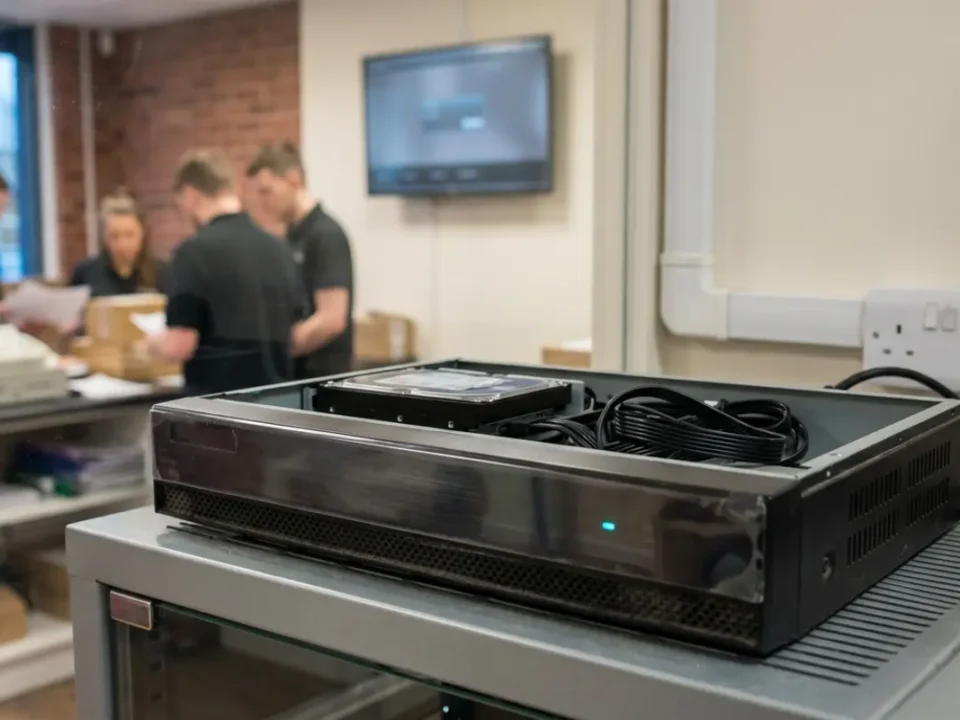
Storage must also be secure. Whether footage is held on site or in the cloud, access should be limited to authorised people and there should be a clear record of who has viewed or exported footage. If remote viewing is enabled, secure credentials and permissions matter. For managers who need to review recordings safely, secure footage access should be set up properly from the start.
If an employee or visitor makes a Subject Access Request, you will usually have one calendar month to respond. That may involve confirming identity, locating the footage, checking whether other people appear in it and providing a copy where appropriate. In some cases, footage may need to be blurred or redacted before it is released.
Choosing The Right CCTV Installer
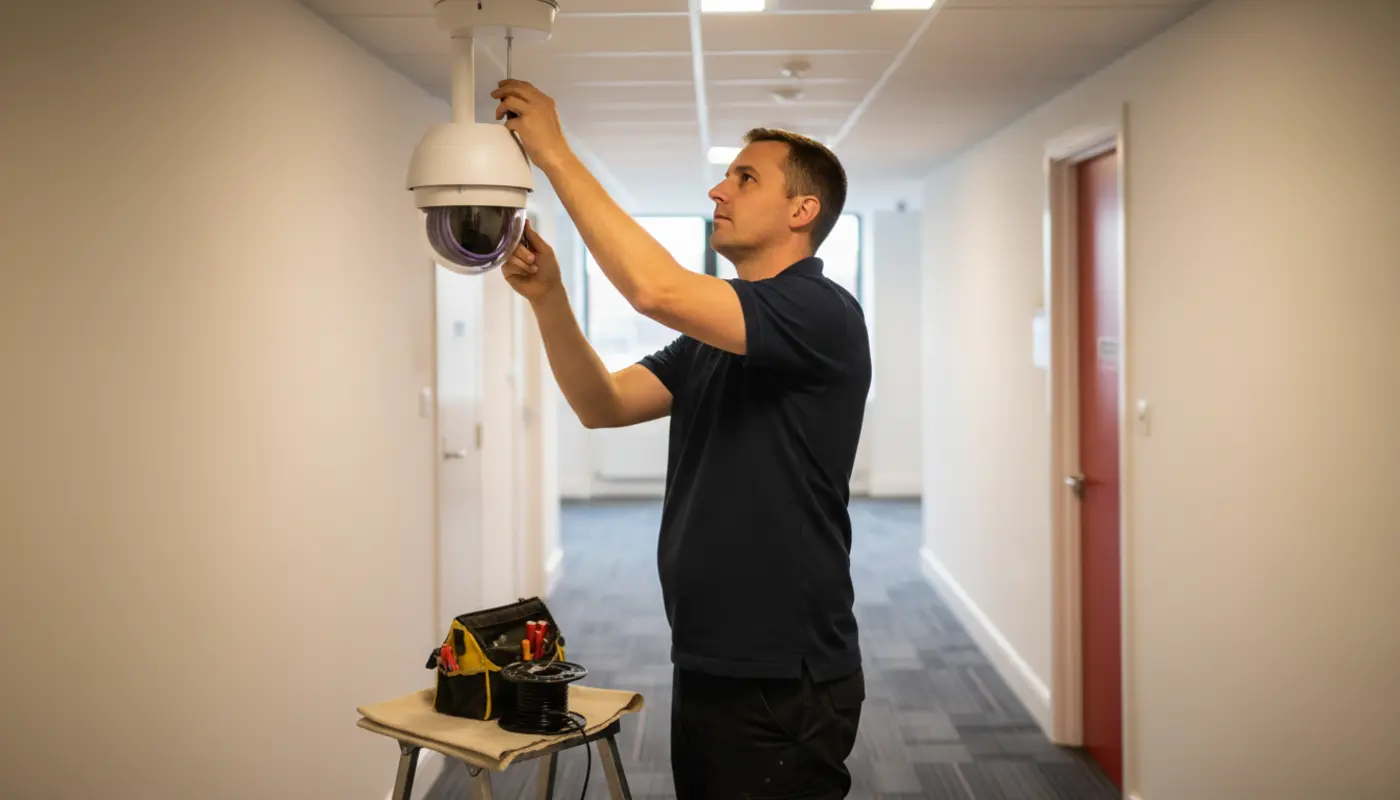
Choosing the right installer matters because office CCTV is not just about getting cameras on the wall. The system should match your actual risks, store footage securely, include sensible retention settings and come with clear handover documents and support. A good installer will also understand the compliance side rather than treating privacy as an afterthought.
If CCTV is being installed alongside monitored alarms or perimeter detection, wider insurance and response requirements also matter. Where monitored systems are involved, SSAIB certified and Insurance Approved installation is important because it can help satisfy insurer expectations and supports eligibility for a Police Response URN where applicable. If your office needs ongoing support after installation, maintenance support helps keep cameras, recorders and settings working as they should over time.
- Will the system design match your actual risks
- How will footage be stored and accessed securely
- What retention settings will be put in place
- Will you get clear documentation at handover
- What maintenance support is available after installation
Integrating CCTV With Access Control And Alarms
Office security becomes much stronger when systems work together in a sensible way. Access control can show who used a credential and when. CCTV can confirm what happened visually. Intruder alarms can trigger alerts outside working hours, and monitoring can help keyholders and responders understand whether the issue appears genuine.
For offices that want fuller protection, combining CCTV with office intruder alarms creates a more complete record of events. If the alarm system is monitored and needs Police Response URN eligibility, the installation must be SSAIB certified and Insurance Approved. Alarm elements should also comply with EN 50131, typically Grade 2 or Grade 3 depending on the site risk.
Manchester Costs And Insurance Considerations
The cost of office CCTV in Manchester depends on camera numbers, image quality, recording duration, remote access, monitoring and the complexity of the cabling and layout. A smaller office might spend a few thousand pounds on a modest setup, while a larger premises with integrated access control, monitored alarms and longer retention needs could spend much more.
It is worth looking beyond the cheapest quote. Weak coverage, poor support or a non compliant setup can create bigger costs later. Insurers often view well documented security improvements positively, especially when CCTV forms part of a wider risk plan. That does not always guarantee lower premiums, but it can strengthen your position during underwriting or claims discussions. For a broader view, security system planning shows how offices often combine CCTV with alarms and door control.
Practical Steps For A Smooth Rollout
A smooth rollout starts with a clear plan. Define the problem, assess the privacy impact, choose camera positions carefully, consult staff and update your privacy documents before the system goes live. Good preparation often prevents the small mistakes that later turn into awkward conversations.
Once the system is ready, install clear signage, set proper retention periods, limit access to footage and train the people who will manage it. Businesses looking at office security more broadly may also benefit from access control for offices to reduce tailgating and improve audit trails. For organisations comparing coverage ideas in other commercial spaces, warehouse CCTV layouts can also help with planning decisions.
- Define the security issue
- Carry out a DPIA
- Choose camera locations carefully
- Consult staff
- Update privacy documents
- Install clear signage
- Set retention periods
- Limit access to footage
- Train key staff
Final Thoughts
Office CCTV in Manchester can protect staff and business very effectively when it is planned and managed properly. The strongest results usually come from being clear about the purpose, keeping monitoring proportionate, respecting privacy and choosing a system that supports both legal compliance and practical security.
It is understandable to want stronger protection without making the office feel uncomfortable. With the right planning, you do not have to choose one or the other. iSecurity Solutions is a trusted UK provider of commercial and domestic security systems, helping homes and businesses stay protected around the clock. From CCTV and intruder alarms to fire safety, access control and construction site monitoring, the team designs reliable, tailored solutions backed by responsive service and modern, remotely monitored technology. Whether you are securing a single property or managing multi site assets, the aim is always to deliver the equipment, expertise and peace of mind needed to keep what matters most safe.