Best Intruder Alarms for Warehouses in Greater Manchester
Best Intruder Alarms For Warehouses In Greater Manchester
If you are searching for the best intruder alarms for warehouses in Greater Manchester, you likely want a system that protects valuable stock, satisfies your insurer, and works properly if the worst happens. The right system is not just about loud sirens. It must meet EN 50131 standards, be installed by an SSAIB certified and Insurance Approved company, and where required, qualify for a Police Response URN. That combination protects your business and avoids problems at claim time.
Across Trafford Park, Salford, Oldham, Bolton and Stockport, warehouses face real risks, especially on quieter industrial estates where out of hours break ins are more common. Choosing between Grade 2 and Grade 3 is not a minor technical detail. It directly affects your insurance cover, your premiums, and whether police will attend when the alarm activates.
Warehouse Alarms In Greater Manchester Explained
Warehouse alarms in Greater Manchester must balance security risk, insurance demands, and budget. Most owners want something straightforward. A system that protects stock, keeps insurers satisfied, and does not create stress during a claim. In practice, that usually means compliance with EN 50131, installation under PD 6662, and certification by an SSAIB approved and Insurance Approved provider so a Police Response URN can be issued if needed.
Warehouses often have multiple roller shutters, roof access points, and large yards. A simple bells only system is rarely enough for medium or high risk sites. Insurers assess these risks carefully, and their assessment will guide whether Grade 2 or Grade 3 protection is required.
Choosing The Right Grade For Your Warehouse
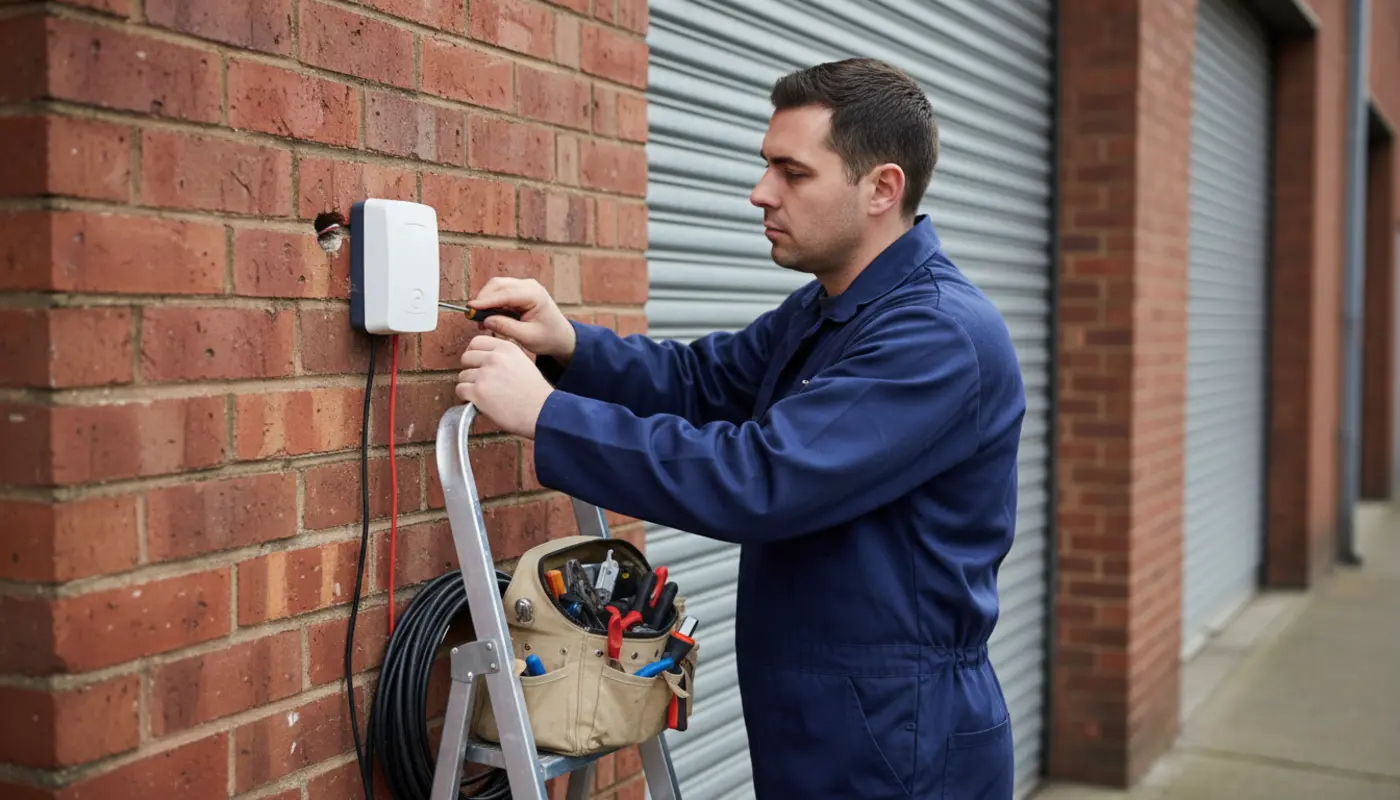
The best intruder alarms for warehouses in Greater Manchester are typically EN 50131 Grade 2 or Grade 3 systems installed by an SSAIB certified and Insurance Approved company. For many commercial premises, insurers lean towards Grade 3 where stock values are high or the site is considered medium to high risk.
With intruder alarm systems designed for business use, grading, monitoring, and compliance work together. If you are reviewing wider business security solutions, it makes sense to look at alarms, CCTV, and access control as one joined up system rather than separate pieces. It is usually more efficient and far less stressful long term.
Why Warehouses In Greater Manchester Are Prime Targets
Warehouses attract organised thieves because they often store high value goods in bulk, including electronics, tools, clothing, and alcohol. Many industrial estates become quiet after 6 pm, which means fewer witnesses and slower keyholder response if there is no monitored system in place.
Greater Manchester includes busy logistics hubs and more isolated units on the outskirts of town. Sites with limited lighting, open yards, and several entry points are especially vulnerable. Insurers factor this into their risk assessment, which then influences the grade of alarm protection they expect.
Understanding EN 50131 And Alarm Grading
EN 50131 is the European standard that sets rules for how intruder alarm systems are designed, installed, and maintained. In the UK, systems follow PD 6662 to align with EN 50131 requirements. In simple terms, the grade reflects the expected skill and determination of an intruder.
Guidance from the British Insurance Brokers Association makes it clear that compliance is essential for police response and full insurance recognition. For warehouses, this often means planning for monitoring and confirmed activation, not just installing basic detectors.
Grade 2 Vs Grade 3 For Warehouses
Grade 2 systems are designed for low to medium risk premises where intruders are expected to have limited knowledge of alarm systems. They include tamper protection and supervised wiring and are common in smaller commercial units with moderate stock levels.
Grade 3 systems assume a more capable intruder who may try to interfere with the alarm. Detectors, control panels, and signalling paths have enhanced tamper resistance. This gives insurers greater confidence, particularly on higher risk sites or where goods are attractive to organised crime.
When deciding between Grade 2 and Grade 3, consider your peak stock value, recent crime on your estate, and any written requirements in your insurance policy. A documented risk assessment usually provides a clear answer.
How Alarm Grading Affects Insurance And Premiums
Alarm grading does more than tick a box. It can affect whether theft cover is granted, what excess applies, and how your premium is calculated. Some insurers will only provide full theft cover if the system meets EN 50131 at the specified grade and is installed by an SSAIB certified and Insurance Approved company.
If your policy states Grade 3 with monitoring and a Police Response URN, installing a Grade 2 bells only system could leave you exposed. In serious cases, a claim may be reduced or declined due to non compliance. Checking your policy wording before installation can prevent expensive mistakes.
SSAIB Certification And Why It Matters
SSAIB is a UKAS accredited certification body that audits security companies against British and European standards. When a warehouse alarm is installed by an SSAIB certified and Insurance Approved provider, insurers and police know the system has been designed and fitted correctly.
SSAIB certification is also required for obtaining a Police Response URN. Without it, even a technically strong system may not qualify for police attendance. For isolated warehouses, that detail can make a significant difference.
Police Response URN And Monitoring
A Police Unique Reference Number, known as a URN, is issued when a monitored alarm system meets police policy requirements. This includes installation to EN 50131 at the correct grade, confirmed activation under BS 8243, and monitoring by a compliant Alarm Receiving Centre.
To obtain and maintain a URN, you generally need installation to EN 50131, confirmation methods in line with BS 8243, monitoring by an approved Alarm Receiving Centre, and an SSAIB certified and Insurance Approved installer. Without a URN, police will not treat the alarm as a priority response.
Monitored Vs Unmonitored Warehouse Alarms
An unmonitored system, often called bells only, activates a siren and relies on someone nearby contacting a keyholder. This may be acceptable for lower risk sites if the insurer agrees.
A monitored system connects to an Alarm Receiving Centre, which can contact keyholders or request police attendance under URN conditions. For many medium to high risk warehouses in Greater Manchester, monitored Grade 3 systems offer stronger protection and greater peace of mind.
Integrating Alarms With CCTV Access Control And Fire
Intruder alarms are more effective when integrated with CCTV and access control. If an alarm triggers, cameras can bookmark footage and access logs can show who entered or exited. This improves evidence quality and supports insurance claims.
Linking your system with CCTV systems and access control solutions strengthens overall protection. Larger warehouses may also rely on structured cabling, as outlined in fibre optic cabling for warehouses, to support reliable signalling and video transmission.
Fire safety must not be overlooked. Warehouse fire alarm systems should comply with BS 5839, often Category L2 in industrial settings. Emergency lighting must meet BS 5266, with monthly function tests and annual full duration tests. A joined up approach keeps your site compliant and reassures insurers.
Typical Costs In Greater Manchester
Costs depend on warehouse size, layout, and required grade. In 2026, a smaller warehouse may see a compliant Grade 2 system start from several thousand pounds. Larger Grade 3 monitored systems with dual path signalling and integration will cost more, particularly where yards and multiple access points are involved.
Ongoing maintenance is essential. EN 50131 systems require regular servicing to maintain Insurance Approved status and Police Response URN eligibility. Many businesses choose structured security maintenance contracts in Manchester to manage costs and ensure compliance records remain up to date.
Local SSAIB Approved Installers Vs National Providers
Insurers focus on standards and certification rather than brand size. However, working with a local SSAIB certified and Insurance Approved team in Greater Manchester can mean quicker response times and engineers who understand crime patterns on specific estates.
National providers may suit multi site operators needing consistent coverage. The key is to confirm EN 50131 grading in writing, understand the URN process, and ensure the system design is based on a proper risk assessment rather than a generic package.
Final Thoughts
The best intruder alarms for warehouses in Greater Manchester are those that match your risk level, meet insurer requirements, comply with EN 50131, and are installed by an SSAIB certified and Insurance Approved company. When monitoring and a Police Response URN are required, every detail matters.
Starting with your insurance policy wording and a professional risk assessment makes the process far clearer. From there, you can build a system that protects your stock, your staff, and your business without overspending.