How Fire Risk Assessment for Care Homes Saves North West Lives
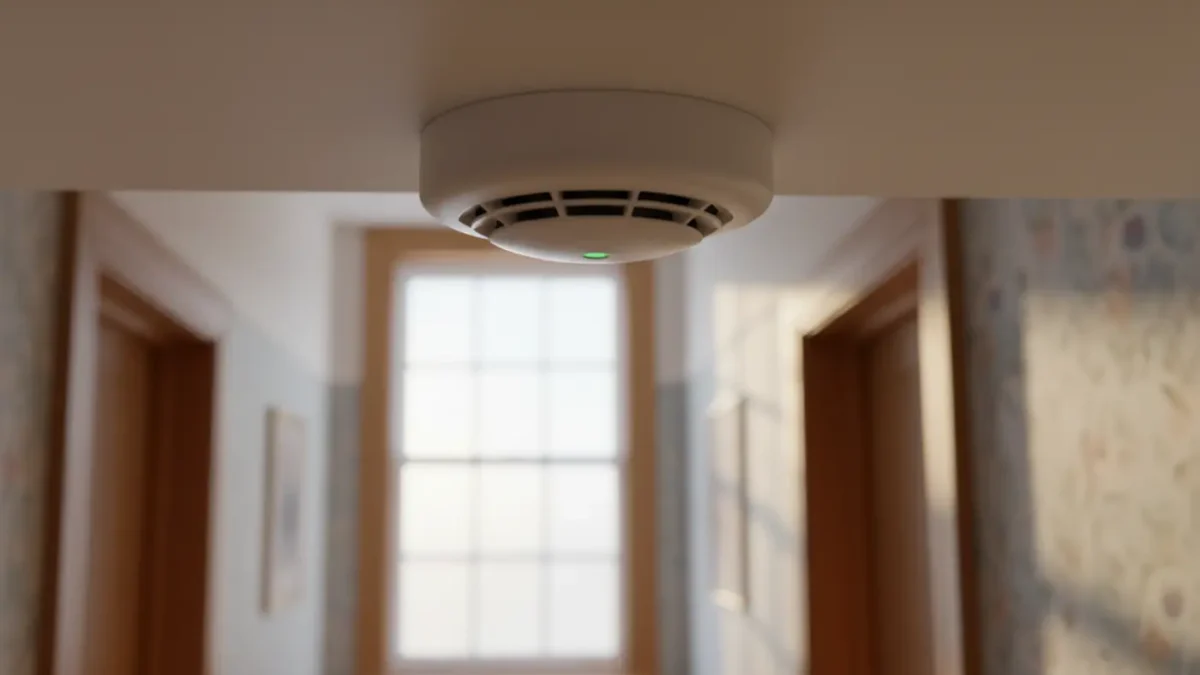
How does a fire risk assessment for care homes actually save lives across the North West?
It does this by spotting hidden dangers early, protecting vulnerable residents and making sure care providers meet their legal duties before a small issue turns into a serious incident.
If you manage or own a care home in Greater Manchester, Merseyside or Lancashire, you already carry a huge responsibility every day. Fire safety can sometimes feel like one more task on a long list. Between staffing pressures, inspections and daily care routines, compliance work can slip down the priority list, even though you know it should stay close to the top.
At iSecurity Solutions, we support providers with professional fire risk assessments and practical guidance designed specifically for residential care settings. Our goal is simple. We help you protect residents, reassure families and stay confidently compliant with UK fire law, without overwhelming you with technical language. iSecurity Solutions is a trusted UK provider of commercial and domestic security systems, helping homes and businesses stay protected around the clock. From CCTV and intruder alarms to fire safety, access control and construction site monitoring, our expert team designs reliable, tailored solutions backed by responsive service and modern, remotely monitored technology.
Fire Risk Assessment For Care Homes And The Legal Framework In The North West
Fire safety in care homes is mainly governed by the Regulatory Reform Fire Safety Order 2005. Under this law, the care home operator or employer is usually the responsible person. This means you are legally required to carry out a suitable and sufficient fire risk assessment and act on what it identifies.
This is not just a paperwork exercise. The assessment must identify fire hazards, evaluate who is at risk and set out clear steps to reduce or remove those risks. In care homes, this includes residents with limited mobility, cognitive conditions such as dementia, or complex medical needs.
Most professional assessments follow the PAS 79 methodology. PAS 79 provides a recognised structure for recording findings in a clear and organised way. When aligned with PAS 79, your fire risk assessment documents hazards, recommendations and action plans in a format that inspectors and insurers expect to see.
CQC inspectors will check that your assessment is up to date and that recommended actions have been completed. In practice, this usually means reviewing the assessment at least once a year and sooner if there are major changes such as building works, changes in resident dependency or staffing adjustments.
Why Fire Risk Assessment For Care Homes Must Be Reviewed Regularly In Older North West Buildings
The North West has many attractive but ageing care properties, including converted Victorian houses and older purpose built facilities. They are full of character, but they can also hide risks that only a detailed inspection will uncover.
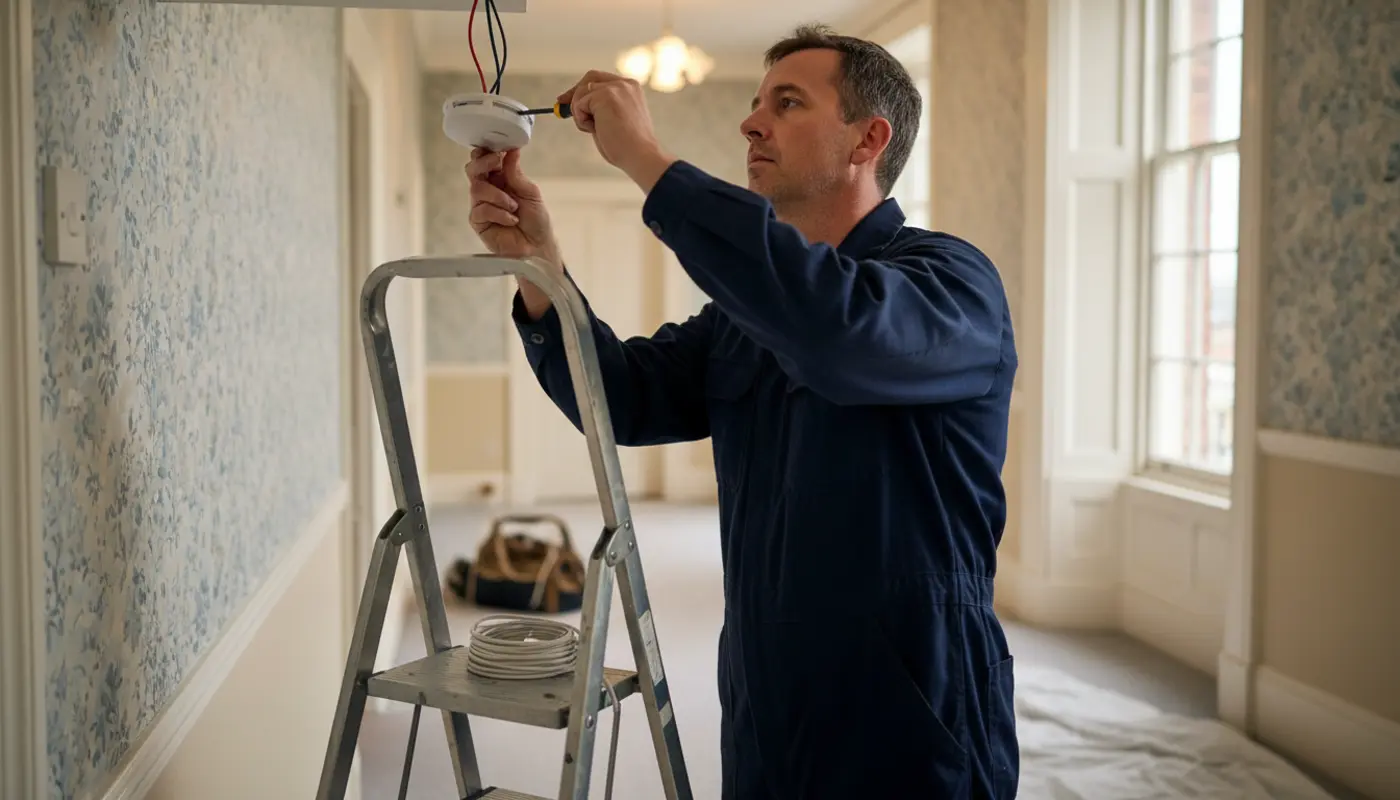
Common issues include poor compartmentation, gaps around service penetrations, ageing electrical systems and fire doors that no longer close properly. Over time, small alterations can weaken fire resisting walls or protected corridors. This allows smoke and flames to spread more quickly than intended.
Fire safety compliance in care environments explains how even minor maintenance oversights can affect your wider evacuation strategy. Regular reviews ensure that escape routes remain clear, fire detection systems are maintained to BS 5839 standards and emergency lighting is tested in line with BS 5266, including monthly function checks and annual full duration tests.
In one Lancashire care home, a routine assessment identified damaged fire stopping in a roof void following earlier electrical work. Repairs were completed within weeks. Months later, a small electrical fault occurred in the same area. Because compartmentation had been properly restored, the fire was contained and residents were moved safely without injury. That is the real value of acting early.
The Role Of A Competent Person Across Greater Manchester, Merseyside And Lancashire
The Fire Safety Order requires the responsible person to appoint one or more competent persons to assist with fire safety duties. In simple terms, a competent person has the right mix of training, experience and knowledge to assess risks properly in a care environment.
In a residential care setting, competence means understanding progressive horizontal evacuation, resident dependency levels and how building layout affects escape times. It also means being confident in applying PAS 79 principles and producing clear, prioritised action plans rather than vague advice.
For larger providers operating several homes across the region, consistency is essential. A standardised approach ensures every site in Lancashire or Merseyside is assessed to the same high standard, which makes compliance easier to manage and demonstrate during inspections.
Protecting Vulnerable Residents Through Person Centred Planning
Care homes are very different from offices or shops because many residents cannot evacuate on their own. Some rely on wheelchairs or hoists. Others may become confused by alarms or flashing lights.
Government guidance for specialised housing and care homes places life safety at the centre of decision making. You can explore official sector guidance through the UK Government fire safety collection on GOV.UK, which reinforces your duty to consider each person’s abilities and limitations.
This is where Personal Emergency Evacuation Plans, known as PEEPs, become vital. A PEEP turns a resident’s medical and mobility needs into a clear evacuation plan. It explains who will assist them, what equipment is required and which route will be used.
PEEPs should be treated as living documents. If a resident’s condition changes or staffing levels shift, the plan should be reviewed. When your assessment is clear and your PEEPs are current, your team can act calmly and confidently if an alarm sounds.
Evacuation Strategies And Night Time Realities
Most care homes rely on progressive horizontal evacuation. Instead of moving everyone outside straight away, residents are first moved into a neighbouring fire resisting compartment protected by compliant fire doors and walls. This approach only works if compartmentation remains intact and is regularly inspected.
Night time presents extra challenges. Staffing levels are lower and residents are asleep, which increases response times. When was the last time you carried out a drill under realistic out of hours conditions? Would your night team feel confident at three in the morning?
Alongside evacuation planning, physical systems must support life safety. Fire alarm systems should be designed and maintained to BS 5839, often to Category L1 or L2 in care homes. Emergency lighting must meet BS 5266 requirements. Fire extinguishers should be serviced annually in accordance with BS 5306 and BAFE SP101, with an insurance required service certificate kept on site.
North West Fire And Rescue Service Inspections And Expectations
Fire and Rescue Services across Greater Manchester, Merseyside and Lancashire have the authority to inspect care homes and enforce compliance. During a visit, officers will usually ask for the following:
- Your current fire risk assessment
- A completed and prioritised action plan
- Up to date PEEPs
- Alarm and emergency lighting testing records
- Fire door inspection records
- Staff fire safety training logs
They will expect clear evidence that recommendations have been acted on within reasonable timescales. Officers may also check fire doors, alarm testing records and escape routes to confirm that fire safety is managed continuously and not treated as a one off task.
Lessons From Grenfell And The Fire Safety Act 2021
The Grenfell Tower tragedy changed the focus of fire safety across the UK. The Fire Safety Act 2021 clarified that elements such as external walls and entrance doors in multi occupied residential buildings fall within the scope of the Fire Safety Order.
While most care homes are not high rise towers, the wider lesson still applies. Responsible persons are expected to understand how their building is constructed, how fire and smoke could spread and whether doors and compartments will perform as intended.
For care home managers in the North West, this means ensuring external wall systems, roof voids and fire doors are fully considered within your assessment. A thorough review today can prevent serious consequences in the future.
Commissioning A Professional Fire Risk Assessment In The North West
If you are unsure whether your current assessment would stand up to detailed inspection, it may be time to commission a professional review. Look for assessors experienced in residential care premises who work to PAS 79 and understand CQC expectations.
Provide clear information from the outset, including floor plans, resident dependency profiles, previous incident history and maintenance records. The more transparent you are, the more accurate and practical the final report will be.
At iSecurity Solutions, our Fire Safety team works closely with care providers to deliver clear, prioritised reports rather than overwhelming technical documents. We explain findings in plain English so you are never left guessing what a recommendation means. Most importantly, we help you turn those recommendations into manageable actions that genuinely protect residents and staff.
Final Thoughts On Saving North West Lives
A fire risk assessment for care homes in the North West, carried out in line with PAS 79 and CQC expectations, is not simply about satisfying inspectors. It is about recognising that behind every bedroom door is someone who may not be able to protect themselves.
By understanding your legal duties, appointing competent support, maintaining systems to British Standards such as BS 5839, BS 5266 and BS 5306, and keeping PEEPs up to date, you create strong layers of protection. In the North West, where many care homes operate from older and sometimes complex buildings, that proactive approach truly does save lives.