What Is a Fire Alarm Cause and Effect System?

What Is A Fire Alarm Cause And Effect System?
A fire alarm cause and effect system is the planned link between what starts a fire alarm event and what the building does in response. In simple terms, the cause is the input, such as a smoke detector or manual call point, and the effect is the programmed action, such as sounding alarms, releasing doors, recalling lifts or starting smoke control.
If that feels a little technical at first, you're not alone. Fire alarm logic can look complicated on paper, but once it is broken down into inputs and outputs, it becomes much easier to follow.
It matters because a fire detection and alarm system should not just make a noise and leave people guessing. It should support the building's fire strategy, help people escape safely, and make sure connected systems behave in the right order at the right time.
iSecurity Solutions is a trusted UK provider of commercial and domestic security systems, helping homes and businesses stay protected around the clock. From CCTV and intruder alarms to fire safety, access control and construction site monitoring, the team designs reliable, tailored systems backed by responsive service and modern remotely monitored technology.
Fire Alarm Cause And Effect System Examples
A fire alarm cause and effect system works by telling the fire alarm control panel what to do when a certain event happens. The panel is the brain of the system, while detectors, call points and interface units provide the information that starts the correct response.
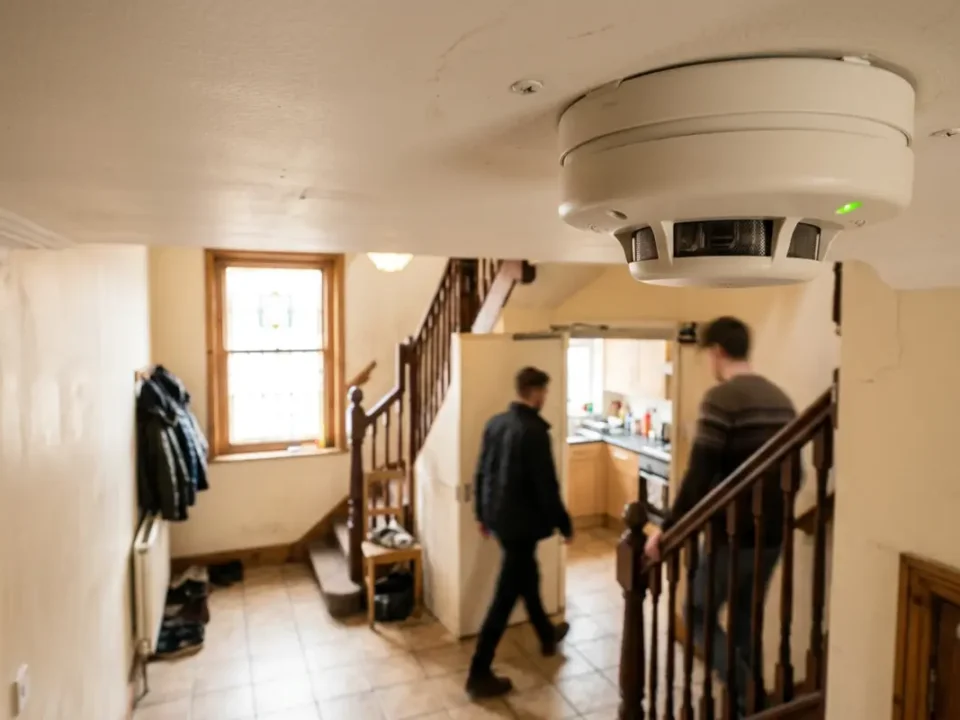
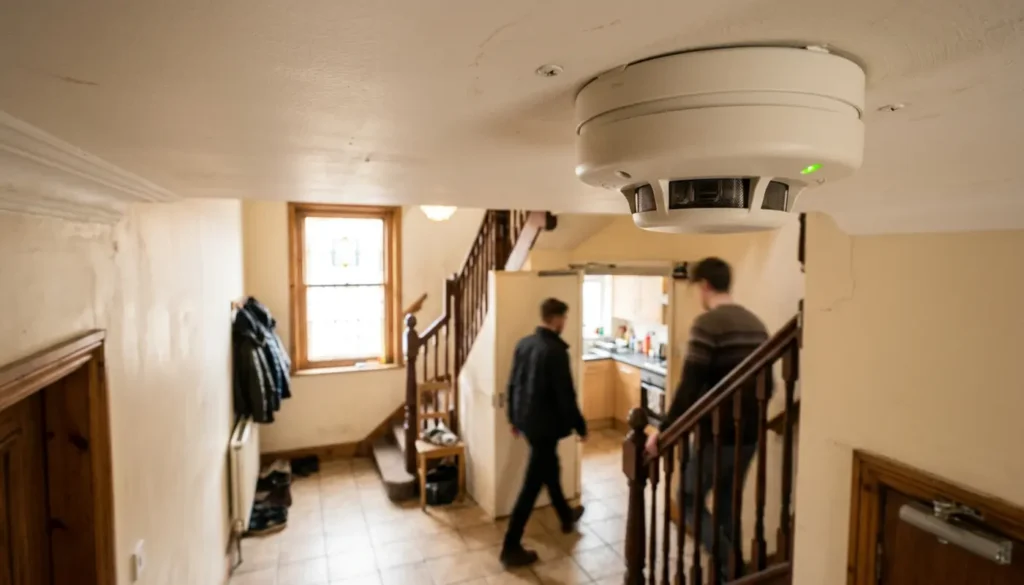
A cause can be a smoke detector sensing smoke, a heat detector reaching its trigger point, a manual call point being pressed, or a sprinkler flow switch showing water movement. An effect can be sounders activating, visual alarm devices flashing, magnetic door holders releasing, lifts returning to a safe floor, ventilation shutting down, or smoke extract starting.
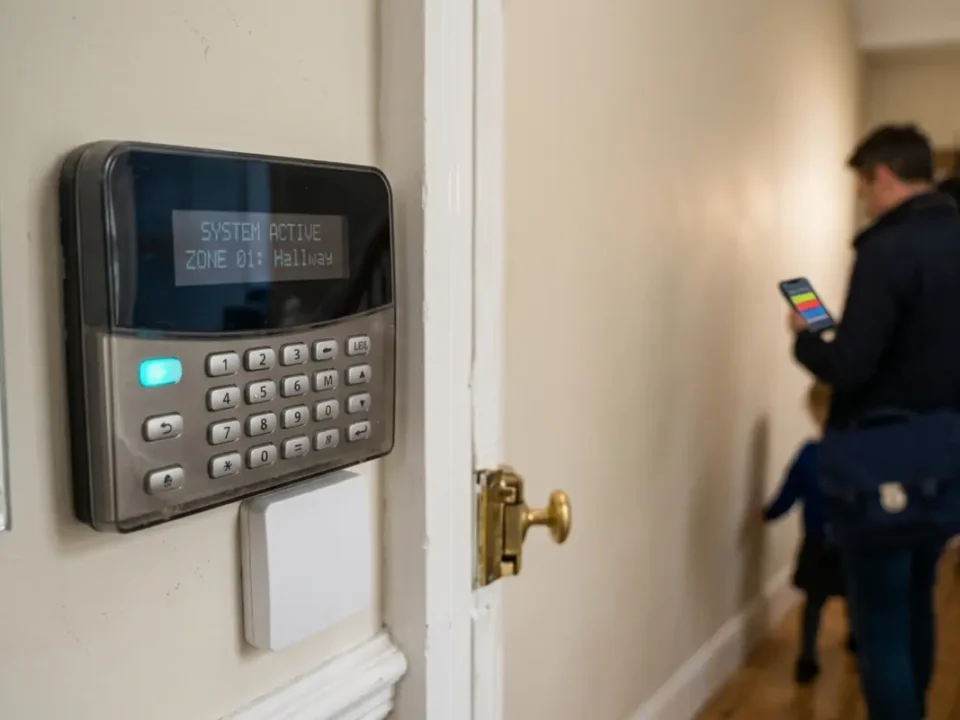
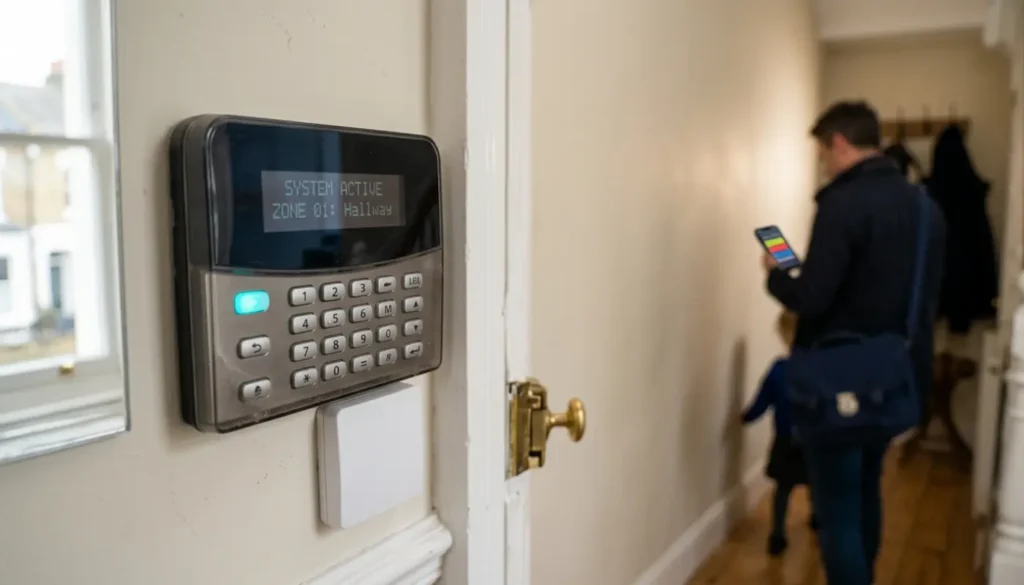
A simple example would work like this. A smoke detector in Zone 1 activates, the fire alarm panel shows the location, the sounders operate in the agreed areas, access controlled escape doors release, and a signal is sent to other building systems. In a smaller building, that sequence may be straightforward, while in a larger site it can become much more detailed.
Why Fire Alarm Cause And Effect Matters
Fire alarm cause and effect matters because early detection only helps if the building responds properly. If the alarm sounds but a locked escape door does not release, or if ventilation continues to move smoke through the building, the system is not doing what people need it to do.
Different buildings need different responses. A small office may use a simultaneous evacuation strategy, where everyone leaves at once, while a hospital, care home, university or large commercial site may use phased evacuation, progressive horizontal evacuation or another agreed method. The cause and effect system helps turn that written fire strategy into real action.
It also provides useful evidence. A clear matrix or written sequence helps building managers, fire risk assessors, maintenance engineers and enforcing authorities understand what should happen during an alarm, without having to guess their way through old drawings, mystery relays and settings that nobody has looked at for years.
The UK Legal And Regulatory Framework
The main legal duty for most non domestic premises comes from the Regulatory Reform Fire Safety Order 2005. It requires the Responsible Person to assess fire risk, put suitable fire precautions in place, maintain them, and keep people safe so far as is reasonably practicable.
The Building Safety Act 2022 has also strengthened duties around fire safety information, record keeping and cooperation, especially where several parties share responsibility. Government guidance on Section 156 fire safety responsibilities explains the need to record fire risk assessments and arrangements more clearly.
Approved Document B supports Building Regulations in England and gives guidance on fire safety design, including means of warning and escape. It is useful guidance for meeting regulations, but it should not be treated as a full commissioning manual for every fire alarm sequence.
BS 5839 1 is highly relevant because it is the recognised code of practice for the design, installation, commissioning and maintenance of fire detection and fire alarm systems in many non domestic premises. It is not an Act of Parliament, but it is widely used by designers, contractors, insurers and enforcing bodies when judging whether a system is suitable.
Relevant Standards And Guidance
BS 5839 1 covers fire detection and alarm systems and gives clear expectations around documentation, including a cause and effect matrix or an equal written description of how the system should operate. Fire alarm system categories such as L1 and L2 should be selected according to risk, building use and the fire strategy, rather than copied from another site.
BS 9999 provides wider guidance for fire safety in the design, management and use of buildings other than dwellinghouses. BS 9991 is used for fire safety in residential buildings where applicable, and it can influence alarm arrangements, evacuation approach and management procedures.
Approved Document B and Regulation 38 information are also important at handover. The person who will operate and maintain the building should receive clear fire safety information, including the fire strategy, relevant drawings, system instructions and, where needed, an outline cause and effect strategy.
Other standards may also sit alongside the fire alarm design. Emergency lighting may be checked against BS 5266, portable extinguishers may be managed under BS 5306, and fire risk assessment methods such as PAS 79 can help structure a clear assessment. These do not replace BS 5839 1 for alarm design, but they can affect how the whole fire safety plan works.
For design, installation and commissioning, third party certification can help demonstrate competence. In plain English, it shows that the provider has been checked against recognised standards, which can give building managers and insurers more confidence. BAFE SP203 1 relates to fire detection and alarm work, while BAFE SP101 relates to portable fire extinguisher service providers. Certification supports confidence, but it does not transfer the Responsible Person's legal duties.
Common Causes Or Fire Alarm Inputs
Common causes are the events or signals that start a response from the fire alarm system. These inputs should be clearly identified in the design, drawings and commissioning records, because each one may trigger a different response depending on the building.
- Smoke detectors that sense smoke particles in the air.
- Heat detectors that respond to rising temperature or a fixed temperature point.
- Manual call points that allow people to raise the alarm by hand.
- Sprinkler flow switches that indicate water is flowing through a sprinkler system.
- Beam detectors used in large open spaces such as warehouses or atriums.
- Aspirating smoke detection systems that sample air for very early warning.
- Suppression system interfaces, plant alarms or other fire protection signals.
Common Effects Or Fire Alarm Outputs
Effects are the actions that happen after an input is received and confirmed by the fire alarm panel. Some effects are obvious, such as sounders ringing, while others are in plant rooms, lift controls or access control interfaces.
For buildings with electronic locking, the fire alarm may need to release doors on escape routes, which is why alarm design often overlaps with access control. The key point is that doors must behave as the fire strategy requires, not simply do whatever the nearest relay was wired to do years ago.
- Sounders, bells or voice alarm messages.
- Visual alarm devices such as beacons for noisy areas or accessibility needs.
- Door release, fire door holder release or access control override.
- Lift recall, lift homing or lift shutdown where specified.
- Ventilation and air handling shutdown.
- Smoke control or smoke extract activation.
- Remote alarm signalling to an alarm receiving centre where designed.
- Signals to a building management system.
So how do you know what should happen when a detector activates, a call point is pressed, or a sprinkler flow switch operates? That is where the cause and effect matrix earns its keep.
What Is A Cause And Effect Matrix?
A cause and effect matrix is a document that shows which inputs activate which outputs. It is usually arranged with causes on one side and effects across the other, so you can trace what should happen when a specific detector, call point, zone or system input operates.
A simple written version may look like this.
- Smoke detector in Zone 1 activates sounders as specified, shows the location at the panel, releases selected doors and sends the agreed building management signal.
- Heat detector in the plant room activates alarms, shuts down selected ventilation plant and indicates the plant room zone.
- Manual call point begins the agreed alarm response immediately and releases escape route doors where specified.
- Sprinkler flow switch shows sprinkler activation, operates agreed alarms and triggers any specified remote signalling or plant response.
This example is only used to explain the idea. The real matrix must come from the fire strategy, risk assessment, drawings and approved design. A useful matrix should also show delays, staged sequences, coincidence logic, manual controls, reset behaviour and feedback signals where these apply.
How To Read A Fire Alarm Cause And Effect Matrix
Start by finding the initiating device, zone or input. Then read across to see which outputs are marked to operate, such as sounders, beacons, doors, lifts, ventilation, smoke control or remote signalling.
Next, look for notes. A small note may explain that an output operates after a delay, only after two detectors activate, or only in a particular fire mode. These details are easy to miss, but they often make the difference between a safe sequence and a confusing one.
Finally, compare the matrix with the building as it is today. If the document says a door releases but the door no longer exists, or if a new wall has changed an escape route, the matrix needs review. Fire safety paperwork should support real life use, not sit in a folder looking tidy while the building has moved on.
Who Is Responsible For The Matrix?
The Responsible Person has the main legal duty to make sure fire safety arrangements are suitable, maintained and recorded. They may not personally design the matrix, but they should make sure it exists, is understandable, and remains current.
The fire risk assessor considers whether the alarm response supports the risk assessment and evacuation approach. The designer or fire engineer translates the fire strategy into practical system requirements, including zoning, interfaces, evacuation logic and performance expectations.
The installer fits the equipment and interfaces to the approved design, while the commissioning engineer checks that the programmed sequence works. The maintenance organisation then checks the system during planned servicing and reports defects, changes or mismatches that could affect safety.
Design, Commissioning And Handover
Good cause and effect design starts with the fire strategy. That means understanding compartments, escape routes, evacuation method, fire alarm zones, detection zones and the building services that need to respond during a fire.
Once the strategy is clear, the designer lists the inputs and outputs, then defines the relationships between them. This includes timing, dependencies, manual overrides, feedback signals, plant shutdowns and unusual conditions such as faults or disablements.
During commissioning, the system should be tested against the matrix, not just switched on and admired from a safe distance. Engineers should activate relevant causes, watch for the expected effects, check that unintended effects do not happen, and record the results clearly.
At handover, the Responsible Person should receive the matrix or written sequence, zone plans, operating instructions, certificates, logbooks and test records. If your site needs support with compliant design, installation, maintenance or reviewing existing documentation, fire safety systems from iSecurity Solutions can help spot gaps, make the setup easier to manage, and tailor the system to the building and its fire strategy.
Testing, Maintenance And Records
Testing, maintenance and records prove that the fire alarm cause and effect system still works as designed. Weekly user testing is normally carried out by the Responsible Person or a nominated competent person, and the result should be recorded in the logbook with the device or zone tested and any faults found.
Periodic inspection and servicing should be completed by a competent organisation. This should cover detector condition, batteries, control panel functions, sounders, visual alarms, interfaces and any cause and effect logic that needs checking.
For more detail on servicing intervals and what a competent maintenance visit should include, see commercial fire alarm servicing frequency. Regular checks help prove the system still does what the documentation says it does.
Keeping Cause And Effect Current After Alterations
Keeping cause and effect current after alterations is vital because building changes can quietly break a good fire alarm strategy. New partitions, changed escape routes, upgraded lifts, altered ventilation, new access controlled doors, extra plant rooms or a change of building use can all affect how the fire alarm should respond.
A sensible change process should record the proposed alteration, review the fire risk assessment and fire strategy, identify affected inputs and outputs, update drawings and the matrix, gain design approval, modify the system, test affected interfaces, and update the logbook and handover information.
The biggest mistake is assuming a small refurbishment has no fire alarm impact. In reality, a new wall in the wrong place can change detection coverage, escape visibility, sounder audibility and the way people move during an evacuation.
Common Mistakes To Avoid
The most common mistakes happen when the fire alarm paperwork, building layout and installed system no longer match. These issues can cause confusion during a real alarm, and they can also create problems during audits, insurance checks or fire safety reviews.
- Using a generic matrix that does not reflect the actual building.
- Testing the fire alarm panel but not the connected doors, lifts or plant.
- Leaving old cause and effect documents in the logbook after refurbishment.
- Failing to record delays, staged evacuation or coincidence settings.
- Assuming every detector should activate every output in the same way.
- Treating certification as a replacement for risk assessment and active management.
- Not recording failed tests, isolations or remedial actions.
Final Thoughts
A fire alarm cause and effect system is the practical link between detection and action. It tells the building how to respond, helps people escape, supports fire safety management and gives clear evidence that the alarm system matches the agreed fire strategy.
If you manage a UK building in 2026, the key is simple. Keep the matrix clear, current and tested. When the cause and effect documentation matches the installed system, the fire strategy and the building as it is today, everyone has a much better chance of knowing what should happen when seconds count.
Frequently Asked Questions
Is A Cause And Effect Matrix Legally Required?
The exact matrix format is not usually written into law for every building, but the Responsible Person must manage fire risk, maintain suitable precautions and keep proper records. The current edition of BS 5839 1 also strengthens expectations around providing a cause and effect matrix or an equal description at handover.
Is BS 5839 1 Mandatory?
BS 5839 1 is a code of practice rather than an Act of Parliament, but it is widely used as recognised technical guidance for fire detection and alarm systems. It is often referenced in specifications, contracts, audits and enforcement discussions.
Who Writes The Fire Alarm Cause And Effect Matrix?
It is usually produced by the designer or fire alarm specialist using the fire strategy, risk assessment and project requirements. The Responsible Person should make sure the final version is held, understood and kept up to date.
Does A Fire Alarm Always Control Lifts And Ventilation?
No, it depends on the building design, fire strategy and installed interfaces. Some buildings need lift recall, ventilation shutdown or smoke control activation, while others may not require those functions.
Should My Fire Alarm Installer Be Certified?
Using competent certified providers is strongly recommended, and all security and fire installations should be Insurance Approved where required by insurers. SSAIB and Insurance Approved credentials are especially relevant for intruder alarm systems and can support eligibility for a Police Response URN, while fire alarm competence is commonly supported by schemes such as BAFE SP203 1.
Do EN 50131 Grades Apply To Fire Alarm Systems?
No, EN 50131 grades apply to intruder alarm systems, not fire alarm cause and effect design. Fire alarm systems are normally designed and maintained with reference to BS 5839 1, along with the fire strategy and risk assessment.