How Can Venues Improve Emergency Response Plans?
Venue Emergency Response Plans
Venues can improve emergency response plans by making them clear, site specific, regularly tested and easy for staff to follow during pressure. A strong plan should cover fire, crowd movement, terrorism, medical emergencies, severe weather, power failure, communication problems and recovery after an incident.
If you manage a busy venue, it is understandable if emergency planning feels like one more large job on an already full list. Still, a good plan protects people, supports legal duties, lowers risk and helps staff make calm choices when the situation is not calm at all.
iSecurity Solutions is a trusted UK provider of commercial and domestic security systems, helping homes and businesses stay protected around the clock. From CCTV and intruder alarms to fire safety, access control and construction site monitoring, the expert team designs reliable, tailored solutions backed by responsive service and modern, remotely monitored technology.
Emergency Response Planning At A Glance
A good venue emergency response plan explains what could go wrong, who takes charge, how people are protected and how the venue communicates with staff, visitors, contractors and emergency services. It should be short enough to use under pressure, but detailed enough to guide real decisions.
Every plan should include the venue profile, maximum occupancy, risk register, incident command structure, emergency contacts, evacuation maps, invacuation and lockdown procedures, medical arrangements, accessibility support and a clear review process. If your plan could apply to any building in the country, it is probably too general. Would your team know who takes charge in the first two minutes of an incident?
Common weaknesses include old layouts, unclear responsibilities, missing alternative routes, poor radio use, no backup communication method and plans that only think about fire. Fire evacuation matters, of course, but a terrorist incident, crowd crush or severe weather event may need a very different response.
How Can Venues Improve Emergency Response Plans With Better Risk Assessment?
The first improvement is a proper venue specific risk assessment that looks at how people arrive, queue, enter, move around, gather, leave and disperse. The Health and Safety Executive guidance on incidents and emergencies recommends planning for realistic incidents, communication failures and working with emergency services.
Your risk register should include fire and smoke, suspicious items, terrorism, crowd surge, medical emergencies, violence, building failure, flooding, severe weather, power failure, communication failure and missing children or vulnerable people. That may sound like a rather gloomy shopping list, but the aim is not to worry people. The aim is to prepare sensibly.
Walk the venue as if you are a first time visitor on a busy night. Look for narrow corridors, staircase pinch points, bars, toilets, turnstiles, search lanes, temporary structures, car parks and poorly lit outside areas where problems could grow quickly.
Understand UK Legal Duties In 2026
Emergency response planning in the UK is shaped by several duties, and they do not all sit neatly in one place. The Regulatory Reform Fire Safety Order 2005 requires the responsible person to assess fire risks, maintain safety measures, protect escape routes and give suitable information to staff.
Fire risk assessments should follow a recognised approach such as PAS 79, while fire alarm systems should be designed and maintained in line with BS 5839. Emergency lighting must follow BS 5266, with monthly checks and annual full duration testing, and fire extinguishers should be serviced to BS 5306 and BAFE SP101, with an annual service certificate often required by insurers.
The Health and Safety at Work etc. Act 1974 also matters because venues must protect employees and others affected by their work. The Licensing Act 2003 may add conditions linked to public safety, prevention of disorder and event management, especially for theatres, clubs, pubs, arenas and performance spaces.
Martyn's Law, formally the Terrorism Protection of Premises Act 2025, adds public protection duties for certain premises and events. If you need a simple starting point, What Is Martyn's Law UK explains how the requirements may affect publicly accessible locations.
Create Clear Roles And Incident Command
During an emergency, vague job titles are about as useful as a chocolate teapot. Your plan should say who becomes incident controller, who acts as deputy, who manages operations, who leads communications, who speaks with emergency services and who records key decisions.
Useful roles include a fire safety lead, medical or welfare lead, facilities lead, security lead, accessibility support lead and a scribe for the incident log. Larger venues may also need zone leaders, crowd management supervisors and a control room operator with direct radio contact to stewards and SIA licensed security staff.
Decision authority must be clear. The plan should state who can stop entry, pause an event, start evacuation, begin invacuation, start lockdown, call emergency services, issue public announcements and allow reopening once it is safe.
Plan Evacuation, Invacuation And Lockdown
Evacuation means moving people away from danger, usually to assembly points outside the venue. Routes should be signed, lit, clear of blockages and suitable for the expected crowd, with alternative routes if the normal exit is affected.
Invacuation means moving people into a safer internal area rather than sending them outside. This may be the better option during a threat outside the building, severe weather, nearby disorder or an outside hazardous incident.
Lockdown means securing people inside rooms or zones to reduce exposure to a threat. Plans should explain how doors, access control systems, gates, turnstiles and staff only areas are managed, including what happens to people in toilets, hospitality suites, outdoor spaces and back of house areas.
Accessible evacuation needs proper attention, not a rushed note saying staff will help. Consider Personal Emergency Evacuation Plans, refuge areas, evacuation chairs where suitable, visual and audible alerts, mobility support, neurodiversity needs, language needs and arrangements for people separated from carers or companions.
Use Technology To Support Fast Decisions
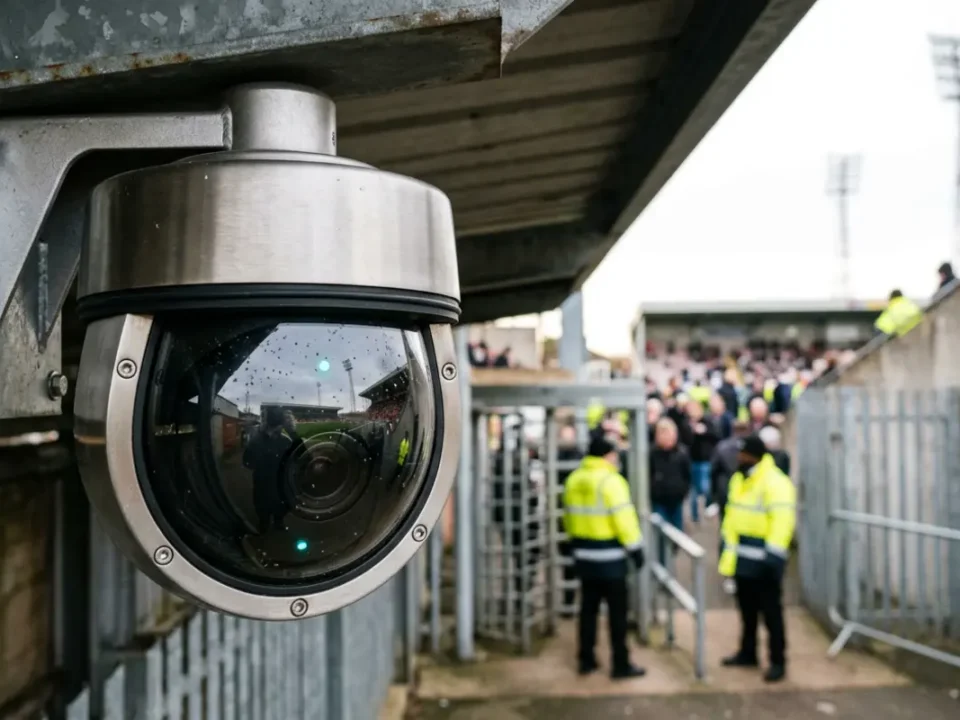
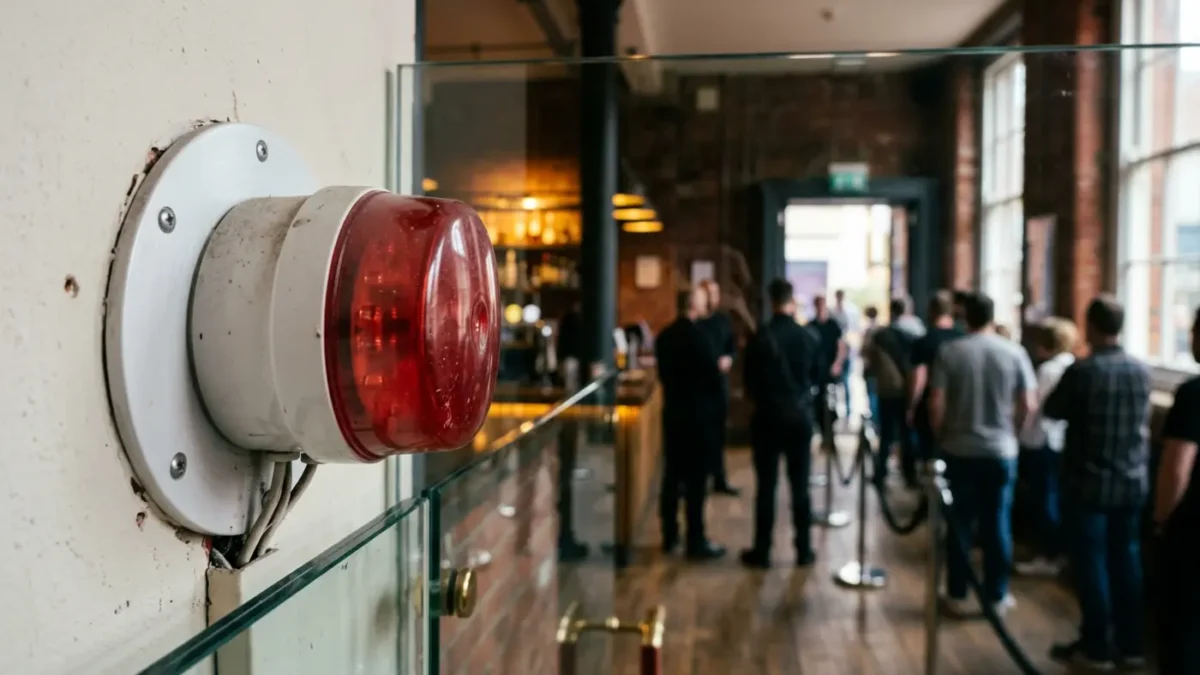
Technology should support the plan, not replace it. Addressable fire alarms can identify the zone where an activation occurs, which helps staff respond quickly, while CCTV gives the control team visual awareness of crowds, exits, queues and outside approaches.
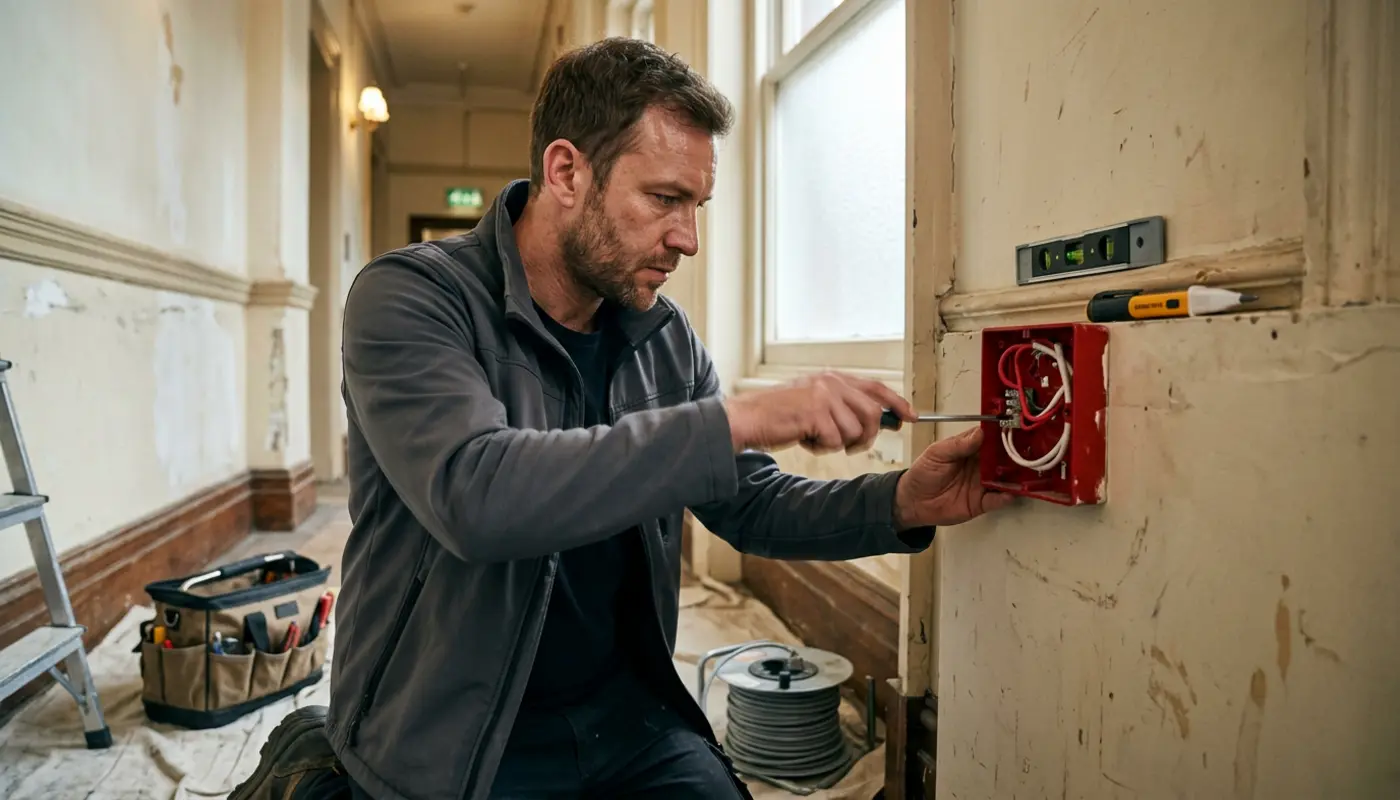
For fire safety systems, venues should ensure design, installation and servicing match the risk level of the building. iSecurity Solutions provides fire safety systems that can support compliant alarm detection, emergency response and ongoing maintenance planning.
CCTV used for security monitoring should be positioned for useful evidence and live awareness, not just tidy screenshots for a proposal. Where CCTV, intruder alarms or detection systems form part of a monitored security response, EN 50131 grades, usually Grade 2 or Grade 3 depending on risk, should be considered, and systems seeking police response normally need SSAIB Insurance Approved installation as a prerequisite for a Police Response URN.
Access control can help secure zones, release doors, manage staff only areas and support lockdown procedures. Cloud based access control can also help authorised managers view events remotely, although manual overrides and printed procedures remain important if the network or power fails.
Build Strong Communication Procedures
Communication is where many emergency plans stumble, especially when radios are noisy, mobile signal is poor and several people speak at once. Use plain language, agreed call signs, priority message rules and radio checks before doors open.
Your plan should include backup options such as spare batteries, charged phones, runners, printed contact lists and pre written public announcements. PA systems, screens, social media updates and staff briefings should give clear instructions without causing unnecessary panic.
Create message templates for evacuation, invacuation, lockdown, delayed opening, cancellation, severe weather, power failure and missing person situations. A calm and specific message is far better than a dramatic announcement that makes everyone move at once in the wrong direction.
Work With Emergency Services And Local Authorities
Venues should not plan in isolation, especially where large crowds, complex layouts or higher risk events are involved. Speak with the local authority, police, fire and rescue service, ambulance service, licensing team, Safety Advisory Group and counter terrorism advisers where appropriate.
Emergency services need useful information before and during an incident. Share site plans, access points, rendezvous points, hydrants, utility shut offs, hazardous materials, CCTV locations, control room details, capacity figures and current event layouts.
The handover process should be written down. Decide who meets responders, who brings keys and maps, who shares the incident log, who explains current crowd conditions and who coordinates public information with the emergency services commander.
Train Staff And Test The Plan Regularly
Training turns a document into a working system. Staff should understand alarms, evacuation routes, invacuation spaces, lockdown procedures, radio use, first aid response, suspicious item reporting, accessibility support and how to raise concerns quickly.
Use a step by step approach rather than jumping straight to a full exercise that frightens everyone and blocks the car park. Start with inductions, pre event briefings, equipment checks, walk throughs and table top exercises, then build towards partial drills and joint exercises where needed.
Measure what happens during exercises. Track the time to raise the alarm, establish command, contact emergency services, issue public messages, clear key routes, support disabled people and account for staff. Could your current plan still work if the main exit was blocked?
For venues preparing for public protection duties, practical scenario planning is especially useful. You can explore more operational detail in Martyn's Law crowd security tips, which looks at safer crowd movement and proportionate security thinking.
Review Plans After Every Meaningful Change
An emergency response plan should change when the venue changes. Review it after new layouts, increased capacity, new entrances, building work, altered staffing, new technology, different event types, licence updates, incidents, near misses and exercise findings.
Good document control makes this easier. Keep a named owner, version number, approval date, review date, change log, distribution list, archived copies and staff acknowledgement records so you can prove the current plan has reached the right people.
Post incident debriefs should ask what happened, when it was detected, who made the first decision, how information moved, whether public instructions were understood, whether routes stayed usable and what equipment failed. Assign every corrective action to an owner with a deadline, otherwise it quietly becomes next year's problem.
Practical Venue Emergency Plan Checklist
- Current venue specific risk assessment and scenario register.
- Named responsible persons and clear incident command roles.
- Updated maps showing exits, assembly points, refuges and access routes.
- Evacuation, invacuation and lockdown procedures for different threats.
- Fire alarm, emergency lighting, extinguisher and security system maintenance records.
- Accessible evacuation arrangements for mobility, hearing, vision, thinking and language needs.
- Radio plan, PA scripts, backup communication methods and contact lists.
- Emergency service liaison details, rendezvous points and site information pack.
- Training records, drill dates, table top exercise notes and open corrective actions.
- Review date, version control and senior sign off.
Final Thoughts
The best venue emergency response plans are clear, tested and easy to use when people are under pressure. They combine risk assessment, legal awareness, trained staff, reliable technology, strong communication and regular review.
Start by identifying the three biggest weaknesses in your current arrangements, then assign owners and set deadlines. If the plan is simple enough for staff to follow on a noisy Friday night, you are heading in the right direction.
If you are unsure whether your fire safety, CCTV, access control or monitoring systems support your emergency plan properly, it is worth arranging a professional review before your next busy event.
Frequently Asked Questions
How Often Should A Venue Emergency Plan Be Reviewed?
Review it at least once a year, but also after incidents, drills, layout changes, capacity changes, staffing changes or new legal guidance. Higher risk venues should review key procedures more often.
Is A Fire Evacuation Plan Enough For A Venue?
No. A fire evacuation plan is important, but venues also need procedures for invacuation, lockdown, crowd incidents, medical emergencies, severe weather, power failure and terrorism related threats.
Who Is Responsible For A Venue Emergency Response Plan?
Responsibility depends on the venue structure, lease, licence and event arrangements, but one accountable person should own the plan. Supporting roles should be clearly assigned to managers, stewards, fire wardens, first aiders and security staff.
Do Venues Need SSAIB Insurance Approved Security Systems?
For monitored alarms, monitored CCTV or detection systems seeking police response, insurers often expect SSAIB Insurance Approved installation, and this is normally needed before applying for a Police Response URN.
What Should Smaller Venues Do First?
Start with a simple risk assessment, clear emergency contacts, staff roles, evacuation maps, communication checks and a short table top exercise. Small venues do not need huge documents, but they do need people who know what to do.