Emergency Lighting in Care Homes: North West Compliance Guide
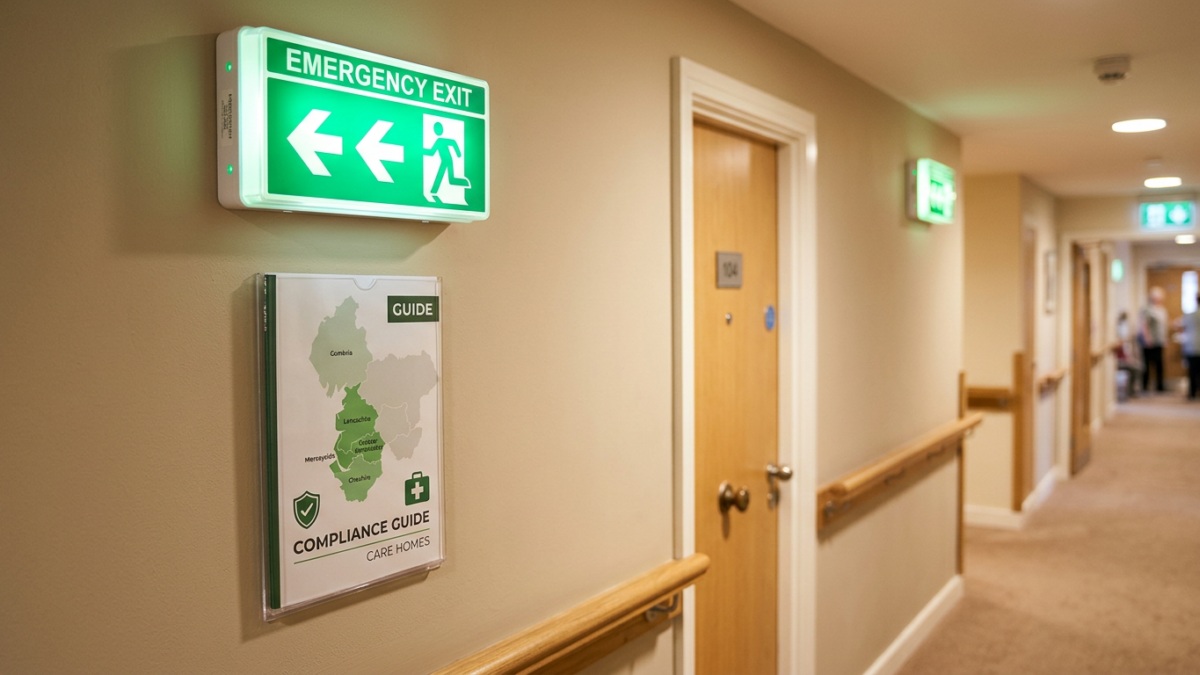
What do care home operators in the North West need to know about emergency lighting compliance under BS 5266 and CQC expectations?
If you manage a care home, you already have a lot to think about each day. Emergency lighting can feel like just another technical task on the list. However, when it is needed, it becomes one of the most important systems in your building.
Emergency lighting is a life safety system that stands ready to guide residents and staff if the normal lighting fails during a fire or power cut. In a setting where many residents rely on support and reassurance, lighting is not just about compliance. It is about confidence, calm and safe evacuation in a stressful moment.
For care providers across Greater Manchester, Merseyside and Lancashire, understanding care home emergency lighting North West CQC BS 5266 requirements is not only about passing inspections. It is about protecting vulnerable people who may not be able to evacuate quickly or safely in the dark.
At iSecurity Solutions, we support care homes with complete fire safety systems and compliant emergency lighting installation. Every system is designed around residents’ needs and backed by clear documentation that is ready for CQC and fire service review. iSecurity Solutions is a trusted UK provider of commercial and domestic security systems, helping homes and businesses stay protected around the clock with reliable equipment, expert advice and responsive support.
Care Home Emergency Lighting North West CQC BS 5266 Requirements
Care homes are very different from standard workplaces, and that changes how fire safety should be approached. They provide sleeping accommodation and often support residents with limited mobility, dementia or complex health conditions. If the main lighting fails, safe evacuation depends on properly designed emergency escape lighting.
Under the Regulatory Reform Fire Safety Order 2005, the Responsible Person must ensure that emergency routes and exits are adequately illuminated. Government guidance for residential care premises makes it clear that escape routes, staircases and larger rooms require suitable emergency lighting. You can review the legal framework on legislation.gov.uk, which sets out the duties in detail.
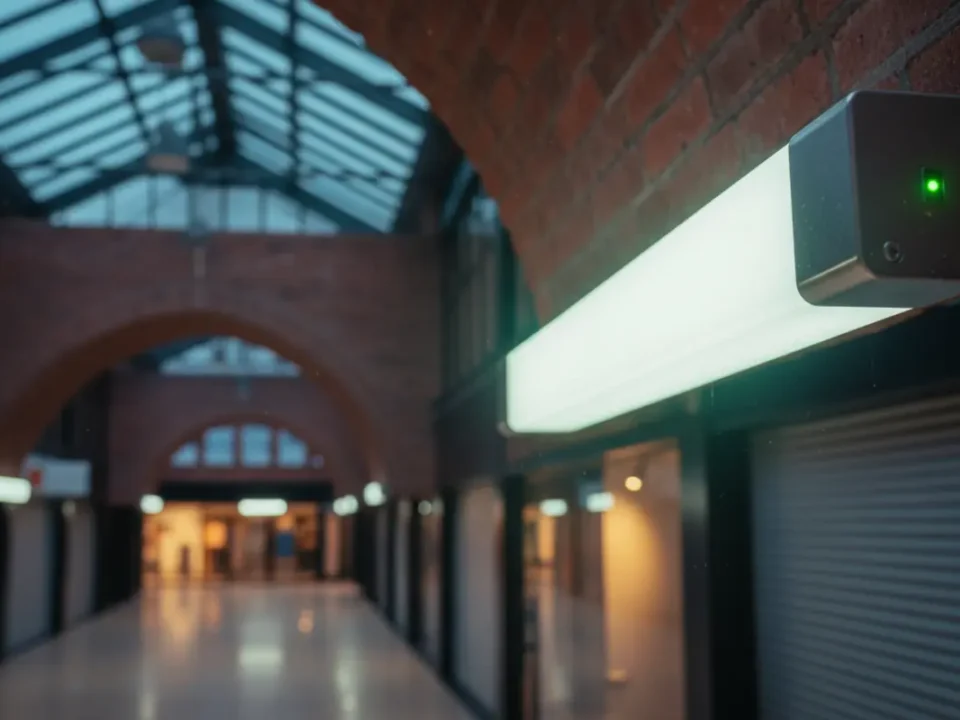
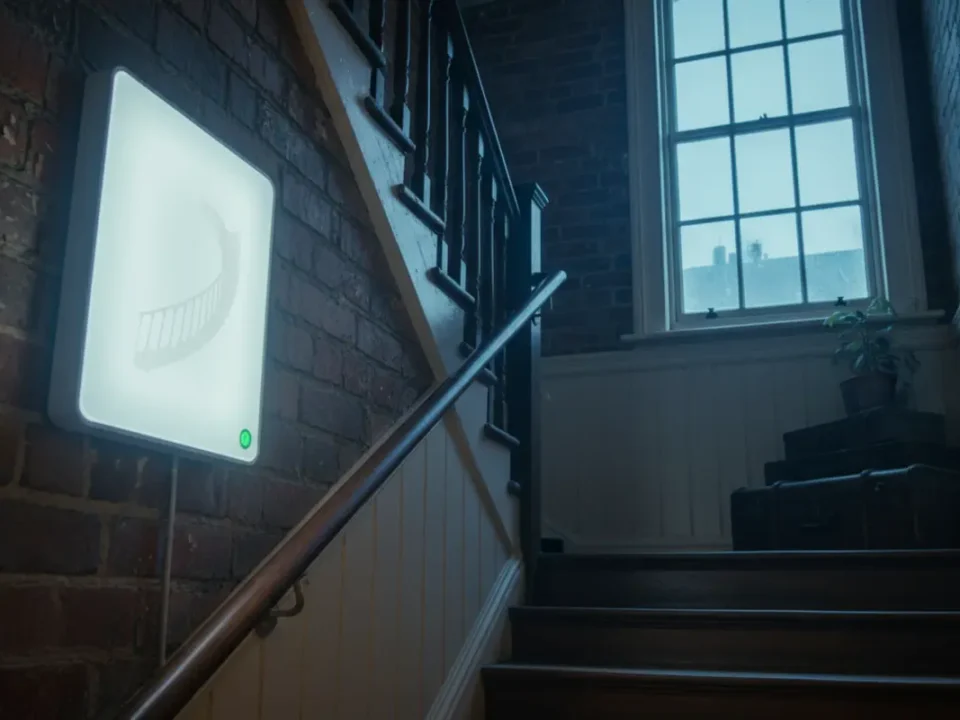
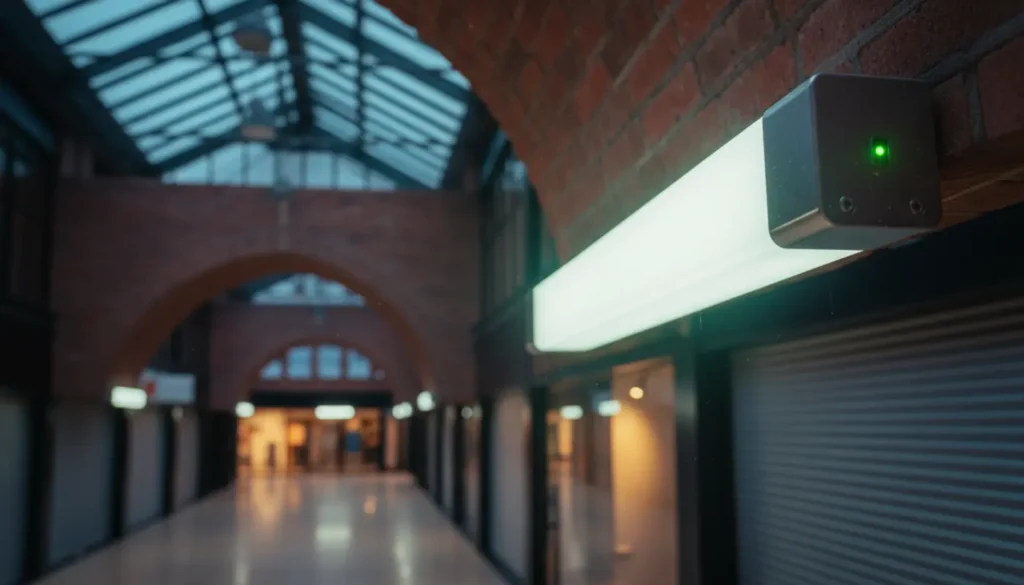
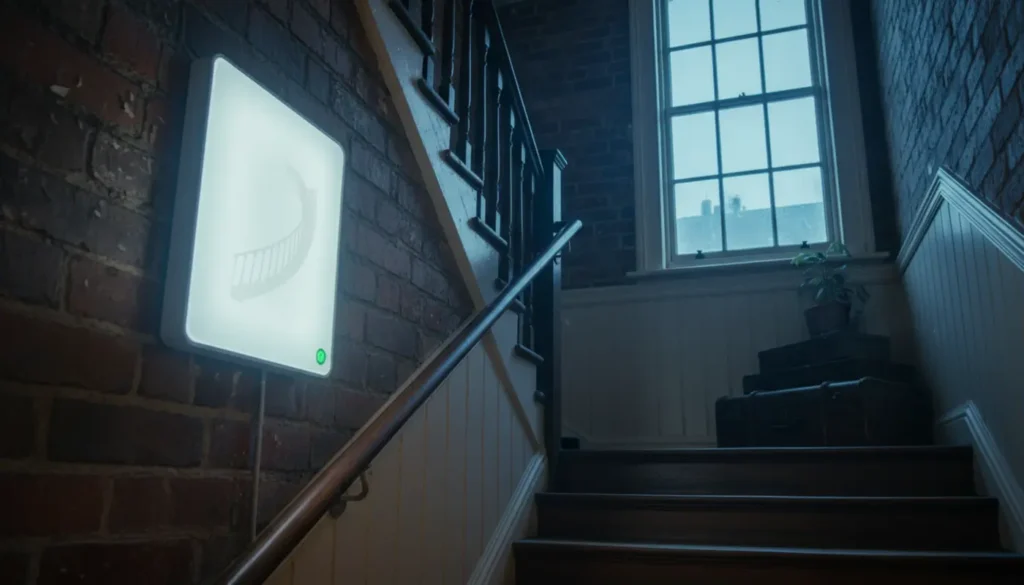
In practical terms, corridors, final exits, stairwells, assisted bathrooms and even external escape routes should remain clearly visible if mains power fails. In a care setting, there is no room for guesswork or relying on light from another room. Would your team feel confident guiding residents down a corridor in total darkness? If that question gives you pause, it may be time to review your system.
UK Fire Safety Framework For Care Homes
Emergency lighting does not sit on its own. It forms part of a wider fire safety strategy that includes detection, alarms, compartmentation and staff training. Inspectors will always look at how these elements work together rather than focusing on one certificate in isolation.
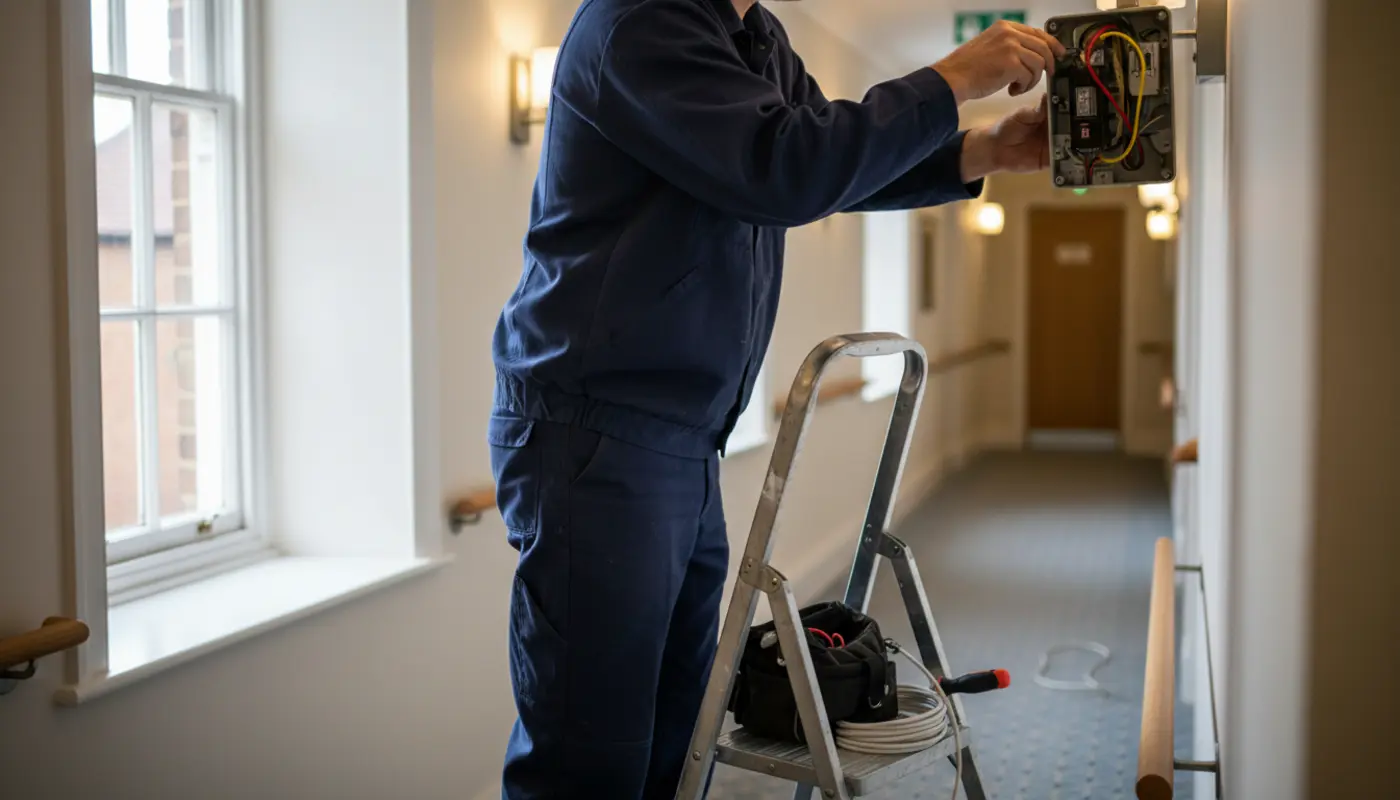
Regulatory Reform Fire Safety Order 2005
The Fire Safety Order is the foundation of fire law in England. If you operate a care home, it applies directly to you. The Responsible Person, usually the owner, provider or registered manager, must carry out a suitable and sufficient fire risk assessment. That assessment should consider whether emergency lighting is required, where it is needed and whether it is adequate.
If you are reviewing your wider fire strategy, our guide on fire alarms for care homes in the North West UK explains how fire detection and emergency lighting support each other during evacuation.
Fire Safety England Regulations 2022
The Fire Safety England Regulations 2022 build on the Fire Safety Order and introduce further duties for certain residential buildings. Although much of the focus is on high rise premises, care home operators should understand how documentation, signage and fire door checks fit into the overall compliance picture.
When enforcement officers or CQC inspectors attend, they expect to see clear records and evidence that systems are maintained properly. Emergency lighting is one important piece of that wider framework.
BS 5266 And BS EN 1838 In Care Settings
BS 5266 is the main code of practice for emergency lighting in the UK. It covers design, installation and ongoing maintenance. BS EN 1838 sets out the performance requirements, including minimum light levels.
Escape routes should achieve at least 1 lux along the centre line. Open areas should achieve at least 0.5 lux to reduce panic. In sleeping accommodation such as care homes, a three hour emergency duration is normally expected. This ensures lighting remains available even if evacuation takes longer or the building cannot be reoccupied straight away. When was your last full duration test, and did it achieve the full three hours?
Our team provides BS 5266 compliant emergency lighting systems tailored for higher risk environments such as care settings, where assisted evacuation is often required.
Types Of Emergency Lighting Systems In Care Homes
Escape Route, Open Area And High Risk Task Lighting
There are several recognised categories of emergency lighting. Escape route lighting covers corridors and stairways. Open area lighting, sometimes called anti panic lighting, is used in lounges and dining rooms. High risk task lighting may be needed where medication is prepared or essential equipment is used.
In care homes, assisted bathrooms larger than 8 square metres and accessible toilets should also be covered. The aim is straightforward. No resident or staff member should have to move through the building in darkness during an emergency.
Maintained And Non Maintained Luminaires
Maintained fittings stay illuminated during normal conditions and continue to operate if there is a power failure. These are often used for exit signs and key routes. Non maintained fittings only switch on when the mains supply fails.
In dementia friendly environments, maintained exit signs can support wayfinding even during everyday use. The right combination depends on your layout, resident needs and fire risk assessment findings. A clear discussion with a competent provider before inspection day can prevent problems later.
Self Contained, Central Battery And Automatic Testing
Self contained fittings include individual batteries and are often cost effective for small to medium sized care homes. Central battery systems supply multiple luminaires from one battery source and may be suitable for larger buildings.
BS EN 62034 covers automatic emergency lighting test systems. These systems carry out scheduled functional and duration tests and record the results digitally. For providers managing more than one site, this can reduce paperwork and improve accuracy.
Many care homes combine emergency lighting with a broader planned maintenance contract for security and fire systems. This helps ensure monthly and annual tests are completed on time and recorded correctly. No one wants to discover a failed battery during an inspection, or worse, during a real evacuation.
Testing And Inspection Under BS 5266
BS 5266 aligned guidance requires regular inspection and testing. In practice, this means a monthly functional test where the system is briefly checked under simulated mains failure conditions, and an annual full duration test, usually three hours for care homes.
During the annual test, you must confirm that luminaires remain illuminated for the full rated period. Any failures should be recorded and corrected promptly. Test results should be logged in a fire safety logbook and kept available for inspection. Are your records clear, up to date and easy to produce if requested?
Although BS EN 62034 allows automatic testing, the Responsible Person still holds legal responsibility. Technology can support compliance, but it does not remove accountability.
Risk Assessment And Person Centred Planning
Your fire risk assessment, carried out under the Fire Safety Order, should clearly address emergency escape lighting in residential care premises. This includes reviewing escape routes, identifying higher risk areas and considering the mobility and cognitive abilities of residents.
The National Fire Chiefs Council promotes a person centred approach to fire safety. In care homes, this means aligning emergency lighting with Personal Emergency Evacuation Plans. For example, if a resident requires two staff members to assist them at night, lighting levels and coverage become even more important. It is not simply about ticking a box. It is about making sure your team can work safely and effectively.
If you are updating your documentation, our article on fire risk assessments for businesses in Manchester offers practical guidance on structuring and recording your findings.
Roles, Responsibilities And CQC Expectations
The Responsible Person has overall accountability for fire safety compliance. Tasks can be delegated to competent people, such as facilities managers or qualified contractors, but legal responsibility remains with the Responsible Person.
The Care Quality Commission assesses services under the Safe and Well led domains. During inspections, they may review fire risk assessments, maintenance records and evidence of routine testing. Clear emergency lighting documentation supports strong governance and demonstrates that resident safety is taken seriously.
Across Greater Manchester, Merseyside and Lancashire, Fire and Rescue Services actively enforce the Fire Safety Order. Common issues include missed annual duration tests, incomplete logbooks and poorly positioned fittings following refurbishment. Early planning and professional advice, especially when extending or upgrading a care home, can help avoid enforcement action later.
Practical Compliance Checklist For North West Care Homes
- Confirm your fire risk assessment evaluates emergency lighting coverage and duration.
- Ensure escape routes meet required light levels in line with BS EN 1838 and BS 5266.
- Provide three hour duration lighting for sleeping accommodation.
- Carry out monthly functional tests and annual full duration tests, recording all results.
- Rectify faults promptly and document remedial actions clearly.
- Train staff to carry out visual checks and report issues.
- Keep certificates, as fitted drawings and logbooks ready for CQC or fire service inspection.
Final Thoughts On Emergency Lighting In Care Homes
Emergency lighting in care homes is not just a technical requirement written into a policy. It is a visible sign that you understand your legal duties and take resident safety seriously.
By aligning your systems with BS 5266, BS EN 1838 and BS EN 62034, embedding them within your fire risk assessment and keeping accurate records, you create a safer and more confident environment for residents and staff.
With experienced design, installation and ongoing support from specialist fire safety professionals, care homes across the North West can remain compliant, inspection ready and confident that their emergency lighting will perform when it matters most.