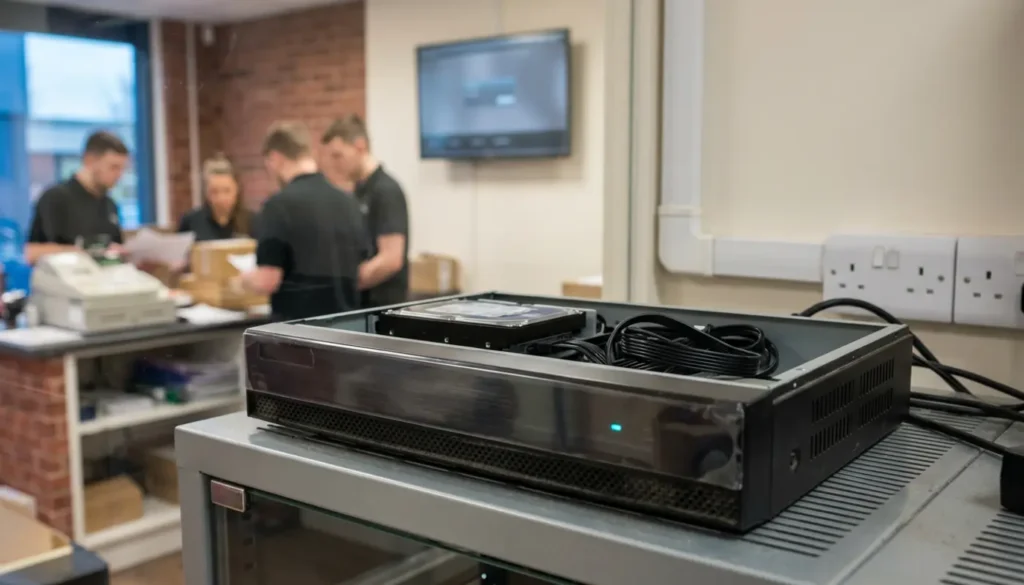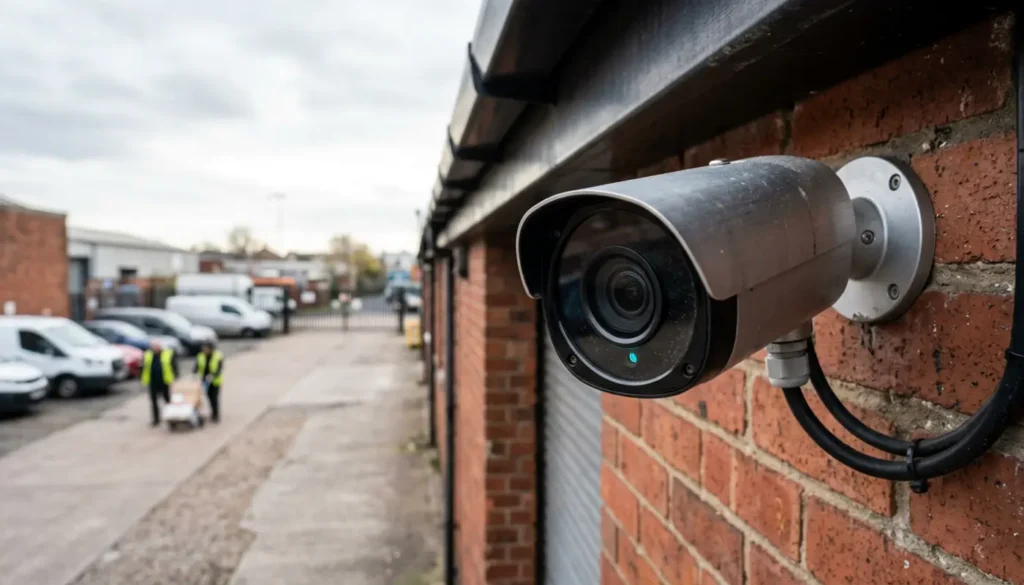
Cctv for Off Licences in Manchester: a Complete Guide
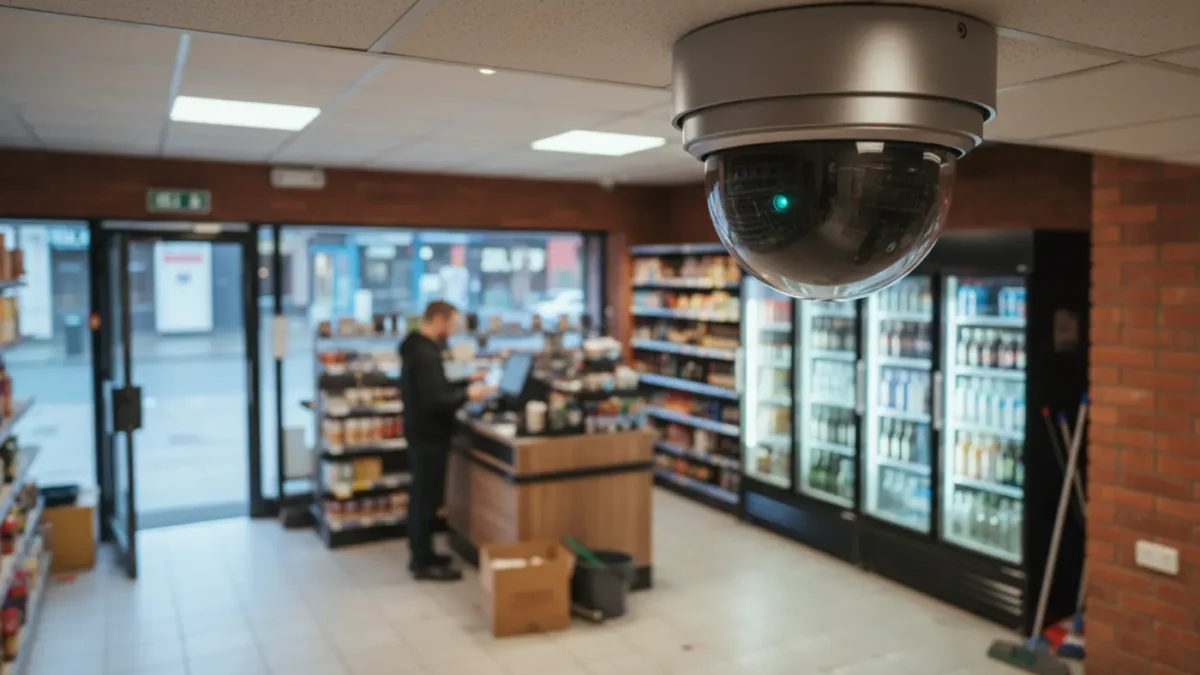
CCTV For Off Licences In Manchester
CCTV for off licences in Manchester helps protect staff, reduce stock loss, support Challenge 25 checks and meet local licensing expectations in 2026. A strong system should record clear facial images, cover entrances, exits, till points, aisles and outside risk areas, and store footage securely for the period required by your premises licence.
Why Off Licence CCTV Matters
For off licence owners, CCTV is not just a box on the wall to keep insurers happy. It can form part of your premises licence duties, your data protection responsibilities and your day to day defence against shoplifting, till disputes and late night incidents. iSecurity Solutions is a trusted UK provider of commercial and domestic security systems, helping homes and businesses stay protected around the clock with reliable CCTV, intruder alarms, fire safety, access control and construction site monitoring. From compliance checks to remote viewing and linked alarms, iSecurity Solutions supports Manchester retailers with practical protection that is planned around real shop layouts.
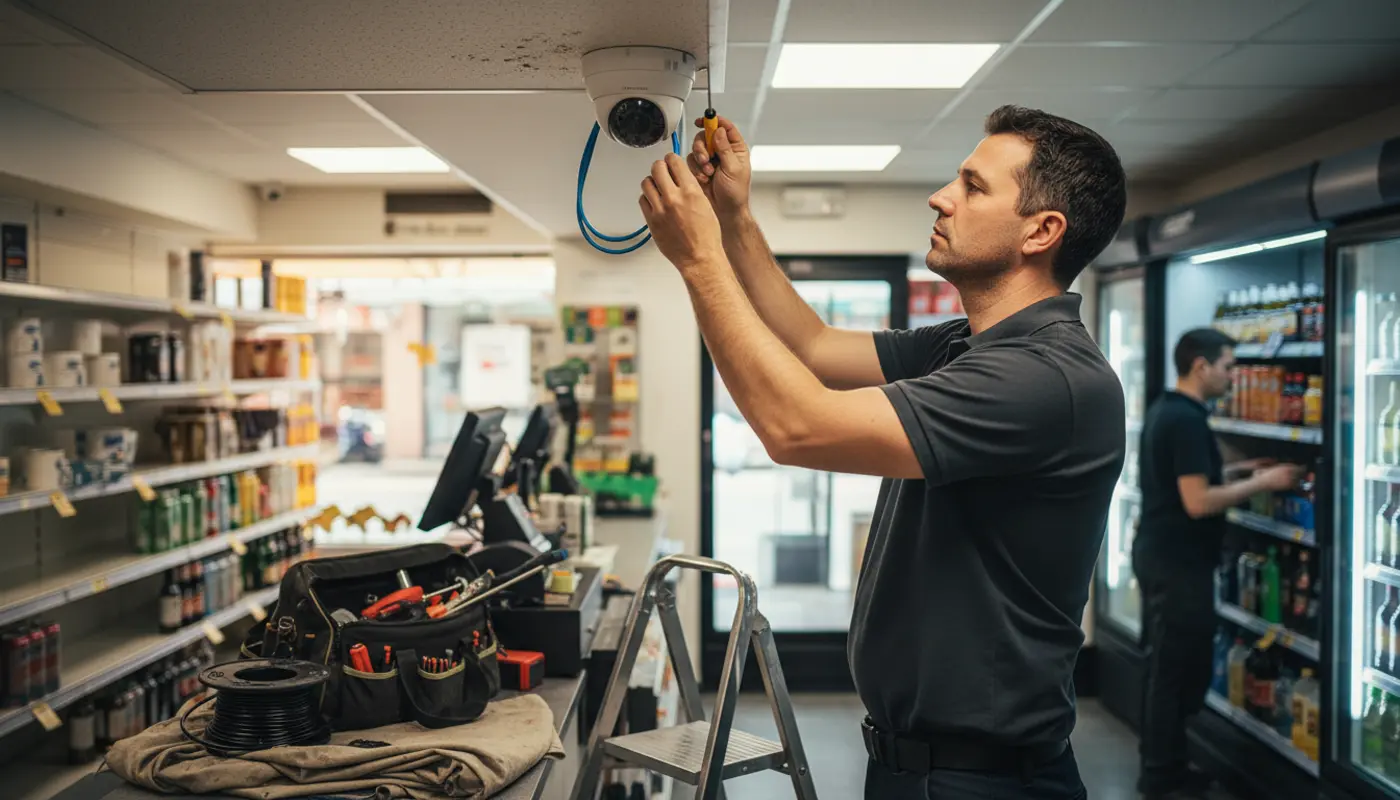
CCTV For Off Licences And UK Law
CCTV used in an off licence must follow UK data protection law when it records customers, staff or passers by who can be identified. That footage is personal data, so your shop must follow the UK GDPR and the Data Protection Act 2018, even if you only have a small system with a few cameras above the counter.
In simple terms, you need a clear reason for using CCTV, such as preventing crime, protecting staff, investigating incidents and meeting licence conditions. You should write this reason down, limit who can view footage, protect recordings with strong passwords and delete footage when it is no longer needed.
Most off licences using CCTV for business purposes also need to register with the Information Commissioner's Office and pay the data protection fee. The ICO explains CCTV responsibilities, signage and retention in its video surveillance guidance, which is a useful place to check before you review or upgrade your current system.
ICO Registration And CCTV Records
ICO registration is the formal record that shows your business understands it is handling personal data through CCTV. It can matter if a customer, employee, licensing officer or police officer asks how your camera footage is managed, stored and shared.
You should also keep a simple CCTV policy for your off licence. It does not need to sound like a legal textbook, but it should explain why cameras are used, where they are placed, how long footage is kept, who can access it and how people can ask for a copy of their own personal data.
Manchester Licensing Conditions For Off Licence CCTV
Manchester licensing conditions often expect off licences to use CCTV to help prevent crime and disorder. In practice, this usually means cameras should cover public areas, entrances, exits and other key places where theft, disorder, underage sales concerns or staff safety issues could happen.
Greater Manchester Police expectations may also appear in your premises licence conditions, especially around image quality, retention, staff access and exporting evidence. The safest source is always your own licence schedule, because CCTV conditions can differ from one shop to another.
Your system should normally record whenever licensable activities are taking place, which means during trading hours when alcohol is being sold. Footage must be clear enough to identify people and should include accurate time and date stamps, because a blurry clip of someone in a dark coat will not help much when GMP need evidence.
Manchester conditions often mention keeping footage for at least 28 days, while some premises must keep it for 31 days. If you are unsure whether your recorder stores footage for long enough, check your own premises licence wording and set your system so it meets or exceeds that condition while still following data protection rules.
If you are planning a new system or replacing an old recorder, a professional CCTV installation survey can help confirm camera positions, image quality, retention settings and export features before a licensing issue appears at renewal time.
Footage Access For Police And Licensing Officers
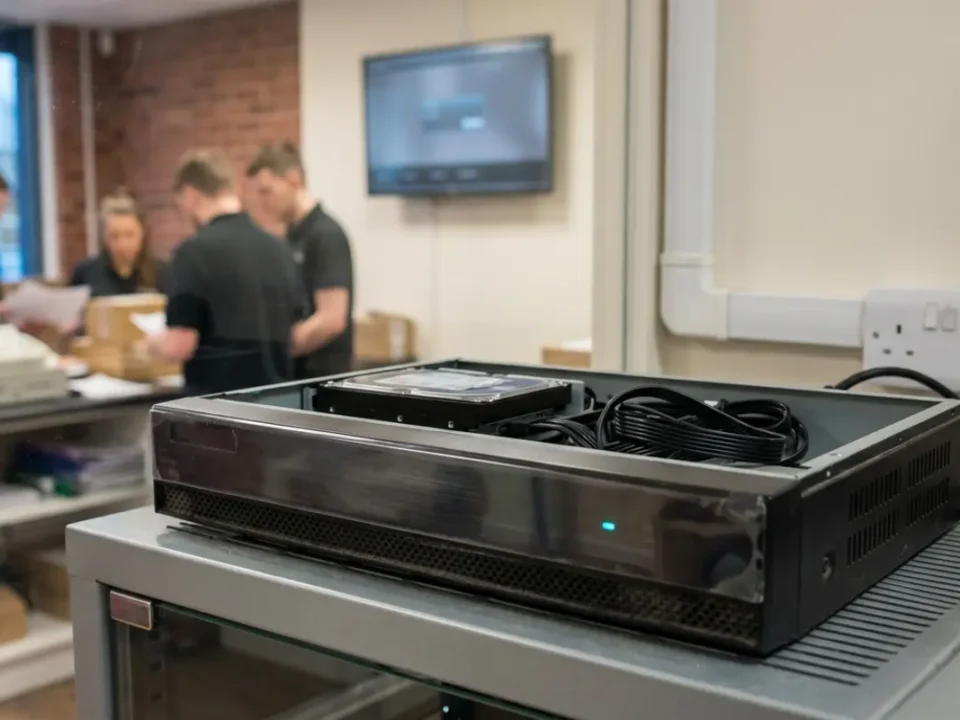
Staff access is a common weak point in small retail CCTV systems. If Greater Manchester Police or an authorised licensing officer visits and asks for footage, someone on duty should be able to find, review and export the clip in a usable format without waiting for the only person who knows the password.
That does not mean every staff member should have full access to your CCTV system. It means named and trained people should know how to retrieve footage lawfully, keep a clear note of what was shared and protect recordings from being edited, lost or casually passed around.
Image Quality And Retention For Evidence
CCTV evidence is only useful when the image shows faces, actions and context clearly. Cameras need the right angle, enough lighting, suitable resolution and sensible recording settings so movement looks smooth enough to review after an incident.
BS EN 62676 is the main British and European standard series for CCTV video surveillance systems. It helps installers and businesses think properly about design, image quality, recording, export and performance, which matters when footage may be used by police, insurers or licensing teams.
Manchester model conditions often refer to clear images, accurate time and date stamps, secure retention and, in many cases, a recording rate of around 24 frames per second. Frames per second means how many images the camera records each second, and a higher rate usually makes movement easier to watch and understand.
Retention is about balance. Your licence may require 28 or 31 days, but if footage is needed for theft, assault, an underage sale allegation or an insurance claim, you should export and preserve the relevant clip before the recorder automatically overwrites it.
Best Camera Positions For An Off Licence Layout
Off licences need careful camera placement because high value products are often small, easy to hide and close to exits. Alcohol, tobacco, vapes, lottery areas and till points all need proper coverage, while shelving, fridge doors and display stands should not create blind spots.
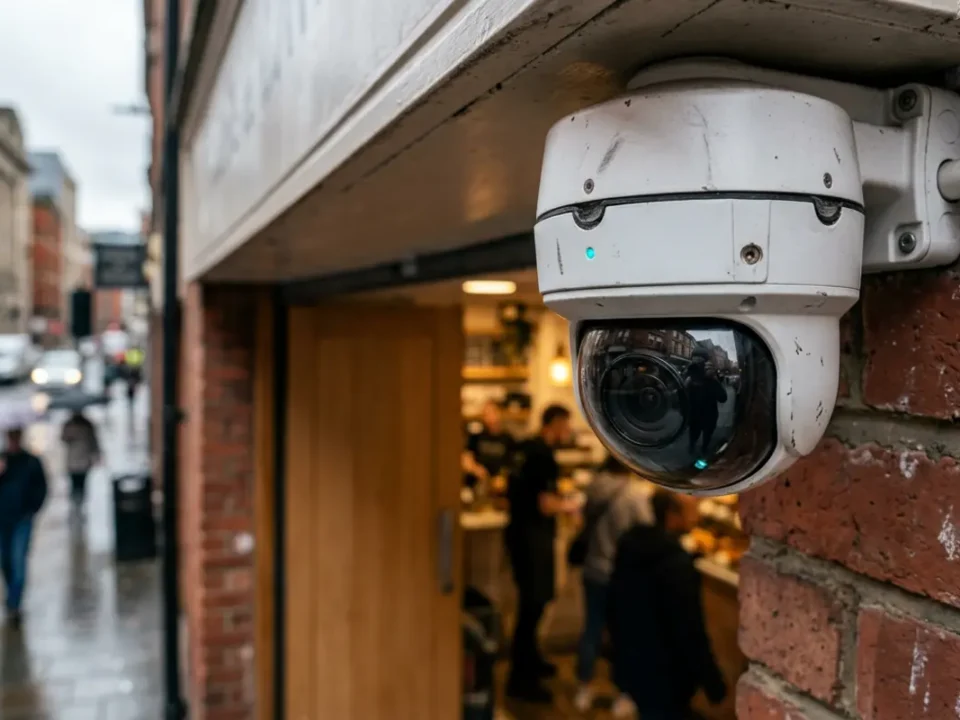
The entrance is one of the most important positions. A camera here should capture faces as customers enter, not just the tops of heads, and it should cope with bright light from glass doors. If your shopfront faces a busy Manchester road, outside lighting and the camera angle become even more important.
The till point needs a dedicated camera that covers transactions, cash handling, staff interaction and the customer side of the counter. This helps with robbery evidence, refund disputes, alleged short change incidents and Challenge 25 conversations where staff may need to show they acted correctly.
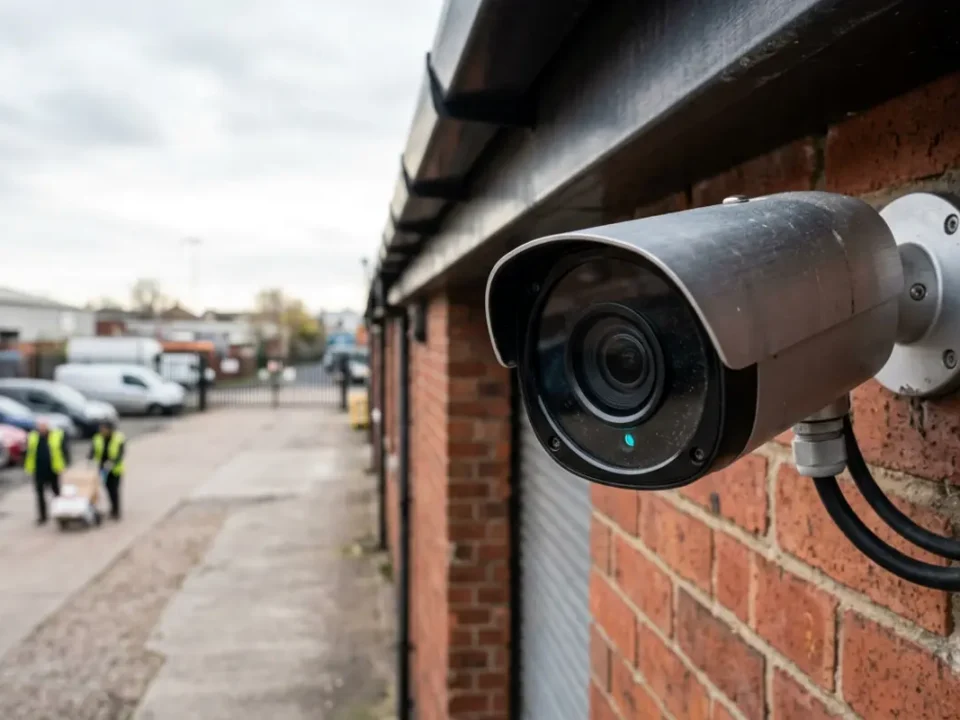
Aisle cameras should cover high risk shelves and the main movement routes through the shop. Stockrooms, rear doors and delivery points also need attention, especially where staff receive alcohol deliveries, store tobacco or move stock through shared yards.
Visible Cameras And Deterrence
Visible cameras can help discourage opportunistic theft, especially when they are supported by clear signs and good lighting. Discreet cameras can help investigate repeated losses, but off licences should avoid monitoring that feels secretive or excessive because openness is an important part of UK GDPR compliance.
For wider shop camera planning, you can compare useful layouts and equipment choices in retail CCTV in Manchester, which covers practical retail security points that also apply well to off licences.
CCTV Signage And Customer Notification
CCTV signs should be clear, easy to see and placed before people enter monitored areas where possible. A good sign should say that CCTV is in operation, explain the reason, such as crime prevention and staff safety, and provide contact details for the business responsible for the system.
Staff should also understand how CCTV affects them. If cameras monitor areas where employees work, your team should know why cameras are there, how footage is used, who can view it and how long it is kept. Hidden monitoring should only be used in very limited situations and only after proper advice.
Audio recording needs extra care because recording sound is more intrusive than recording images. Routine audio recording in a shop is rarely suitable unless there is a strong written reason and clear notification for the people being recorded.
Using CCTV For Shoplifting And Stock Loss
CCTV works best when it is designed around real shop behaviour, not just a tidy drawing on a plan. Shoplifters may use blind corners, groups, bags, prams or distraction at the counter, so camera placement should help staff review the journey from entry to shelf to exit.
Till fraud can include false refunds, voided transactions, cash skimming or sweethearting, where someone gives unauthorised discounts or free items to people they know. A camera covering the till, combined with clear EPOS records, makes it easier to spot patterns without wrongly accusing someone. EPOS means electronic point of sale, which is the till system that records transactions.
Stock loss is not always a dramatic event. It can be a steady drip of missing bottles, misplaced cases, delivery disputes or gaps between EPOS stock and shelf stock. Proportionate footage review can help find weak points in procedures and improve staff training.
Challenge 25 And Age Verification Evidence
Challenge 25 evidence helps show that staff asked for identification when a customer appeared under 25. CCTV can support this by showing the counter interaction, especially when there is a complaint, a failed test purchase or a dispute about whether ID was requested.
CCTV should not replace refusal logs, staff training or till prompts. It should sit alongside them so you have a clearer record of what happened, when it happened and how your staff followed your shop policy.
If an incident could affect your premises licence, save the footage quickly and keep related records together. This may include refusal logs, staff statements, EPOS transaction details and the CCTV clip, all stored securely and shared only with authorised people.
Remote Monitoring And Multi Site Control
Many Manchester off licence owners are not always on site, especially when they run several shops across areas such as Cheetham Hill, Longsight, Levenshulme, Moston or the Salford borders. Remote viewing through a mobile app can be useful when it is set up securely and used for business reasons rather than casual checking.
Secure remote access should use strong passwords, individual user accounts, two factor authentication where available and permissions that match each person's role. Your system should also keep logs of who accessed footage and when, because that helps show responsible management if questions are raised.
Remote monitoring can support lone worker safety, out of hours alerts and quick checks after alarm activations. For monitored CCTV, BS 8418 may be relevant because it covers detector activated CCTV systems that are monitored remotely. For higher risk premises, CCTV can be linked with an intruder alarm designed to EN 50131 Grade 2 or Grade 3, and an SSAIB certified and Insurance Approved installation is normally needed before a Police Response URN can be issued. A Police Response URN is the unique reference number that allows an approved alarm system to be recognised for police response.
Integrating CCTV With Alarms, ANPR And EPOS
A joined up security system gives you better information during an incident. If your alarm activates after closing, linked CCTV can help confirm whether it is a real break in, staff error or something harmless such as a loose poster moving in front of a sensor.
For businesses reviewing protection beyond cameras, intruder alarm systems can be designed to work alongside CCTV, remote alerts and police response requirements where the risk level justifies it.
ANPR means automatic number plate recognition, and it can be useful where an off licence has a car park, delivery yard or repeated vehicle related incidents. EPOS integration is also valuable because it helps match video to specific transactions, voids, refunds or age restricted sales without scrolling through hours of footage.
Costs And Insurance Considerations In 2026
The cost of off licence CCTV in Manchester depends on the number of cameras, image quality, recorder storage, remote access, cabling, monitoring needs and whether any existing equipment can be reused. A small compliant system may start from a few thousand pounds, while larger systems with analytics, monitoring and integrations will cost more.
Cheaper systems can look tempting, but poor night images, weak storage and unreliable export features often become expensive when footage is needed for a police request, insurance claim or licensing review. A professional installer should check lighting, lens angles, retention needs, network security and export procedures before quoting.
Insurers often look more favourably on robust CCTV, especially when it works with an SSAIB certified and Insurance Approved security setup and is maintained properly. Discounts are never guaranteed, but a documented and well maintained system can reduce risk and support claims with stronger evidence.
Finance, Maintenance And Local Installer Support
Finance and maintenance options can make CCTV upgrades easier to manage for small retailers. Some off licences spread the cost through staged upgrades, finance plans or planned maintenance agreements, especially when older recorders, poor storage or weak image quality need to be fixed before a licence review.
It is also worth checking whether local business support routes in Manchester are available for security improvements, town centre schemes or crime reduction projects. Tax treatment can vary, so speak with your accountant about capital allowances or other business tax points before making a final decision.
When choosing a local installer, look for a team that understands off licence layouts, Manchester licensing expectations, GDPR duties, evidence export, lighting and aftercare. A good installer will not just fit cameras and disappear. They will help keep the system working, update settings when your shop layout changes and make sure staff know how to use the recorder when it matters.
Compliance Checklist For Manchester Off Licences
A clear checklist helps off licence owners keep CCTV practical, lawful and ready for inspections. Use the points below to review your current system and spot gaps before they become a problem.
- Check your premises licence for specific CCTV conditions, including coverage, retention and staff access requirements.
- Register with the ICO if required and pay the data protection fee for business CCTV use.
- Write a simple CCTV policy covering purpose, access, retention, exports and deletion.
- Place clear signage at entrances and other monitored areas so customers and staff know CCTV is operating.
- Cover entrances, exits, tills, aisles, high value stock, stockrooms and outside risk areas.
- Set recording quality, time stamps and retention to meet Manchester licensing expectations.
- Train named staff to retrieve footage lawfully and provide it to police or authorised officers when needed.
- Review camera views regularly, especially after layout changes, new displays or seasonal stock moves.
Choosing The Right CCTV Partner
Off licence CCTV in Manchester needs to do three jobs well. It should meet legal and licensing duties, produce usable evidence and make daily retail life safer and easier for staff and owners.
The best systems are planned around your shop, your licence, your stock risks and the way your team actually works. When CCTV is clear, secure, compliant and easy to use, it becomes more than a few cameras on the ceiling because it helps protect your livelihood every trading day.
If you are unsure whether your current CCTV still meets your licence conditions, start by checking your licence wording, reviewing your retention settings and arranging a proper survey if anything looks unclear.
Frequently Asked Questions
Do Manchester Off Licences Legally Need CCTV?
CCTV may be required as a condition of your premises licence, especially where Manchester City Council or Greater Manchester Police expect it to support the prevention of crime and disorder. Even where it is not specifically required, it is strongly recommended for stock protection, staff safety and evidence.
How Long Should Off Licence CCTV Footage Be Kept?
Many Manchester licensing conditions refer to at least 28 days, while some premises may need 31 days, so always check your own licence wording. Footage needed for an investigation should be exported and stored securely before automatic deletion.
Do I Need To Register My Shop CCTV With The ICO?
Most off licences using CCTV for crime prevention, staff safety or business protection need to register with the ICO and pay the data protection fee. You should also display clear signage and keep a simple policy explaining how footage is handled.
Can CCTV Help With Challenge 25 Disputes?
Yes, CCTV can show whether staff asked for ID and how the counter interaction took place, which can support refusal logs and staff statements. It should be used as part of a wider Challenge 25 policy, not as a replacement for proper training.
Should Off Licence CCTV Be SSAIB Certified?
An SSAIB certified and Insurance Approved installation gives insurers, licensing officers and police greater confidence that the system has been installed professionally. If CCTV is linked with an alarm requiring police response, that level of certification is usually needed before a Police Response URN can be issued.