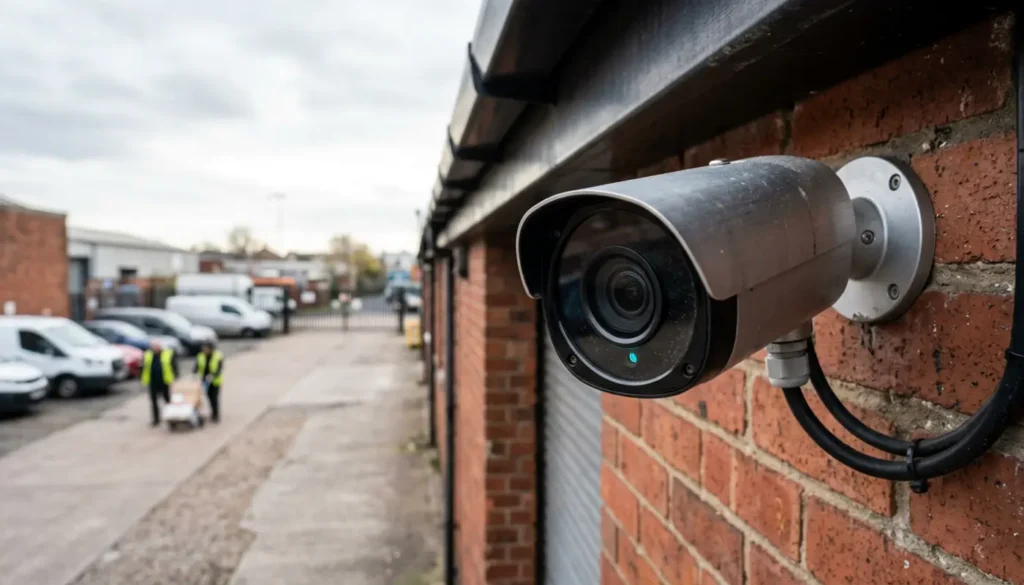
CCTV for HMOs in Manchester: Installation Costs
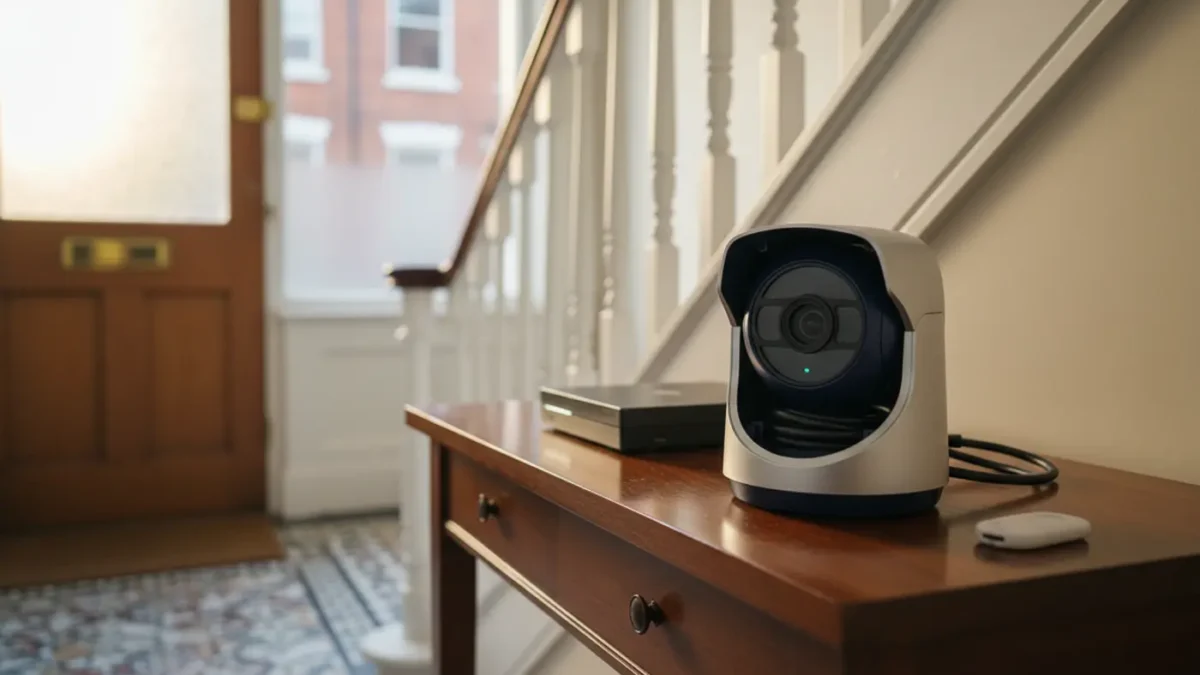
CCTV For HMOs In Manchester
CCTV for HMOs in Manchester usually costs between £700 and £2,500 in 2026, depending on the number of cameras, cabling, storage, remote viewing and how carefully the system is planned around tenant privacy. A safe setup should protect entrances, hallways and shared spaces without recording private rooms or making tenants feel uncomfortable. For landlords who want a reliable and tidy installation, iSecurity Solutions helps design CCTV around real HMO layouts, clear privacy rules and day to day property risks.
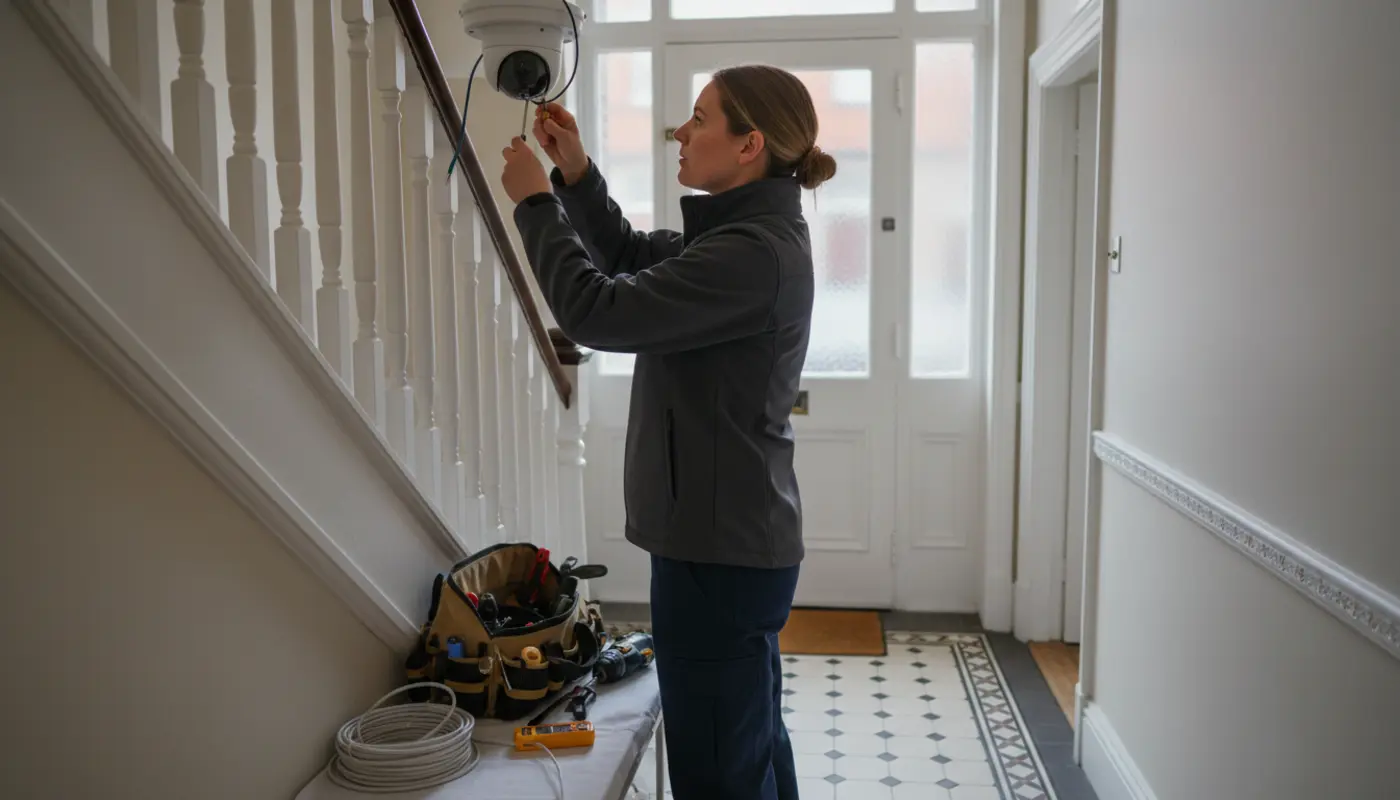
Most Manchester HMO landlords don't fit CCTV because they want to watch tenants, and they should never use it for that purpose. They fit it because shared housing can bring practical problems, including missing parcels, nuisance visitors, break ins during void periods, damage in communal areas and insurance claims that need clear evidence.
iSecurity Solutions is a trusted UK provider of commercial and domestic security systems, helping homes and businesses stay protected around the clock. From CCTV and intruder alarms to fire safety, access control and construction site monitoring, the team designs tailored systems backed by responsive service and modern remote monitoring where needed.
Why Manchester HMO Landlords Install CCTV
Landlords in areas such as Fallowfield, Rusholme, Longsight, Withington and Ardwick often manage busy shared houses with regular visitors, delivery drivers, contractors and changing tenant groups. A well planned CCTV installation can help record who entered a communal area, when a parcel went missing, or whether damage happened during a party or while the property was empty.
If you are dealing with repeated missing parcels, nuisance visitors or tenant disputes where everyone remembers the story differently, CCTV can bring calm evidence into the room. That is usually far better than relying on group chat detective work.
CCTV also helps with insurance claims because footage can support burglary reports, vandalism evidence and liability questions after an incident. It can reduce arguments between tenants too, as people often behave more responsibly when they know communal areas are covered fairly and openly.
For student and professional HMOs, CCTV can also make the property feel better managed. Prospective tenants and parents often ask about security, especially around rear alleys, bike stores and main entrances, so a visible and well explained system can help your property stand out for the right reasons.
HMO CCTV Manchester GDPR Basics
HMO CCTV in Manchester must be handled carefully because footage of tenants, visitors and neighbours is personal data under UK GDPR. Landlords need a lawful reason for recording, clear signs, controlled access to footage and a sensible retention policy. The ICO guidance on CCTV is a useful place to understand the privacy basics.
In most HMOs, landlords rely on legitimate interests for CCTV in communal areas. In plain English, legitimate interests means you have a fair and reasonable security reason for recording, such as crime prevention, tenant safety or property protection. Consent is not usually the right basis for shared entrance halls because tenants may feel they have no real choice. Explicit consent would be needed for any private area, which is rarely suitable and is usually best avoided.
Audio recording is a common mistake, and it is normally far more intrusive than video. Unless there is a very strong and documented reason, sound should be turned off because recording private conversations in shared housing can quickly upset tenants and lead to complaints.
- Tell tenants before CCTV is installed.
- Use clear CCTV signs near monitored areas.
- Record only shared and external spaces.
- Turn off audio unless there is a strong lawful reason.
- Limit who can access footage.
- Keep footage only for as long as needed.
Manchester HMO Licensing And CCTV
National HMO rules do not normally say every HMO must have CCTV, but local licence conditions can expect landlords to show proper management and control of the property. In Manchester, selective and additional licensing areas can change over time, so landlords should check Manchester City Council's current licensing map and licence conditions for the exact street or ward before fitting cameras.
CCTV can support licence compliance by showing that entrances, bin areas, bike stores and communal spaces are being managed responsibly. It is not a magic shield against every council issue, but it can help show that you take safety, nuisance prevention and property management seriously.
If you are reviewing wider HMO safety duties, it is worth reading fire alarms for HMOs in Manchester, as CCTV should sit alongside fire detection, emergency lighting and access control rather than being treated as a separate system with no connection to the rest of the property.
Where Cameras Can And Cannot Go In An HMO
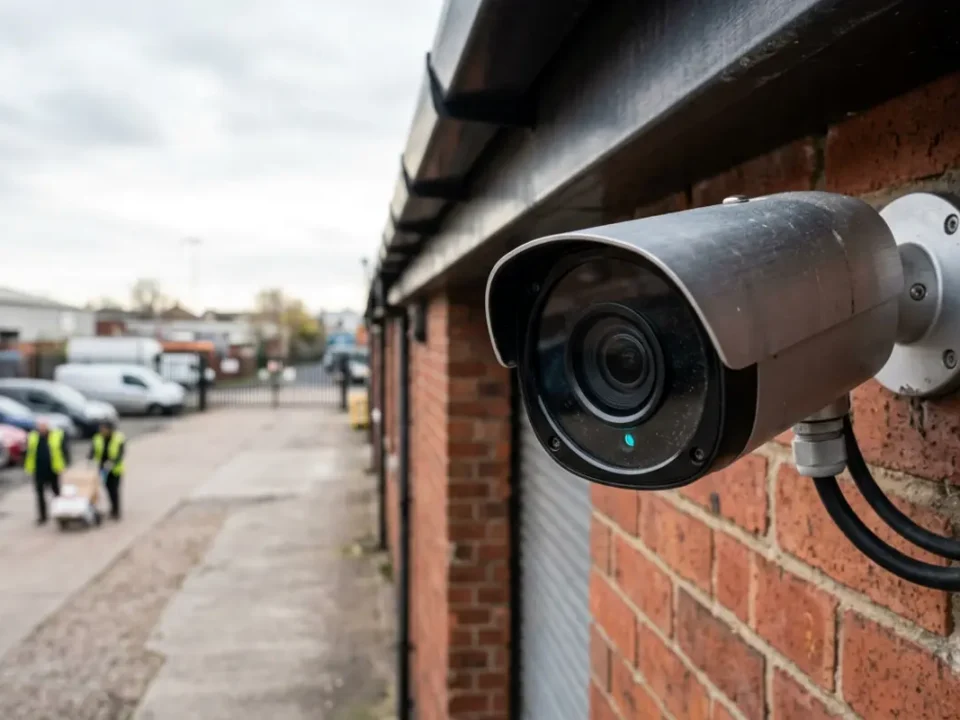
Good HMO CCTV covers shared and external spaces only. Sensible camera locations include the front entrance, rear door, communal hallway, stairwell, shared kitchen entrance, bike store, bin area, driveway and external gates, as long as cameras are angled carefully.
Cameras must not be placed in bedrooms, bathrooms, toilets or any private living space. They also should not point directly into bedroom windows, neighbouring homes or areas where people would reasonably expect privacy, because that is where a useful security measure can become a legal problem.
Privacy masking can help block out areas that should not be captured while still monitoring the entrance or path that matters. For a deeper look at safe camera angles, see this guide to safe CCTV camera angles.
Informing Tenants Properly
Tenants should be told about CCTV before they move in, not after they spot a camera above the front door and start a WhatsApp group panic. Your tenancy pack should explain why CCTV is used, which areas are covered, how long footage is kept, who can view it and how tenants can request footage that includes them.
Clear signs should be placed near monitored areas, especially entrances. A good sign states that CCTV is in operation, explains the purpose, names the data controller and gives contact details for privacy questions.
A simple tenancy clause can say that CCTV is used in communal and external areas for security, crime prevention and property management, with footage stored securely for a limited period. Keep it plain, because nobody enjoys legal wording that sounds like it was written during a thunderstorm.
Data Storage, Retention And Police Requests
For HMOs, a rolling retention period of around 30 days is usually sensible unless there is a specific incident that justifies keeping footage longer. If footage is saved for a burglary, assault, insurance claim or formal complaint, record why it was kept, who accessed it and when it can be deleted.
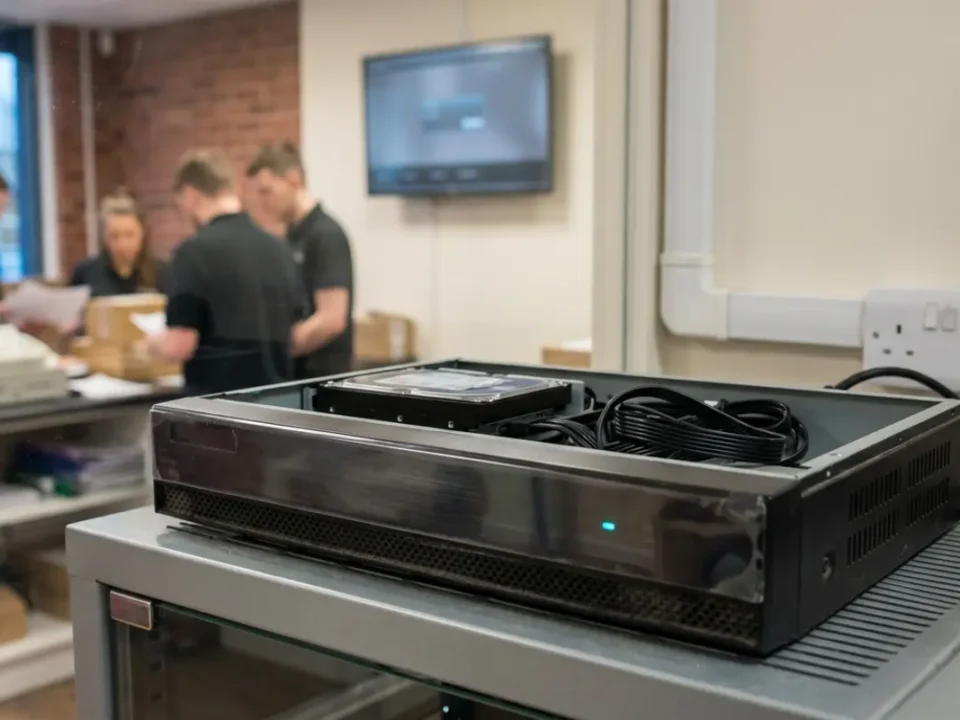
Footage should be stored securely on an NVR, cloud platform or protected recorder with restricted user access. NVR means network video recorder. It is the box or system that receives footage from IP cameras, stores it and lets authorised users review recordings when needed.
Landlords should avoid sharing clips casually, especially in tenant groups or on social media. Even if the original recording was lawful, careless sharing can create a GDPR problem.
Tenants can make a subject access request if they are identifiable in footage. A subject access request is a formal request from someone who wants to see personal data you hold about them. You may need to blur other people or refuse parts of a request if releasing it would unfairly affect someone else, so it helps to have a proper process rather than dealing with it at 10 pm from your phone.
If police request footage after an incident, preserve the relevant clip quickly and avoid overwriting it. For landlords who want to understand viewing and export options, this guide to watching CCTV footage explains the practical side of accessing recordings.
Best Camera Types For Shared Housing
Most HMOs suit a wired IP CCTV system because it is more stable than relying on wireless cameras in a busy shared house full of phones, laptops, gaming consoles and the occasional router hidden behind a sofa. IP cameras connect to a network recorder and can offer sharp images, remote viewing and good storage control.
Useful camera types include vandal resistant dome cameras for hallways, turret cameras for external walls, low light cameras for rear yards and door cameras for entrances. For landlords comparing technologies, this simple guide to IP cameras and CCTV systems explains the difference in simple terms.
For CCTV system design, BS EN 62676 is the British and European standard often used for video surveillance systems. It helps guide image quality, camera coverage and how suitable the system is for the job. If CCTV is linked with monitored alarm detection, BS EN 50131 may also apply. EN 50131 is the alarm system standard used to grade intruder alarm risk, while BS 8418 is relevant for detector activated CCTV and monitored systems.
Grade 2 usually means a lower risk domestic style property, while Grade 3 is used where the risk is higher and the system needs stronger protection. If police response is required through a monitored alarm pathway, a Police Response URN may be needed. URN means unique reference number, and it is the police reference linked to a compliant monitored system. SSAIB registered and Insurance Approved installation is normally the prerequisite before a Police Response URN can be issued.
Fire Safety And Wider HMO Compliance
CCTV should not replace fire safety, emergency lighting or safe escape planning in an HMO. It works best as part of a wider safety setup that includes correct alarms, clear exits, good lighting and regular checks, especially in larger shared houses with several tenants and visitors.
Where life safety systems are involved, fire alarm work should follow BS 5839, emergency lighting should follow BS 5266, and fire extinguisher provision and maintenance should follow BS 5306 where suitable. Fire risk assessments should follow PAS 79, and extinguisher maintenance may need a competent provider working to BAFE SP101 where applicable.
For network based CCTV, good cabling also matters because poor connections can cause dropped footage, weak images and frustrating faults. Competent installers may use recognised data cabling practice, including BICSI knowledge and Fluke testing where relevant, to prove that cables are performing correctly.
Remote Monitoring For Portfolio Landlords
Remote viewing is especially useful if you manage several Manchester HMOs and cannot visit every time a tenant reports a suspicious visitor or a missing delivery. A secure app can let authorised users check live or recorded footage across multiple properties, provided access is logged and limited.
If you could check an entrance camera securely before sending a contractor across town, it could save time and reduce wasted visits. For portfolio landlords, that kind of visibility can help you respond faster when something genuinely needs attention.
Role based access matters because your maintenance contractor does not need the same permissions as the property owner. A managing agent may only need incident playback, while the landlord may need admin access to retention settings, user accounts and export functions.
Ongoing support is also important because camera systems need updates, cleaning, testing and occasional adjustments as tenancy patterns change. A planned security maintenance contract helps keep recordings usable when you actually need them.
Integrating CCTV With Door Entry And Access Control
CCTV works even better when it is paired with door entry or access control. Fobs, keypads and video intercoms can reduce lost key problems, control contractor access and create a record of entry events for common doors.
This is particularly useful in student HMOs, where keys have a mysterious habit of travelling to festivals, night buses and laundry baskets. With access control for shared properties, landlords can remove a lost fob from the system without changing the whole lock.
The best setup uses CCTV to cover the entrance and access control to manage who can enter. Together, they provide a clearer audit trail if there is a complaint about nuisance visitors, stolen bikes or unauthorised access to communal areas.
Typical CCTV Installation Costs In Manchester
In 2026, a small four camera HMO CCTV system in Manchester may cost around £700 to £1,200, including cameras, recorder, basic cabling, setup and remote viewing. This might suit a four or five bedroom house with a front door, rear door, hallway and external yard camera.
A mid sized six camera system commonly sits around £1,200 to £1,800. This may include better night vision, more careful cabling, a larger recorder, privacy masking and coverage for bike storage, bin areas or a side alley.
Larger seven or eight camera systems can reach £1,800 to £2,500 or more, especially where the property has several floors, difficult cable routes, outbuildings or multiple entrances. Costs can also rise if landlords want monitored CCTV, longer storage, higher resolution cameras or integration with access control.
- Small HMO: Four cameras, usually £700 to £1,200.
- Medium HMO: Six cameras, usually £1,200 to £1,800.
- Larger HMO: Eight cameras, usually £1,800 to £2,500 plus.
- Extras: Signage, privacy notices, cloud storage, maintenance and access control integration.
Landlords should also budget for the ICO data protection fee where required, clear signage and occasional maintenance. If you are looking at broader compliance costs, fire risk assessment for HMOs is another useful planning point for Manchester landlords.
Choosing The Right Installer
A good installer should understand HMO layouts, Manchester rental patterns and the privacy risks that come with communal living. They should not simply fit cameras wherever there is a convenient wall, because convenient is not the same as compliant.
Ask whether the installer can help with camera placement, signage advice, retention settings, secure access, police evidence export and future maintenance. It is also sensible to ask whether they can support integration with alarms, door entry and access control if your portfolio grows.
For commercial landlords and managing agents, business security systems can bring CCTV, alarms and access control together in a more joined up way. That is often easier than running separate systems that do not talk to each other.
Final Thoughts
CCTV for HMOs in Manchester is worth considering if you manage shared housing, deal with tenant disputes or want clearer evidence after incidents. The key is to keep cameras in communal and external areas, explain everything properly to tenants and store footage securely.
Costs vary, but most landlords can budget between £700 and £2,500 for a professional HMO CCTV system in 2026. With the right design, CCTV can protect tenants, support licence management and make your property easier to run without crossing privacy lines.
Frequently Asked Questions
Do Manchester HMO Landlords Need CCTV By Law?
CCTV is not usually a national legal requirement for HMOs, but local licence conditions and council expectations can make good security management important. It can support compliance, evidence handling and tenant safety when used correctly.
Can CCTV Be Installed In HMO Communal Areas?
Yes, cameras can usually cover communal and external areas such as entrances, hallways, stairwells, bike stores and shared yards. They must not record bedrooms, bathrooms, toilets or other private spaces.
How Long Should HMO CCTV Footage Be Kept?
Around 30 days is a sensible rolling retention period for most HMO CCTV systems. Footage can be kept longer if there is a clear reason, such as a police matter, insurance claim or formal tenant complaint.
Does HMO CCTV Need To Be SSAIB Approved?
For standard recording CCTV, SSAIB registered and Insurance Approved installation is not always mandatory, but it is a strong quality signal for insurers and professional landlords. If monitored CCTV is linked to police response, SSAIB registered and Insurance Approved status is normally needed before a Police Response URN can be issued.
What Is The Typical CCTV Cost For A Manchester HMO?
A typical Manchester HMO CCTV installation costs around £700 to £2,500 in 2026, depending on camera count, cabling, recorder size and remote access. Larger properties or monitored systems can cost more.