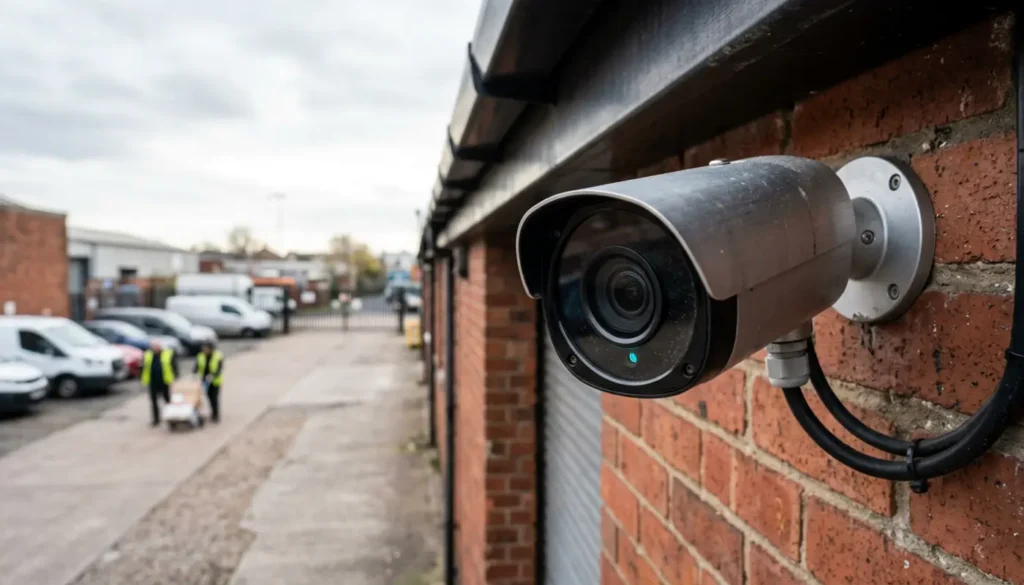
CCTV for Mosques in Manchester: Community Safety
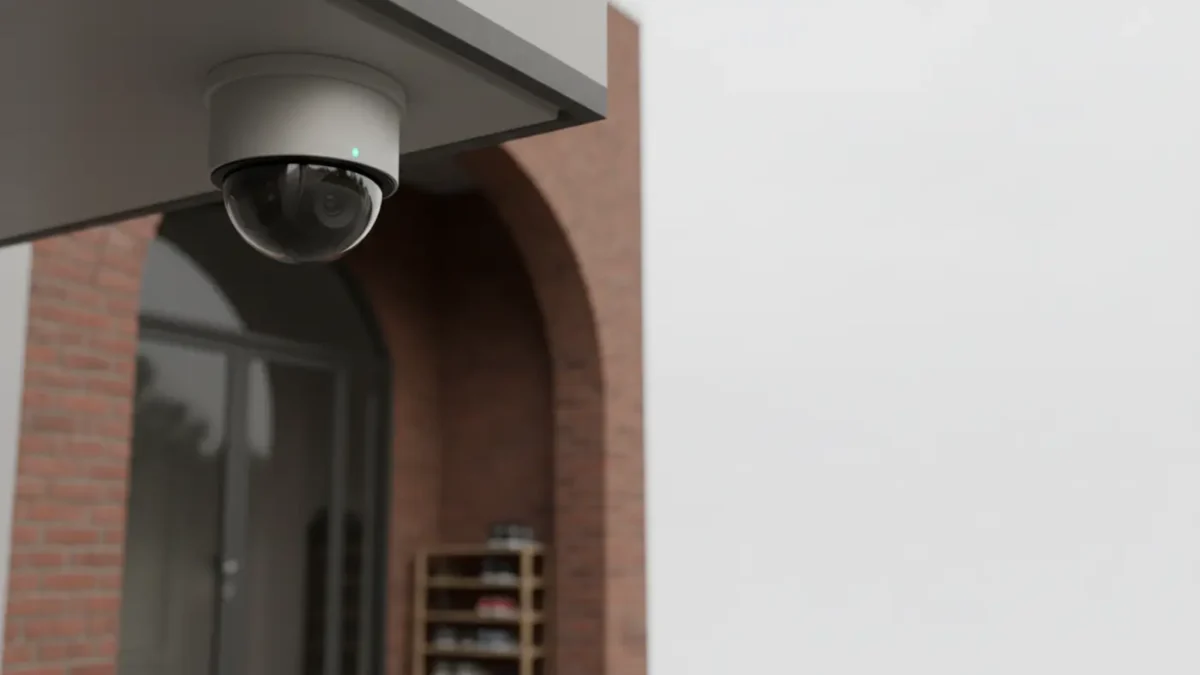
CCTV for mosques in Manchester has become an important part of community safety because many mosque committees want stronger protection against vandalism, trespass, vehicle damage, and religiously motivated hate incidents, while still keeping the mosque welcoming and respectful for worshippers. A well planned system helps deter problems, records clear evidence, supports police investigations, and gives trustees a better view of what is happening across the site.
It is not just about adding cameras and hoping for the best. For mosques, the real task is protecting entrances, car parks, and perimeter areas without making prayer spaces feel uncomfortable. Many committees are trying to strike that balance. People should feel safe, but the mosque should still feel calm, open, and dignified.
iSecurity Solutions helps solve that problem with tailored CCTV installation for places of worship, combining practical site security with a thoughtful approach to privacy, compliance, and day to day mosque life.
CCTV For Mosques In Manchester
CCTV for mosques in Manchester is becoming more important because community safety concerns are now very real. Across the UK, places of worship are improving physical security with CCTV, access control, lighting, and alarms to reduce risk and give reassurance to worshippers attending prayers, classes, and community events.
In Manchester, that need can feel even more urgent. Many mosques are active throughout the week, not only on Fridays, and often host classes, family events, youth activities, and wider community use. That creates steady movement around entrances, side doors, and car parks, so security planning needs to be practical and respectful rather than heavy handed.
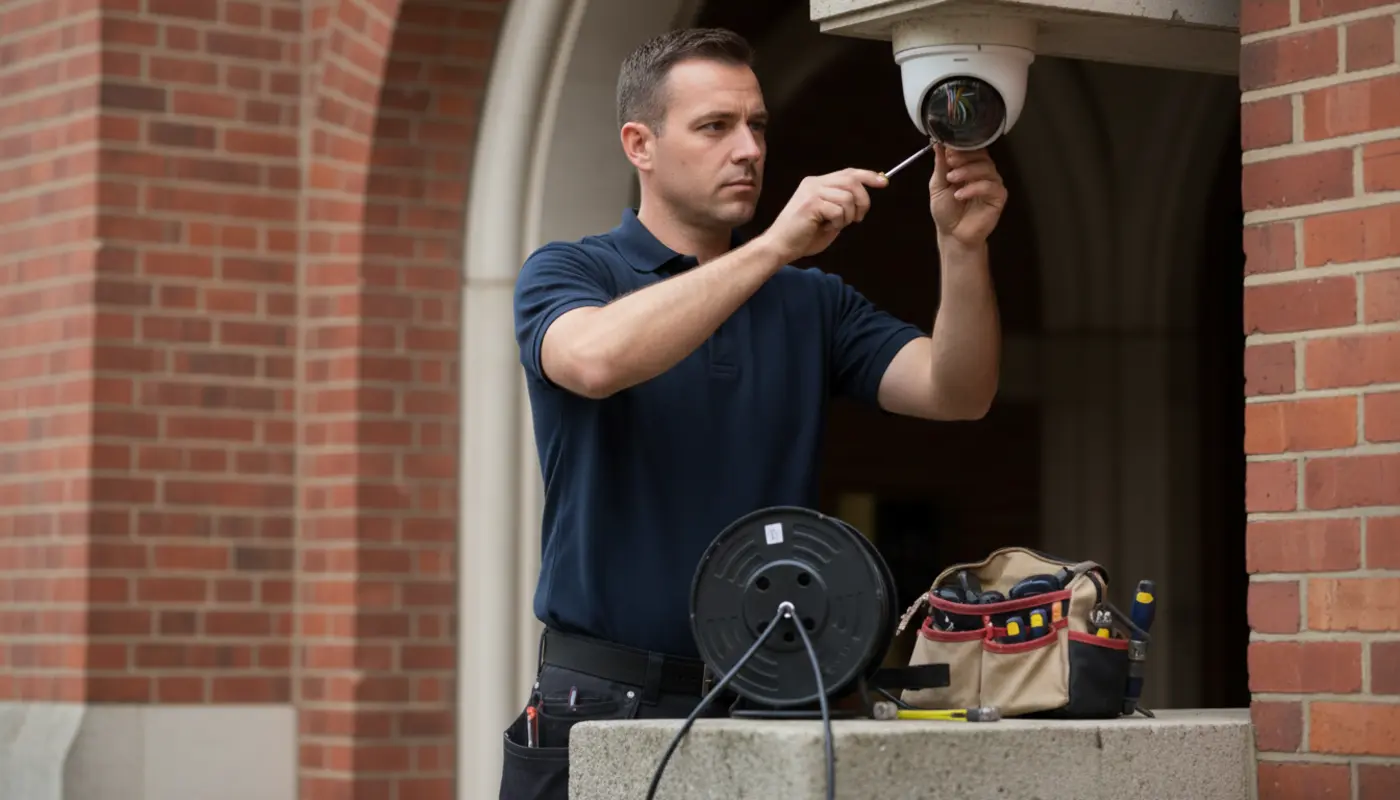
Choosing a specialist CCTV installation service matters because camera quality, layout, and recording settings all decide whether footage will actually be useful after an incident. If the system only records a blurry coat and a vague outline, it will not help much when answers are needed.
Why CCTV For Mosques In Manchester Matters
Mosques in Manchester often have several vulnerable areas at the same time, including main entrances, side access doors, car parks, bin stores, boundary lines, and quiet external corners that can attract antisocial behaviour. Good CCTV design helps trustees monitor these spaces in a calm and proportionate way instead of relying on guesswork after something has already happened.
For many committees, the biggest concerns are often the same. It usually comes down to blind spots, poor lighting, and areas where people can come and go without being seen clearly.
- Main entrance and exit points
- Side doors and less visible access routes
- Car parks and vehicle approach areas
- Perimeter edges and rear boundaries
- Delivery points and service areas
Many committees also want systems that can work alongside access control so entry points are better managed during quieter periods, evening classes, and out of hours use. In practice, cameras work far better when they form part of a wider security setup rather than being expected to do everything on their own.
Why Rising Hate Crime Has Changed Security Planning
For many trustees, the starting point is a difficult but important question. How do you protect the mosque properly without making the space feel less welcoming? That concern is completely reasonable, and it has led many committees to review security in a more careful and structured way.
National reporting and funding schemes reflect rising concern around religiously motivated hate crime. That has pushed more mosques to think seriously about how they protect worshippers, volunteers, and buildings without changing the open and supportive nature of the site.
The Home Office has recognised that need through funding support for protective measures including CCTV, alarms, gates, and lighting. The official Places of Worship Protective Security Scheme is worth reviewing if your committee is looking at both risk and possible funding routes.
CCTV also gives valuable support after Islamophobic incidents. Clear recordings with accurate time and date stamps can help identify suspects, confirm vehicle movements, show the sequence of events, and give Greater Manchester Police stronger evidence to work with.
Why SSAIB And Insurance Approved Installers Matter For Mosques
When a mosque invests in cameras, it makes sense to make sure the installation is carried out properly and recognised by insurers and police where relevant. That is why working with an SSAIB and Insurance Approved installer matters so much for places of worship.
SSAIB approval shows that the installer has been independently assessed against recognised standards and working practices. For CCTV and intruder alarm systems, compliance with EN 50131 is an important part of reliable system design. In simple terms, that standard helps show the system has been designed to the right level for the risks involved. Grade 2 and Grade 3 are risk levels, with higher grades usually used where the security risk is greater.
If a mosque wants monitored CCTV, perimeter detection, or an intruder alarm with a Police Response URN, which is the reference needed for formal police response to a monitored system, working with an SSAIB and Insurance Approved installer is essential. If your committee wants the option of formal police response later, it needs the right standards and the right installer from the very start.
Where Cameras Should Be Placed In A Mosque
The best CCTV layouts for mosques usually start with external risk points, especially when a site has several access areas and the budget needs to be used carefully. Focusing first on the places where incidents are most likely helps deliver stronger protection without unnecessary coverage.
- Main entrances and exits
- Side doors and gates
- Car park entry and exit routes
- Pedestrian approach paths
- Perimeter walls, fences, and rear access points
- Delivery areas and quieter service zones
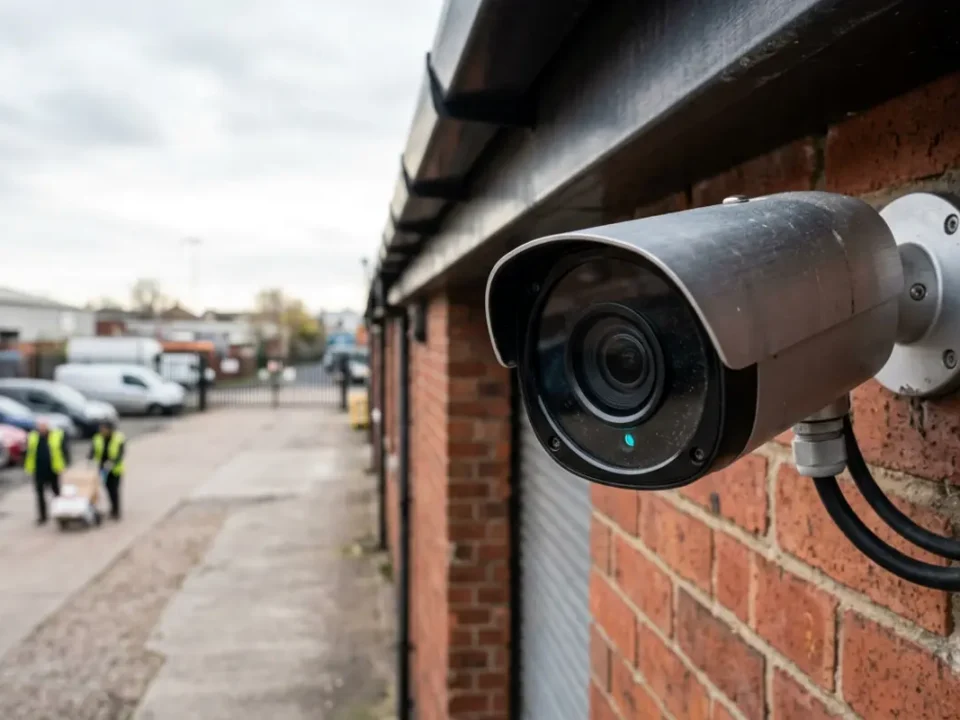
Car parks also need careful coverage. Cameras should record vehicle entry and exit routes, pedestrian approaches, and places where damage, loitering, or unauthorised parking might happen. In Manchester, where some mosque sites sit on busy roads or near residential streets, these views can be especially useful.
Internal coverage needs more sensitivity. Most mosques do not want cameras aimed directly into prayer lines or private washing areas, and that is entirely fair. A better approach is to secure lobbies, corridors, entrances, and public circulation points while respecting dignity inside worship spaces.
Questions about positioning often come up early, which is why camera placement advice is useful before any final design is agreed. It helps committees understand what is reasonable, proportionate, and privacy conscious.
Balancing Surveillance With Privacy And Dignity
One of the biggest concerns for mosque leaders is how to improve safety without making congregants feel monitored while they pray. That concern should shape the design from the start, not be treated as something to sort out later.
A respectful CCTV policy usually means keeping cameras focused on security risks rather than worship itself. The main priority areas are normally the places where people enter, leave, and move around the site.
- Entrances
- Foyers
- External paths
- Car parks
- Perimeter lines
Sensitive areas should either be excluded or covered only in a very limited and clearly justified way. If people feel watched in the wrong places, trust can disappear quickly, and that can create more problems than the system is trying to solve.
Clear signage, a written privacy policy, and open communication with the congregation all help build confidence. When people understand that the system is there for safeguarding, evidence, and deterrence rather than unnecessary observation, concerns are usually much easier to address.
CCTV Evidence After Islamophobic Incidents
After any hate related incident, footage quality matters just as much as camera numbers. A large system is no use if the images are too poor to identify a person, vehicle, or sequence of events properly.
Manchester guidance for CCTV on public facing premises highlights the value of clear images, secure storage, and sensible retention periods, with 28 days often treated as a practical minimum and longer storage considered where the risk justifies it.
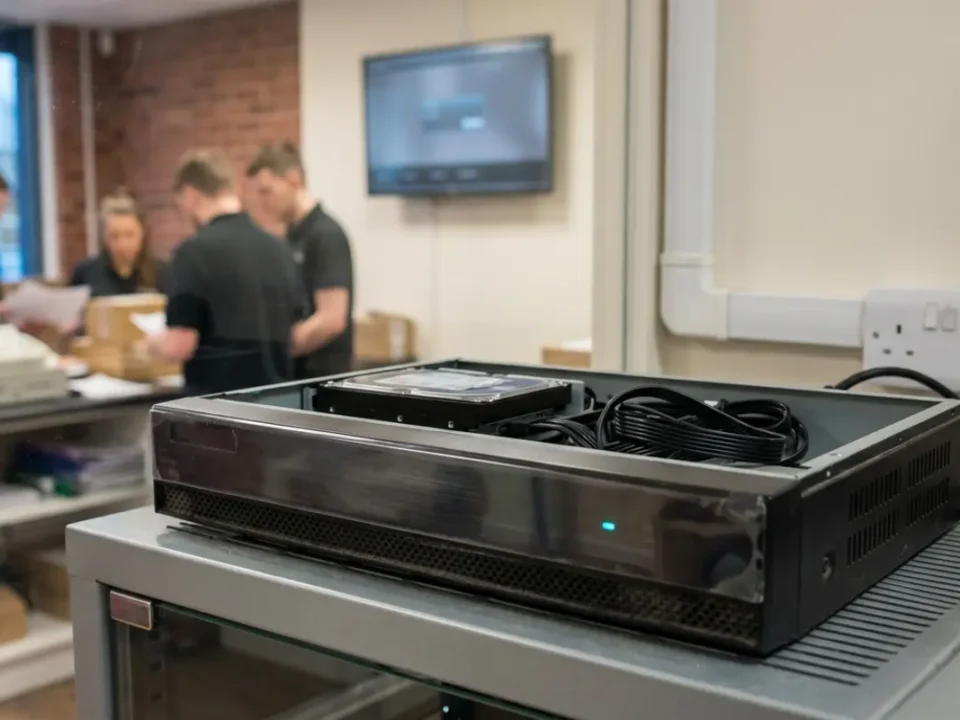
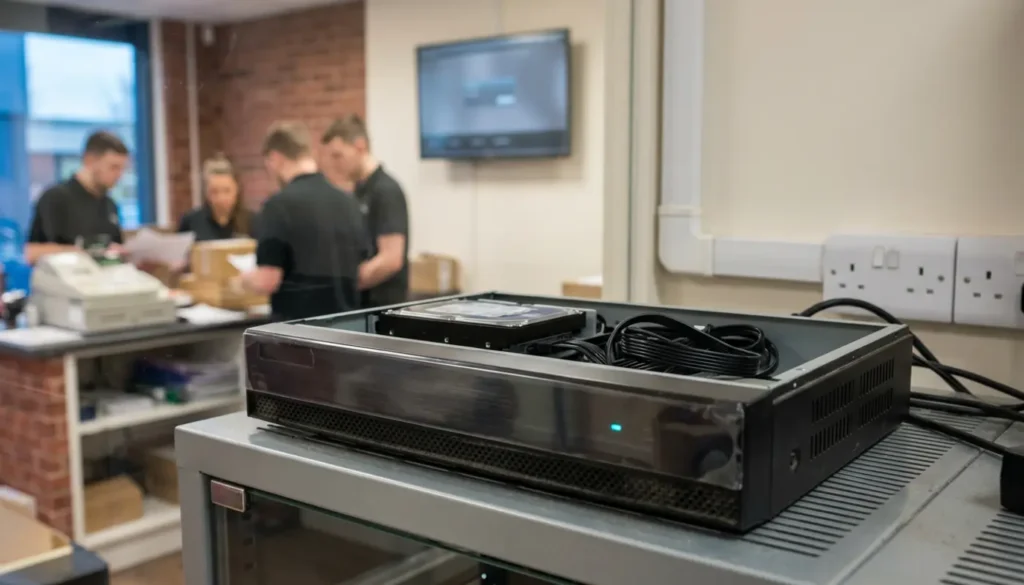
For a mosque, that means using cameras with suitable resolution, proper lighting support, protected recording equipment, and accurate timestamps. A system should also allow authorised users to export footage quickly for police without risking tampering or accidental overwriting.
Committees that want remote review should make sure access is tightly controlled. If too many people share logins, or clips are downloaded casually onto personal devices, the chain of evidence can become difficult to manage very quickly.
There is also value in understanding the difference between camera types and recording methods, which is covered in this CCTV technology article. It can help trustees choose a system that suits both evidential use and day to day management.
Integrating CCTV With Access Control And Intruder Alarms
The strongest mosque security setups rarely rely on CCTV alone. Cameras work best when they are part of a wider system that includes door entry, controlled access for staff and volunteers, and intruder alarms for out of hours protection.
Access control can be especially useful for side entrances, office areas, classrooms, and multi use rooms. Fobs, keypads, or video intercoms allow a mosque to stay welcoming while still managing who enters less supervised areas and at what times.
Intruder alarms add another layer once the site is closed. These systems should comply with EN 50131 and be designed at the appropriate Grade 2 or Grade 3 level based on risk. If monitored and connected for a Police Response URN, an SSAIB and Insurance Approved installation is essential.
Mosques comparing entry management options can also explore our article on access control for mosques in Manchester, which explains how door security can support both safeguarding and practical day to day use.
Remote Monitoring For Trustees And Committees
Many mosque committees are run by volunteers, so remote monitoring can make a real difference. Secure mobile viewing allows authorised trustees to check an alert, review activity after an event, or confirm whether a contractor has arrived, without making an unnecessary trip to site.
That said, remote access should be limited to named users with clear permissions. Not everyone needs full playback, export rights, or admin control. Keeping access properly organised is better for security, better for accountability, and much better for avoiding accidental mistakes.
Remote monitoring can also support faster incident response, especially when combined with monitored alarms and agreed call out procedures. If something happens overnight, trustees can verify what is happening and pass accurate information to police or keyholders.
For broader site protection, many committees combine cameras with intruder alarms so visual evidence and alarm activation work together rather than separately.
UK GDPR And Data Protection For Mosque CCTV
Mosque CCTV systems must be managed in line with UK GDPR and the Data Protection Act. In practice, that means trustees or the management committee should know who is responsible for the system, why footage is being recorded, how long it is kept, and who can access it.
Signage should clearly tell visitors that CCTV is in operation and explain the security purpose. A simple written policy is also a sensible step because it helps answer common questions about retention, subject access requests, and when footage may be shared with police.
- Who manages the system
- Why footage is recorded
- How long recordings are kept
- Who can view or export footage
- How requests for footage are handled
Storage security matters too. Password protected systems, limited user permissions, and controlled export procedures all reduce the chance of misuse. It may not be the most exciting part of security planning, but it is one of the details that protects the mosque just as much as the cameras do.
Funding Routes For Mosque Security In 2026
If you are planning improvements, funding is likely to be one of the first things your committee will discuss. That is understandable because security upgrades can involve a significant cost, especially when a site needs cameras, lighting, alarms, fencing, and access control rather than just one isolated improvement.
In 2026, mosques may be able to seek support through the Protective Security for Mosques Scheme and related Home Office funding routes where the eligibility criteria are met. These schemes have specifically recognised the need to protect faith sites that face the risk of religiously motivated hate crime.
Applications normally require evidence of vulnerability, local incidents, or a clear security need, so it helps to gather information early.
- Records of previous incidents
- Photographs of vulnerable areas
- Police reference details where available
- A basic site risk summary
- A clear outline of what protection is needed
Committees should also remember that funding may not always cover every related cost, such as future maintenance or all preferred extras.
Ongoing maintenance is often overlooked, yet it is essential if a system is going to keep working when it is needed most. That is why some organisations choose planned service contracts to keep cameras, recorders, and connected systems reliable over time.
Working With Greater Manchester Police And Local Advisors
It is often worth speaking with Greater Manchester Police and relevant local protective security advisers when planning mosque CCTV. They can help committees think more clearly about vulnerable areas, likely risks, reporting processes, and the sort of evidence that is most useful after an incident.
That joined up approach is especially valuable where a mosque is considering monitored CCTV, external perimeter coverage, or linked alarm response. If a Police Response URN is part of the long term plan, the system must be specified correctly from the outset, with an SSAIB and Insurance Approved installer supporting that route.
Good design is not only about preventing crime. It also supports reassurance, quicker decision making, and a stronger sense that the mosque is prepared, organised, and properly looking after its community.
Final Thoughts
CCTV for mosques in Manchester is no longer just a technical purchase. It is part of a wider community safety decision that affects safeguarding, privacy, evidence, funding, and day to day confidence for worshippers and trustees alike.
The most effective systems are the ones that cover genuine risk points, respect the dignity of the congregation, and work smoothly with access control and intruder alarms. When the installation is carried out by an SSAIB and Insurance Approved provider, committees also gain reassurance that the system has been designed to recognised standards and can support future monitoring or Police Response URN requirements where appropriate.
iSecurity Solutions is a trusted UK provider of commercial and domestic security systems, helping homes and businesses stay protected around the clock. From CCTV and intruder alarms to fire safety, access control and construction site monitoring, our expert team designs reliable, tailored solutions backed by responsive service and modern, remotely monitored technology. Whether you are securing a single property or managing multi site assets, we deliver the equipment, expertise and peace of mind to keep what matters most safe.