What Is an Addressable Fire Alarm System?
Addressable Fire Alarm System
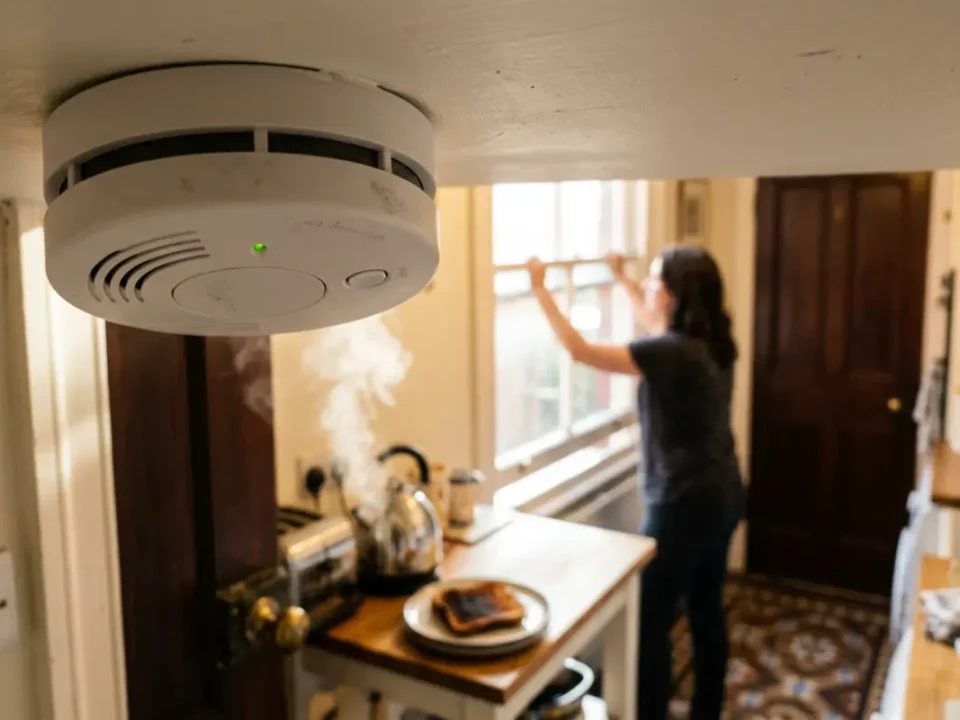
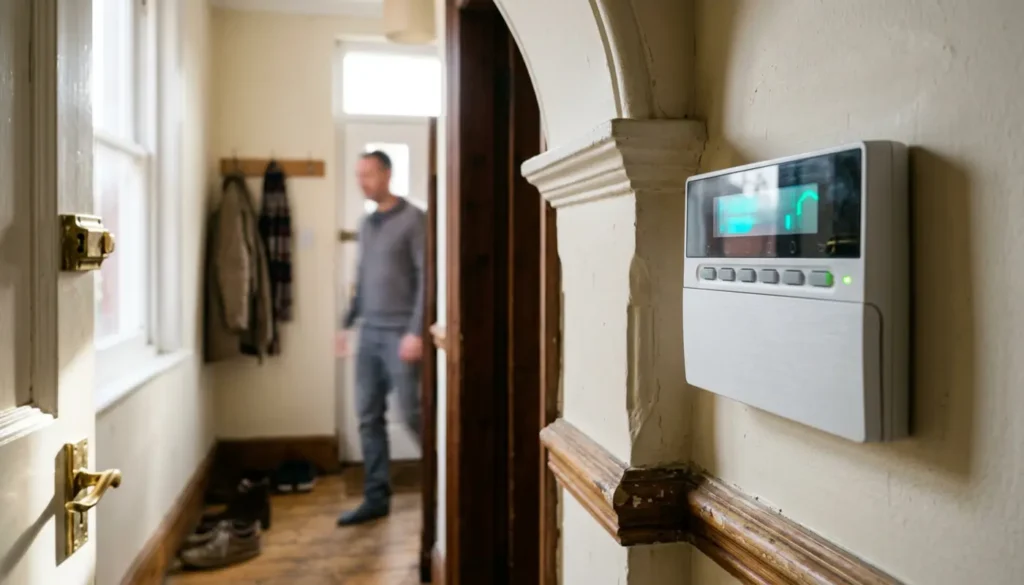
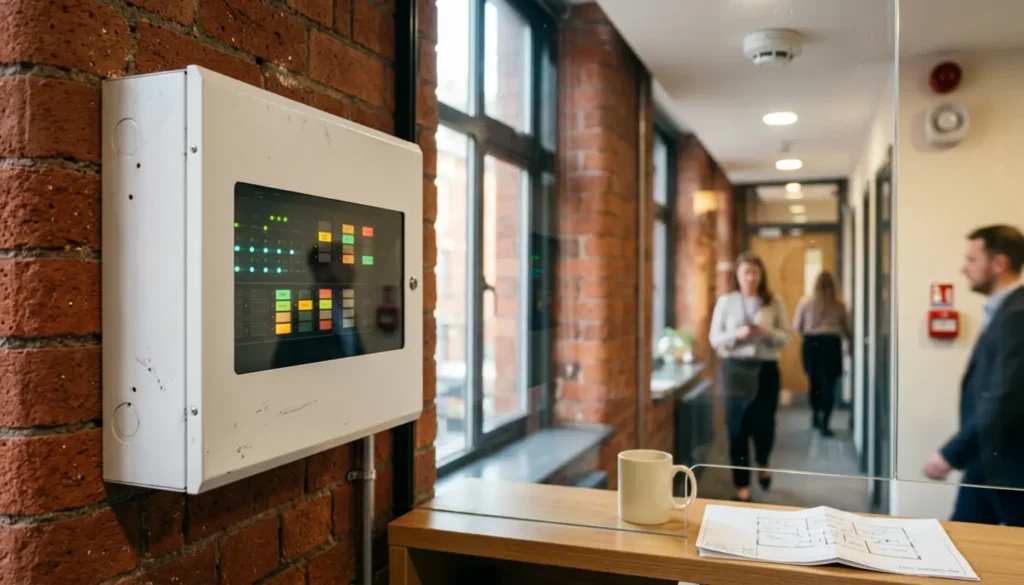
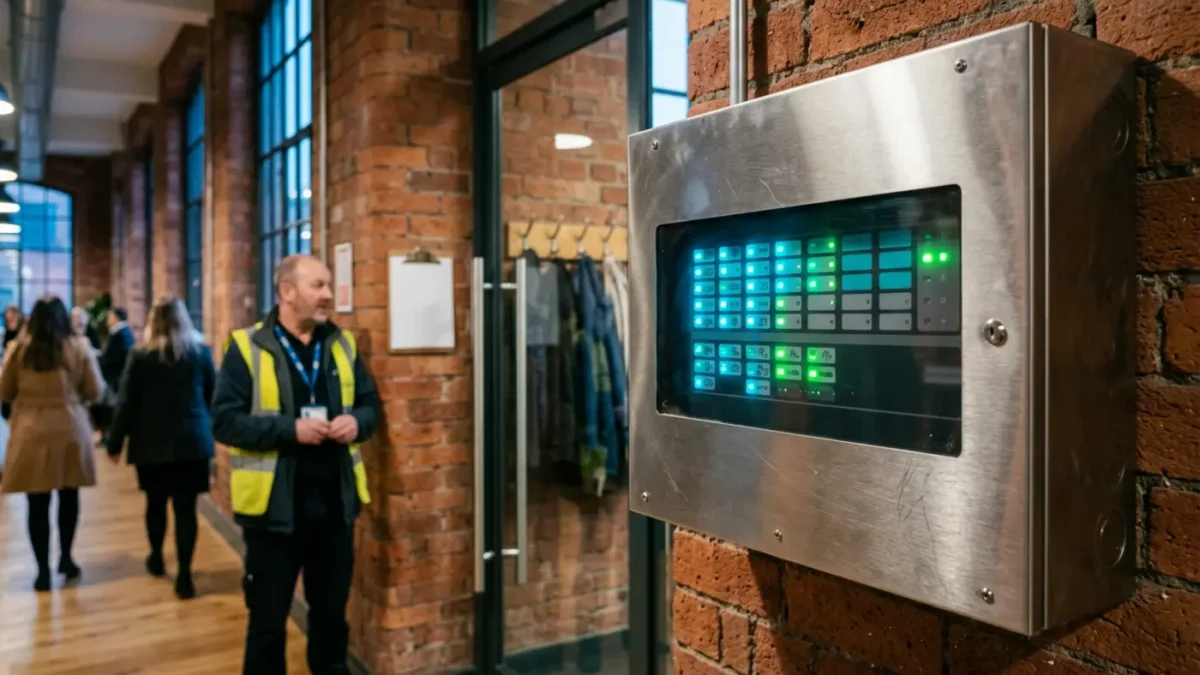
An Addressable Fire Alarm System is a fire detection and alarm system where each detector, call point, sounder, beacon or module has its own individual address. When an alarm or fault happens, the control panel can show the exact device that has activated, such as a second floor corridor smoke detector, rather than only showing a broad area.
Choosing the right fire alarm system can feel stressful, especially when you are balancing legal duties, safety, cost, building use and responsibility for other people. For UK premises, the right choice matters because the wrong system can slow down investigation, increase false alarms and make fire safety harder to manage. The law expects suitable fire precautions based on risk, and that starts with a proper fire risk assessment.
iSecurity Solutions is a trusted UK provider of commercial and domestic security systems, helping homes and businesses stay protected around the clock. From CCTV and intruder alarms to fire safety, access control and construction site monitoring, the team designs reliable, tailored solutions backed by responsive service and modern remotely monitored technology. Whether you are securing one property or managing several sites, iSecurity Solutions provides the equipment, knowledge and peace of mind needed to keep what matters most safe.
Why Fire Alarm Choice Matters For UK Premises
Fire alarm choice matters because every building has different risks, layouts and occupants. A small shop, a care home, a hotel and a warehouse should not be approached in the same way, even though they all need clear warning if fire is detected.
Under the Regulatory Reform Fire Safety Order 2005, which is the main fire safety law for England and Wales, the responsible person must take suitable fire safety measures where required. This can include employers, landlords, owners, occupiers or anyone with control over the premises, and the alarm design should be linked to the fire risk assessment rather than chosen because it sounds impressive.
A suitable system helps people evacuate, helps staff investigate quickly and supports good record keeping. An unsuitable system can leave gaps in detection, create confusion during an alarm, make faults harder to trace and increase the chance of unwanted activations, which nobody wants during a busy working day.
If you manage a larger building, sleeping risk premises or a site where false alarms keep interrupting the day, an addressable system may be worth a serious look. It is not always the only answer, but it often gives clearer information when every minute matters.
Addressable Fire Alarm System Explained At A Glance
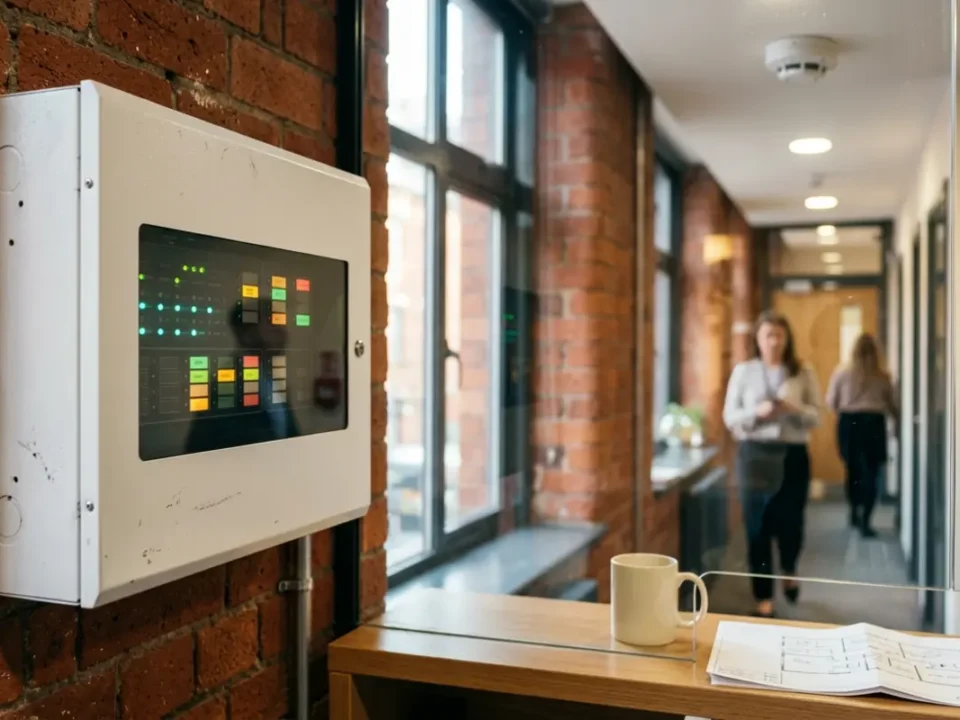
An Addressable Fire Alarm System uses a control panel that communicates with individual devices on the system. Each device is given a unique address, so the panel can display which detector, call point or module has triggered an alarm, fault or other event.
The main idea is simple. Instead of saying Zone 3 alarm, an addressable panel can give a more useful message, such as Room 214 smoke detector alarm. That extra detail can save valuable time when staff, fire wardens or facilities teams need to check what is happening.
Addressable systems are often used in larger or more complex premises because they provide better location information and easier fault diagnosis. They are not automatically required by law in every building, but they are often the practical choice where speed, clarity and system control matter.
How An Addressable Fire Alarm System Works
The Fire Alarm Loop
Most wired addressable systems use one or more loops. A loop is a cable circuit that leaves the fire alarm control panel, connects to multiple devices around the building and then returns to the panel.
On that loop, the panel communicates with each device in turn. It checks normal status, alarms, faults, contamination levels where supported and other system information depending on the equipment used.
A simple way to understand it is to think of the control panel connected to a loop cable, then to detectors, call points, sounders, beacons and interface modules before the cable returns to the control panel. Exact loop capacity, wiring rules and device combinations vary by manufacturer, so competent design is essential.
Unique Device Addresses
Every addressable device has its own identity within the system. A smoke detector in a corridor, a manual call point by an exit and an interface module controlling a door release can all be recognised separately by the panel.
The address itself is not the same as the location description. The installer or commissioning engineer must programme meaningful text so the panel message is useful in real life, because Device 037 is not very comforting when everyone is waiting for a clear answer.
The Control Panel
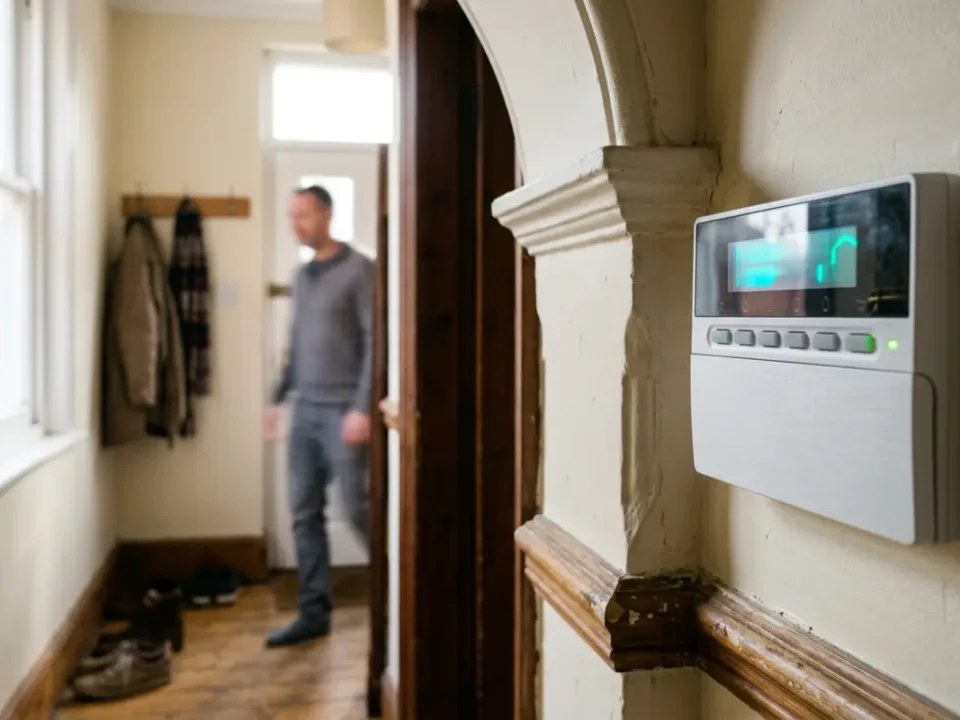
The fire alarm control and indicating panel is the brain of the system. It receives signals, displays alarms and faults, stores event history, manages tests and can control programmed actions through what is often called cause and effect.
Cause and effect means the system can be programmed to perform certain actions when specific devices activate. For example, it may release fire doors, start a smoke control system, shut down plant equipment or send a signal to monitoring equipment, where that is part of the approved design.
For a deeper look at system logic, you can read our explanation of fire alarm cause and effect, which breaks down how these programmed actions support safer building management.
Addressable Fire Alarm System Versus Conventional Systems
The key difference is the level of identification. A conventional fire alarm normally reports the zone that has activated, while an addressable fire alarm reports the individual device or point that has activated.
In a conventional system, a building is divided into zones, and each zone is wired to the panel using separate circuits. If an alarm occurs, the panel may show Zone 2, which tells staff the broad area but not the exact device.
In an addressable system, devices commonly sit on loops and communicate individually with the panel. This usually makes fault finding easier, supports larger systems more neatly and allows more detailed programming for complex buildings.
For a simple comparison, conventional systems usually show a broad zone, suit smaller and simpler premises, and often have a lower upfront cost. Addressable systems usually show the individual device location, suit larger or more complex premises, allow faster fault finding and provide more flexible control for cause and effect actions.
Conventional systems can still be perfectly suitable for smaller, simpler premises. Addressable systems are often better for bigger sites, multi floor buildings, sleeping accommodation, healthcare settings, schools, offices, warehouses and places where quick location information really helps.
Addressable Fire Alarm System Versus Wireless Systems
Addressable and wireless do not mean the same thing. Addressable describes how devices are identified by the panel, while wireless describes how devices communicate, usually by radio rather than fixed cabling.
A wired addressable system gives a physical communication path and is widely used in commercial premises. It may involve more installation disruption, especially in occupied buildings, but it can be very reliable when designed, installed and maintained correctly.
Wireless systems can reduce cabling and may suit historic buildings, temporary layouts or sites where running cables is difficult. However, they still need proper radio planning, battery management, maintenance and compliance with the required fire alarm design.
The right choice should follow the fire risk assessment, the building layout and the required category of protection. Convenience is useful, but it should never be allowed to take control of the fire safety design.
Key Components Of An Addressable Fire Alarm System
An addressable system can include automatic smoke detectors, heat detectors and multi sensor detectors. The correct detector type depends on the environment, because steam, dust, aerosols and cooking fumes can all cause nuisance activations if the wrong device is fitted in the wrong place.
Manual call points allow people to raise the alarm when they discover a fire. They are usually placed on escape routes, near exits and in other suitable locations so occupants can operate them quickly and safely.
Sounders and visual alarm devices warn people to take action. Audible warning must be clear enough for the building, while beacons or other visual devices may be needed for noisy areas or for people who may not hear an alarm.
Interface modules connect the fire alarm to other building systems. They can support door release, lift control, plant shutdown, smoke ventilation, fire shutters, sprinkler monitoring or specialist suppression interfaces, where these are part of the agreed fire strategy.
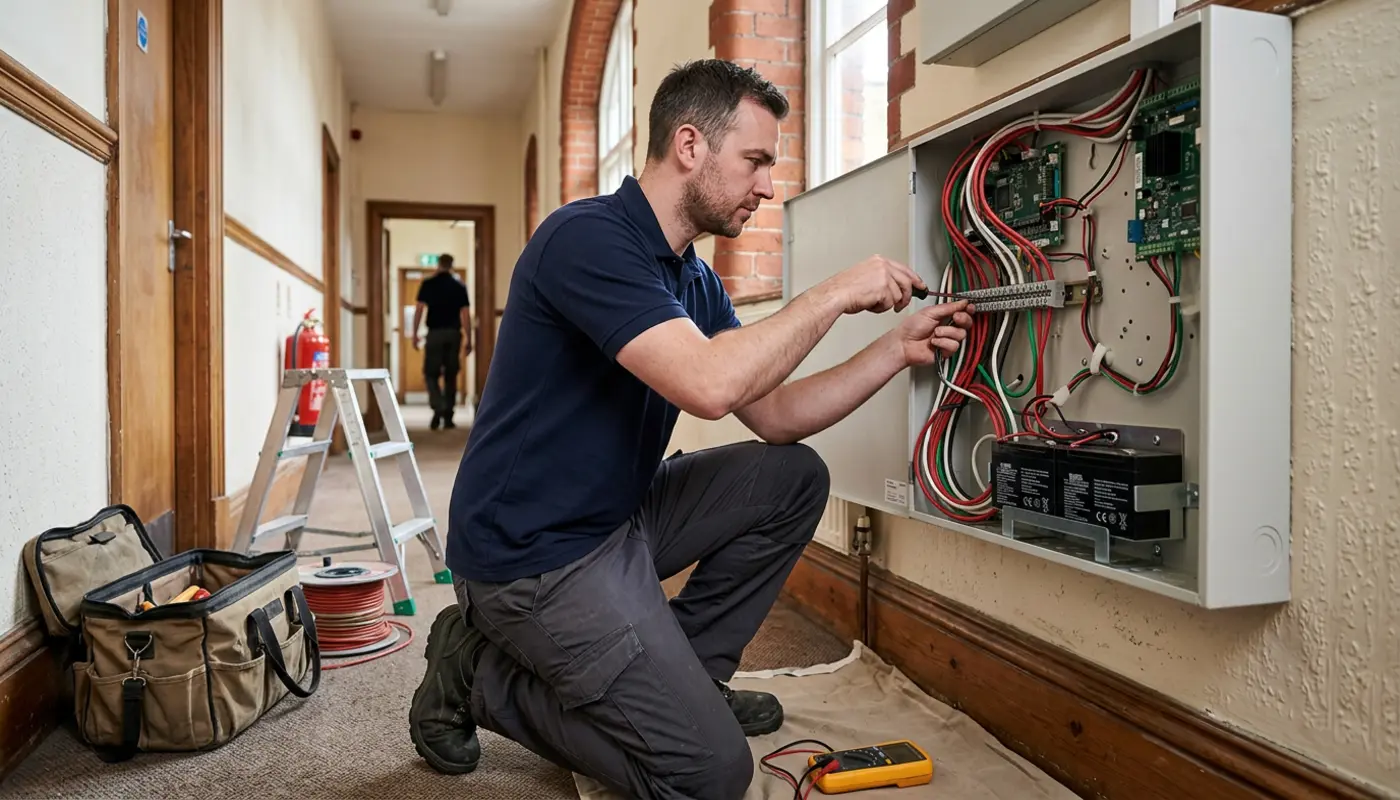
Power supplies and standby batteries are also vital. The system must keep operating during a mains failure for the required period, and battery condition should be checked as part of routine maintenance.
How Addressable Systems Help Locate A Fire
The biggest practical benefit of an addressable system is better location information. Instead of sending staff to search an entire zone, the panel can point them towards a named device in a specific room, corridor or plant area.
This helps fire wardens, reception teams, site managers and the fire and rescue service build a clearer picture of what may be happening. It does not remove the need for trained action, because the panel identifies the reporting device, not a confirmed fire scene.
Accurate location text and a current zone plan are essential. If a room has been renamed, divided or used for a different purpose, the fire alarm records should be updated so the information on the panel remains useful during a real event.
UK Standards And Regulations For Addressable Fire Alarms
In UK non domestic premises, fire alarm design is commonly guided by BS 5839 Part 1. This is the code of practice for the design, installation, commissioning and maintenance of fire detection and fire alarm systems in non domestic buildings.
BS 5839 Part 1 includes categories such as L1, L2, L3, L4 and L5 for life protection, plus property protection categories. These categories describe the extent and purpose of detection, not whether the system must be addressable or conventional.
The Regulatory Reform Fire Safety Order 2005 sets the legal duty to provide appropriate fire precautions where necessary. You can read the official government overview of workplace fire safety responsibilities on GOV.UK fire safety guidance.
Building Regulations may also matter for new builds, extensions, conversions and major alterations. The fire alarm design should line up with the fire strategy, escape routes, compartmentation, accessibility needs and any building control requirements.
Other fire safety duties may also apply depending on the building and equipment in use. For example, emergency lighting is commonly linked to BS 5266, fire extinguishers are commonly linked to BS 5306 and fire risk assessment methods are often supported by PAS 79. These are separate from the fire alarm design, but they all form part of a sensible fire safety plan.
For premises needing professional fire detection support, fire safety systems from iSecurity Solutions can be designed around the building, the risk profile and the day to day needs of the people using the site.
Where Addressable Fire Alarm Systems Are Commonly Used
Addressable systems are common in care homes and healthcare buildings because sleeping risk, vulnerable occupants and staff response procedures need careful planning. In these settings, clear device location can support faster investigation and calmer management during an alarm.
Schools and universities often benefit from addressable systems because they have several buildings, changing occupancy patterns, plant rooms, halls, kitchens and use outside normal hours. Staff need to know quickly whether the activation is in a classroom, corridor, sports block or kitchen area.
Hotels and larger accommodation sites often need detailed detection, accurate room identification and good false alarm management. Guests may be asleep, unfamiliar with the building and reliant on staff instructions, so clarity matters.
Warehouses, factories and industrial premises can also suit addressable systems, especially where there are large spaces, dust, high ceilings, specialist processes or interfaces with plant and smoke control. Detector selection is particularly important in these environments because one type of device will not suit every area.
Large HMOs and mixed use buildings can be complicated because common areas, commercial units, landlords and occupiers may all overlap. An addressable system can help manage shared spaces, escape routes and maintenance records more effectively.
Addressable Fire Alarm System Cost In The UK
In 2026, the cost of an addressable fire alarm system in the UK depends on the building size, number of devices, cable routes, access, panel specification, interfaces, commissioning and documentation. It is better to treat online price ranges as rough guidance, not a formal quotation.
As a broad indication, a small commercial addressable installation may cost from around £3,000 to £8,000. A medium site may sit around £8,000 to £20,000, while larger premises can run into £25,000, £50,000 or more. Complex sites with several loops, cause and effect programming, phased works or installation outside normal hours will cost more.
Equipment might include an addressable panel from around £600 to £2,000, individual detectors from around £35 to £90 each, manual call points from around £30 to £80 each and sounders or visual alarm devices from around £40 to £150 each. Installation, cabling, commissioning and certification often make up a large part of the total cost, so the device price alone rarely tells the full story.
Servicing costs also vary. A simple maintenance visit may start from around £150 to £300, while larger systems with more devices, more testing time and more documentation can cost £500, £1,000 or more per visit. These examples are only guidance, but they show why a proper survey is so important.
A good quotation should clearly show design, equipment, installation, commissioning, certification, drawings, zone plans, staff handover, maintenance options and any monitoring requirements. It should also state whether VAT, making good, fire stopping and future battery replacement are included.
The cheapest quote is not always the best value. A well designed system can reduce fault finding time, support easier maintenance and provide better long term control, while a poorly specified system can become a very expensive headache with flashing lights.
Testing, Servicing And False Alarm Reduction
Commercial fire alarms should be tested regularly by the responsible person, with results recorded in the fire log book. Weekly user testing is widely expected, usually by operating a different manual call point on rotation where practical.
The control panel should also be checked for faults, disablements and abnormal conditions. In some premises, daily checks may be appropriate, especially where the fire safety arrangements rely heavily on the alarm system.
Competent servicing is normally carried out at planned intervals, often every six months for commercial systems, although the correct frequency should follow the risk assessment, system documentation and BS 5839 Part 1 recommendations. Servicing should include detectors, call points, sounders, beacons, batteries, interfaces, logs and records.
A typical maintenance contract may include planned service visits, fault callouts, telephone support, replacement parts options, battery checks, documentation updates and help with repeat false alarm issues. You should know what is included, what is chargeable and how quickly support is available if the panel starts showing a fault late on a Friday afternoon.
False alarms can often be reduced through better detector selection, correct siting, good cleaning practices and prompt investigation of repeated activations. Common causes include steam, dust, aerosols, cooking fumes, building works, insects and contaminated detector chambers.
If you are getting the same unwanted alarm again and again, it is worth asking why. Disabling parts of the system without proper controls is risky and should never become the easy fix. If unwanted alarms keep happening, the sensible answer is to review the cause, adjust the design where needed and keep proper records.
Choosing A Competent Installer And Maintenance Provider
A competent installer should be able to explain the design, the chosen category, the device schedule, the zone plan and any cause and effect actions in plain English. If every answer sounds unclear, ask for better documentation before agreeing to the work.
Request evidence of experience with similar premises, design competence, commissioning records, maintenance capability and service response arrangements. Third party certification, such as BAFE or NSI approval, can support due diligence, but it does not replace a suitable fire risk assessment or a properly documented design.
You should also expect handover information, user training, certificates, drawings, battery calculations where relevant and clear instructions for weekly testing. The aim is not just to install equipment, but to leave you with a system you can manage confidently.
Final Thoughts On Addressable Fire Alarm Systems
An addressable fire alarm system is a smart choice for many UK premises because it identifies individual devices, supports clearer investigation and offers more flexible control than many conventional systems. It is especially useful in larger, busier or more complex buildings.
The best system is always the one that matches the fire risk assessment, the building layout and the people who use the premises. When designed to BS 5839 Part 1, installed by competent professionals and maintained properly, an addressable system can give clearer information, better control and far more peace of mind.
Frequently Asked Questions
Is An Addressable Fire Alarm System Required By Law In The UK?
The law requires suitable fire detection and alarm arrangements where necessary, but it does not automatically require an addressable system in every premises. The correct choice should follow the fire risk assessment and BS 5839 Part 1 design guidance.
What Is The Main Advantage Of An Addressable Fire Alarm System?
The main advantage is that the control panel can identify the individual device reporting an alarm or fault. This helps staff investigate more quickly than a system that only shows a wider zone.
Are Addressable Fire Alarm Systems More Expensive?
They often cost more upfront than simple conventional systems because of the panel, devices and programming involved. However, they can offer better long term value in larger or more complex buildings through easier fault finding and clearer management.
How Often Should A Commercial Fire Alarm Be Tested?
A weekly user test should normally be recorded, and competent servicing is commonly arranged at least every six months. The exact routine should follow the fire risk assessment, system documentation and BS 5839 Part 1 recommendations.
Should I Choose An SSAIB Installer For Fire And Security Systems?
For linked security systems, an SSAIB certified and Insurance Approved provider can support insurer expectations, including Police Response URN requirements for eligible intruder alarm systems. Fire alarm work should also show relevant competence and compliance with BS 5839 Part 1, while all security and fire installations should be properly documented.